
scott dixon

The actual Formula One

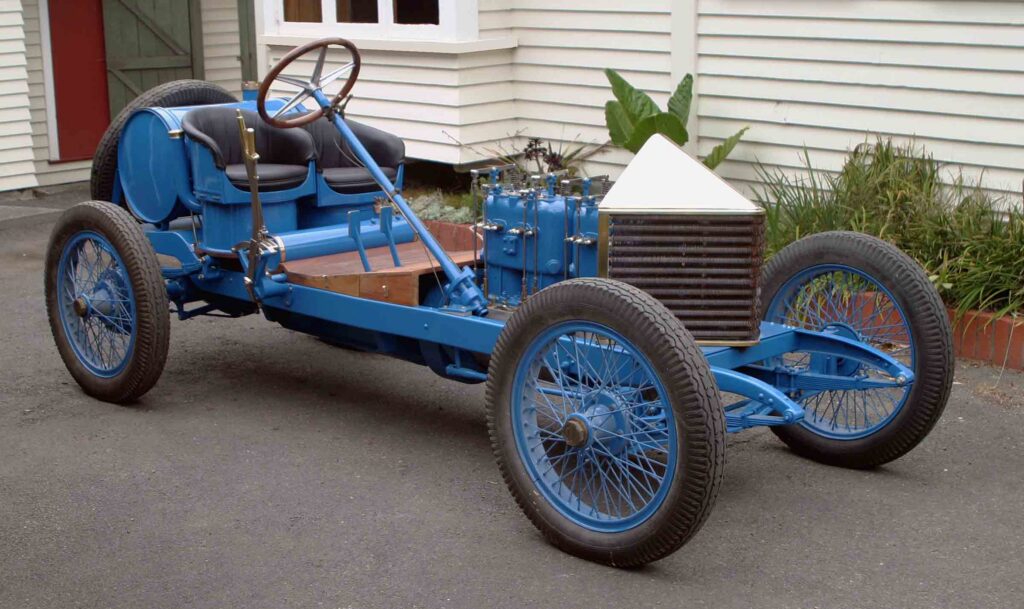
Seeing, in a shed in Hamilton, New Zealand, the Darracq 120 racer that Louis Wagner, also a pioneer aviator, drove to victory in the 1906 Vanderbilt Cup race felt a little like finding a Rembrandt at a garage sale.
For historical significance, I’d say this car ranks with Ray Harroun’s Marmon Wasp, the first Indianapolis 500 winner. Unlike Harroun’s Wasp, which has been lovingly cared for at the Indianapolis Motor Speedway Hall of Fame Museum over the years, this historically pivotal machine wound up half a world away from its home in France and, to most of the motoring world, largely forgotten. Sadly, so is the story of how the car got to Aotearoa in the first place.
More often than not, a racing car that is a few years old is regarded as obsolete and relegated to a shed somewhere. As far as racing drivers and team owners at the cutting edge of the sport are concerned, the cars are virtually worthless at that point. They can’t be driven on the street; at best they can be reconfigured for lower levels of the sport, so few people care about them until their historical significance becomes more apparent.
Motorsport Flashback: The Temple of Speed

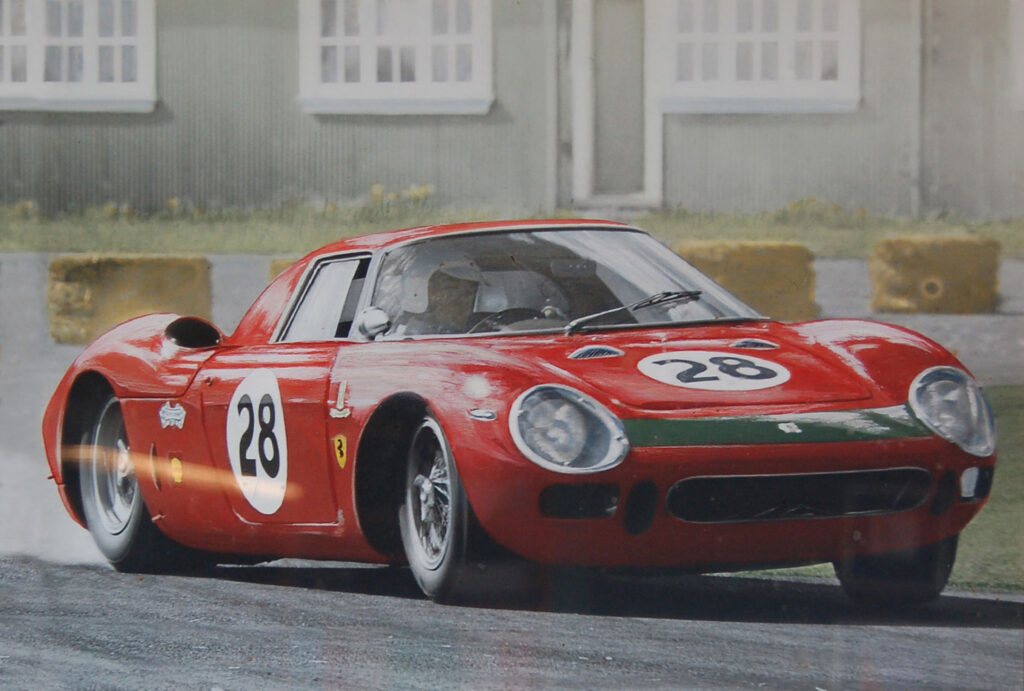
On the banks of the Lambro River is Europe’s largest enclosed park, all 688 hectares of it. Parco di Monza was commissioned by the son of an Austrian empress as a summer retreat in the late 1700s, but it would be for another century and a half before ground was broken on what would become Italy’s famous theatre of speed at the park’s northern end. One hundred years ago on 3 September, less than four months after work started, Autodromo Nazionale di Monza was officially opened and the first race – appropriately, the Italian Grand Prix – was run a week later. Monza was the world’s third purpose-built circuit, after Brooklands and Indianapolis, and was the result of the Milan Automobile Club financing the 3500 workers who created the super-quick, and consequently dangerous, track that made the word ‘Monza’ synonymous for speed.

Lunch with … Roger Bailey

Roger’s story is a classic illustration of what hard work, honesty to the point of brutal frankness, a ‘can-do’ approach, and a racer’s brain can get you in this sport of car racing. Roger, or ‘Boost’ as he’s known up and down the pitlanes of America, was who Kenny Smith turned to when he was dragging a reluctant teenager around the different pit garages at Laguna Seca.
“Scott [Dixon] kept complaining that it was too hot and he just wanted to go back to the hotel pool. I had to tell him that I was trying to secure his future — we weren’t getting much of a look in until we saw Roger who knew everyone and set about introducing Scott as New Zealand’s next big thing.