
Carrozzeria Zagato have designed some of the most iconic cars of all time — but how much do you know about this famous Italian coachbuilder? Take our challenging quiz below, and be sure to flick it to your friends to see who comes out on top.
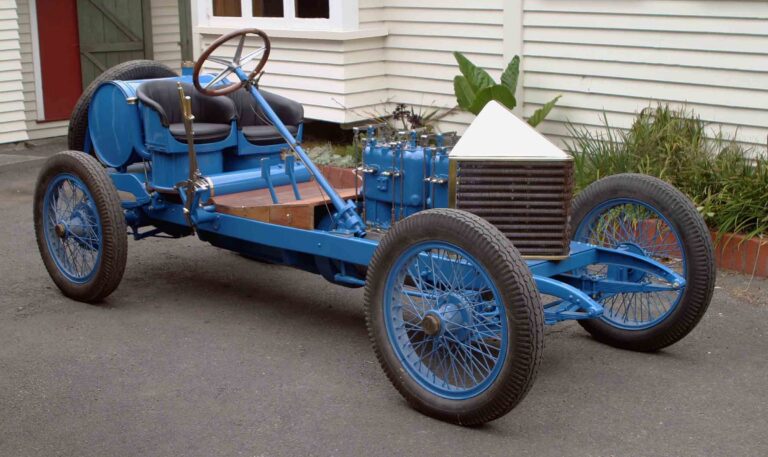
Seeing, in a shed in Hamilton, New Zealand, the Darracq 120 racer that Louis Wagner, also a pioneer aviator, drove to victory in the 1906 Vanderbilt Cup race felt a little like finding a Rembrandt at a garage sale.
For historical significance, I’d say this car ranks with Ray Harroun’s Marmon Wasp, the first Indianapolis 500 winner. Unlike Harroun’s Wasp, which has been lovingly cared for at the Indianapolis Motor Speedway Hall of Fame Museum over the years, this historically pivotal machine wound up half a world away from its home in France and, to most of the motoring world, largely forgotten. Sadly, so is the story of how the car got to Aotearoa in the first place.
More often than not, a racing car that is a few years old is regarded as obsolete and relegated to a shed somewhere. As far as racing drivers and team owners at the cutting edge of the sport are concerned, the cars are virtually worthless at that point. They can’t be driven on the street; at best they can be reconfigured for lower levels of the sport, so few people care about them until their historical significance becomes more apparent.