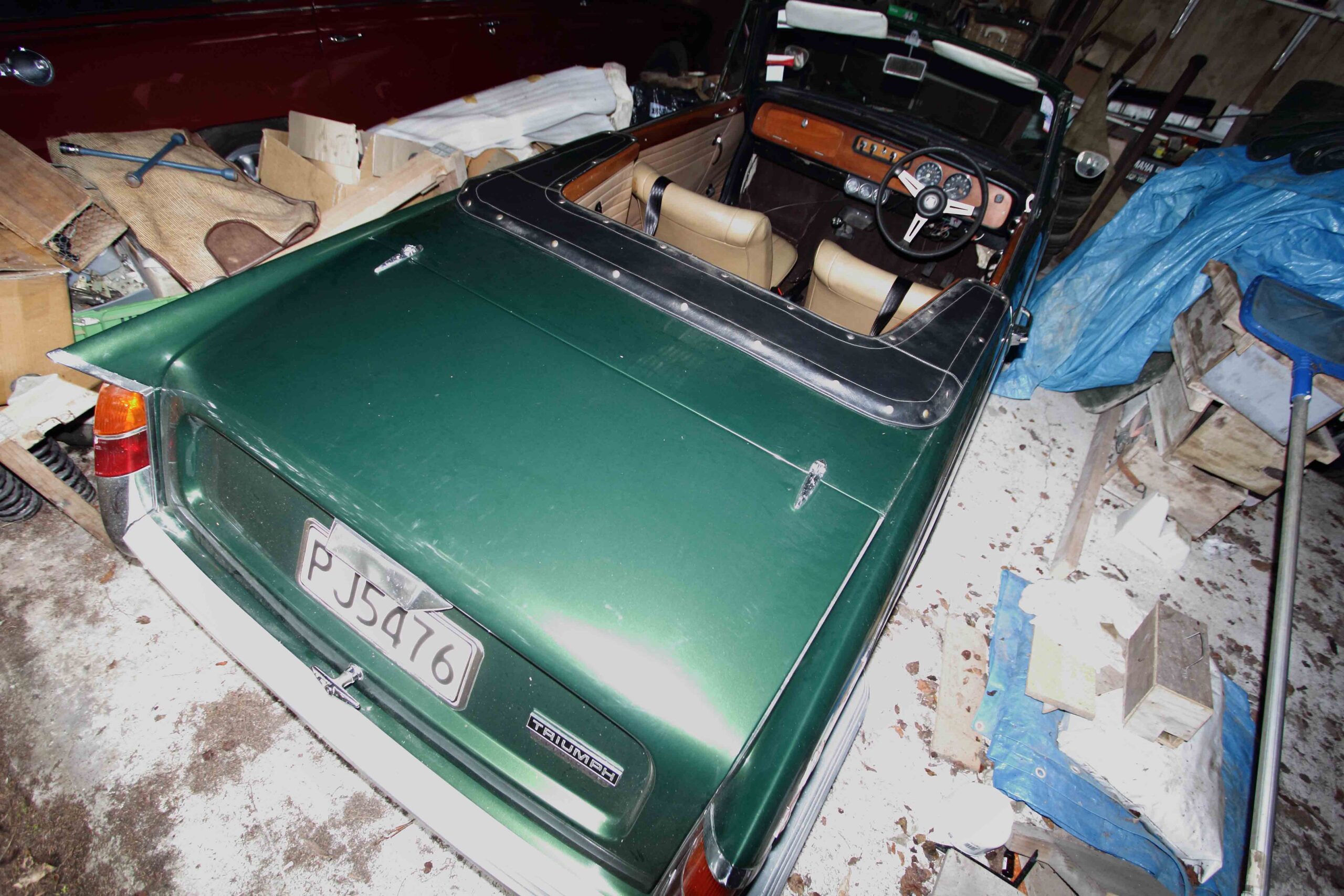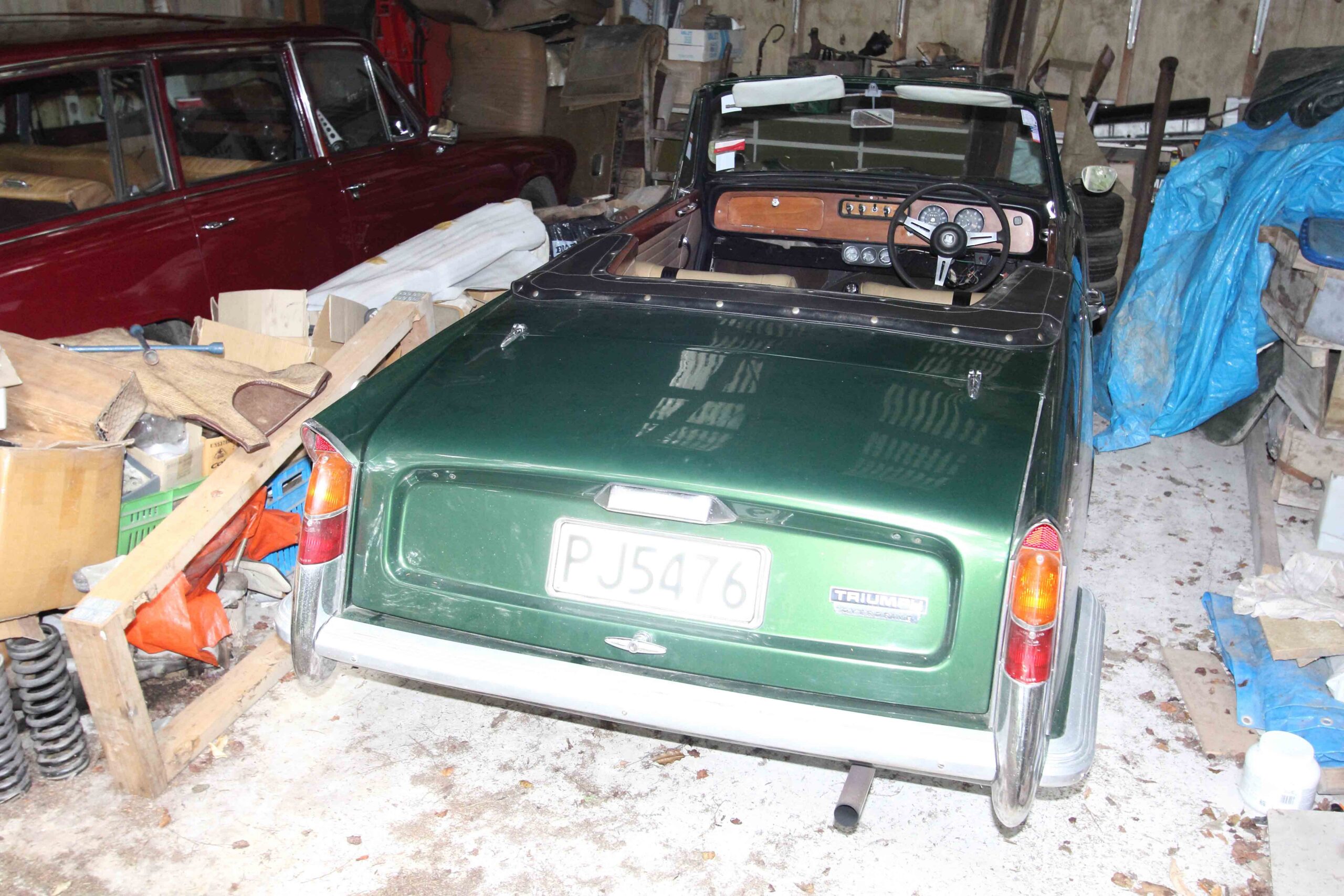
Saving a rare Mark 1 Estate was too tempting for Triumph enthusiast Ralph Allen, even though it gave him plenty of opportunities to regret his decision
Words and photography by Quinton Taylor
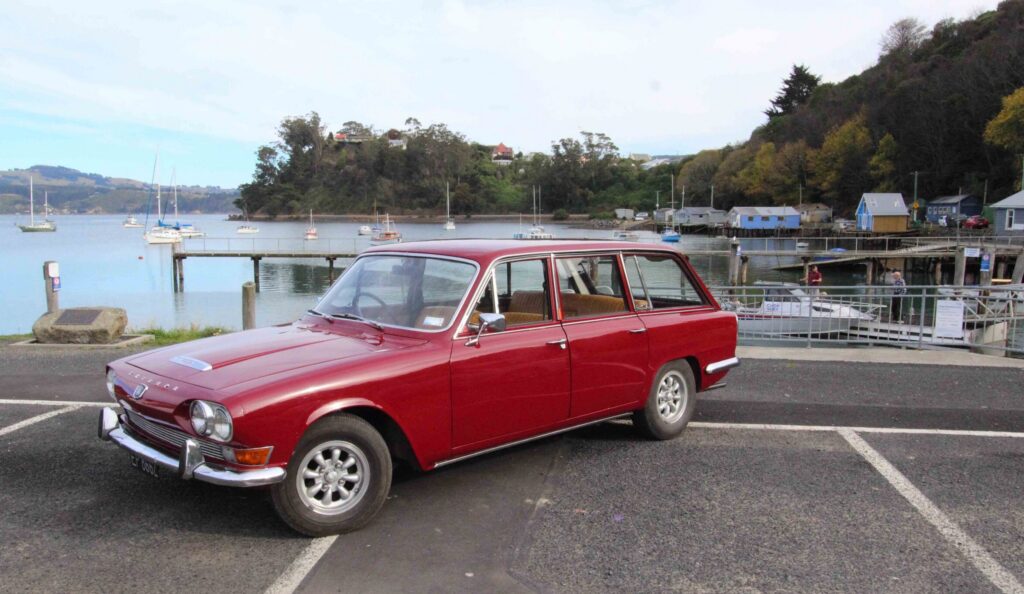
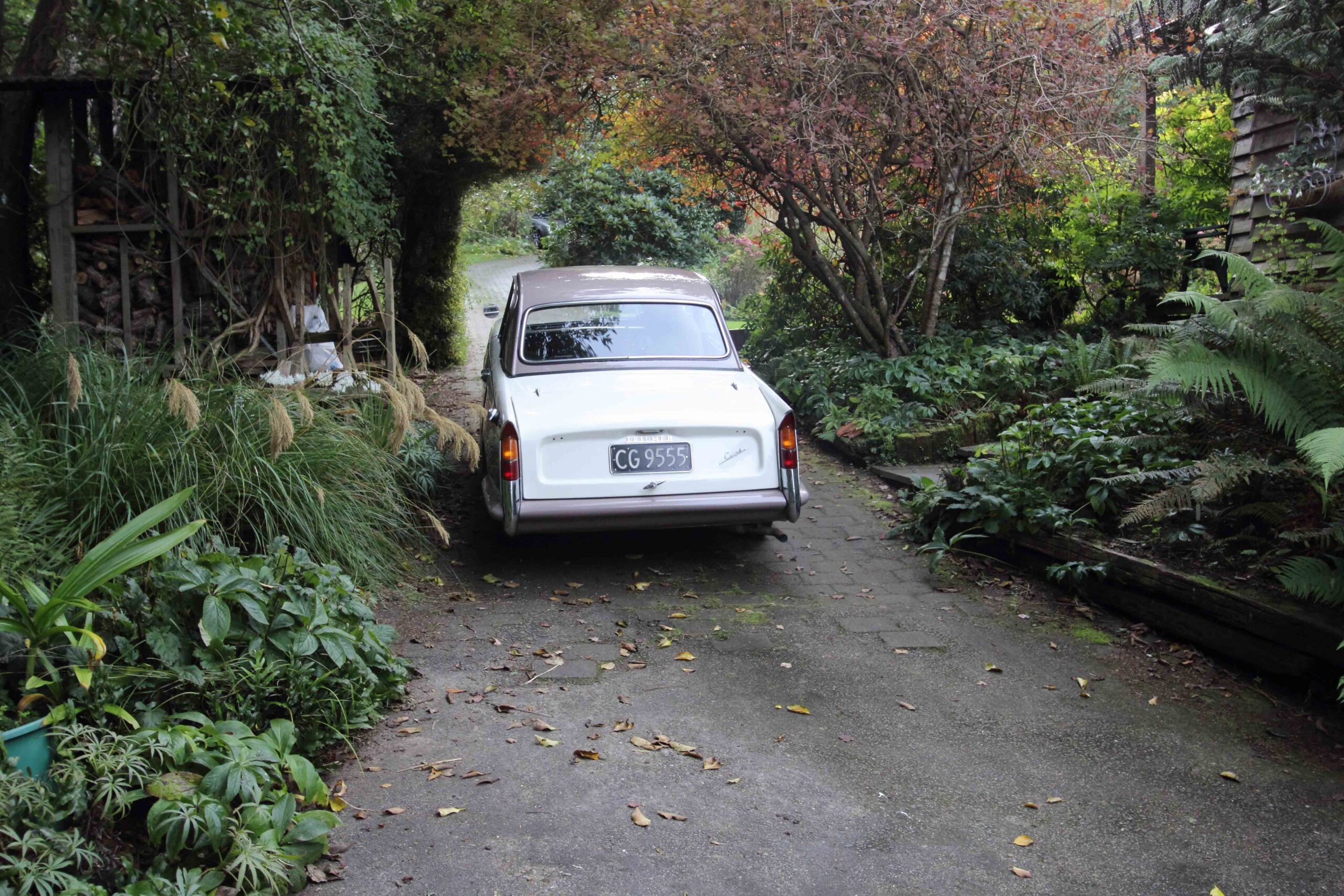
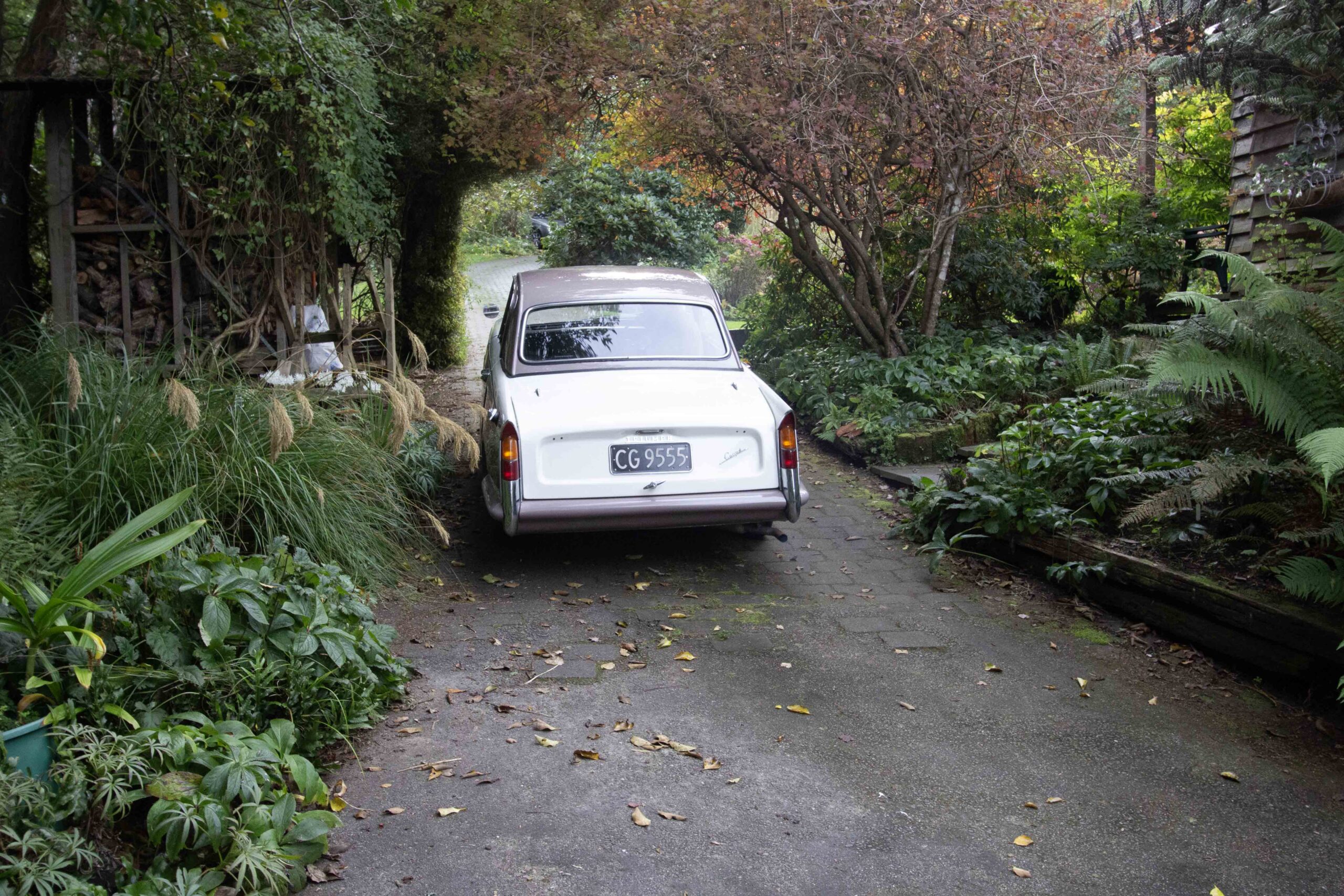
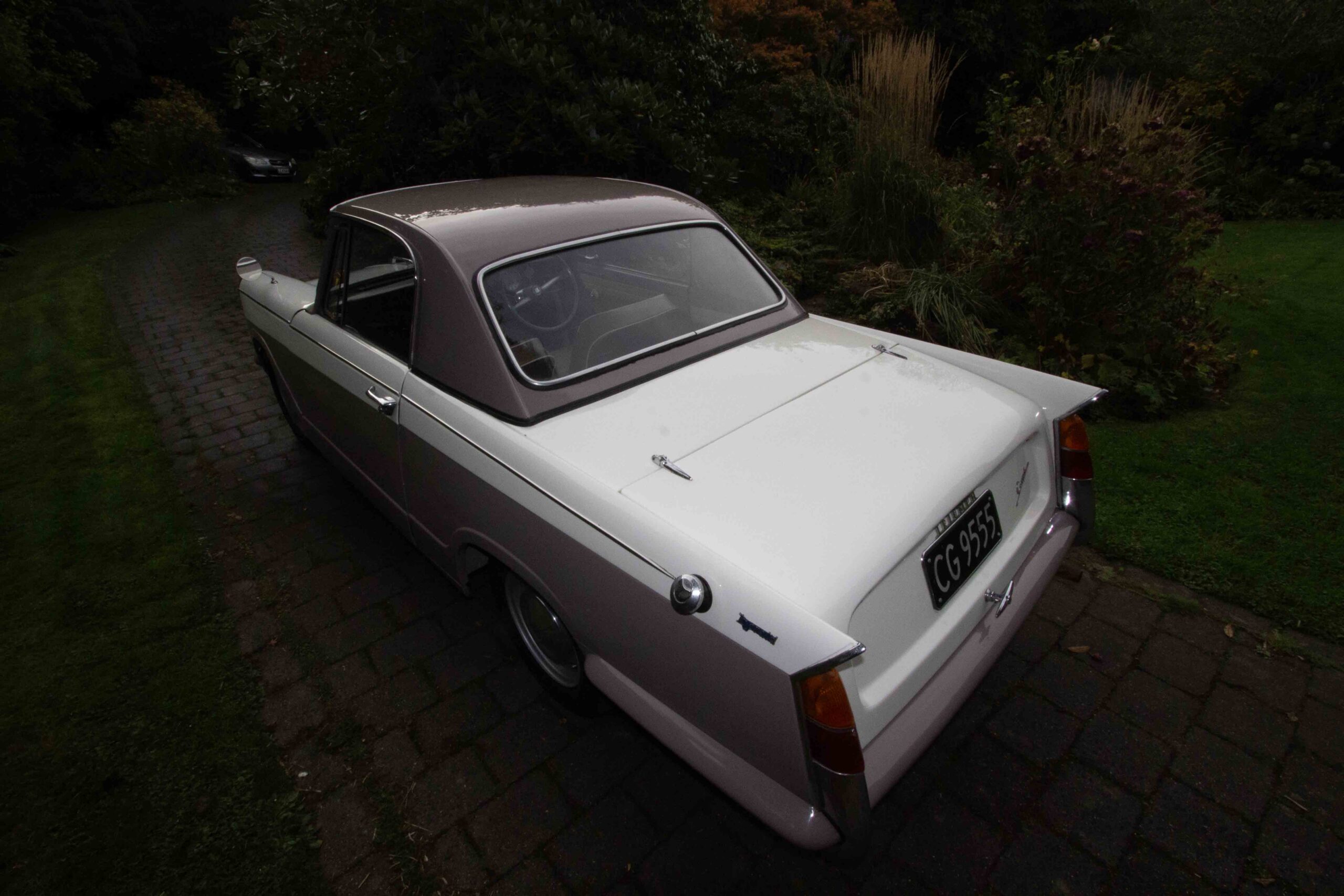
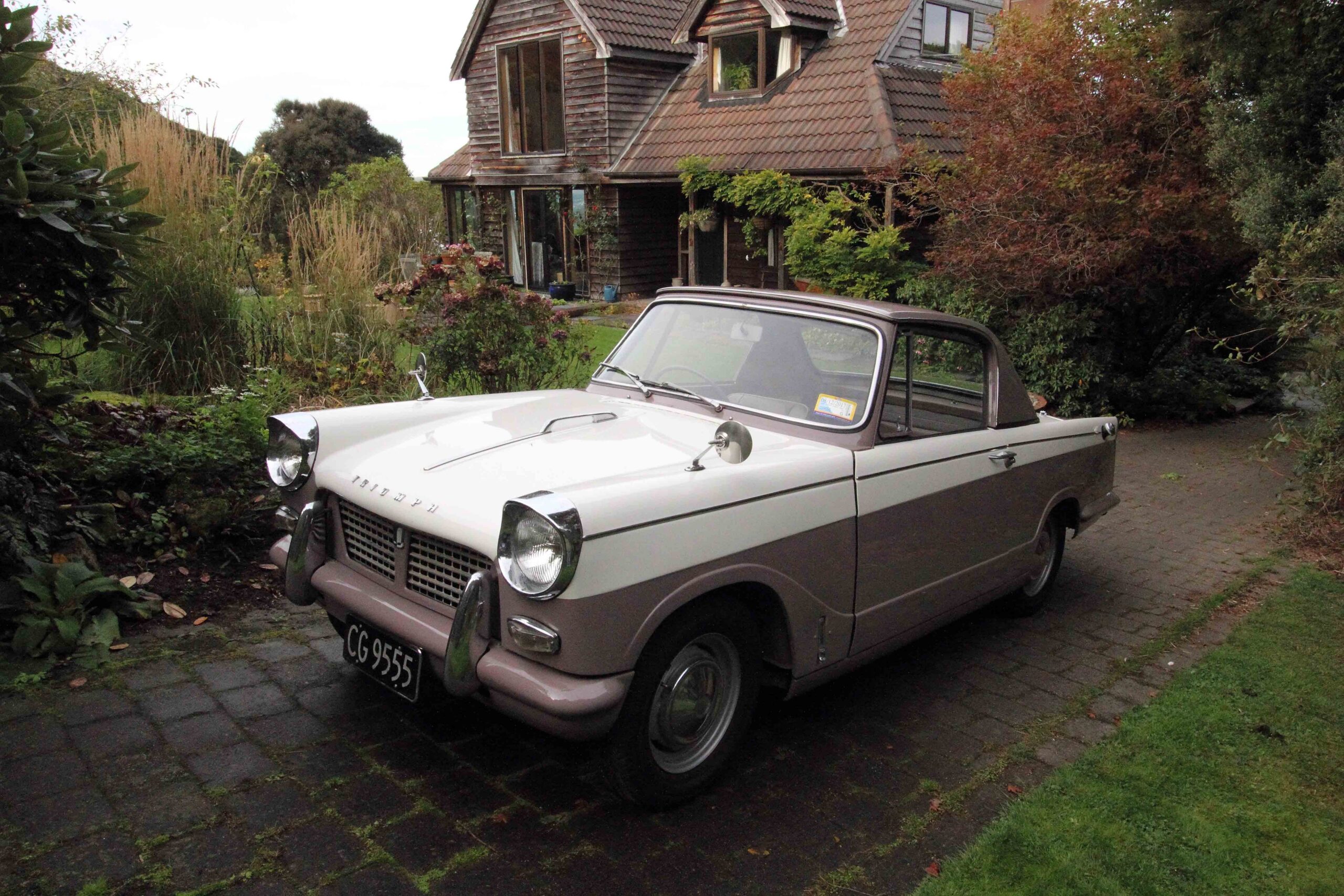
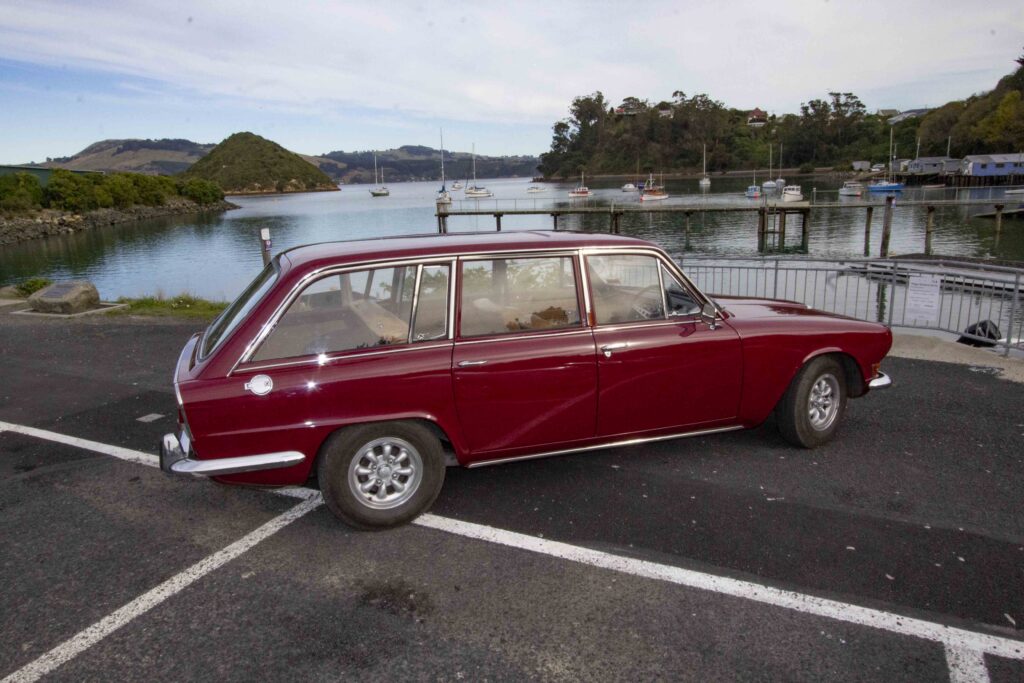
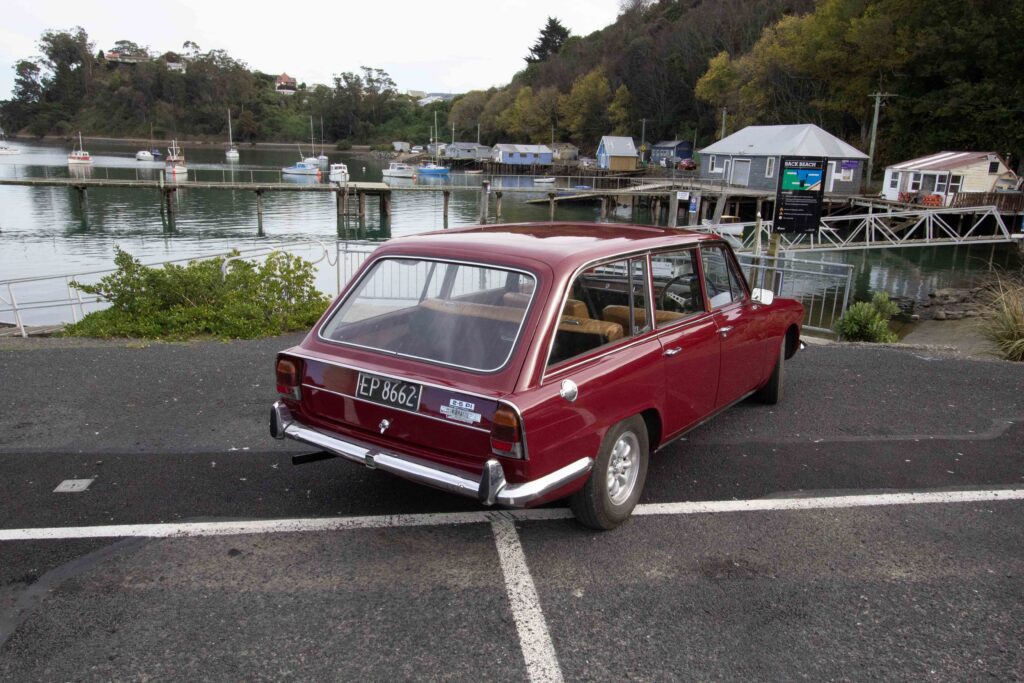
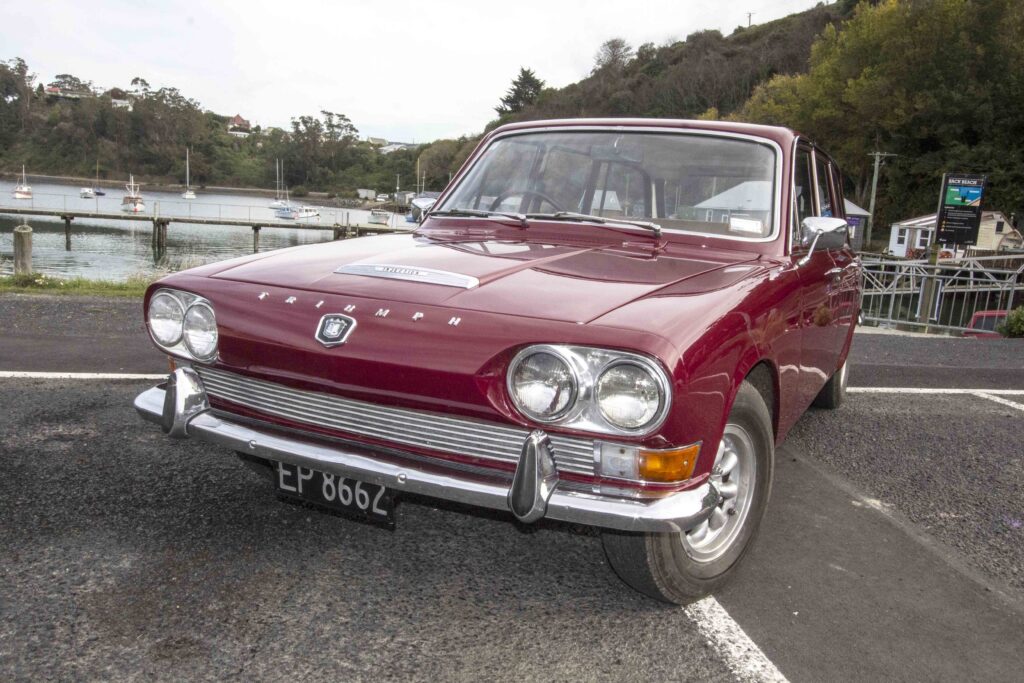
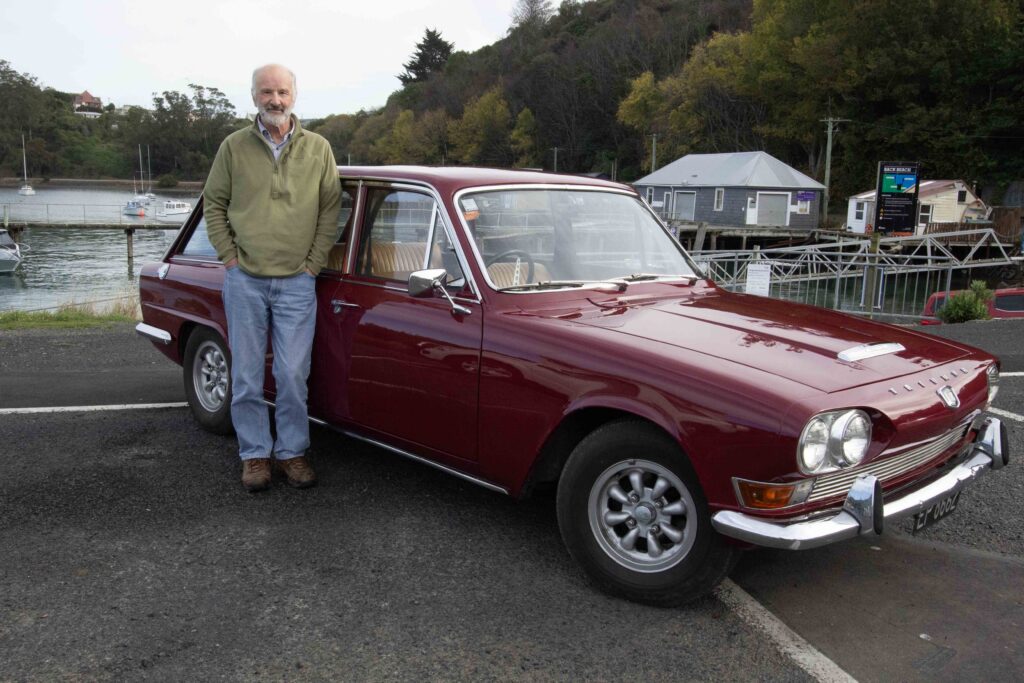
Noted Dunedin ecologist, Dr Ralph Allen, does not like seeing something worth preserving rot away into obscurity, especially when it comes to classic Triumphs. Restorations are often challenging, requiring a fabricator with suitable skills and an owner with the heroic level of patience required to see the job through. Ralph’s 1968 Mark 1 Estate is very much a triumph over seven years of adversity, which finished earlier this year. Several other Triumphs contributed scarce panels and parts to complete what is now an impressive restoration.
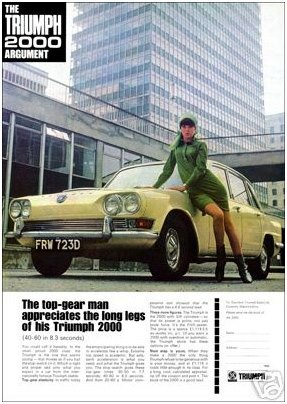
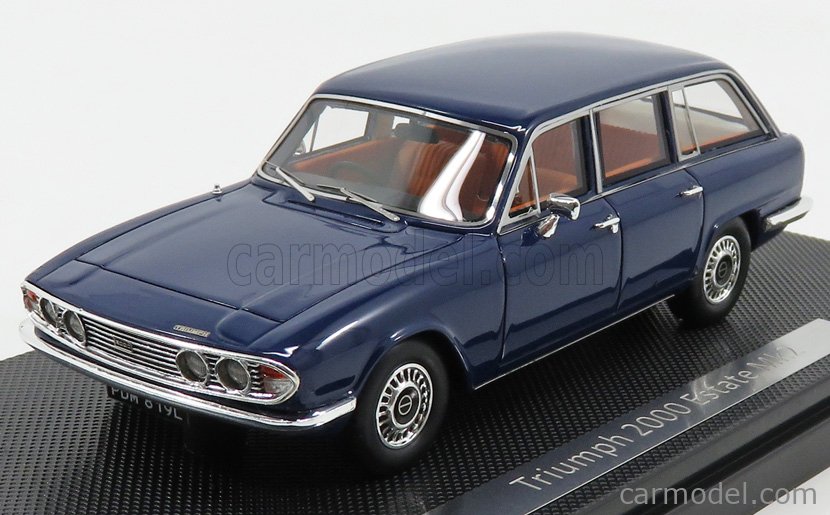
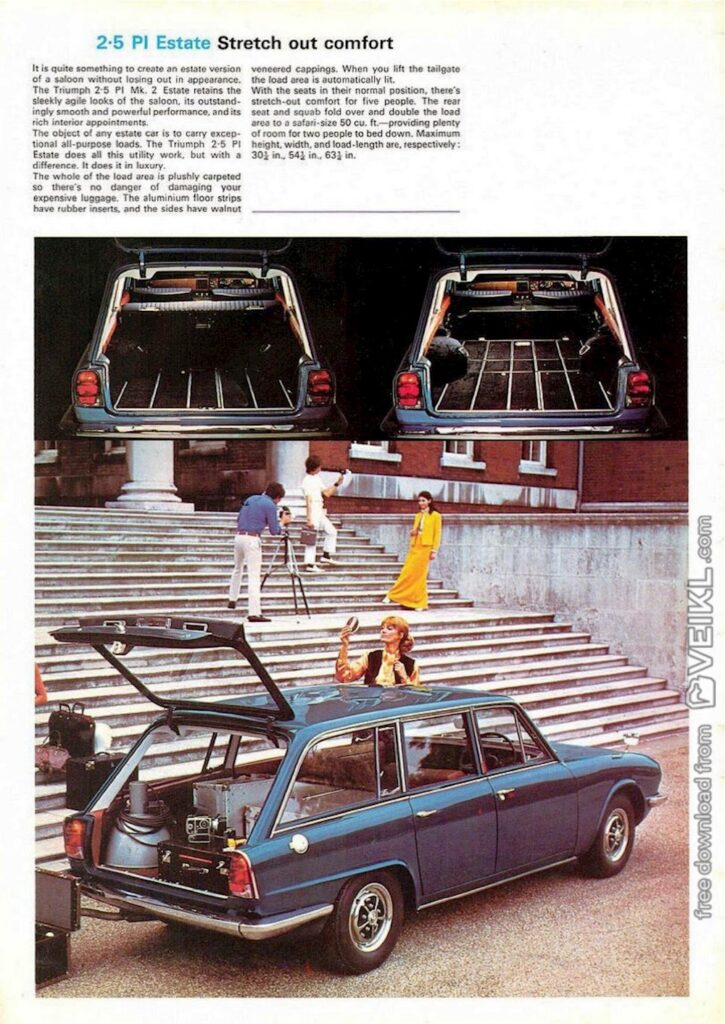
An estate in a state
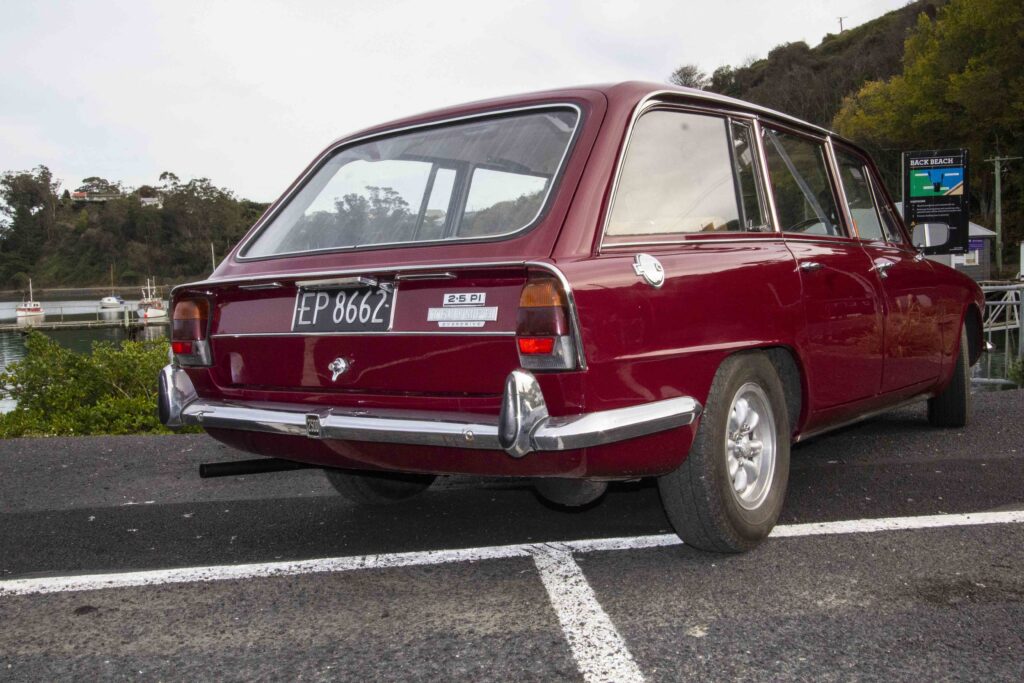
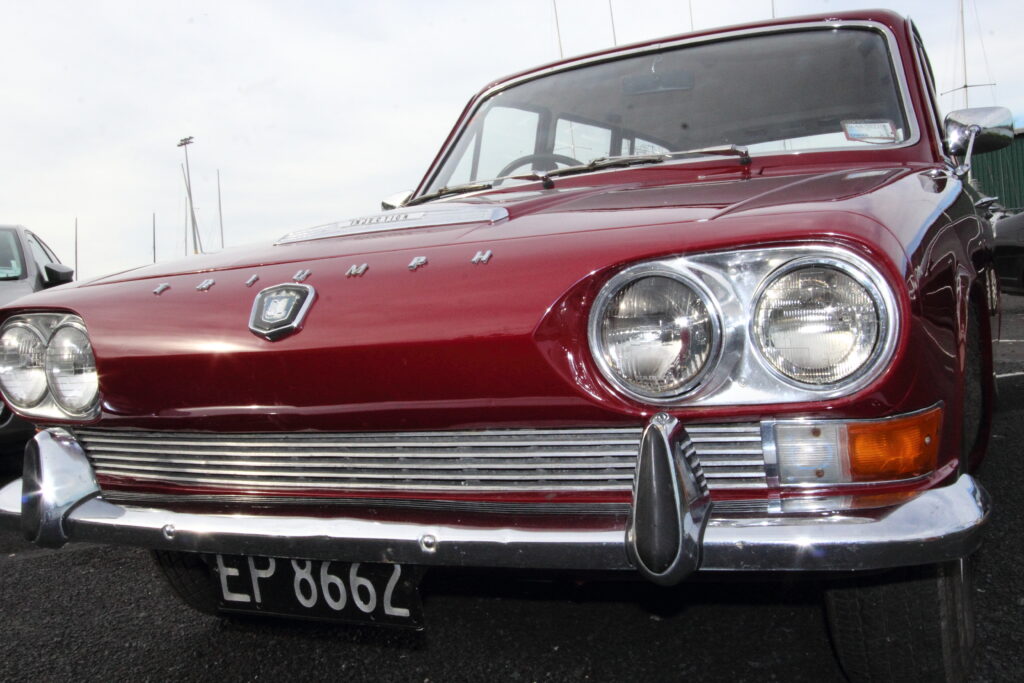
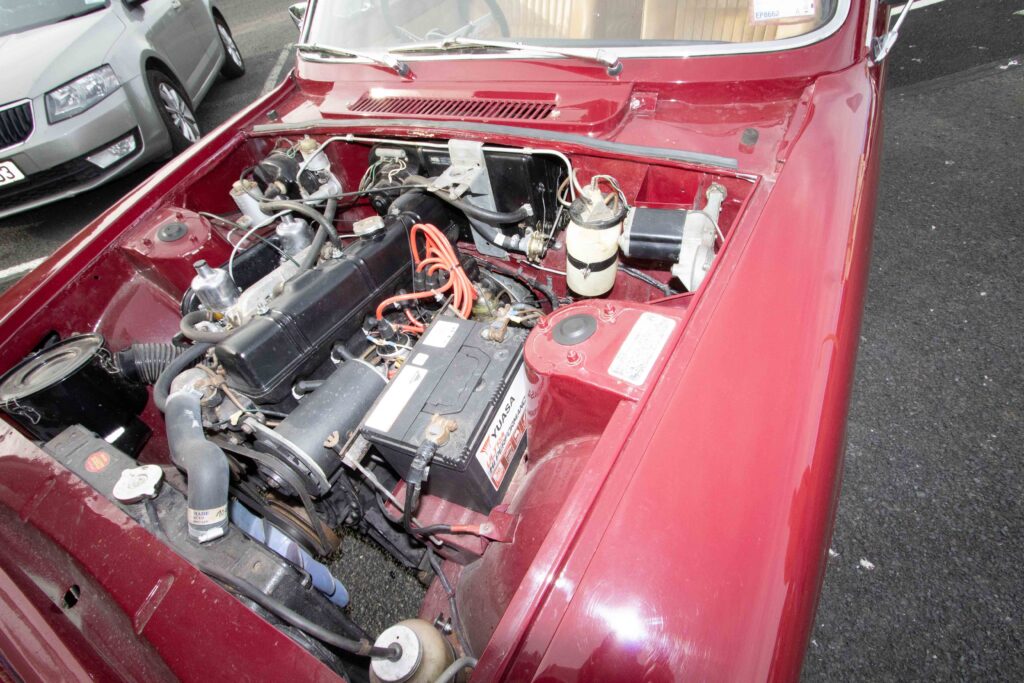
Ralph smiles as he counts 13 Triumphs of various models that have inhabited his property above Otago Harbour. These days, the collection has been stripped back to a more manageable level. In pride of place is his Estate. It is currently running twin carburettors but Ralph has all the injection equipment needed to turn it into a facsimile of the very rare Mark 1 PI models.
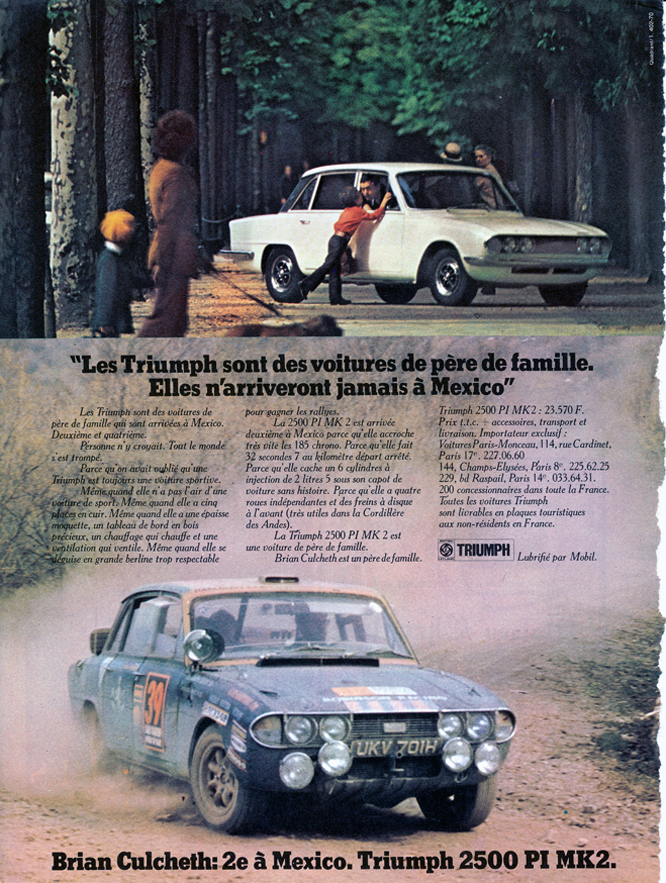
According to the UK Triumph Register, just 223 Estate versions of the Mark1 PI were built before the Mark 2 was introduced. The demon rust means these attractive station wagons are now exceedingly rare. Ralph had spotted a forlorn Triumph Mark 1 Estate seemingly abandoned for some months on the fisherman’s wharf at Careys Bay on Otago Harbour. One day he noticed it had gone. A bit of detective work located the car in a paddock of tall grass at nearby Warrington. Being parked next to the salt water of Otago Harbour and then stored in tall, wet grass had done nothing for the charms of the estate. Despite showing obvious signs of rust and deterioration, it still looked like a worthwhile project, especially with its 2.5-litre engine, which gave it the makings of a PI tribute model. Ralph took the car away for just a salvage fee.
Once he had stripped it out, Ralph realised that even sizing up the challenge on his hands called for the assistance of Paul Bouman of Metallbodies at Outram. Paul identified the areas that needed attention.
Ralph recalls, “The body is a Mark 1, and it is a 1968 model but was fitted with a 2.5-litre engine when I bought it. Originally a 2000cc model and in yellow with a four-speed with overdrive, Paul had to do everything. It was completely rotten — where do you start? The nose cone was rotted out, and both inner and outer sills were shot, as were the front floors. I think a couple of the doors were Mark 2 doors, and the other two doors were Mark 1 doors modified to take the Mark 2 ratchet (door locks). I had to modify them all back to Mark 1 ratchets. The fairings for the taillights were almost gone, and there were just a few shreds of metal remaining. Paul had to fabricate those from scratch. He also made the rear valance underneath the bumper bar. You can see how the time and money was mounting up here!”
Moving upwards, the news was also not so good.
“The A-pillars were shot, as were the C-pillars, so Paul refabricated those. I think the only thing that was really intact was the roof, because it was full of lead. They were hugely covered in lead when they were built, so Paul removed all of that and used more modern filler. He did an awful lot of panel work on it to get it right.”
Looking back, Ralph may have made a different decision about starting his project.
“I wouldn’t have touched it if I had known. At first glance, when you first saw it on the wharf at Careys Bay, it looked OK. It had patches of rust here and there, but I had no idea that it was just so rusty.”
Motivation to spare
Two factors helped convince Ralph to complete the project.
“I had all the pistons and bearings replaced in the 2.5-litre engine that came with the car. I was given all the PI gear by a young fellow who had a whole lot of Mark 2 Triumph parts stored in the storage facility down in Kaikorai Valley. He now had nowhere to store them, so he gave them all to me. There were two full cars and a truckload of parts, including the PI engine.”
“Paul [Bouman] and Peter Daniells took the engine out. I thought at that stage it might be fun to make it a PI. They are as rare as hens’ teeth. Peter Daniells compared the PI engine with the 2.5 that was in the car, and the latter was in better nick.”
Peter used the Estate’s standard 2.5-litre block and had all the PI gear put into it, including the PI camshaft, PI cylinder head, and other parts.
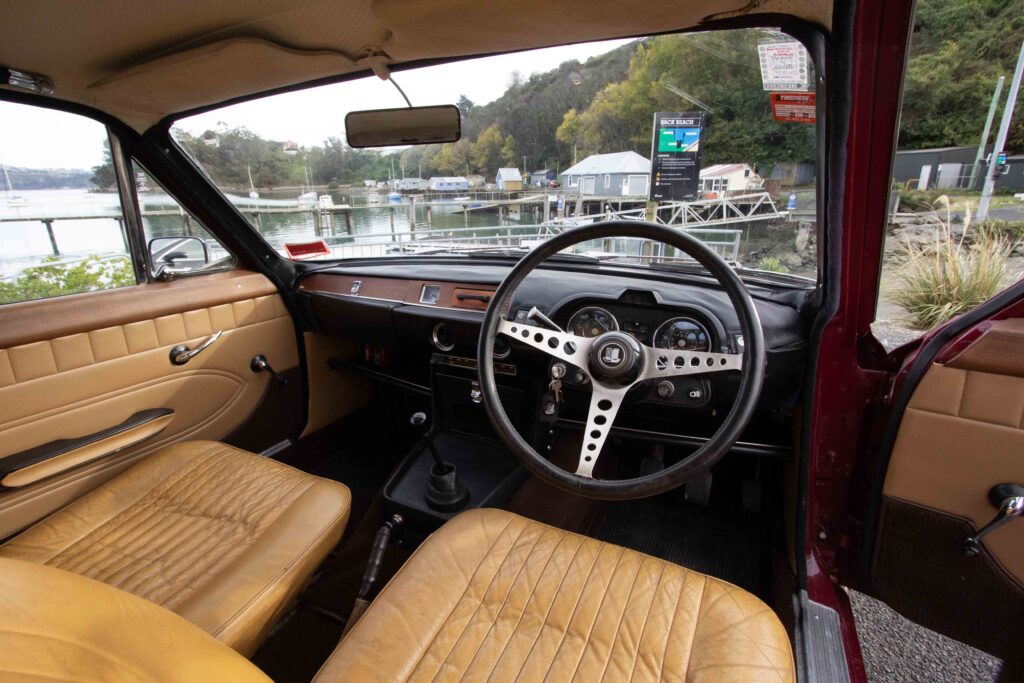
“I was going to put all the petrol injection gear back on the engine, but everyone I spoke to said, ‘Don’t do it’. I put a couple of good HS6s (SU carburettors) on it — much more economical and much more reliable. It runs much better,” Ralph says.
UK Triumph parts specialist Rimmer Bros was called on to supply a kit, and a Dunedin company overhauled the carburettors recovered from Ralph’s vast collection of parts. An electronic ignition kit was added. Ralph also bought a reconditioning kit for the gearbox from Rimmer’s and passed it on to a specialist he had purchased the gearbox from.
“I got the gearbox from a guy in Taumarunui who advertises them quite a lot. It’s a Mark 2 gearbox, which has the same ratios as the Mark 1, and it has the J-type overdrive. There were a lot of hassles fitting it. I got a set of mounts for the J-type, but it was a big fiddle getting it in. There is a slight knocking from the rear gearbox mount, which needs replacing; I’ll get around to it at some stage.”
The differential was also replaced.
“The diff that came with the car was too low a ratio. I got another diff and took it to Steve Lawson, whom I’ve known for years, and he fully reconditioned it. All brake cylinders are new, along with brake pads and brake lines. All suspension and steering joints and shock absorbers are new — quite a lot of new stuff in it, so it should last for quite a while.”
Eyes on the PIs
Looking back, Ralph is philosophical about the enormity of the task he took on many years ago.
“It took seven years to restore it, and it was finished earlier this year. I saw two restored Mark 2 Estates at Levels last year, and Paul sent me photos of Mark 1 Estates from Christchurch. They seem to last up there. They are hybrids, too, because one is registered as a 2000 saloon.”
Ralph says calling on experts was a wise move.
“Paul did absolutely all of the panel work. The upholstery was done by A1 Auto Upholsterers in Kaikorai Valley Road. I used Warwick Nicholson before he retired; he did the Triumph Heralds I have. All mechanical work was done by Peter Daniells. Outram Garage also did a little bit of work on the Estate, and Dennis Hahn did the overdrive mounts. Ashley Pope painted it.”
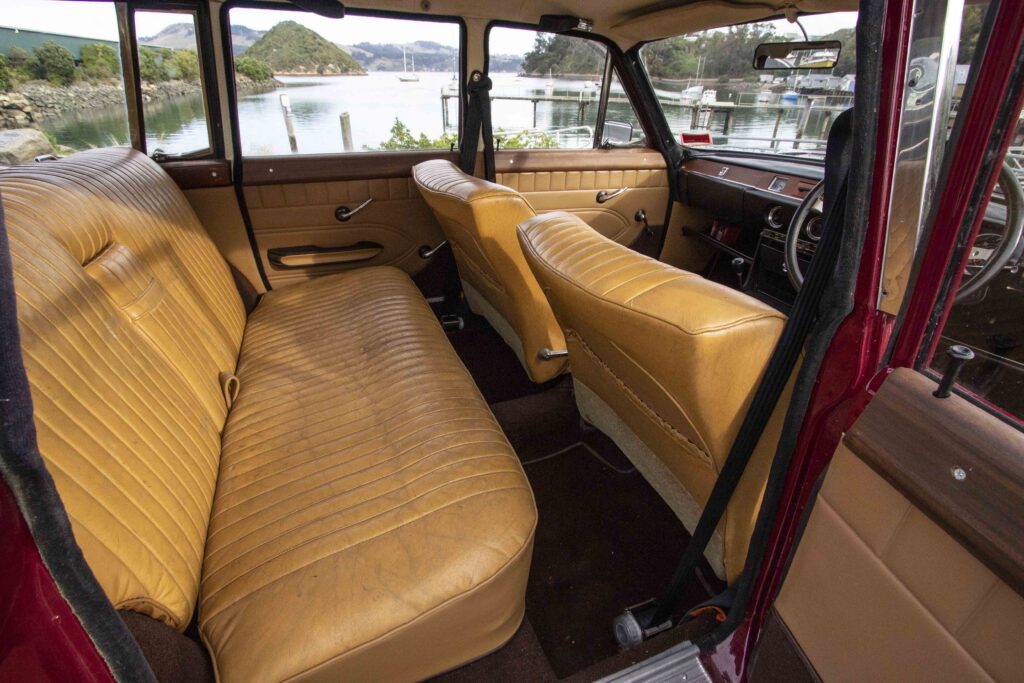
The velour seats in the Estate were replaced.
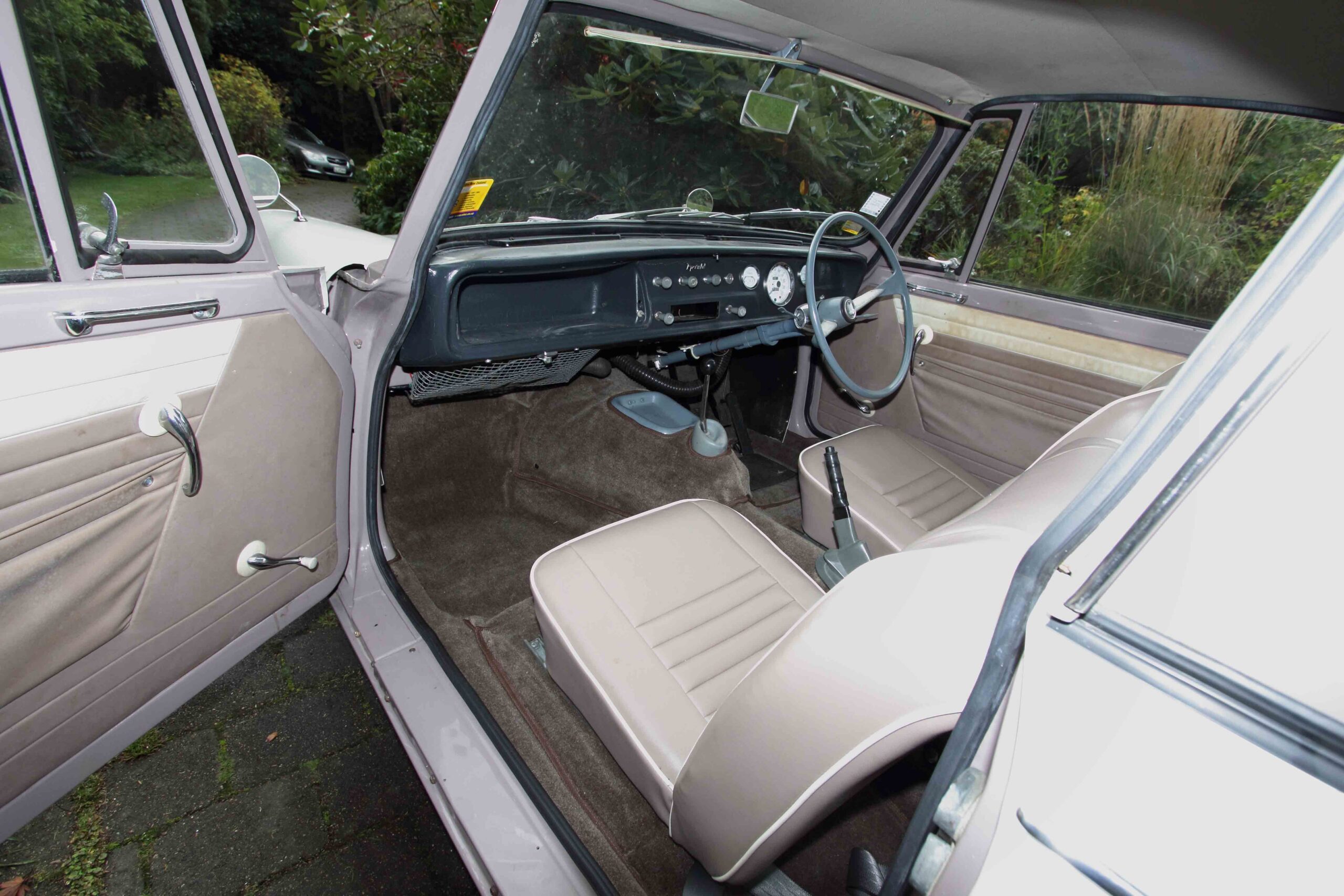
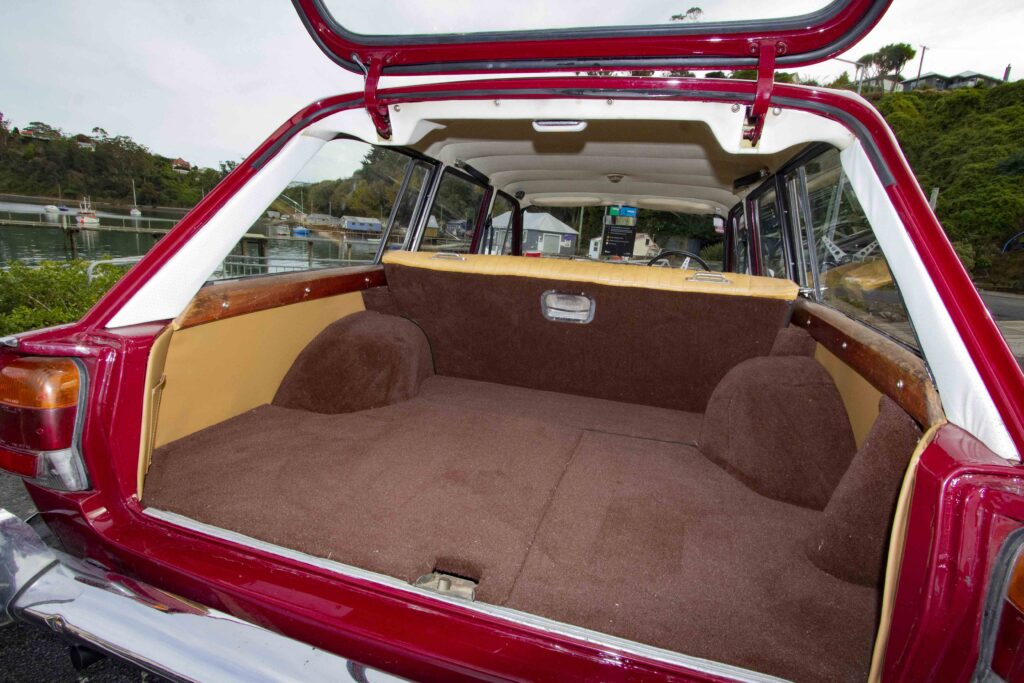
“PIs had leather, so I wanted leather. Warwick Nicholson had a set of leather upholstery for the front seats and did those before he retired. A1 Upholsterers modified a rear seat for the Estate. The door panels came from a chap in Palmerston North. I can’t find the correct rocker switch for the headlights; mine is worn out. I got a PI steering wheel and hub from US company Speedwell Formula, as PIs had them. Other parts came from parts cars.”
Touring the Estate
When it comes to selecting a car for any occasion, Ralph and his wife are spoiled for choice.
“We have used the wagon quite a lot. If the weather is a bit cold for the Herald convertible, we take the Estate to the beach. For special occasions we take the Estate, and it stands in for the Jaguar XK8 when that is away being serviced or something. We have done more than 2000 miles in the Estate since I got it back; for a car that is not used every day, that’s not bad.”
It was a brilliant sunny day as we cruised out to Port Chalmers in the Estate. It’s a very scenic trip, offering top-class views out to the Otago Heads. The Estate purred along, with that typical Triumph six-cylinder growl powering an easy gait. For a car now more than 60 years old, it rides and handles beautifully.
Ralph is keen to get his wagon converted to a full PI system, and may have found a way. A few PI-equipped cars seem to be making it back into daily use and onto the racetracks in the South.
Matt McLeary and Laura Arras are a young couple who recently took the plunge and built a Triumph PI–equipped racing saloon. It debuted at the recent Brooklands Challenge held at Timaru International Motor Raceway. Thanks to input from Triumph PI racing enthusiast, Gavin Jackson, the car went well. Ralph may now be able to glean some expertise from that trio in fulfilling his PI tribute ambition.
Another Triumph
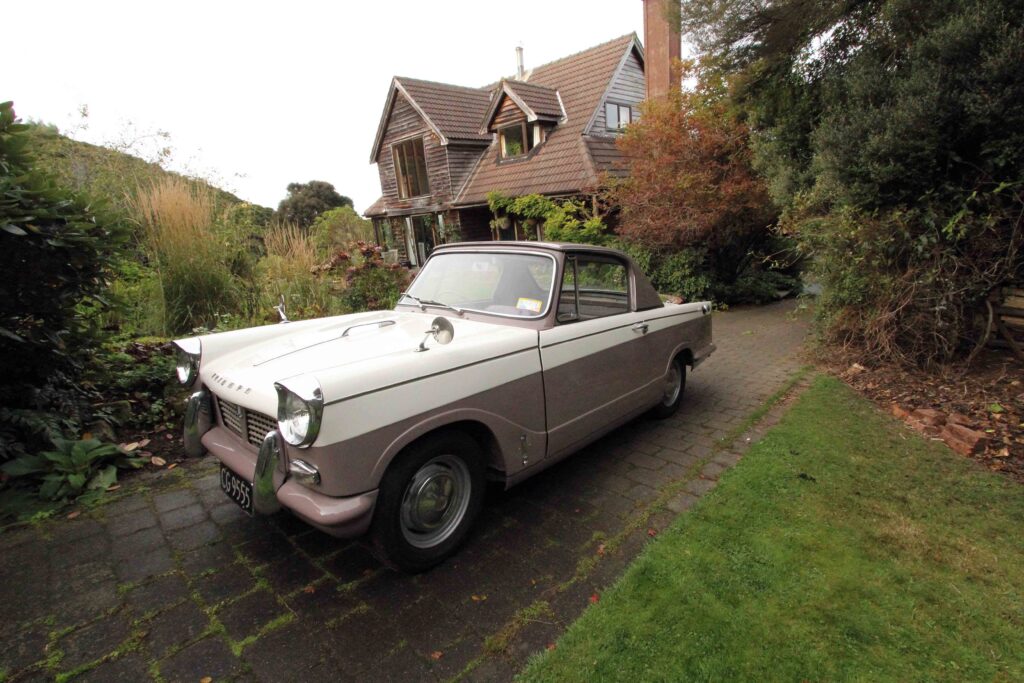
We can’t not mention a couple of real delights in Ralph’s collection. First up is a 1959 Herald coupé. The UK Triumph Register has confirmed it is the oldest existing example still used regularly on the road, as Ralph relates.
“There are others older but not being driven on the road, and there is one older one in the North Island that is being restored. I’m looking forward to seeing that back on the road.”
Ralph found the coupé in Queenstown and was persuaded by his daughter to buy it. As with all his restorations, Ralph sought the help of Paul Bouman with this one. Built up by what Ralph described as a ‘boy racer’, it required a lot of remedial work.
“Paul did all the panelwork. Brian, Michelle and the guys at Exclusive Autopainters in Kaikorai Valley did the paintwork. What a mess it was in when we dismantled it. Knackered tub and holes! Paul fixed the chassis, and I did the motor and gearbox at home. We bolted all the painted panels back on at Paul’s, and Warwick Nicholson did the seats. As [these cars] were originally optioned, the coupé had no rear seat. I found the original mushroom colour under the rear seat panel’s paint while Paul found a paint spot in the engine bay of the original colour, which is coffee and white.”
A replacement wooden dashboard was provided by a friend, Peter Petchey.
Ralph feels the car could be jinxed as, in one incident, a car he was working on rolled off its stands into the newly painted Herald, damaging the front valance. In another incident, a disaster was averted when a smoking wiring problem at the rear of the ignition switch was quickly dealt with.
Problems with recertification arose when an inspector observed the car was fitted with a 1200cc Triumph engine, when the original had only a 948cc engine.
It was re-vinned for the 1200 motor and certified.
“An extra $1000 for recertifying and $500 to re-register,” says Ralph ruefully.
There is now just a vocal differential/driveshaft bearing to replace.
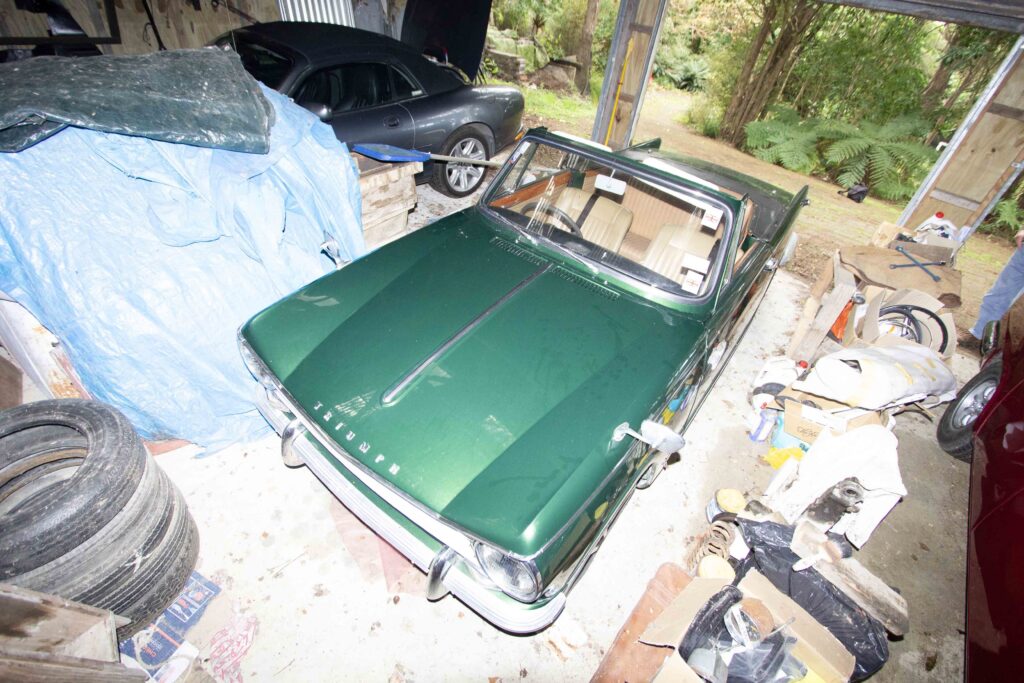
The other Triumph Herald stored in Ralph’s packed garages is a 1967 convertible — ideal for sunny days at the nearby beaches and top-down motoring.
“I bought that in Auckland off Trade Me. I was in Auckland on a work-related matter, and a student helped me drive it back to Dunedin. Originally a 13/60 model, it was fitted with a Triumph 1500 engine, and it’s never missed a beat. We drove it back full of parts; it had one of those boot luggage racks, which carried two or three driveshafts.”
Once again, Paul Bouman was entrusted with the dismantling and all panel work. While the Herald was mechanically sound, it had some major panel issues.
“It needed a new bulkhead, as the old one had split from top to bottom behind the dashboard. There was also a new vinyl roof from the UK, but the upholstery and carpets were good. It was repainted; the green is a Fiat colour. We use it all summer to go to the beach. It’s got tons of power and runs on the smell of an oily rag.”
Now, at an age at which he is not engaging in restoring heavier parts of his cars, Ralph expressed concern about the decreasing number of people with the skills to rebuild and maintain classic cars. However, after a long and patient process, he can now enjoy a well-restored and distinctive Triumph Mark 1 Estate — a rare vehicle that pays tribute to a sister model that was even rarer right from the outset.
Triumph 2.5PI Mark 1
Engine: Six-cylinder in-line
Capacity: 2498cc
Bore/stroke: 95.0/74.7mm
Valves: Two per cylinder, double valve springs
Compression: 9.5:1
Power: 98.4kW (132bhp) @ 5500rpm
Torque: 207.4Nm (153lb·ft) @ 2900rpm
Fuel supply: Lucas Mark 2 mechanical fuel injection
Transmission: Manual four-speed with optional Laycock-de Normanville type A or type J overdrive
Suspension: F/R independent all-round with MacPherson struts/stabiliser bar with trailing arms and coil springs
Steering: Alford & Alder rack and pinion
Brakes: (F) power-assisted discs, (R) drum
Dimensions
Width: 1650mm
Height: 1420mm
Wheelbase: 2690mm
Track F/R: 1320/1280mm
Weight: 1243kg