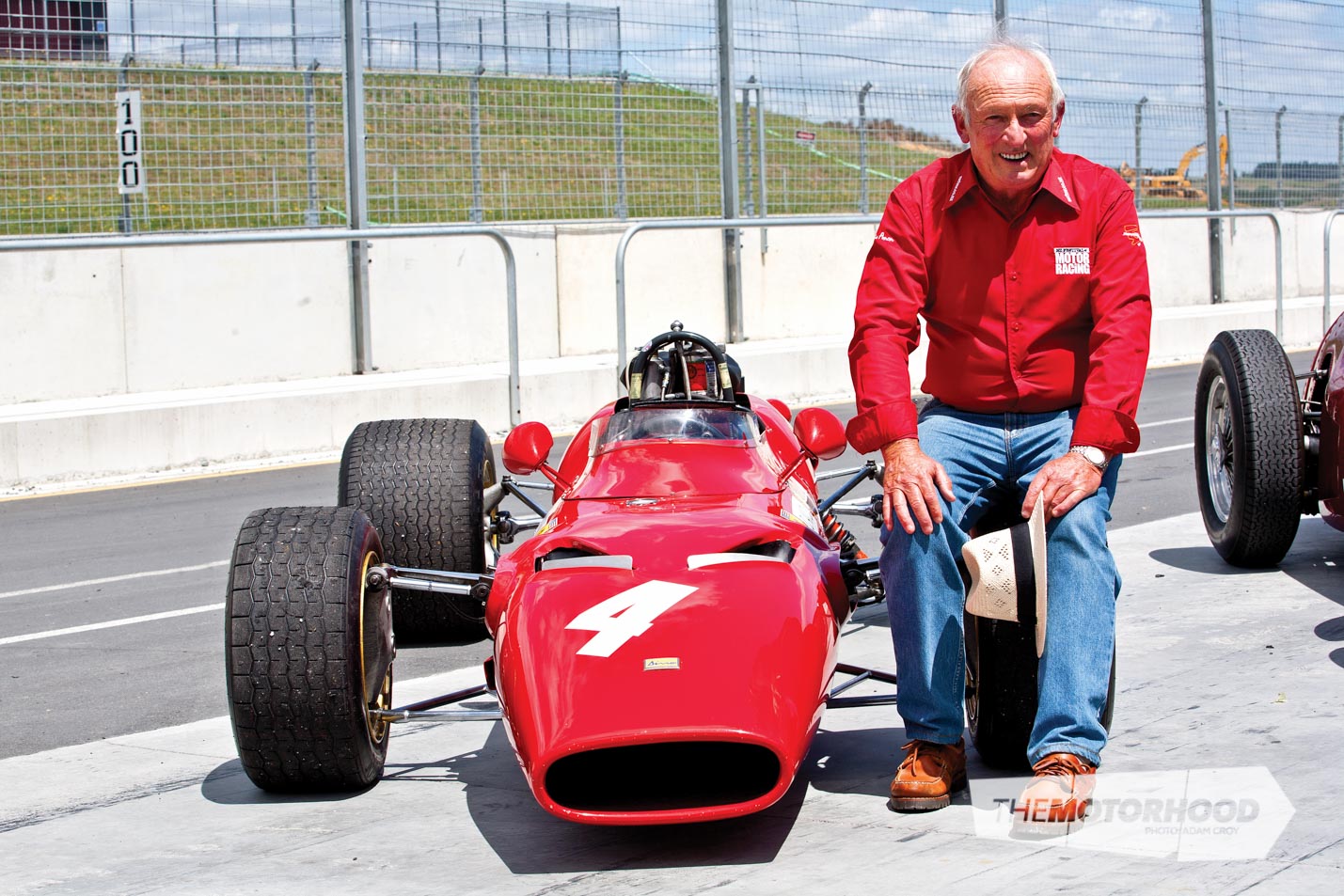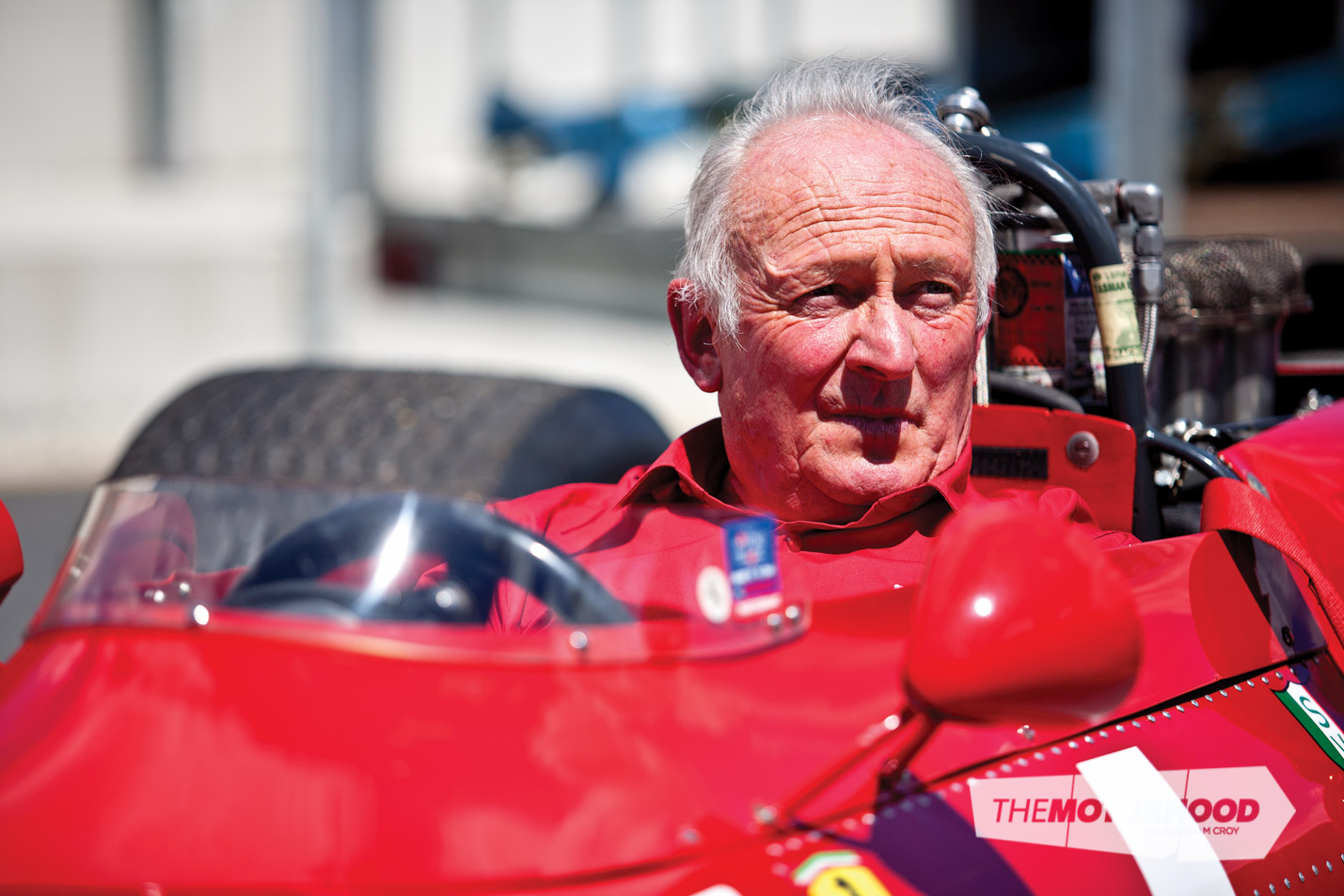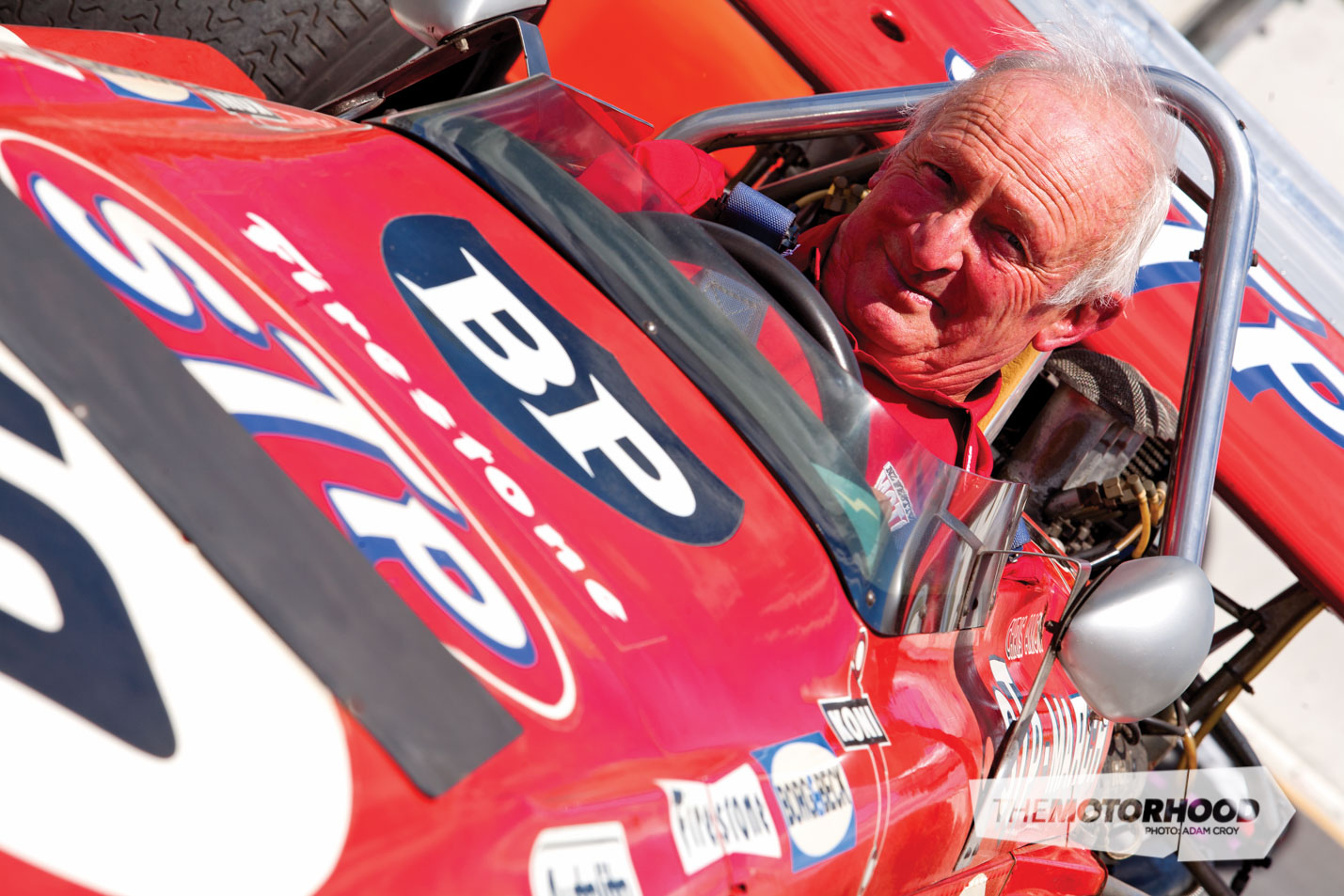
RIP: Chris Amon 1943–2016

3 August, 2016


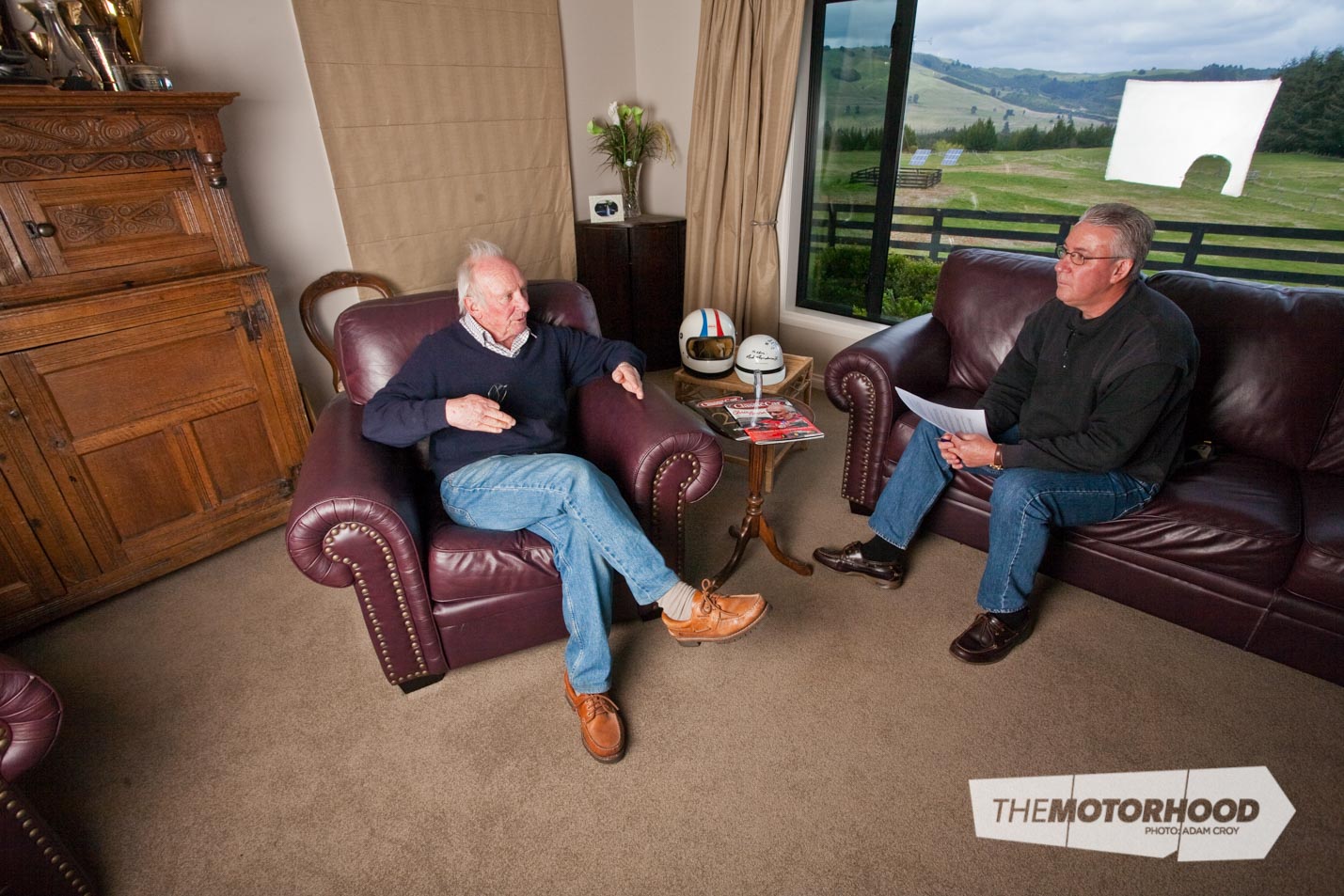
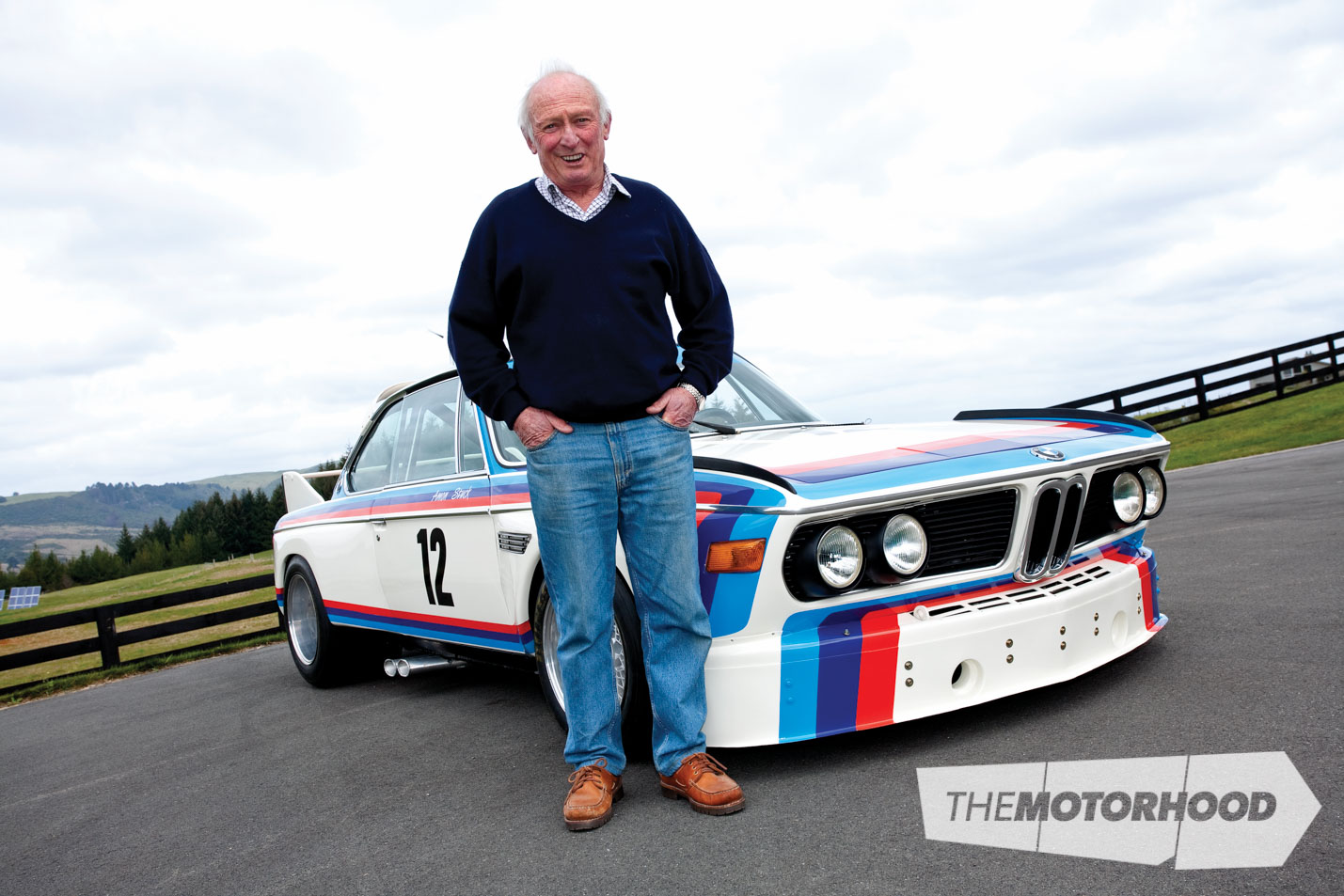
It was with heavy hearts that we learnt today of the passing of one of New Zealand motorsport’s greats — Chris Amon.

Chris passed away today at Rotorua Hospital just a fortnight after celebrating his 73rd birthday. 
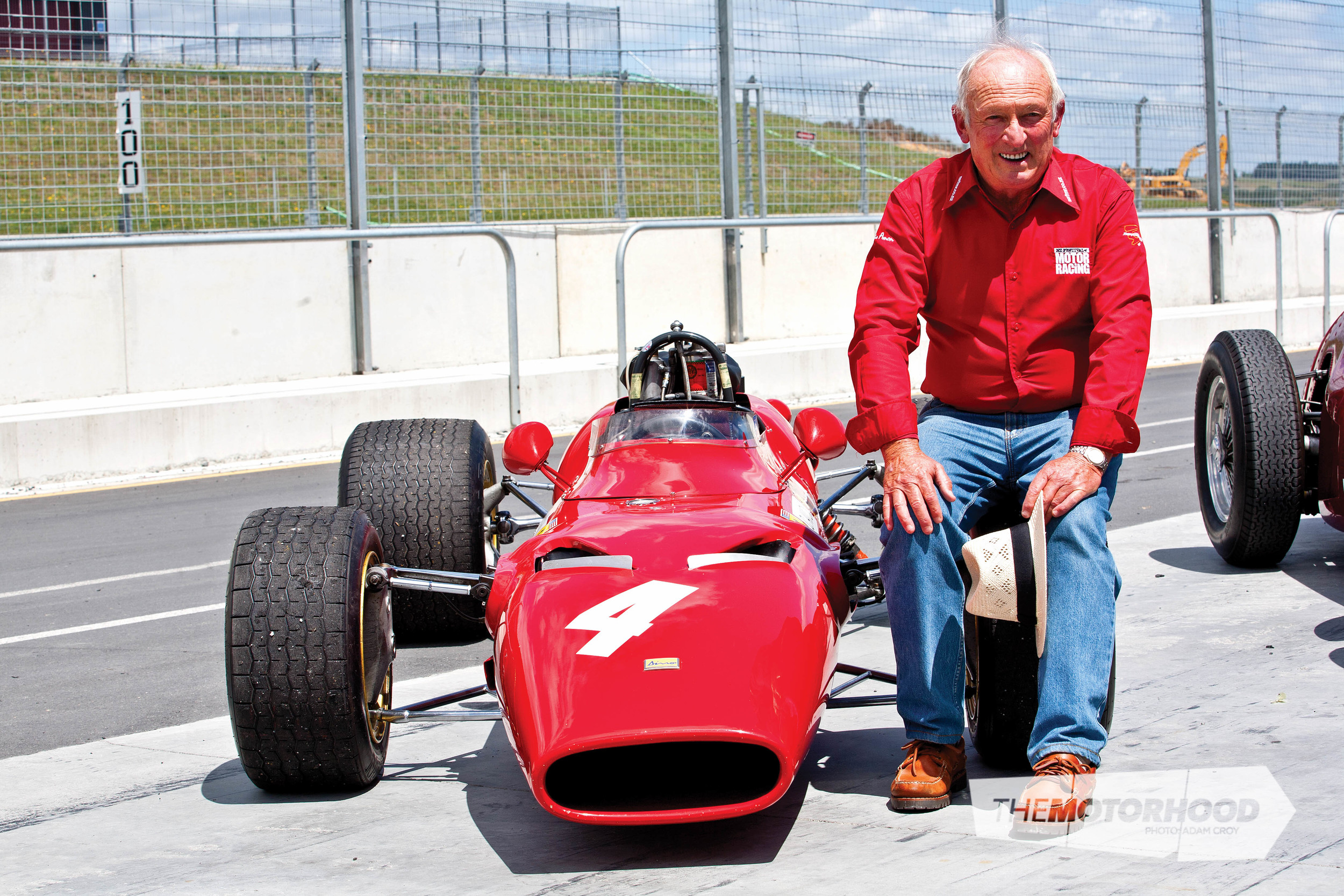
2016 marks the 50th anniversary of the victory for Chris and Bruce McLaren at Le Mans when the Kiwi duo won the famous 24-hour race in a Ford GT40. That victory did not go unnoticed at Ferrari, and for 1967 Chris was signed to the famous Italian marque. He remained there for three seasons during which he won the Daytona 24-hour race, the 1000km of Monza, the New Zealand Grand Prix twice, and the Tasman Championship in 1969; however, consistent car breakages with their Grand Prix cars caused him to reluctantly quit at the end of that year.
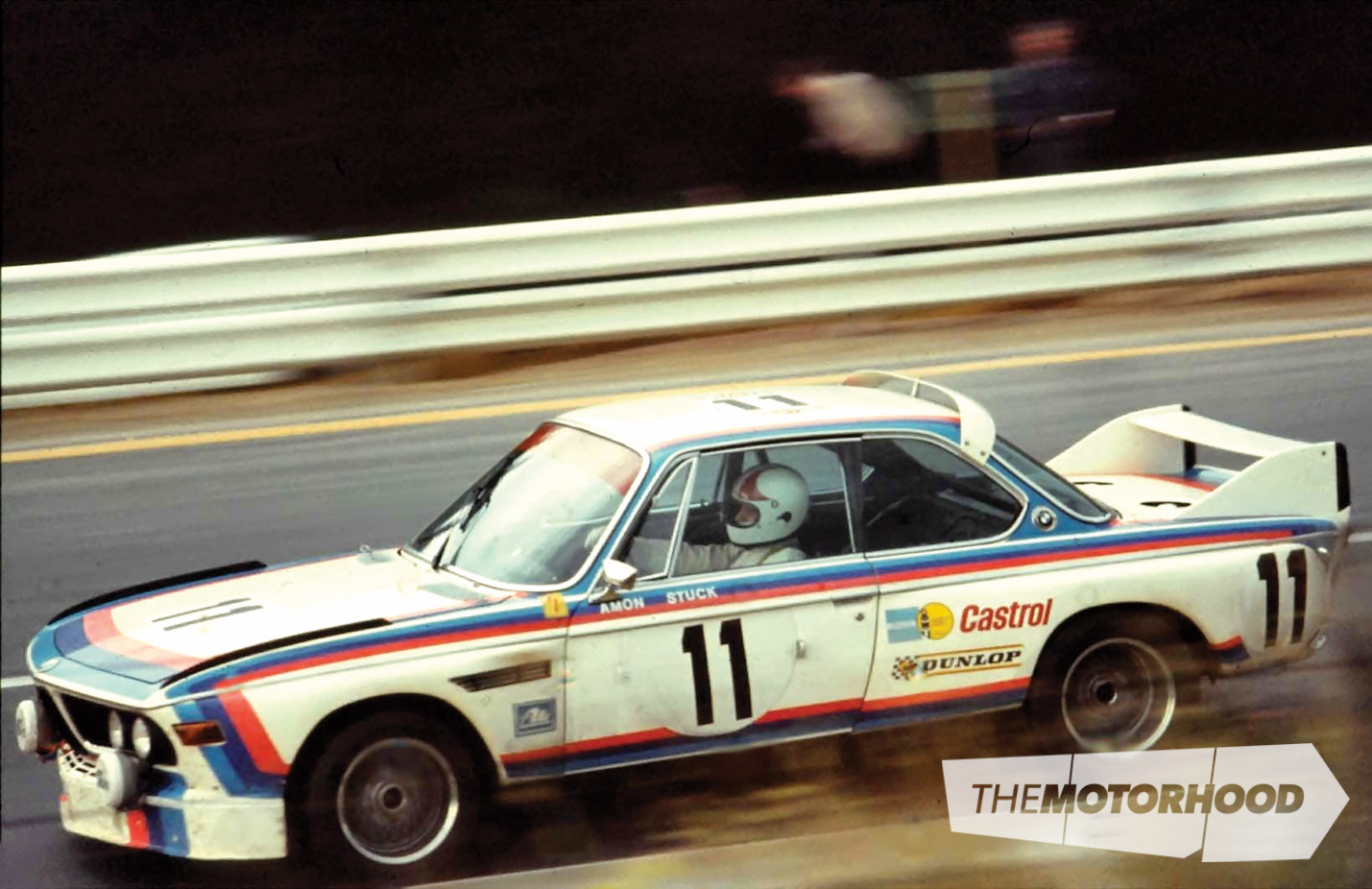
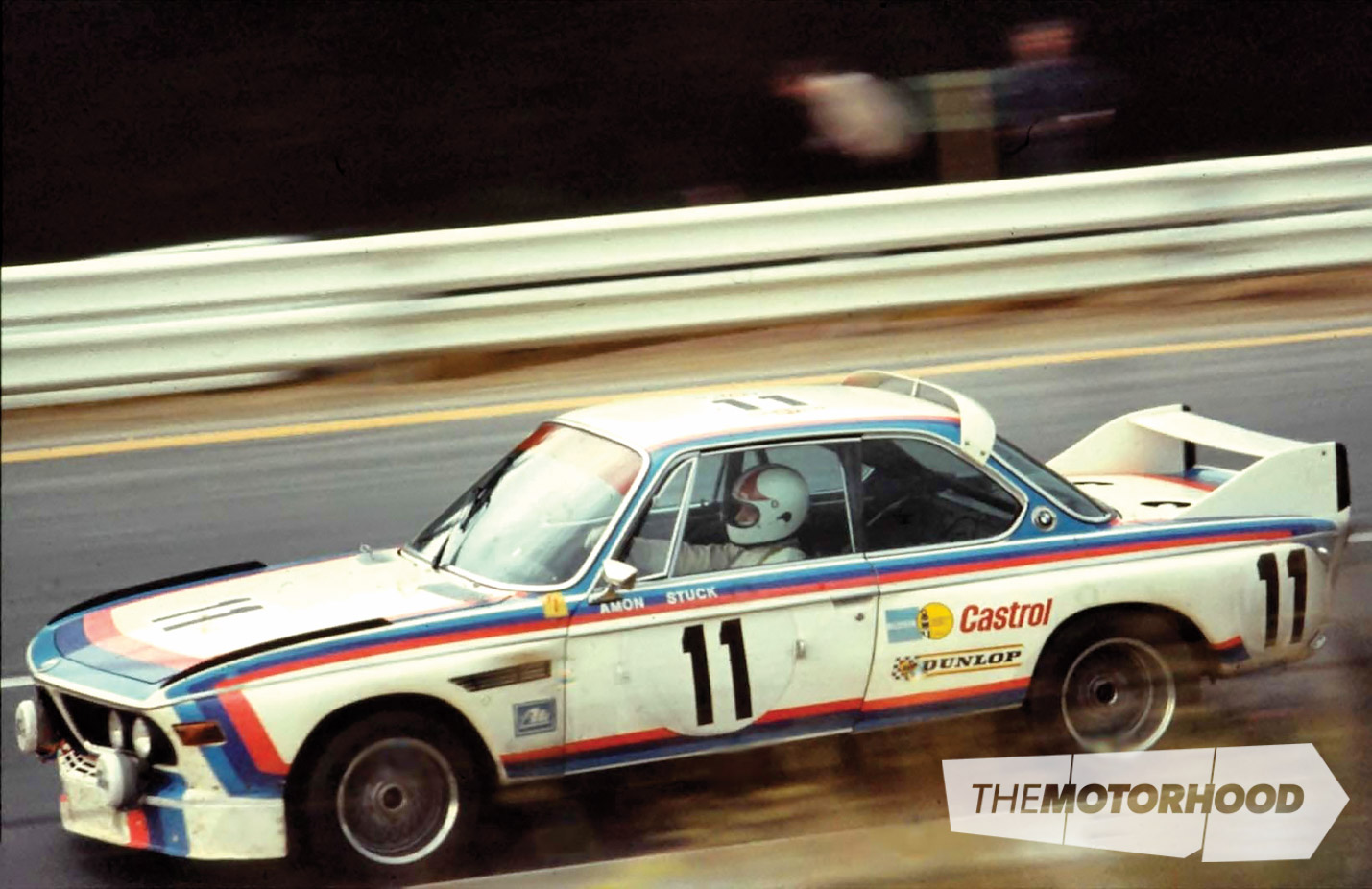
Having established himself as one of the very best drivers in the world, he went on to drive for March and Matra in Formula 1, and for BMW in the European Touring Car Championship. He retired from Formula 1 in 1976, and from all motor racing in 1977 when he returned to New Zealand. He married Tish and returned to farming. 

While motor racing was never forgotten, it went on the back burner as he settled back into life in New Zealand after 15 years away. They were soon joined by daughter Georgie, followed by twins James and Alex.
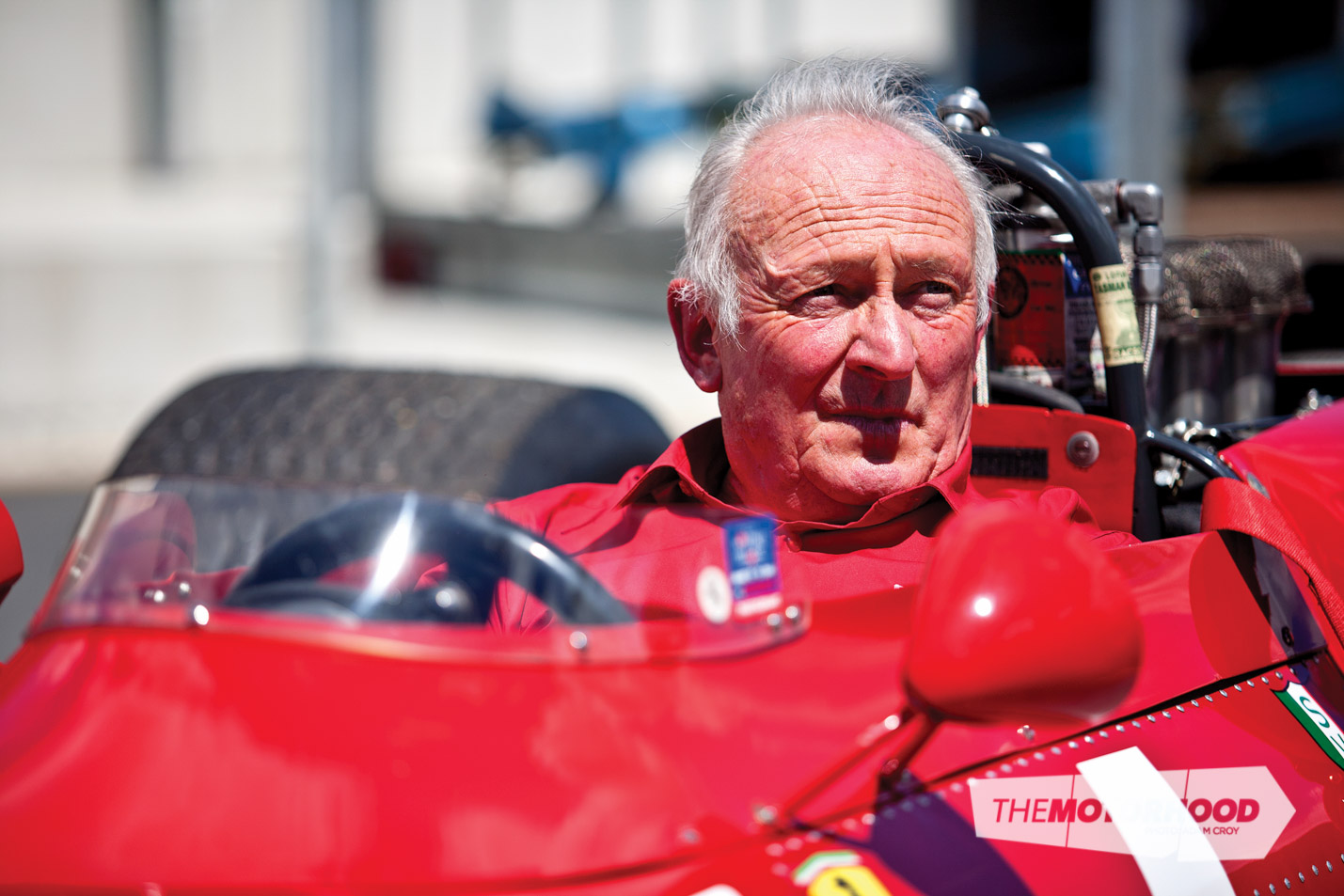
For many years, Chris had been a consultant to Toyota, and the winner of the Toyota Racing Series receives the Chris Amon Trophy. Chris was widely regarded internationally as not only the best driver never to win a Formula 1 Grand Prix, but one of the best drivers never to be crowned world champion. Chris was awarded an MBE for his services to motorsport in 1993, and was inducted into the New Zealand Sports Hall of Fame in 1995.
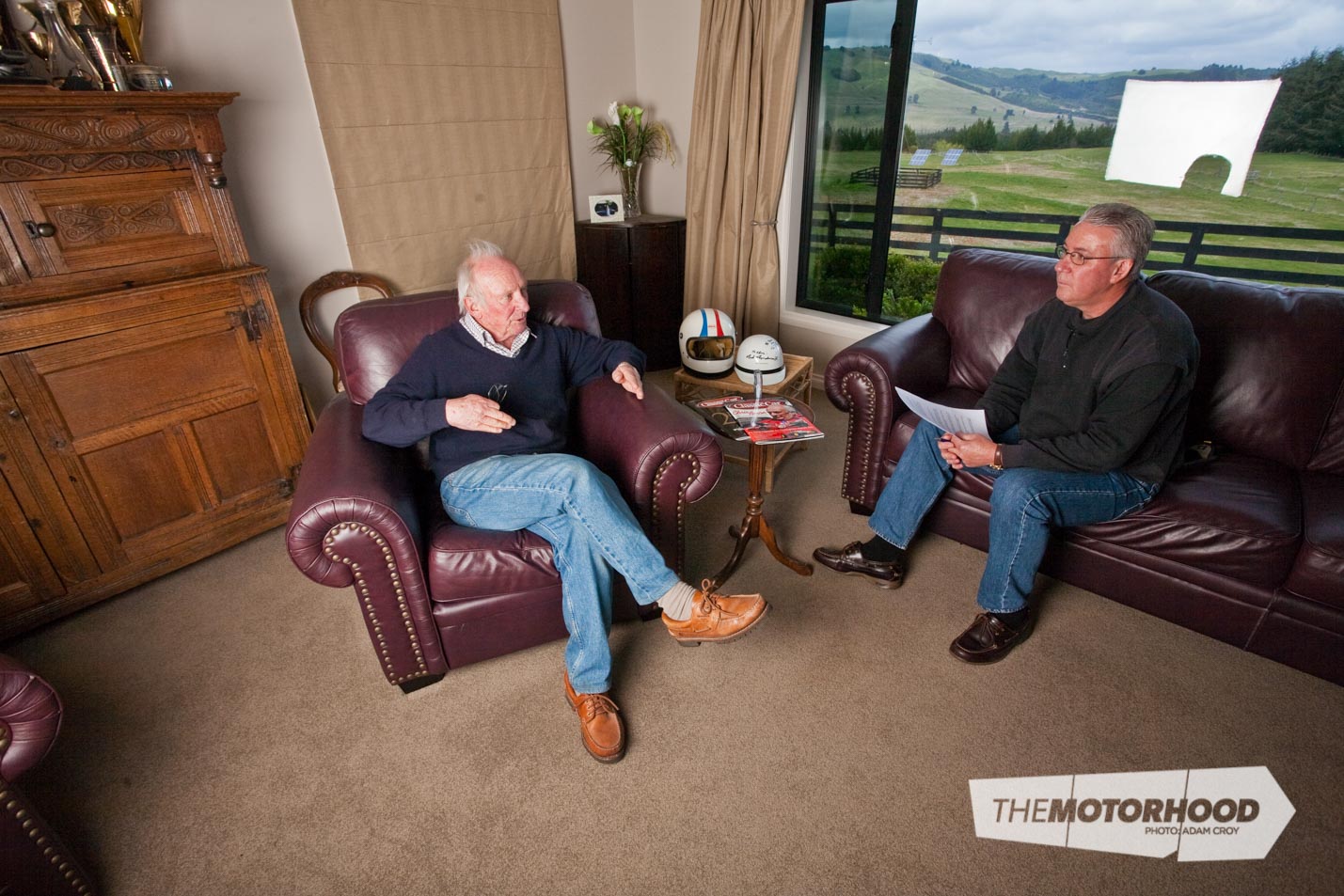
Chris had battled with cancer in recent years, but retained not only a close interest in Formula 1, but also his wonderful sense of humour complete with infectious chuckle.

He’ll be sadly missed by friends and fans around the globe.

Our condolences go out to his family. 
Chrysler’s classy cruiser

I first saw our feature car, a 1970 V8-powered Regal 770 hardtop, towing a trailer carrying the tidy Ford Anglia classic racing saloon in Broadspeed racing colours that has featured in these pages. The coupe is comparatively rare here, which means anyone contemplating purchasing one of these big two-doors is sure to see prices continue to climb. The latter Charger has claimed much of the Aussie Chrysler limelight, but the simpler and classier lines of this car, which appeared dated soon after its introduction, now have a more timeless appeal.
Former owner, Balclutha motor engineer, Mike Verdoner, remembers the car well. He believes it came from Dunedin originally.
“I’m not sure about the car’s history, but I bought it off its owner at Kaitangata. Unusually, it was advertised in the local newspaper, the Clutha Leader, which was a surprise as these usually go for a lot more money on the internet. I had it for quite a few years. It needed a little bit of work to tidy it up, so I had to decide whether to spend the money on it to do it up, which could have been twenty grand. Its value at the time was not like it is now, so I sold it to Ewan. It’s probably now worth three or four times what I sold it for.”

The Pininfarina 230 SL

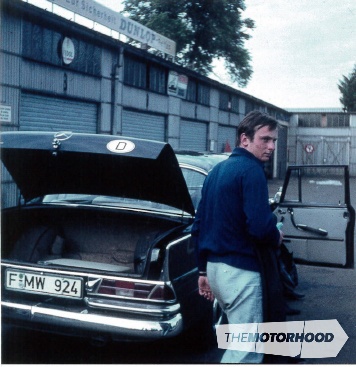
It’s October 1964, and imagine you’re an automotive journalist covering that year’s Paris Auto Show (Mondial de l’Automobile). As you approach the Pininfarina booth, you come across a car that looks a bit like the Mercedes-Benz 230 SL introduced the previous year at the Geneva Auto Show, a car then arriving at Mercedes-Benz dealerships around the world.
But looking closely, its styling and proportions seem to be a bit different. And it has a fixed roof, unlike the Pagoda-style greenhouse of the removable hardtop seen on the production 230 SL. While today, the styling of the W113, under the supervision of Head of Styling Friedrich Geiger, with lead designers Paul Bracq and Bela Barenyi, is considered a mid-century modern masterpiece, acceptance in-period was not universal. Some critics called out the concave design of its removable roof, which ultimately gave the car its “Pagoda” nickname.