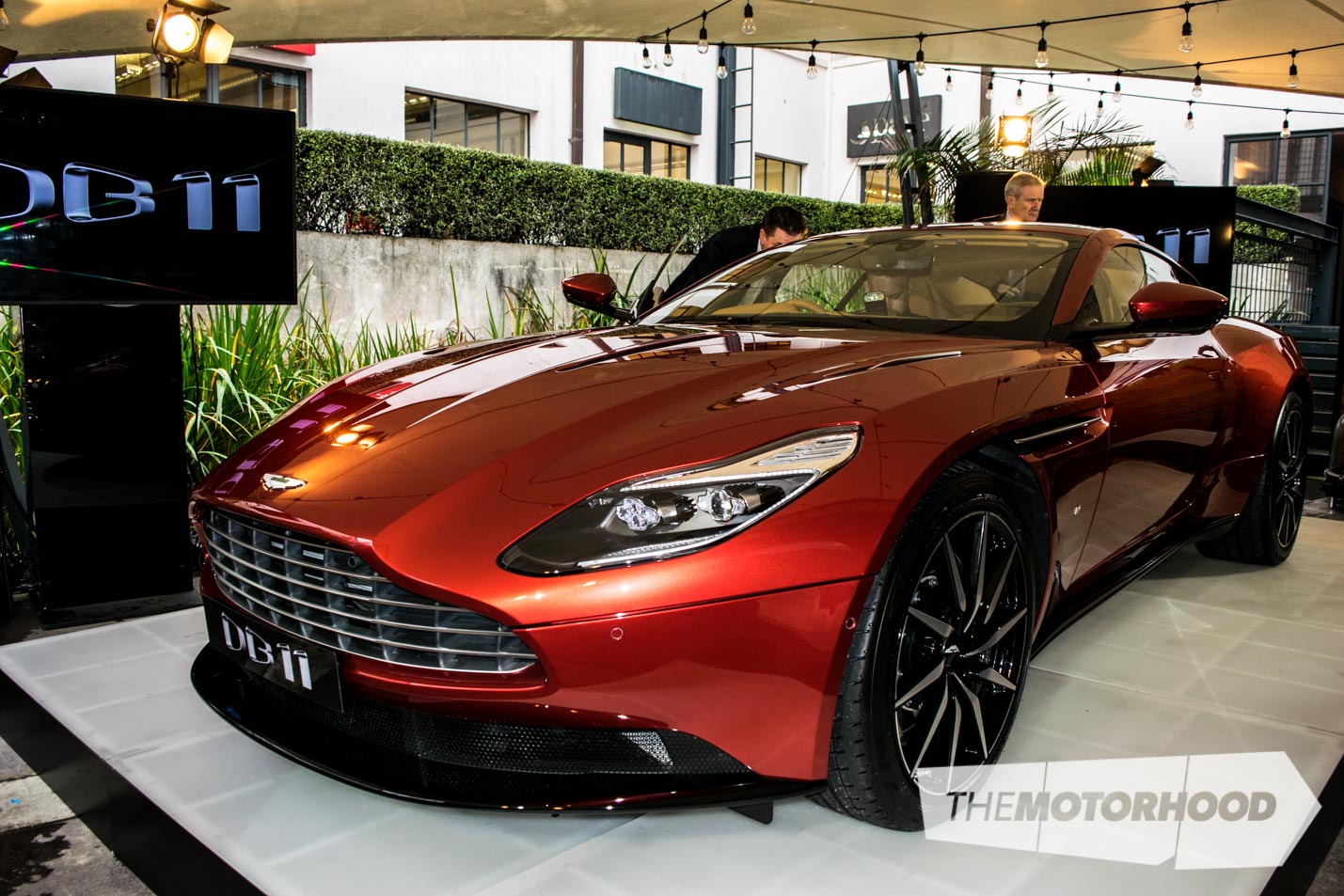
Following the driving debut of the Aston Martin DB11 at the 2016 Goodwood Festival of Speed in late July, luxury British brand Aston Martin has now unveiled the DB11 on New Zealand soil at Cibo in Parnell, Auckland.
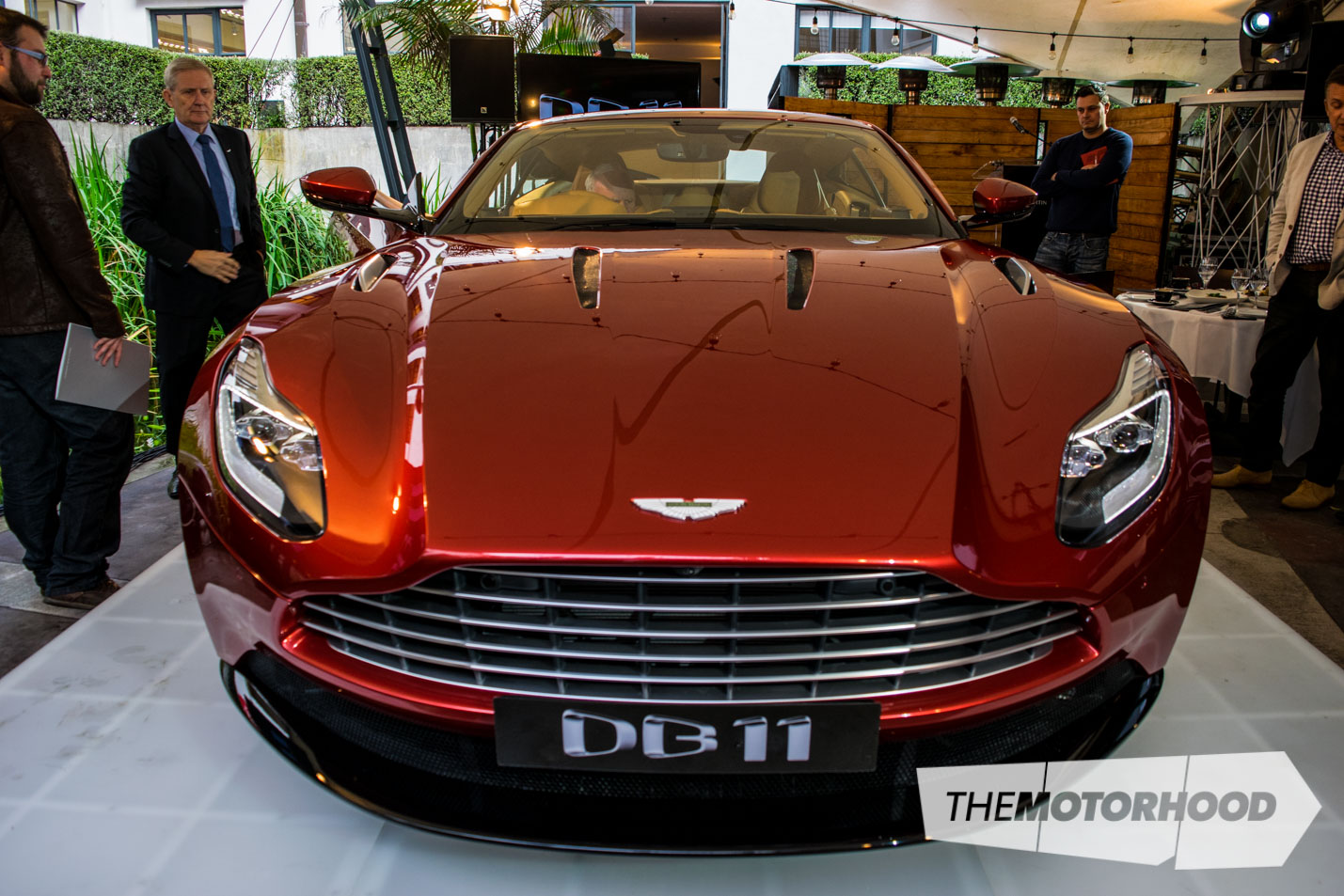
As the first product launched under the company’s ‘Second Century’ plan, the DB11 is the new figurehead of the ‘DB’ bloodline, a bloodline with a very prestigious history.
During the DB11’s unveiling, Patrik Nilsson, president of Aston Martin in Asia Pacific, said, “We are excited to unveil DB11 in New Zealand. As the first ‘DB’ since the introduction of the DB9, we are already experiencing significant demand for DB11, demonstrating the strong affinity for Aston Martin in this market.”
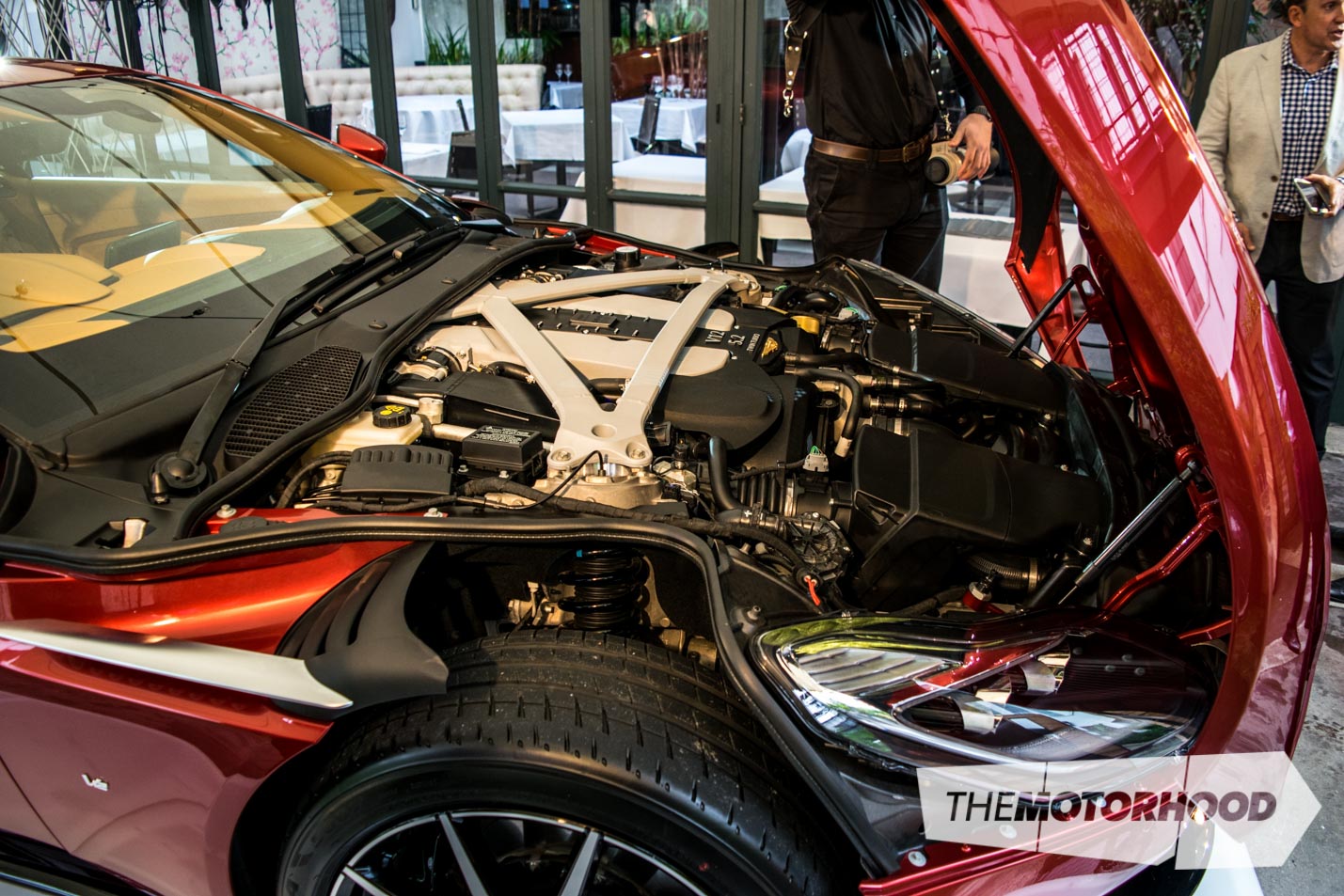
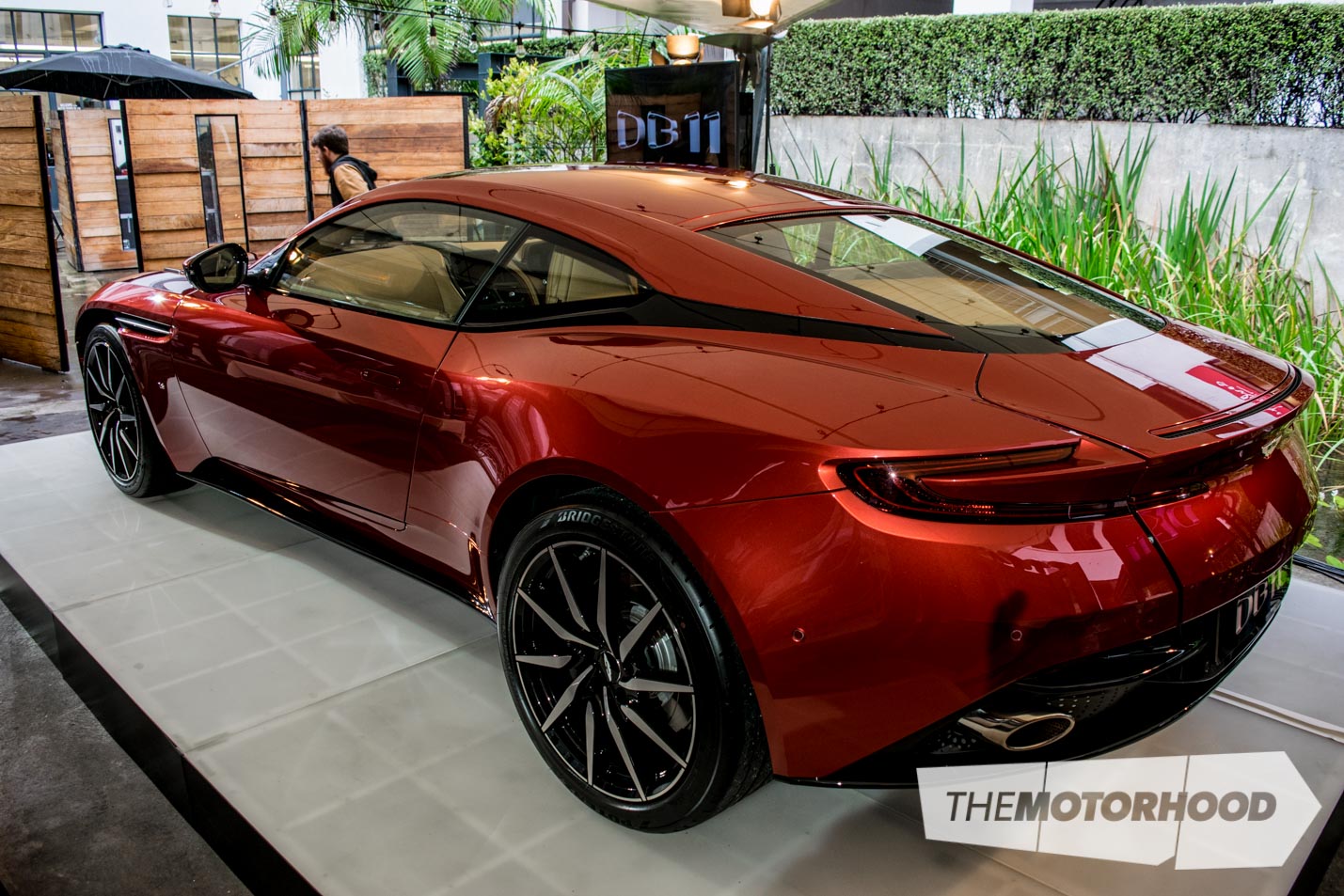
The DB11 features a distinctive design, including refined aerodynamics, and is powered by a newly designed 5.2-litre twin-turbocharged V12 engine. Utilizing a new lighter, stronger, and more space-efficient bonded aluminium construction, the DB11 is the most powerful and most efficient DB model in Aston Martin’s history. As such, Aston Martin are claiming the car as “the most significant new Aston Martin since the introduction of the DB9 in 2003”.
The in-house-designed engines are rated at 600BHP and 700Nm of torque, making the DB11 the most powerful production DB model ever. Those performance figures are good enough to push the car to a top speed of 322kph and a 0–100kph time of just 3.9 seconds.
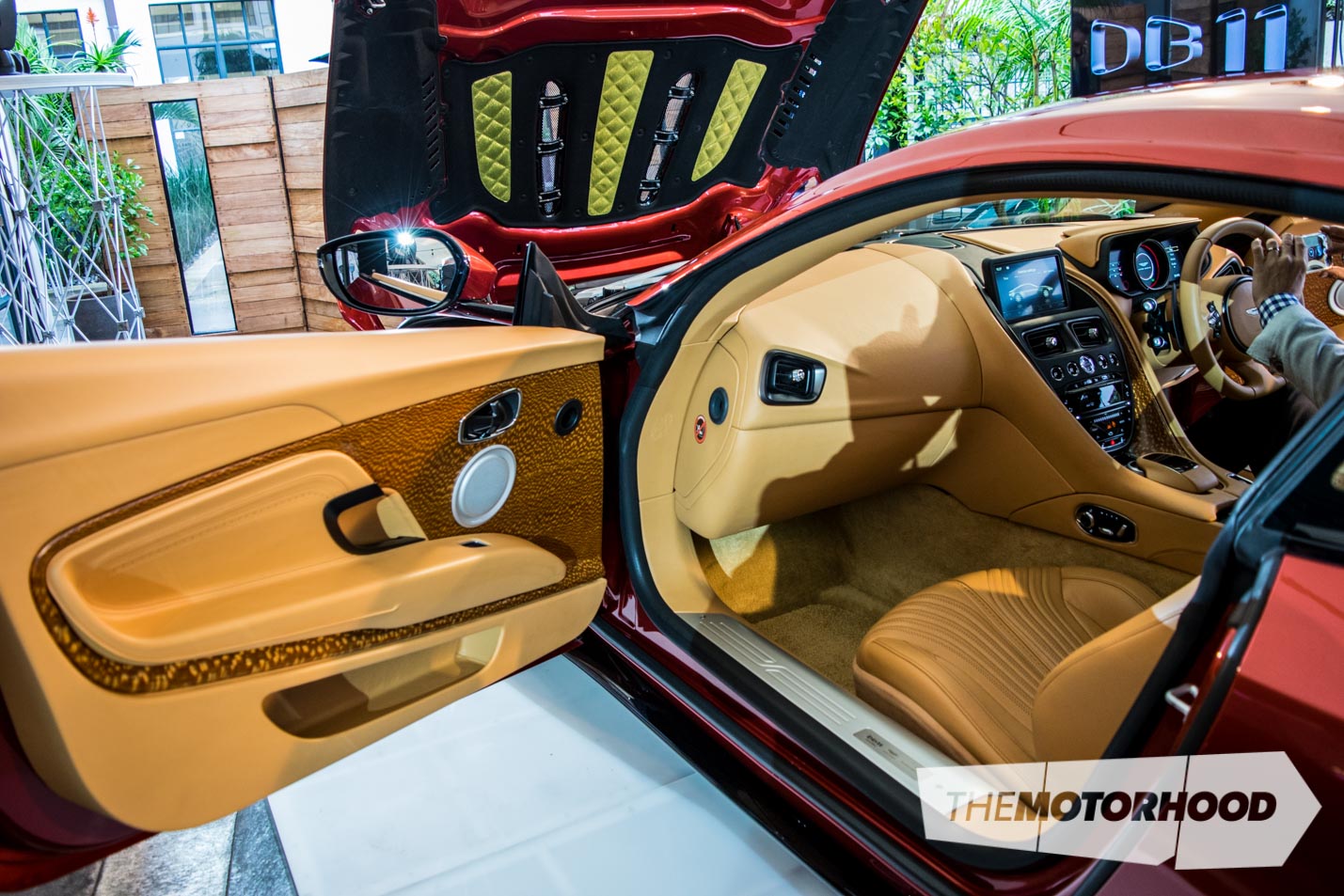
Patrik Nilsson added, “Aston Martin has a proud, 103-year heritage in the luxury automotive market, and the DB11 embodies every aspect of the brand with absolute elegance and indulgence, combining the very latest technology and finest quality hand craftsmanship.”
The DB11’s RRP starts from NZ$365K plus on-road costs, and the first local deliveries are scheduled to begin at the end of 2016.