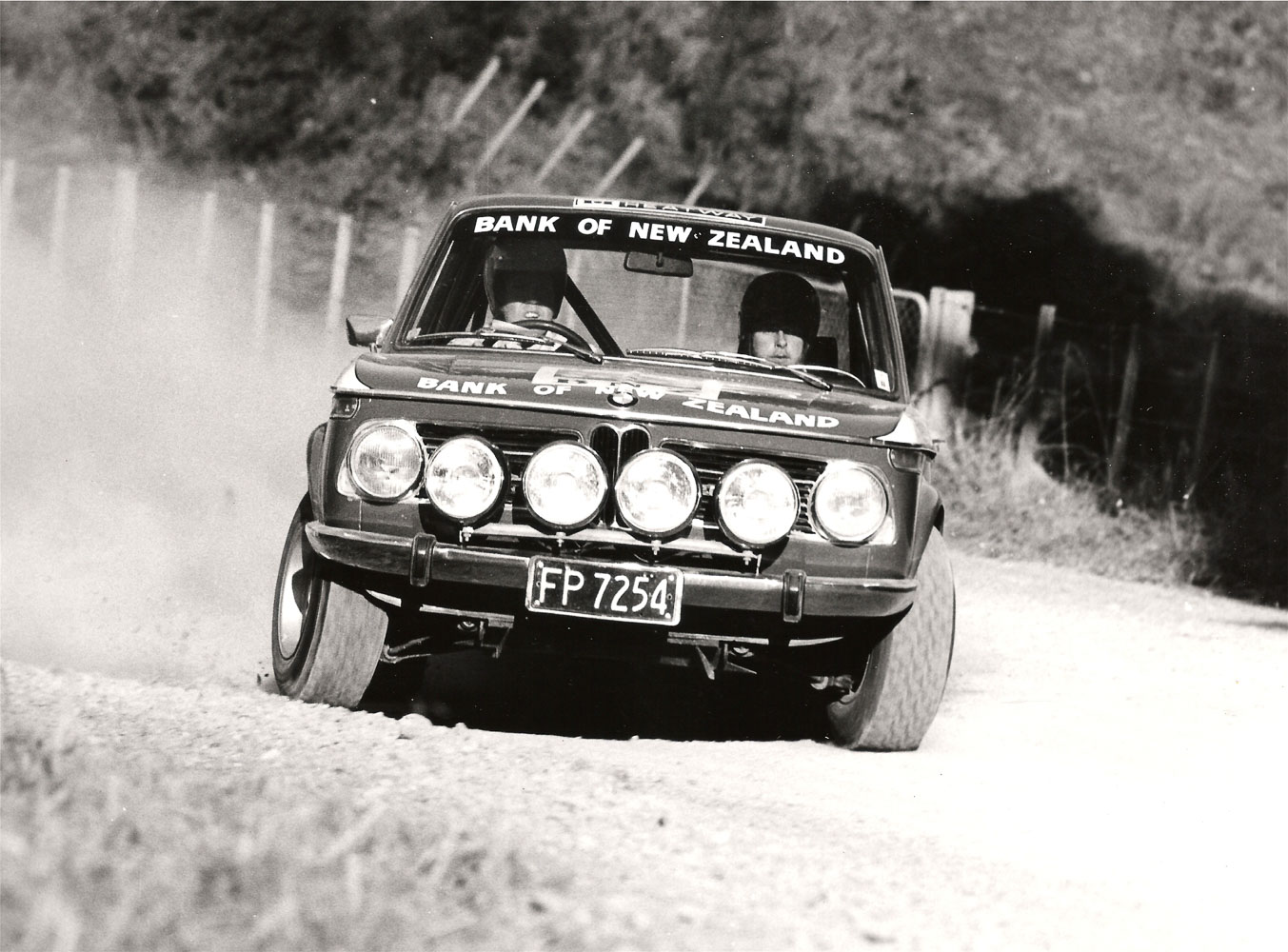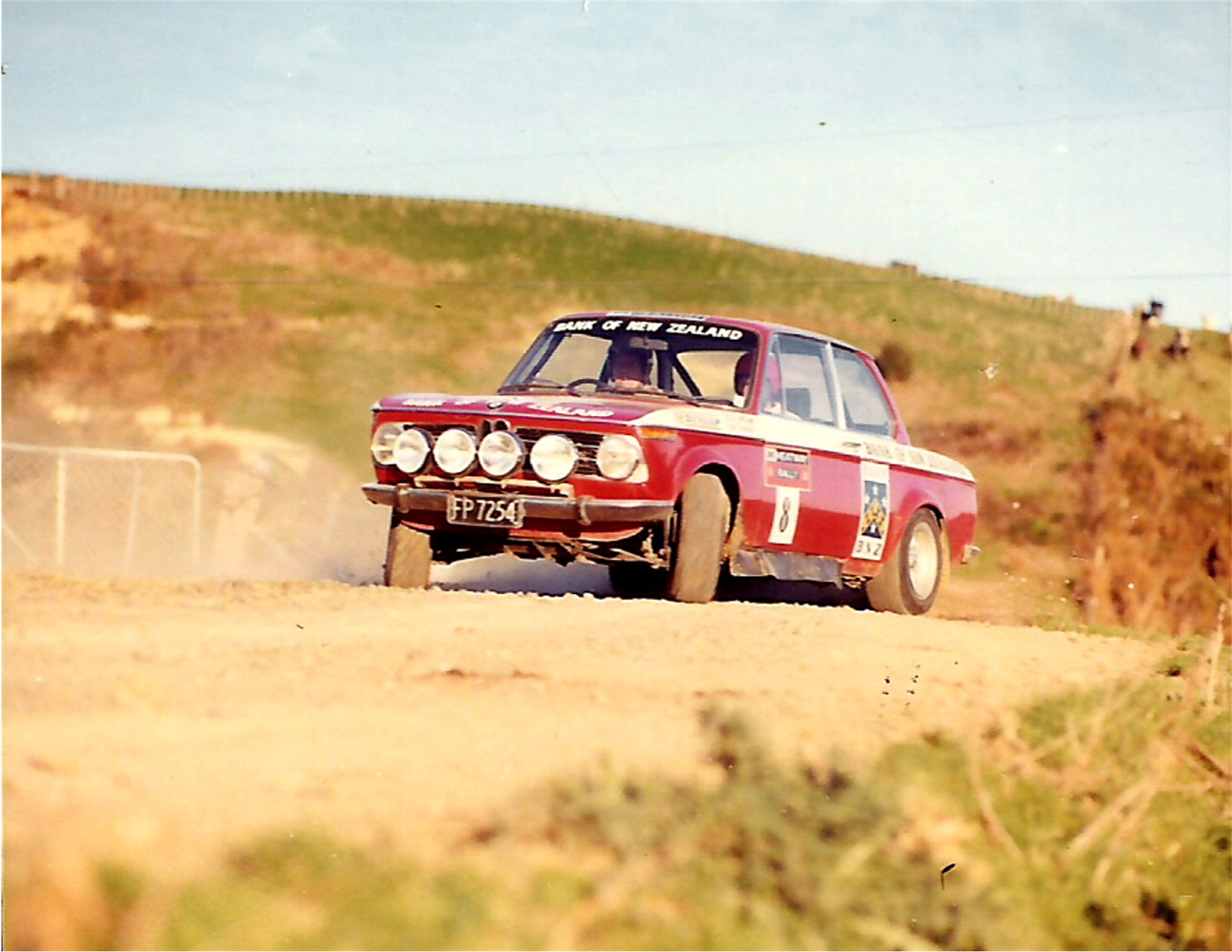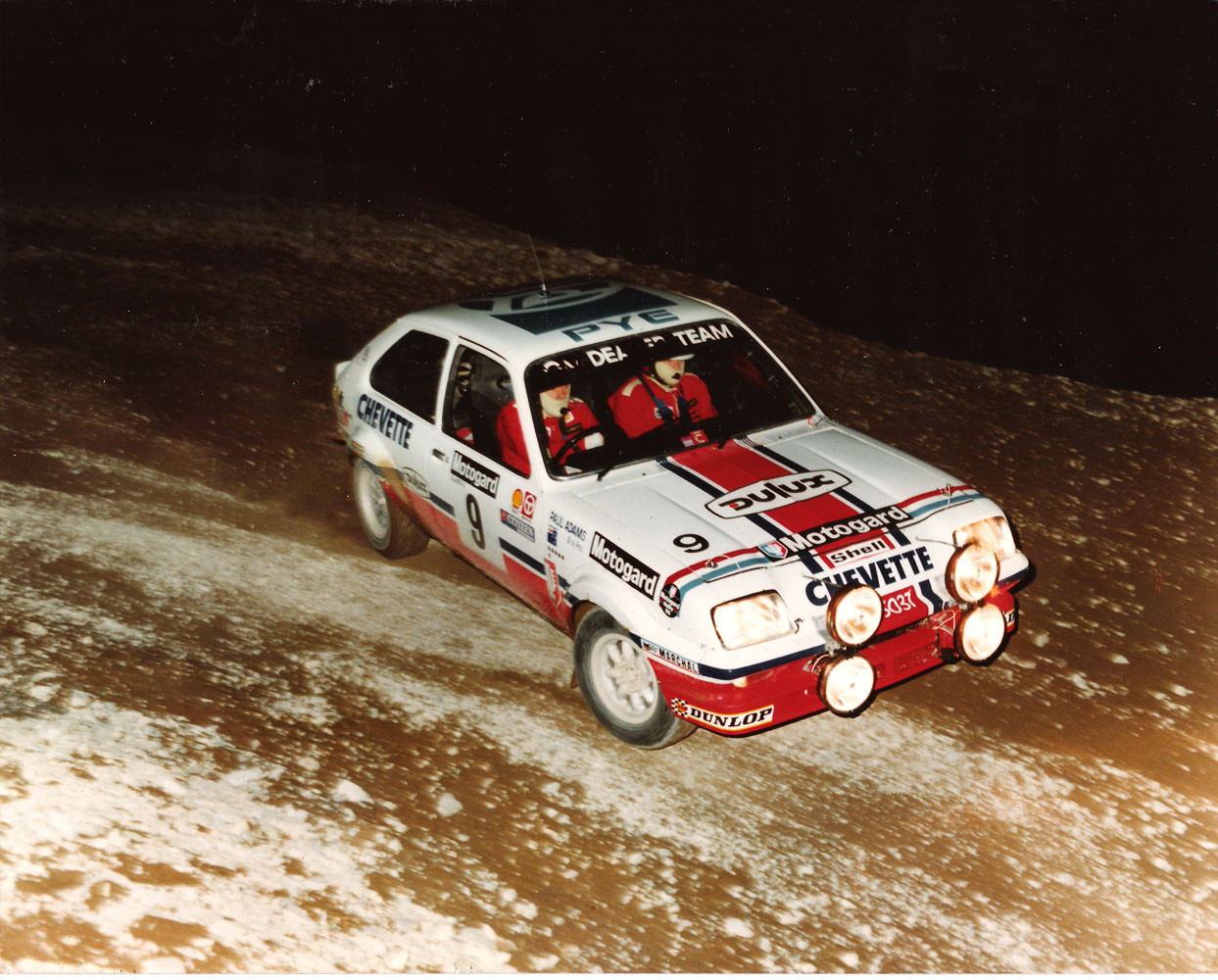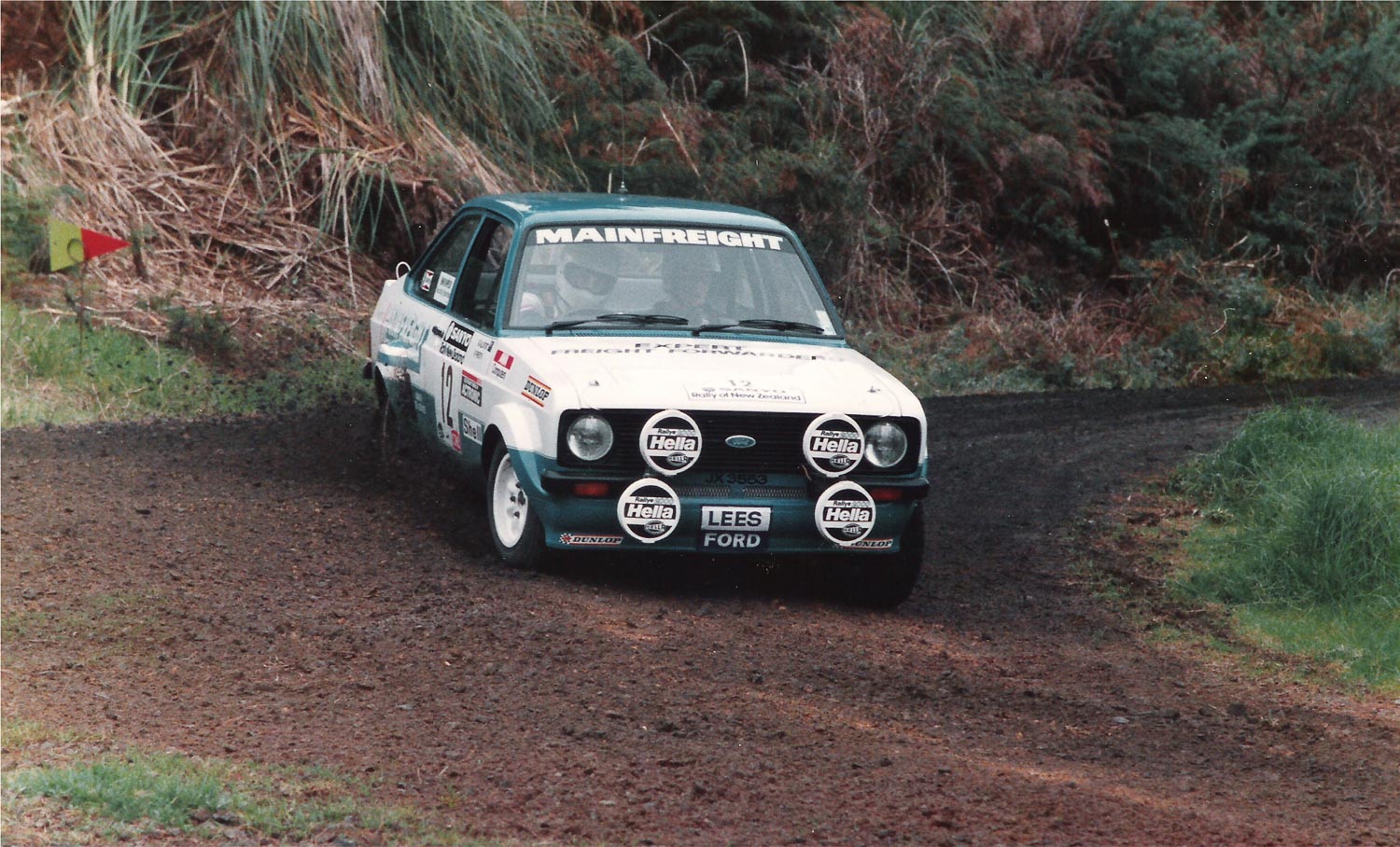
Fifty years of rallying in New Zealand will be marked in 2017 with a tour of the nation’s most celebrated rally stages. The week-long tours — one in each of the North and South Islands — will traverse some of the most legendary roads in our rallying history, and are timed to coincide with popular international events.
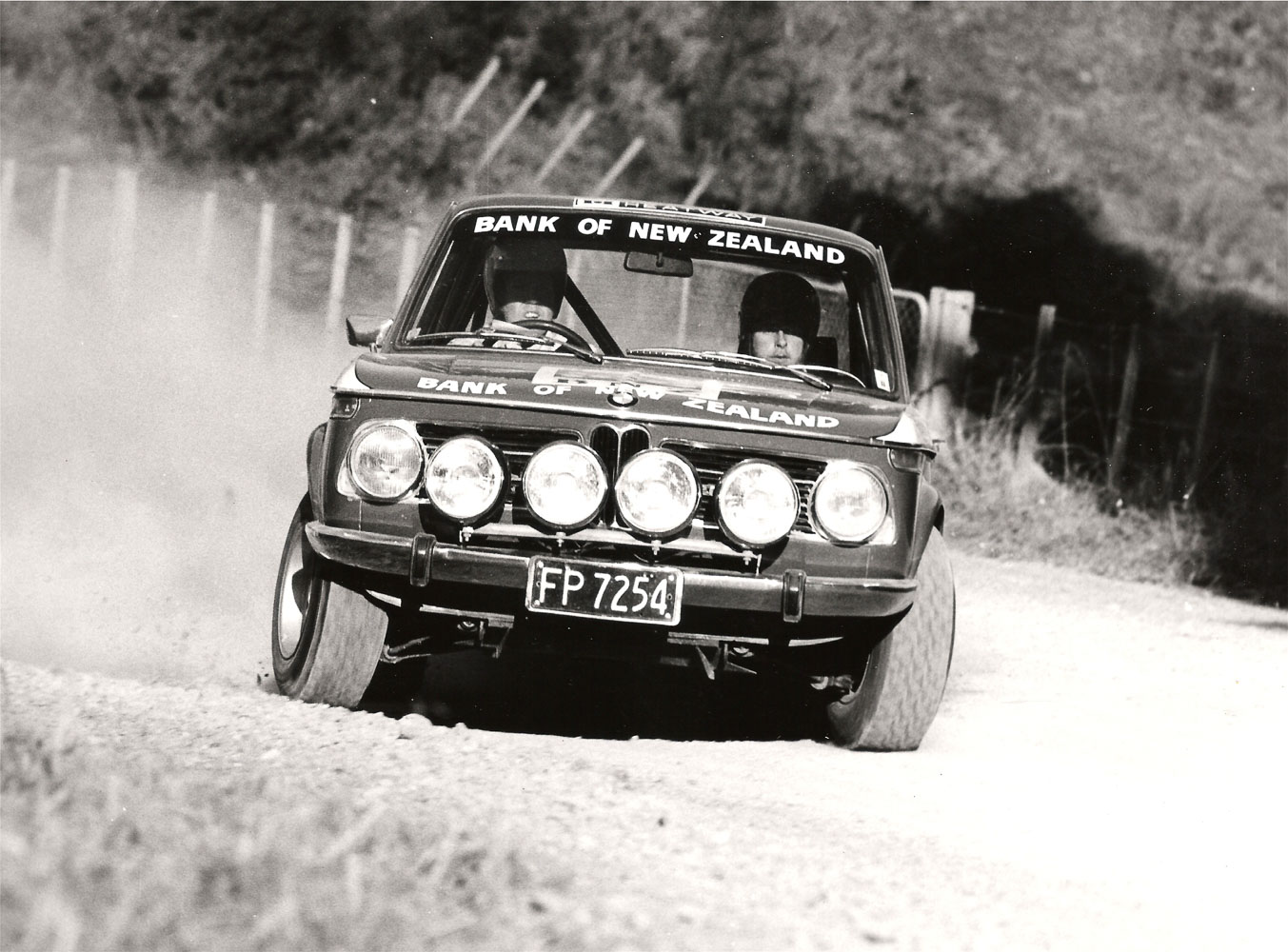
The first tour, starting in Picton on Sunday, April 2, 2017, has overnight stops planned for Reefton, Christchurch, Oamaru, Alexandra, and Invercargill. The final afternoon sees the tour completed in Dunedin on Friday, April 7, in time for the ceremonial start of the Otago Classic rally.
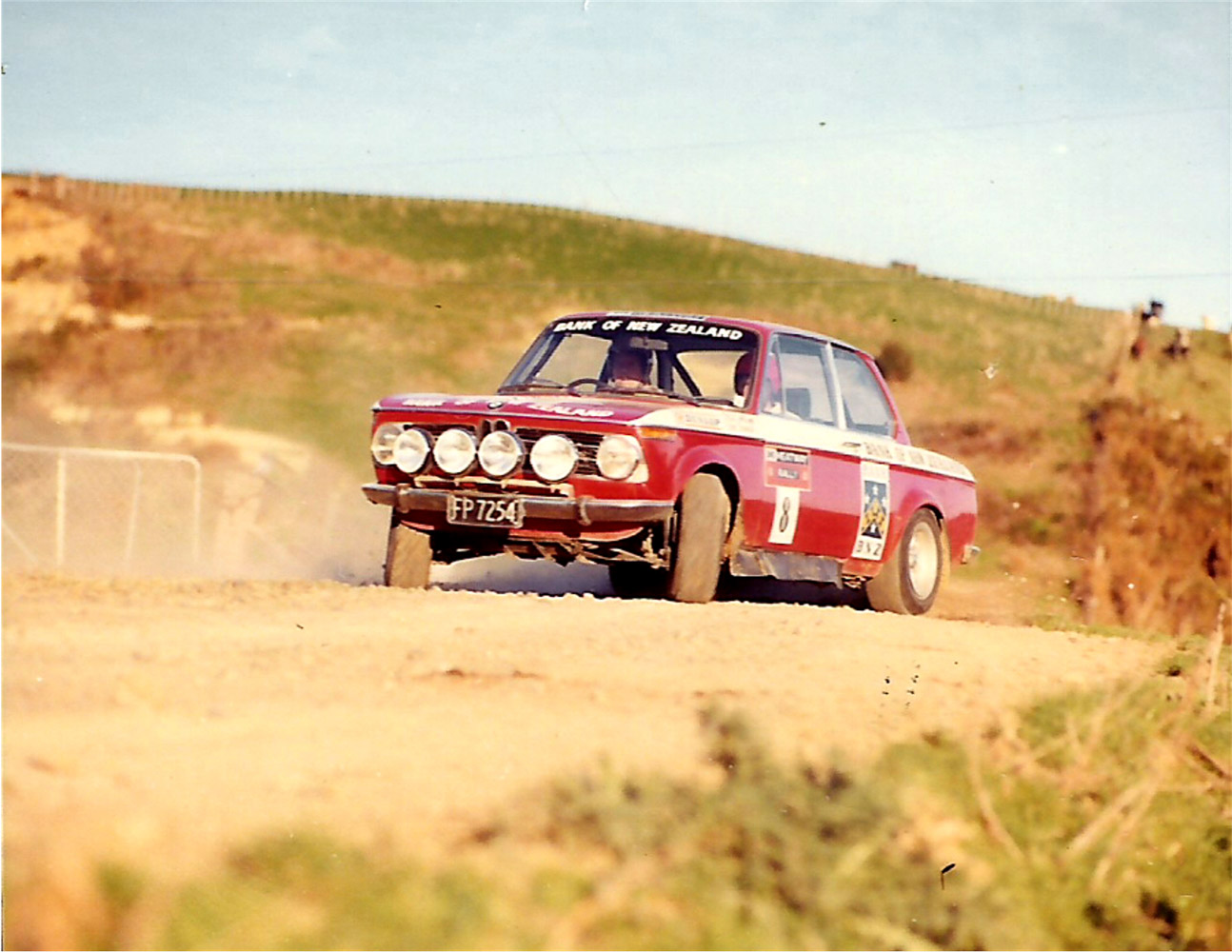
Similarly, the northern tour leaves Wellington on Sunday, April 23, moving up through Masterton, Gisborne, Napier, Rotorua, and Auckland, arriving in Whangarei on Friday, April 28 to view their popular Asia-Pacific Rally Championship (APRC) event.
The organizing committee comprise some of the country’s most experienced officials, responsible for the route plotting of various Targa, Variety Bash, and national championship rallies.
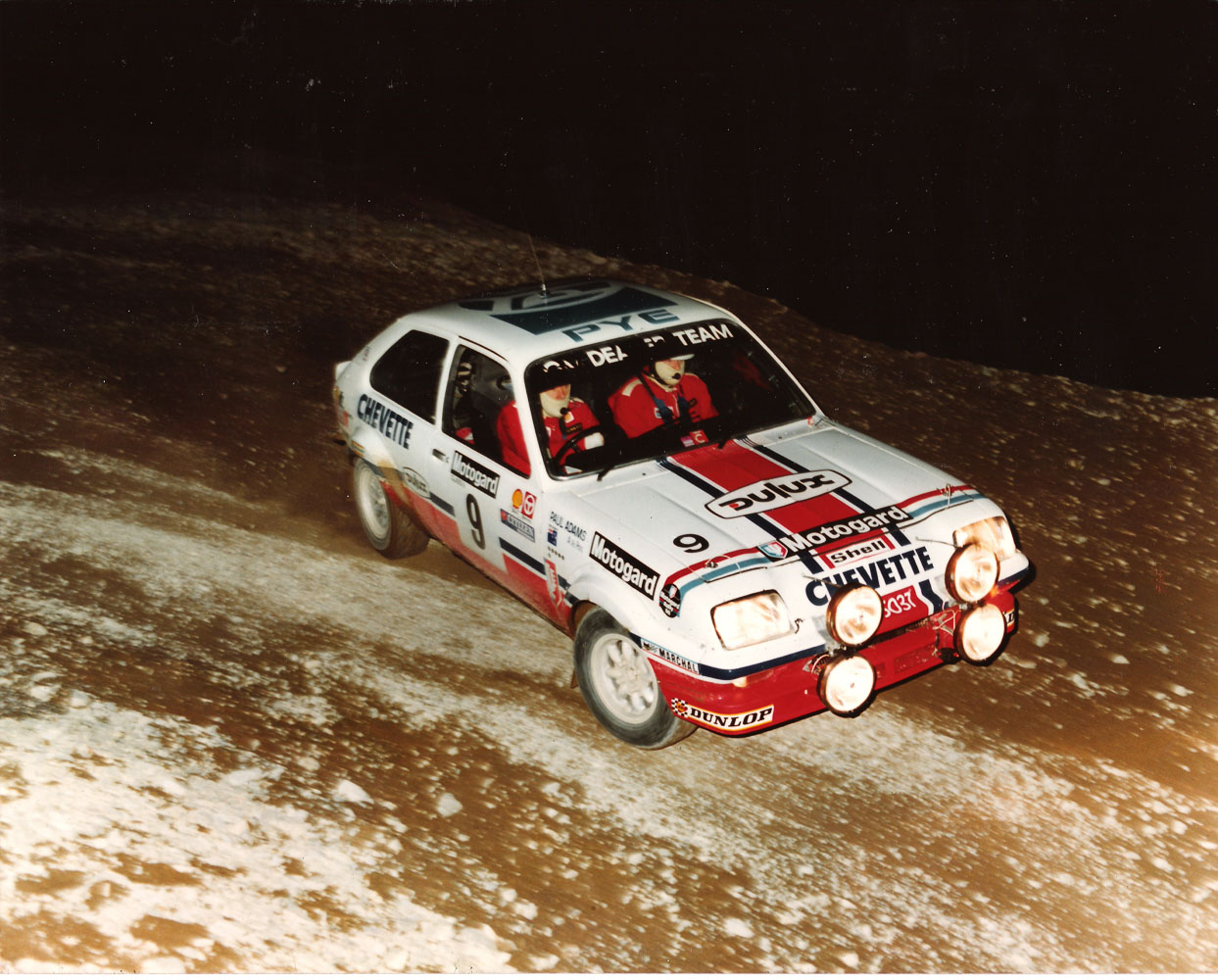
Event Chairman Rod Peat explains the rationale behind the tours.
“We felt 50 years of the sport needed appropriate recognition, particularly for those who may no longer be competing at the sharp end. The daily tour schedule will be very much at gentleman’s hours, with 8am starts and 5pm finishes most days. The roads will not be closed — and will not be timed — but there should be ample time to wallow in nostalgia with old rivals.”
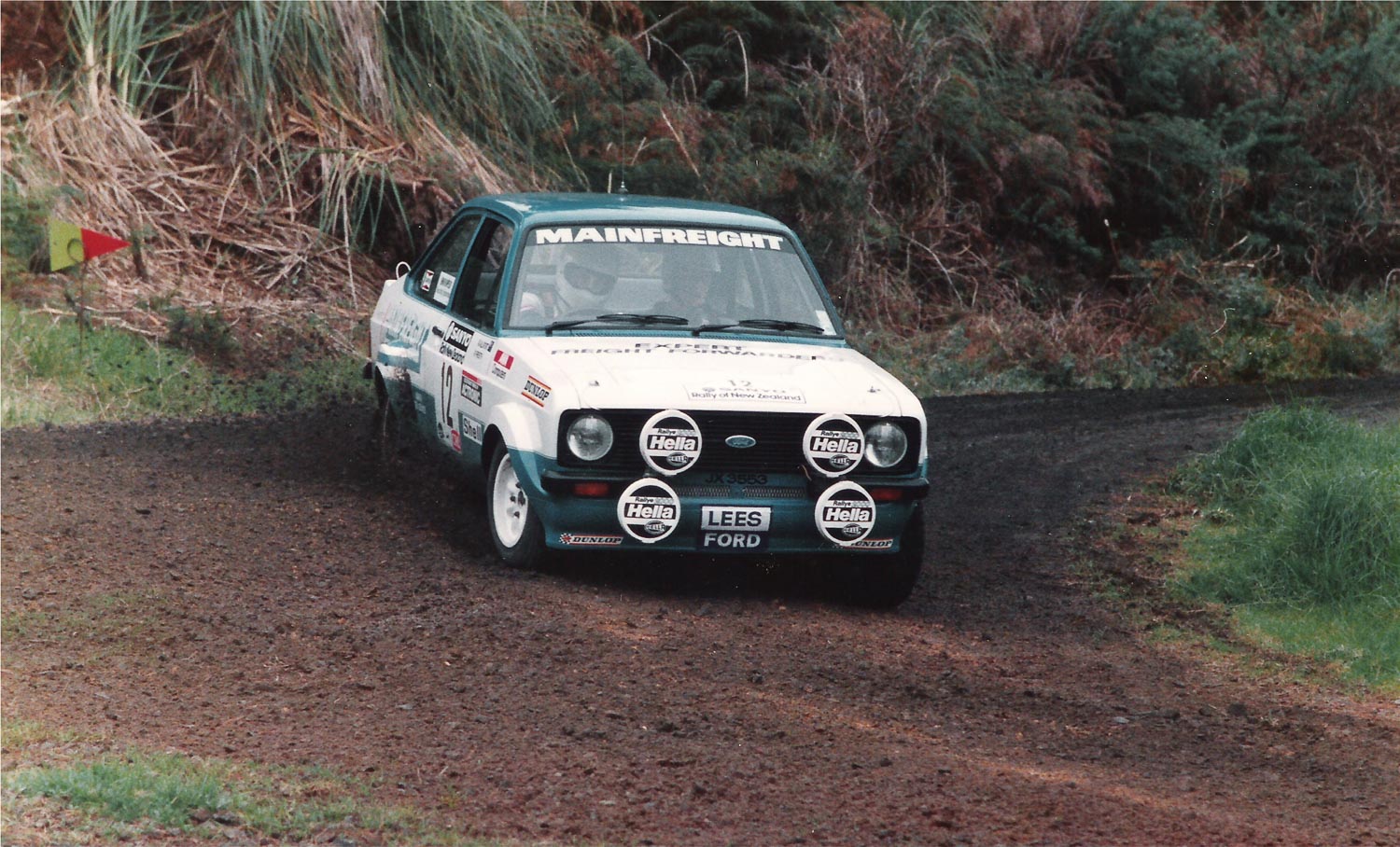
The tourists will complete the route — with a choice of individual days — or the whole tour, in a loose convoy in their own normal road cars. As the start dates near, prospective entrants are being kept up to date within the group’s Facebook page.
All profits from the venture will be channelled to the new Hayden Paddon Foundation, designed to support and encourage young drivers.
Photos: The Paul Smith Collection