
Range Rover CSK — the original SUV

5 June, 2026

Many will assert that Range Rover invented the SUV, and the tribute model to Charles Spencer King’s genius was the first to put the emphasis on sport
By Patrick Harlow

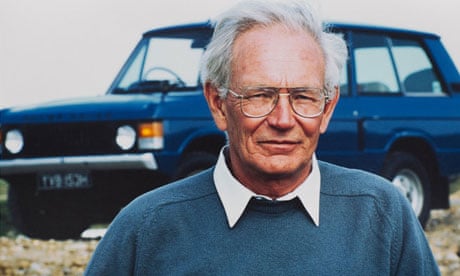
Charles Spencer King

While doing his apprenticeship in Lower Hutt during the 1970s, a young Paul Cocker heard the rumble of a V8 passing by. When he looked up, he saw his first Range Rover. The sight and sound of that vehicle made an impression on the teenager that lasted a lifetime.
The Range Rover, thanks to Charles Spencer King, went into production in 1970, boasting an iconic shape that would last until 1996. The vehicle that would create the SUV moniker came about because Rover decided it was time to add a bigger four-wheel-drive vehicle, one with a 100-inch wheelbase, to the model range. Land Rover made a 109-inch wheelbase model, but the standard vehicle had an 88-inch wheelbase.
The new model would be more suitable for road use than the existing Land Rover, which was considered to be predominantly for rural use. To make sure it could cope on any road it came standard with the Rover 3.5-litre V8 engine. The body design was originally sketched by King and went into production with only a few minor touch-ups by the Rover styling team.
According to King, “The idea was to combine the comfort and on-road ability of a Rover saloon with the off-road ability of a Land Rover. Nobody was doing it.” 
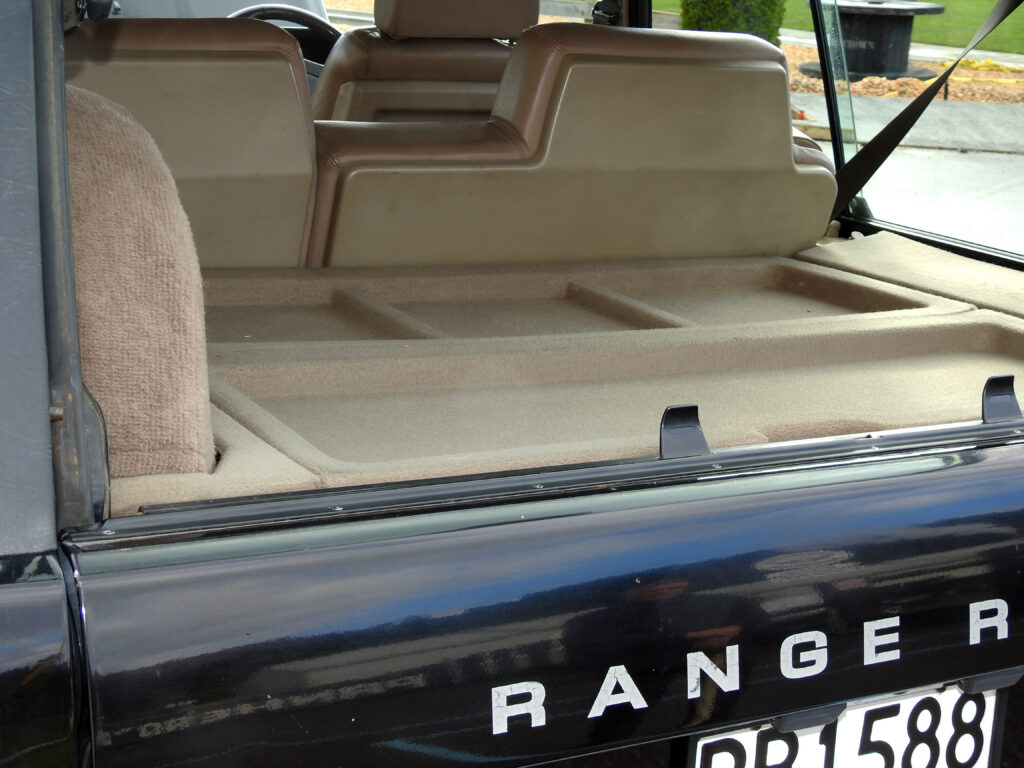
The Range Rover found itself creating a market that did not previously exist in Britain: an off-road vehicle that could be driven in the mud, hosed down, and taken into town on Sunday. The floors were level with the sills to allow sand and dirt to be brushed out. The early editions had rubber mats but it was not long before carpet and other luxury features were added to the standard build list. The Range Rover had the luxury sports utility class all to itself. 
In 1975, the British Motor magazine dubbed it, “The only vehicle that is equally at home in Park Lane, the Sahara, the Darién Gap, a cart track, or a ploughed field.” 
It would be years before the competition woke up and challenged it, let alone realised this would become the top-selling segment for passenger cars in the years to come. Even Rover did not fully grasp the potential at first. All the early Range Rovers came standard with two doors and a rear two-piece hatch. Four-door variants were not added to the line-up until 1981, 11 years into its life.

The difficult second album
The model was so successful that, when Rover brought out its replacement in 1994, it kept producing the first-generation Range Rover. Management was not sure how the public would take to the new shape, or whether the prototype, like other iconic vehicles, had to stick resolutely to its original form. They wisely told themselves: if it ain’t broke, be very careful how you fix it. Happily, the second generation, which was even more plush, also appealed. With Range Rover’s future as a marque secure, the already-classic first generation was quietly taken off the market in 1996.
Over the years, Paul has owned between 50 and 75 examples of the ‘classic’ first series Range Rover (1970–96), some of which were purchased new. Currently, he owns eight, most of which were bought with the intention of being done up to sell to other enthusiasts.
Back in the late ’80s to early ’90s, Paul’s business was making good money and he was able to buy a new Range Rover each year. In 1991 he placed an order for a four-door, five-speed manual Rover, but the dealership did not have the colour of seats he wanted, so the salesman offered him a two-door ‘CSK’ Range Rover with the promise that the dealer would buy it back off him when the one he had ordered arrived in the country. 
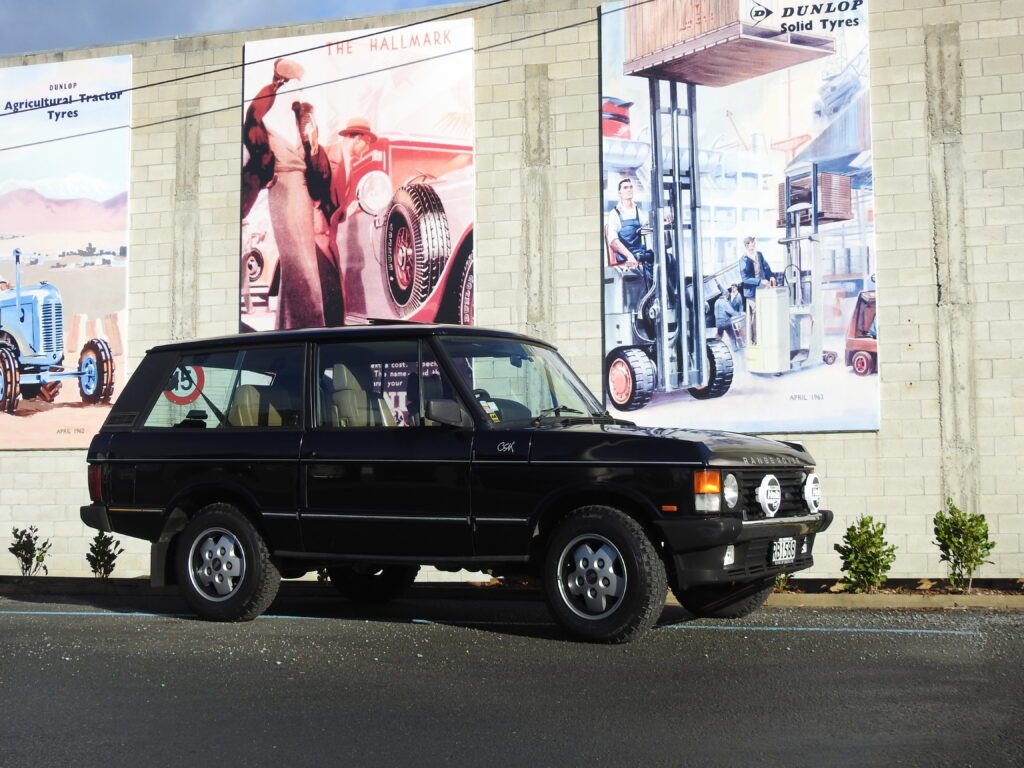
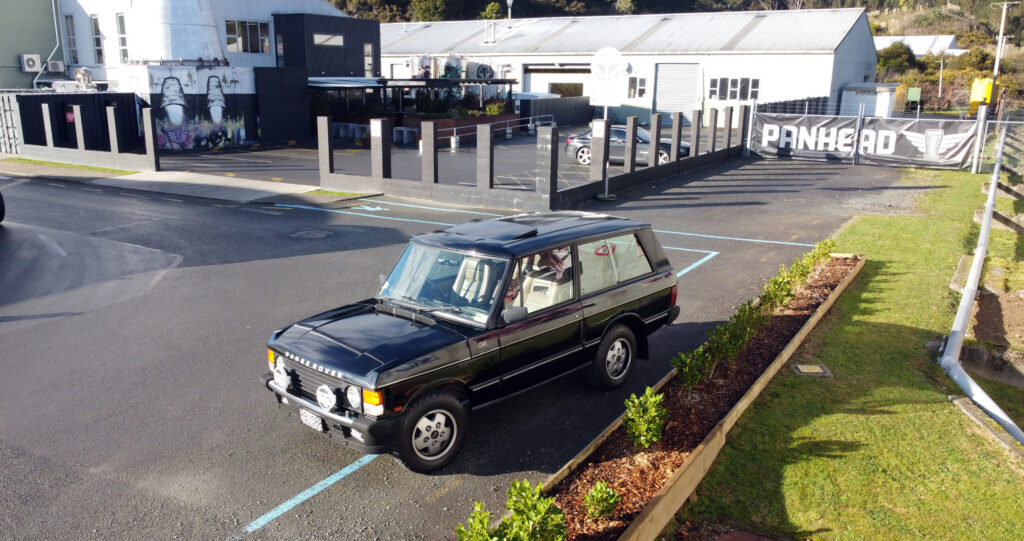
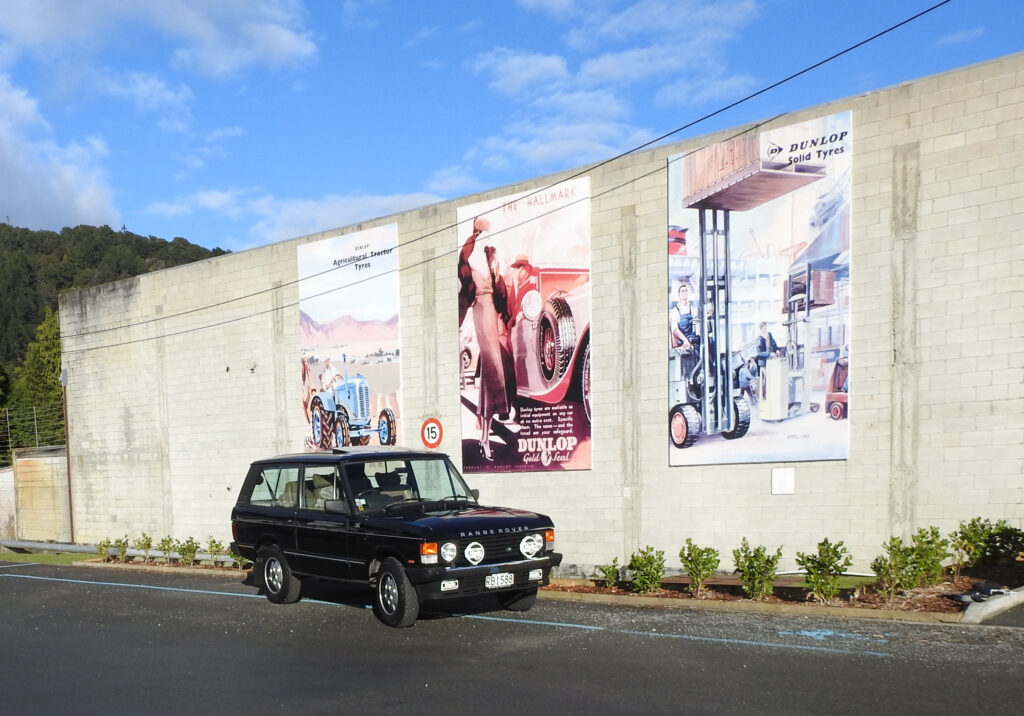
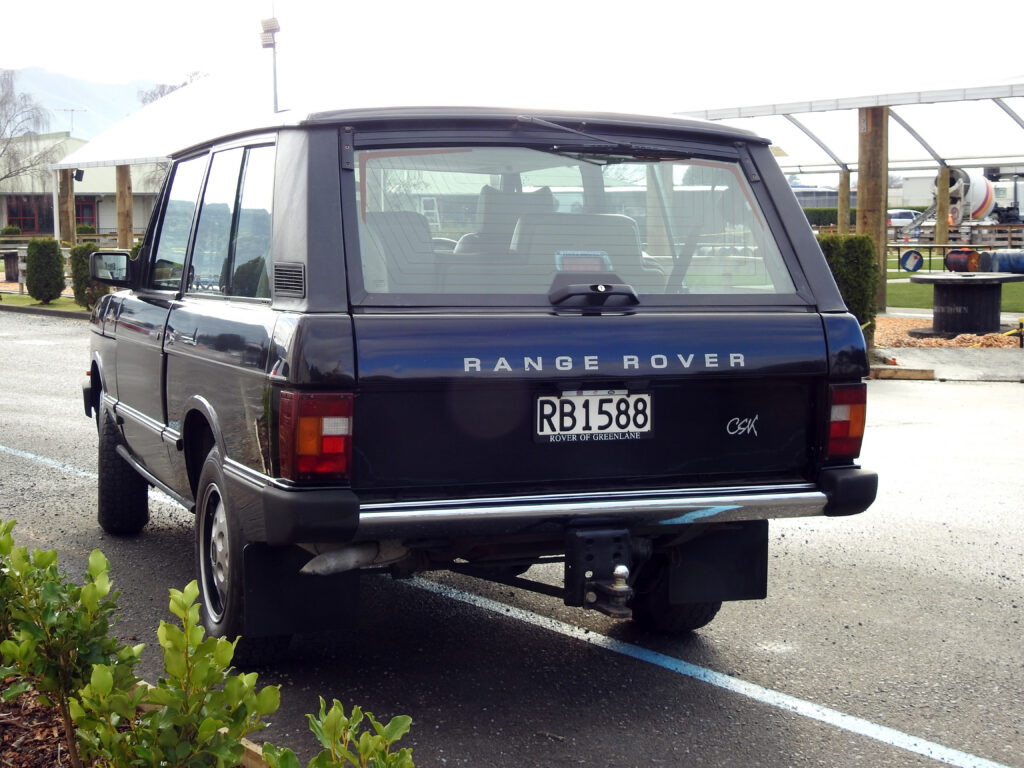
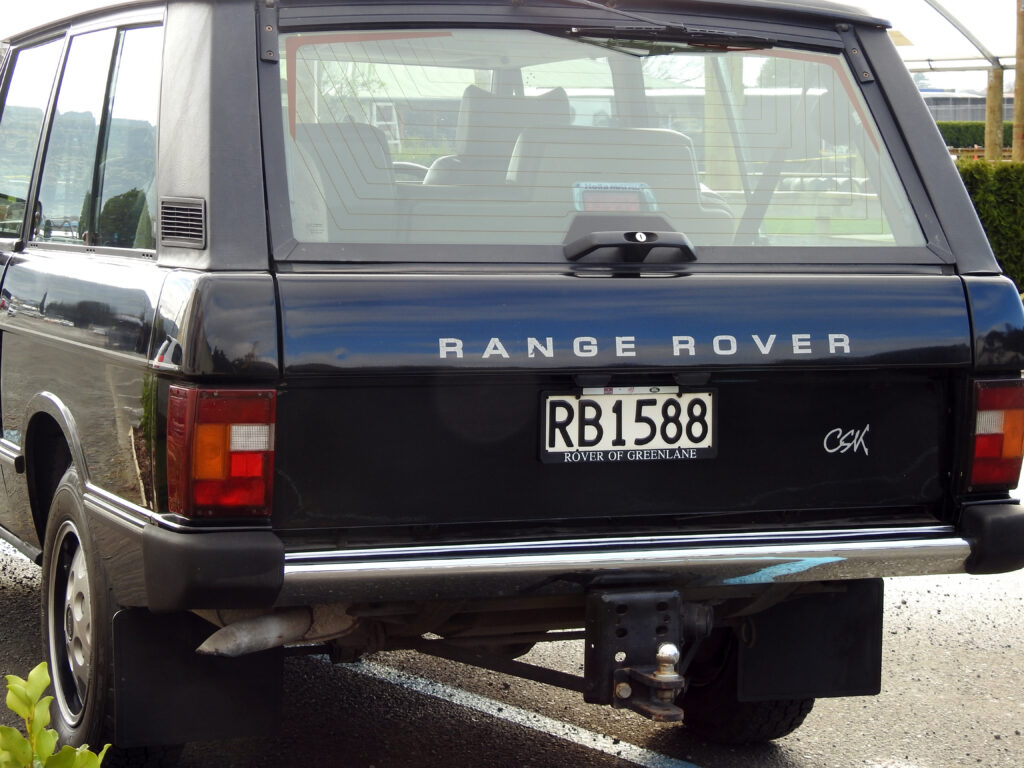
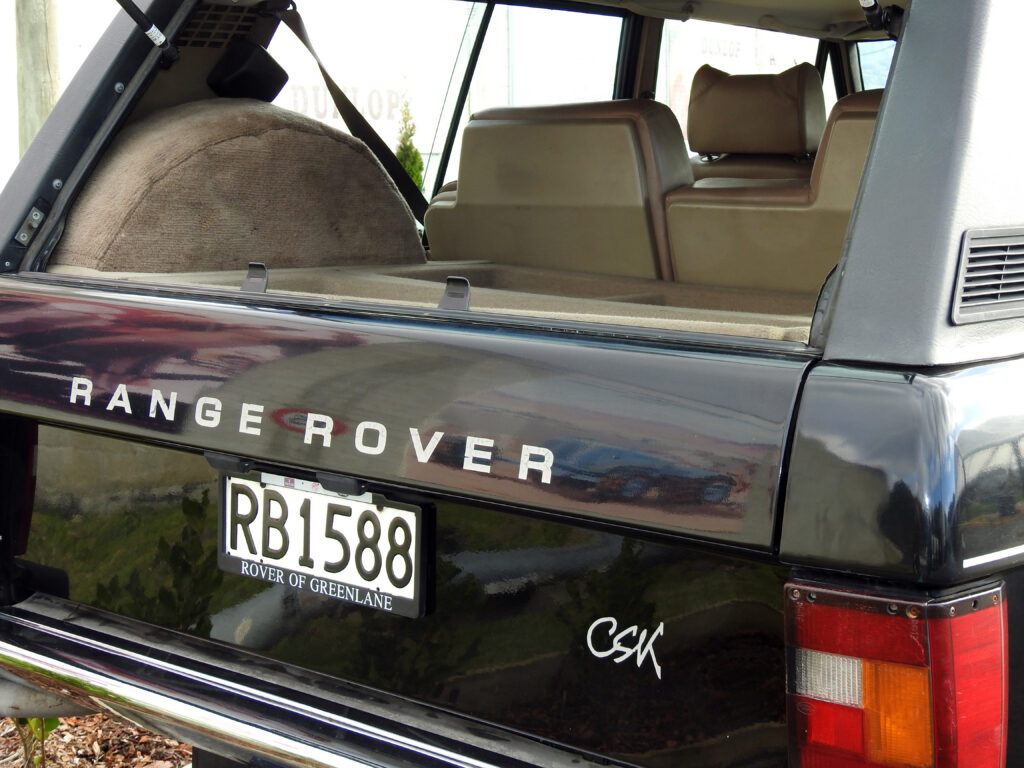
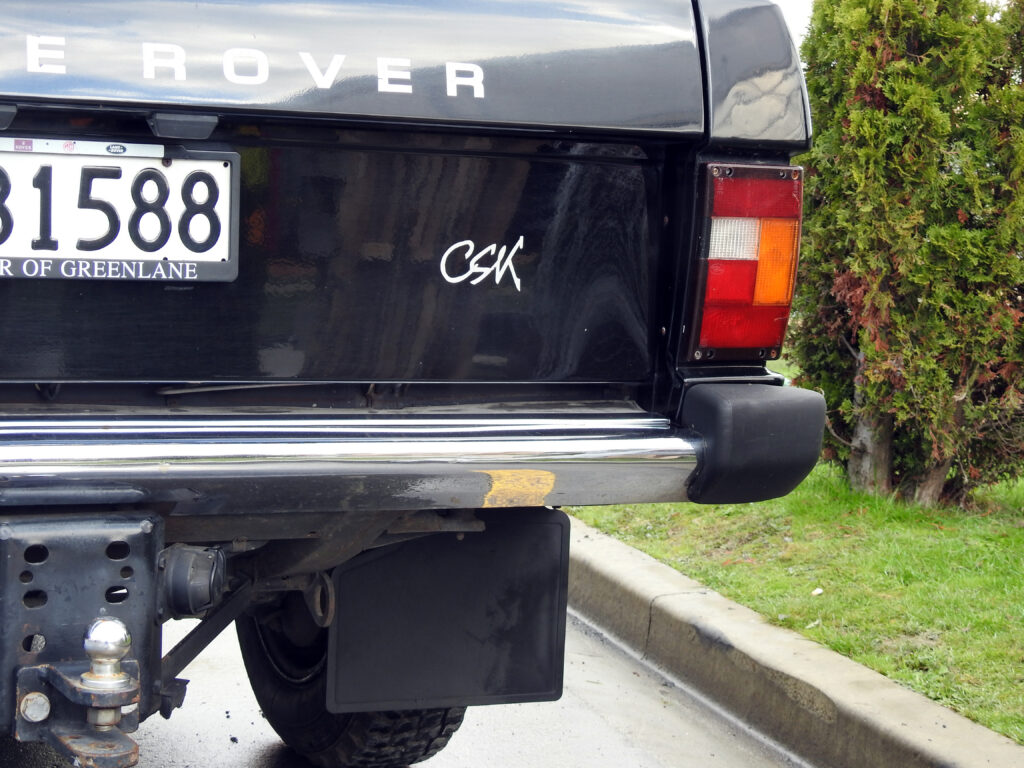
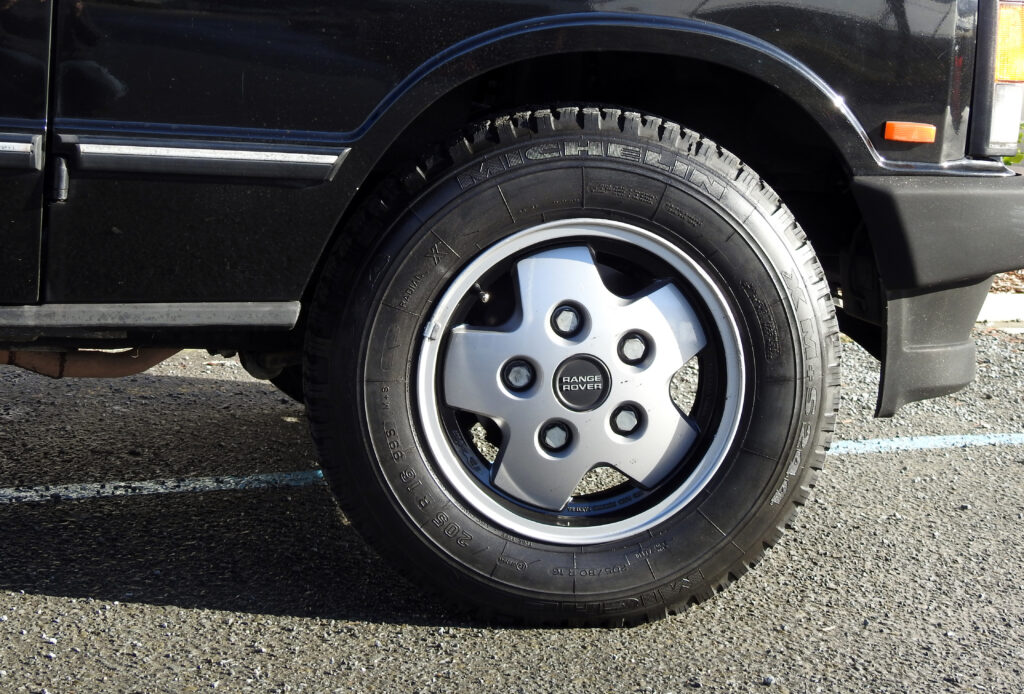
The CSK was a special upmarket version of the Range Rover — CSK standing for Charles Spencer King. It was built to commemorate Spen King’s contribution to the Range Rover. Production of the CSK started in 1990; Charles Spencer King retired in 1995. At the time of the CSK’s introduction, the Rover Group was being bought by BMW.  King said that he had to write his initials three or four different ways before Rover stylists had the version that is proudly displayed on the side and lower tailgate of all the CSK Range Rovers. Production was limited to 200 vehicles, and they would all have only two doors. 
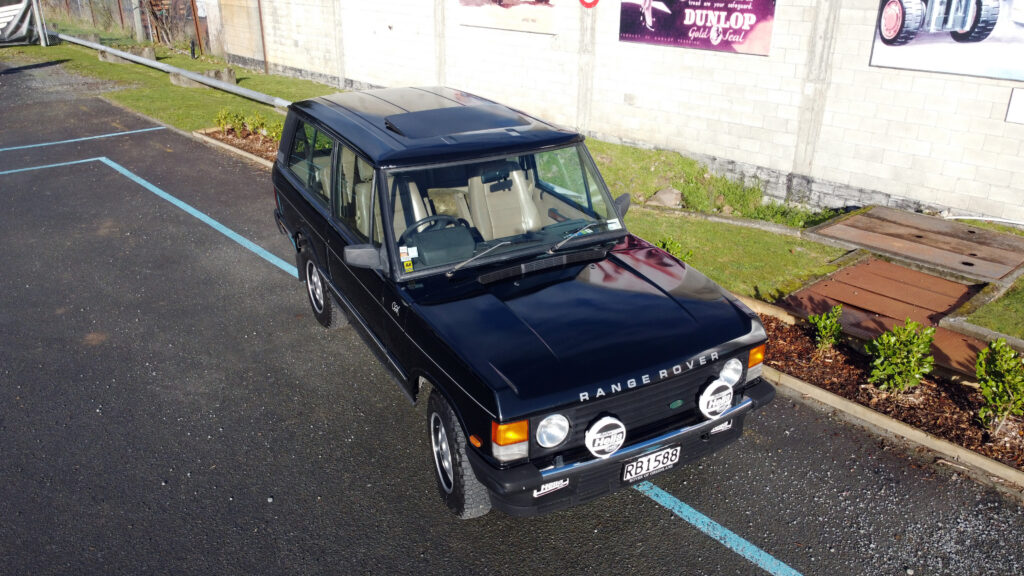
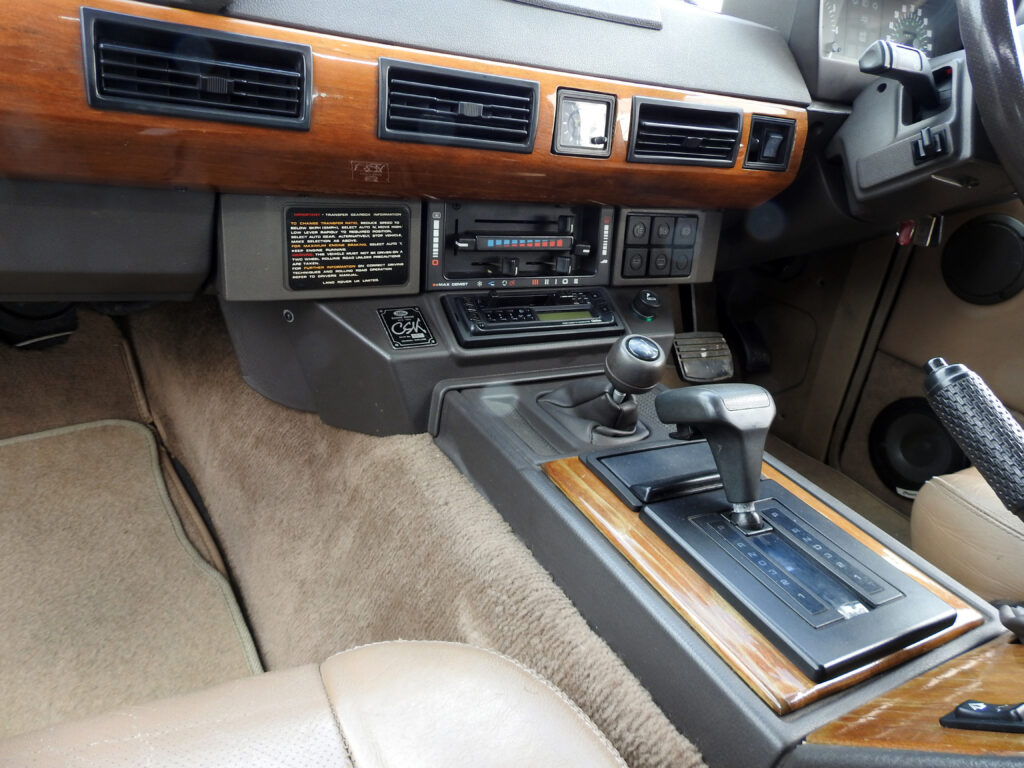
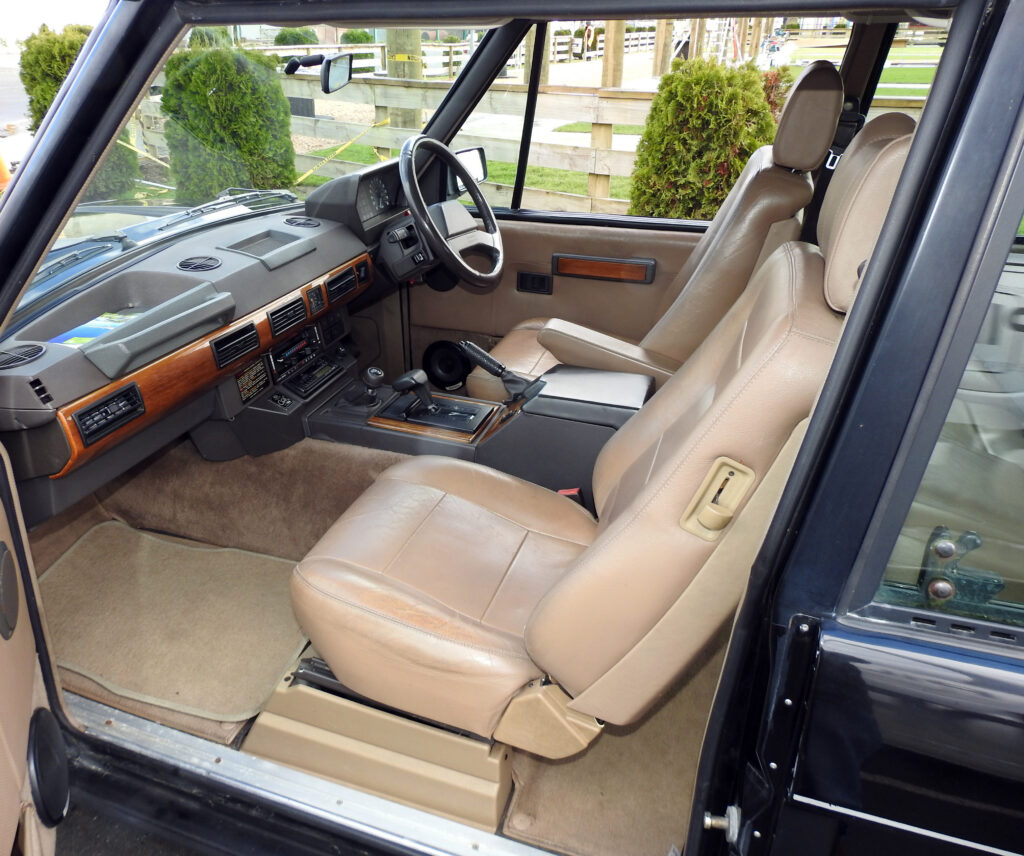
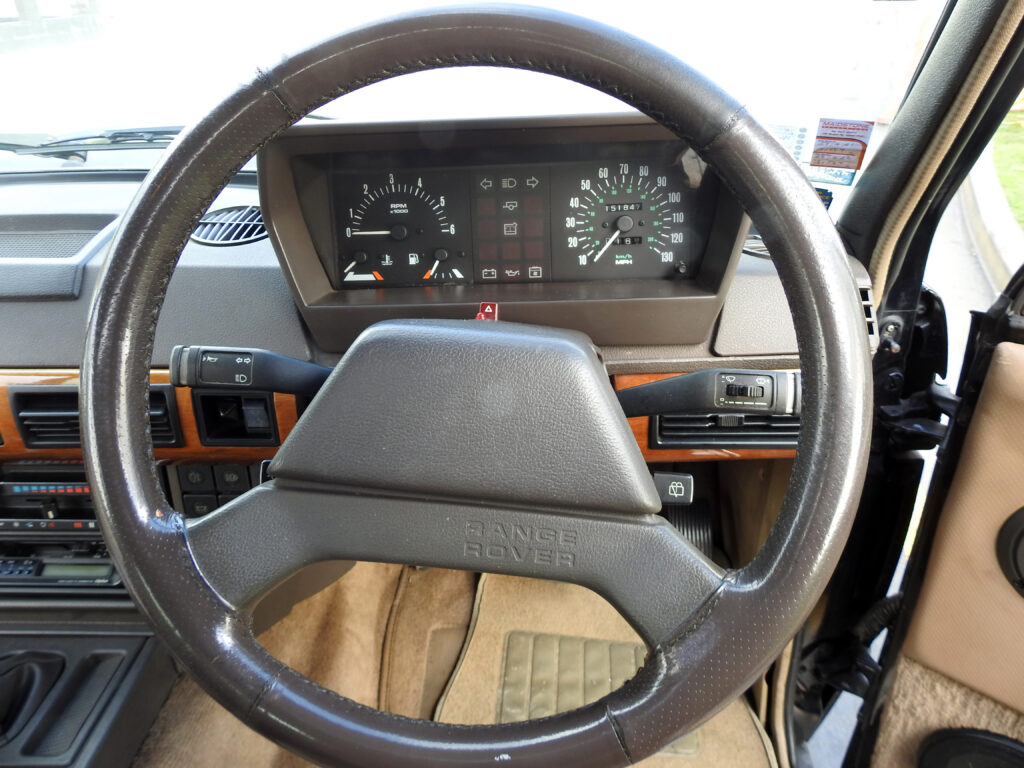
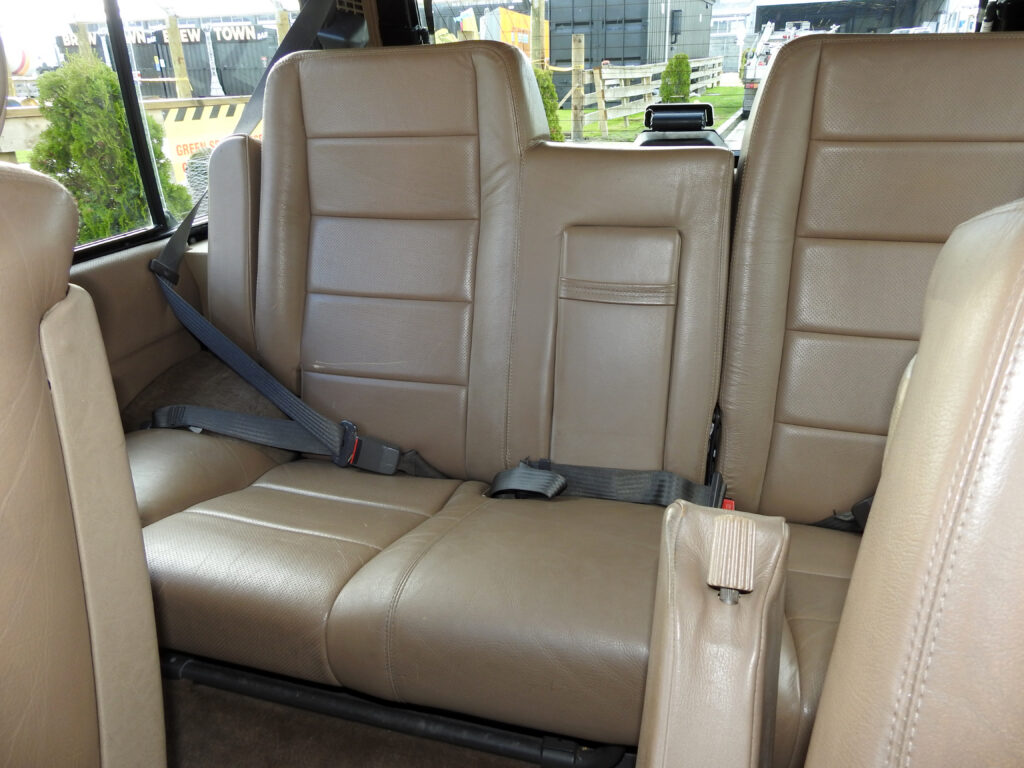
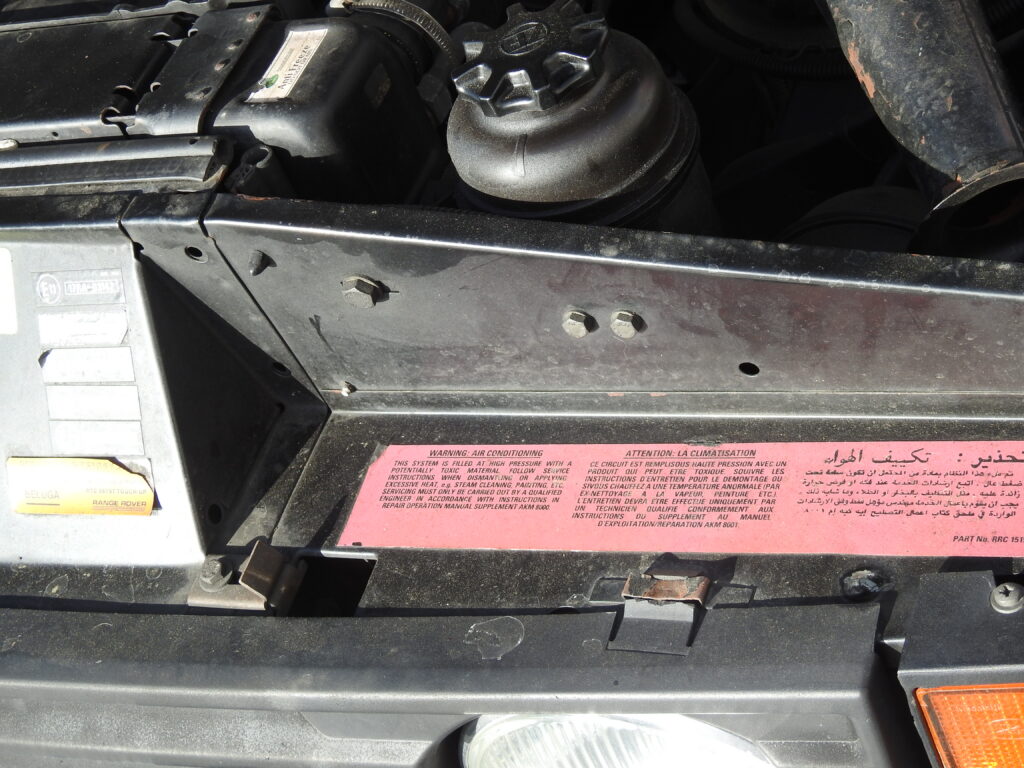
The CSK included as standard all the luxury features available at the time, such as a six-speaker sound system and a CD player that could play 12 different CDs, air conditioning, American walnut on the fascia-rail, centre console and door inserts. The interior is finished with hand-made perforated leather seats, co-ordinated leather door trims and a leather covered steering wheel exclusive to this edition. Standard equipment included central locking, and electrically operated tilt/slide sunroof, electric windows and heated door mirrors. The CSK displayed a level of luxury not seen previously on two-door models.
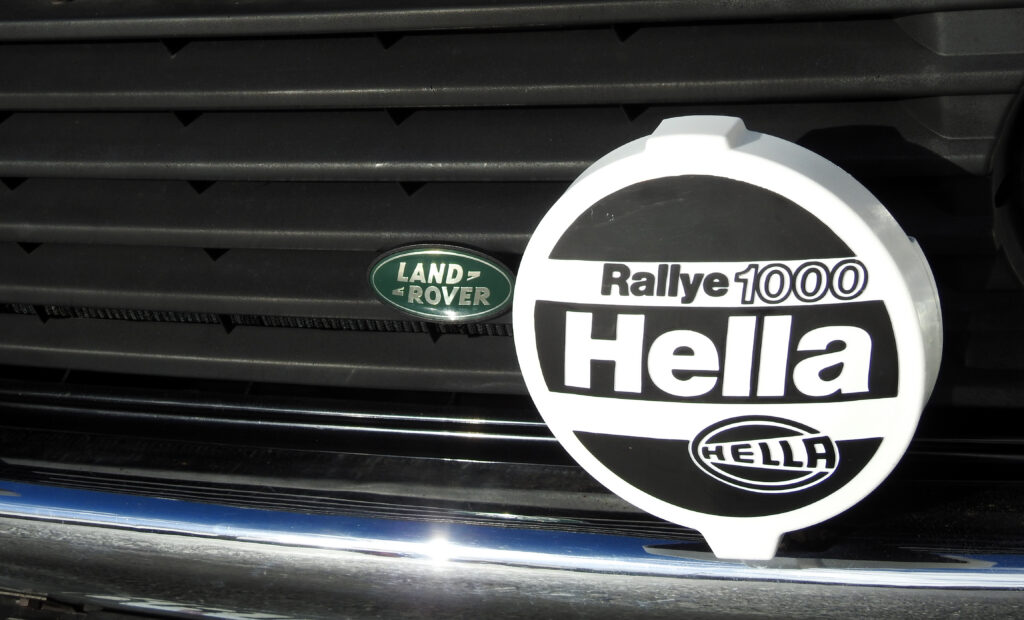
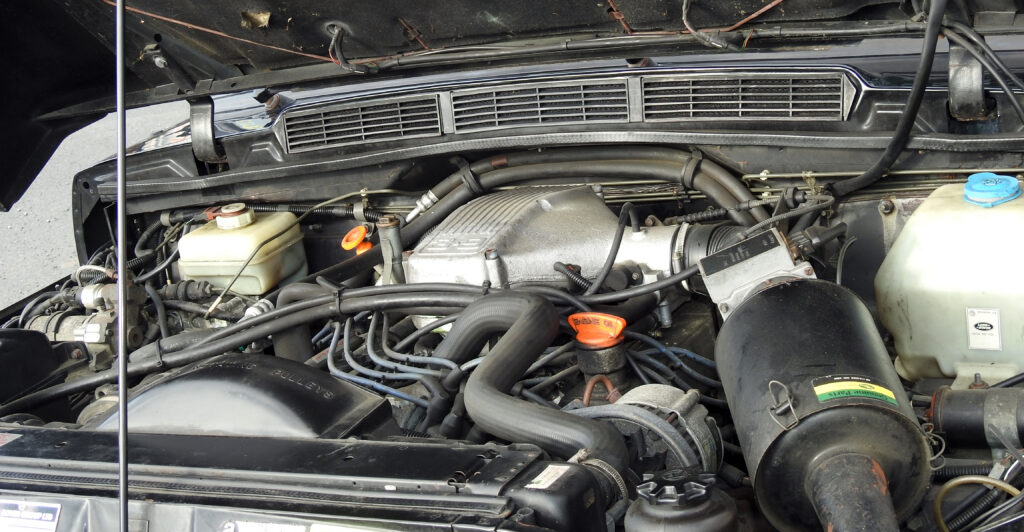
It sported a front air dam, lots of driving lights, headlamp washers and a brand-new stiffened suspension system. For the first time in a Range Rover, the CSK featured front and rear anti-roll bars and sports dampers, offering an even more car-like ride. Most were sold with a five-speed manual gearbox, with just under 50 being automatics. This, along with the fuel-injected 3.9-litre Rover V8 power plant, chipped and upgraded to 139kW, made it the fastest and best-handling Range Rover to date. Interestingly, as it was seen as a sports utility, it did not have the cruise control available on other top-of-the-range four-door Range Rovers.
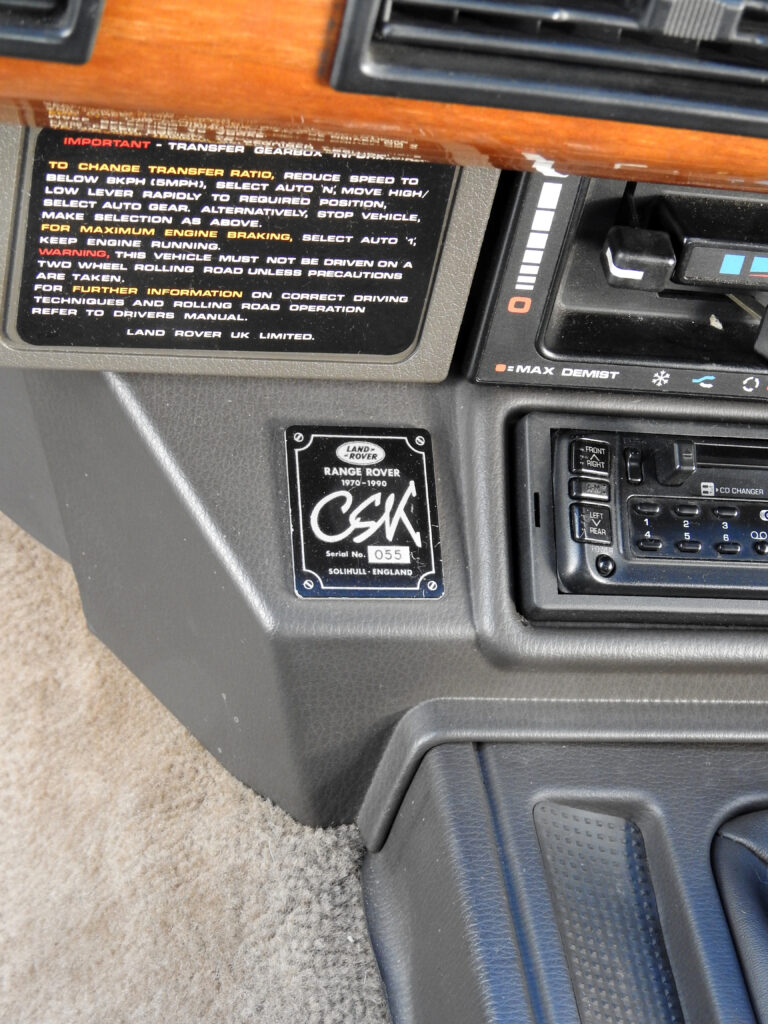
Each CSK came with its own numbered commemorative plaque, which was glued into place on the radio panel to the left of the Clarion stereo. All of them were painted in Beluga Black, with no other colour option.

Family first
Of the 200 CSK Rovers built, it is believed 11 or 12 automatic ones were exported to New Zealand, with another 6 going to Australia and South Africa. The rest were sold in the UK. The cost of this limited edition Range Rover in 1991 was $98,000. That is about $175,000 in today’s money, so it was certainly not a cheap, farm runabout.
Getting back to Paul Cocker and his CSK (number 125). Although he loved its features and the way it drove, he had a family and needed the practicality of four doors. Nine months later, the Rover he had ordered arrived in the country, the CSK was traded back, but he kept the personalised ‘CSK’ number plate. The four-door was the more practical family car, but almost immediately, he regretted selling the CSK. He still has the sales brochure and the first WOF stub that came with the car. 
After his children had grown up and left home, Paul started hunting for another example. Of the CSK variants that arrived in the country, it is believed that only six survive.
In the early 2000s, Paul saw one that had come up for sale in Methven only to discover, after phoning the owner, that it had already been sold. In 2010 he received a call from a gentleman (Gerald) in Christchurch who was keen to buy his CSK number plate. Apparently, Gerald had just purchased a CSK in Auckland and wanted it to have the CSK plates, but Paul was not prepared to sell them. 
While on the way from Auckland to his home in Christchurch, Gerald dropped into Upper Hutt to try and convince Paul to sell him the plates. Naturally, Paul was keen to see Gerald’s purchase and was astonished to see that it was number 125, his old Rover. Despite Gerald offering him an enormous figure to purchase the plates, Paul was adamant that the only CSK they would be going on would be the one he bought. With no sale in sight, Gerald told Paul of another CSK in Cambridge that could be soon coming onto the market.

Second chance
Paul immediately called Cambridge and bought the car sight unseen. CSK number 055 arrived in his driveway a few days later. The CSK was in quite a scruffy condition, having been parked under a tree for a few years, but, thanks to the aluminium body panels, nothing had corroded. The paintwork needed some touching up but the car was still in excellent mechanical condition. After it arrived in Upper Hutt, the bonnet and roof were repainted, the roof lining was replaced, and the car was good to go. This example had 143,000 miles (230,000kms) on the clock. Over the past 10 or so years, Paul has added another 20,000 miles to that and the car has not missed a beat. After weeks of it sitting in the garage sometimes, Paul can hop in it with the certainty that it will start the first time and be ready to drive to Invercargill without missing a beat.
The reliability of the first-generation Range Rovers is well known. At one stage, Paul purchased a second-hand second-generation Range Rover, a 1995 model P38, but it broke down so often that it was sent on its way after consuming a large amount of money. Since then, Paul has predominantly bought first-generation Range Rovers; occasionally he has dabbled in later models but he much prefers the older models.
All in all, more than 316,000 first-generation Range Rovers were produced. This means there should be an abundance of spare parts for the CSK variant for some time to come. The CSK Range Rover is now a very collectable vehicle. It was not the first limited-edition Range Rover but the first with a commemorative plaque declaring that fact. Before the Range Rover Sport appeared in 2005, the CSK had been the only ‘sporty’ Range Rover. These days, a high-mileage example in good condition can sell for in excess of $200,000, making it worth more than it was sold for when it was brand new. Apart from the touch-ups to the paintwork, Paul’s car is in unrestored condition and, thanks to the care and attention he gives it, is a very tidy example of the marque.

Specifications: 1991 Range Rover CSK 

Engine – aluminium 3947cc V8 with five bearing crankshaft
Bore/stroke – 94mm/71.1mm
Valves – 16, self-adjusting hydraulic tappets
Comp. ratio – 9.35:1
Max power – 138kW (185.1bhp) at 4650rpm 
Max torque – 318Nm (235.1lb/ft) at 2600rpm
Fuel system – Lucas fuel injection

Transmission5-speed manual or 4-speed auto, permanent Four Wheel Drive

Suspension – Boge self-levelling, long-travel coil springs, sports hydraulic dampers, anti-roll bars front and rear

Steering – Rack and pinion quick ratio steering box

Brakes F/R vented disc brakes/disc brakes 

Dimensions:
Length – 4470mm
Wheelbase – 2540mm
Width – 1803mm
Height – 1781mm (Standard RR 3-door)
Weight – 2510kg

Performance:
0–100kph – 9.9 seconds
Top speed – 114mph (183kph)

Ford’s Mustang – the endlessly hip American dream machine

Fifty or so years ago, the only place in New Zealand to see a Ford Mustang was on the racetrack. In a local market severely constrained by a lack of new motor vehicles, the new North American Ford was a dreamy icon boosted by considerable motorsport success.
Import licences for cars were limited, and if Kiwis travelled abroad, the amount of currency they could take with them was restricted. What’s more, those funds could not be used to buy a car for importation back home. Yet it was OK to spend the money on heavy drinking at a London pub, Gucci shoes, sable fur coats, and excessive stays at the Hôtel Martinez at Cannes in France.
However, any rare Mustang that landed on our shores would not be destined to pose around Auckland’s then trendy Queen Street on a Friday night but would more likely be found in the care of well-known racing drivers on the starting grid at local motor racing tracks.

Chrysler’s classy cruiser

I first saw our feature car, a 1970 V8-powered Regal 770 hardtop, towing a trailer carrying the tidy Ford Anglia classic racing saloon in Broadspeed racing colours that has featured in these pages. The coupe is comparatively rare here, which means anyone contemplating purchasing one of these big two-doors is sure to see prices continue to climb. The latter Charger has claimed much of the Aussie Chrysler limelight, but the simpler and classier lines of this car, which appeared dated soon after its introduction, now have a more timeless appeal.
Former owner, Balclutha motor engineer, Mike Verdoner, remembers the car well. He believes it came from Dunedin originally.
“I’m not sure about the car’s history, but I bought it off its owner at Kaitangata. Unusually, it was advertised in the local newspaper, the Clutha Leader, which was a surprise as these usually go for a lot more money on the internet. I had it for quite a few years. It needed a little bit of work to tidy it up, so I had to decide whether to spend the money on it to do it up, which could have been twenty grand. Its value at the time was not like it is now, so I sold it to Ewan. It’s probably now worth three or four times what I sold it for.”