A monster track car and an incredibly rare road car

16 September, 2016

This Aston Martin V8 Vantage Zagato was the second car to be born from the wedding of the two brands, the first being the simply stunning DB4 GT Zagato — with just 19 race versions built, they now reach well in excess of $15 million apiece — and more recently there’s been the DB7 Vantage Zagato, the 2011 V12 Vantage Zagato, and the freshly released Vanquish Zagato. In the early 1980s, Aston Martin engaged Zagato to take a look at the Vantage shell with a view of making it a sleeker, faster beast by improving aerodynamics and shortening the chassis. The result was a modern if somewhat demure take on what a road-going race car should be.
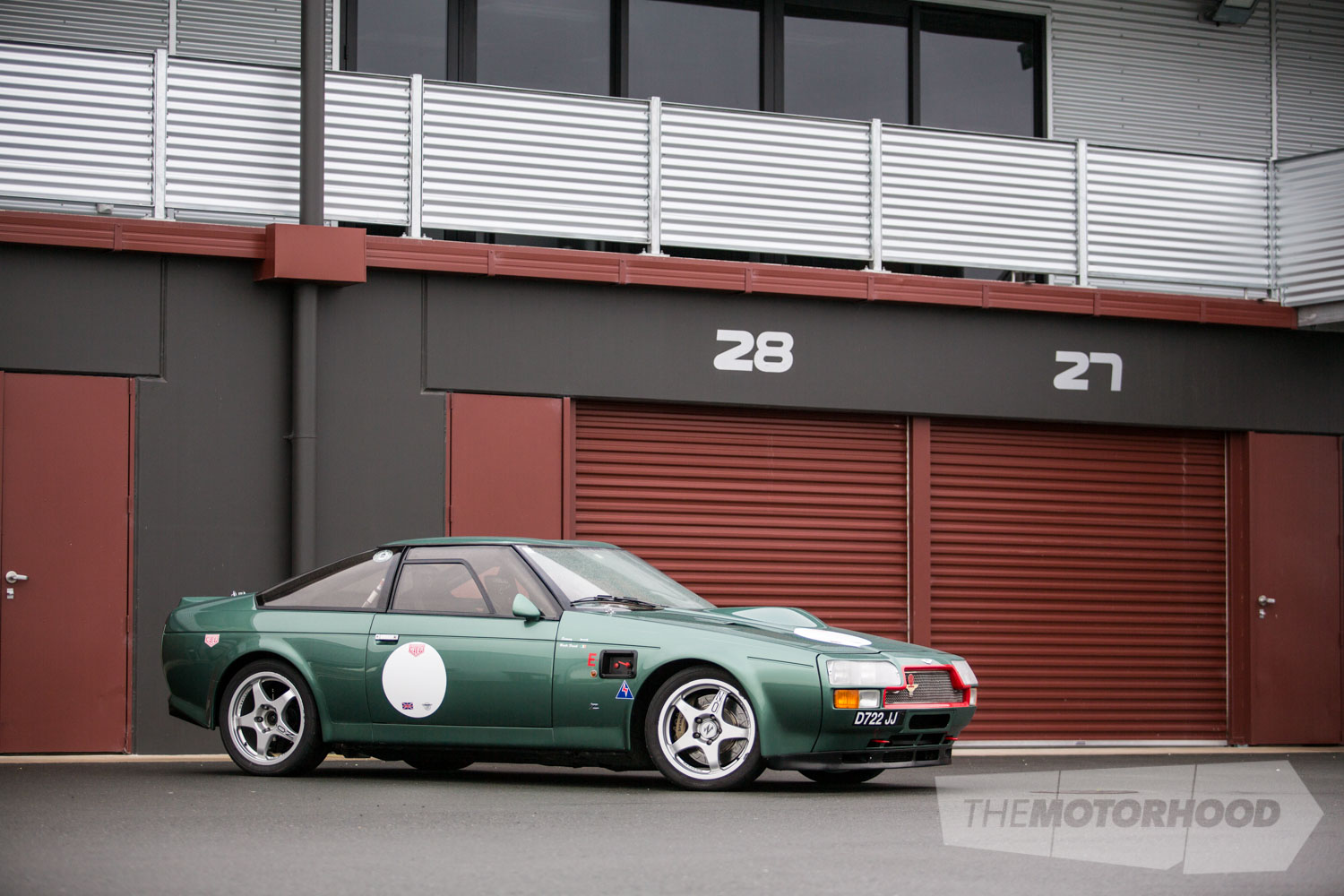
It was pretty well acknowledged by enthusiasts and Aston Martin that this particular car was the best road car it had ever built. No electronics, and a ZF five-speed mated with a fire-breathing V8. “As a road car, the formula was perfect,” the owner said.

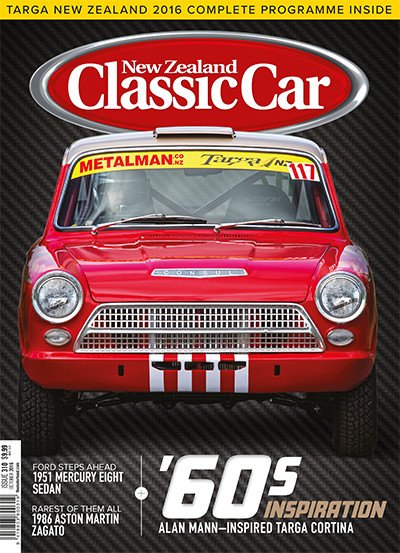
Check out our full story in the October issue of New Zealand Classic Car — grab your copy now:

Breakfast of champions – Brink

Some older readers may recall the amusing late 60s advertisement for a breakfast drink using World Champion racing driver Graham Hill which was made while he was out here competing in the Tasman Series.
“Drink Brink” was the phrase, subtly altered by Graham’s characteristic lisp into “Dwink Bwinkl” which drew a grin or two.
Southland Mini racing enthusiast Howard Kingsford-Smith has preserved a little bit of Mini racing history when he re-created the “Brink Mini” some 25 years ago.
“I bought what remained of the original car and made a replica I suppose or look-a-like of the original Brink Mini from Cathy Henderson about 25 years ago,” Howard explained.

The motor car as an art form

We have certainly come a long way since the exhibition entitled 8 Automobiles, shown at the Museum of Modern Art in New York in the autumn of 1951, the first exhibition concerned with the aesthetics of motor car design.
It was here that the often-used term ‘rolling sculpture’ was coined by curator Philip C Johnson, director of the department of architecture and design, when he said, “An automobile is a familiar 20th century artefact, and is no less worthy of being judged for its visual appeal than a building or a chair. Automobiles are hollow, rolling sculptures, and their design refinements are fascinating. We have selected cars whose details and basic design suggest that automobiles, besides being America’s most useful objects, could be a source of visual experience more enjoyable than they now are.”