data-animation-override>
“With a cracker of a North Island series, the 2016 Carters Tyres South Island Endurance Series is set to be even more exciting, with a large prize pool and numerous new vehicles”
The 2016 Mahindra North Island Endurance Series finished off with a bang, and with the 2016 Carters Tyres South Island Endurance Series upon us, starting on September 10 at Teretonga Park, things couldn’t get any more exciting. Why so exciting? As you’ve probably noticed, the endurance-racing scene here in New Zealand is taking off quicker than a jet-propelled horse carriage. Numerous teams are throwing down big coin to European countries, bringing in the GT3 machines and exotics to have the best crack at the endurance crown.
Carters Tyres has snagged the naming-rights sponsor gig this season, alongside associate-level sponsor Allied 24/7, and they’re both contributing to an impressive $30,000 prize-pool for the series’ competitors.
“For 2016 we have $30,000 that we will pay out across the series,” South Island Endurance Racing Drivers Club secretary (SIERDC) Chris Dunn explained. “Plus we have a magnificent $10,000 Norman Sinclair original painting, a set of Michelin race tyres, and products from Endless brakes that will all be given away as spot prizes — so with prize money spread across every single class, and many spot prizes, there is an extensive spread of prizes right across the board.”
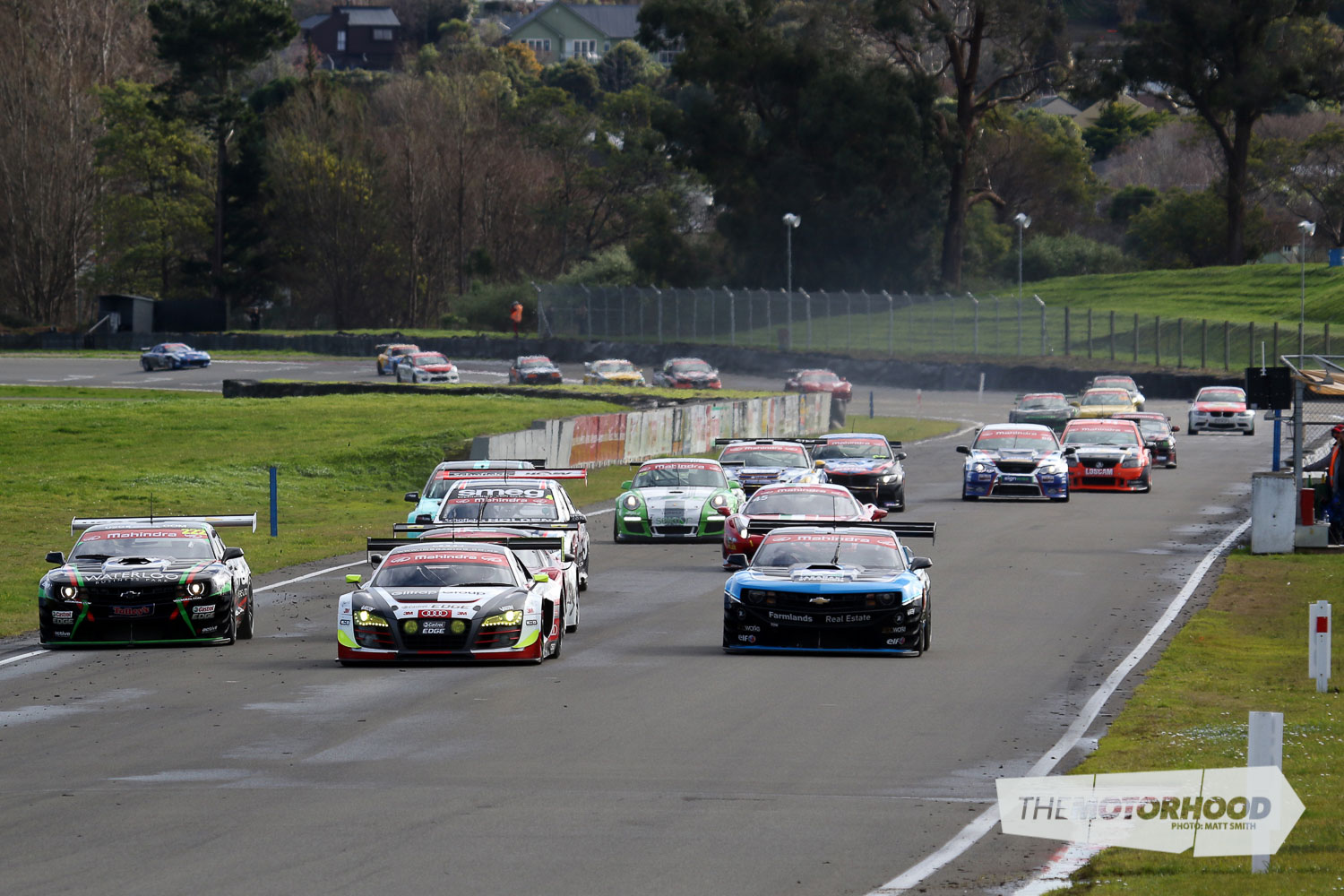
Alongside the bigger-than-ever prize pool, the line-up of cars will have any GT racer weak at the knees. Current NZ Endurance Racing Champion John McIntyre will be teaming up with Simon Gilbertson to pedal the infamous Tulloch Motorsport SaReni Camaro GT3, Trass Family Motorsport will be bringing their championship-winning Ferrari 458 GT3 driven by Sam Fillmore and Richard Muscat, and Matt and Dwayne Carter will be driving their much-anticipated Mercedes AMG SLS GT3, which will no doubt be a front-running vehicle.
Alongside the top-tier vehicles contesting the series, there will also be class one, class two, and class three. Class one consists of 3501cc-plus vehicles, class two is for the 2001–3500cc vehicles, and class three is for the small guys running under 2000cc.
After the first round (being held at Teretonga Park on September 10), the series will move to Mike Pero Motorsport Park for the October 1 event, and will then finish up at the Timaru International Raceway on October 15. It’s set to be a short sharp series that’ll no doubt keep us on the edge of our seats. We’re looking forward to seeing these new GT machines in action, and to see how hotly contested each class will be. We’ll be keeping you updated as the series goes on, so make sure to check back here after each event — until then!