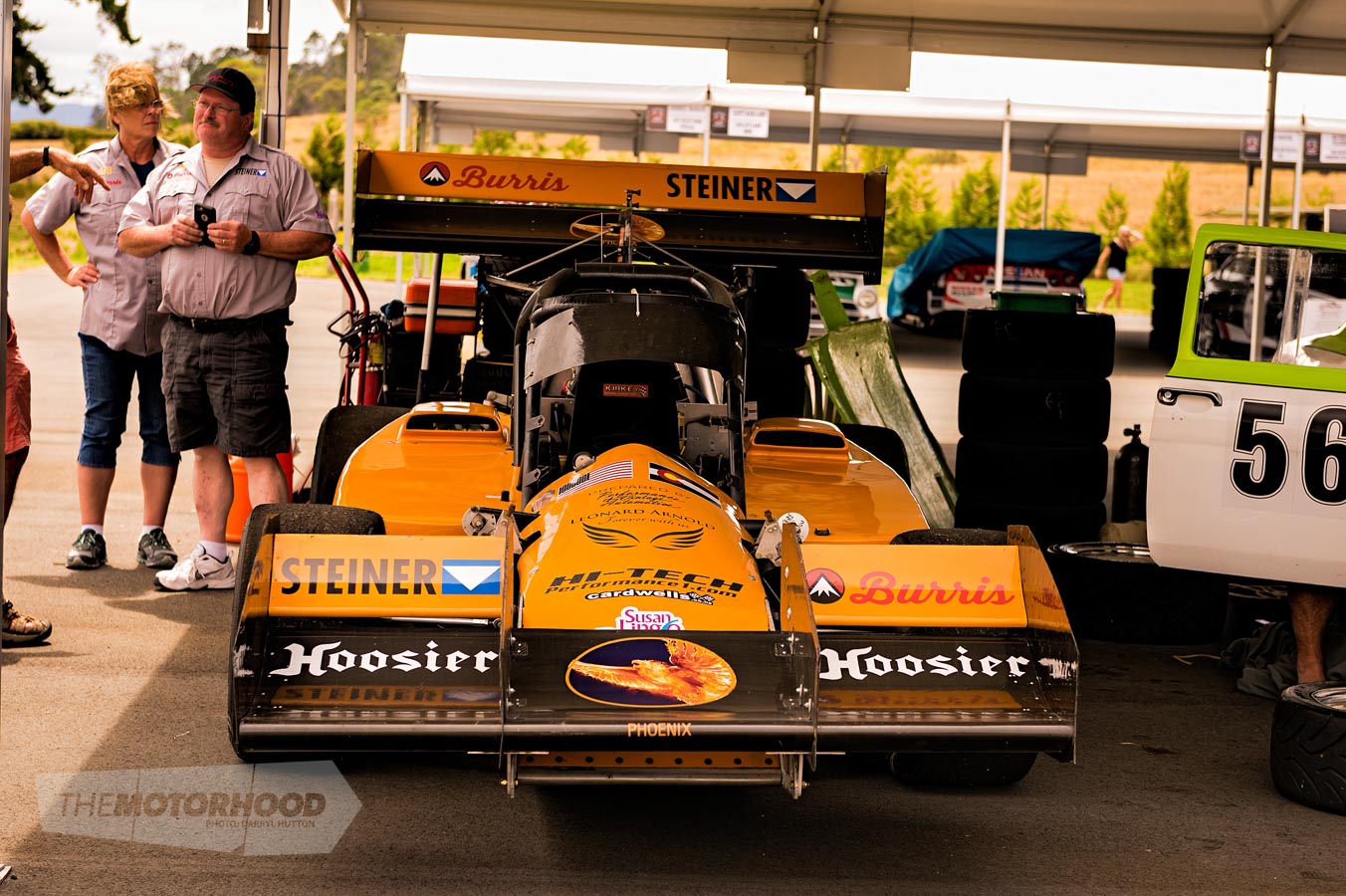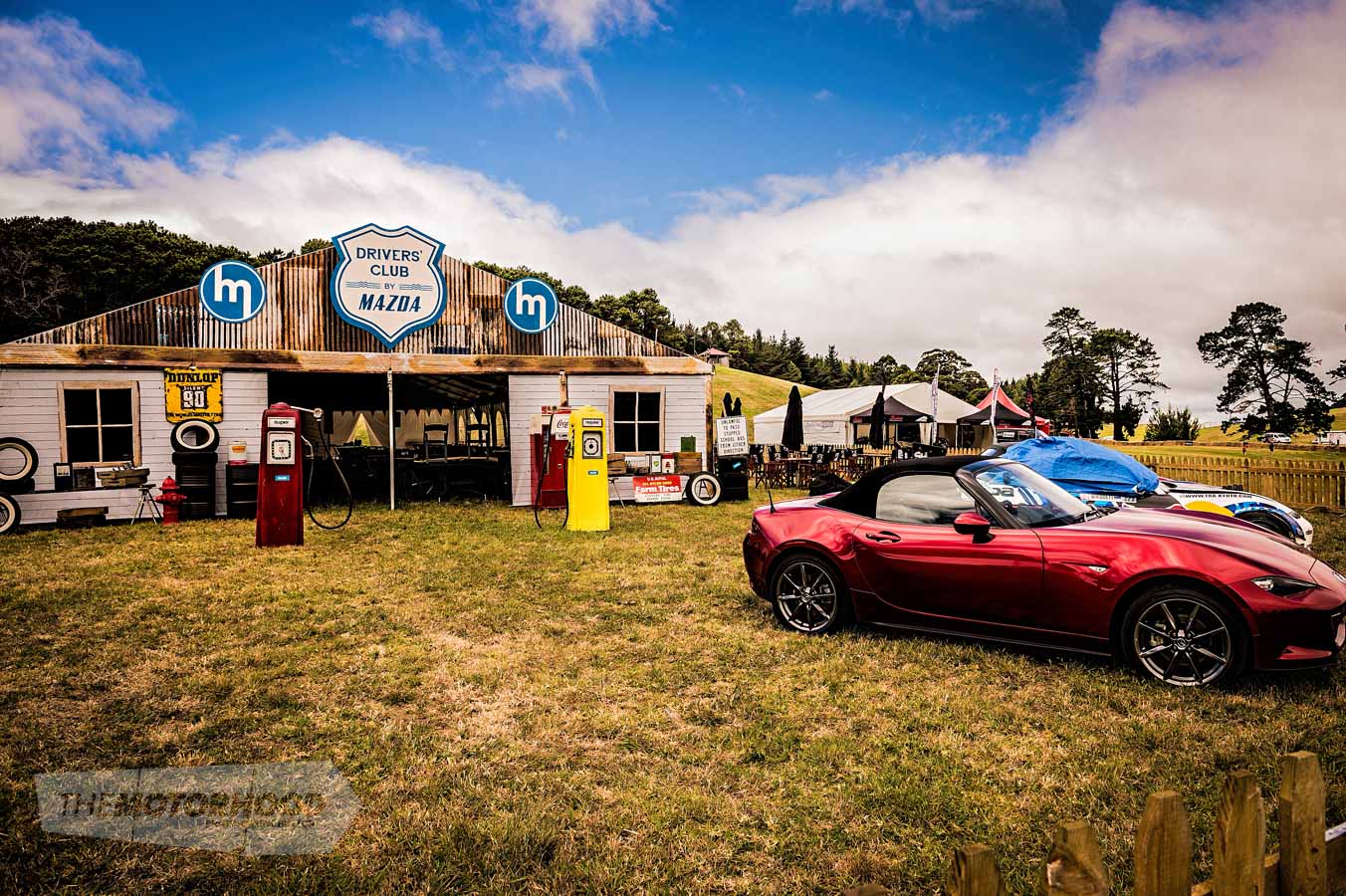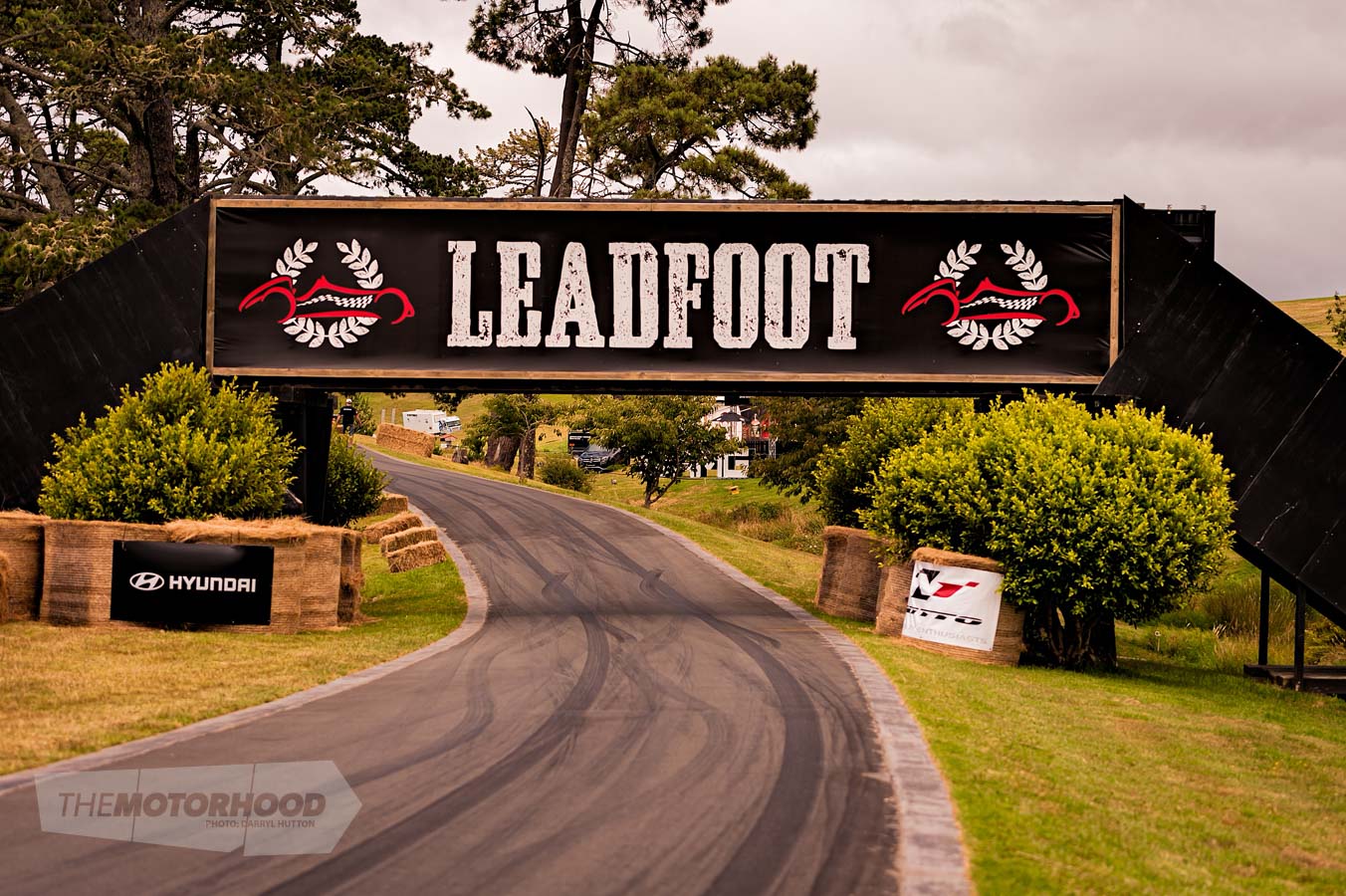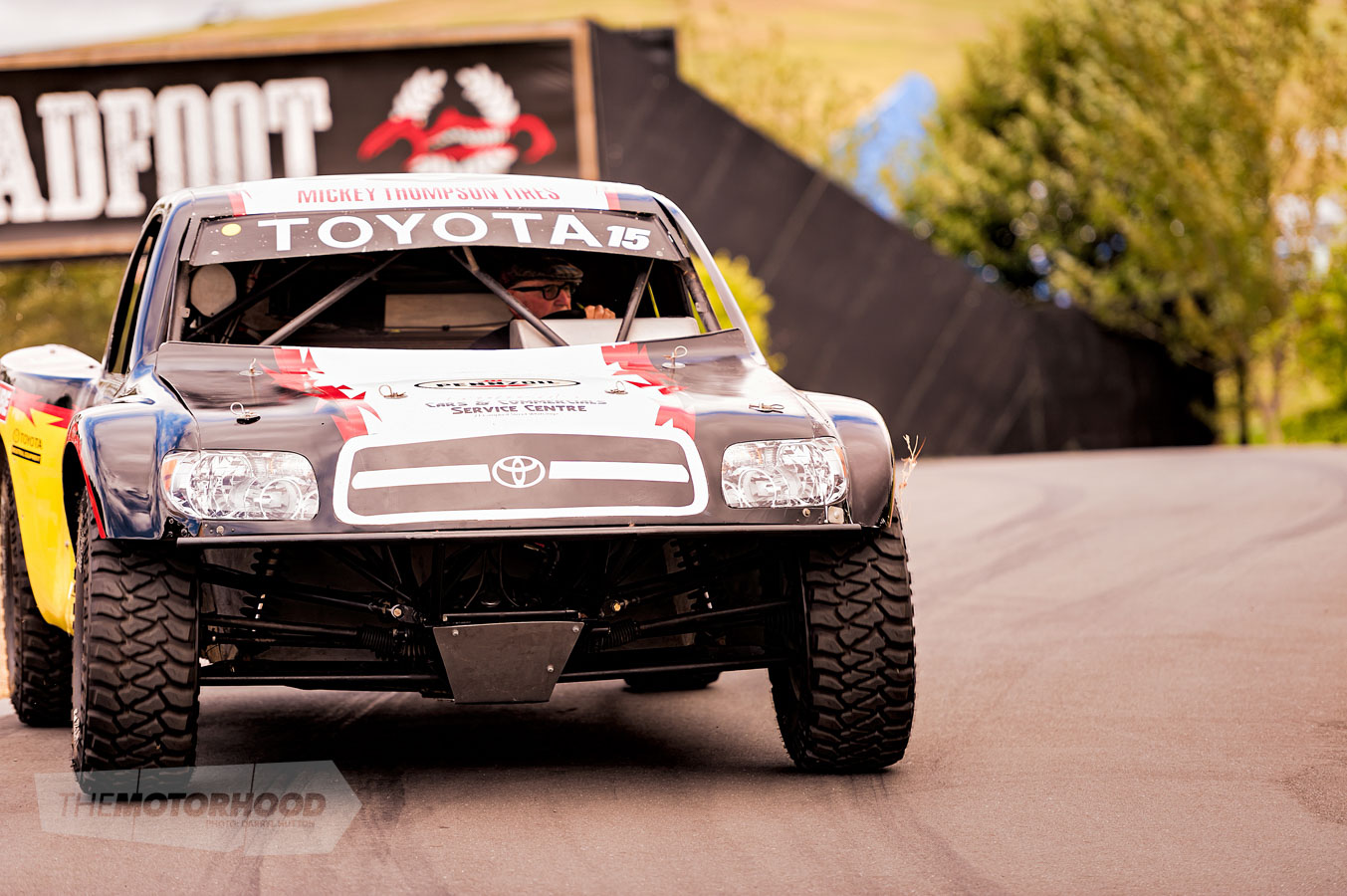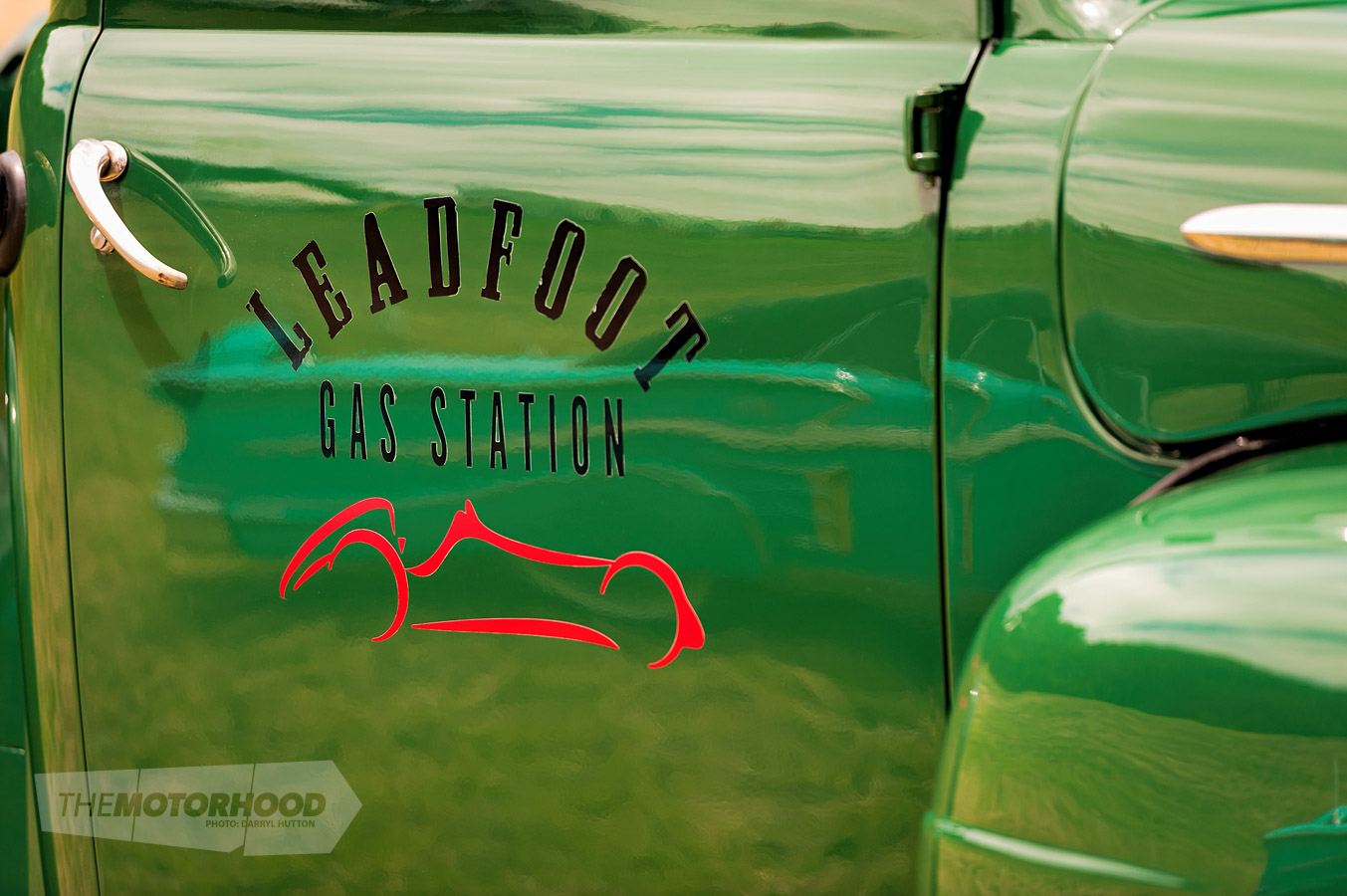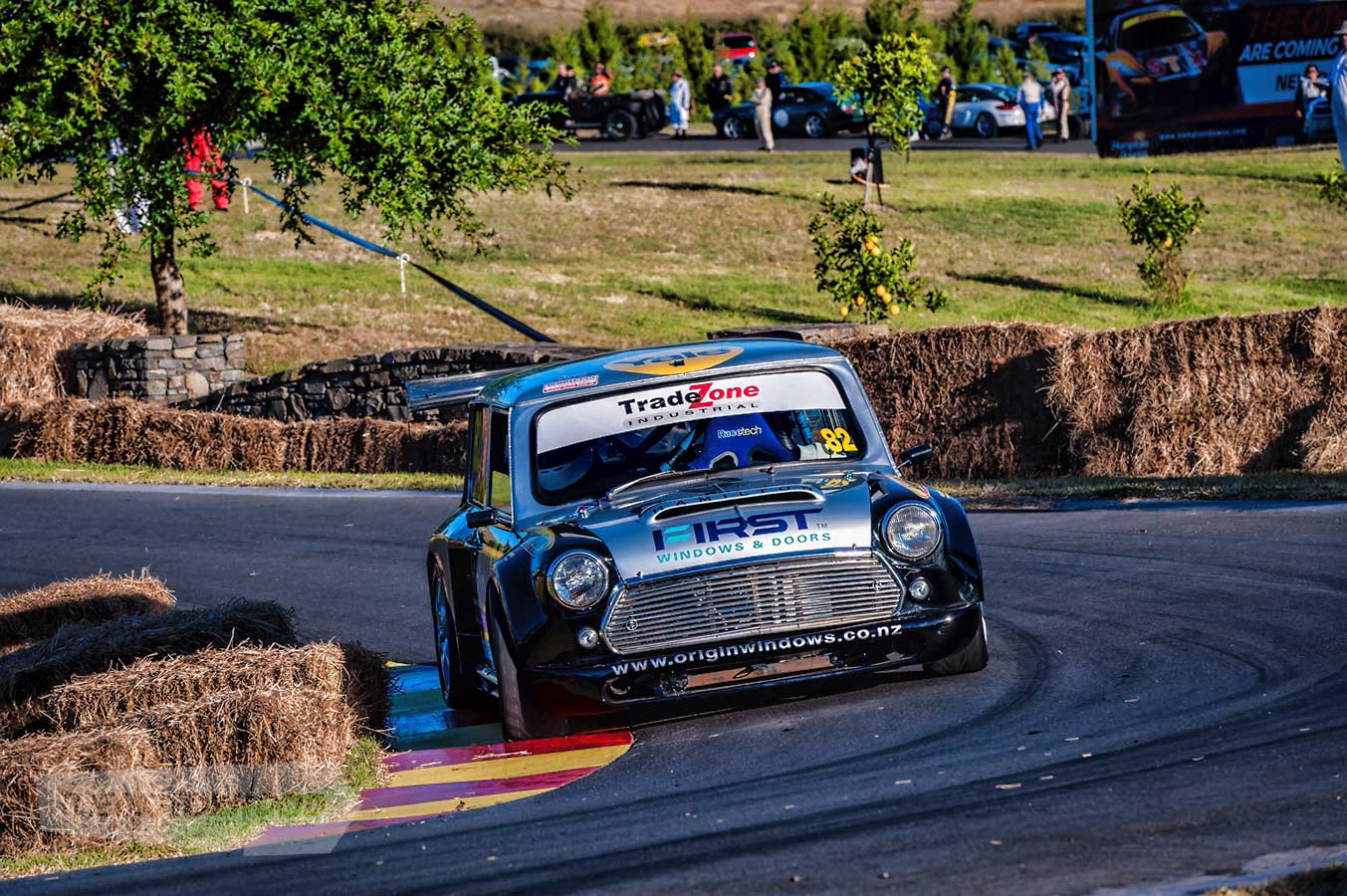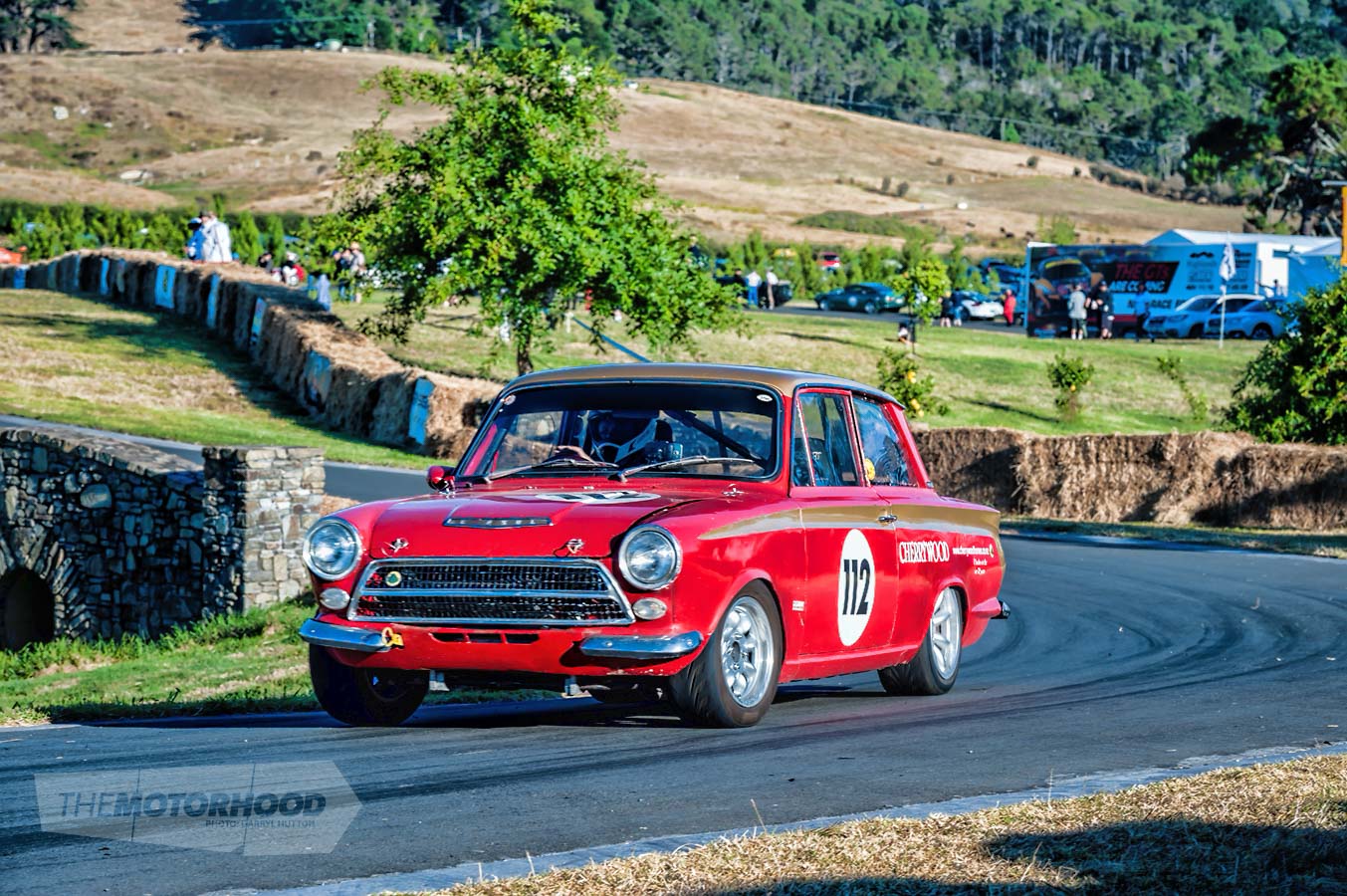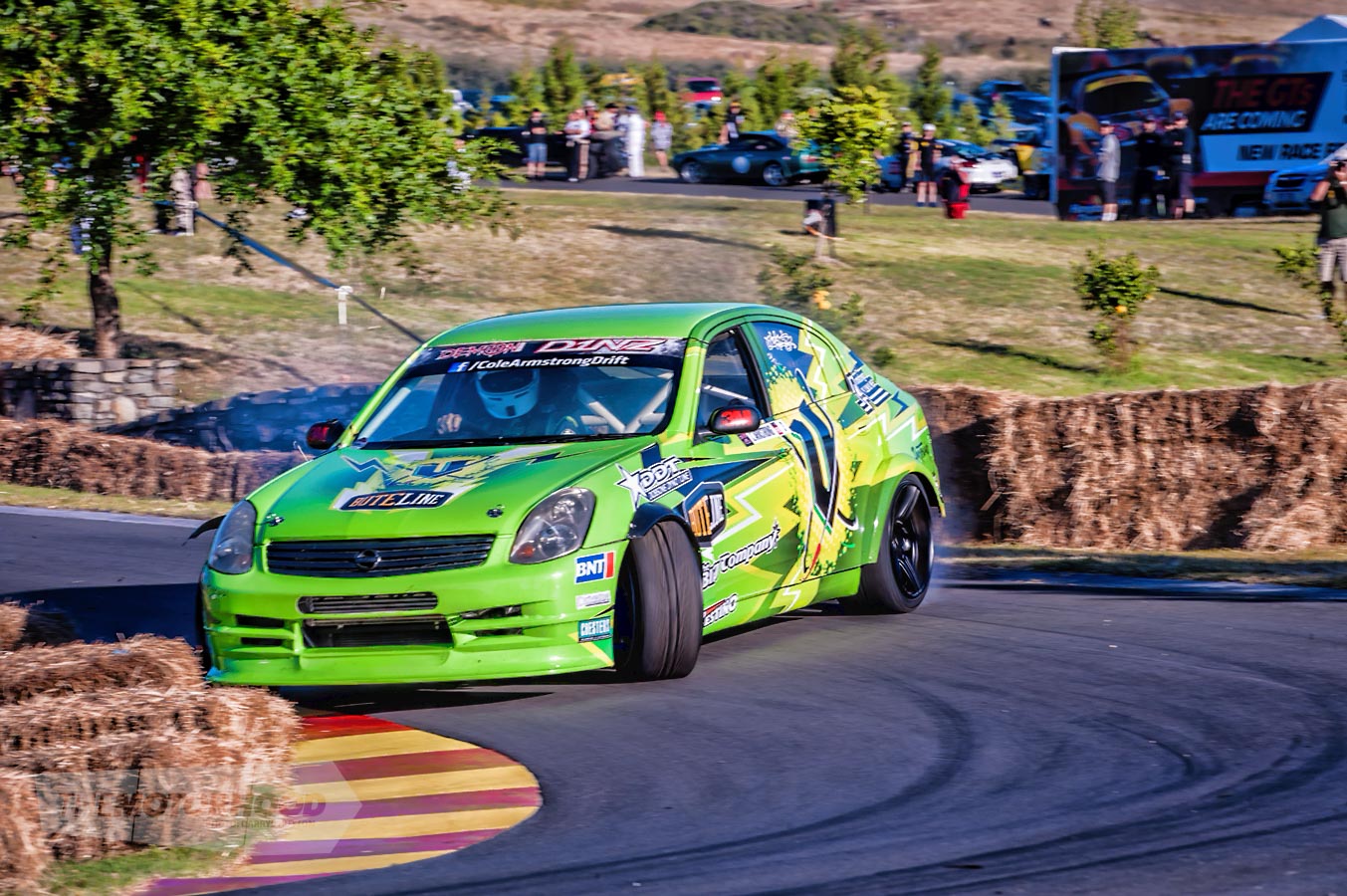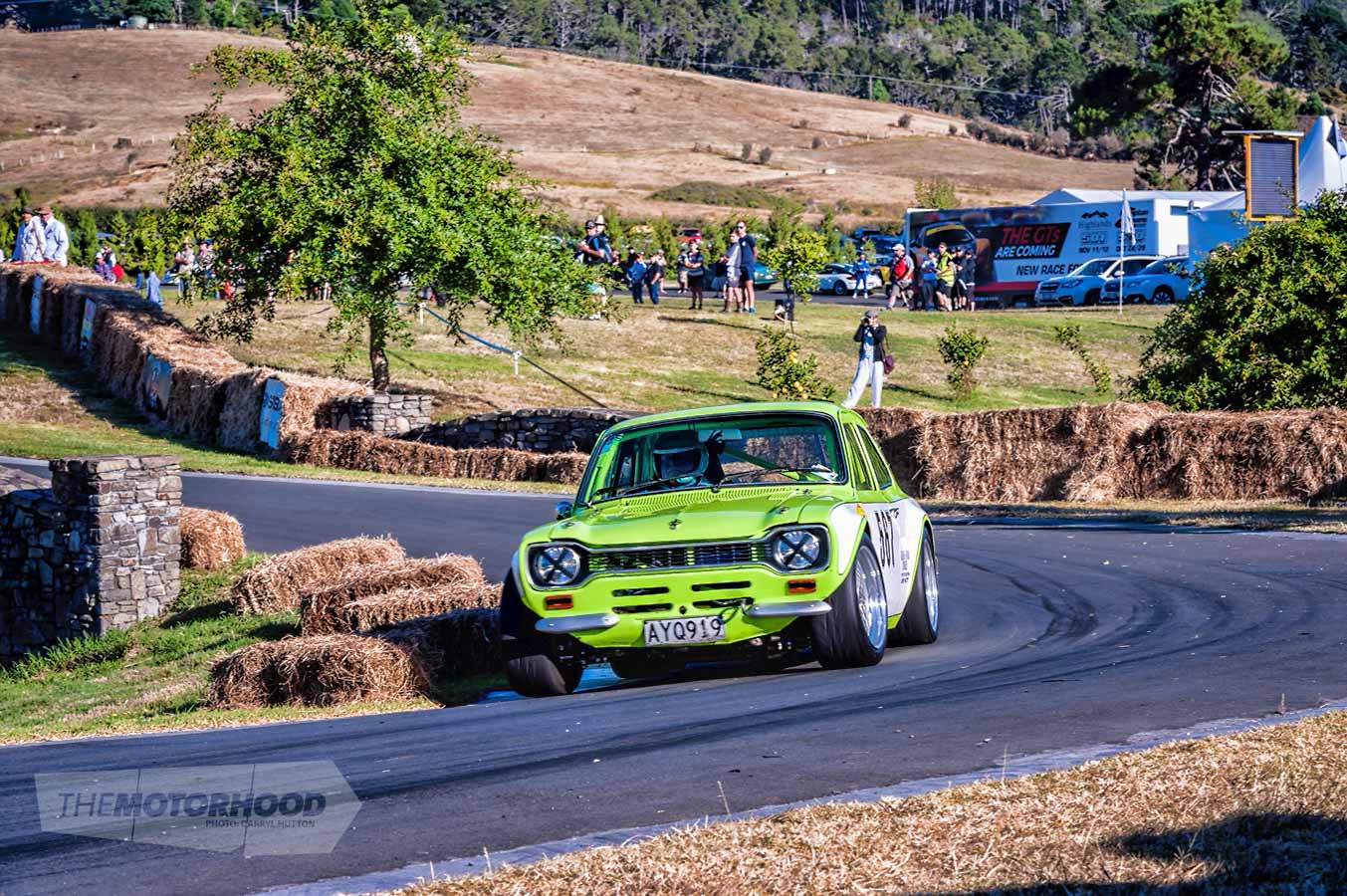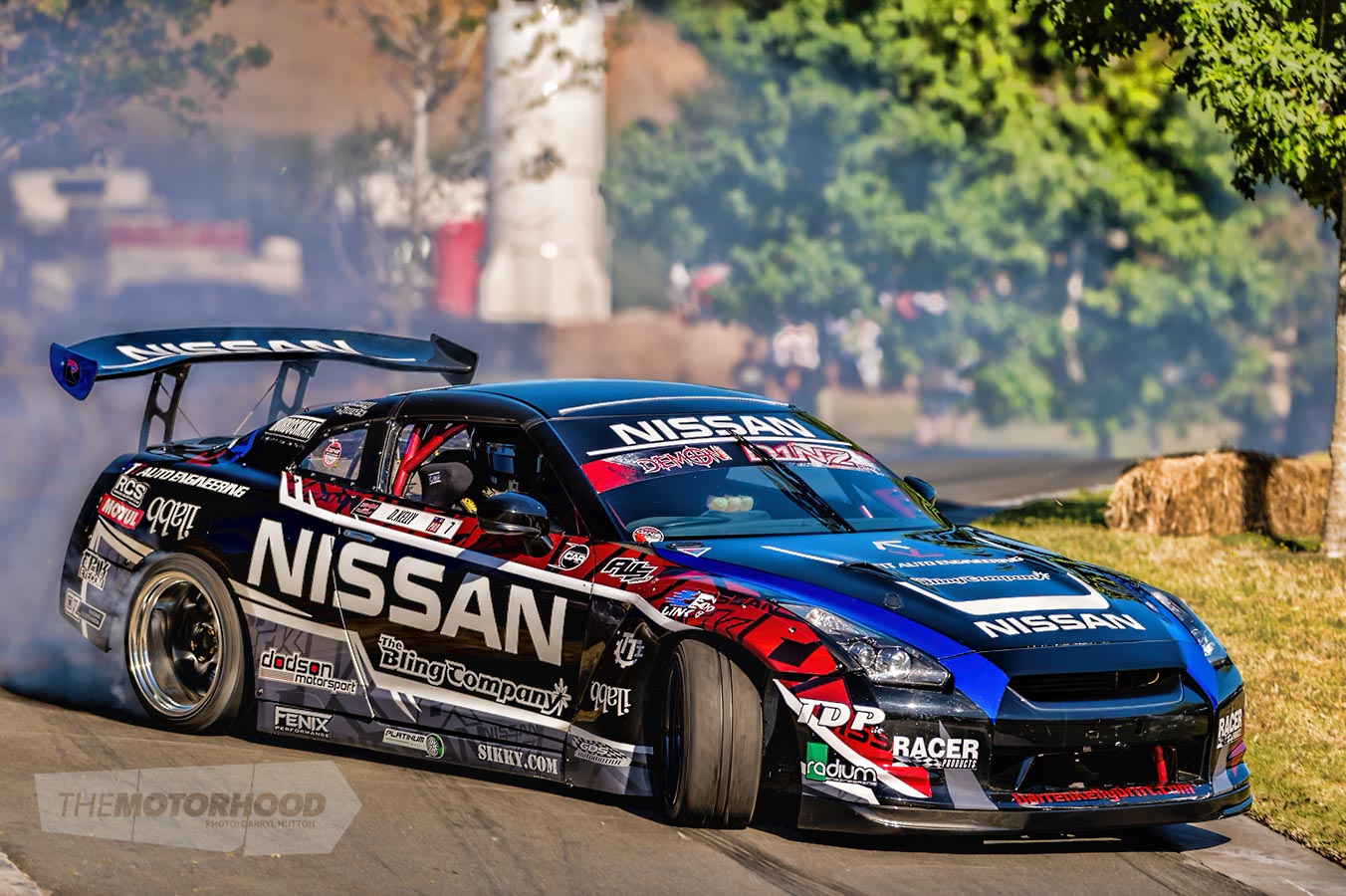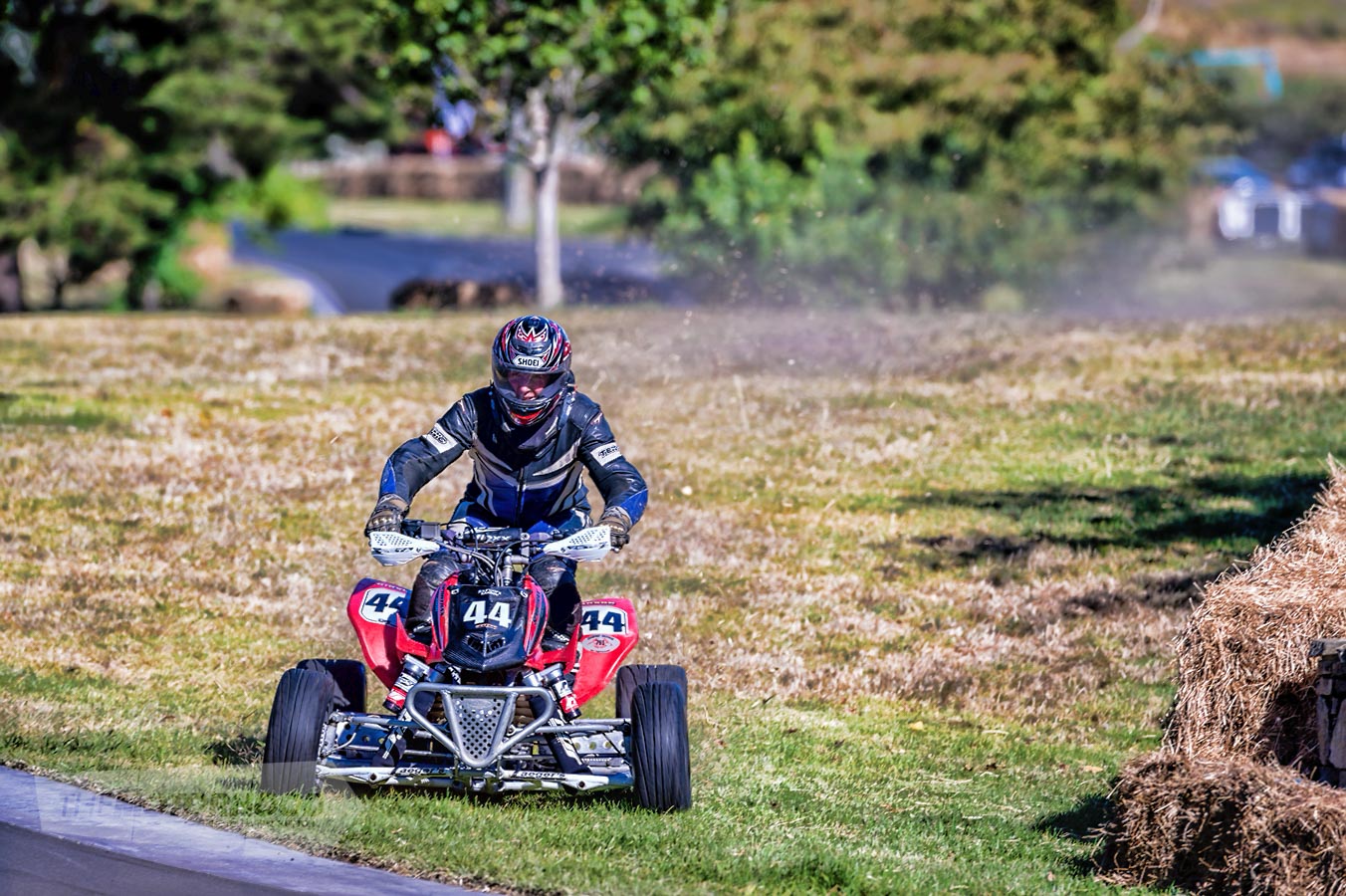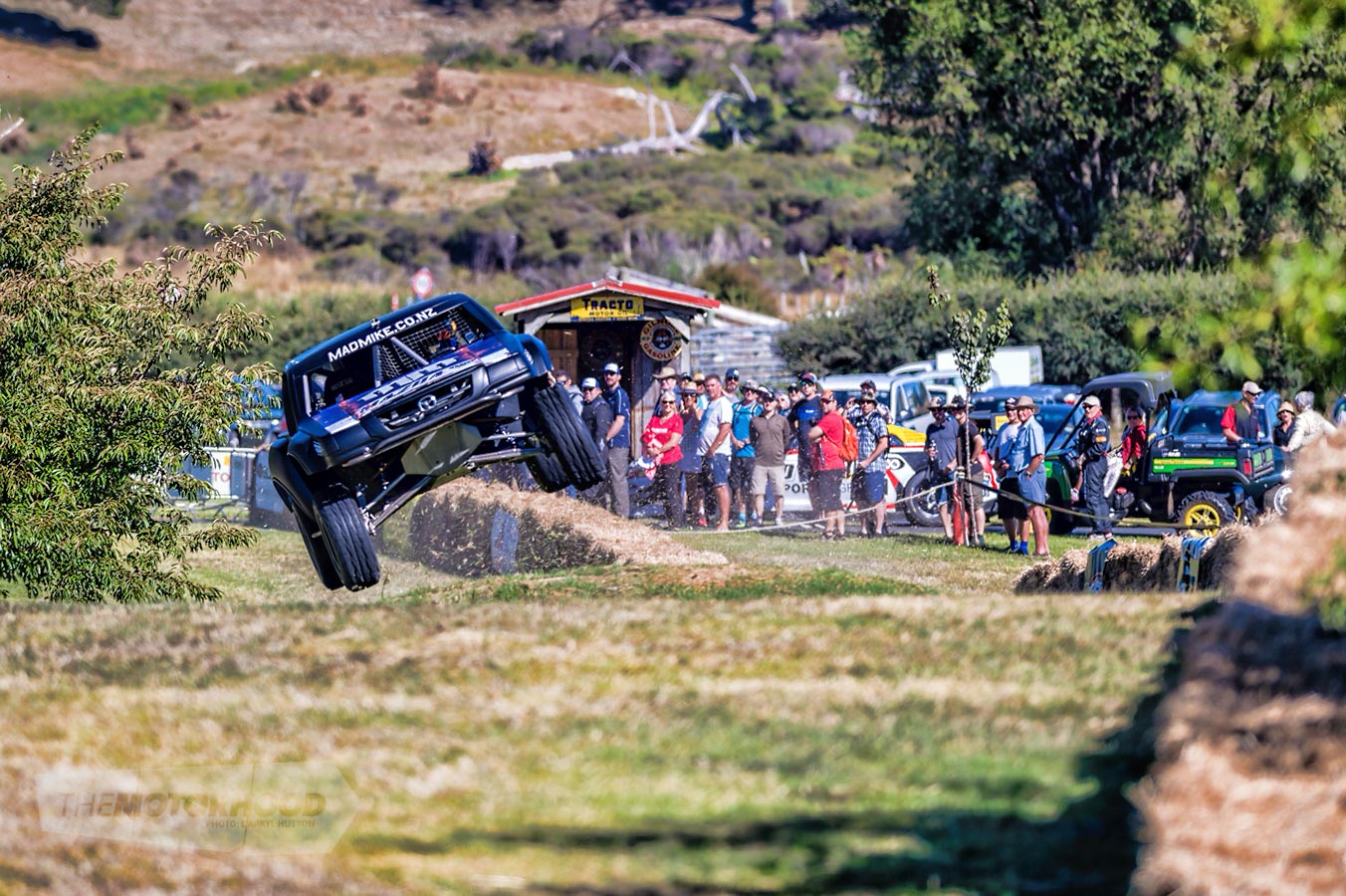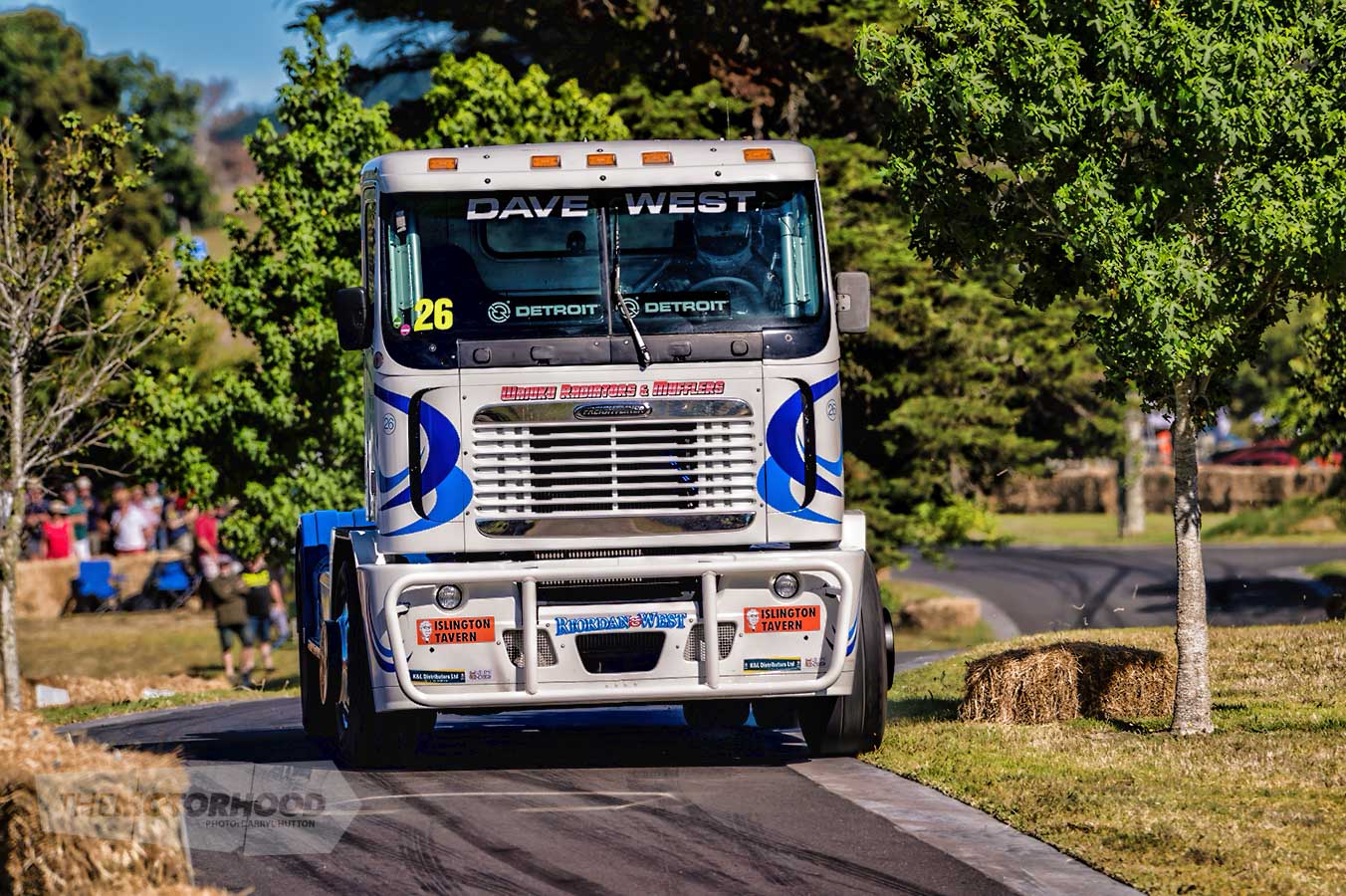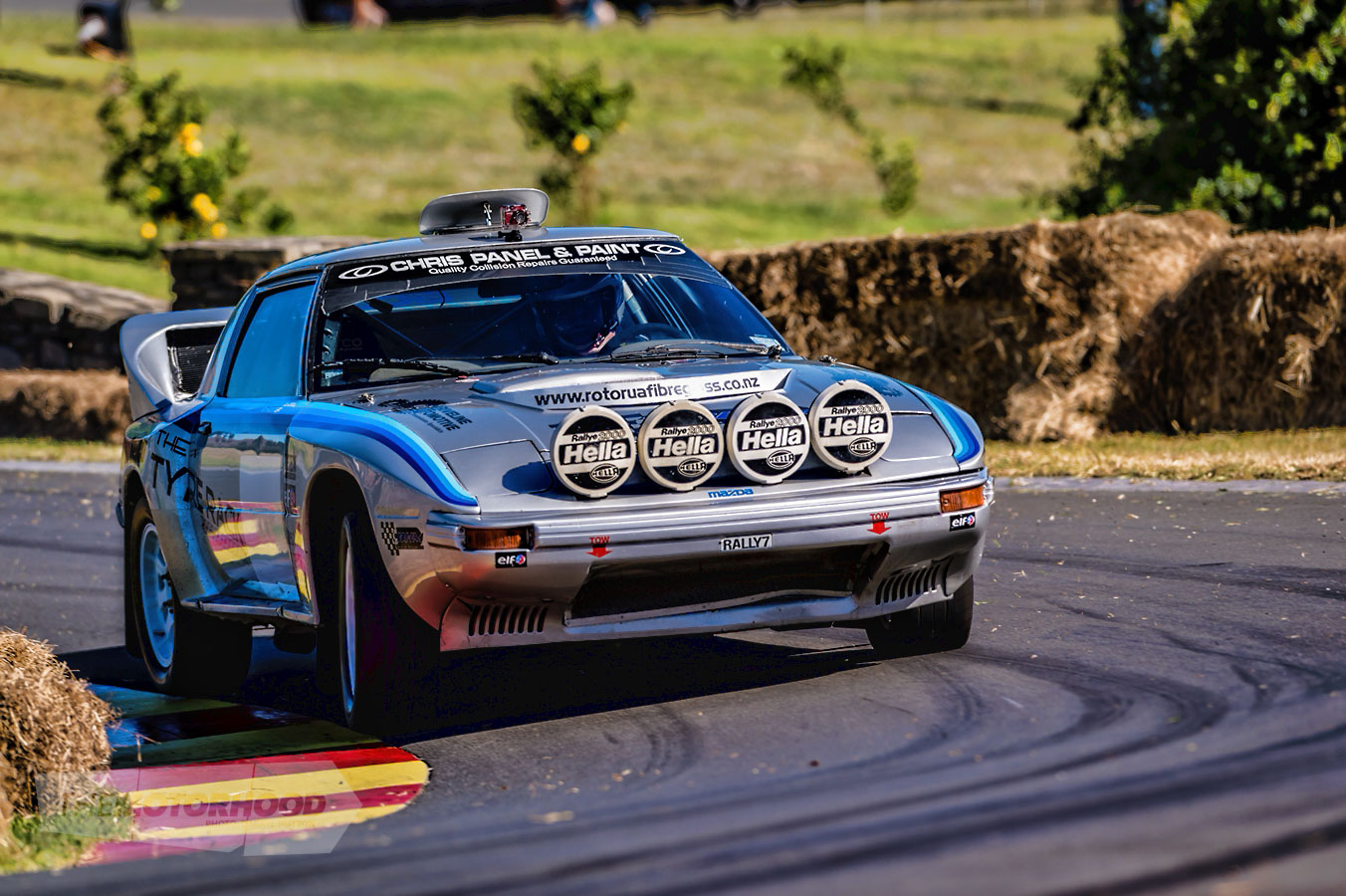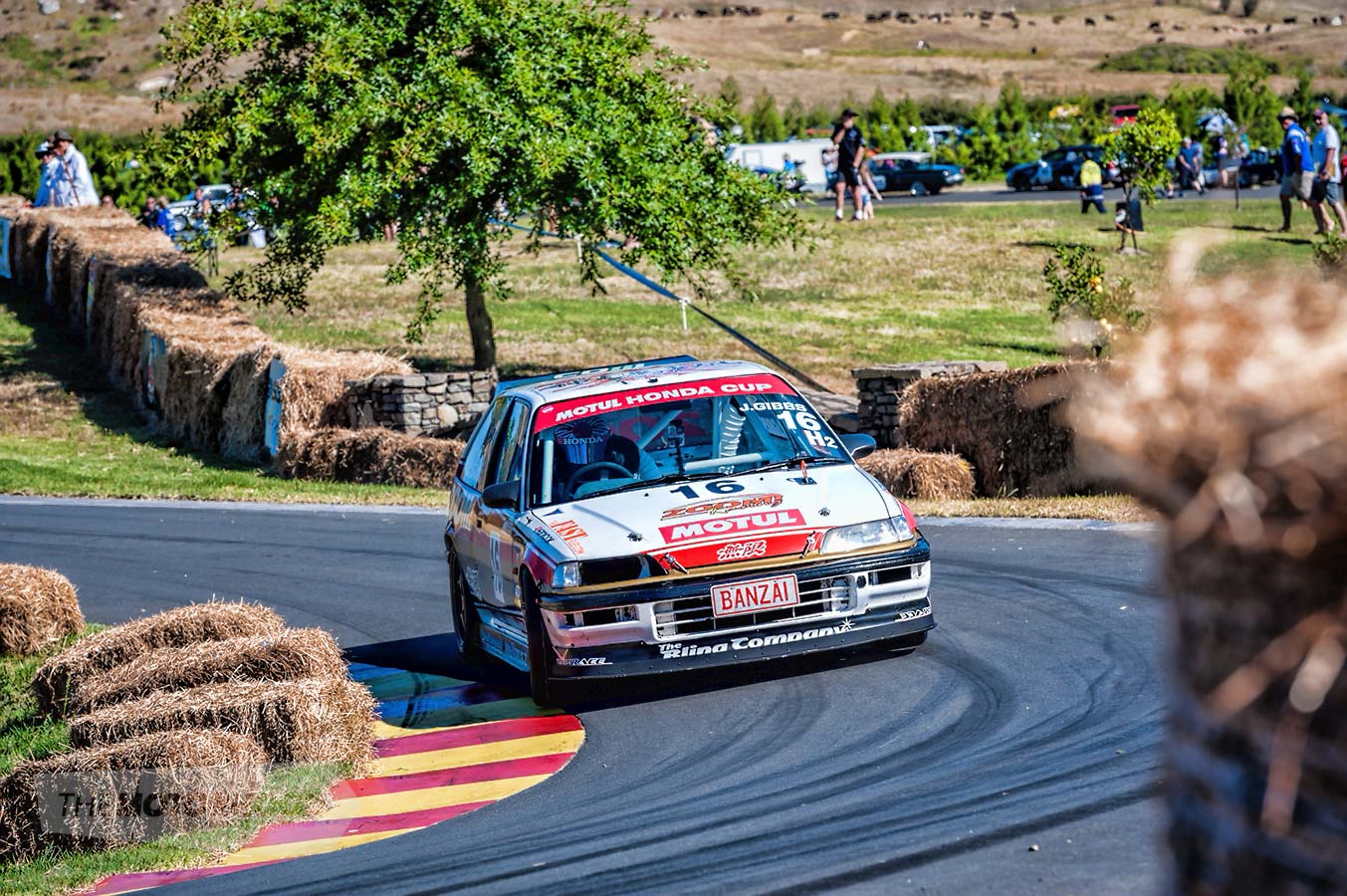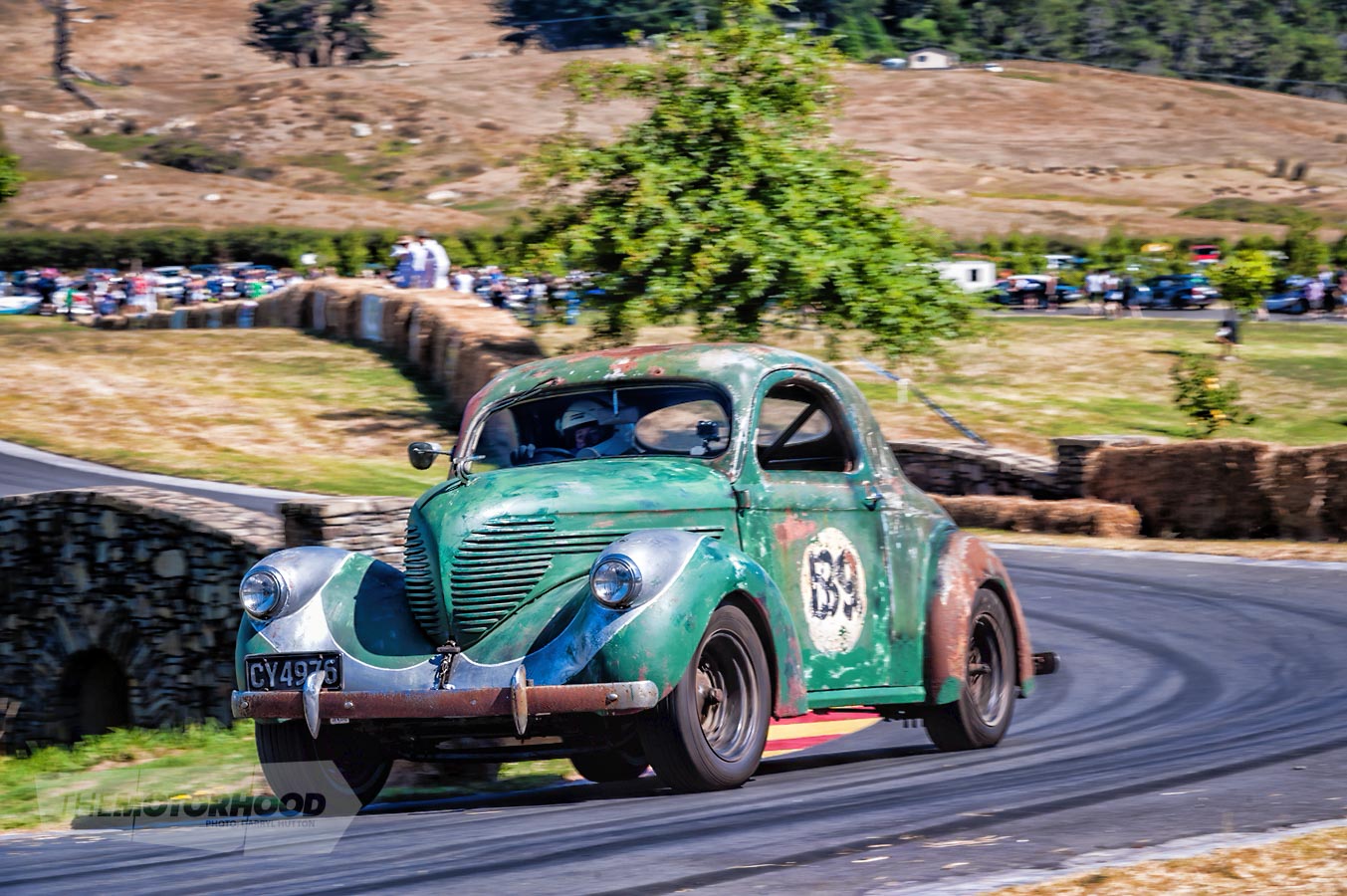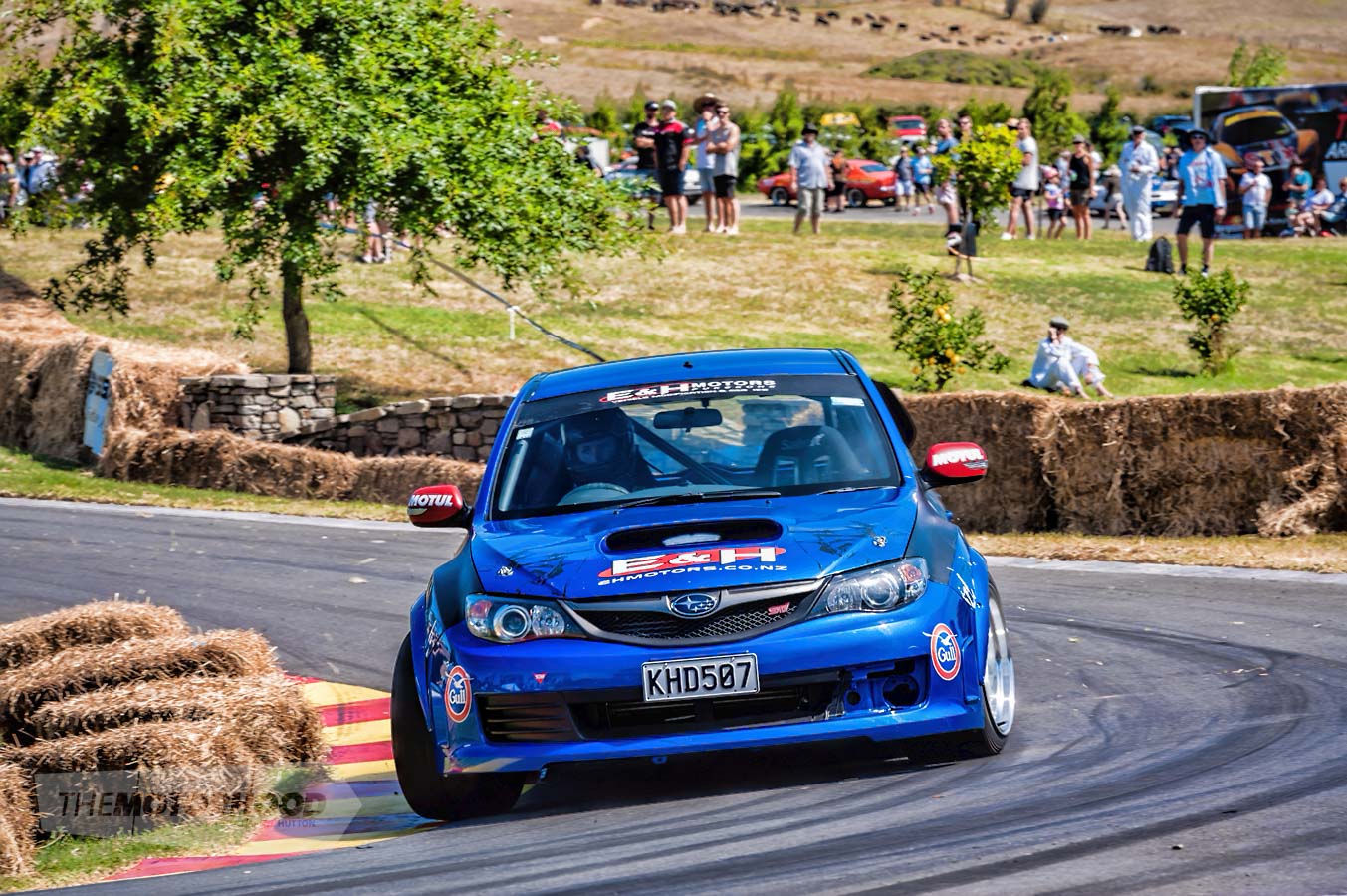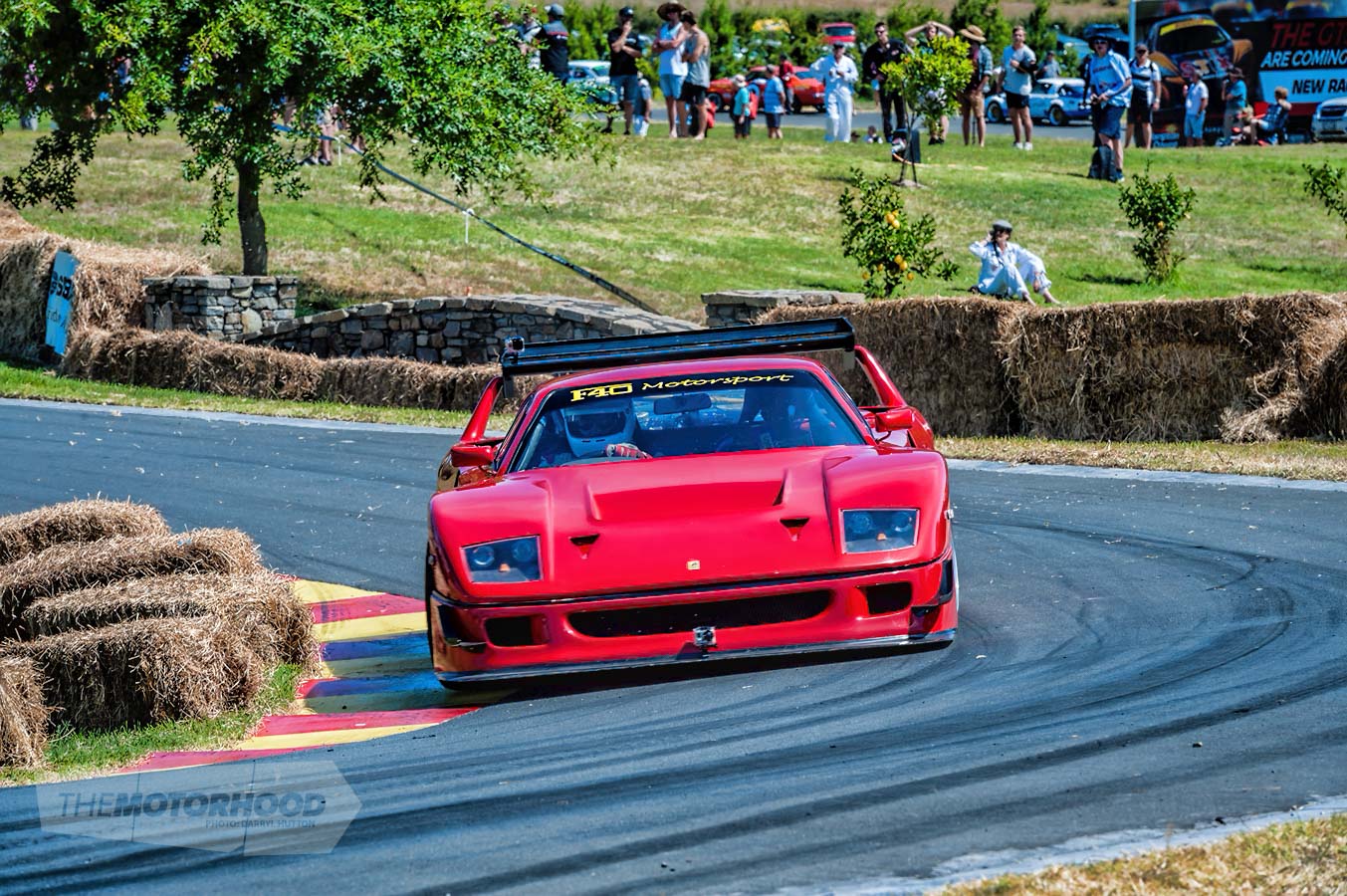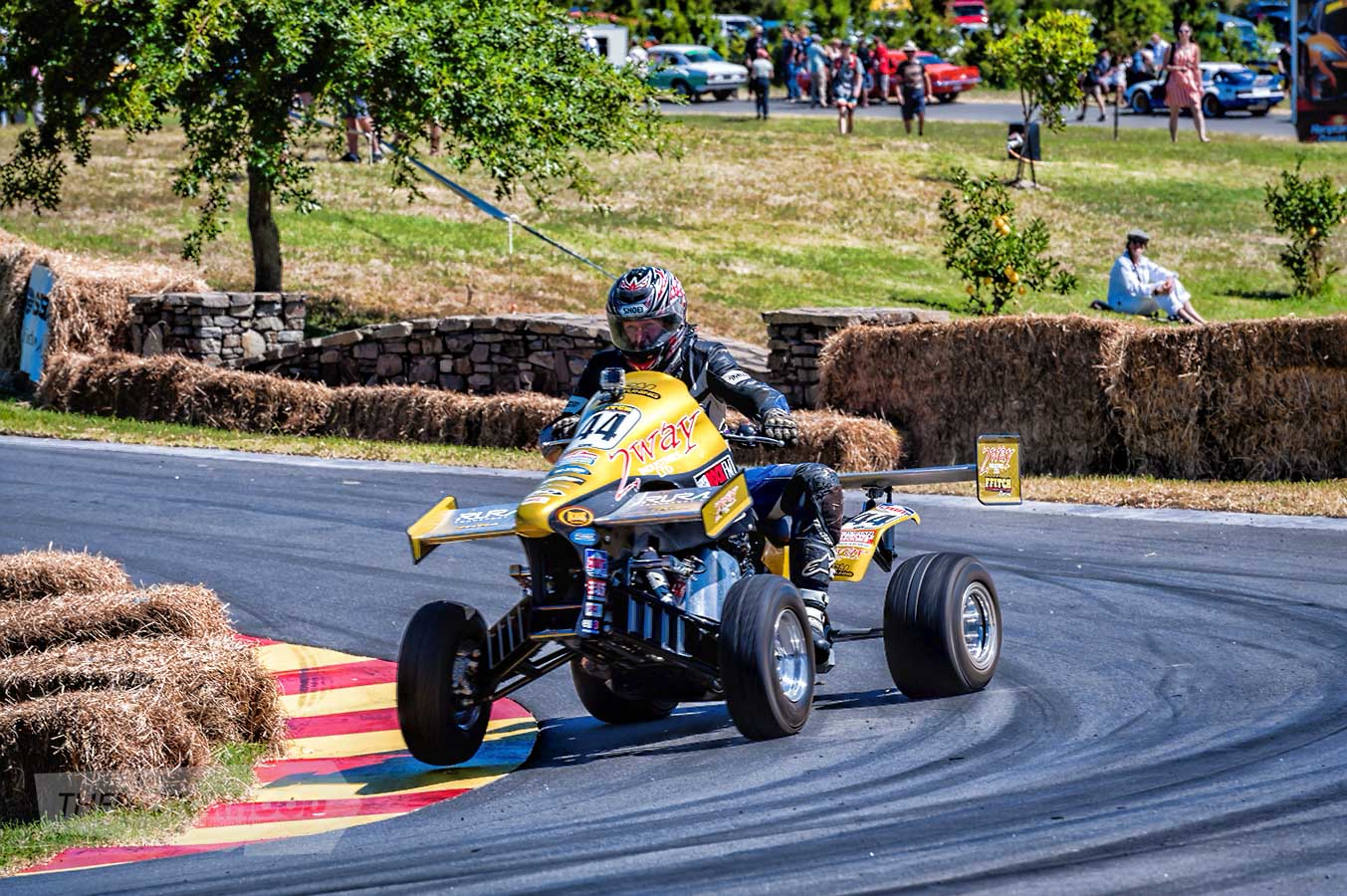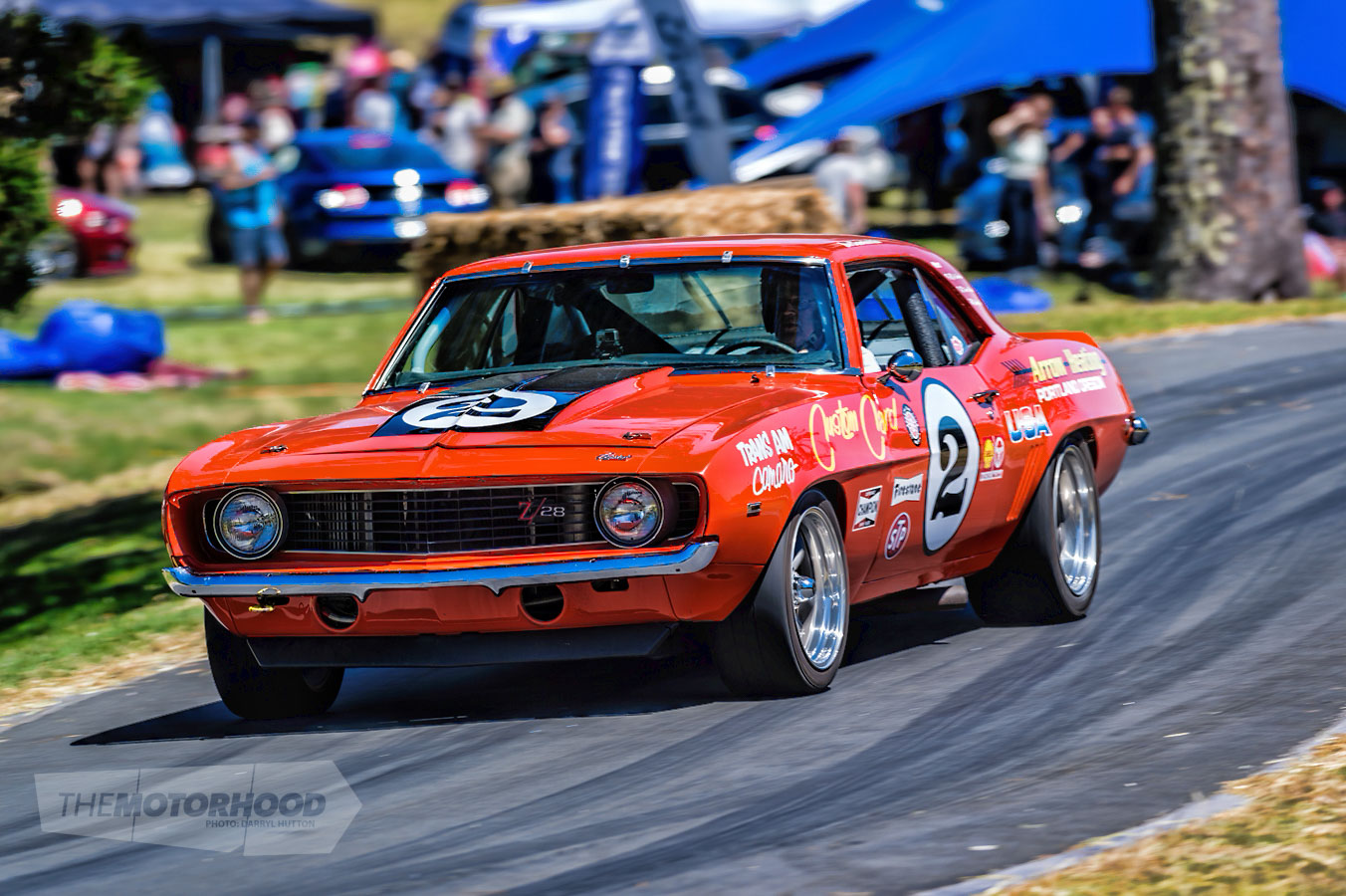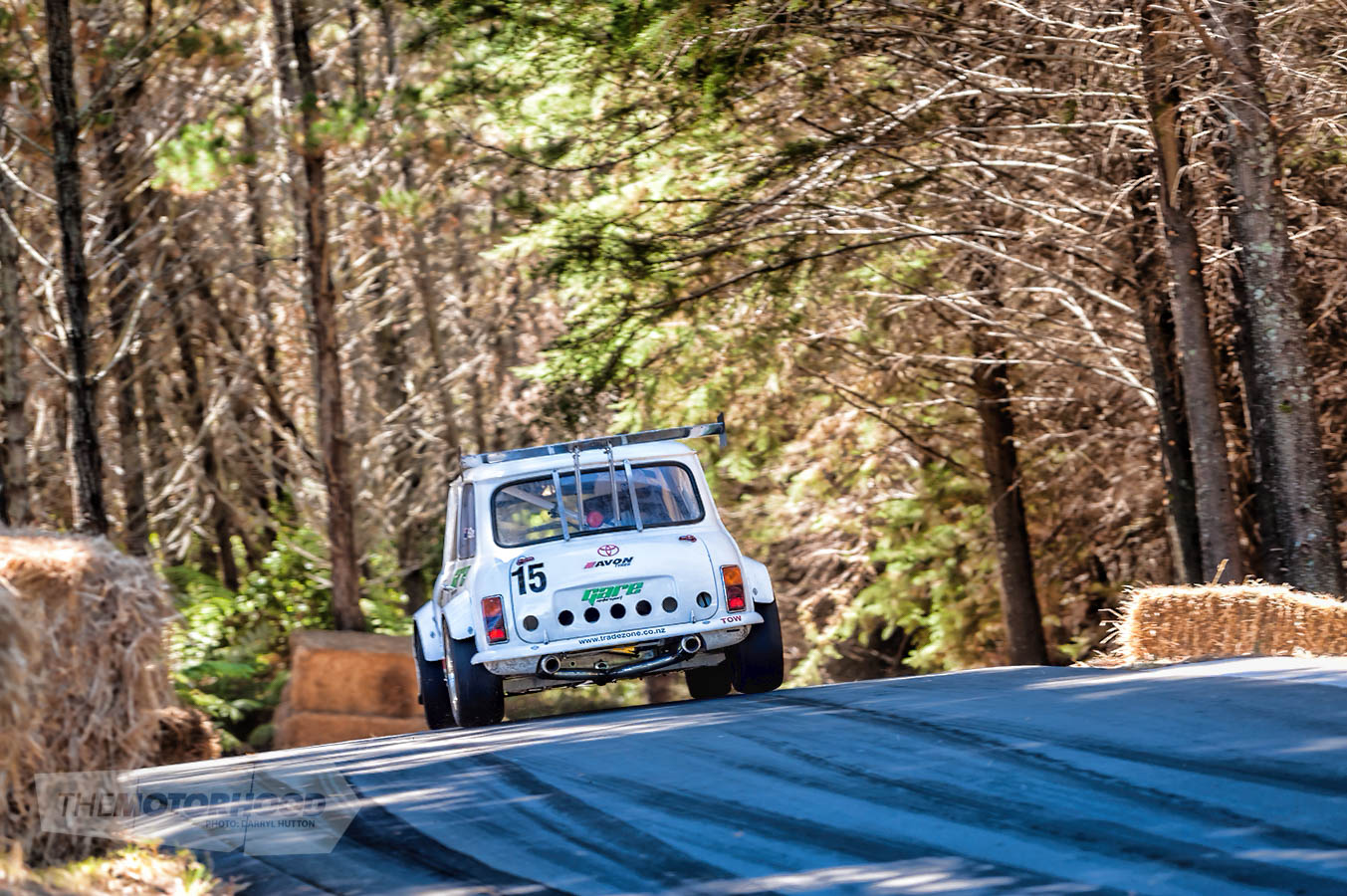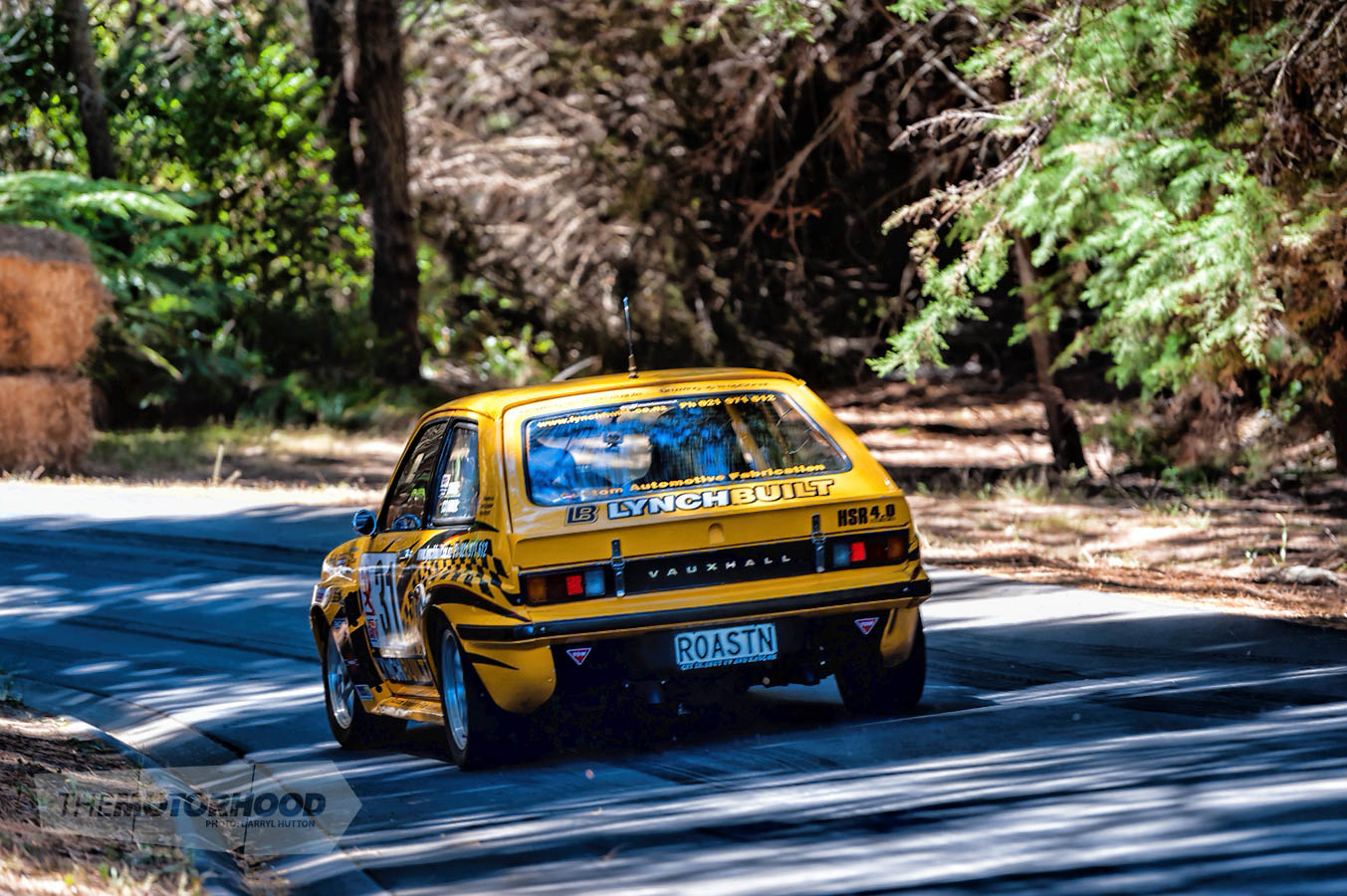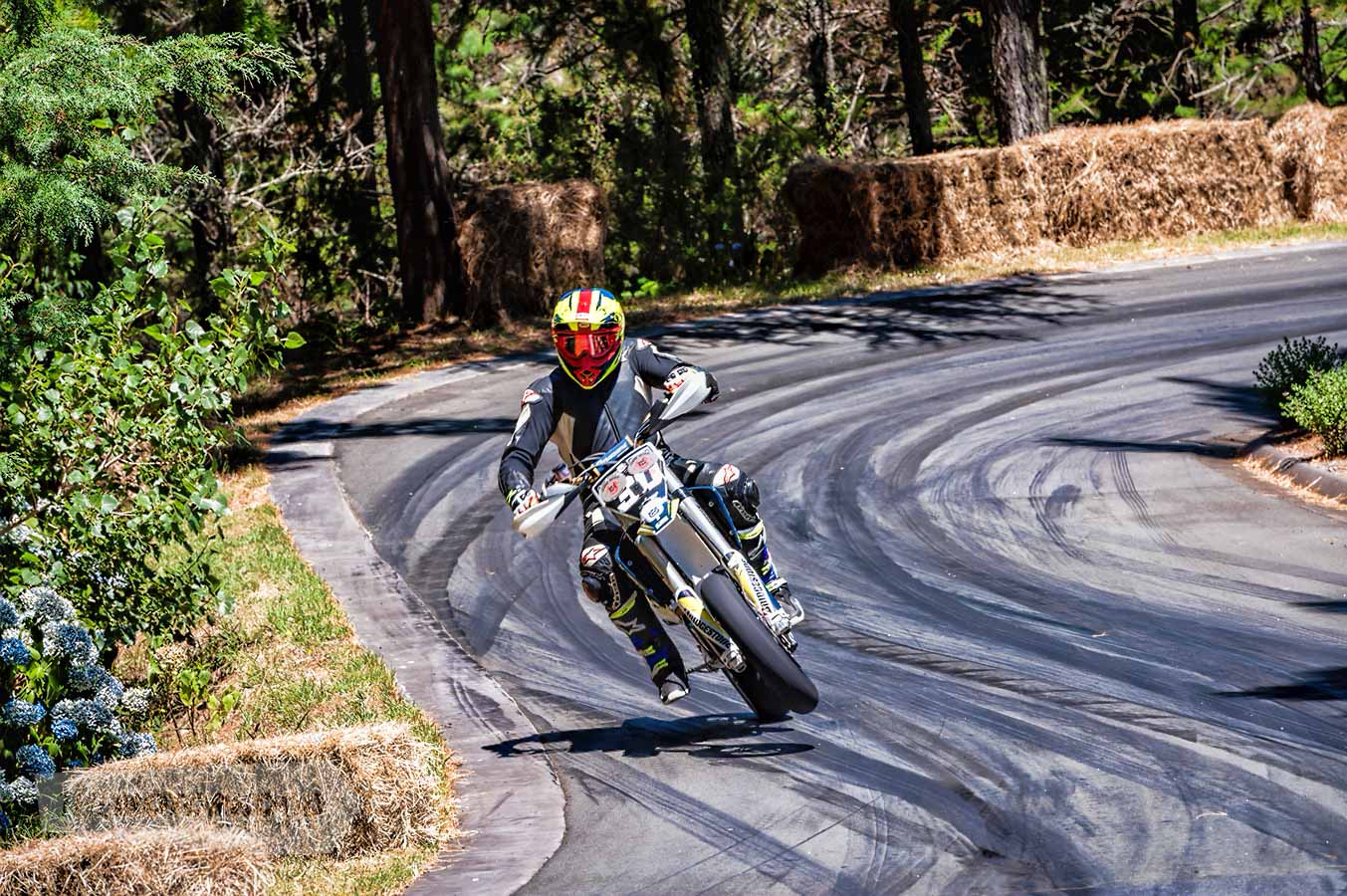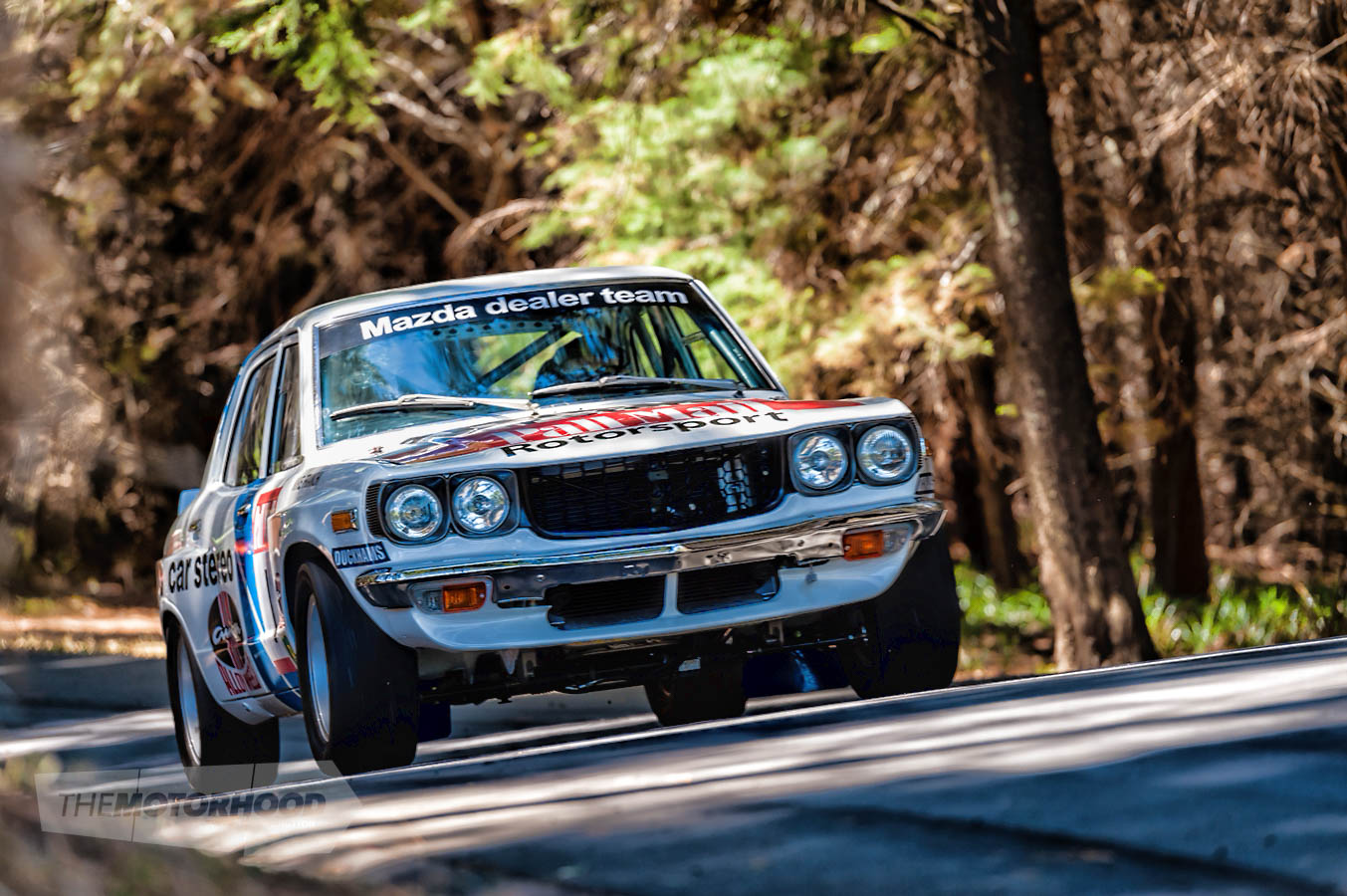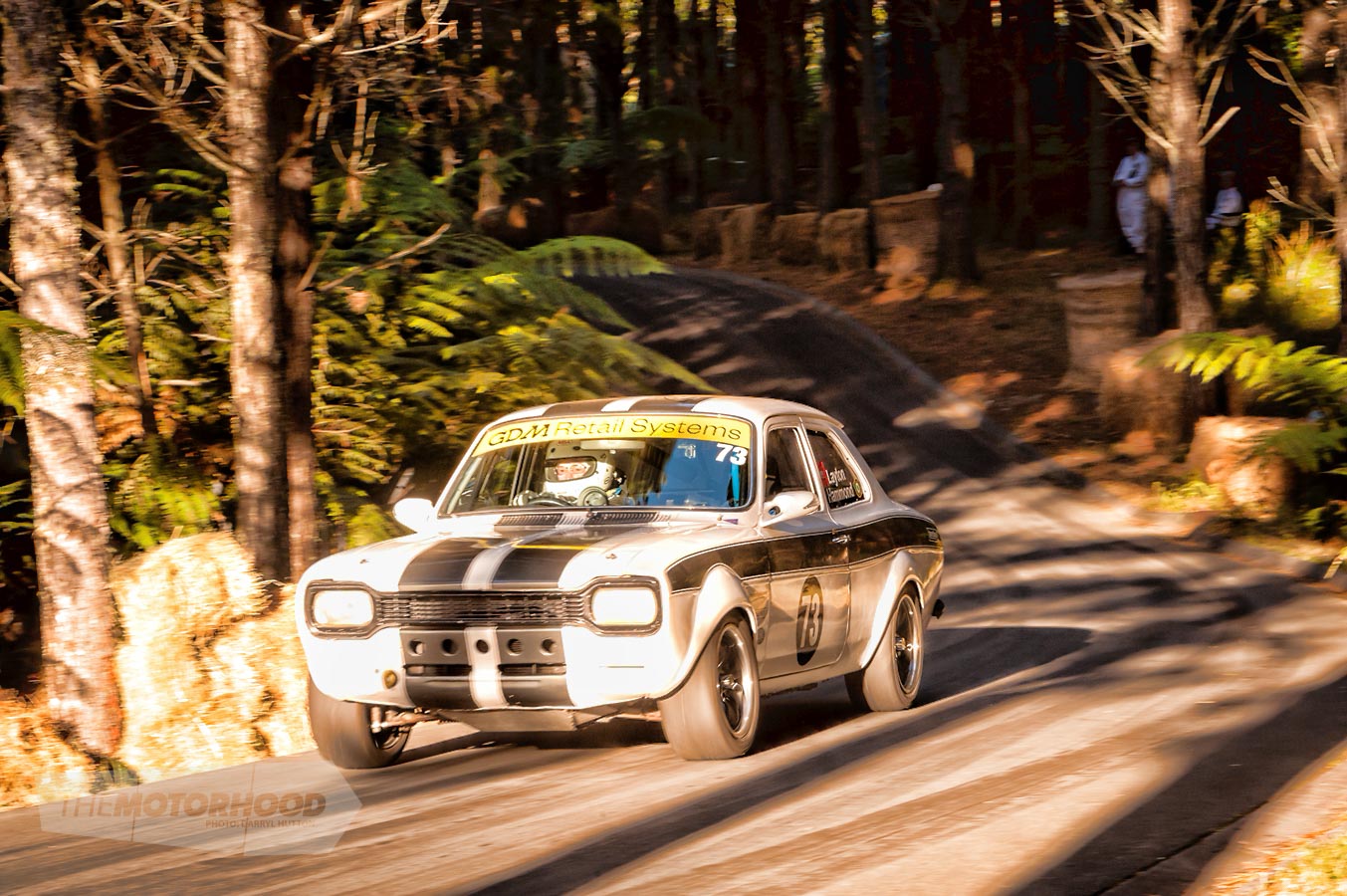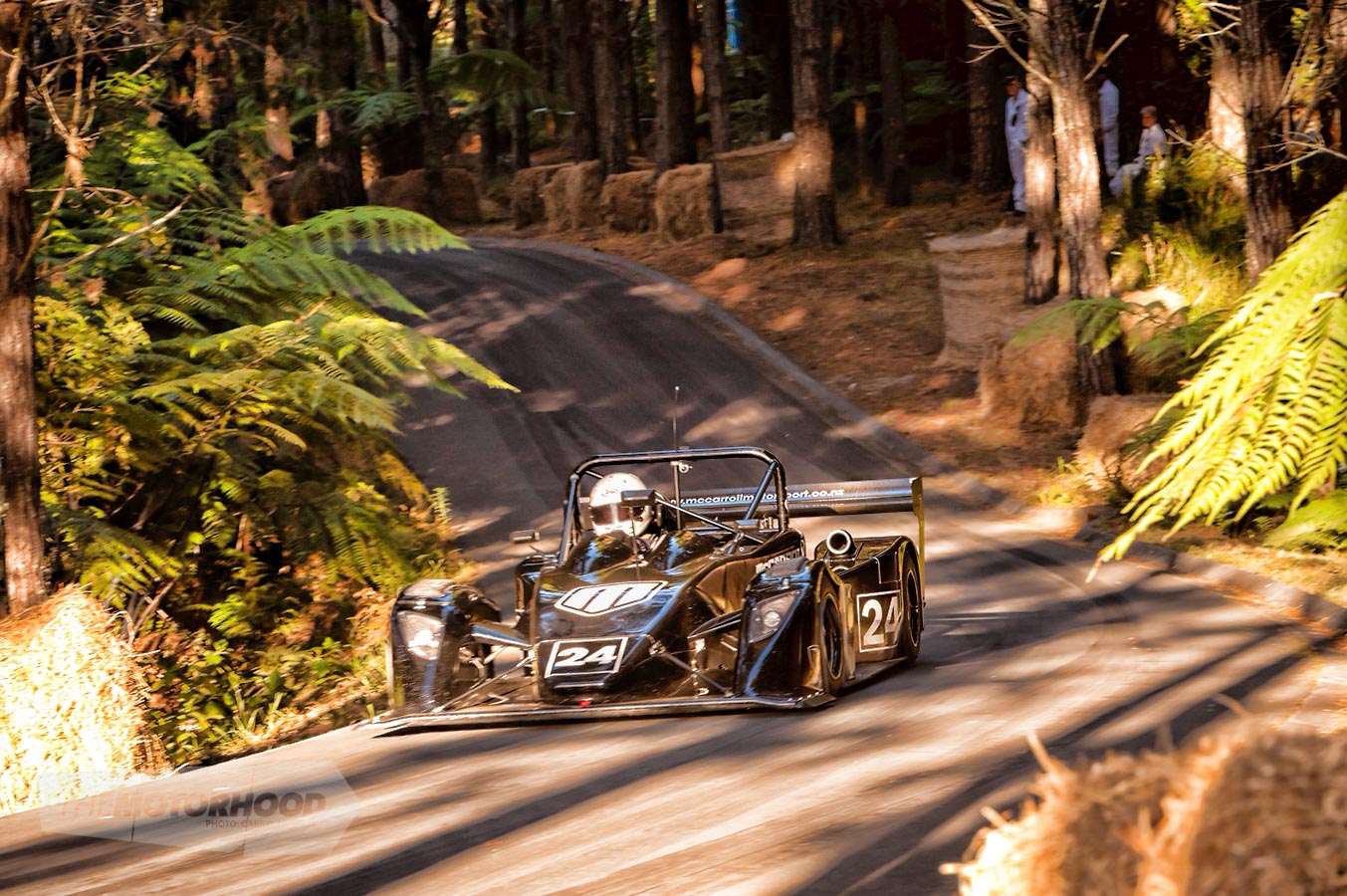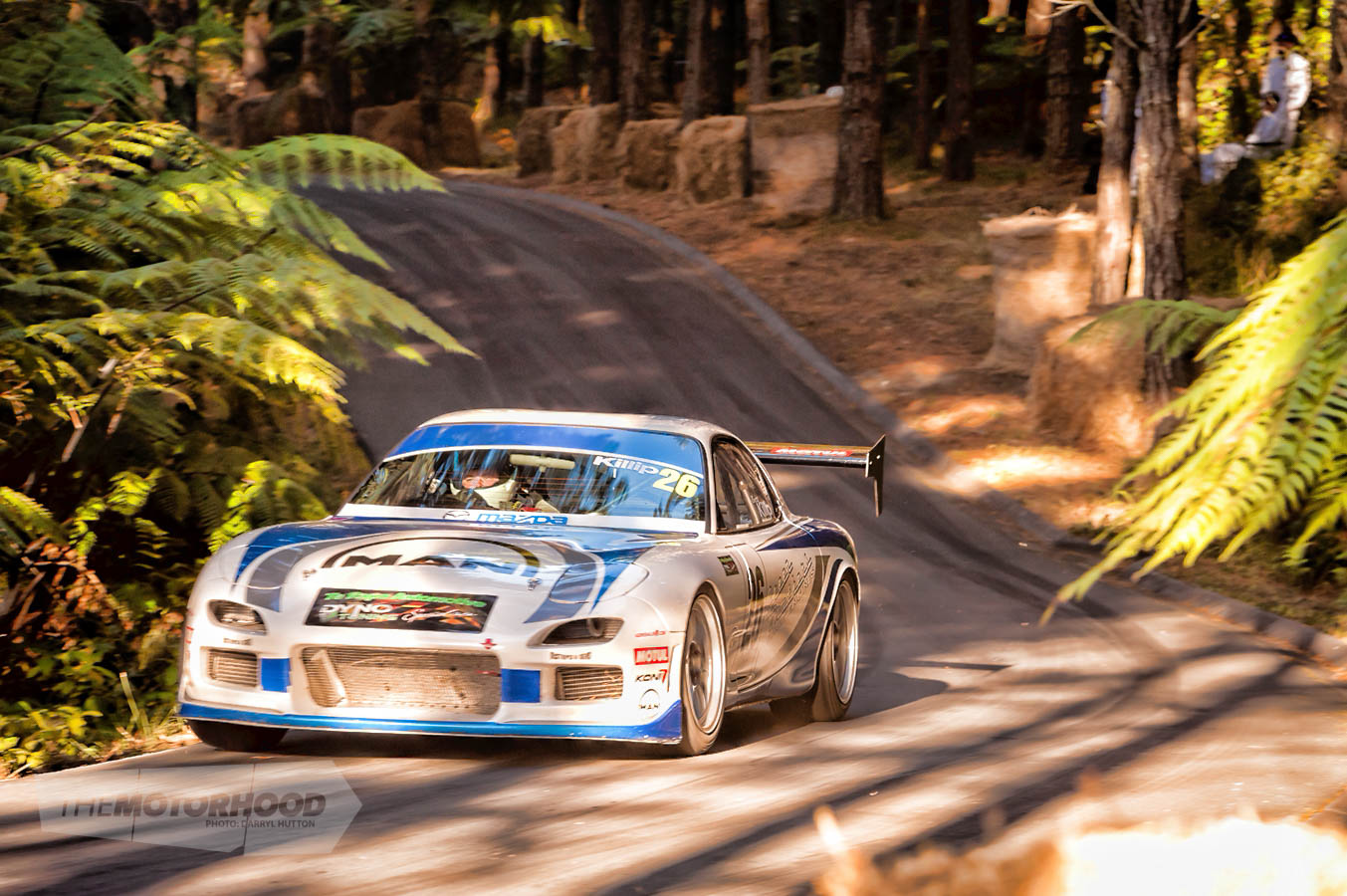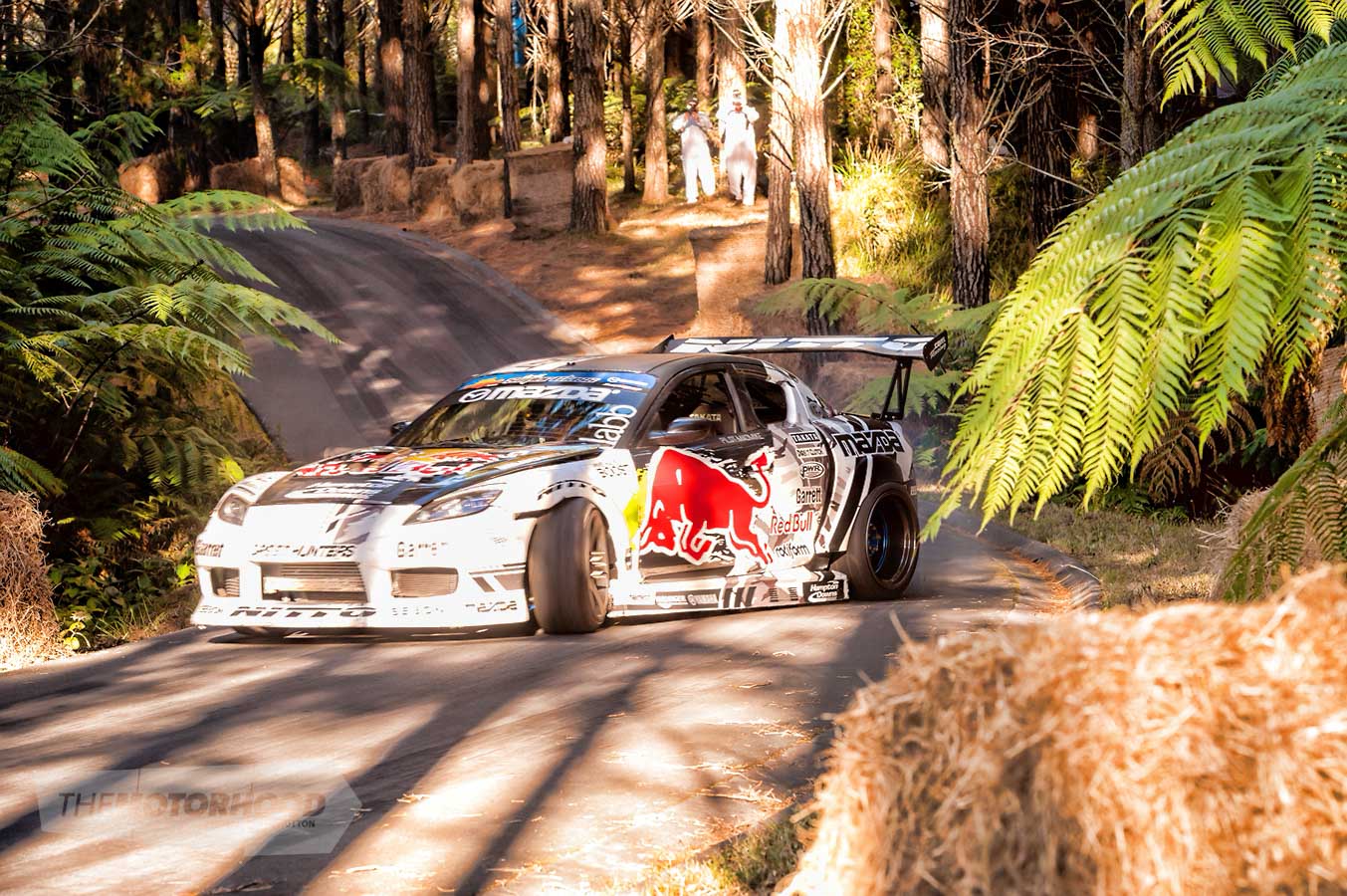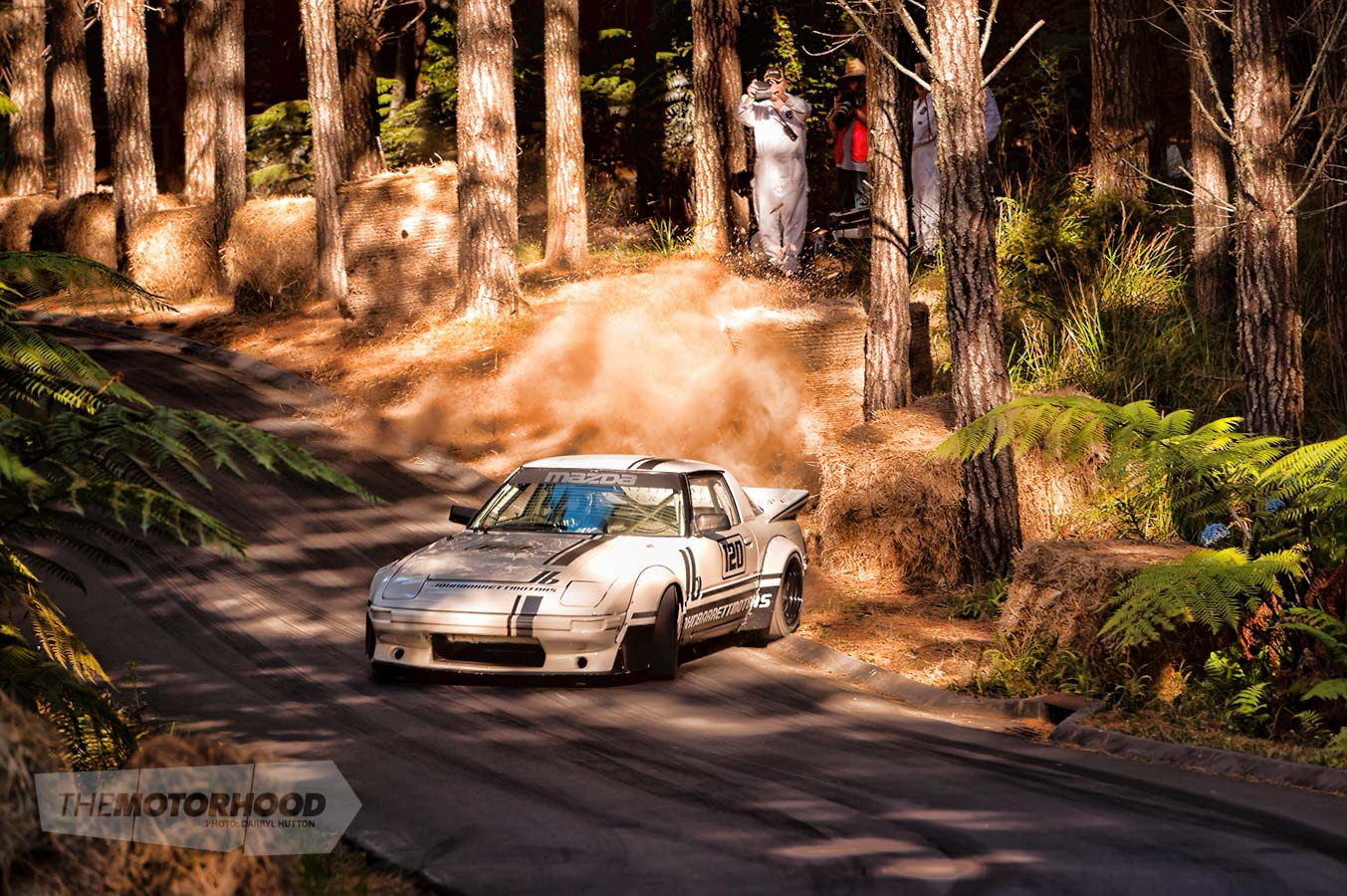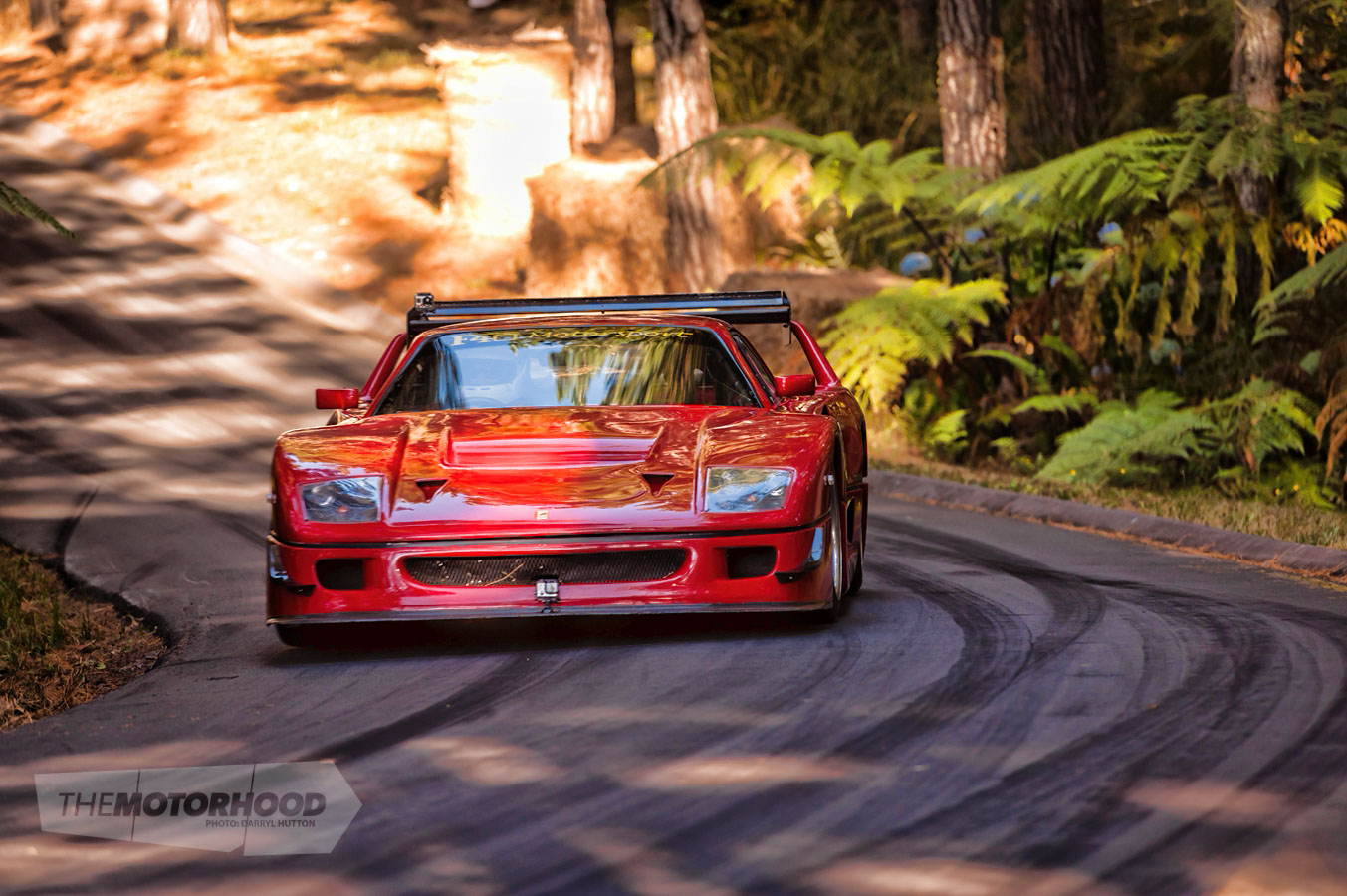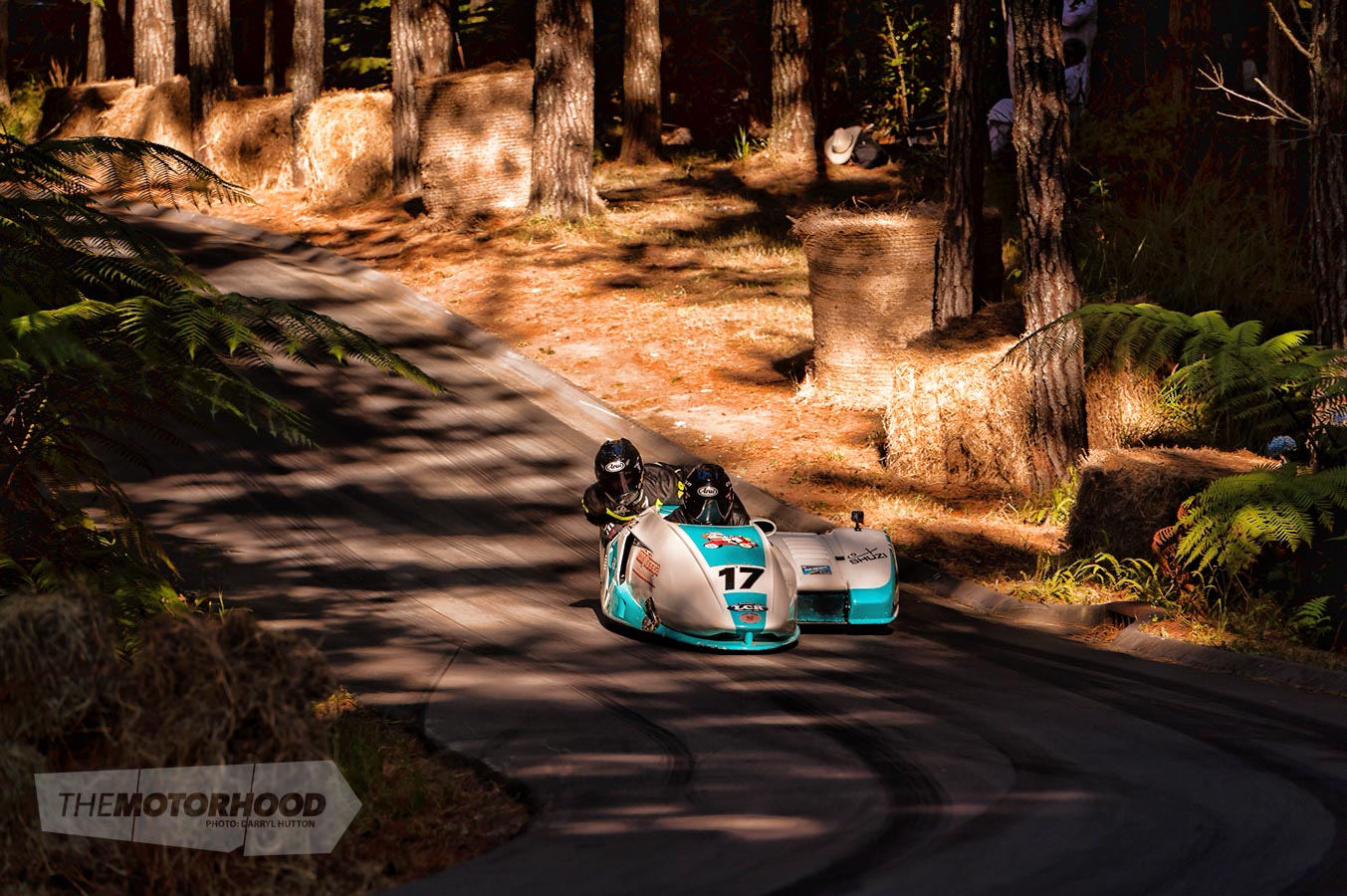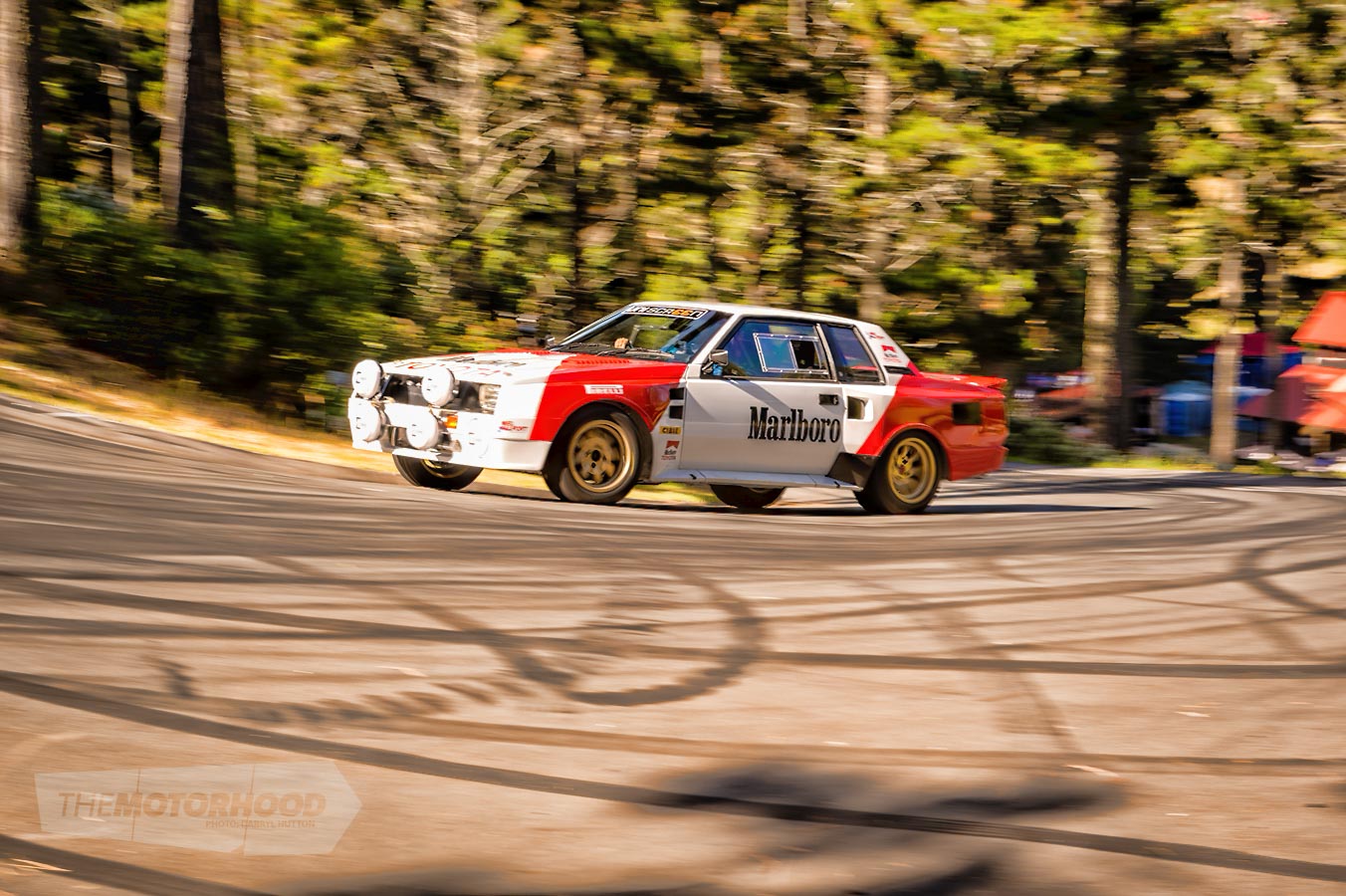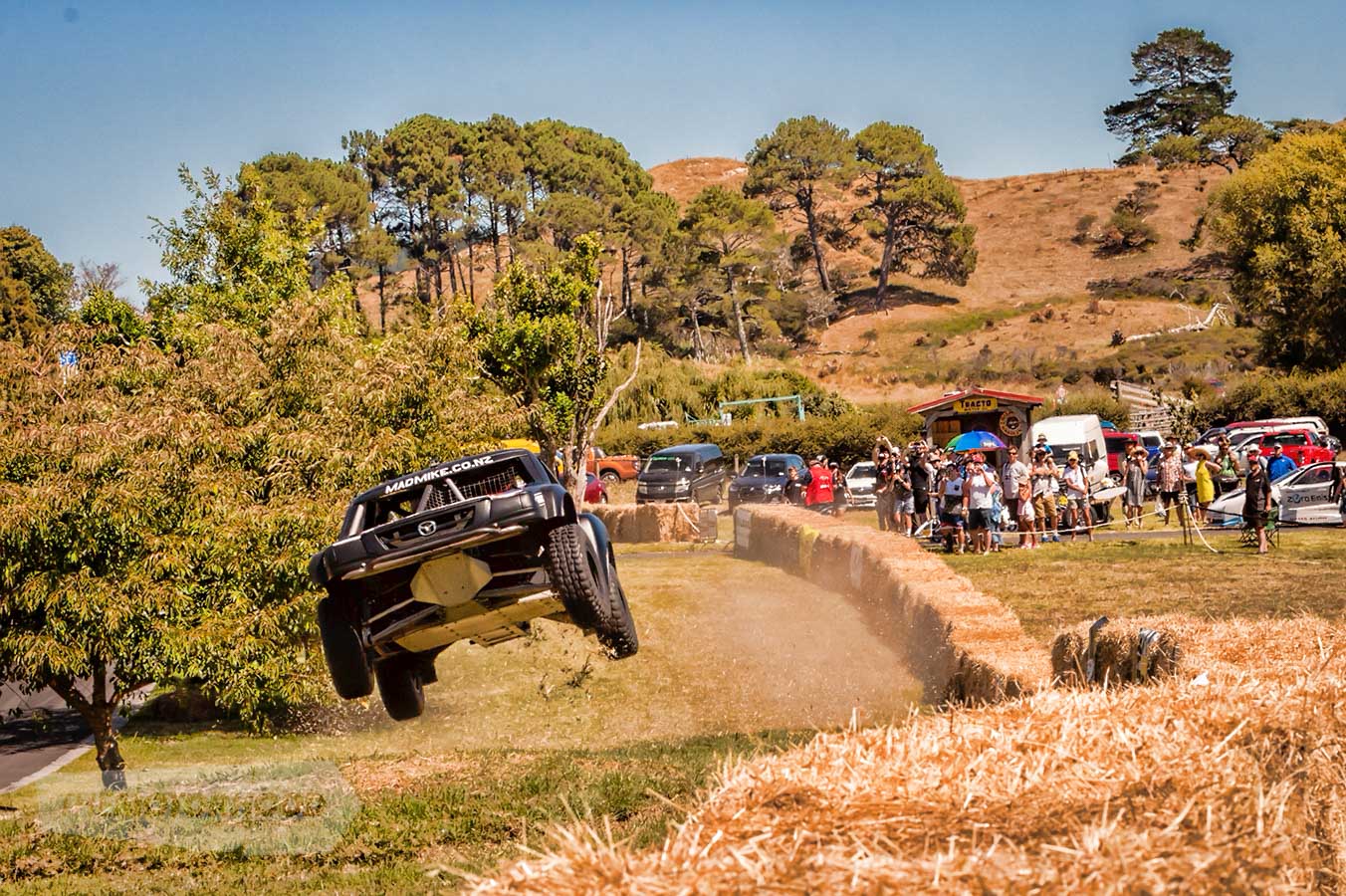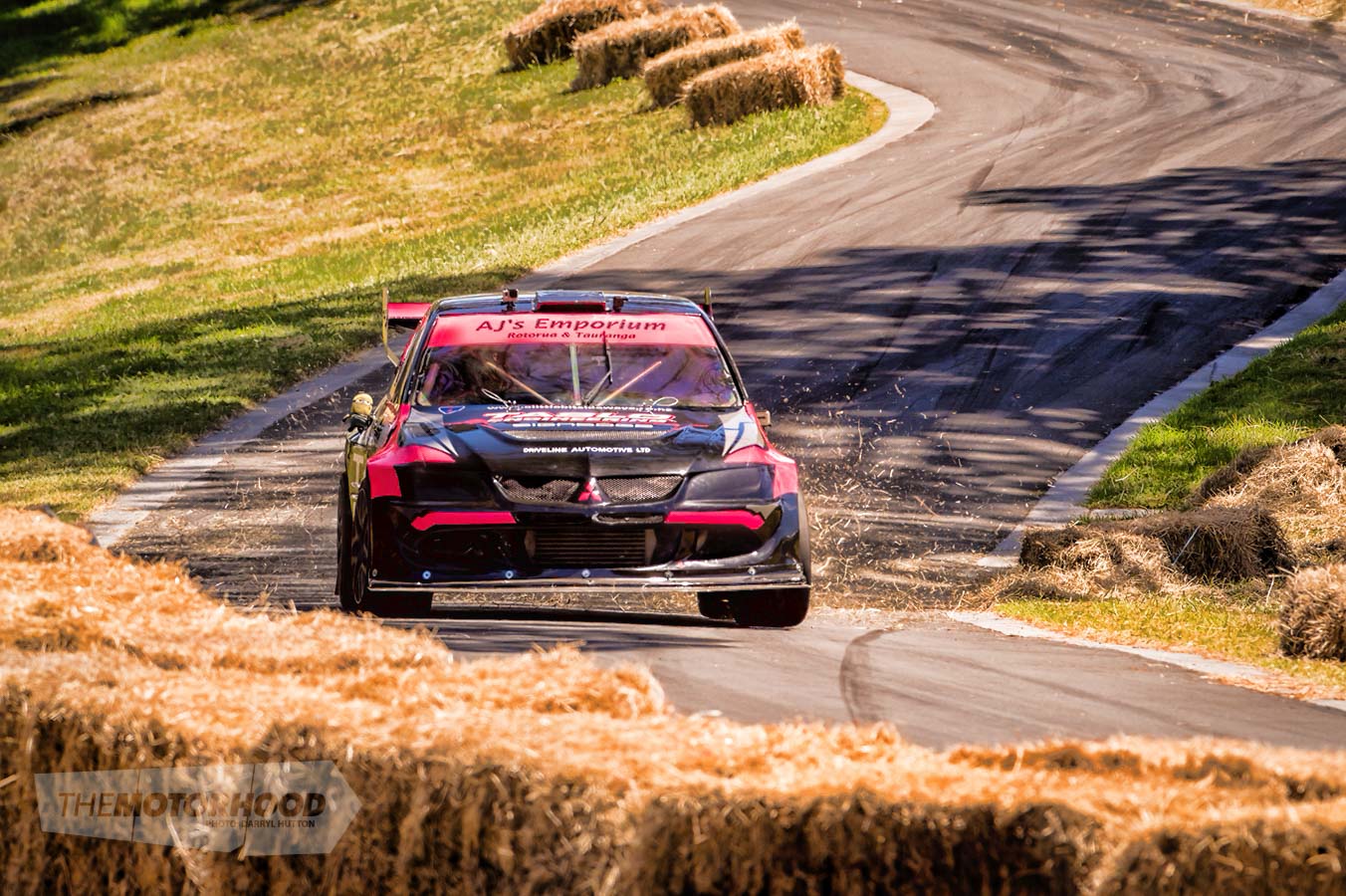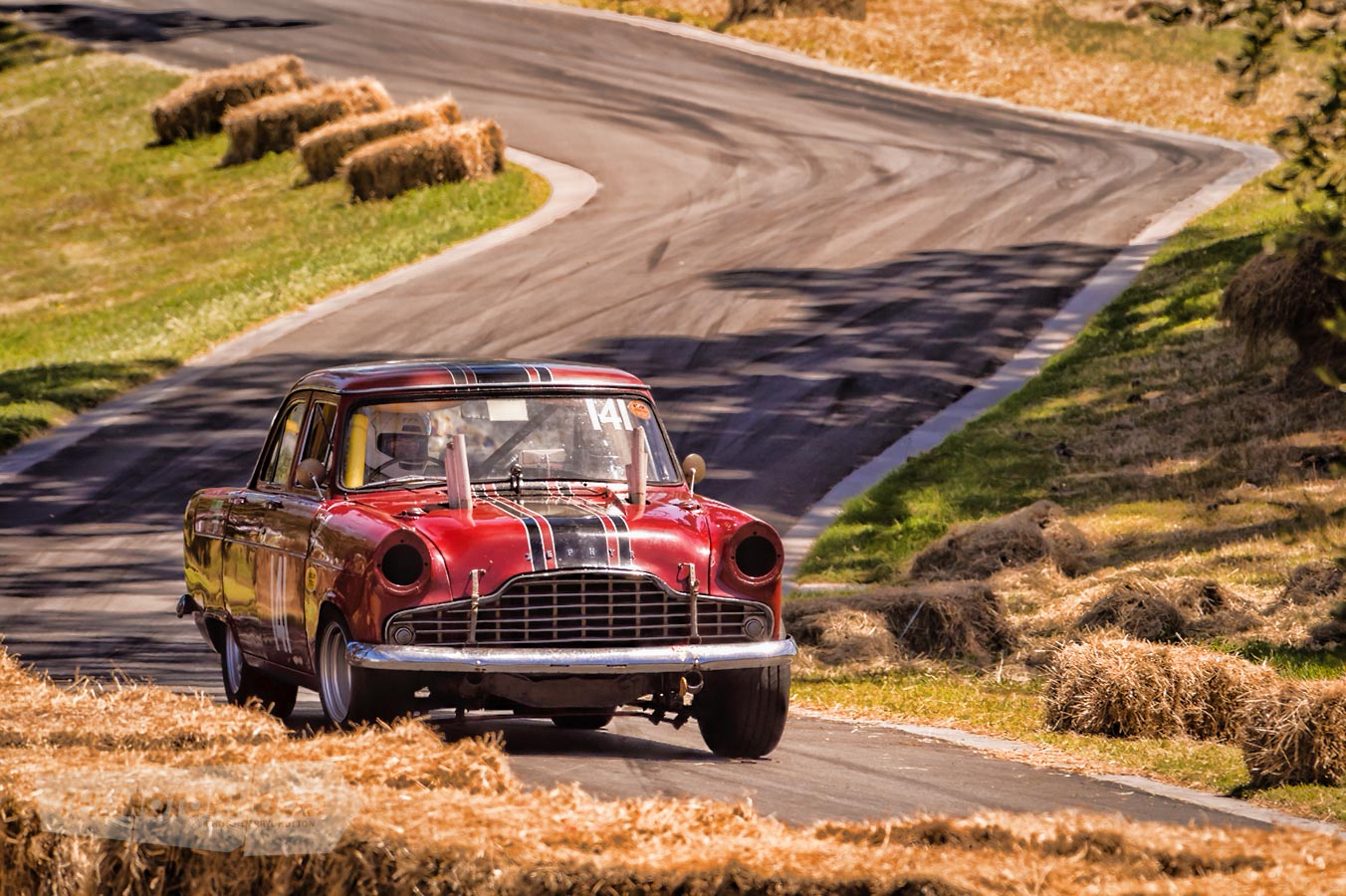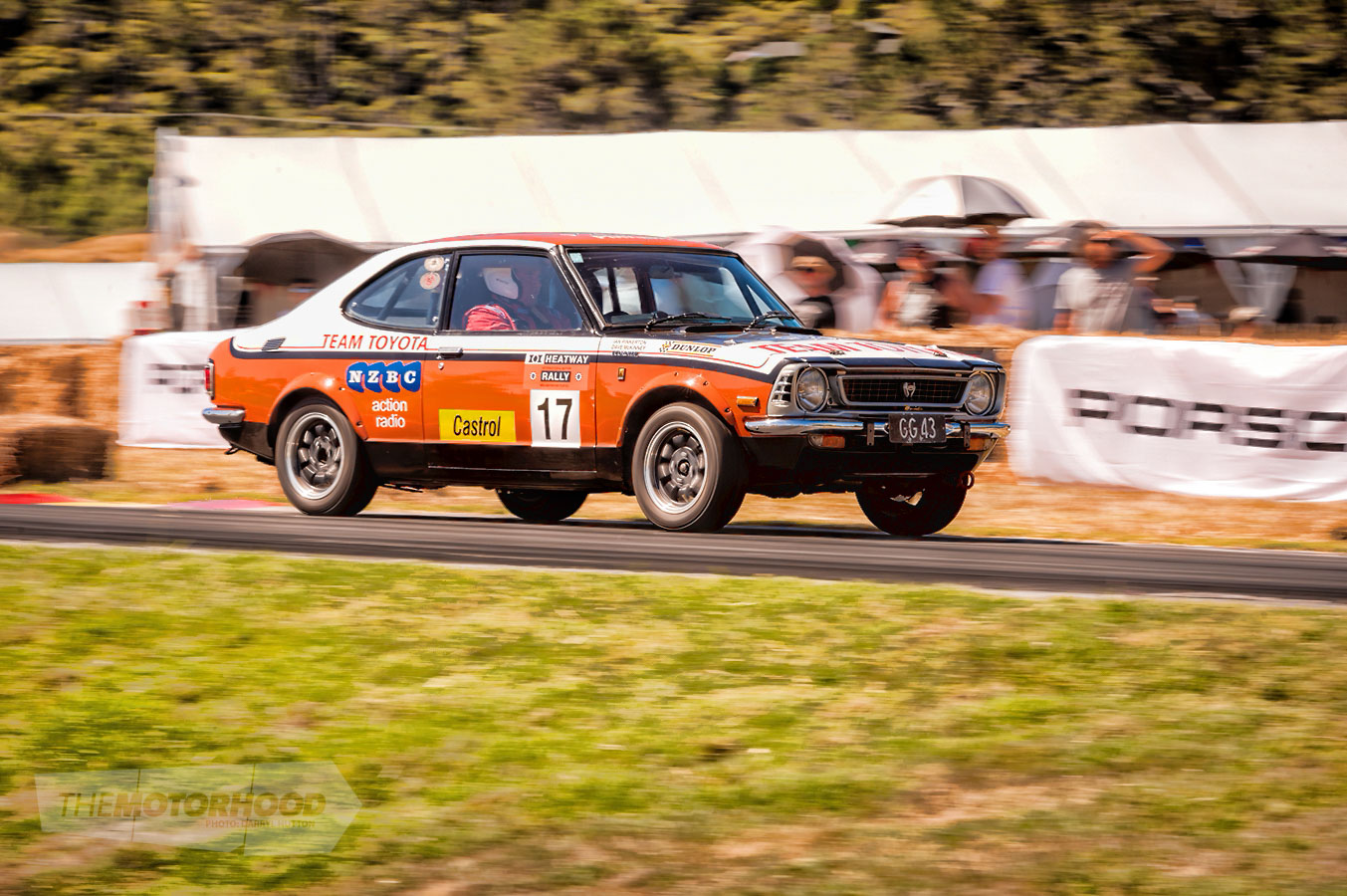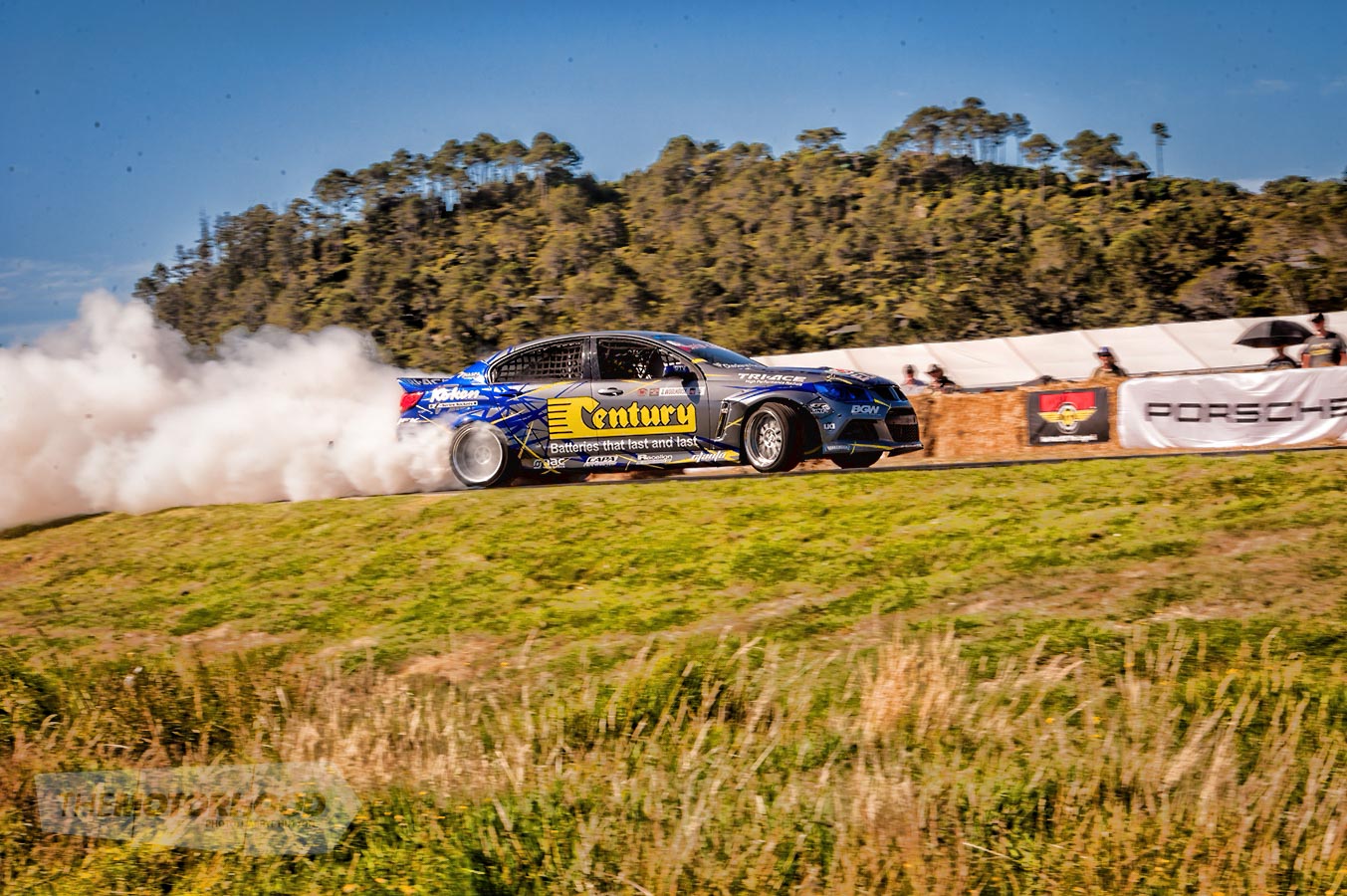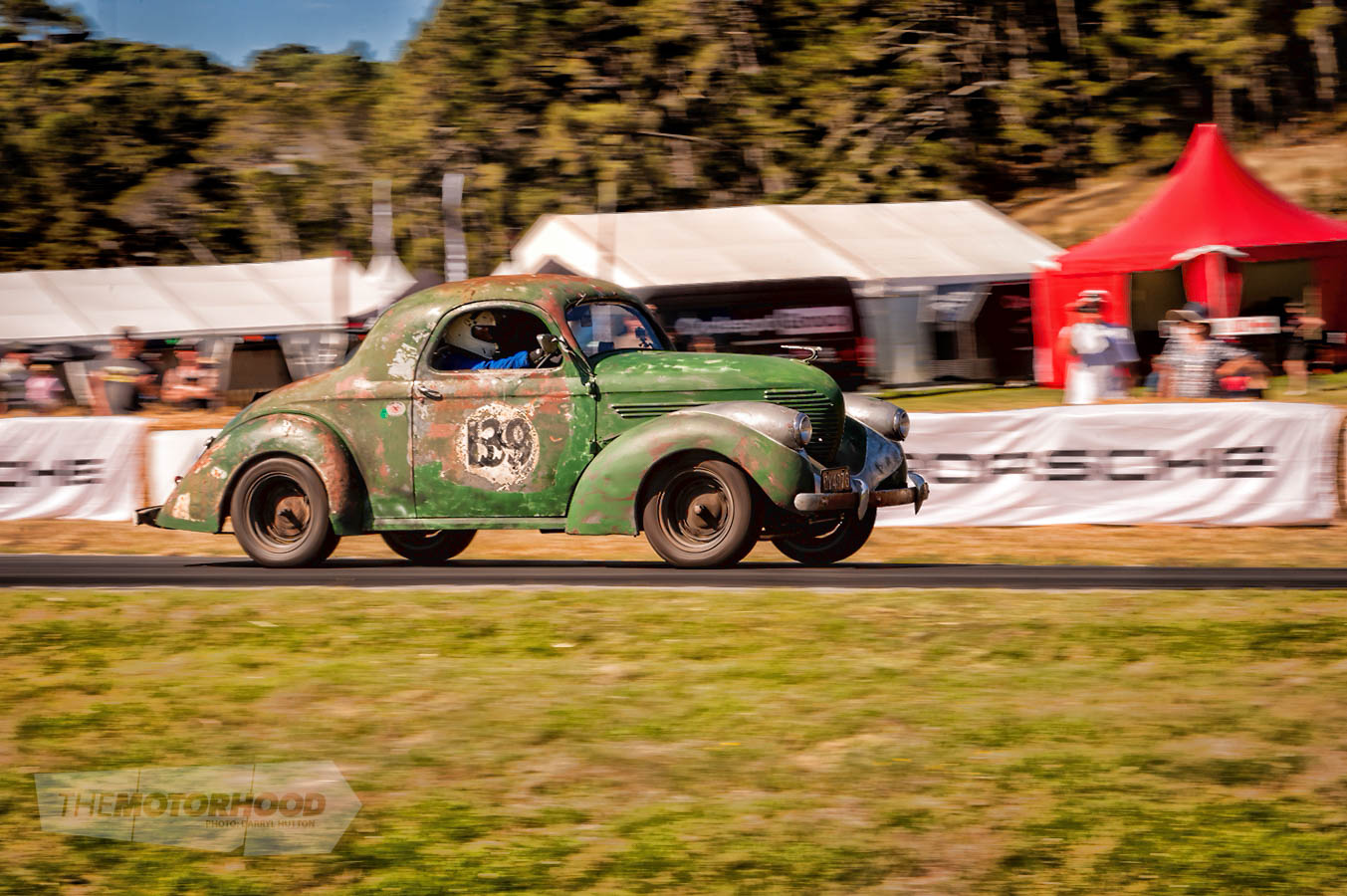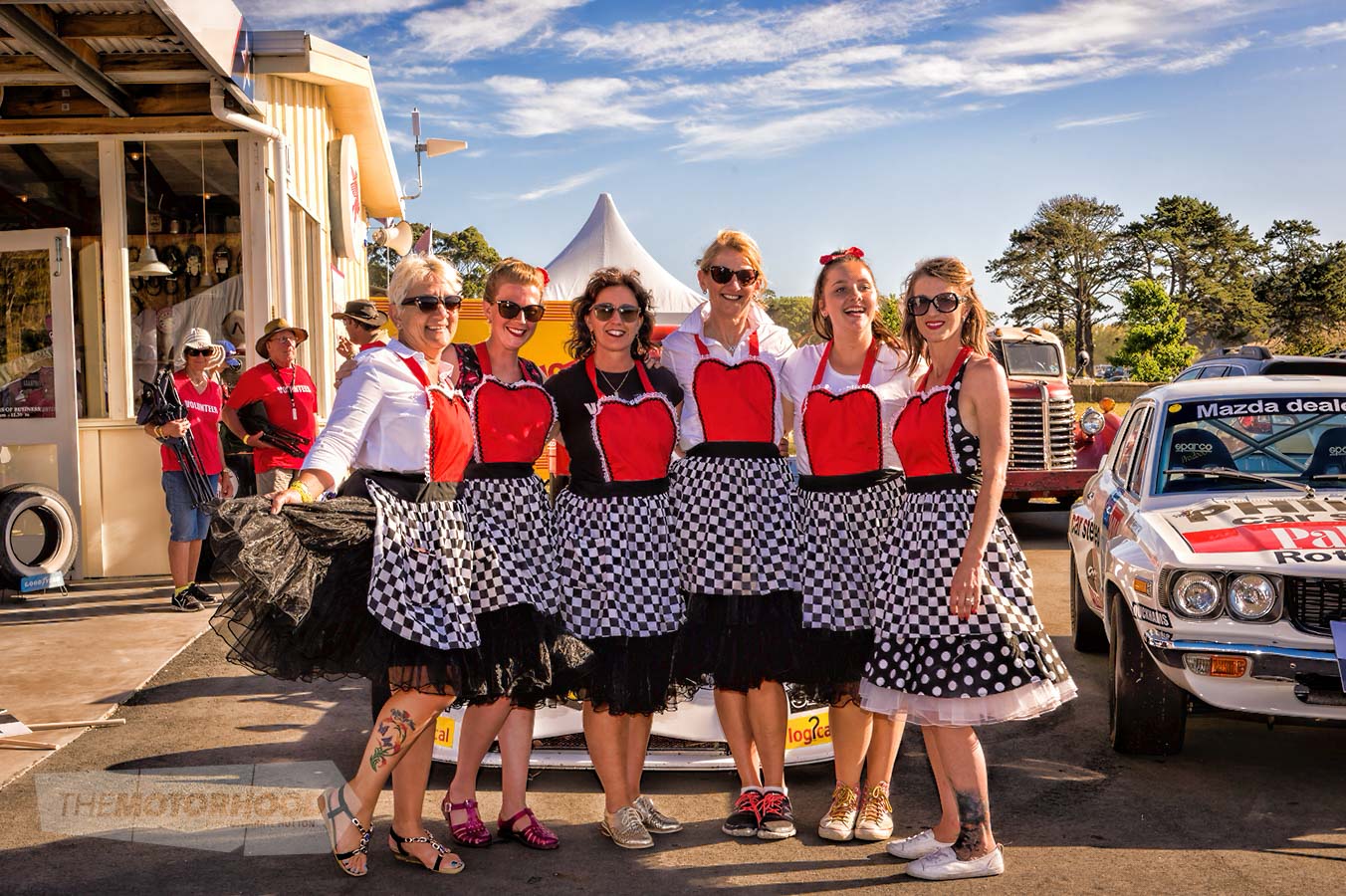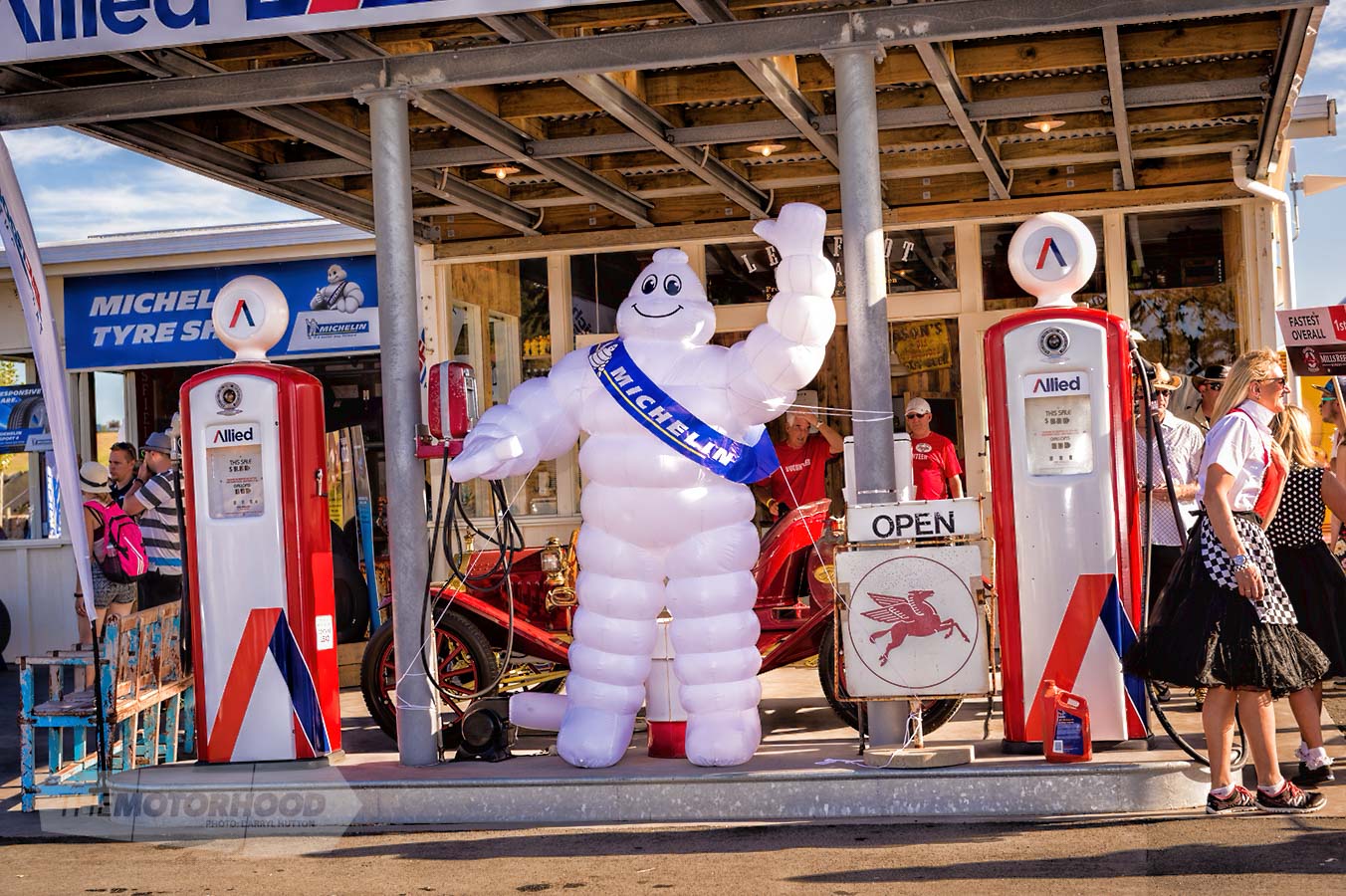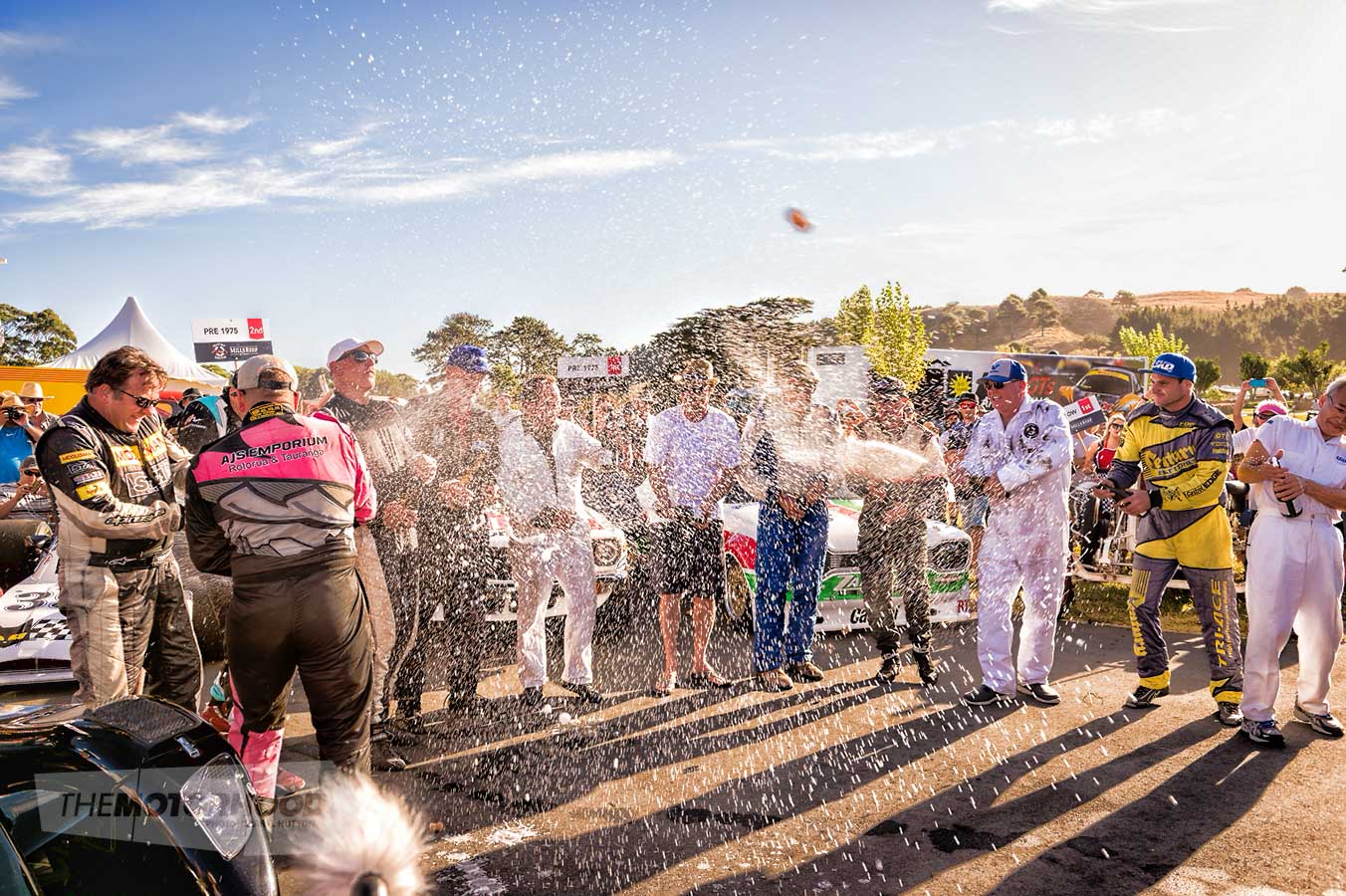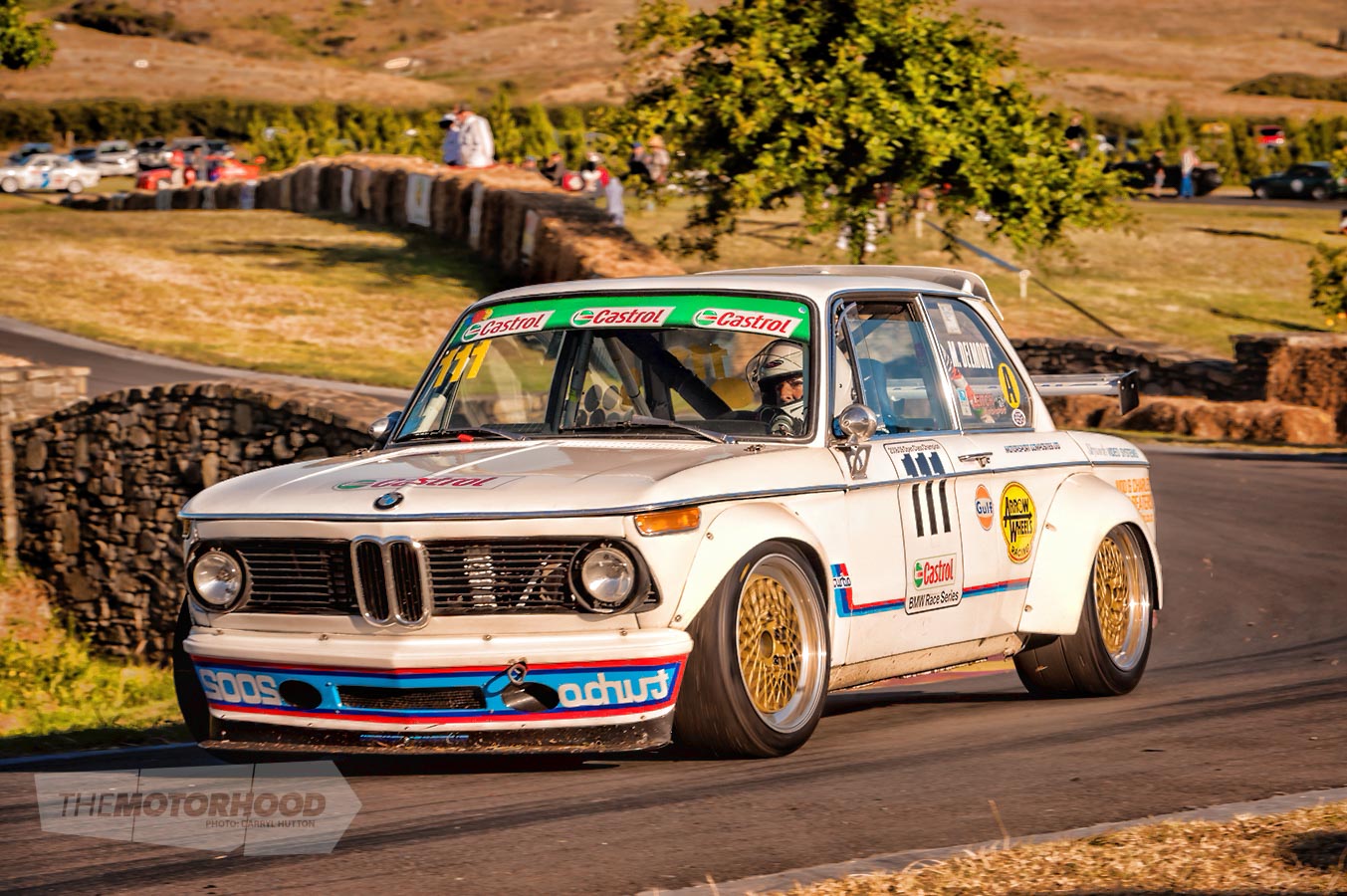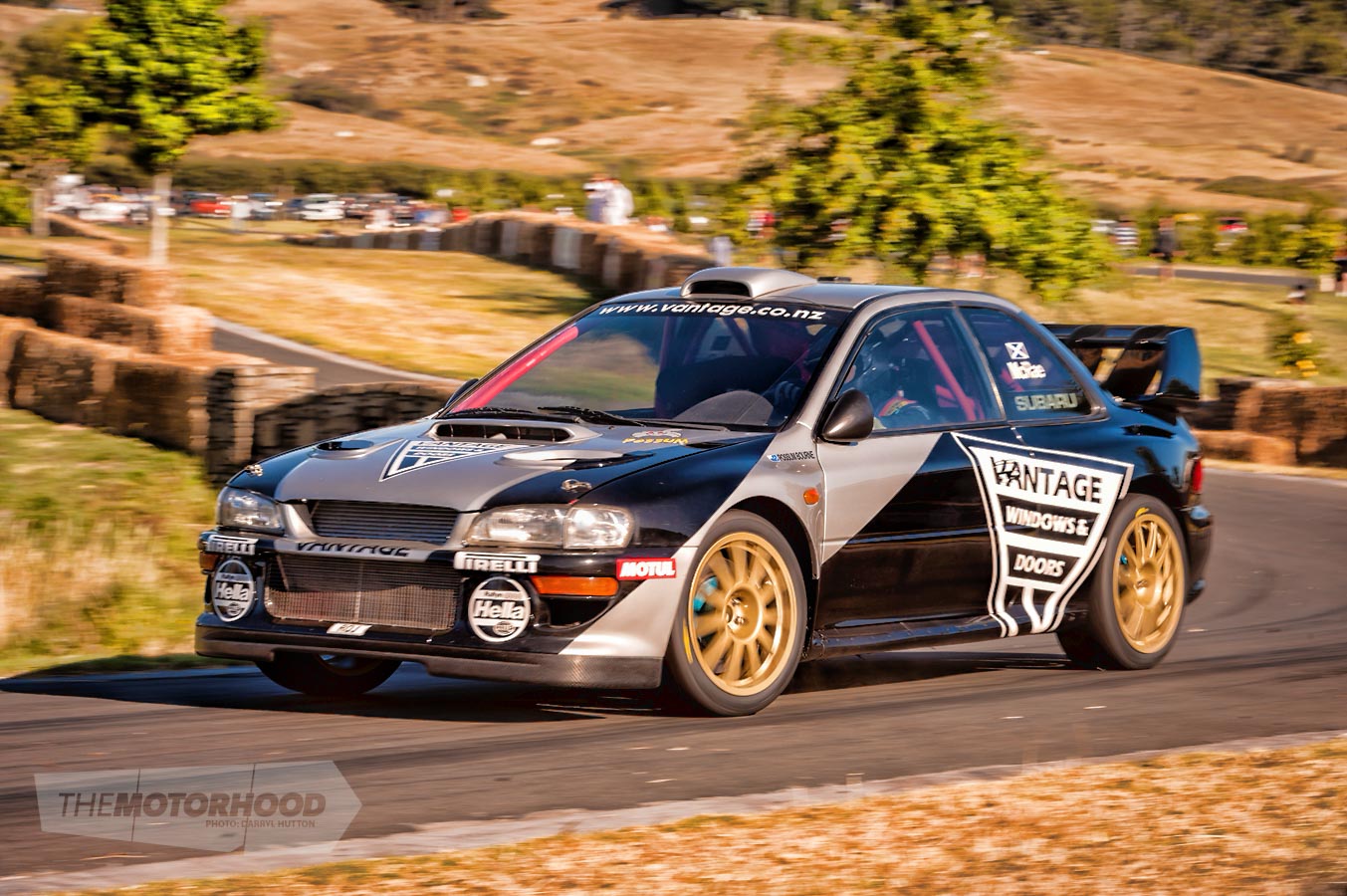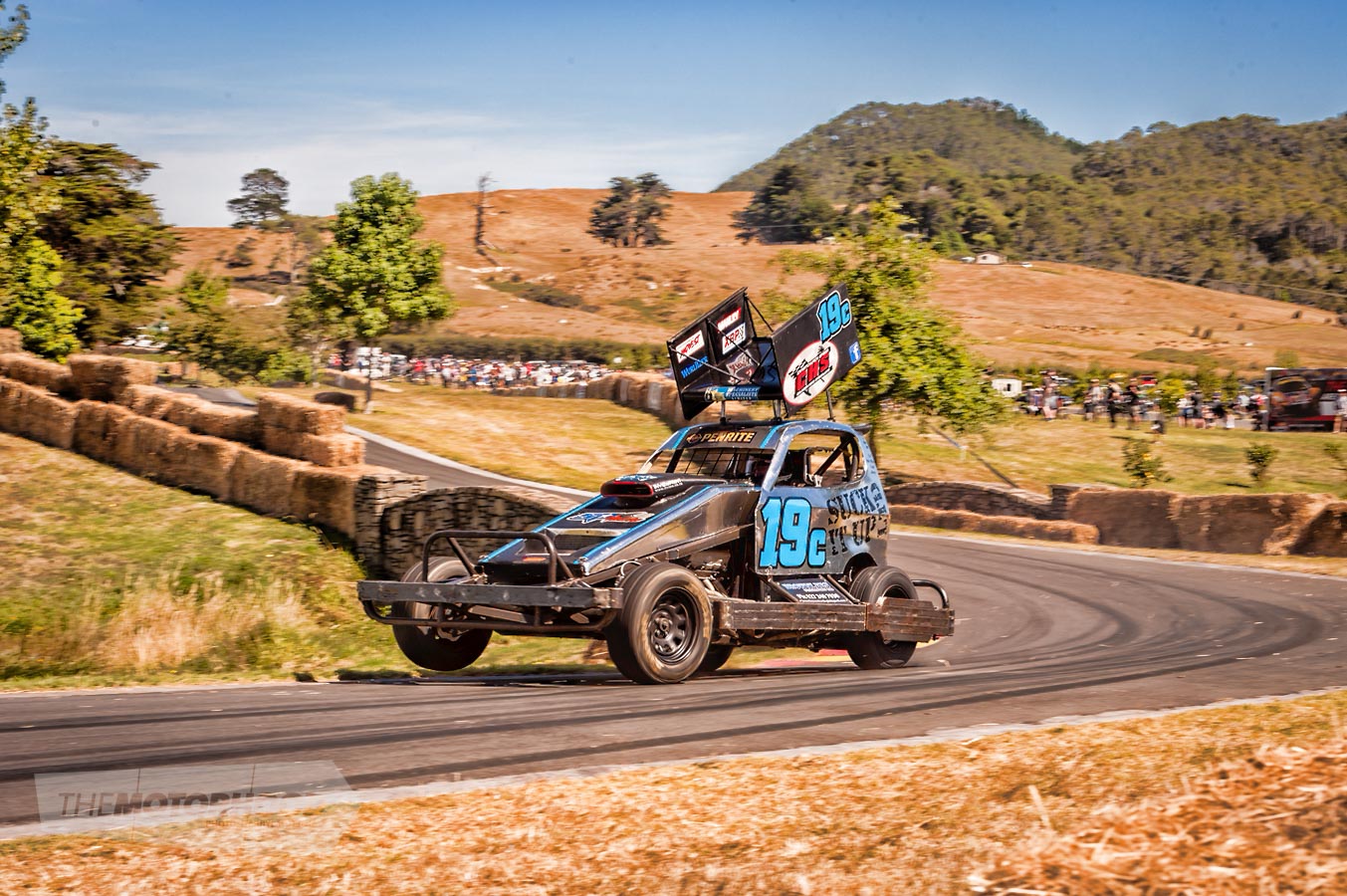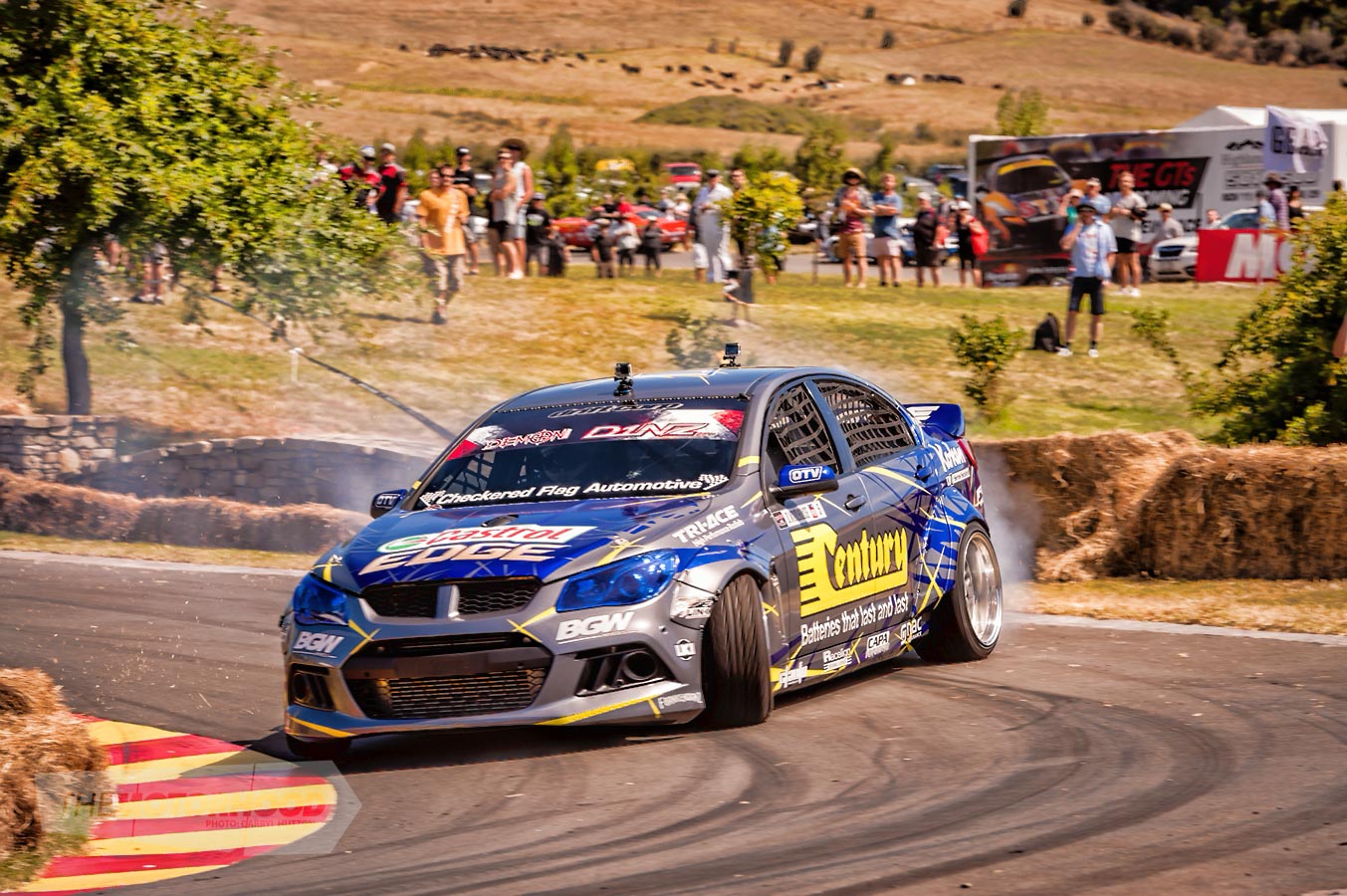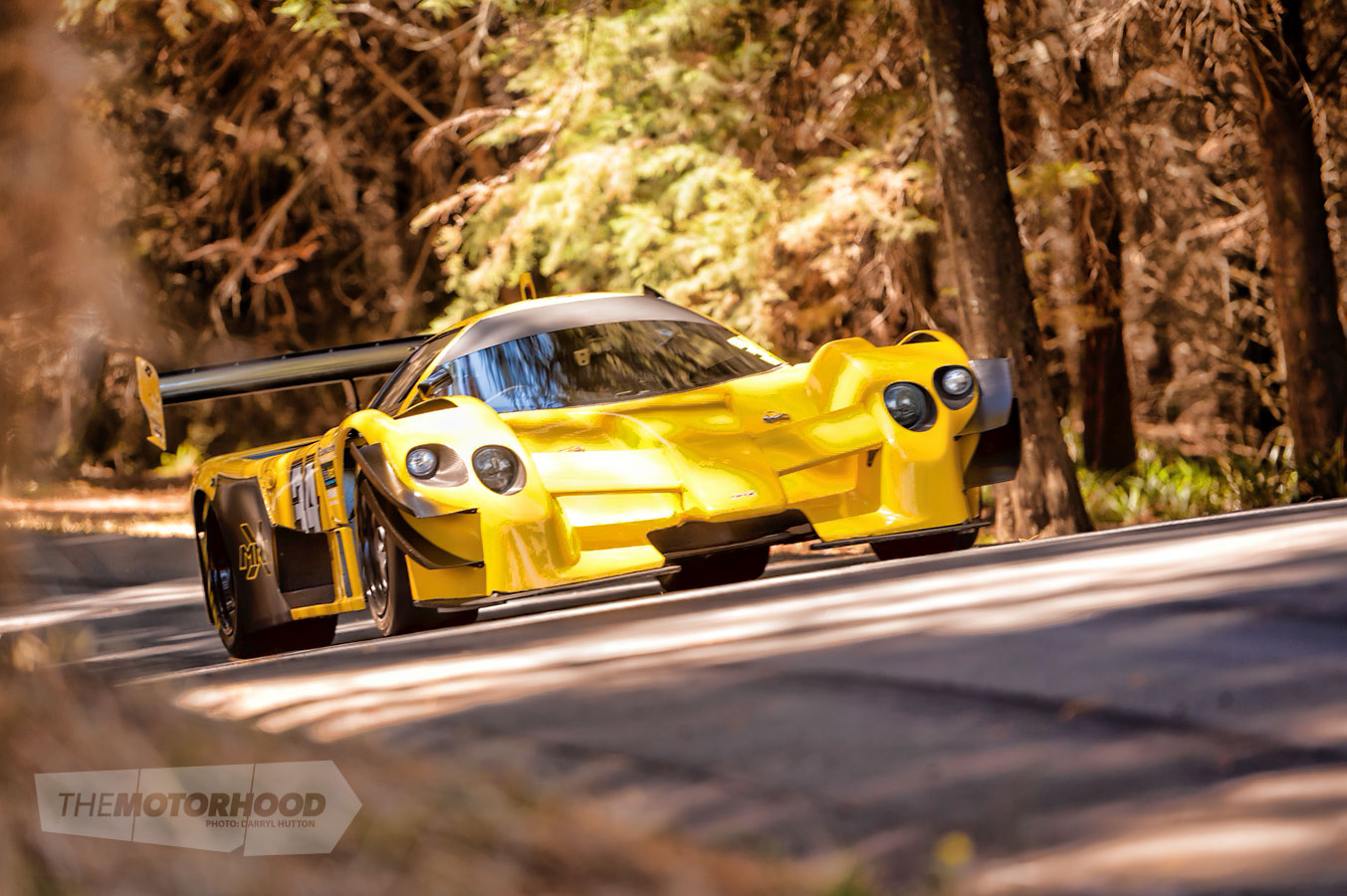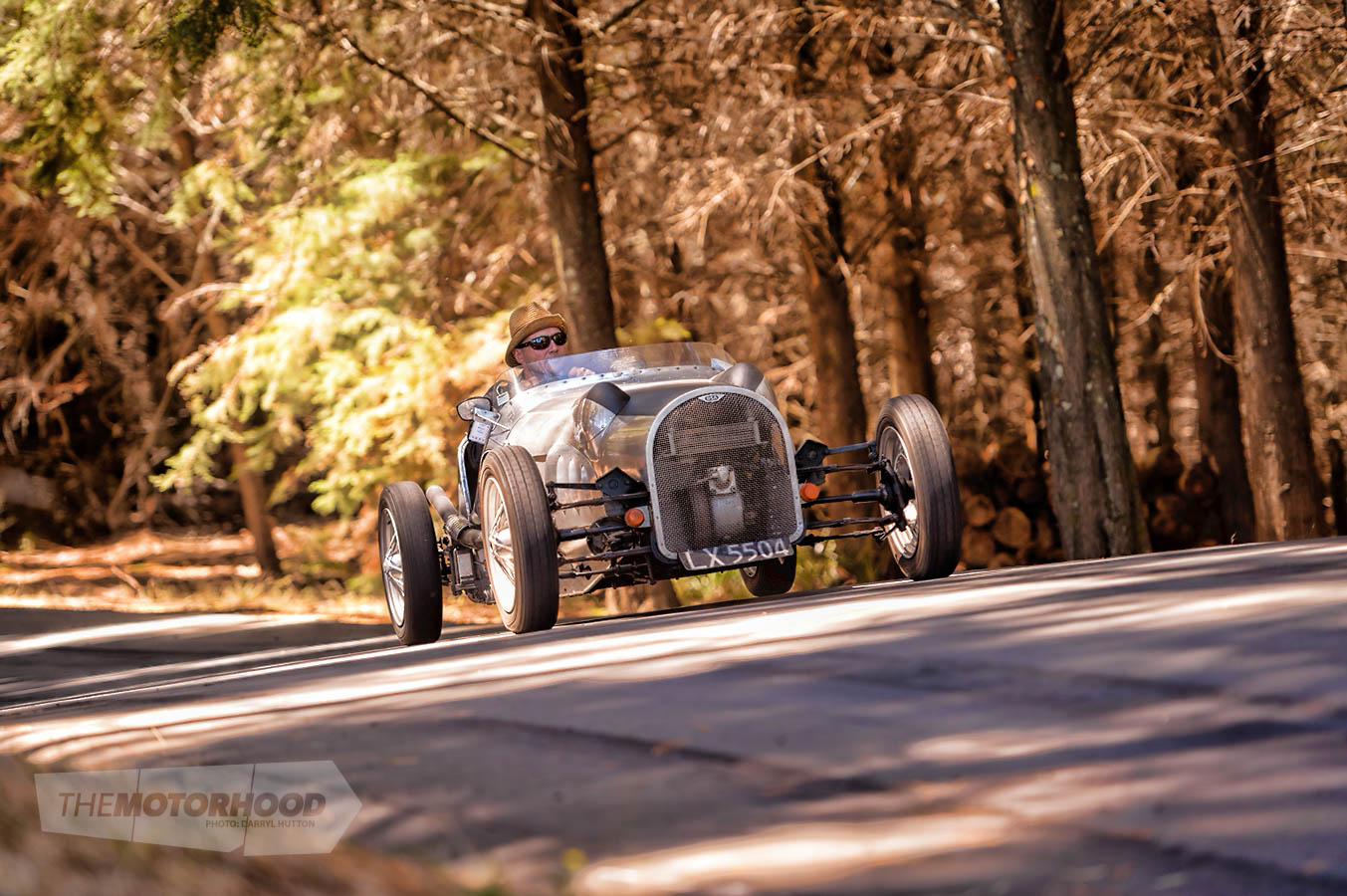
The coolest driveway party of the year, Rod Millen’s annual Leadfoot Festival once again awoke the quiet seaside town of Hahei over Waitangi weekend (February 4–5, 2017).
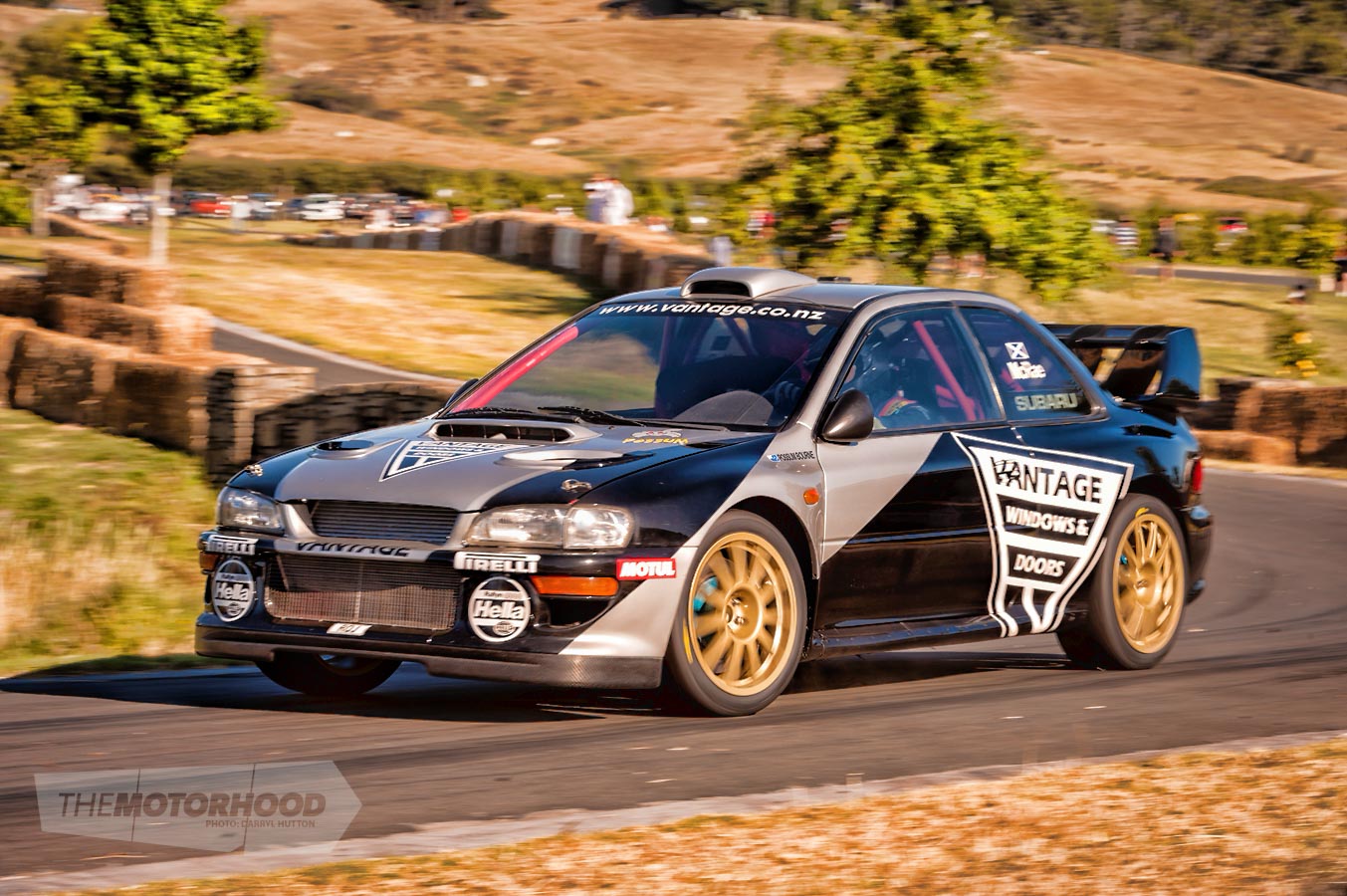
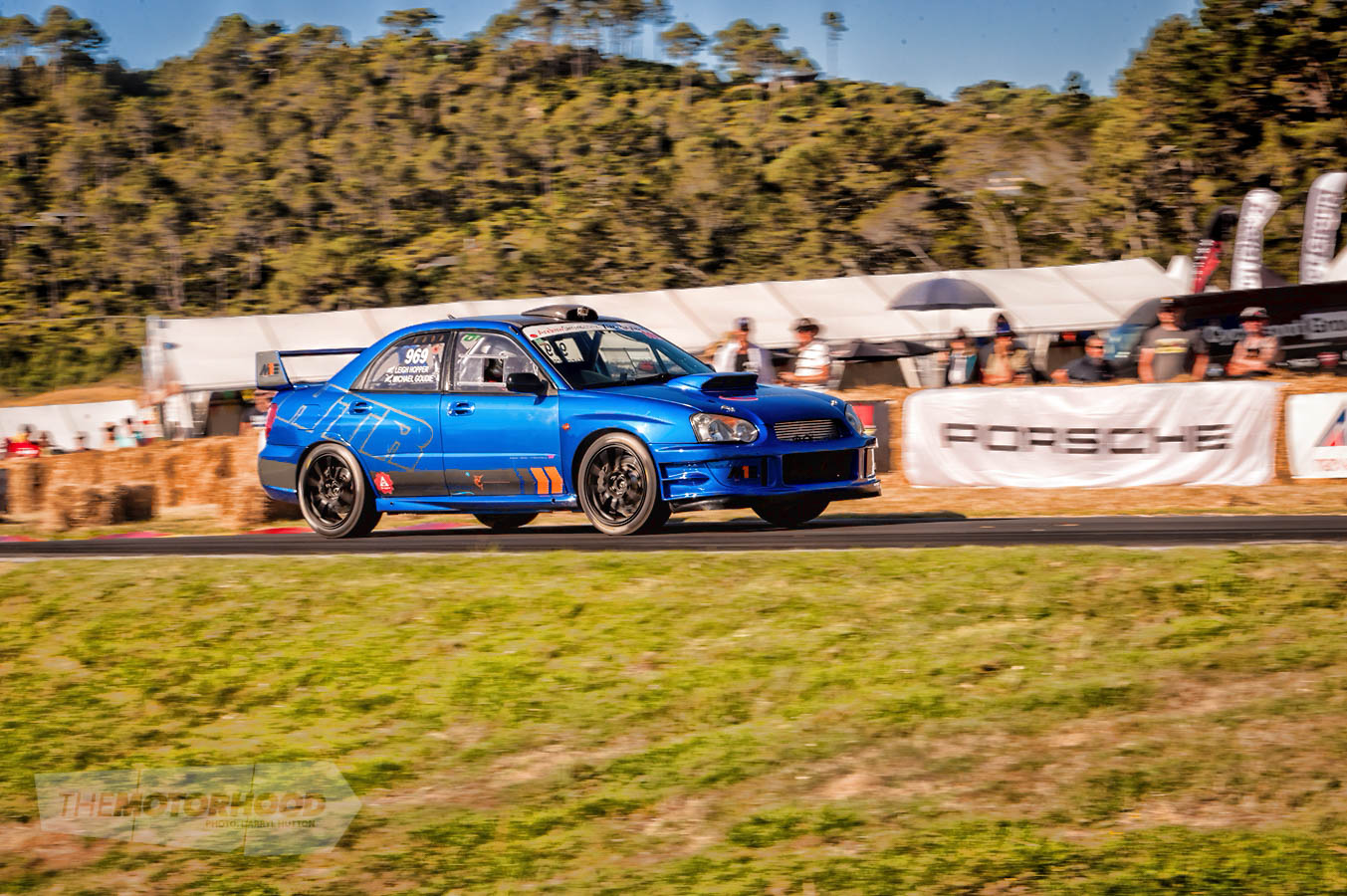
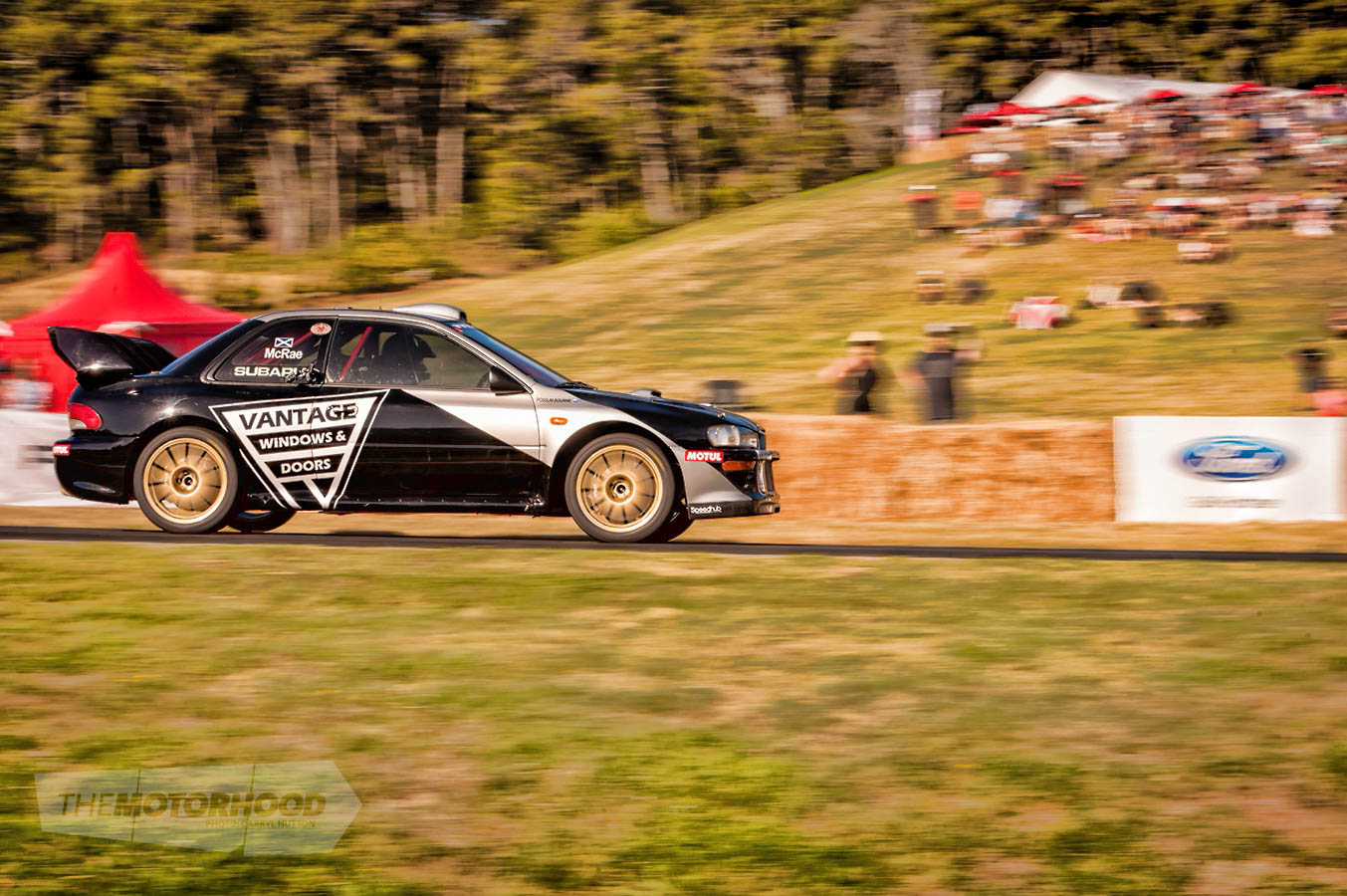
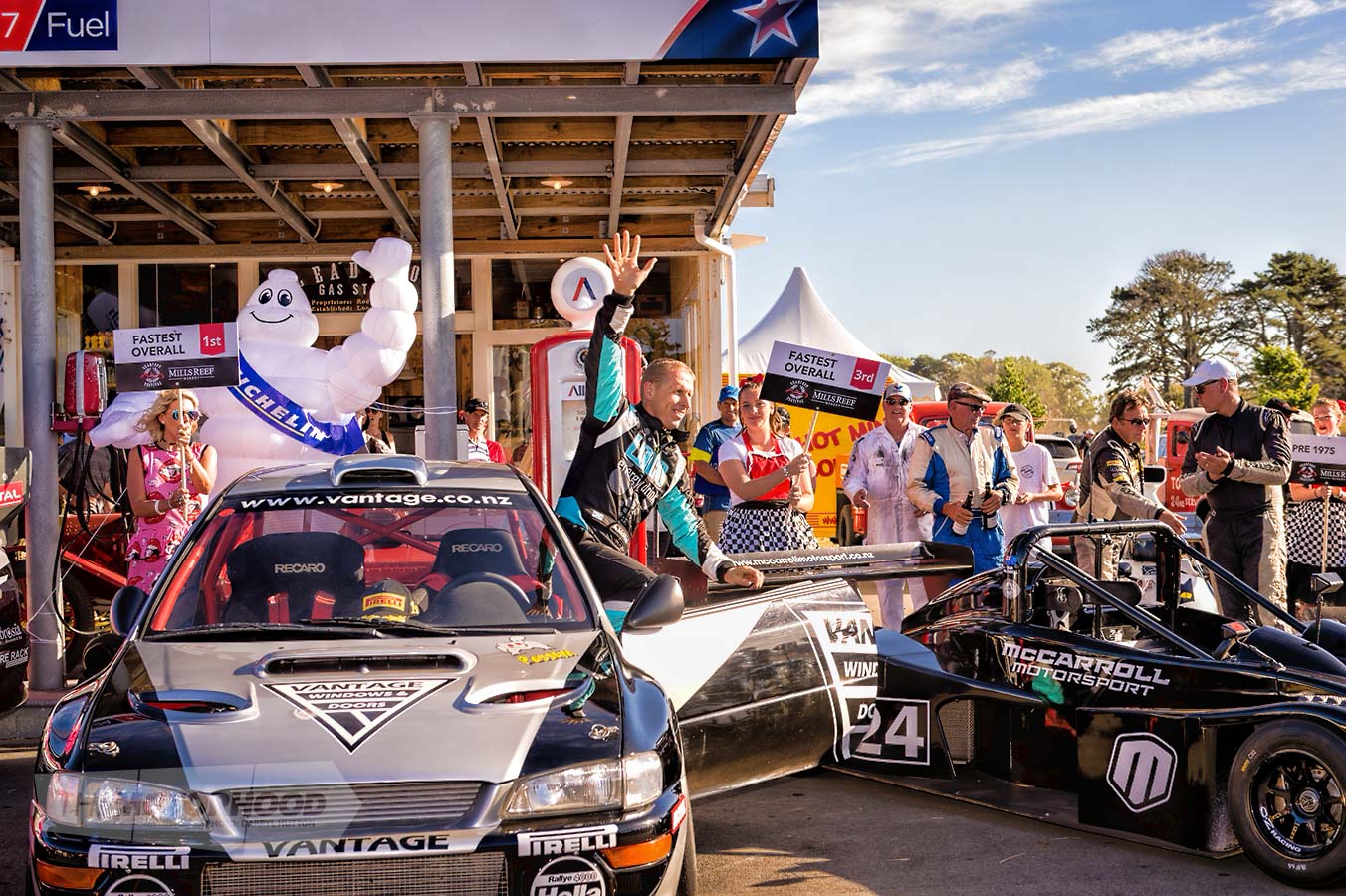
Taking home ultimate bragging rights from the race up the infamous driveway was Alister McRae in his Vantage Motorsport Subaru WRX STi. He managed the 1.6km-long course in an impressive 49.43 seconds.
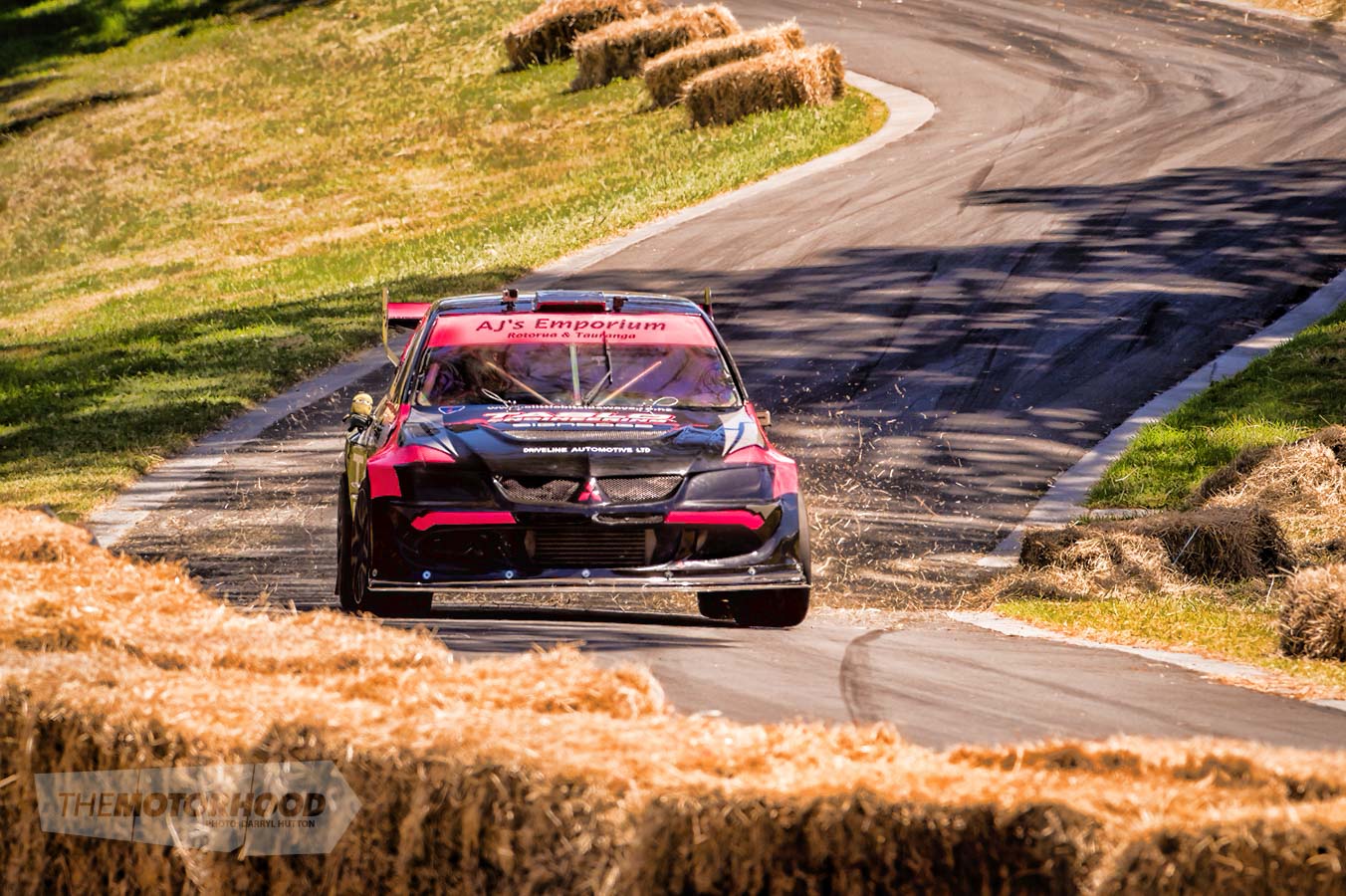
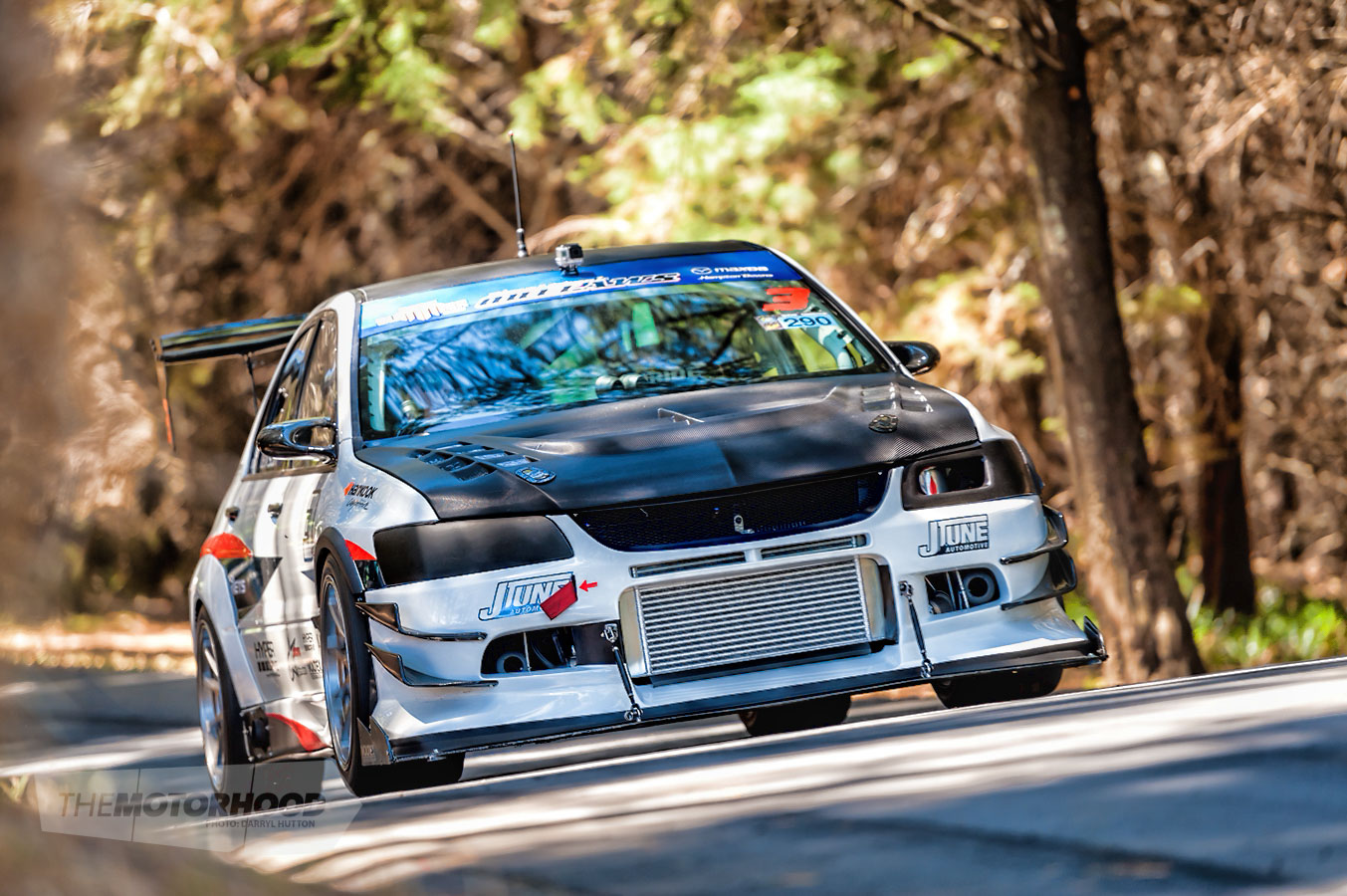
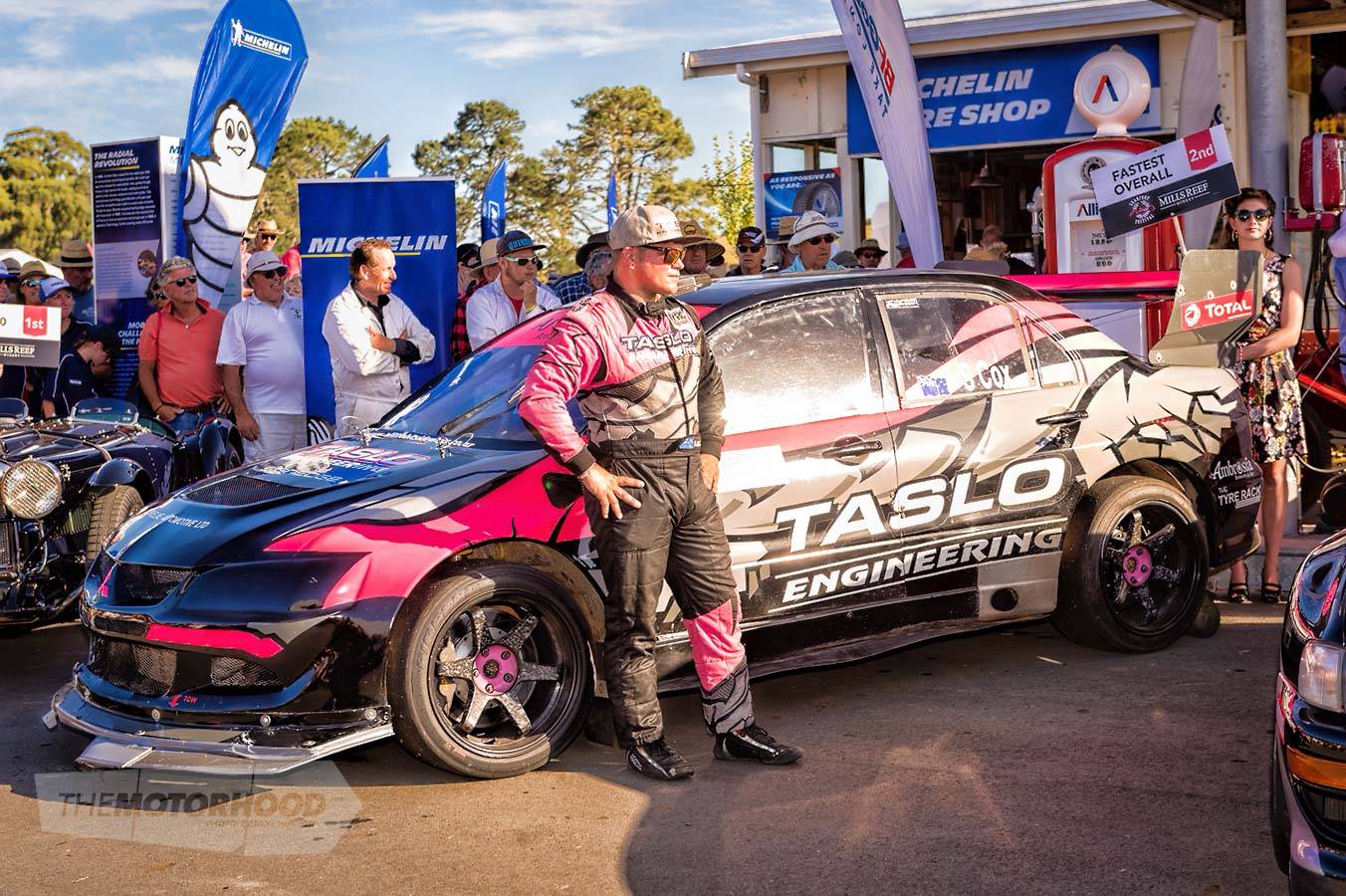
That time was enough to see him beat Rotorua’s Sloan Cox in his 2004 Hill Climb Special Evo 8, who clocked 50.83 seconds.
It was the first time the winner’s trophy has gone to anybody other than a Millen family member, and McRae says, “[I] managed to get a great run at the end there.” When asked if it was the perfect run, however, he laughed and says, “No, because Rod’s gone quicker than that.” His solution: “I’m coming back next year!”
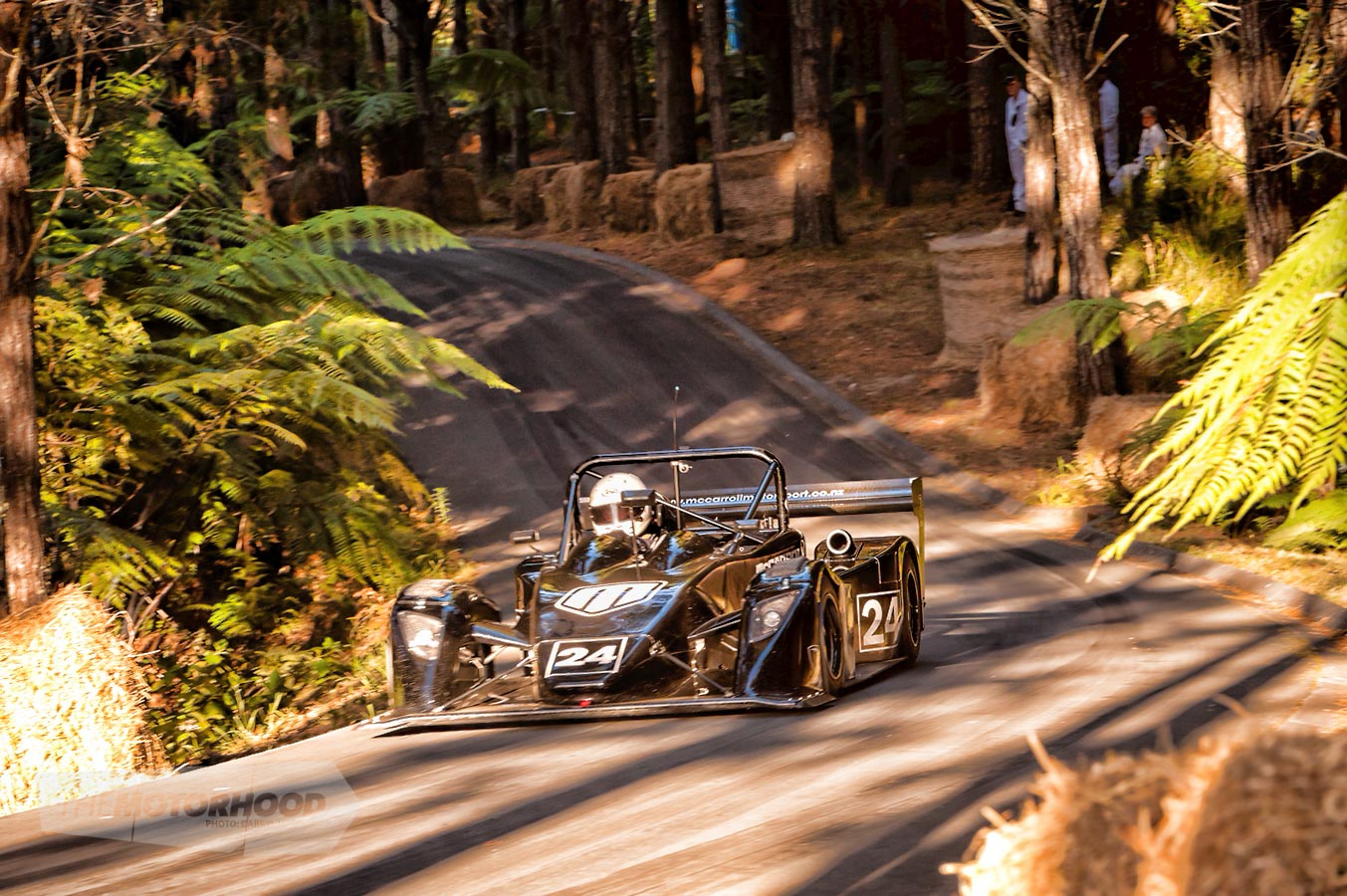
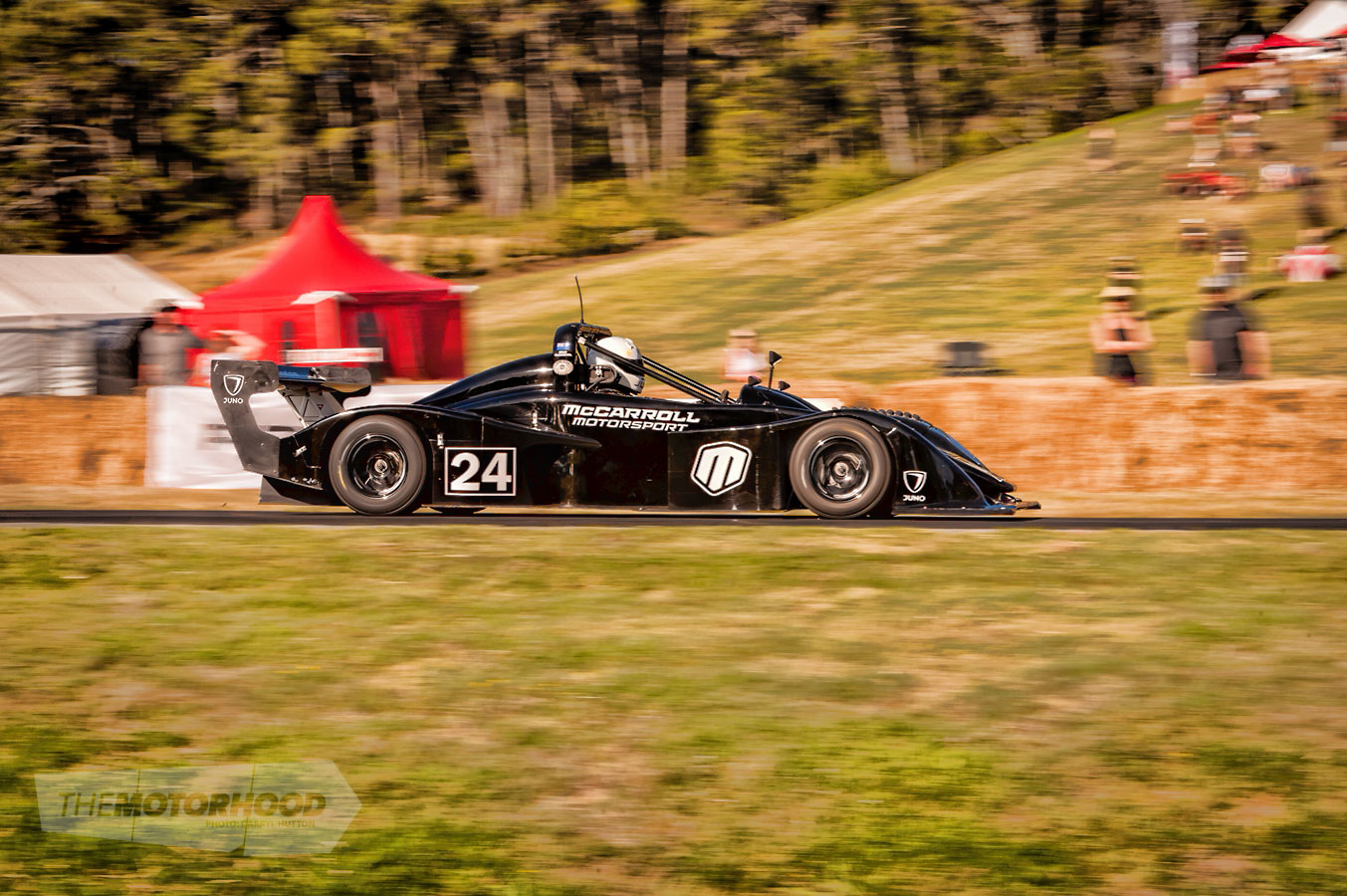
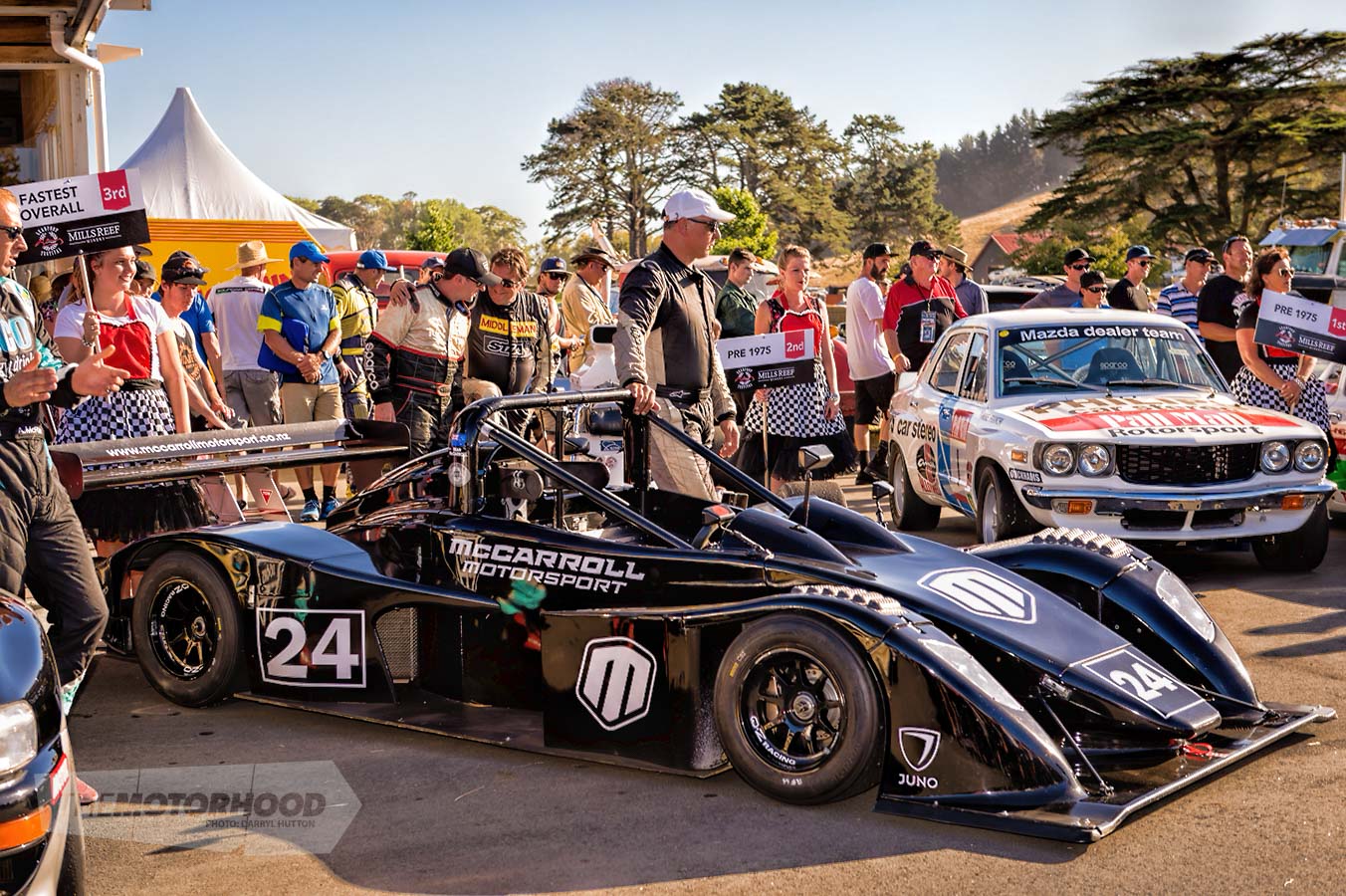
Dean McCarroll, of Mount Maunganui, was third in his 2008 Juno SSE. It was his second time attending the Leadfoot Festival, and he managed the course in 51.60 seconds. When describing the driveway he says, “[It is] probably the most technical, demanding and fear-inspiring driveway I’ve ever driven up.”
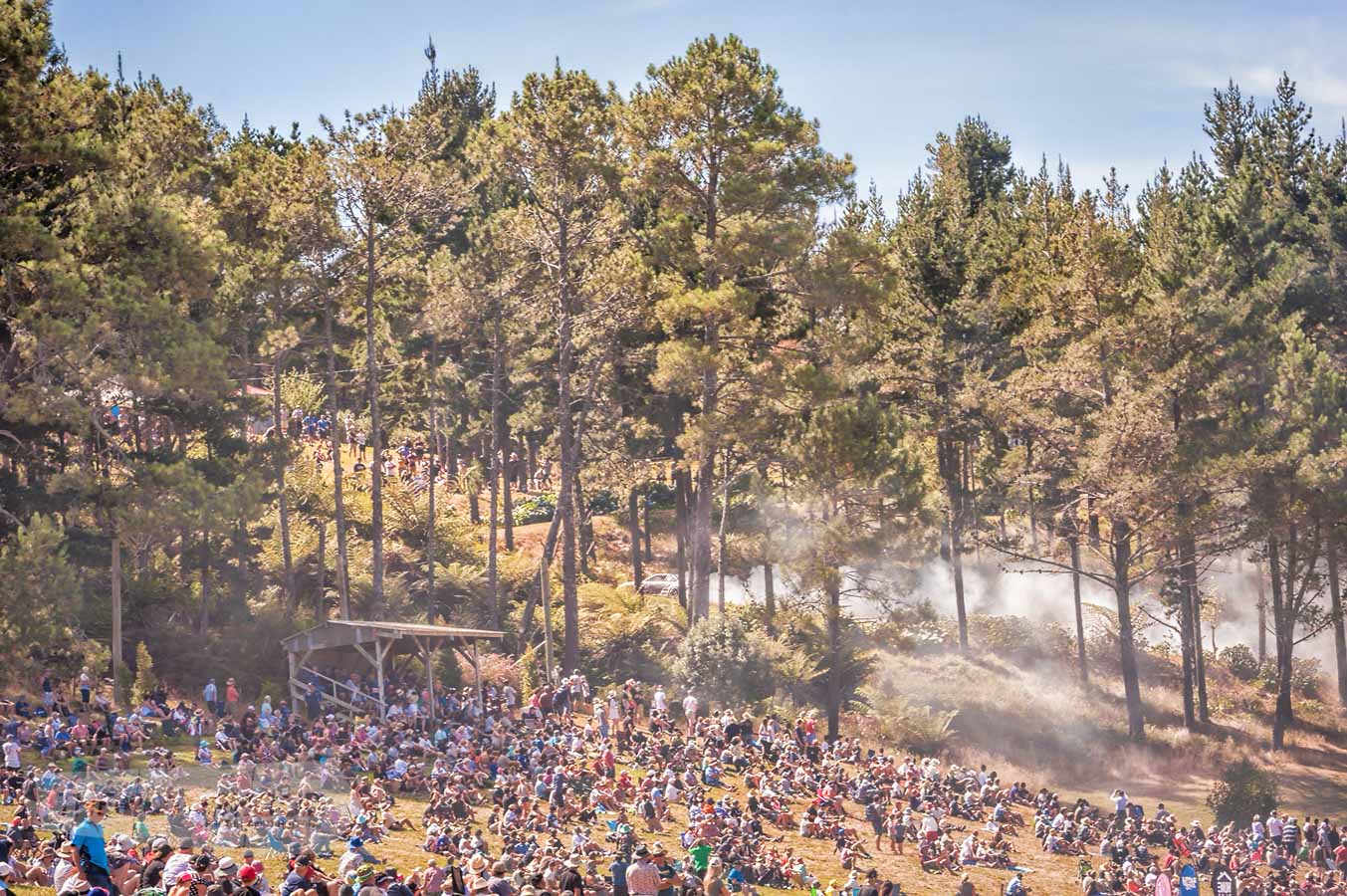
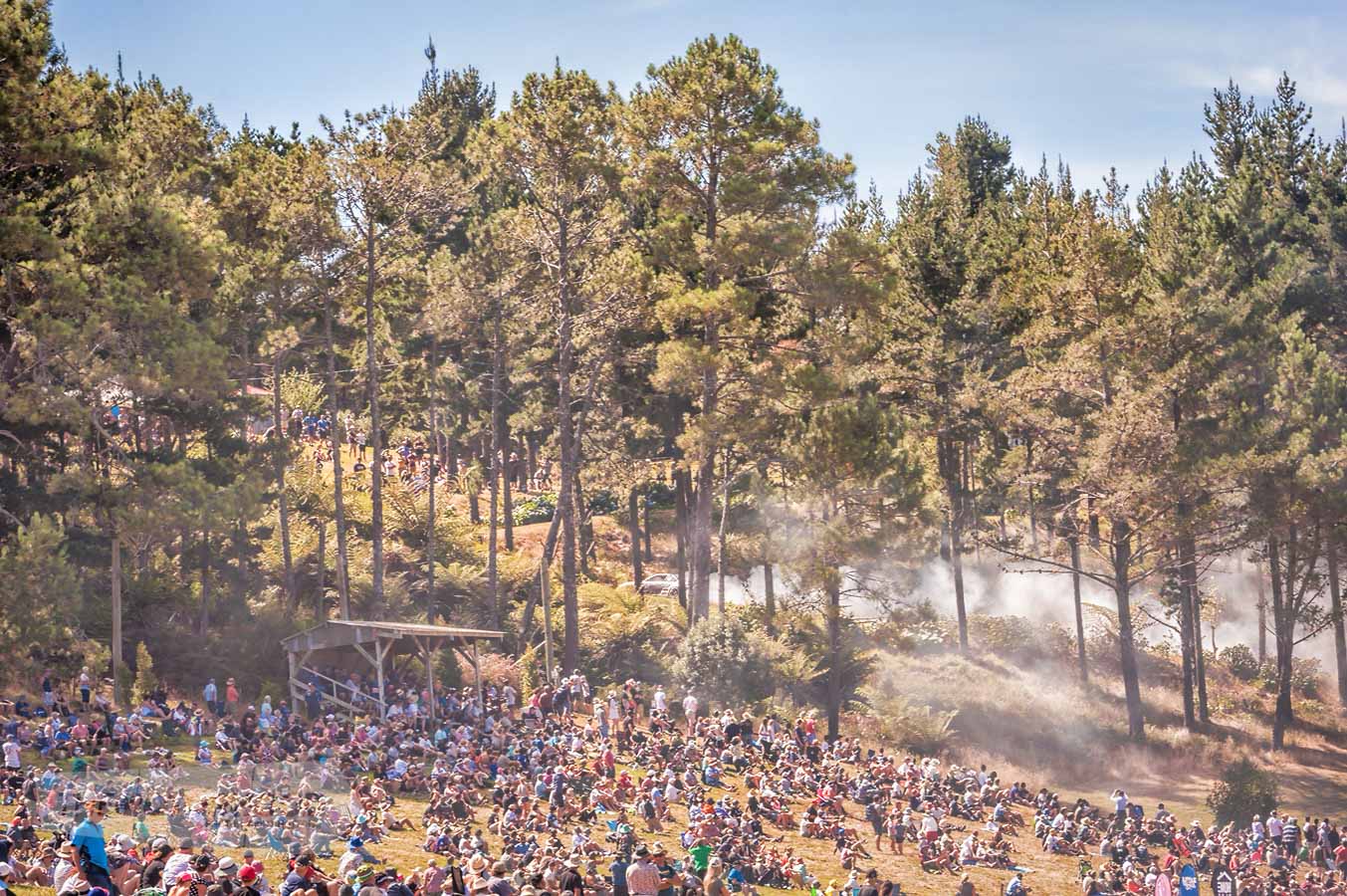
This year’s event was a hit with the crowds, too, seeing a reported doubling of spectator numbers from last year’s 14,000.
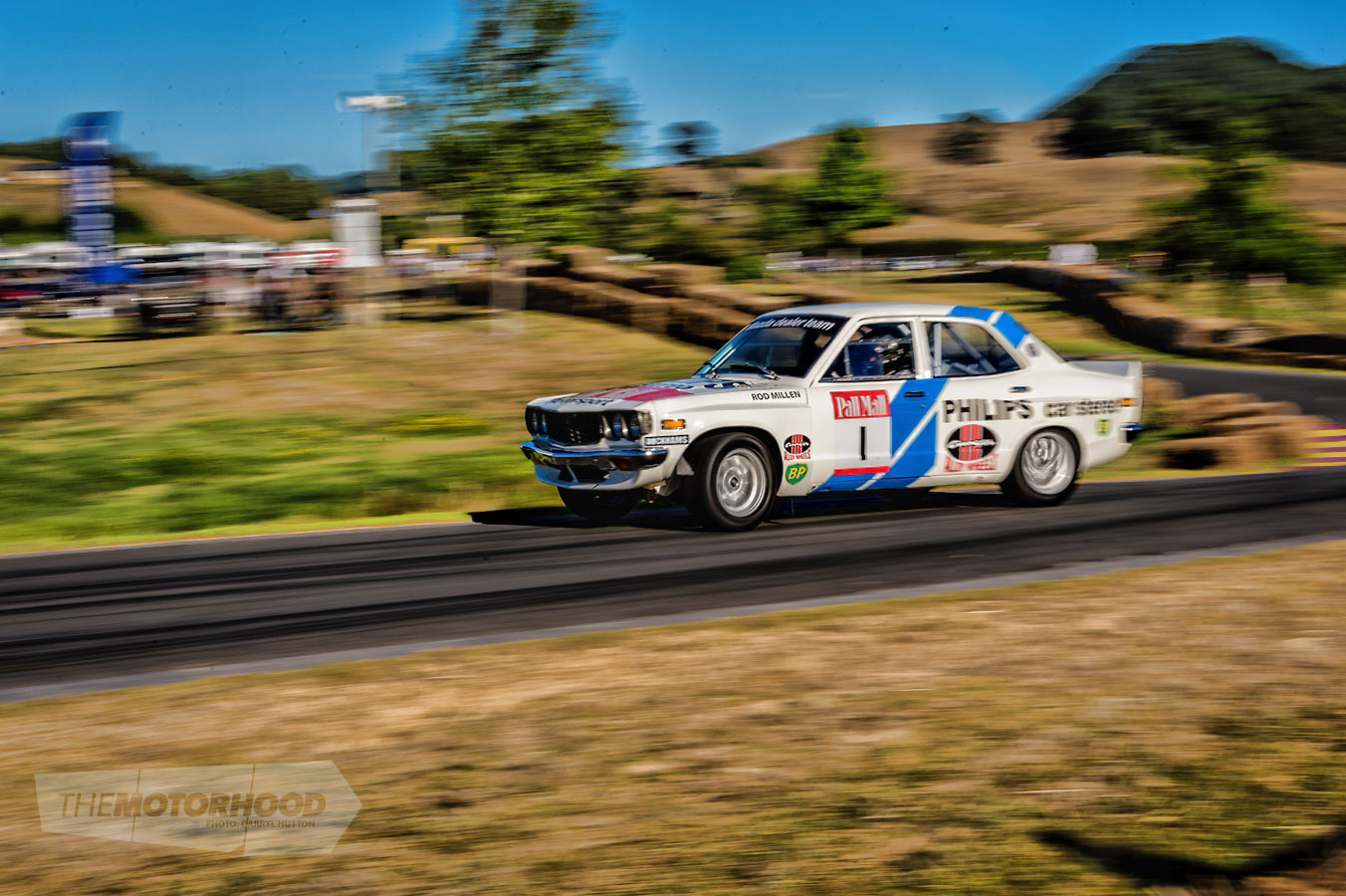
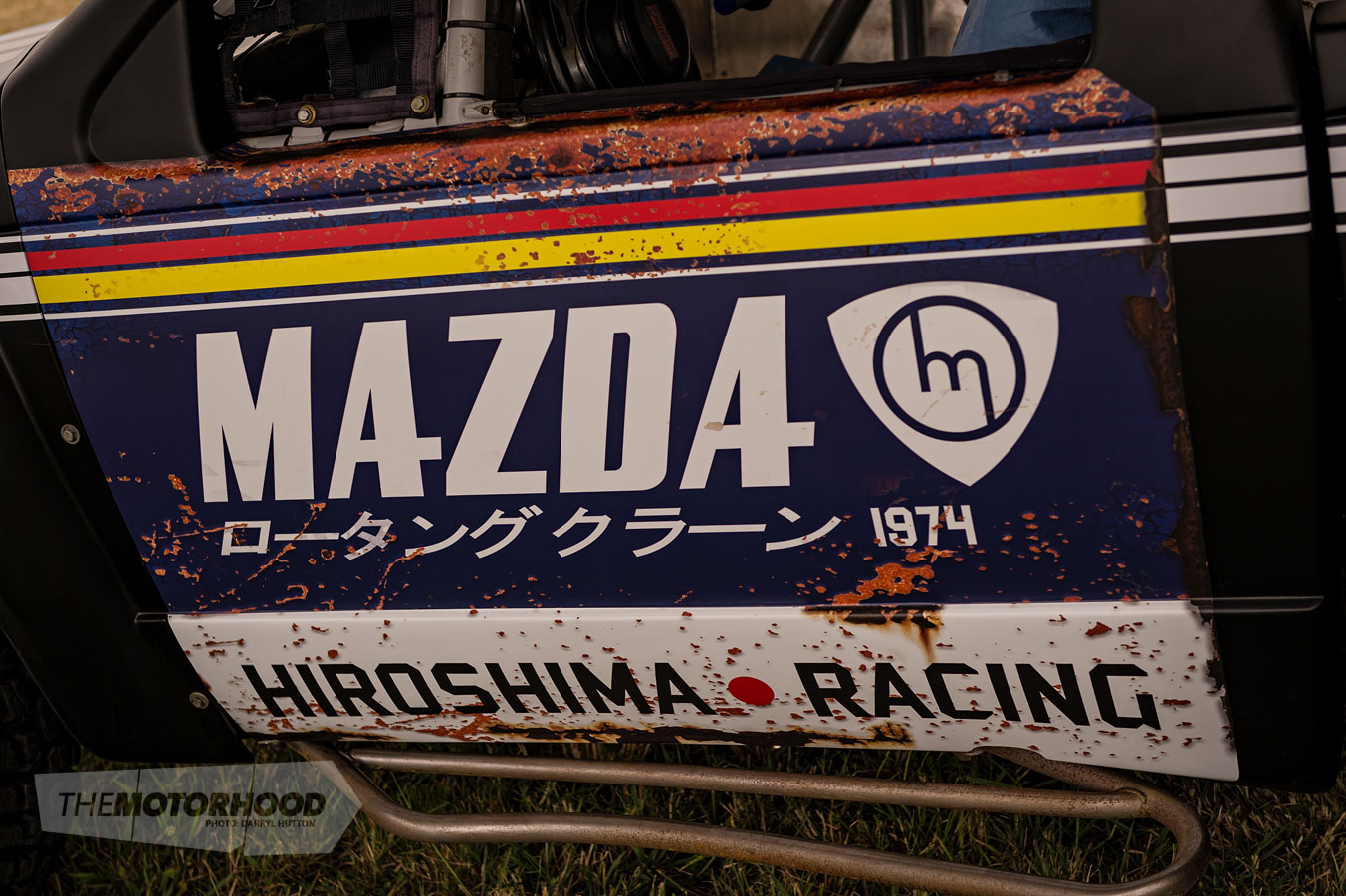
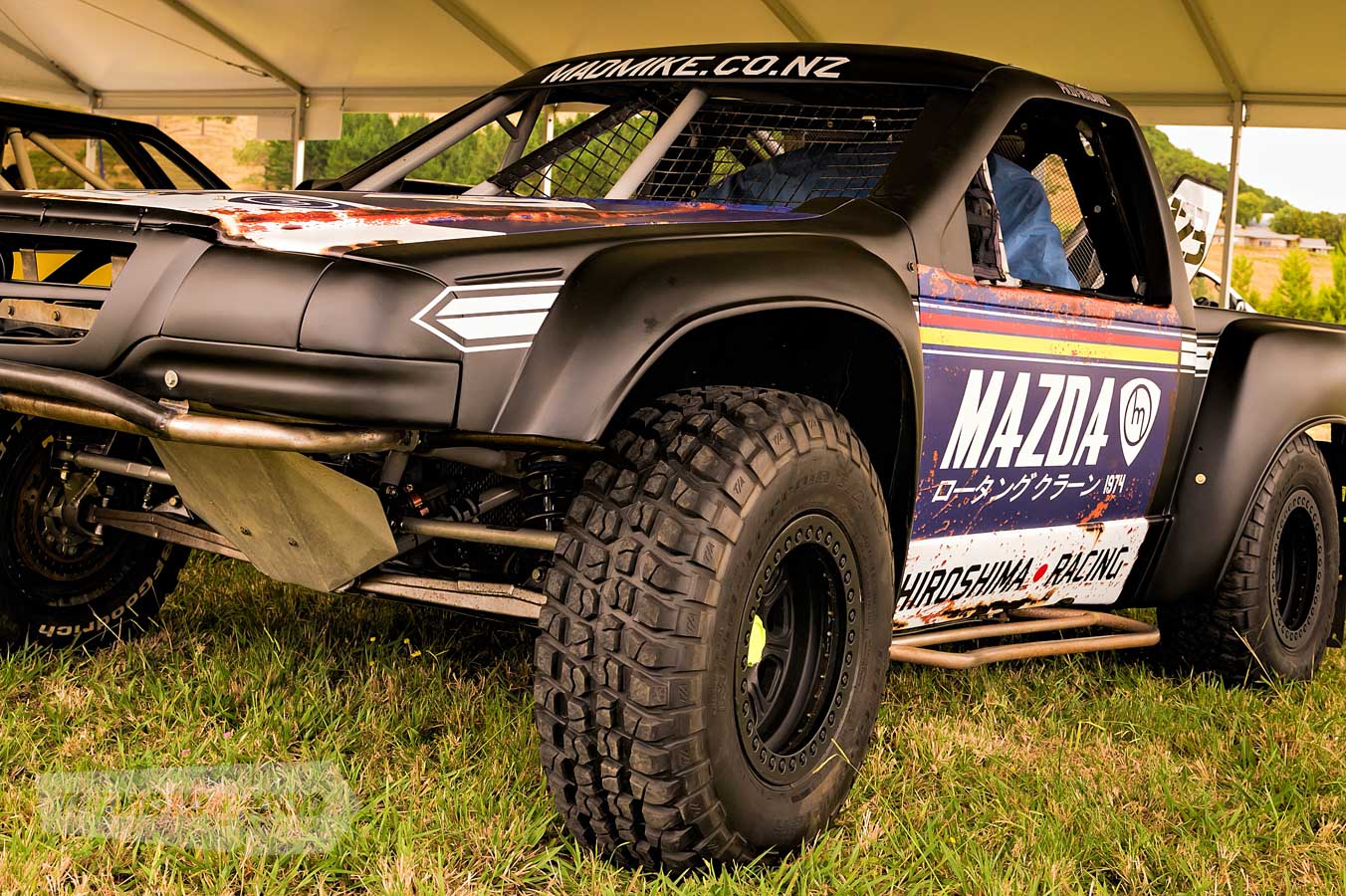
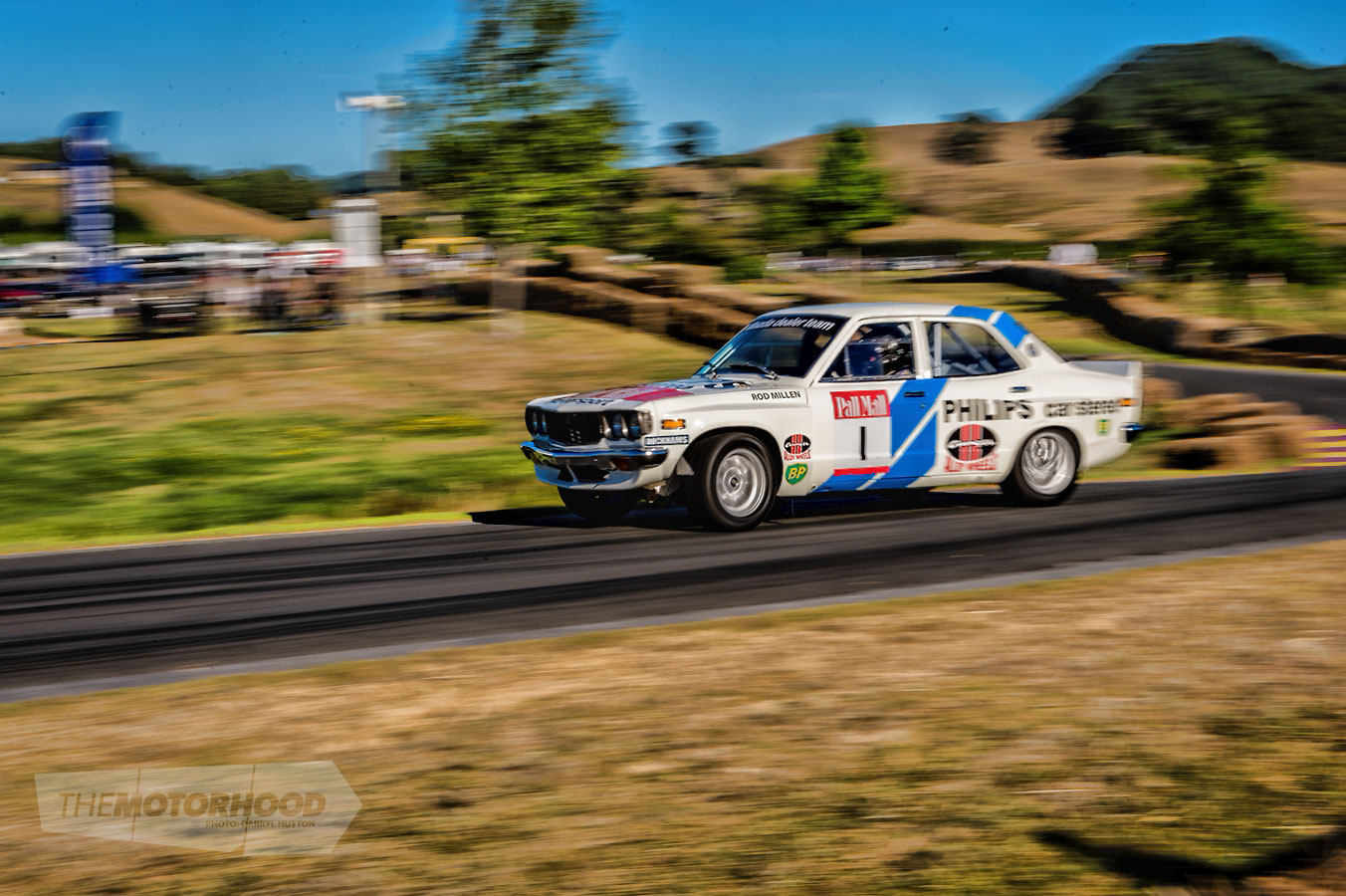
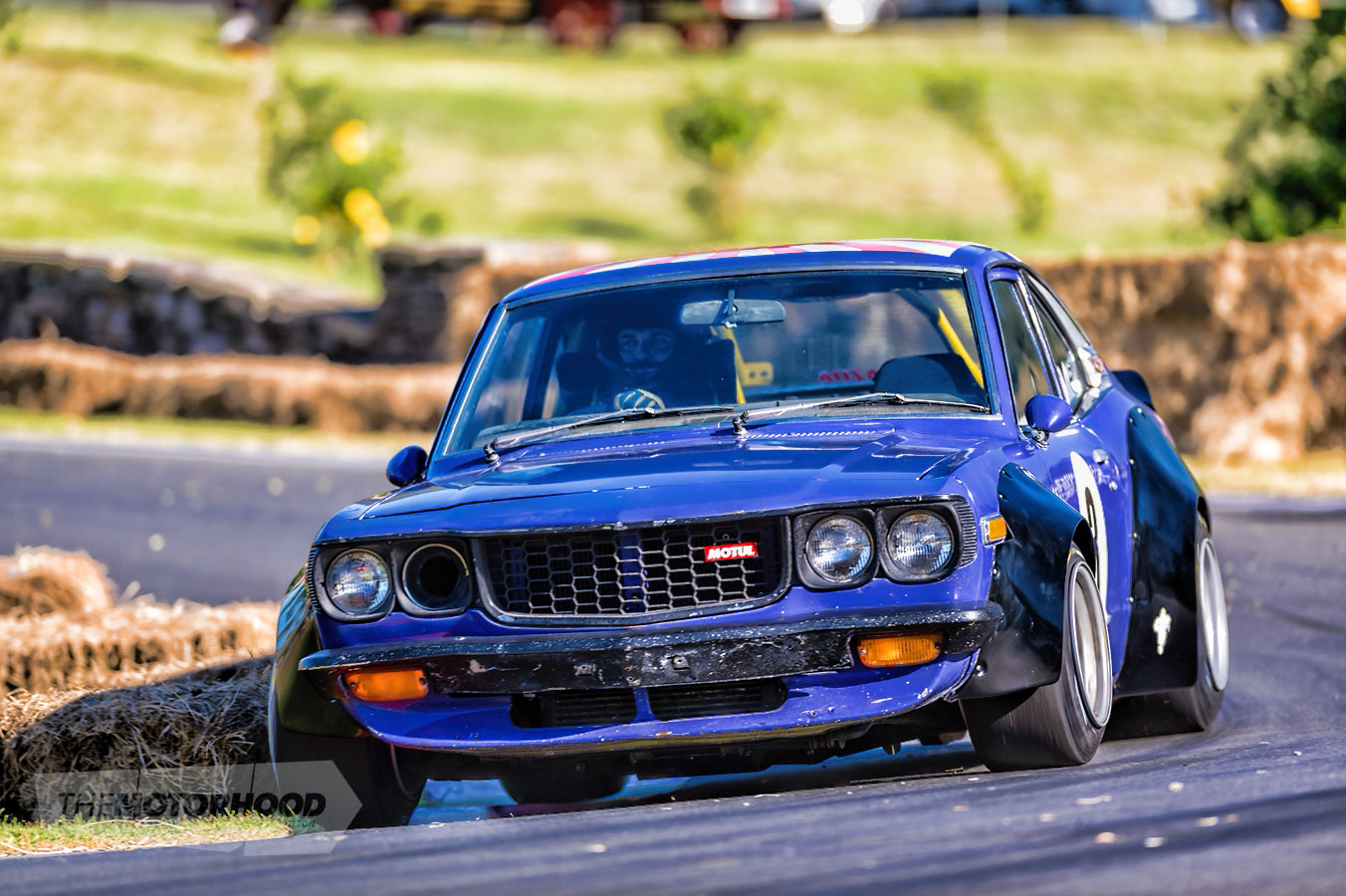
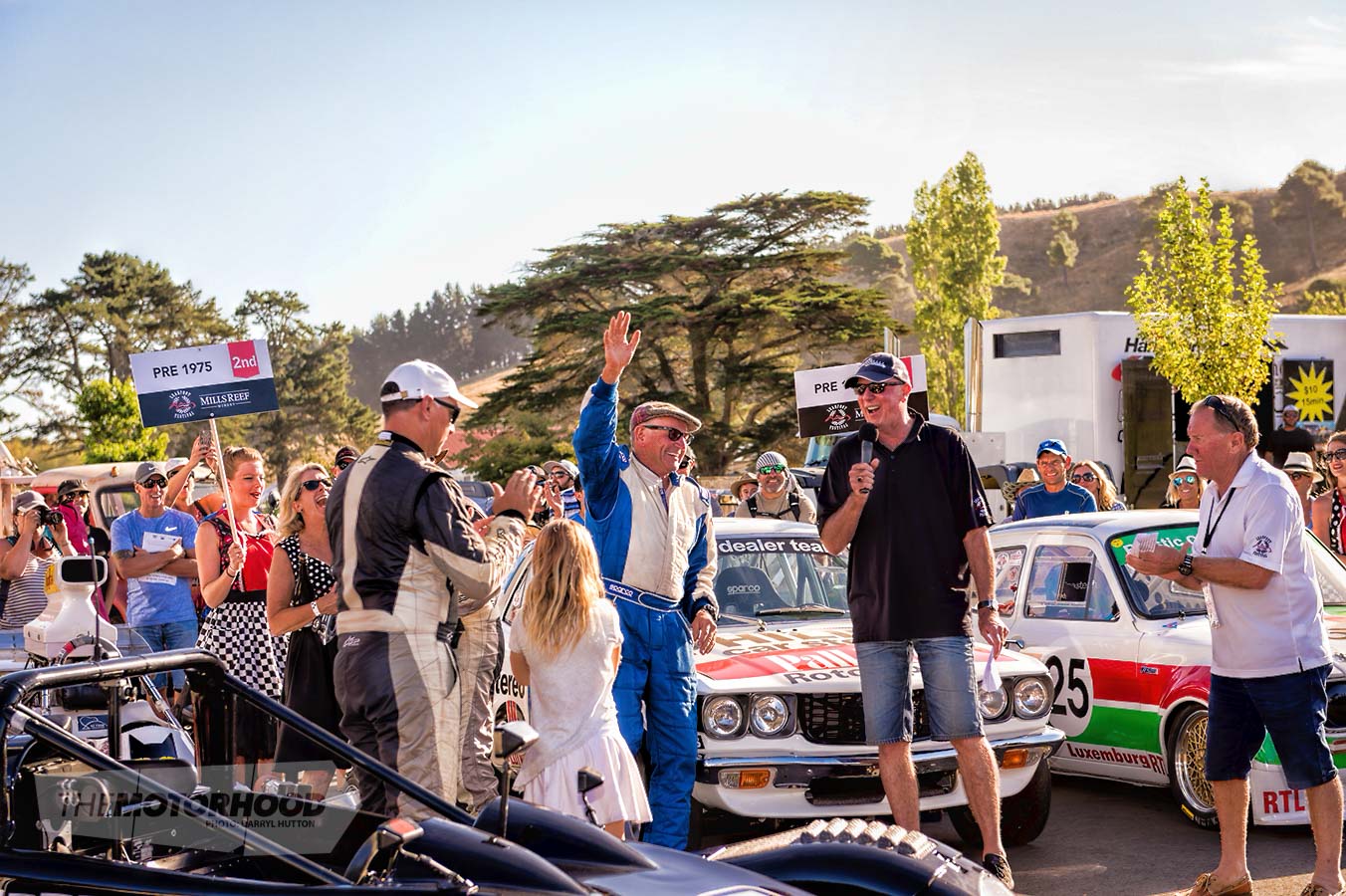
Even host, and previous event winner, Rod Millen was out of the top 10 this year due to his Celica being unavailable, but he still proved the man to beat in the 1960–1975 category in his 1975 Mazda RX3.
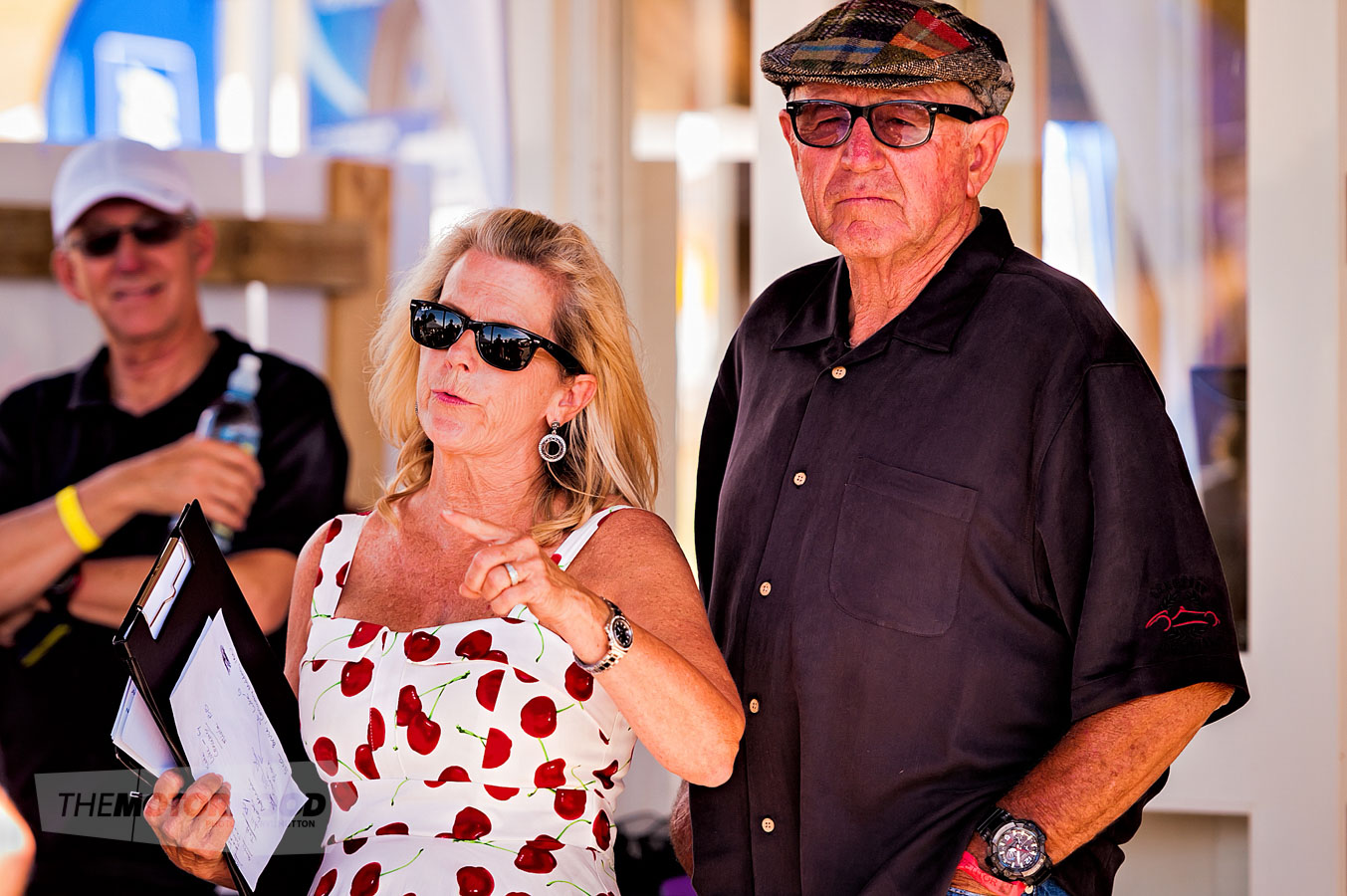
Millen says, “I’m proud of how well this event has been received. I want to say thank you for the incredible support from our corporate partners, from all our guests, our competitors, and our volunteers. The credibility that the Leadfoot Festival has now is so rewarding for my wife Shelly and I, and it truly is still a festival.”
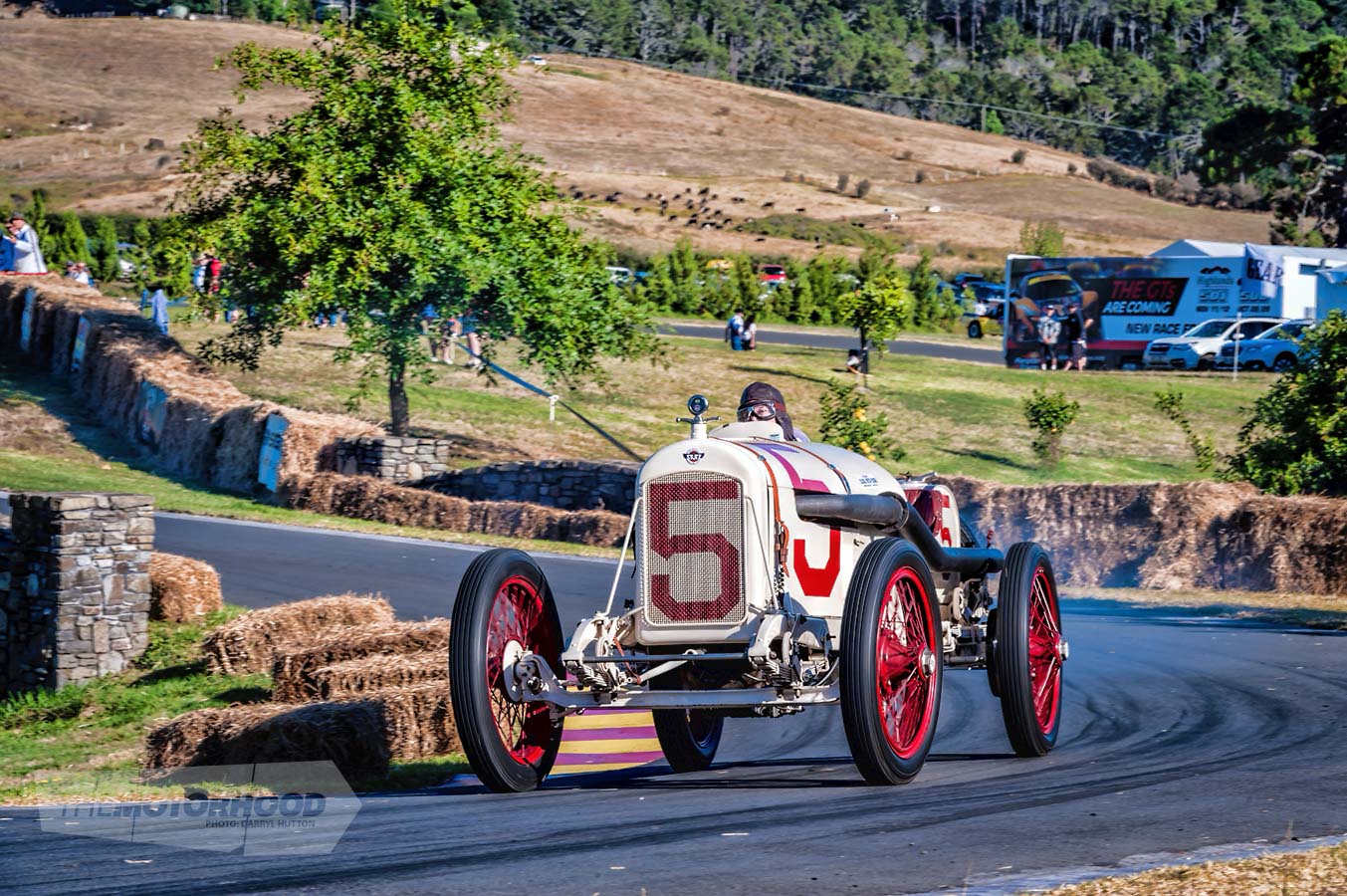
Millen was far from being the only driver with an international following, with two-time Indianapolis 500 winner Al Unser Junior enjoying the event, as well as his first time to New Zealand.
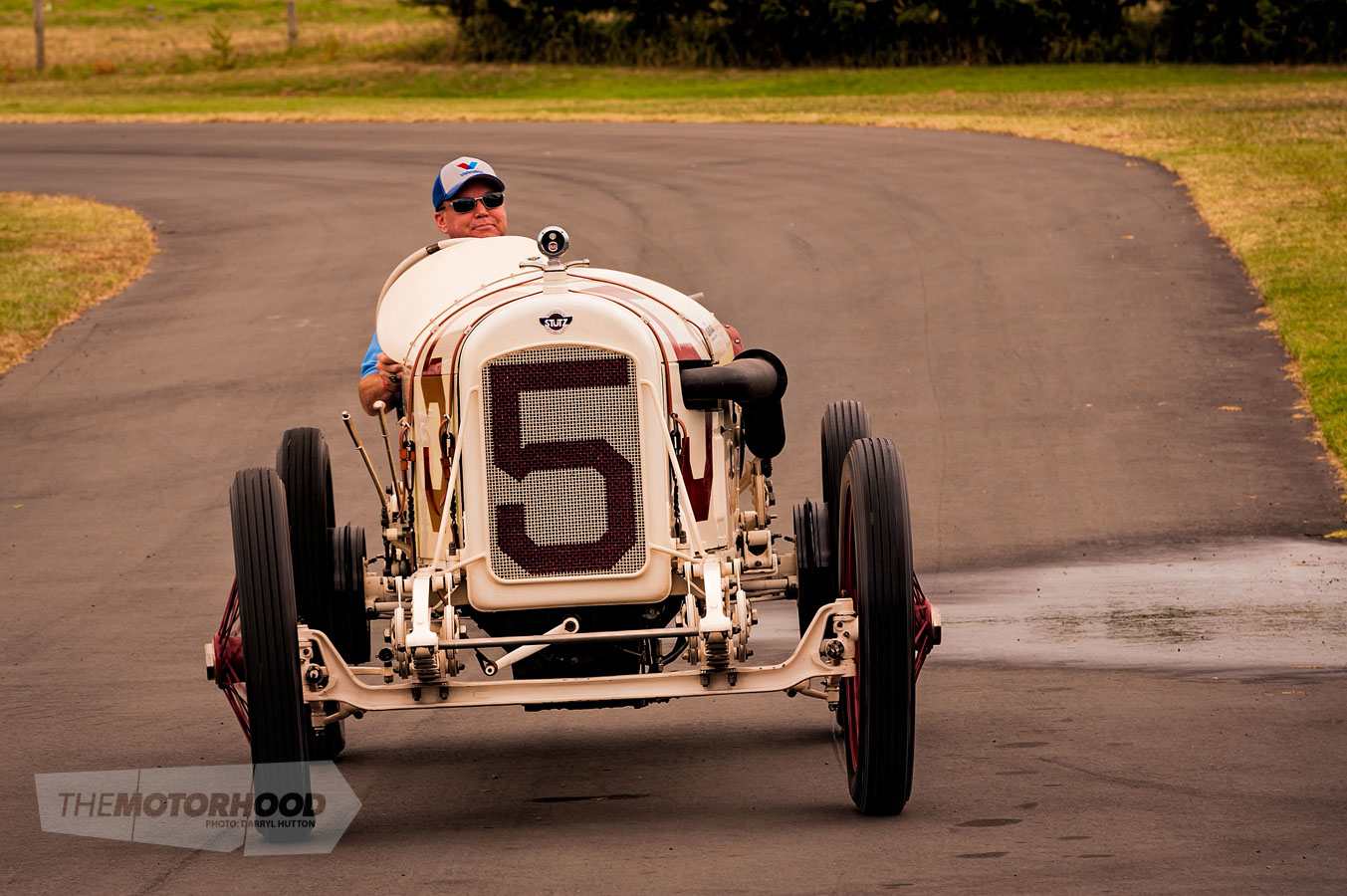
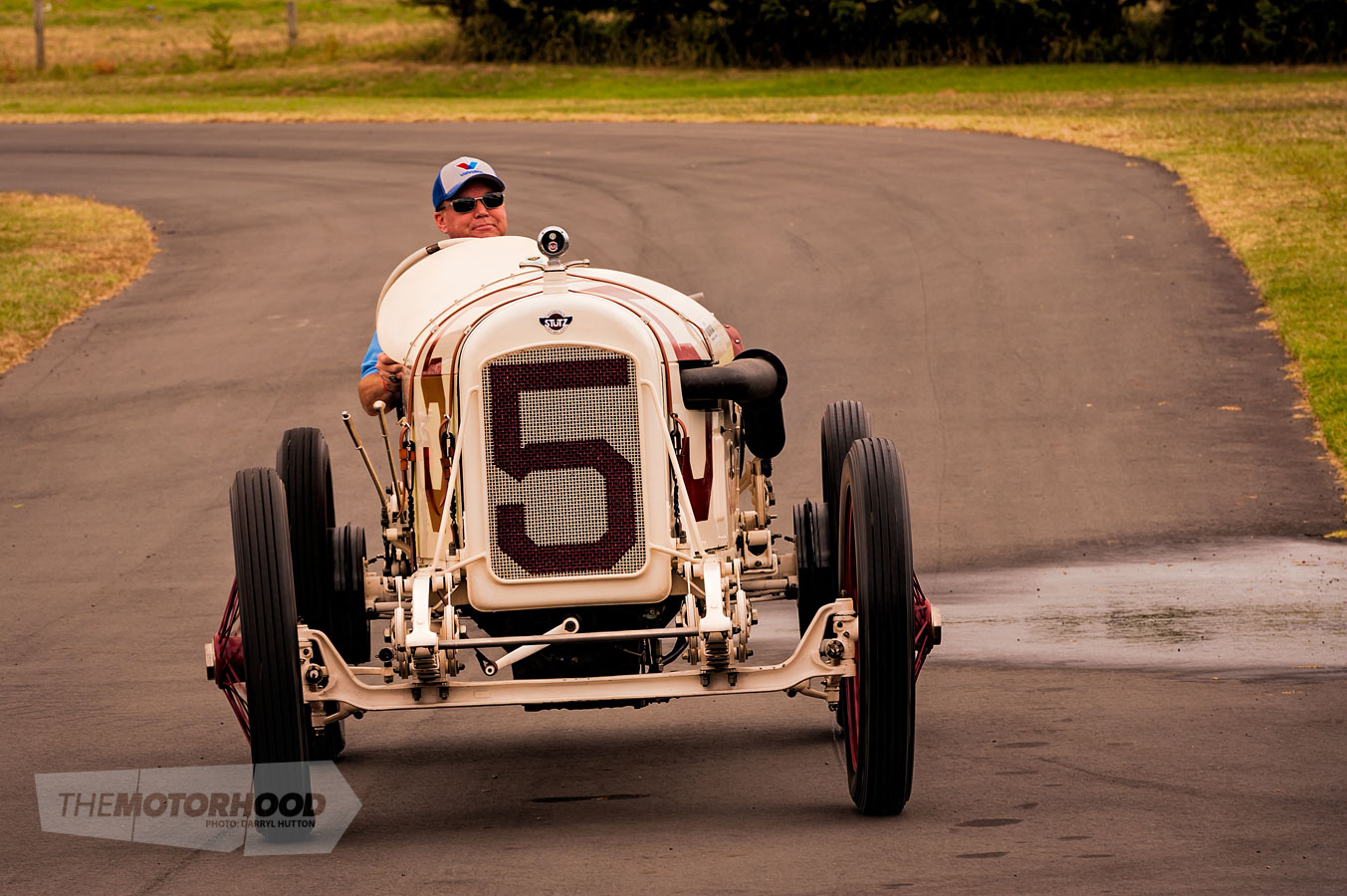
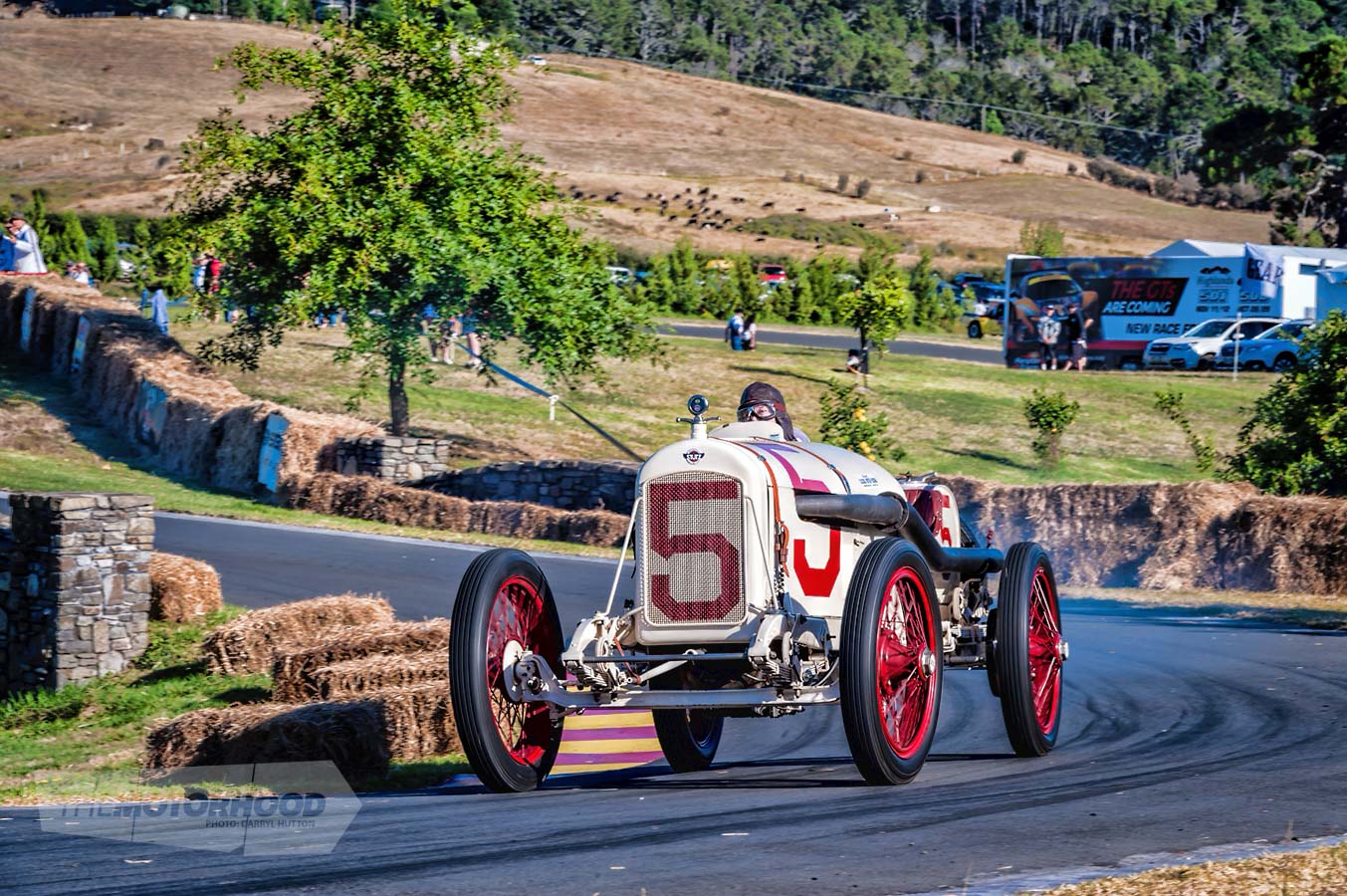
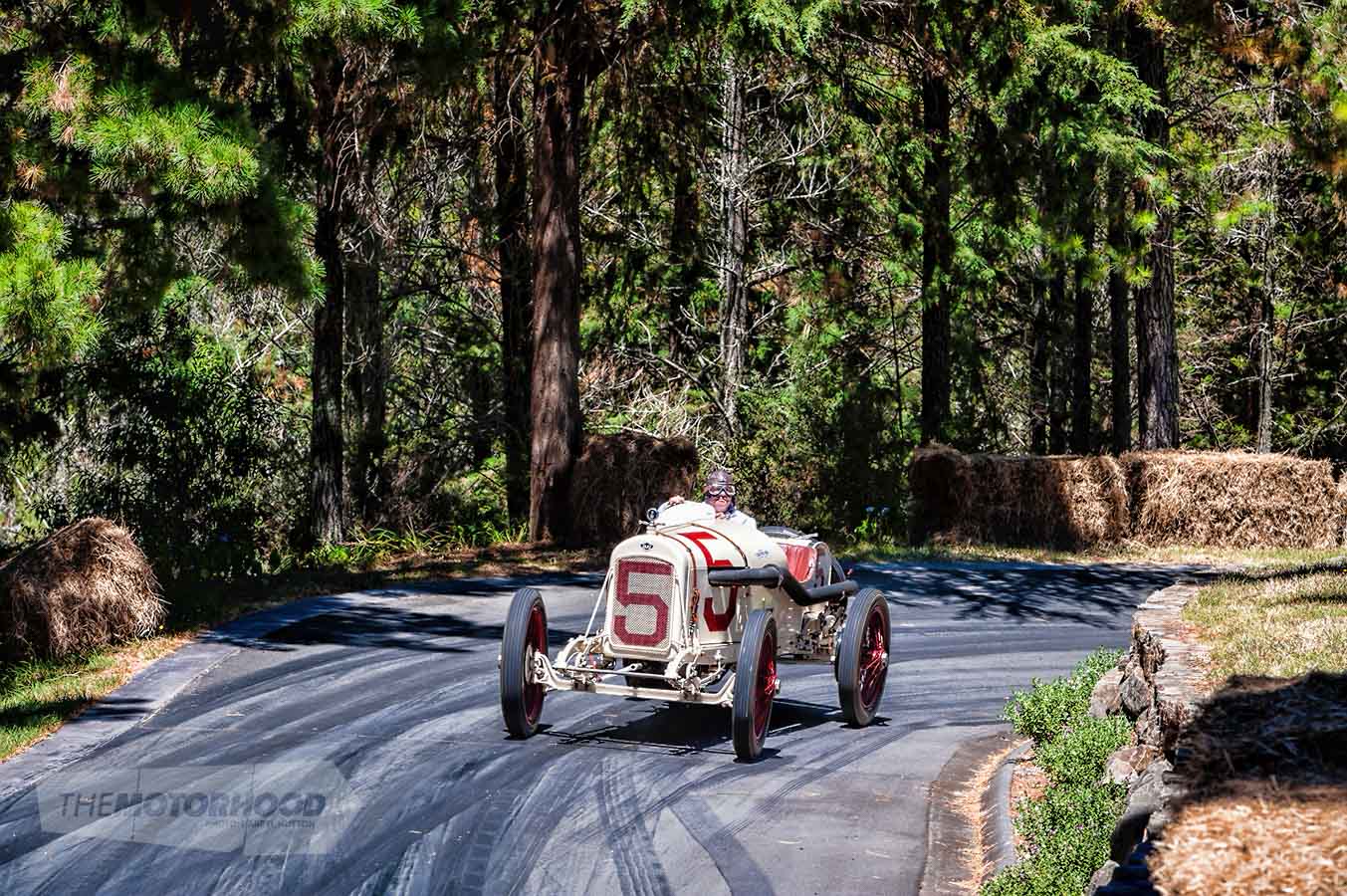
With racing contracts ruling him out of serious competition, he instead drove a 1915 Stutz, loaned to him by the Southward Museum for the event. “It’s an absolute treat to drive. I’ve been going up the driveway waving to the fans, and they were all waving back,” Unser says.
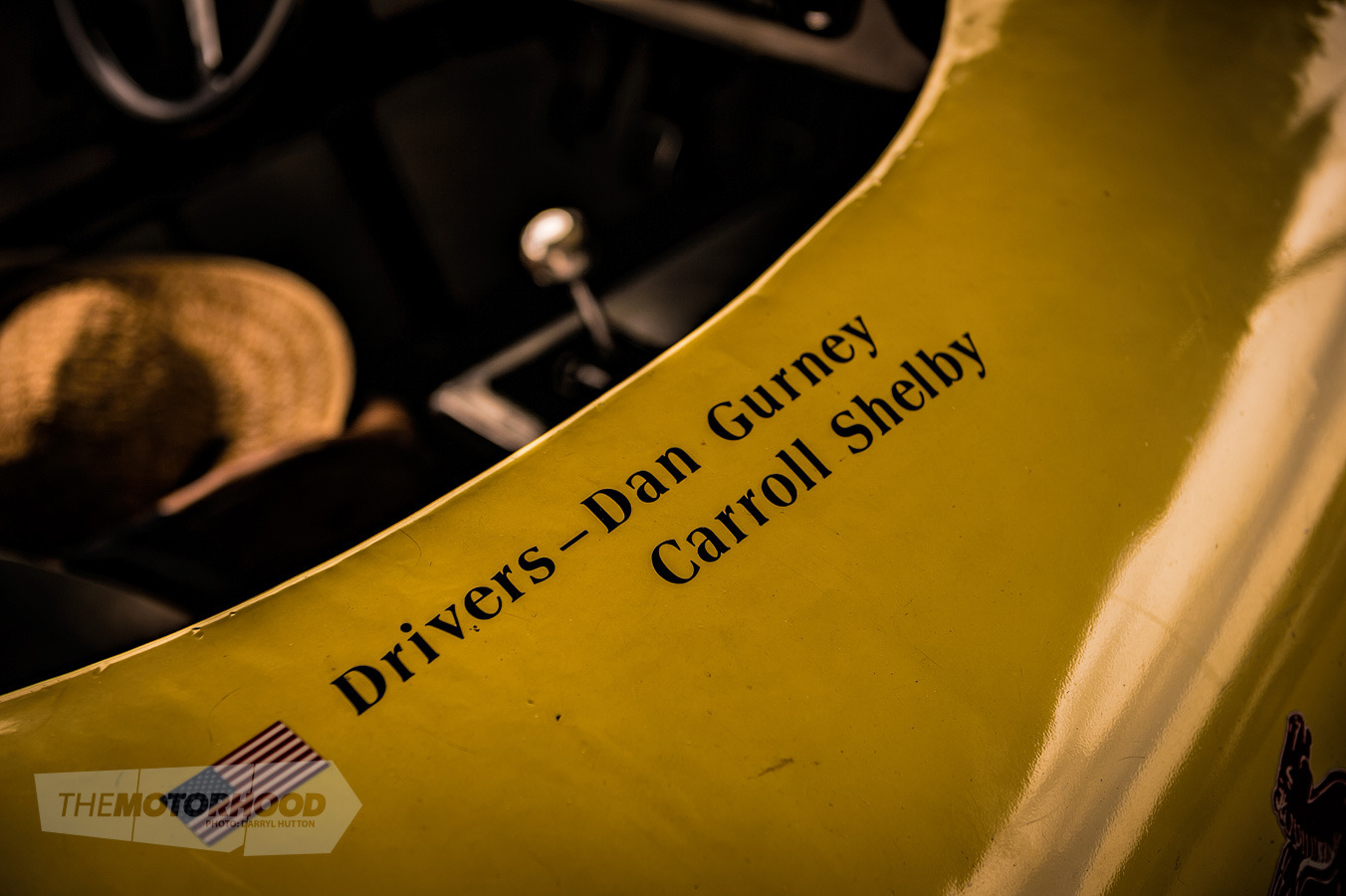
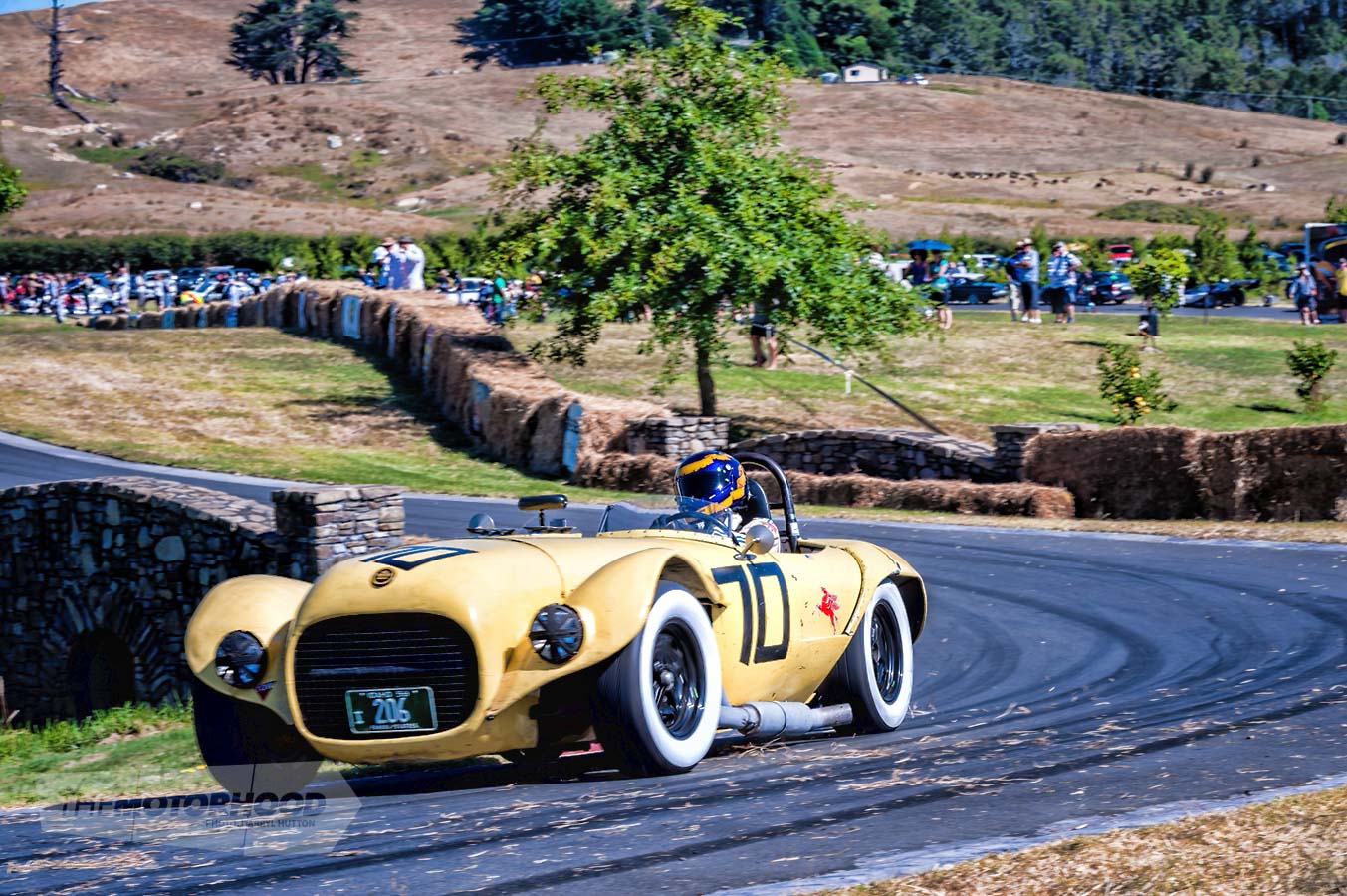
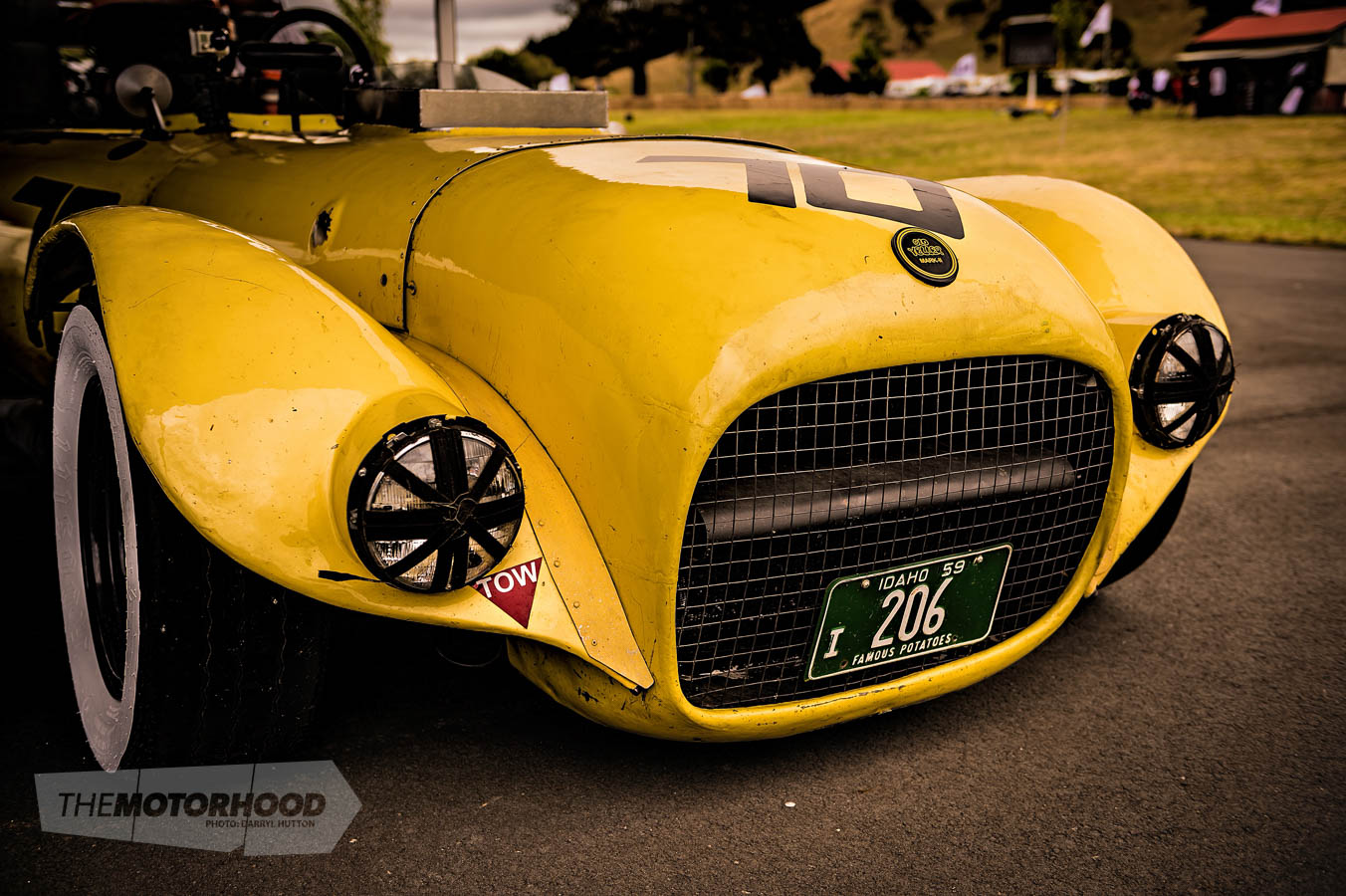
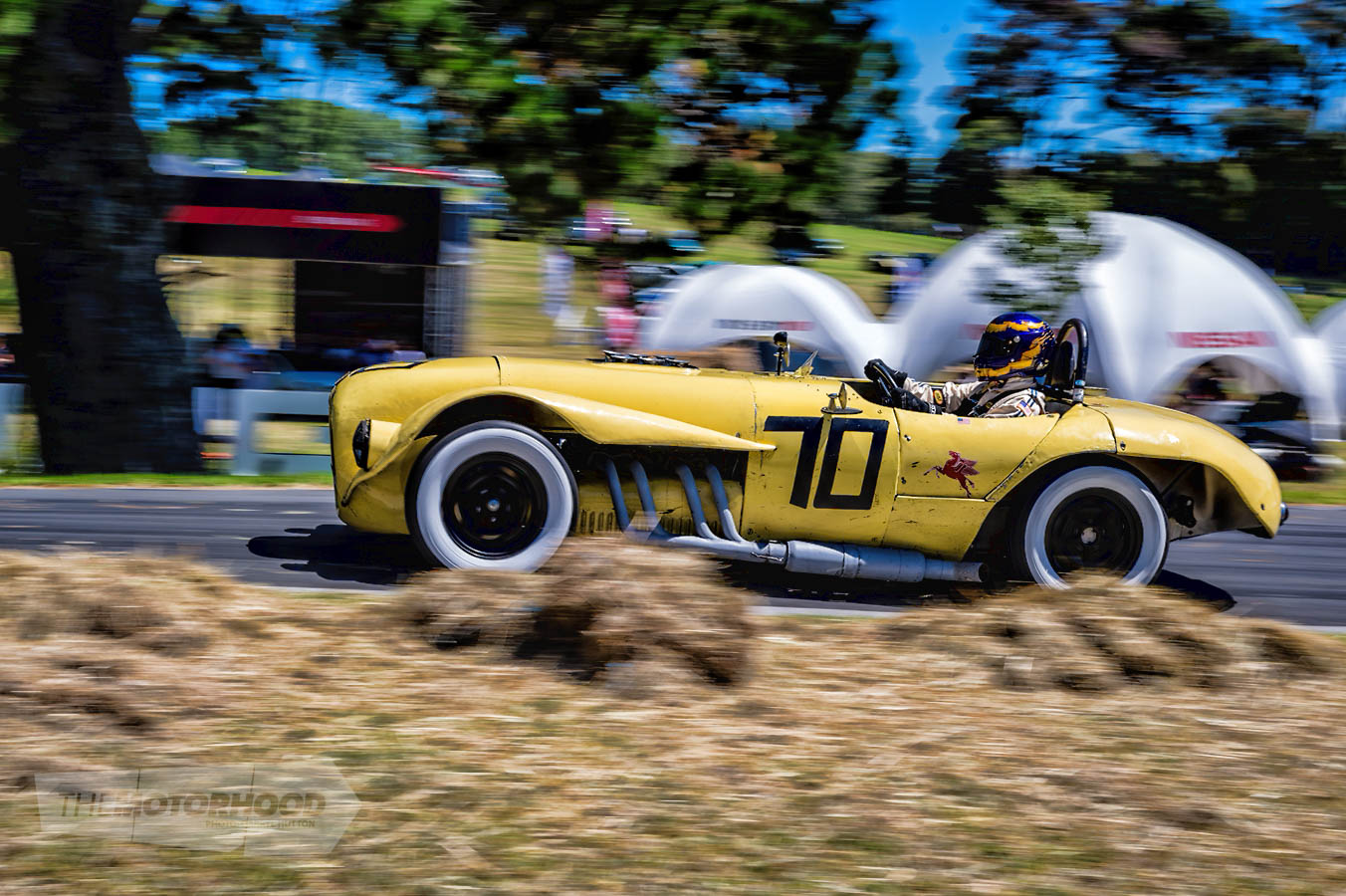
Enjoying coming back to New Zealand after multiple previous visits was Ernie Nagamatsu, who tackled the driveway behind the wheel of ‘Old Yella’, a car previously owned and driven by none other than Carroll Shelby and Dan Gurney. To the uninitiated, it looks like an old wreck, but those in the know would be aware that it was one of the most historically significant vehicles in attendance.
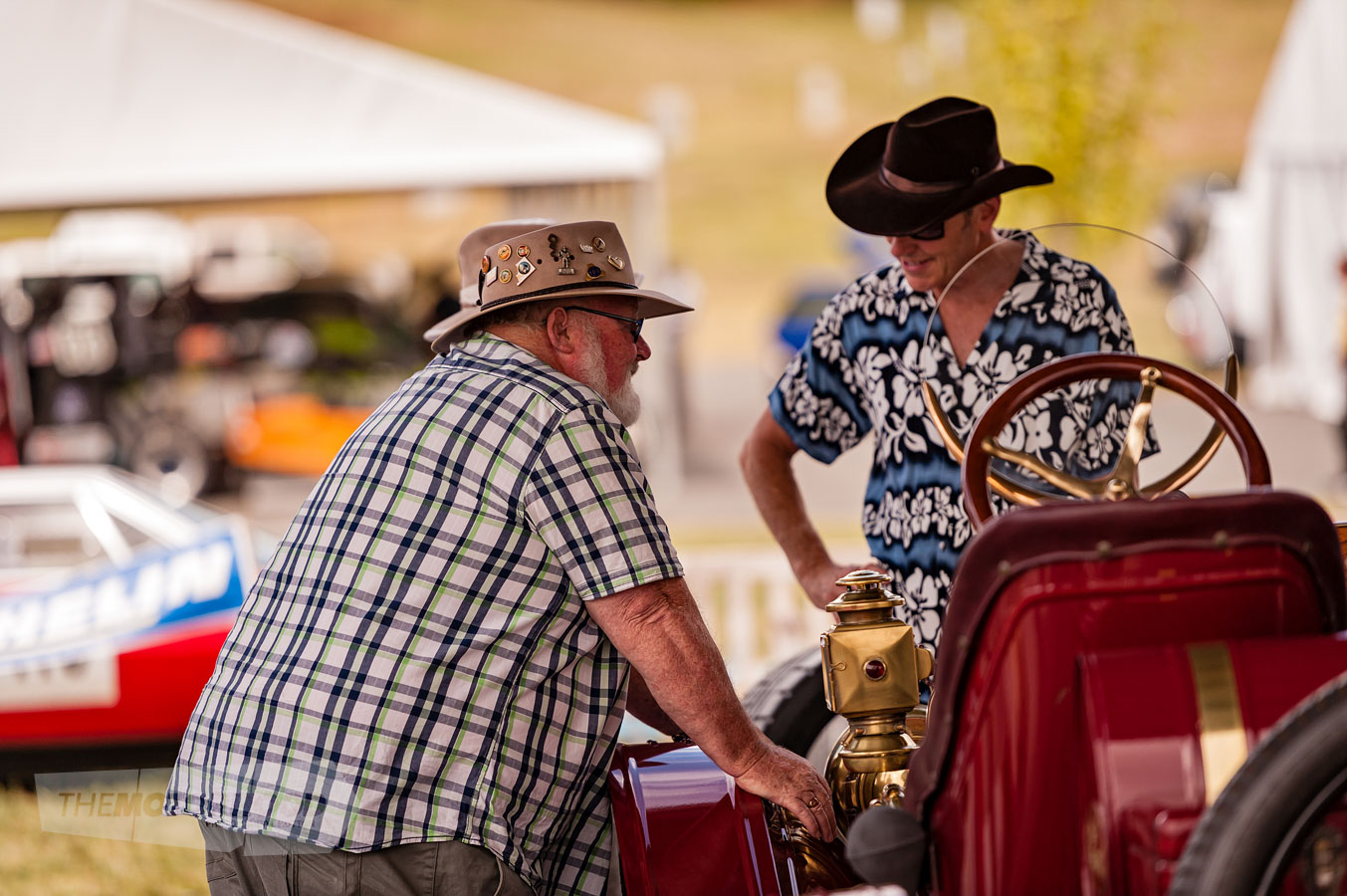
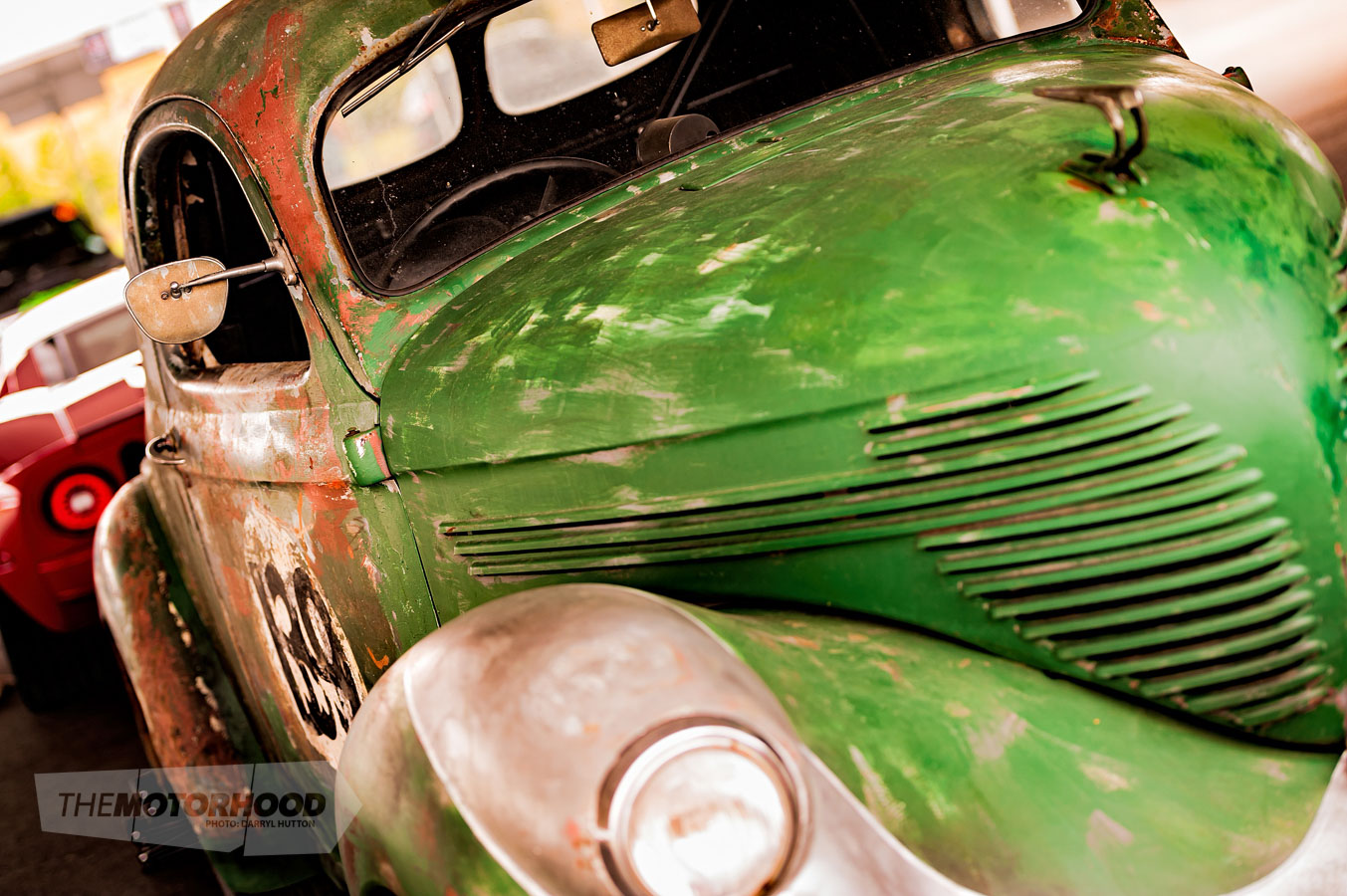
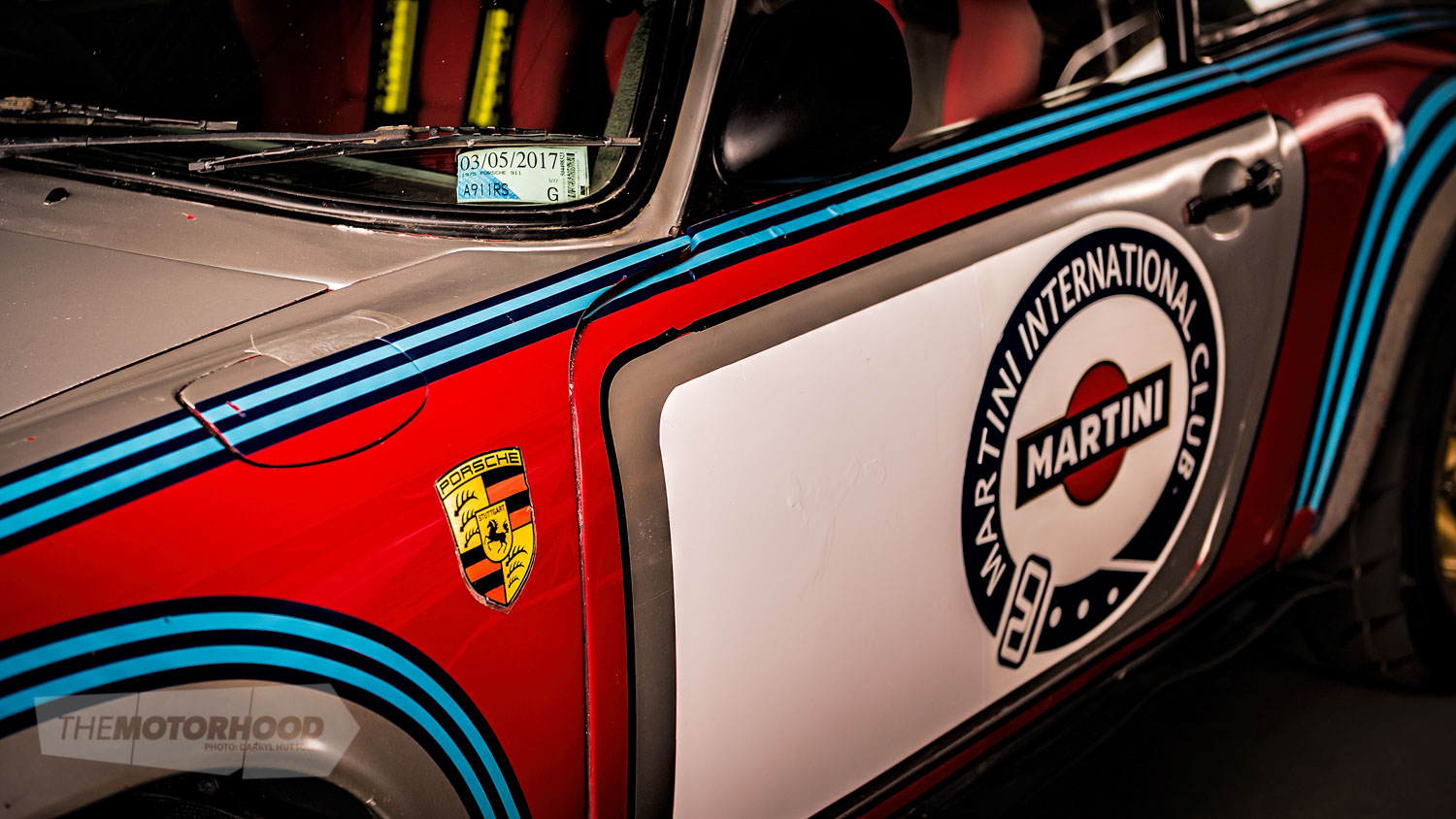
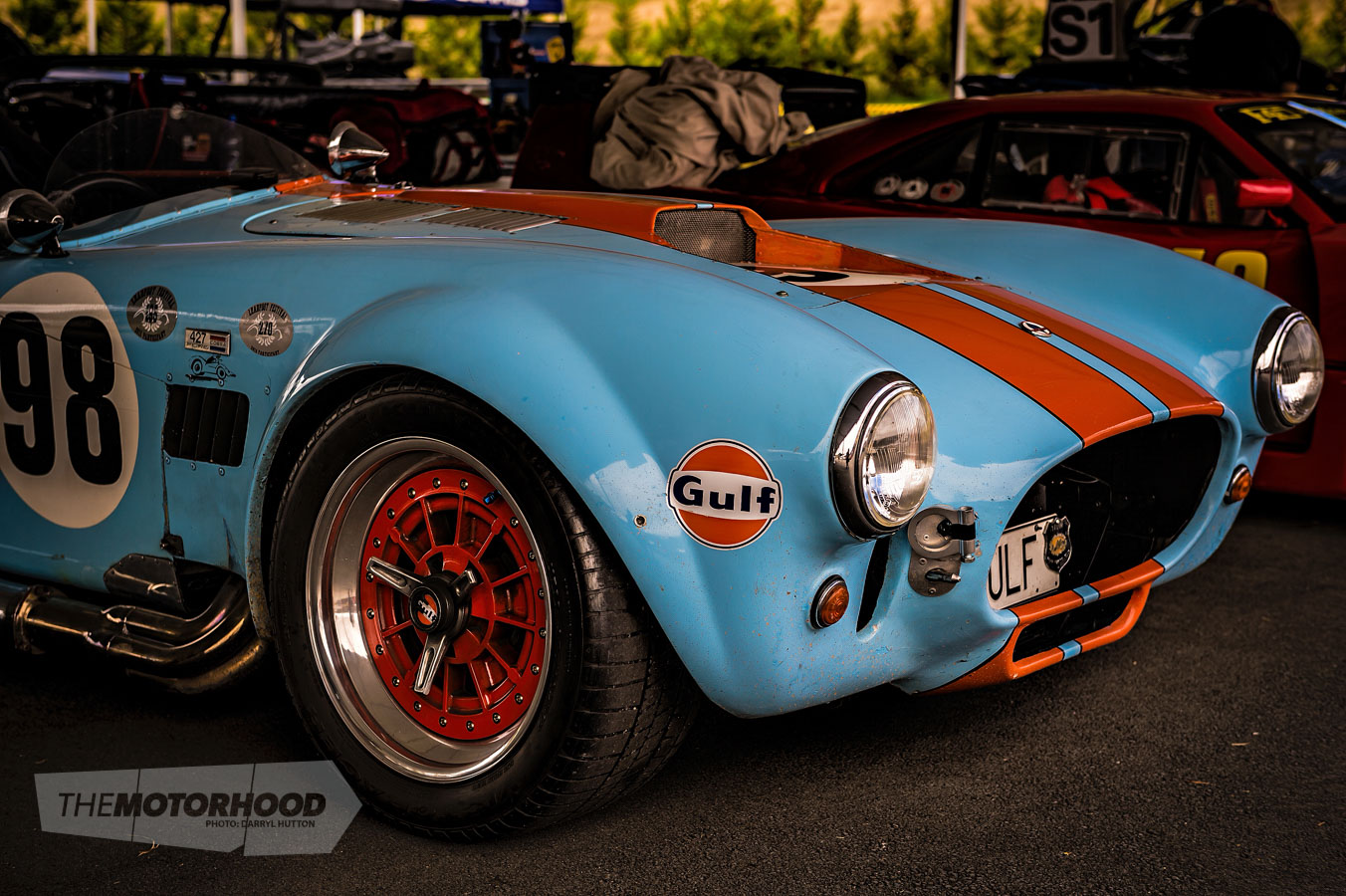
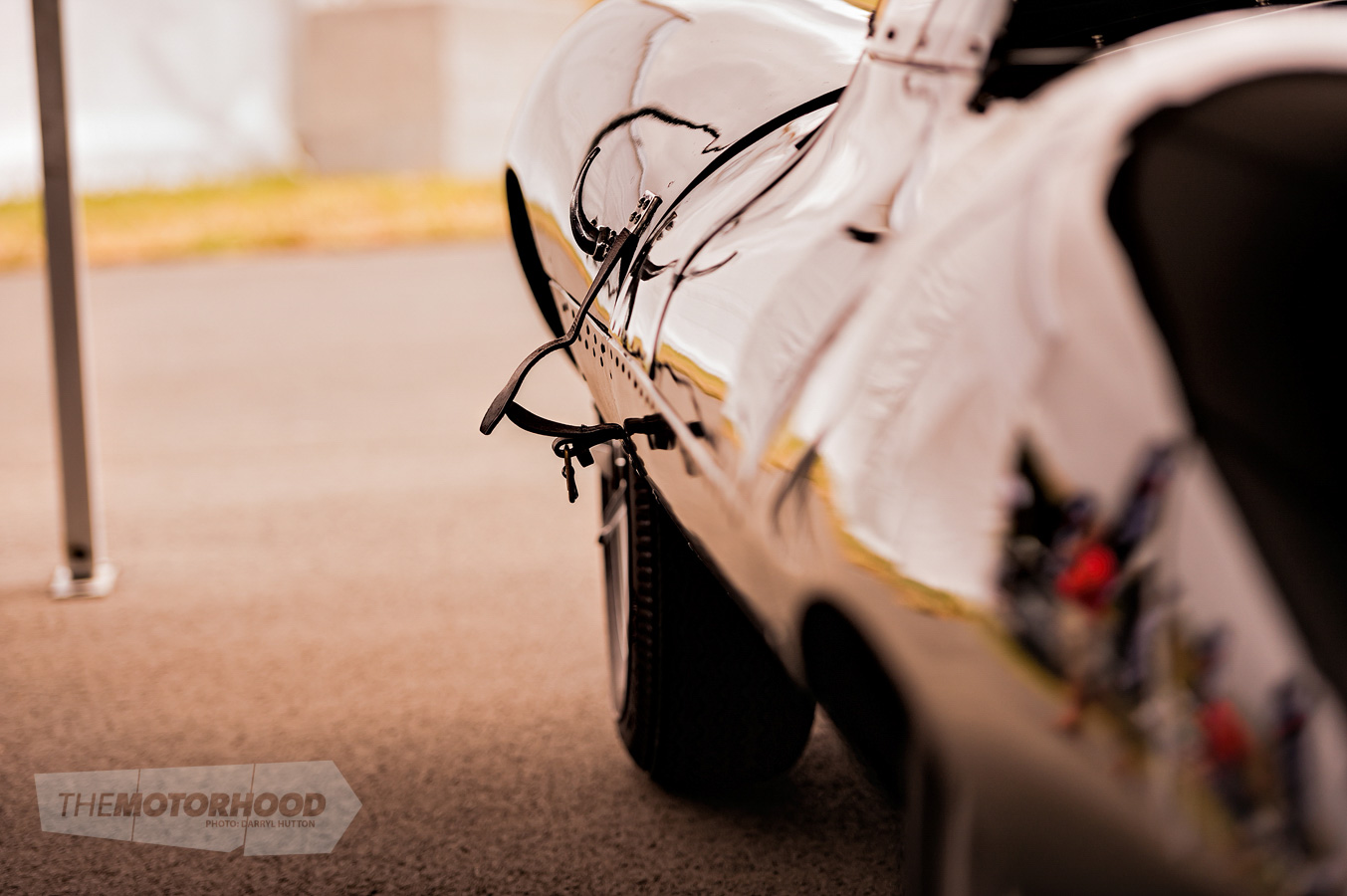
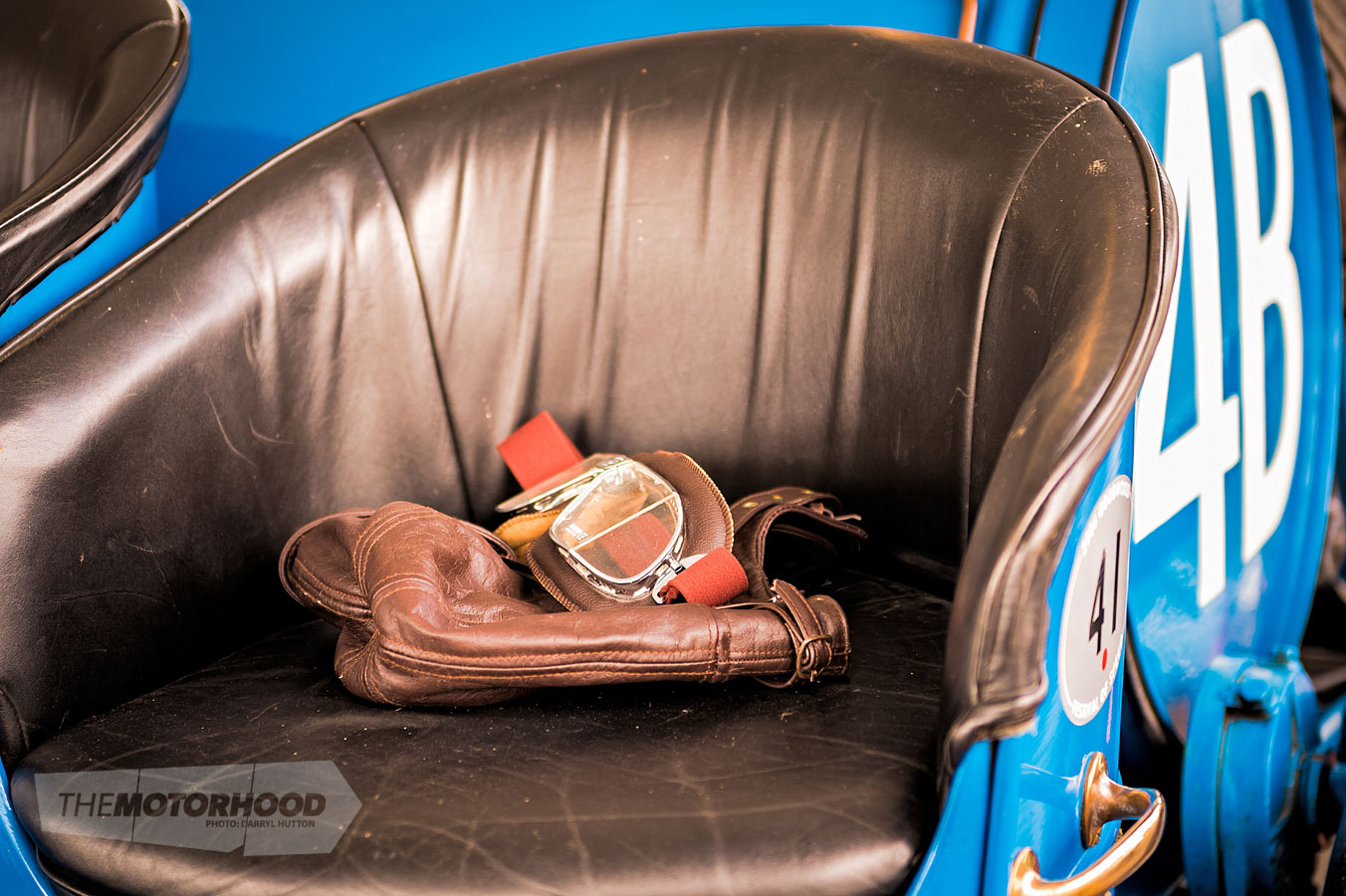
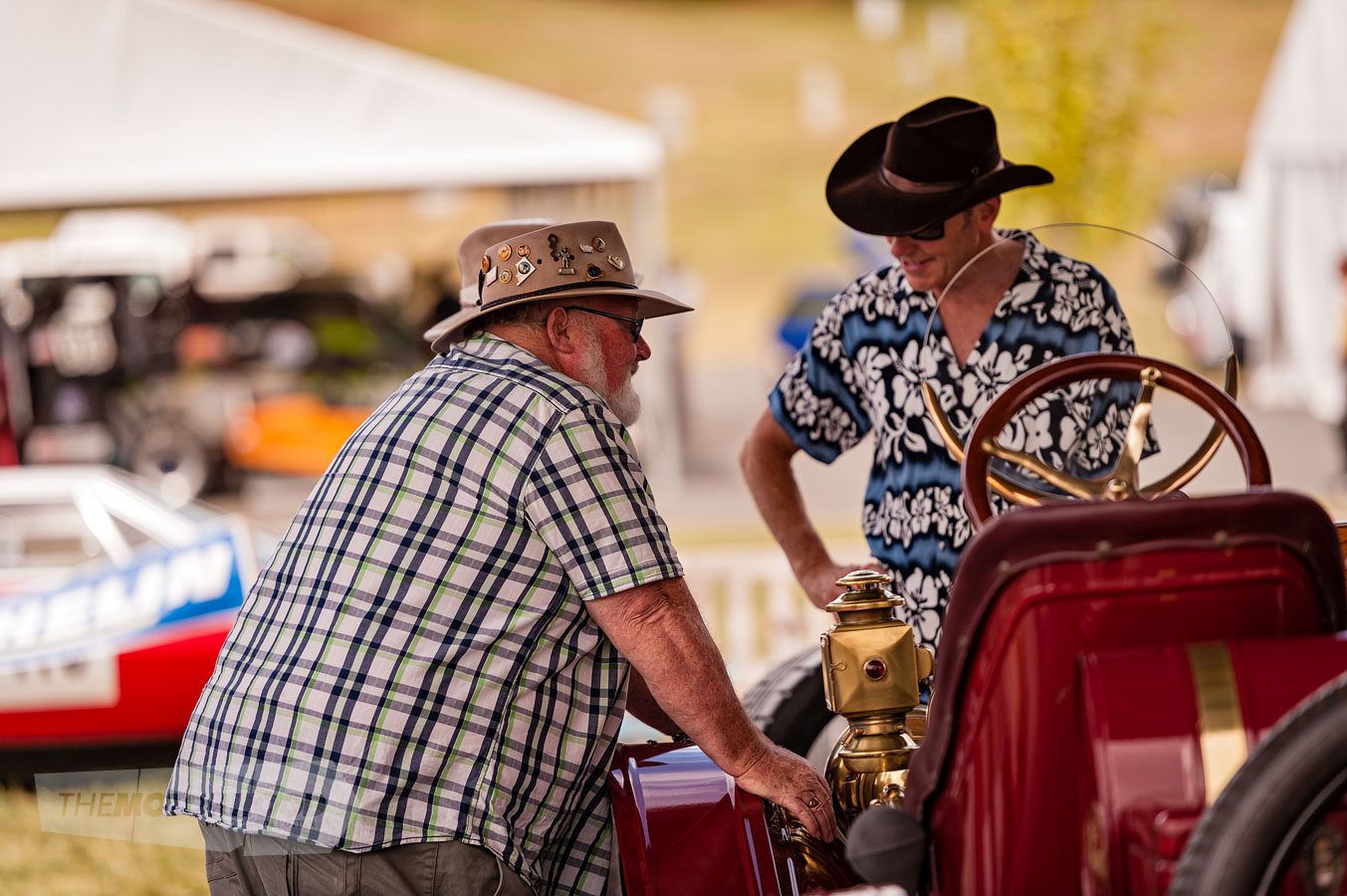
And that sums up what the event’s about — interaction with the crowds, and giving spectators the chance to get up close to the vehicles in the pit area is a big drawcard for many.
Top 10 shootout times
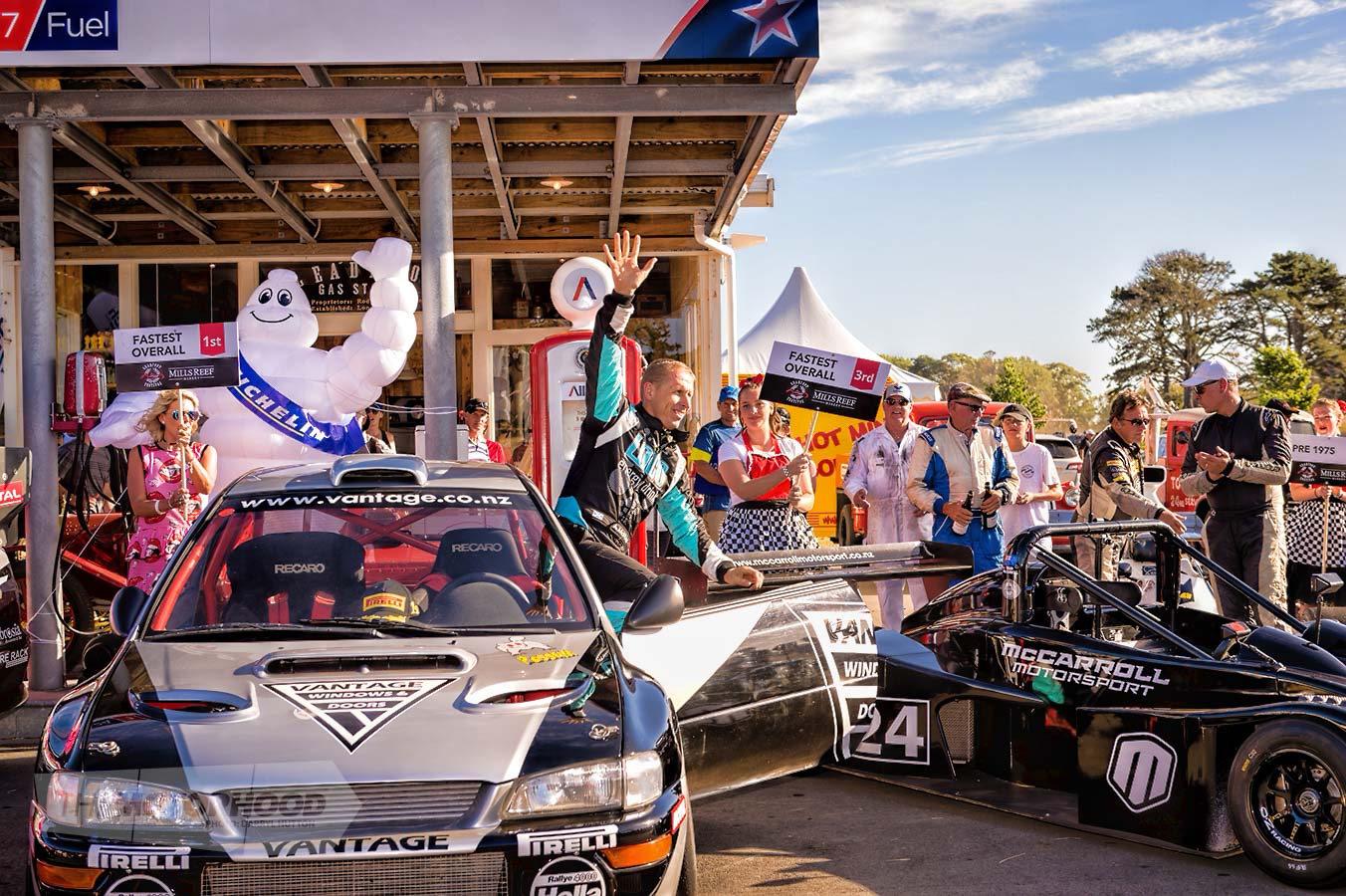
1. Alister McRae, 1998 Vantage Motorsport Subaru WRX Impreza: 49.43s
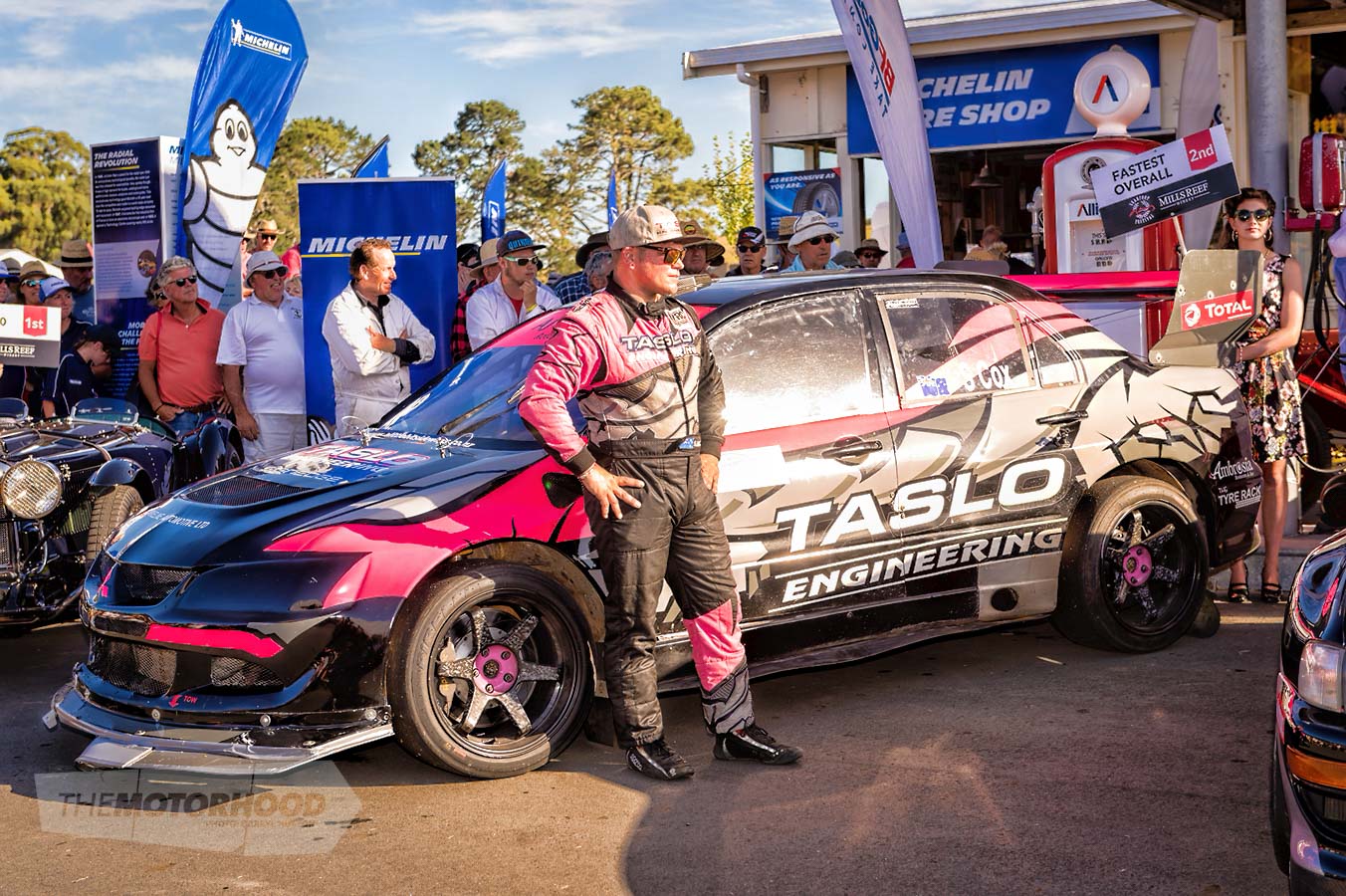
2. Sloan Cox, 2004 Hill Climb Special Evo 8: 50.83s
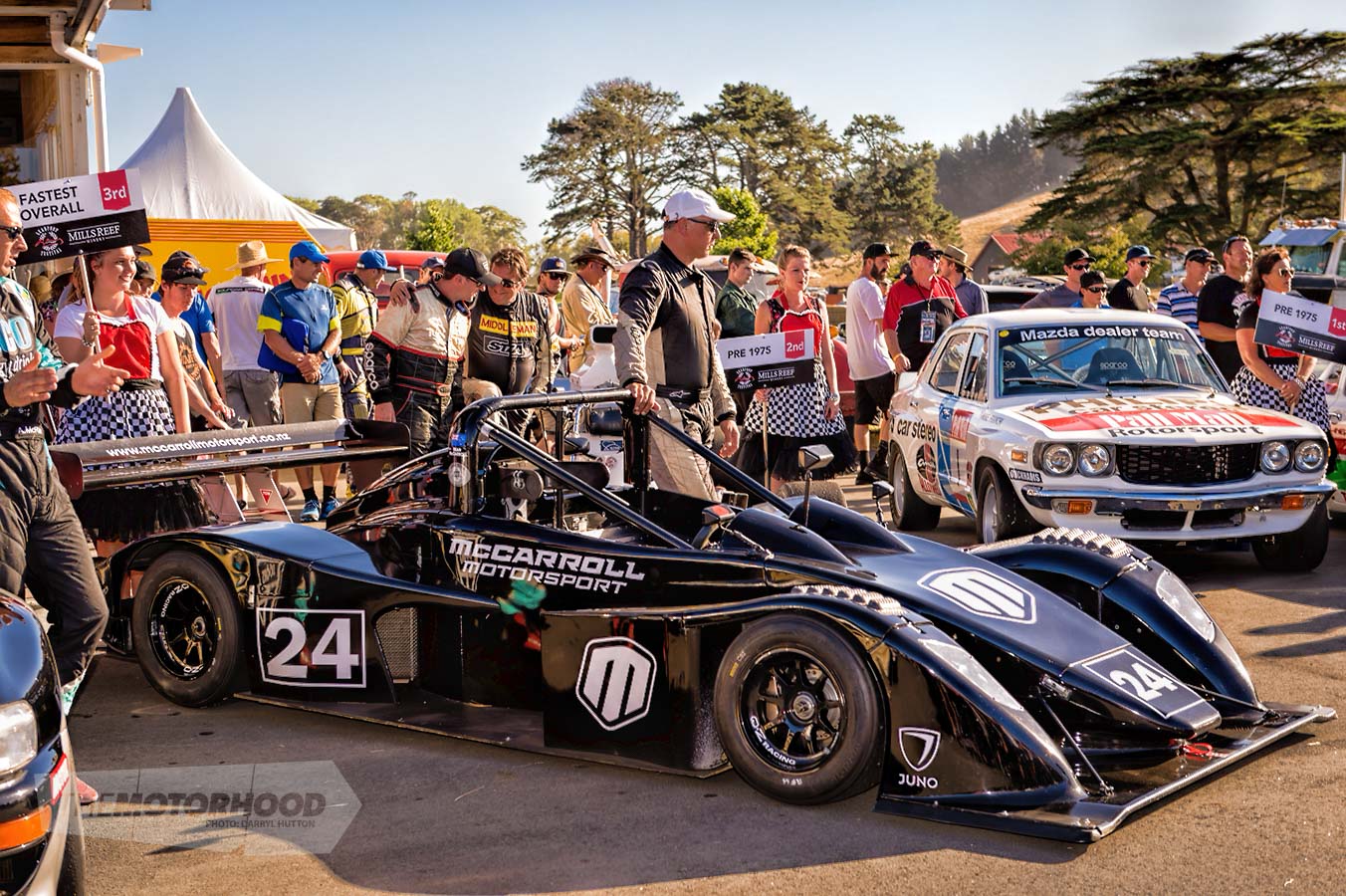
3. Dean McCarroll, 2008 Juno SSE: 51.60s
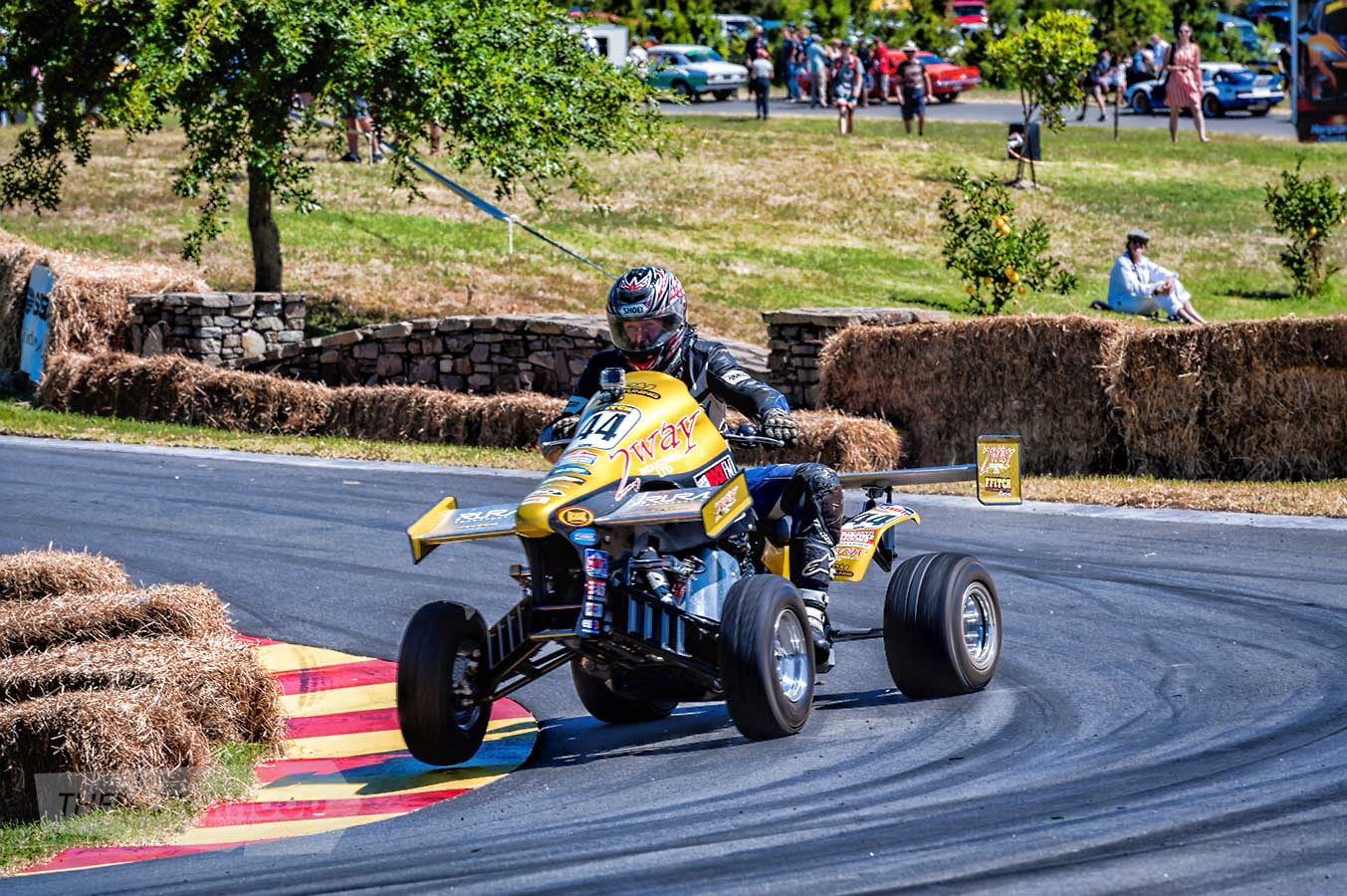
4. Ian Ffitch, 2002 BRM 1000 Super Quad: 51.72s
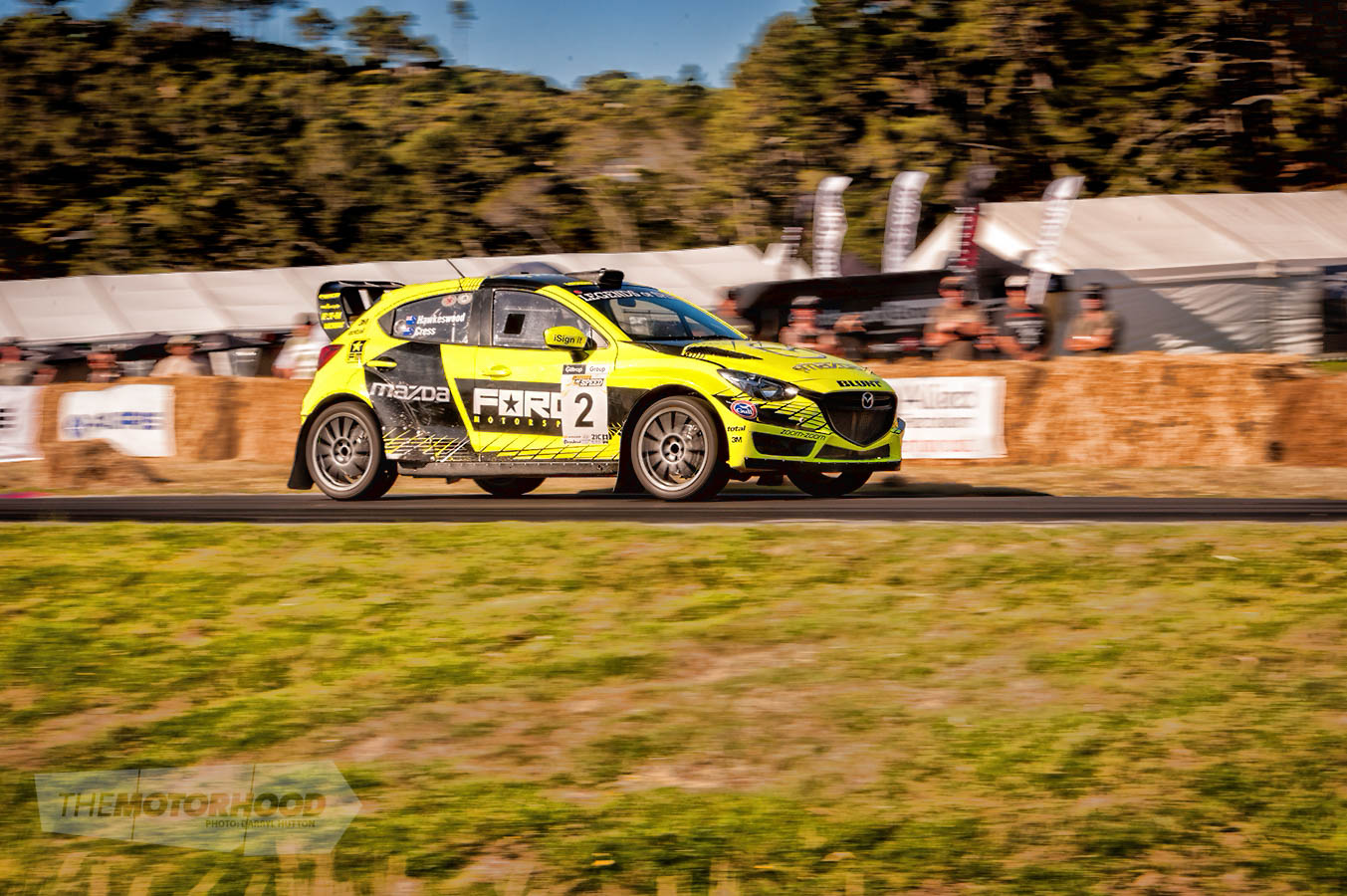
5. Andrew Hawkeswood, 2016 Mazda 2 AP4: 52.22s
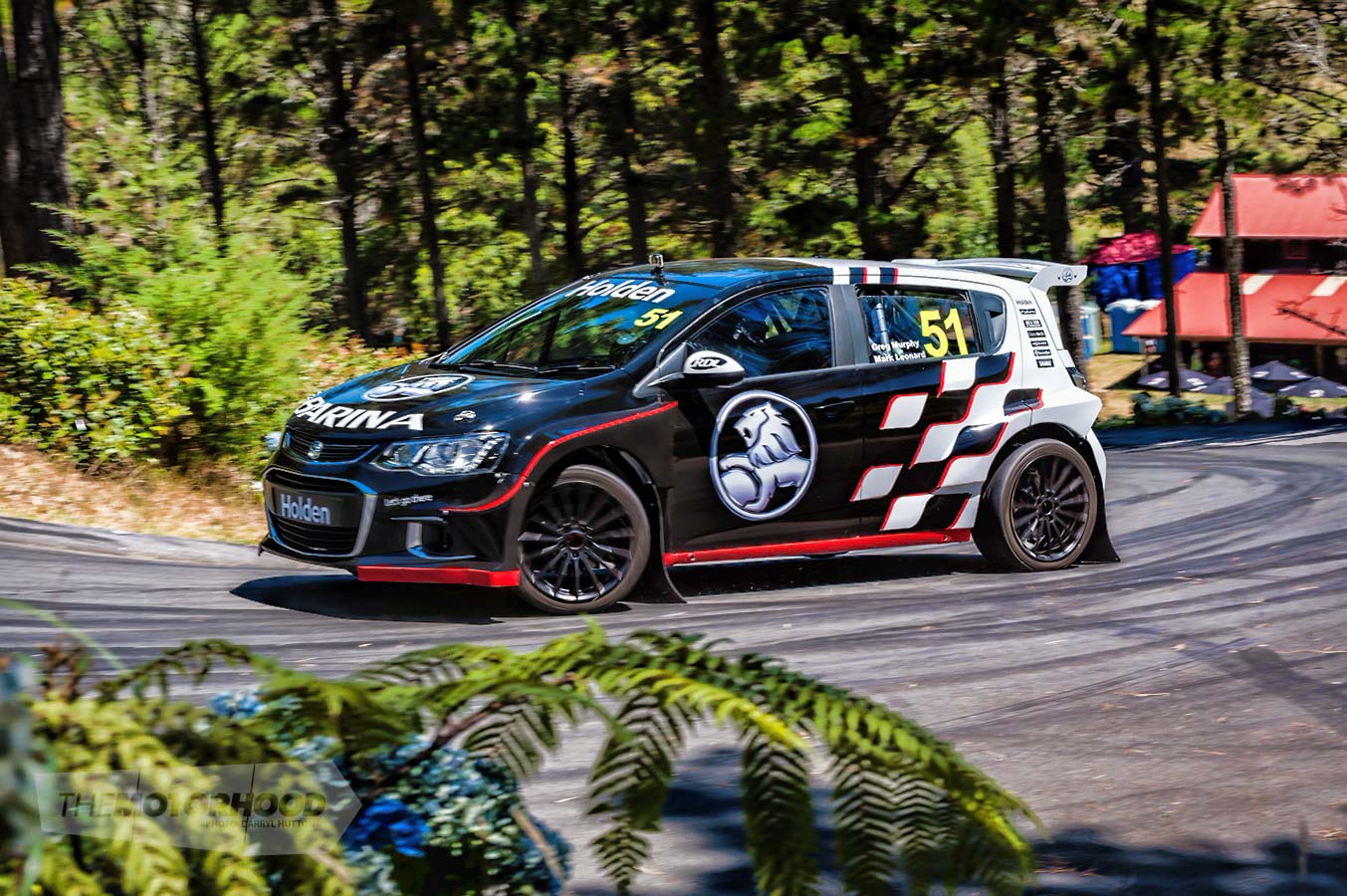
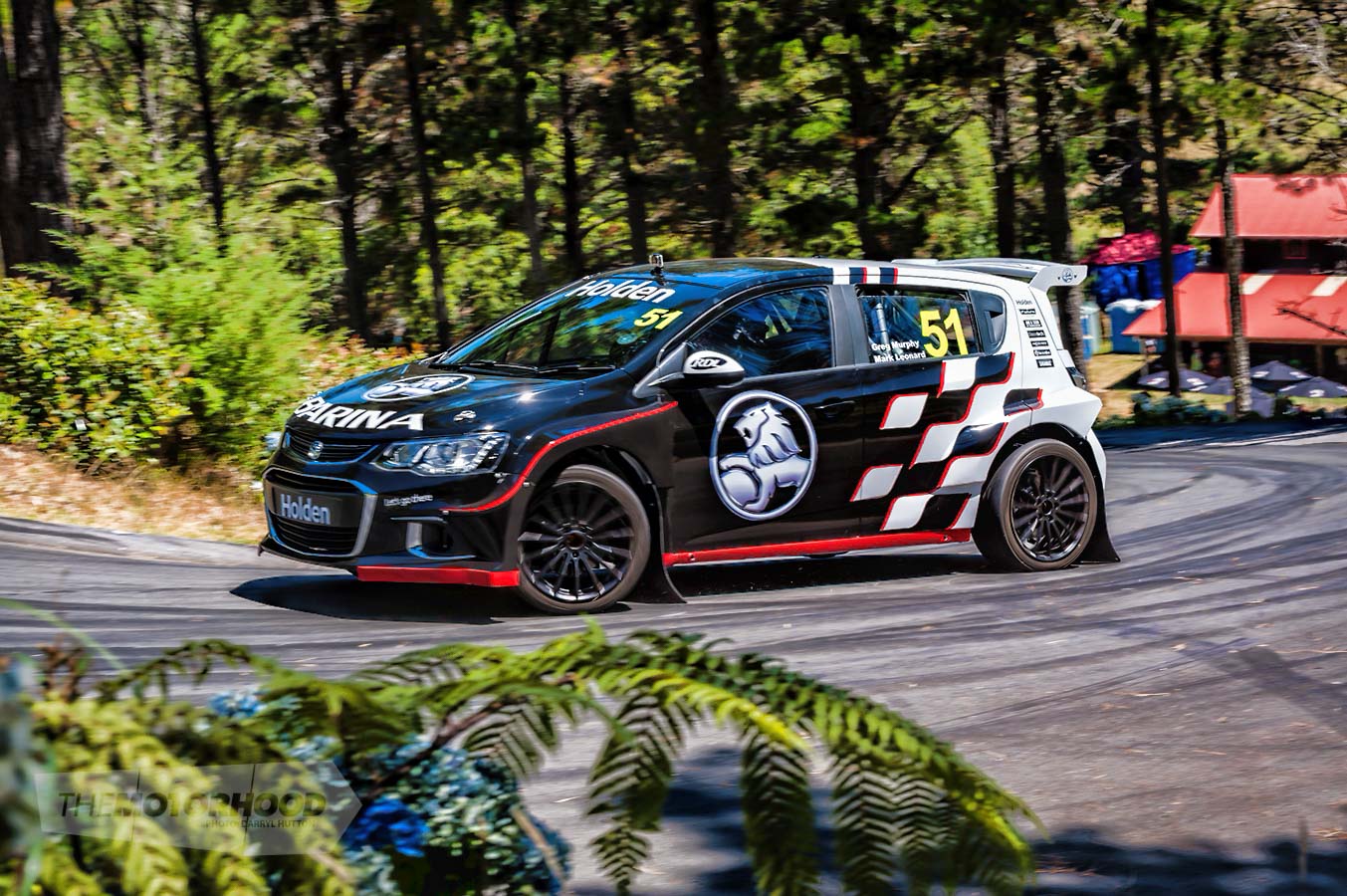
6. Greg Murphy, 2016 AP4 Holden Barina: 52.25s
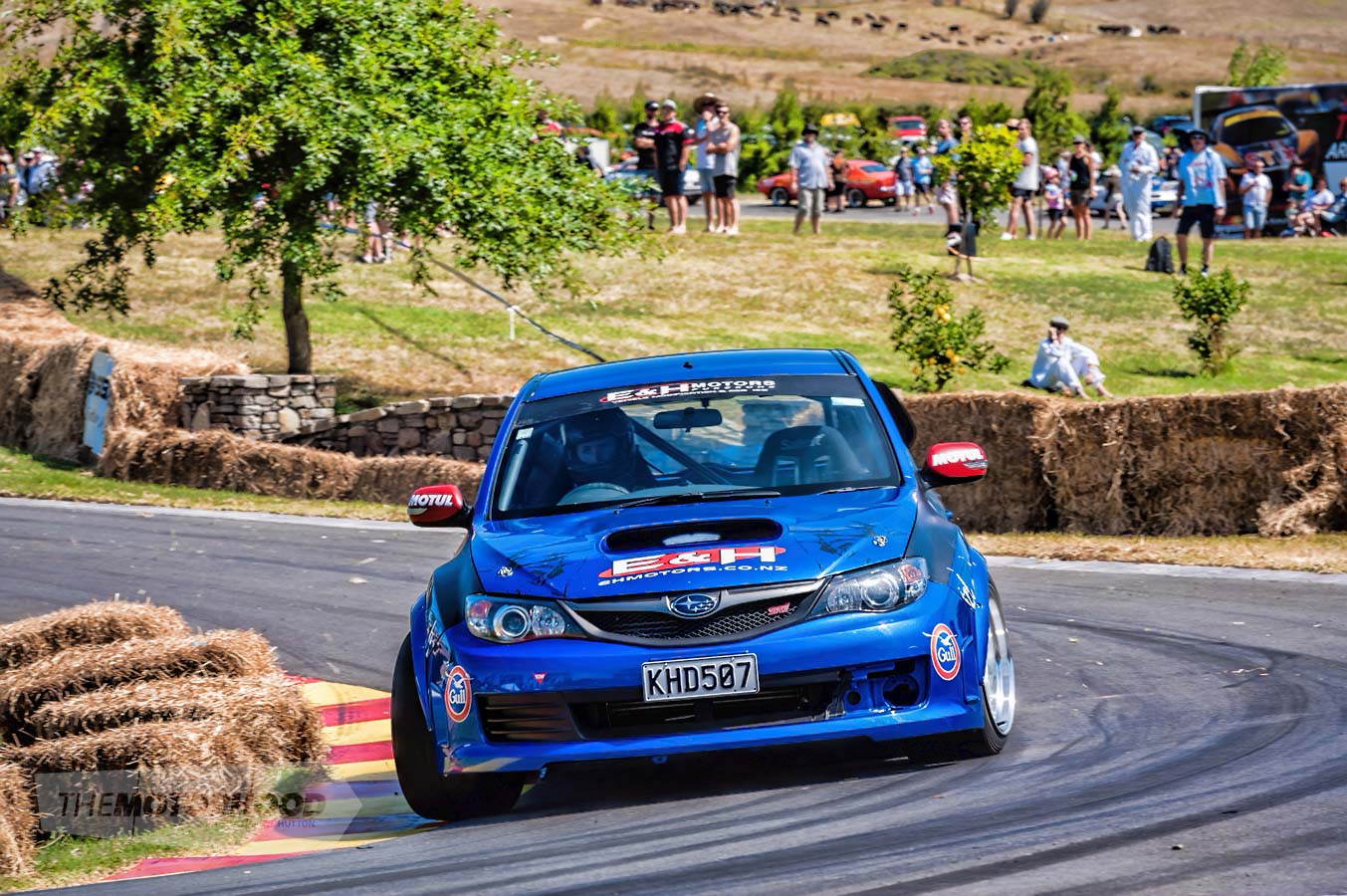
7. Carl Ruiterman, 2009 Subaru WRX STi: 52.55s
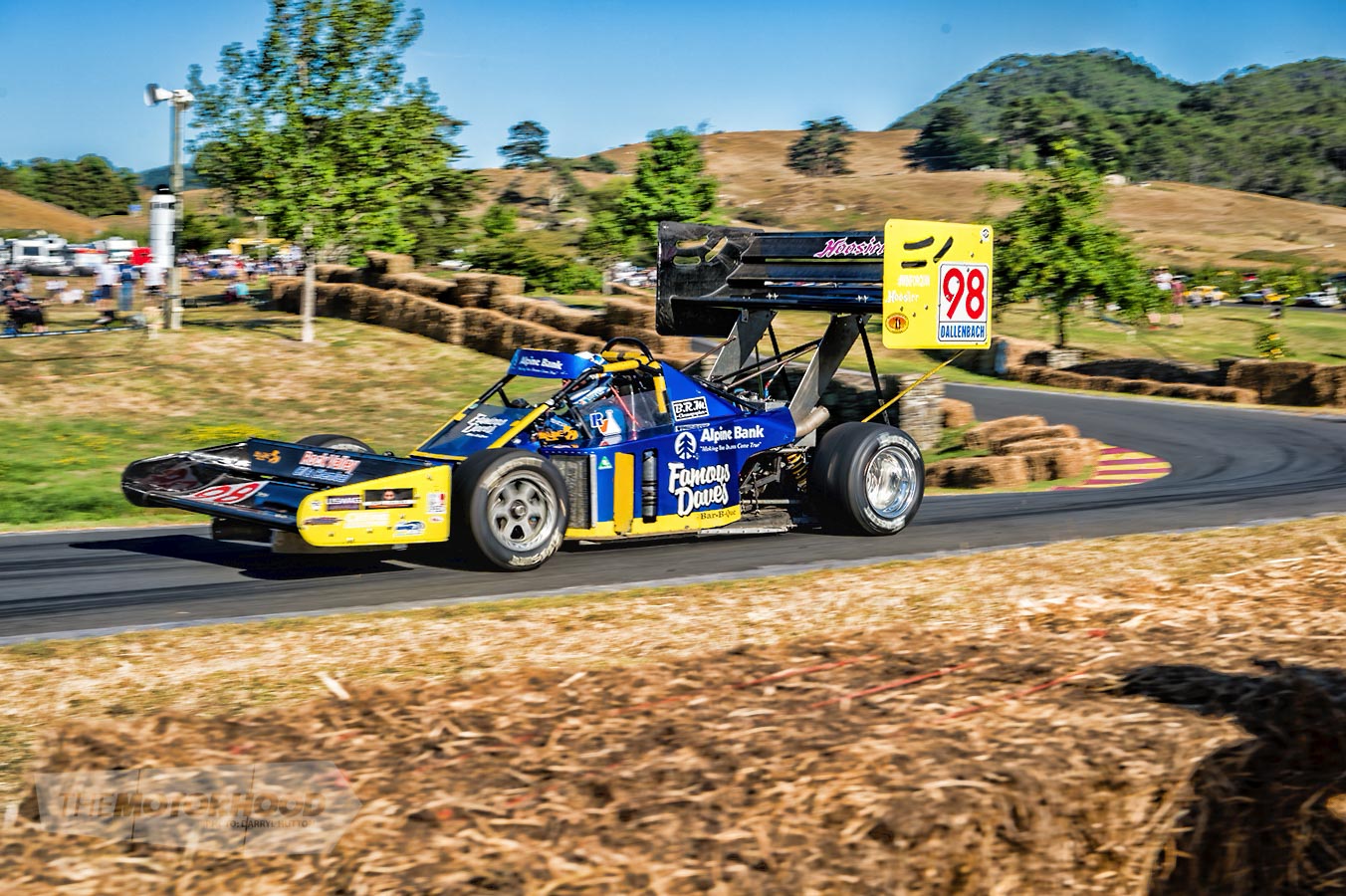
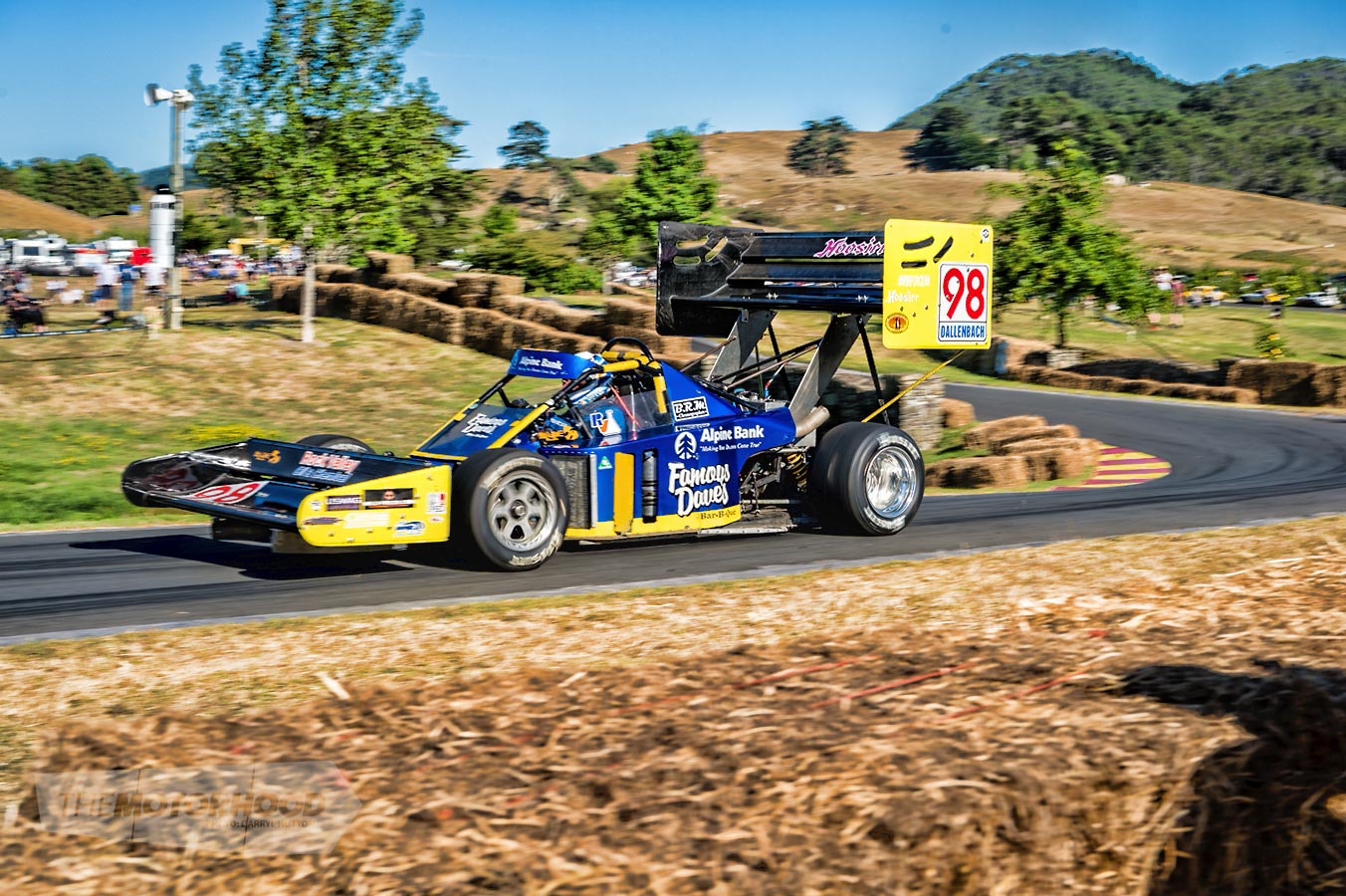
8. Paul Dallenbach, 2006 Dallenbach Special: 52.62s

9. David Donner, 2005 Donner/Dykstra Pikes Peak Special: 54.80s
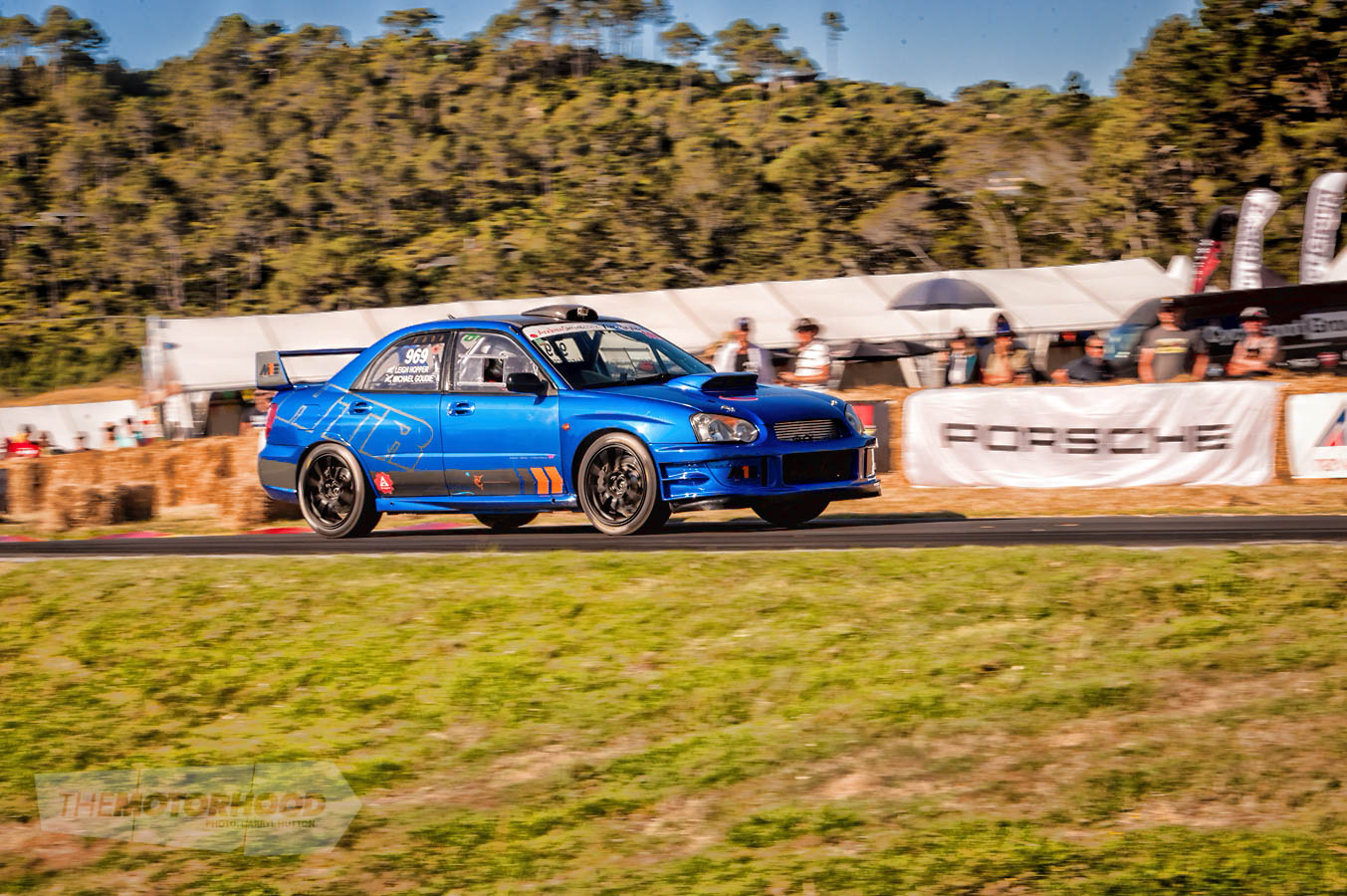
10. Leigh Hopper, 2004 Subaru STi C Spec RA: 75.21s
1960–1975 category
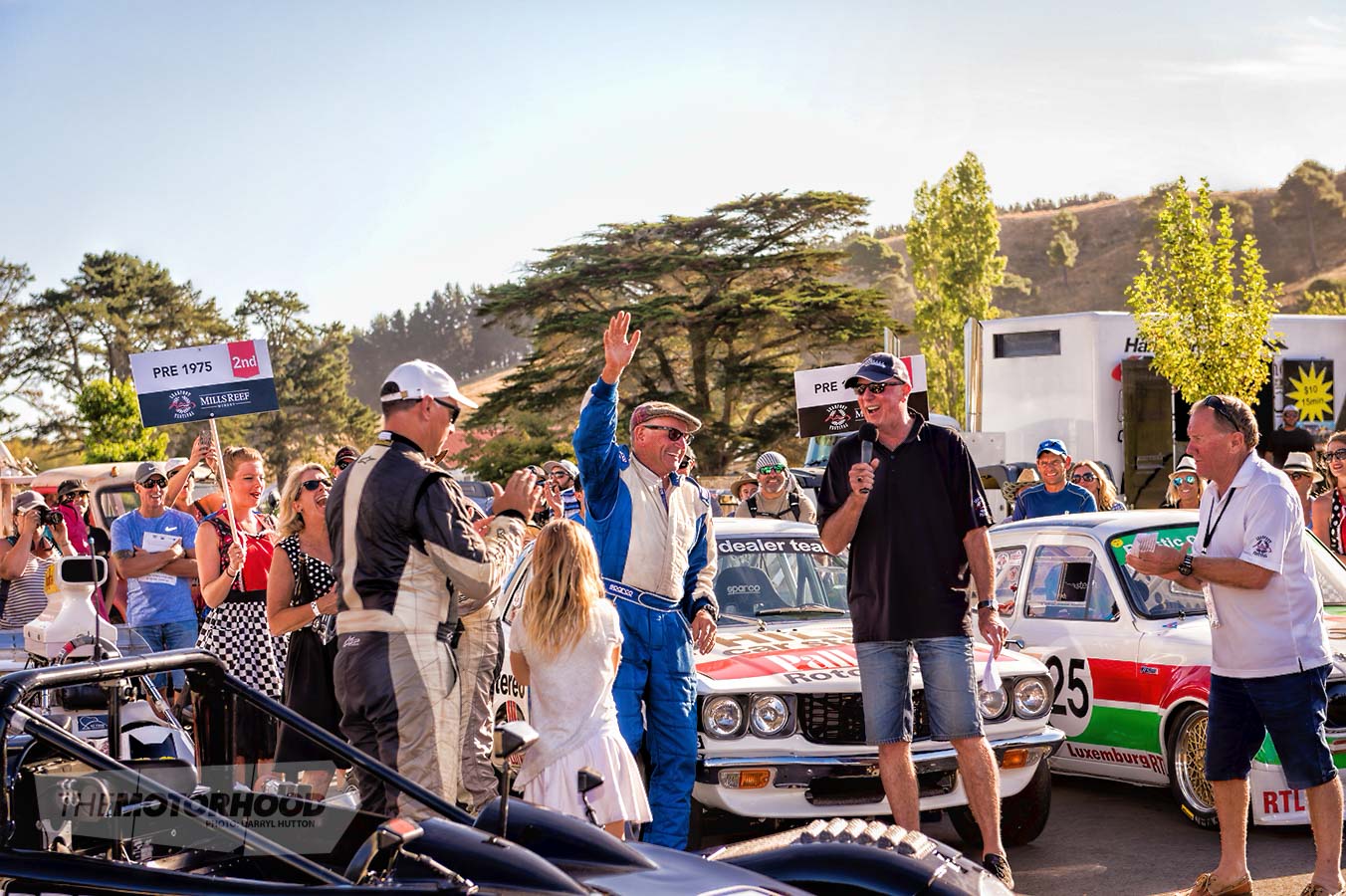
1. Rod Millen, 1975 Mazda RX3: 52.75s
2. Clark Proctor, 1973 March 73A F5000: 52.93s
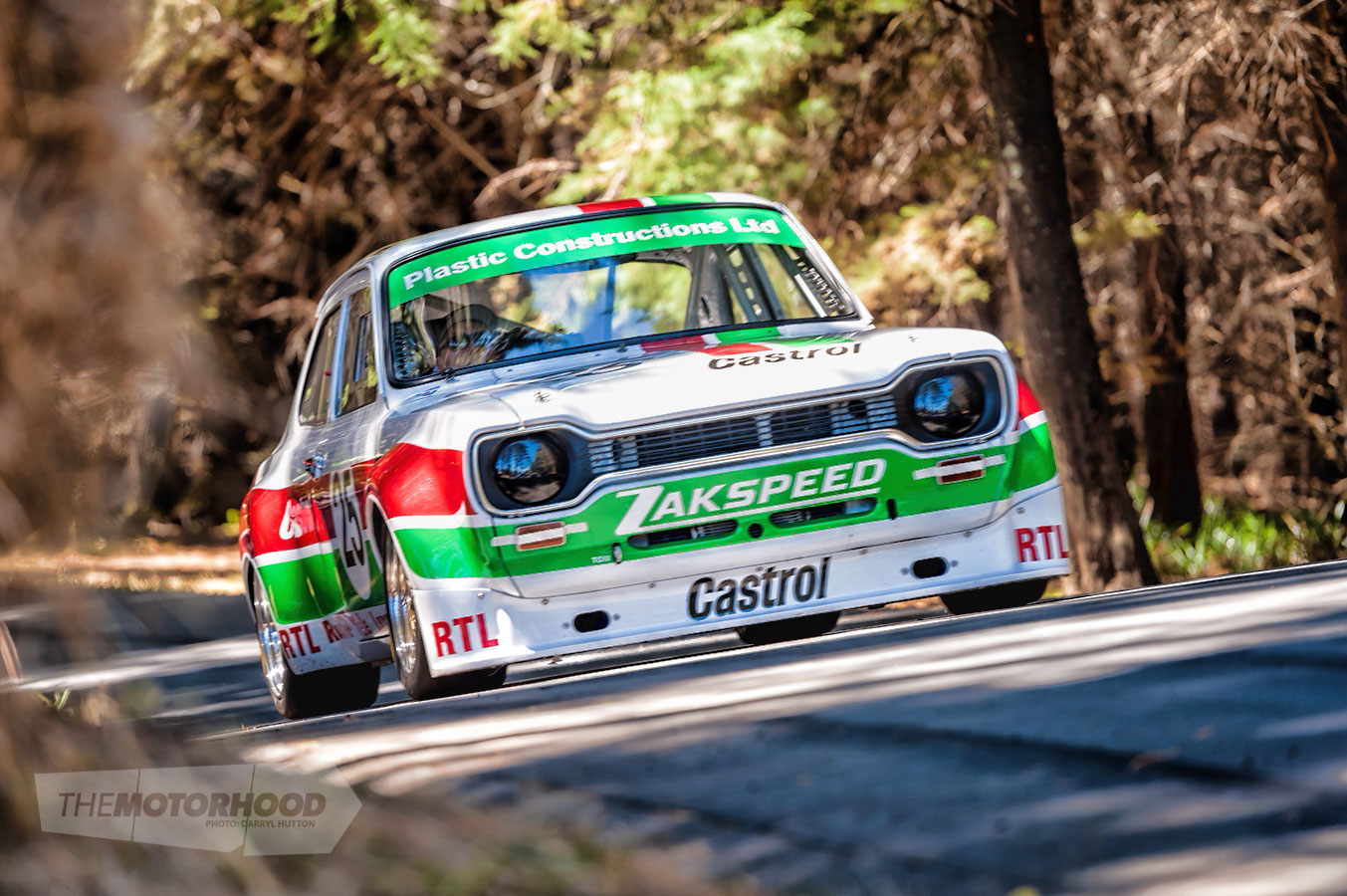
3. Paul McCarthy, 1974 Ford Escort RS1600: 54.01s
Pre 1960 category
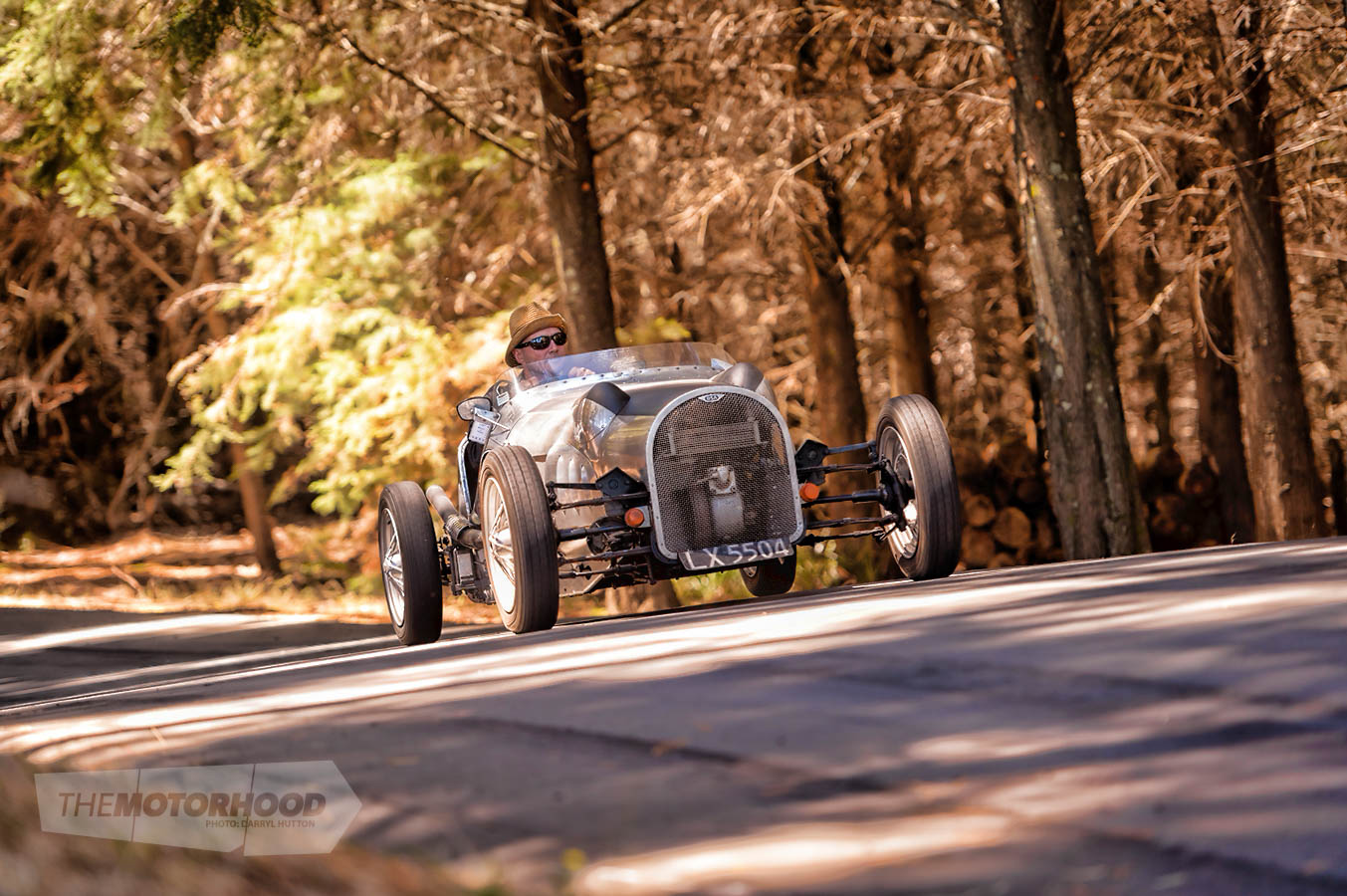
1. Robert McNair, 1931 Riley Nine Special: 63.33s
2. Ray Ferner, 1932 Ralph Watson BSA FW32: 63.35s
3. Steve Day, 1959 Briggs Mercury V8 Special: 65.53s
Best in show
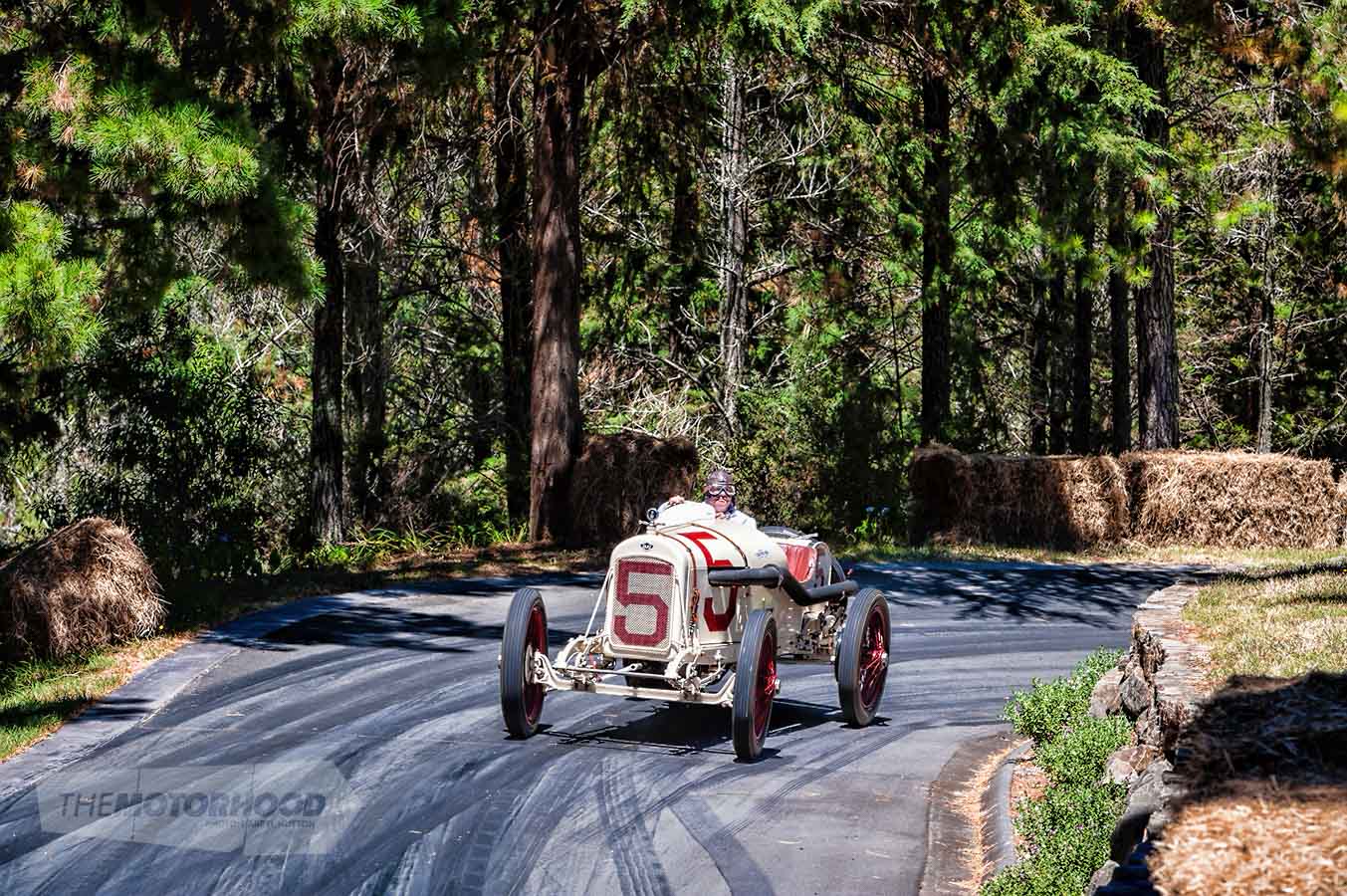
1. Al Unser Junior, 1915 Stutz
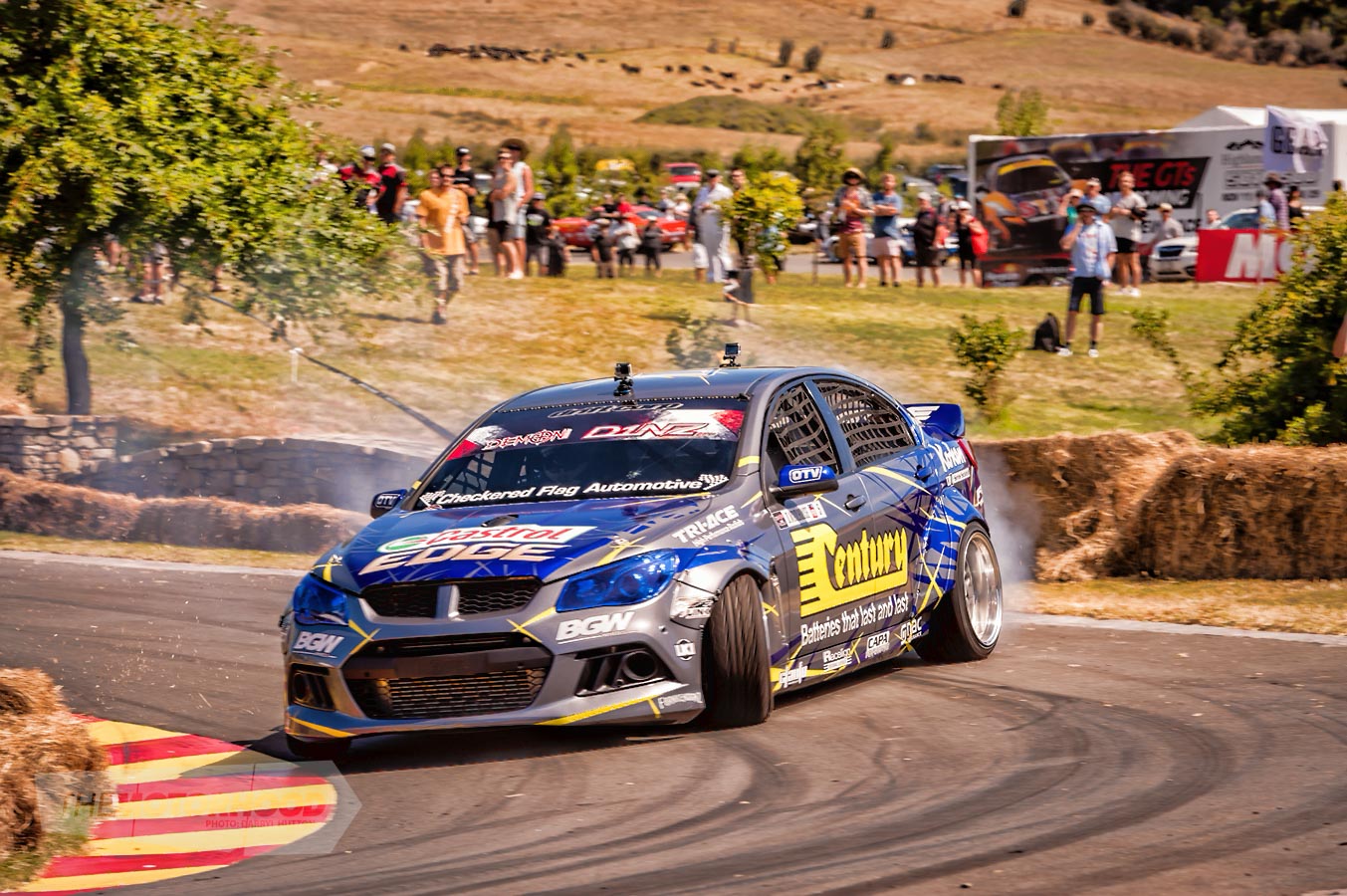
2. ‘Fanga’ Dan Woolhouse, 2016 VF Holden Commodore
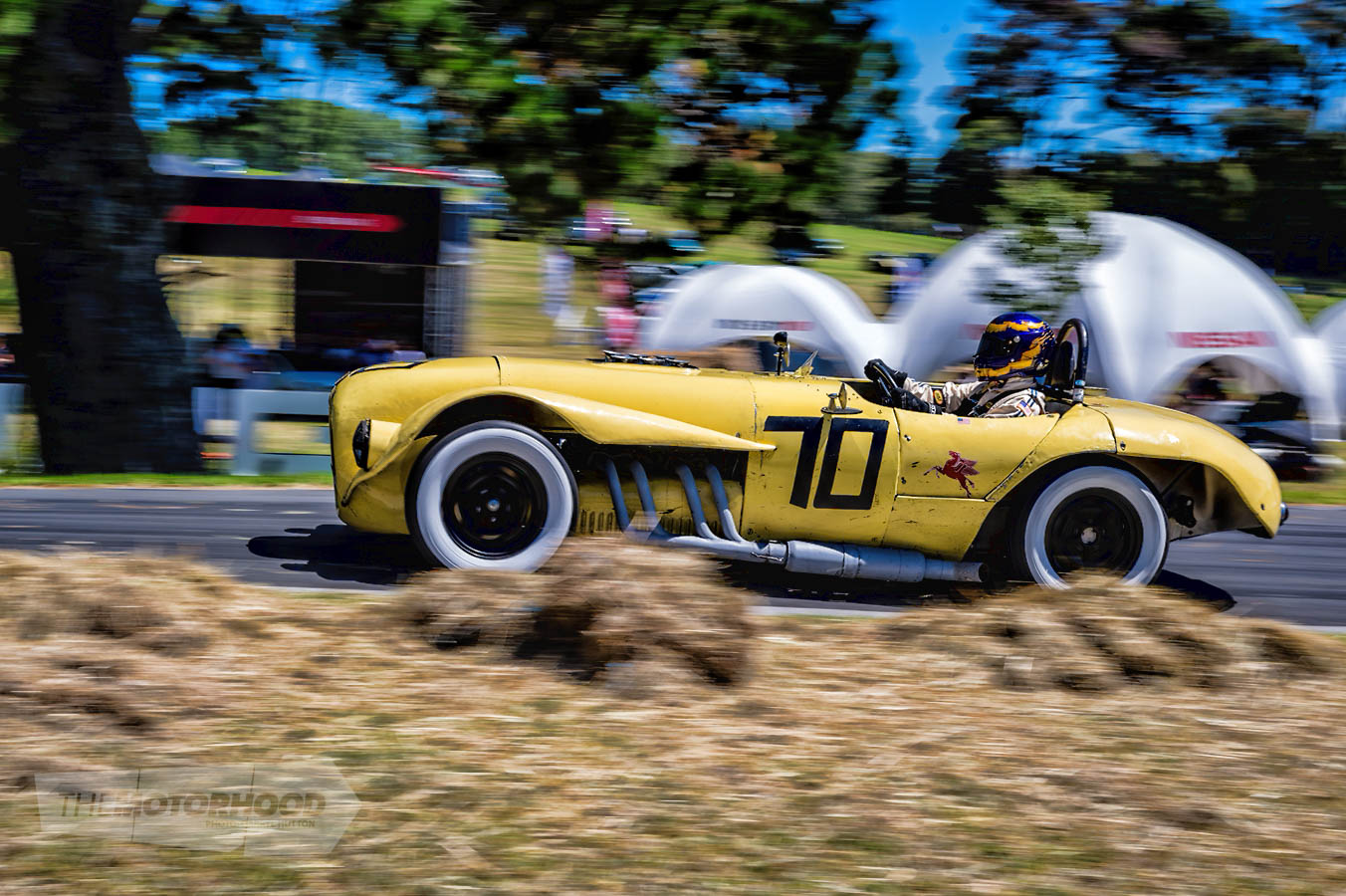
3. Ernie Nagamatsu, 1959 Old Yella 11 Buick Special