Only the most determined souls and sturdiest cars can claim that they won — or even survived, for that matter — the running of perhaps the most famous endurance race of them all: 24 Hours Le Mans. And for the 2018 incarnation, the events 86th running, saw one massive performance that would hold headlines captive for the following days.
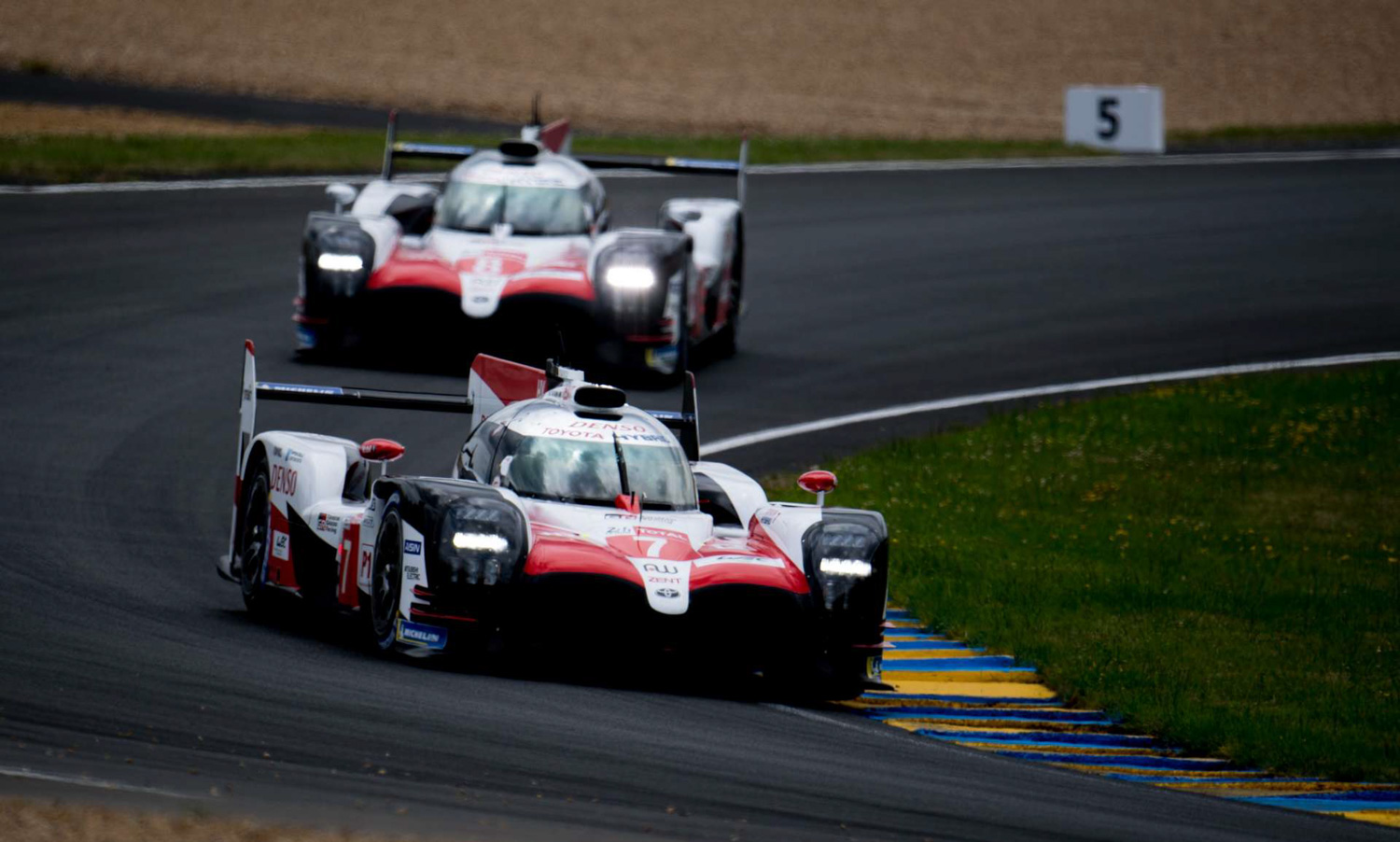
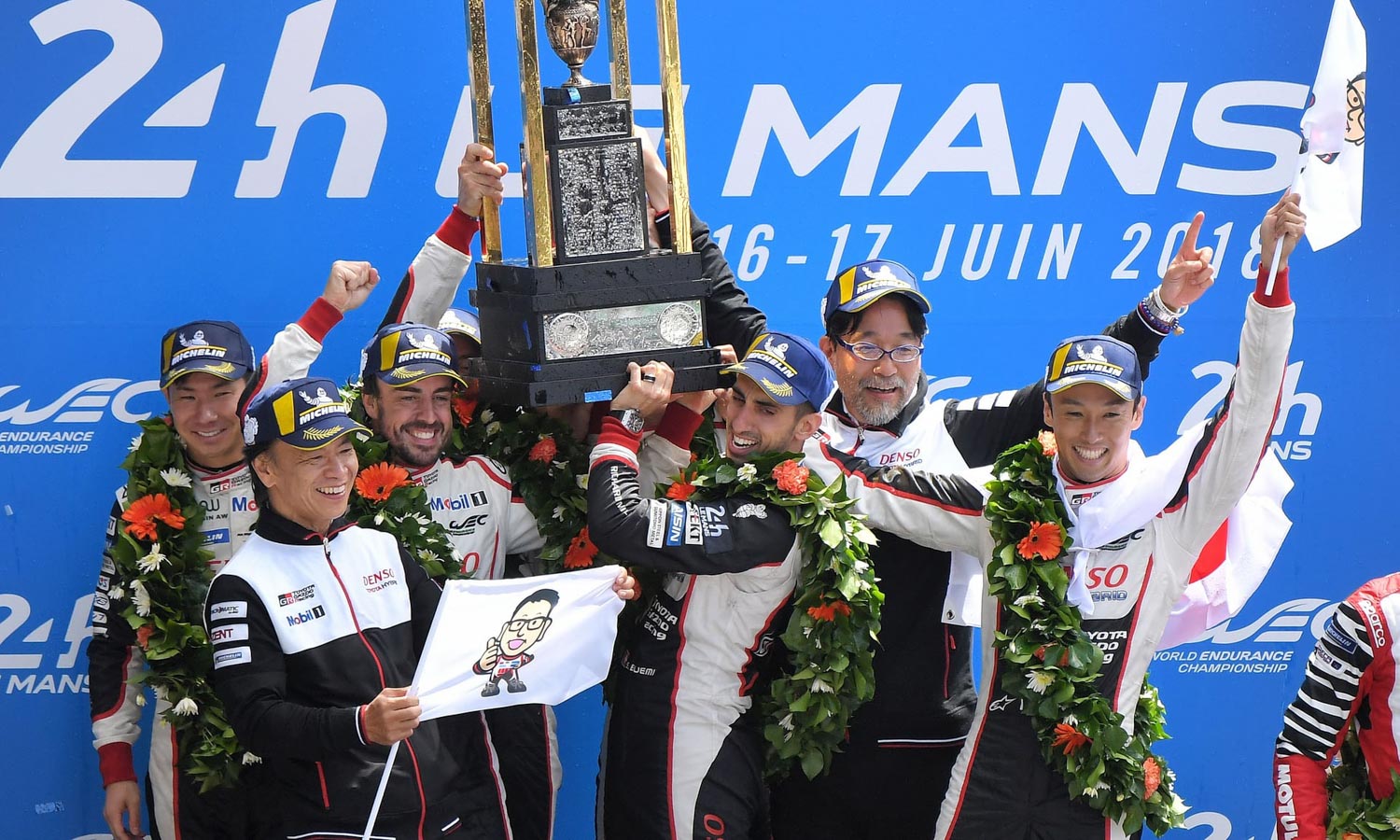
Toyota’s Gazoo Racing claimed their first ever Le Mans victory, with an insane one-two finish. Won by the No. 8 TS050 hybrid, the three man team behind the wheel is none other than former F1 driver Kazuki Nakajima, former F1 driver Sebastien Buemi and of course, double Formula 1 World Champion Fernando Alonso.
It’s naturally a massive deal for the manufacturer, especially after coming so close last year having look to be the favourite for the win only being forced to retire after a clutch failure meant pole Kamui Kobayashi was unable to limp the broken car back to the pits — a failure credited to LMP2 driver Vincent Capillaire who gave the Toyota driver a thumbs-up while waiting for a safety car to pass, which Kobayashi mistook for an official signalling him to go. He was radioed to stop, causing further confusion, and the ‘start, stop, start, stop’ ate the very complex and delicate clutch the hybrid uses.
— 24 Hours of Le Mans (@24hoursoflemans) 17 June 2018
But it was their year this time around with the winning No. 8 driven across the line by Kazuki Nakajima, having completed a whopping 388 laps within the 24 hour race period at Circuit de la Sarthe.
To date, Toyota has entered a total of 47 cars at Le Mans — taking into consideration that it only happens once a year, that’s a serious commitment to the cause — and finished on the podium six times, including being runner-up five times. The victory the weekend just gone makes it only the second Japanese manufacturer to win the race, with Mazda taking bragging rights back in 1991 with the infamous 787B.
“It’s a shame the 24 Hours of Le Mans only happens once a year,” Alonso said after winning. “They should hold it every two or three weeks.”
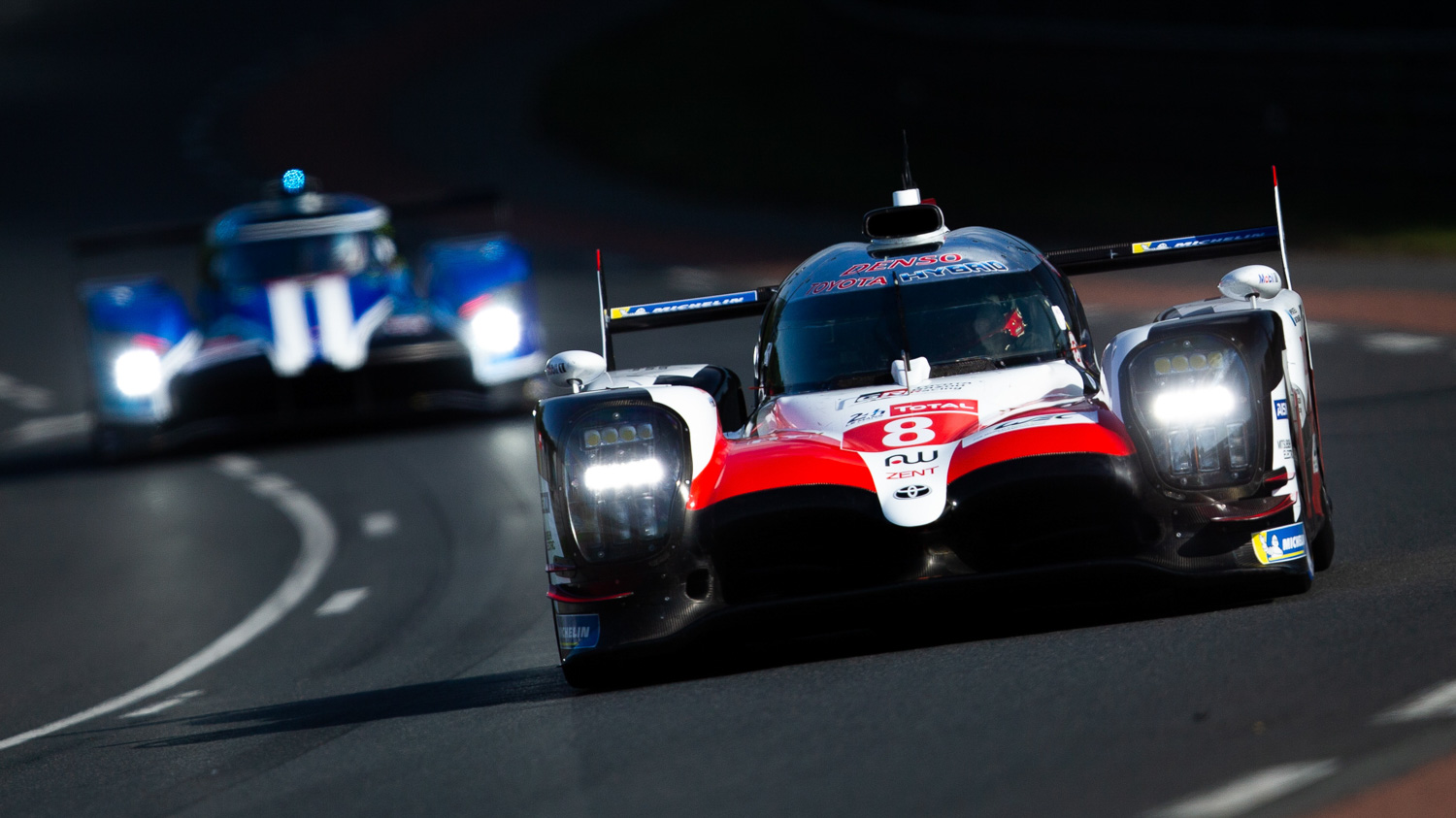
“It has been amazing. We know how important and iconic Le Mans is in the world of motorsport and as a team we achieved an amazing result … Every moment was a reminder of how tough and long this race is, anything can happen so we tried to execute our race and stay calm. Happily everything worked well. The race was hard because the two cars were very close, within one minute after 23 hours.”
The sister TS050, driven by Kamui Kobayashi, Mike Conway and Jose Maria Lopez, finished second in formation as they pair crossed the line. Both were quite evenly matched throughout the 5,286km race, swapping places multiple times amongst a decent amount of drama for race leaders, but the No. 8 car all but cemented its final position after an impressive overnight stint from Alonso.
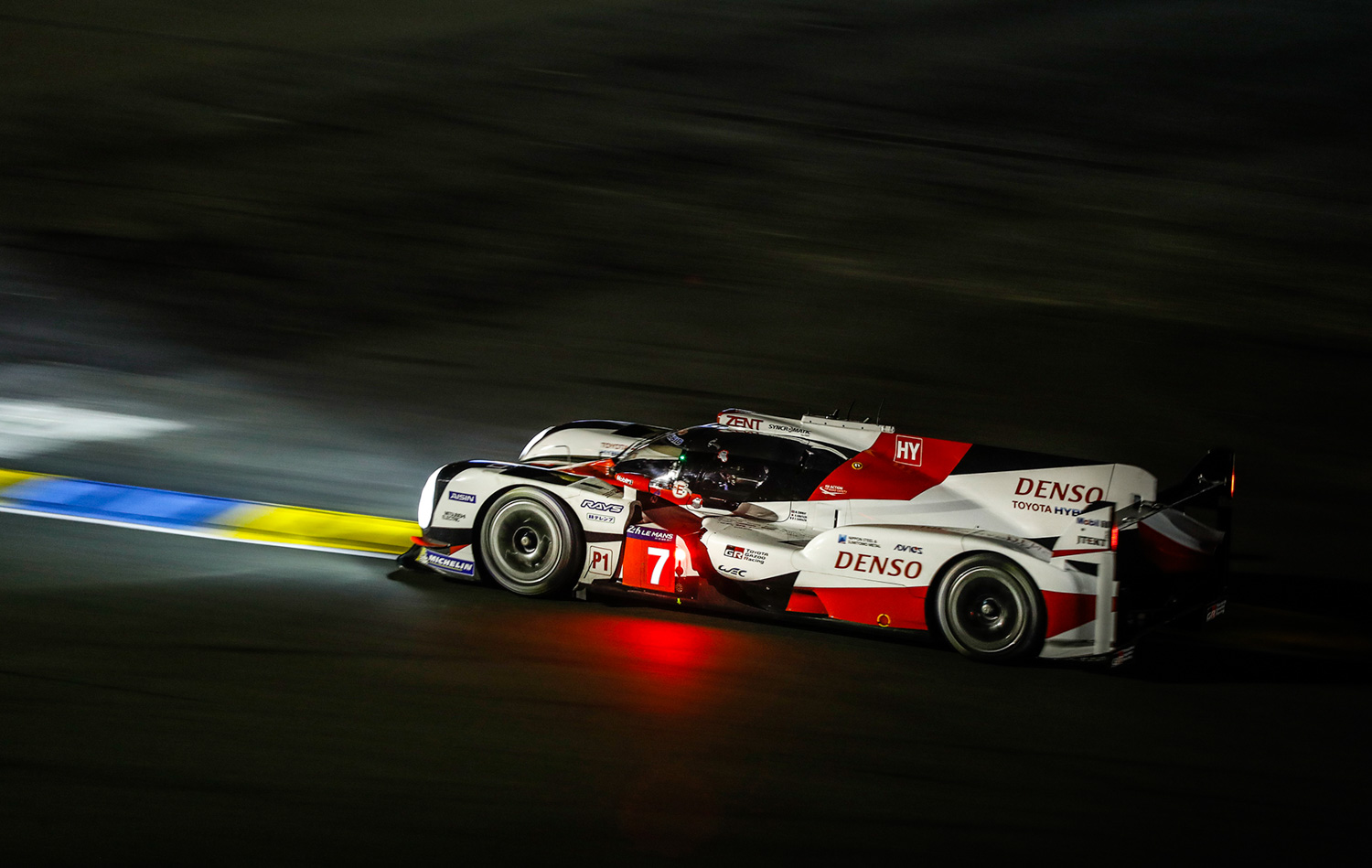
Toyota also credit the result for both cars to being the “culmination of intense and determined efforts by Toyota Gazoo Racing colleagues from Higashi-Fuji and Cologne to continually enhance its hybrid-electric technology”, which saw the victory using 35 percent less fuel than in 2012 when the marcque returned to endurance racing
2018 Toyota TS050 Hybrid
Type: LMP1-H (Le Mans Prototype – Hybrid)
Engine: Toyota Hybrid System – Racing (THS-R), 2400cc, V6 direct-injection twin-turbo; Aisin AW electric front motor, Denso electric rear motor, Toyota high-power lithium-ion battery, Denso inverter
Power: 736kW (hybrid combined)
Gearbox: Transverse six-speed sequential
Clutch: Multi disc
Differential: Mechanical locking
Suspension: Independent front and rear double wishbone, pushrod-system
Springs: Torsion bars
Brakes: Dual-circuit hydraulic system; monoblock lightweight alloy calipers, carbon-fibre ventilated rotors
Wheels/tyres: 18×13-inch RAYS magnesium alloy, 31/71-18 Michelin radial
Bodywork: Carbon-fibre composite
Windscreen: Polycarbonate
What the drivers had to say:
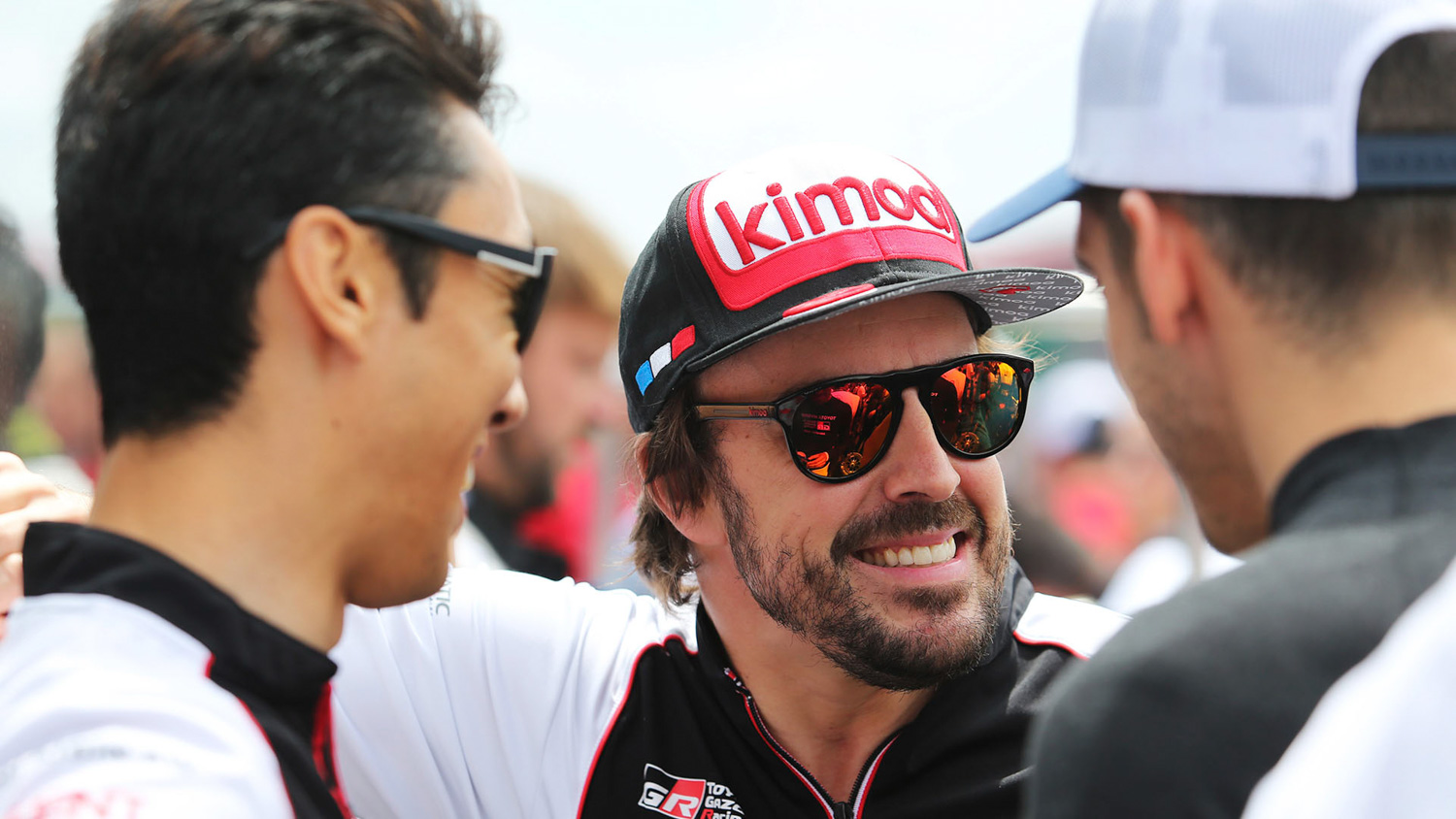
Fernando Alonso — #8 Toyota TS050 Hybrid, winner:
“It’s amazing, I’m still a little bit in shock right now. It was very stressful at the end when we were all watching. It’s been a very tense 24 hours. Maybe tomorrow, we’ll start to realise! I felt ok in the traffic. Sometimes you’re lucky for a few laps and then sometimes you’re unlucky and you get in a bad loop but the race suited my driving style and it all worked out.”
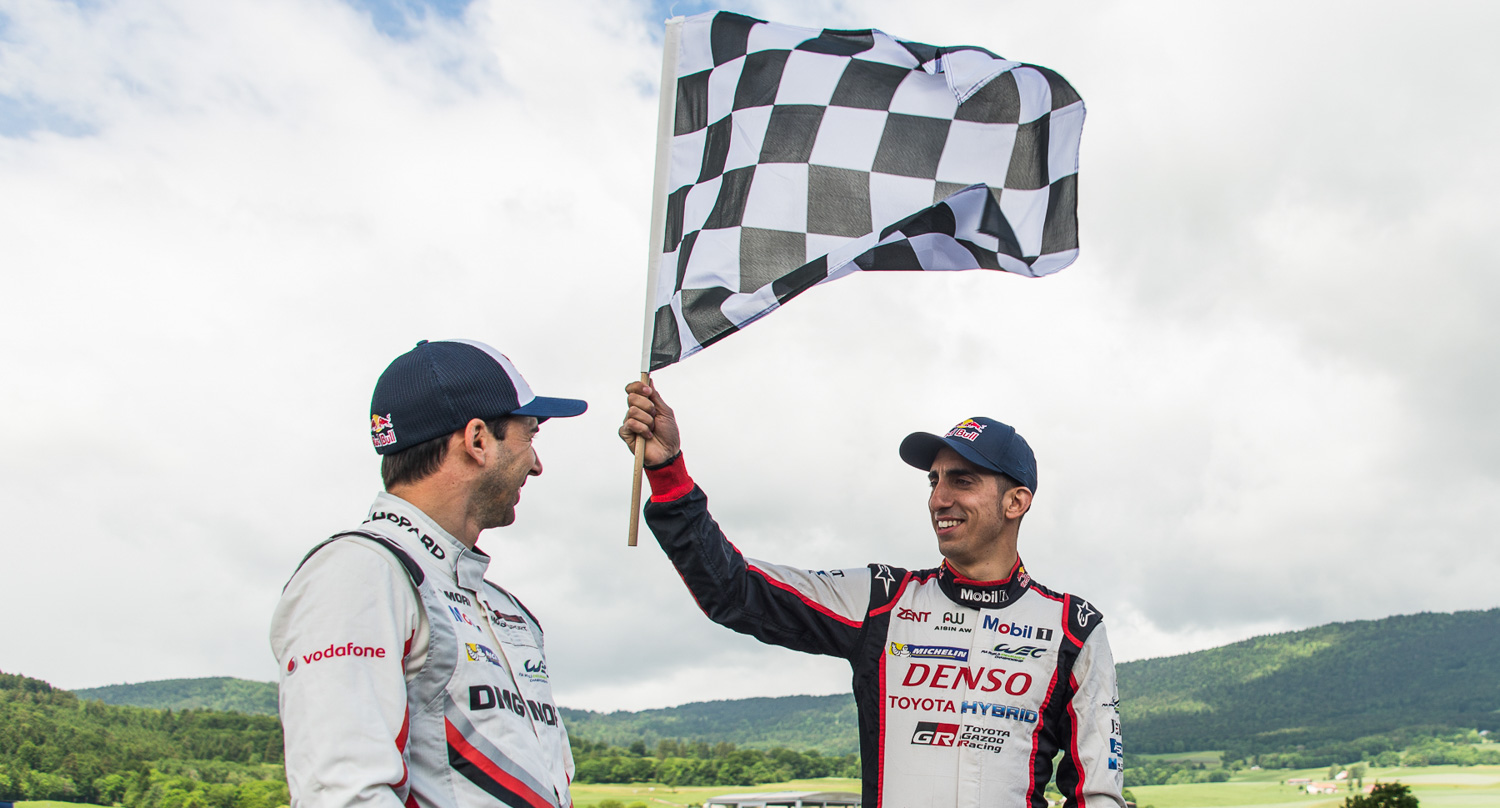
Sébastien Buemi — #8 Toyota TS050 Hybrid, winner:
“This is definitely the biggest win in my career. I was watching Kazuki for the last few laps and couldn’t forget 2016. I’m still struggling to realise. Finally winning is just huge! When I incurred the penalty, I thought it was going to be difficult from then on. There was a gap of more than two minutes when I handed the car over to Fernando, but just 40 seconds when he’d finished. The balance of the car changes throughout the race and the two cars were very similar so congratulations to car #7 too.”
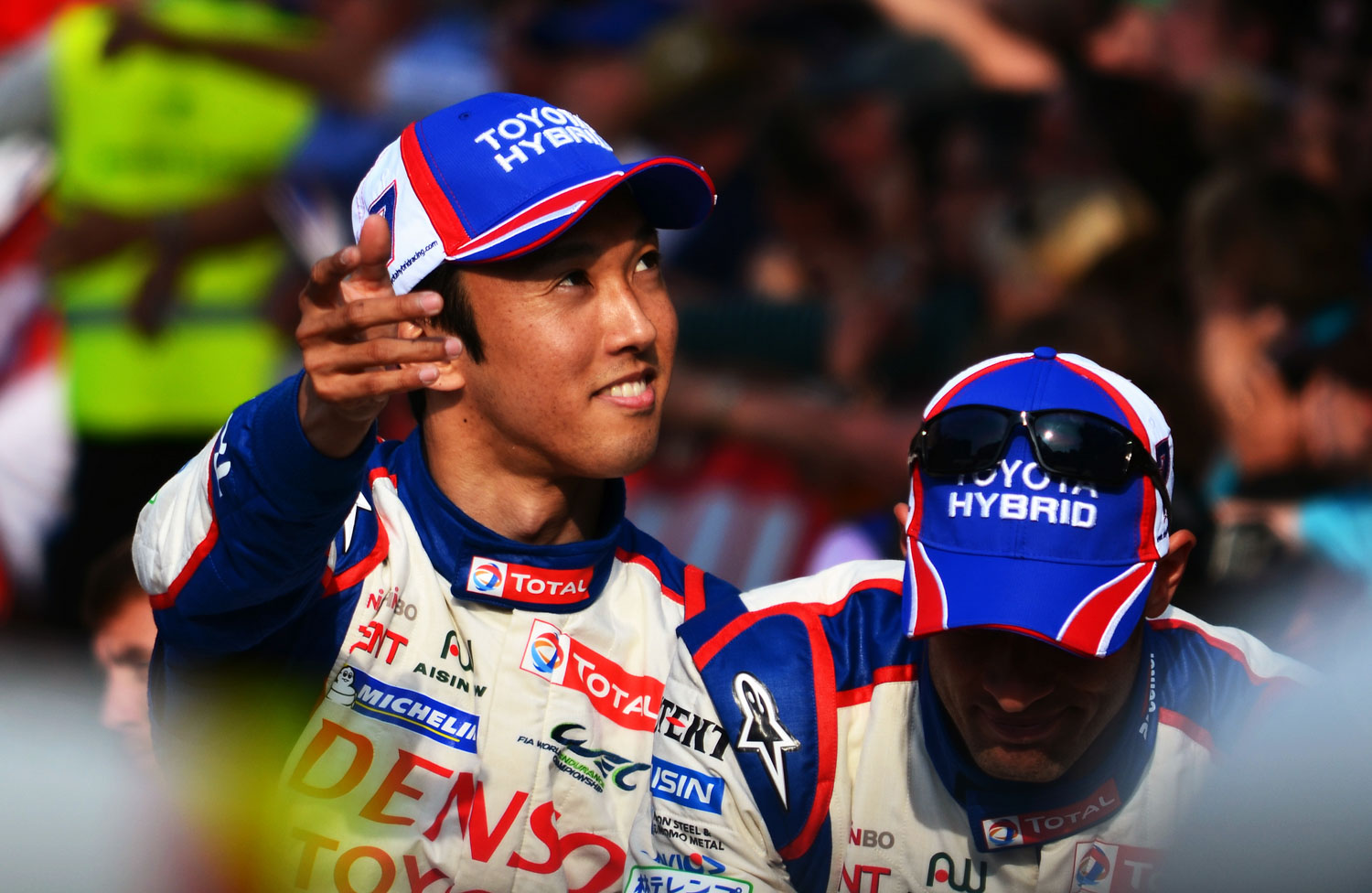
Kazuki Nakajima — #8 Toyota TS050 Hybrid, winner:
“It’s just amazing. I’m speechless. Toyota gave us a very strong car. We all deserved to win but our car had a bit more luck perhaps, so I’m happy to be up here representing everybody.”
Le Mans 24 Hours result:
1. Toyota TS050 Hybrid (Buemi, Nakajima, Alonso) 388 laps;
2. Toyota TS050 Hybrid (Davidson, Lopez, Kobayashi) +2 laps;
3. Rebellion Racing (Laurent, Beche, Menezes) +12 laps;
4. Rebellion Racing (Lotterer, Jani, Senna) +13 laps;
5. G-Drive Racing (Rusinov, Vergne, Pizzitola) +19 laps;