
Targaception: Targa announce two-day rally-within-a-rally for 2015 grand final

9 August, 2015

Organizers have revealed that the final event of the 2015 Targa New Zealand season will now include an additional two-day 14-stage meeting to be completed within the main event, titled the Targa NZ Regional Rally. It will start alongside the main 1000km Targa New Zealand event on October 20 — the second-to-last day of the six-day marathon — with both groups of competitors set to finish in Palmerston North on October 31.

The additional two-day meeting helps complement the already arduous 1000km-long Targa New Zealand rally, which The Motorhood profiled in July.
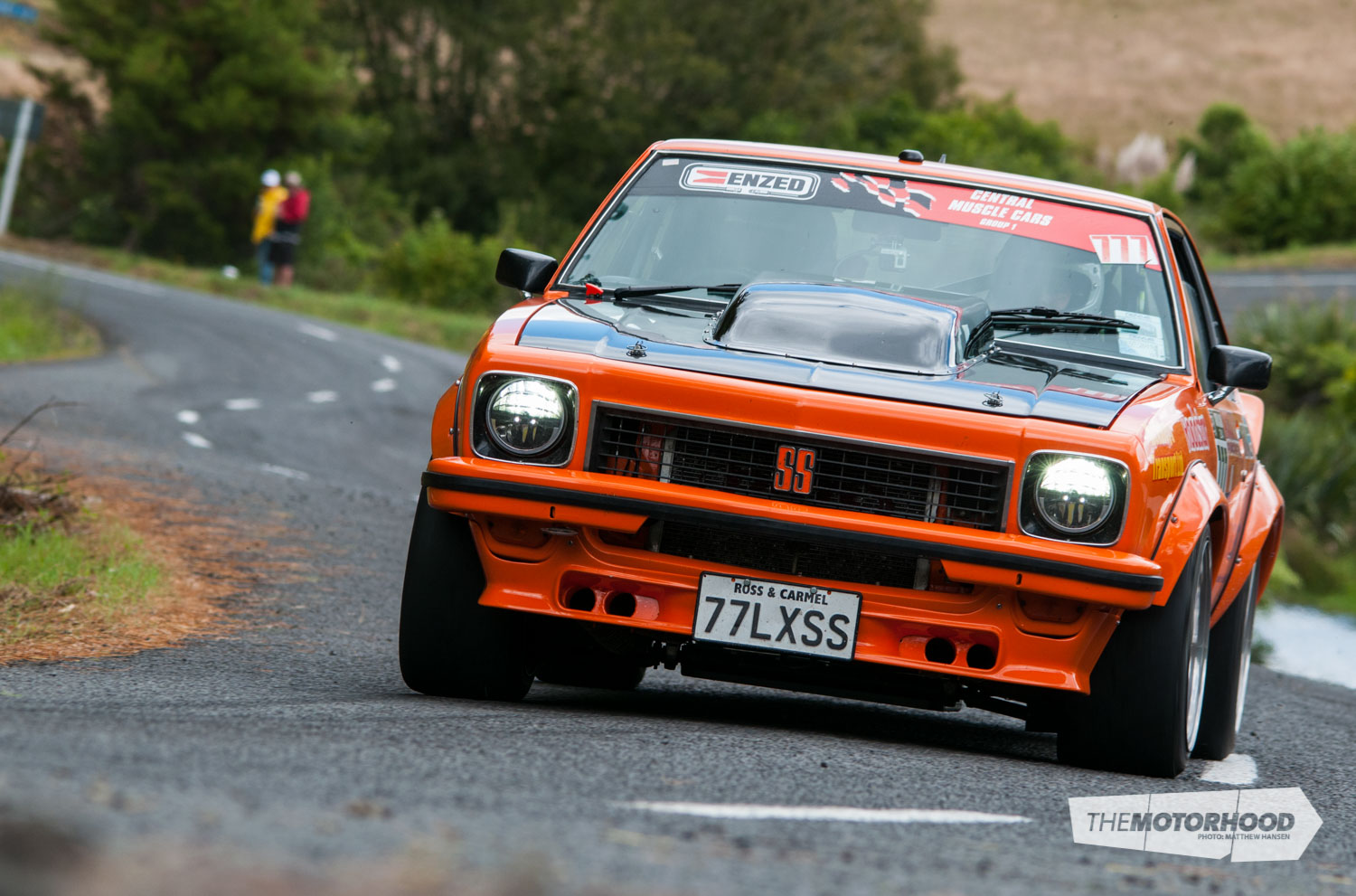
Event organizer Peter Martin has stated that the new two-day event will cater towards more casual drivers, or others wanting to sample Targa New Zealand before committing to the full six-day rally.

“People are busy, and many tell me that while they’d love to do our event, they simply do not have the time to do the full six-days … [the two-day meeting] gives people either new to motorsport, or new to Targa a chance to dip a toe in the water to see if a Targa event is for them,” Martin explains.
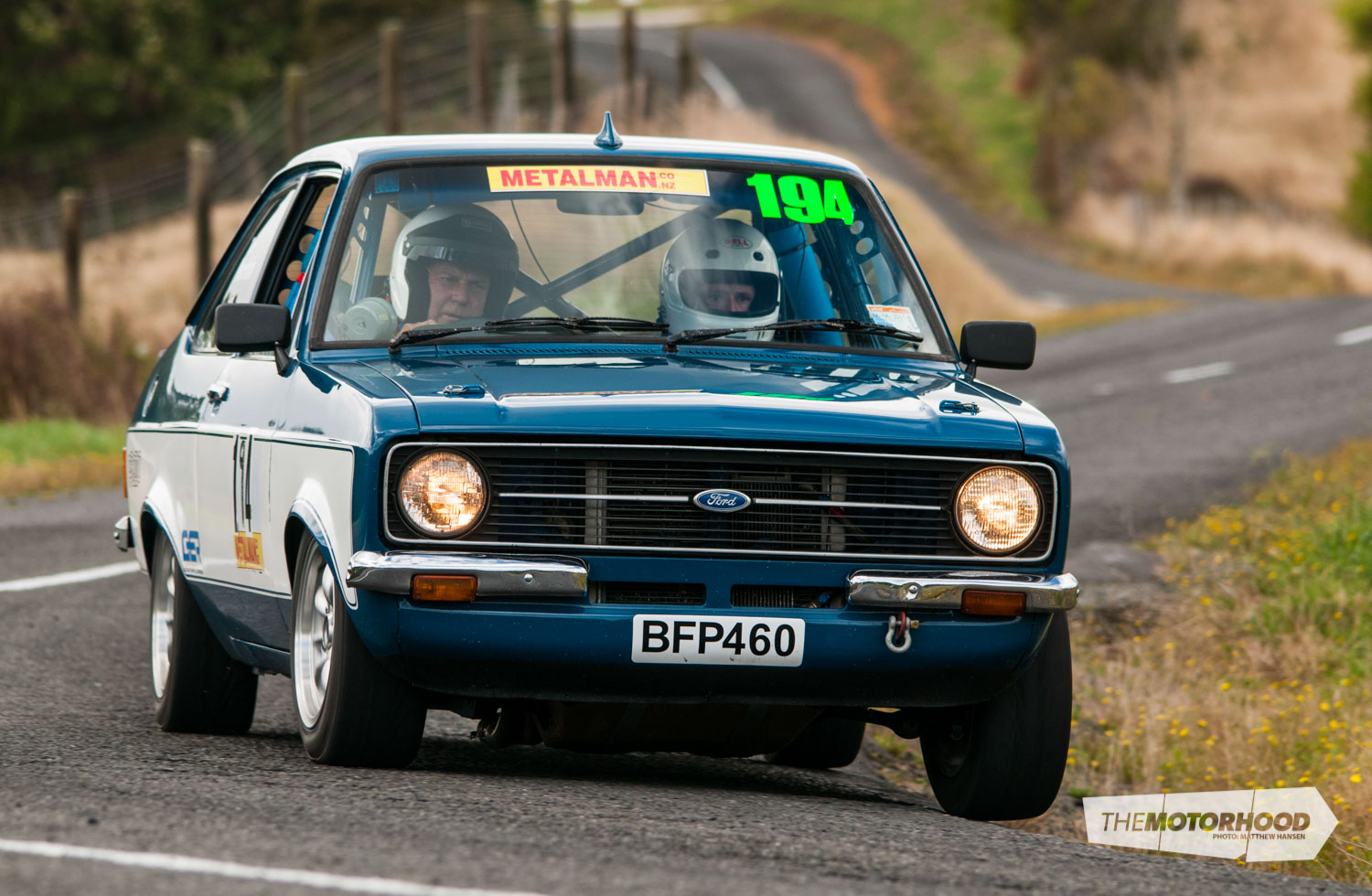
With the full six-day Targa event starting in Auckland on October 26, the two-day Regional Rally event will tag onto the main event for leg four and leg five, comprising of 14 stages in total. The two-day event covers off some of the more memorable stages in the Targa line-up, including Te Aute and Gentle Annie road stages.
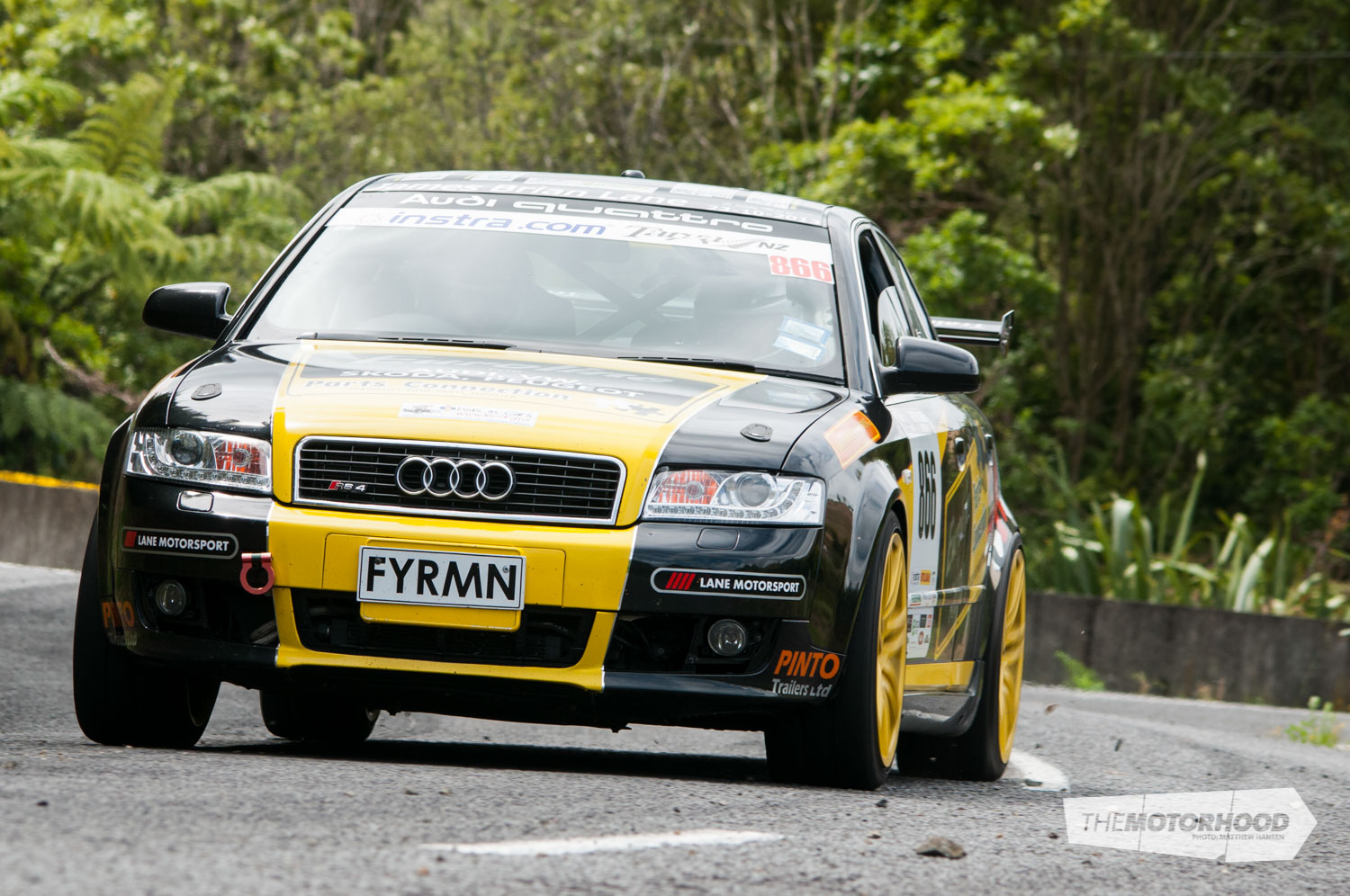
More than 50 cars have already signed up for the full Targa New Zealand meeting, no doubt with many more to follow suit after this announcement. Make sure to keep tabs on The Motorhood for more coverage of the historic event!
Coaching from the bench: Casting plastic knobs and rubber parts

Casting rubber items is simple if you have a good original to work with. The item doesn’t have to be perfect. You can use plasticine to smooth out cracks, and you can even make whole prototypes out of low-fire modelling clay available from craft stores if you need to. Prototypes can also be made of wood or metal.
You will need mould dams to contain the liquid urethane moulding solution until it cures. You can build boxes out of strips of wood, but I have found that small plastic boxes and bowls such as those you would use for leftovers in your fridge work well if you spray them with a mould release agent.
Temperature is important to the chemical processes involved, so work in an area that can be maintained at around 20 degrees. You will also need adequate ventilation because the fumes can be dangerous to breathe. And you will want to wear latex gloves to protect your hands.

Fraser Cars – low flying into the fourth decade

With almost three and a half decades under its belt, Fraser Cars is one of New Zealand’s longest-surviving car manufacturers. The company first opened its doors for business in 1988, during the boom time for kit manufacturers. During the ’80s, around 40 different companies were building kits and turnkey cars for this niche market. Of those, only Fraser and Almac Cars (established 1981) are still in business today.
Most of the new kit car companies were killed off in the cradle by the threat of new legislation that never eventuated and definitively by the sudden availability of high-performance Japanese cars when the floodgates to second-hand imports were opened. The now long-retired founder of the company, Neil Fraser, first came across Lotus Seven replicas while racing Lotus Cortinas in the early ’80s. He regularly found himself racing against a little Caterham, a Lotus Seven–styled car built in England. He was very impressed by its simplicity and handling. In 1986 Fraser built his own Lotus Seven–type car, using the knowledge he had gained from several close looks at the Caterham.