Shopping can be a monotonous chore, even when it comes to purchasing oil. Do you lean towards the trusted labels, or do you grab the cheapest available option and ignore the sob-ridden guilt as you add it to your engine? There are many different brands of oil out there, but Shell would like to have you believe that they’ve tapped into something special with their latest Shell Helix Ultra motor oil.
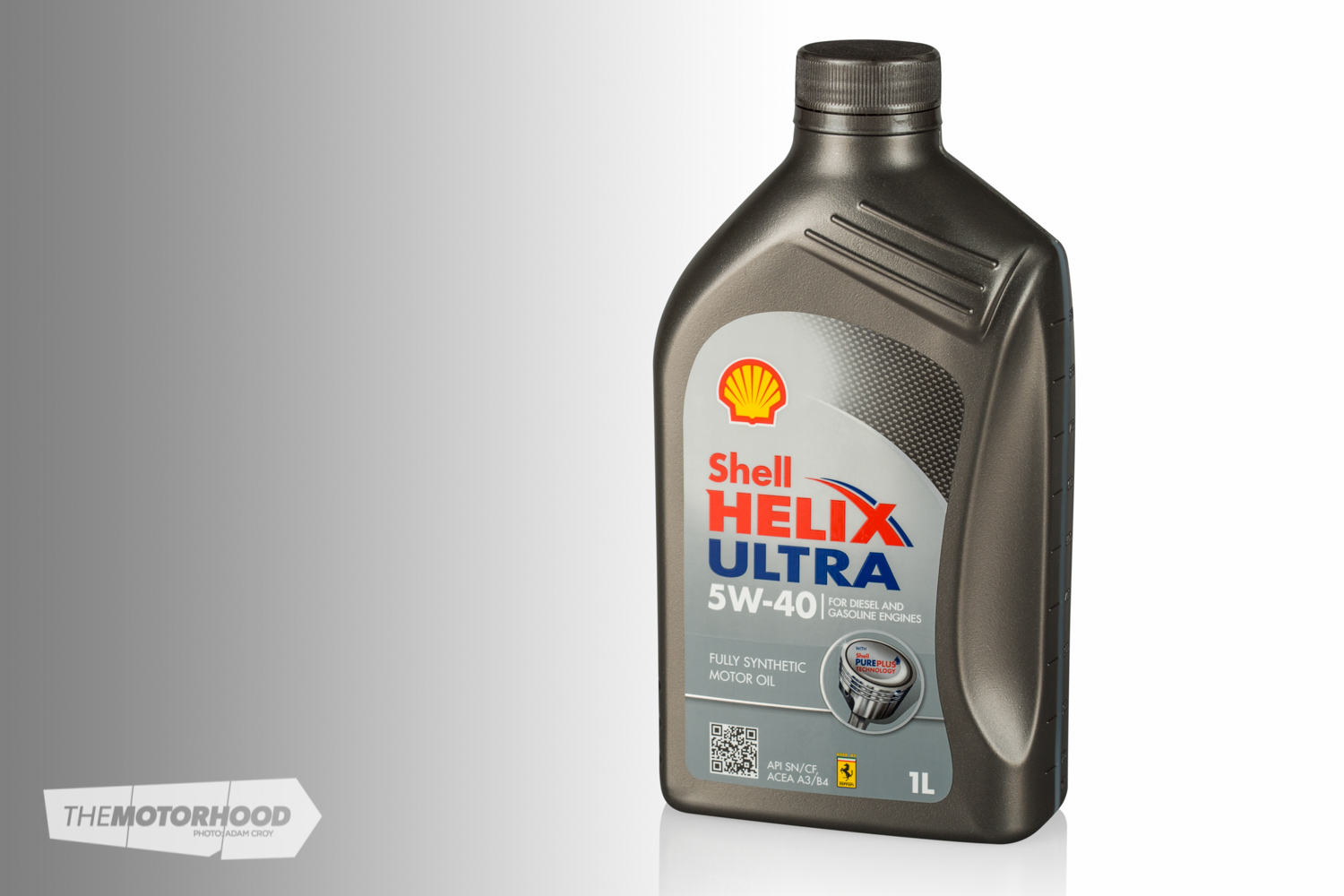
Containing Shell’s own PurePlus technology, the latest and most ultra form of Helix is a base oil produced from natural gas instead of crude oil. What this means for Joe Consumer at the other end is that when they turn the key, they’ll be enjoying an oil that provides better protection for their engine, enhances cleansing capabilities, and, somewhat subsequently, greater efficiency. Let us explain.
Dick Johnson, Penske Racing, and Ferrari are three of international motorsport’s most renowned entities — and all three share a common long-term connection with Shell. It’s these kinds of associations that let you know that Shell’s a company that means business when it comes to rolling out new technologies, often perfecting them in the realm of competitive motorsport before taking them to the streets. And the case for the new Shell Helix Ultra and its PurePlus technology is no different.
PurePlus technology utilizes a gas-to-liquid (GTL) process that Shell have developed and honed over the last 40 years. Through the process, natural gas is converted into a crystal-clear base oil, with none of the impurities that you’d find in any kind of crude oil. The base oil is one of the key ingredients of the final product, making this technological advance a bit of a coup for the Shell organization.
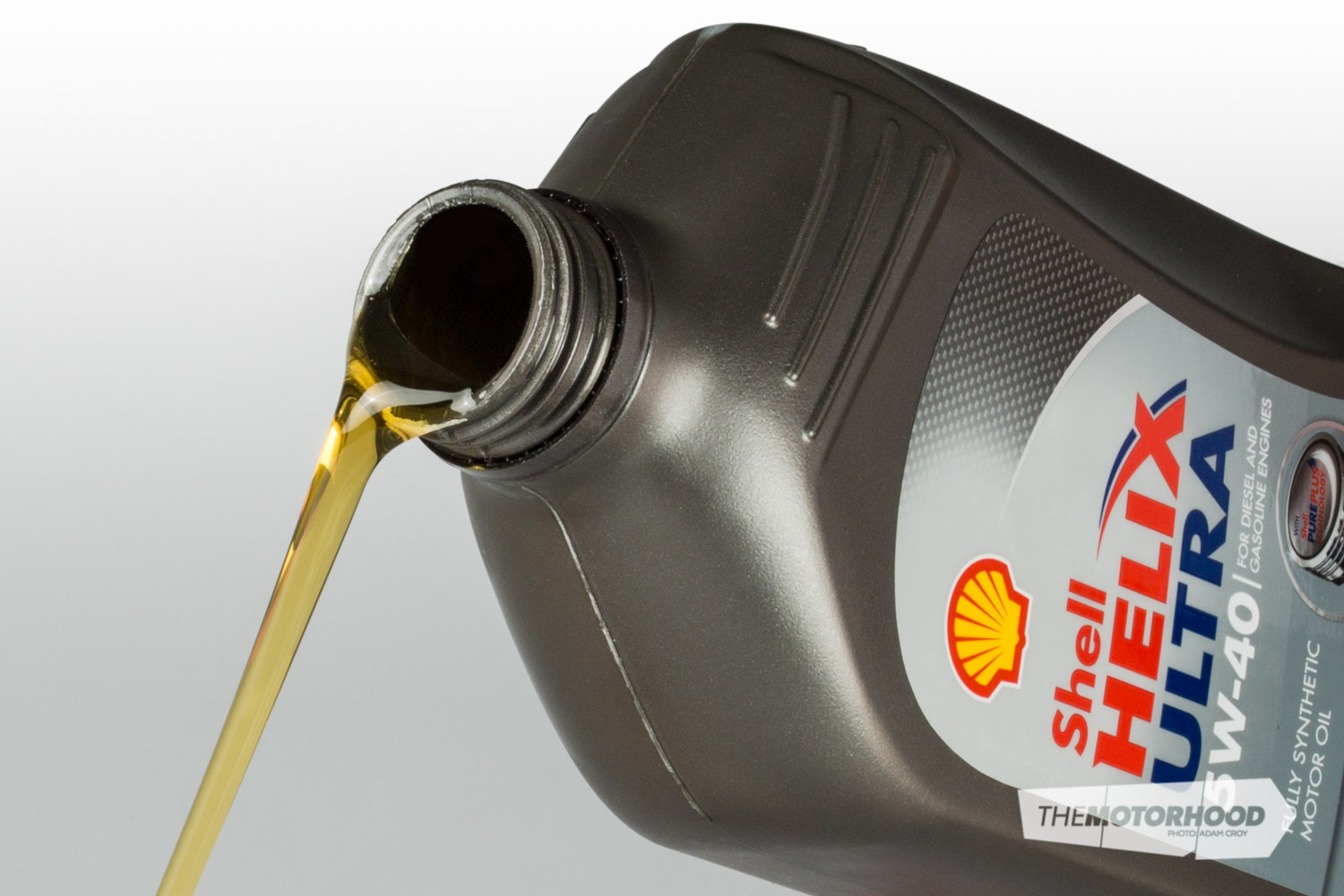
Among those who use Shell Helix Ultra is a man named Dave Salters. Like most, Dave has two arms, two legs, and two eyes — among many other features. But unlike most, Dave is the head of the Ferrari Formula 1 team’s engine department. Here’s what he has to say about the Shell’s PurePlus technology: “There has been a dedicated and successful development programme to develop a Formula 1 oil based on Shell PurePlus technology that has provided a good step in engine efficiency, whilst maintaining the protection necessary in this type of very highly loaded Formula 1 engine.
“With Shell’s development team we are working together very aggressively to develop and introduce new technologies in both the oil and fuel to improve the efficiency and fuel consumption of the power unit. The current regulation and engine architecture reward these types of efficiency gains that have been developed with this advanced oil technology.”
The forces that a Formula 1 engine is made to endure cannot be underestimated. Even with the race field downscaling to V6 power plants in recent years, those forces are still through the roof. Ferrari’s SF15-T unit for example produces more than 600hp, with its turbocharger rotating at 2000 revs per second, and subsequent temperatures operating at a balmy 1000C. New regulations pushing Formula 1 teams to restrict the amount of engines they churn through in a season to a mere four per driver only maximizes the need for products like Shell Helix Ultra.
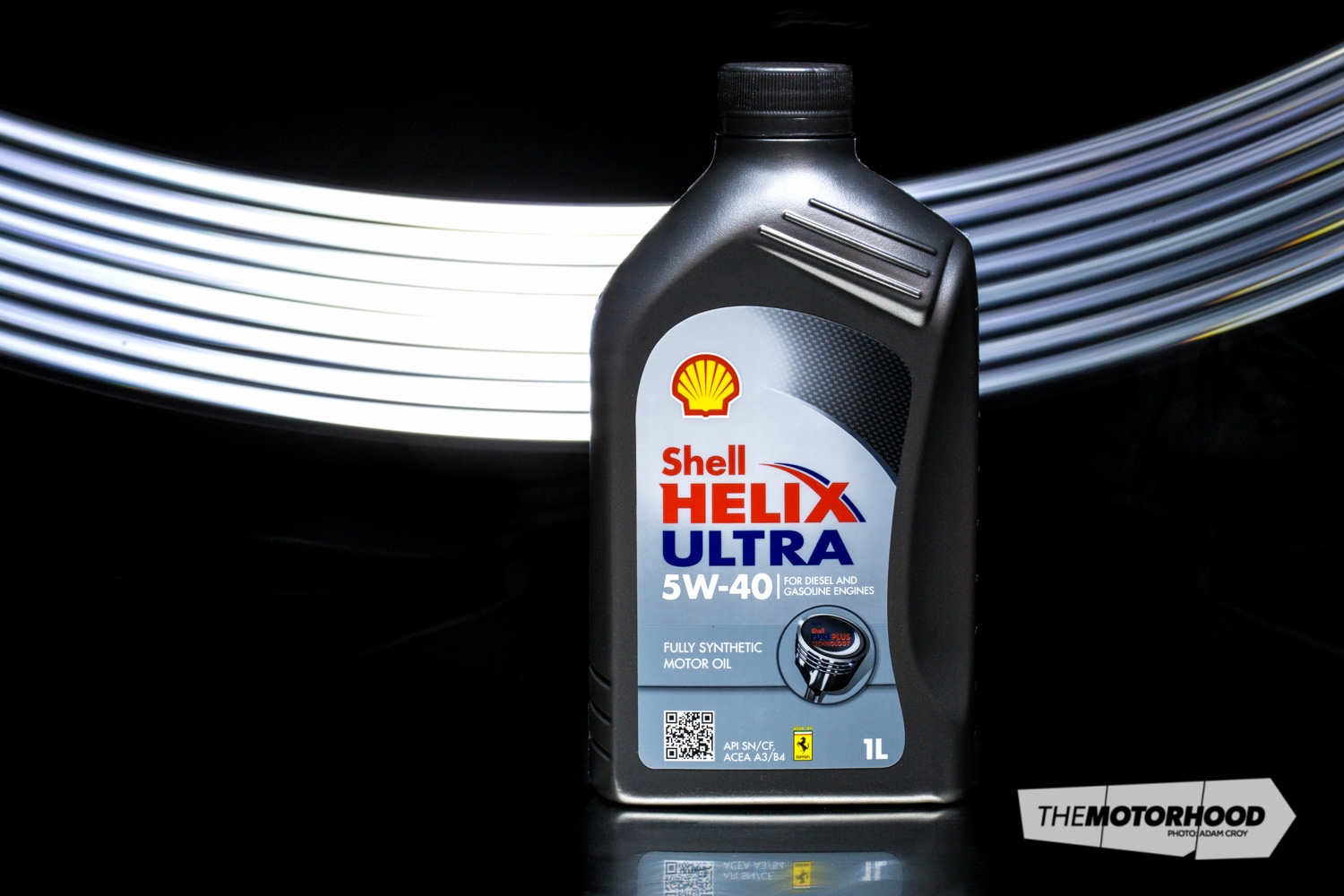
So it raises the point: if it’s good enough for one of the most decorated teams in Formula 1, then it’s probably good enough for your piece parked in the garage. You can grab your bottle of Shell Helix Ultra from Z, Repco, Supercheap Auto, and Blackwoods Protector outlets nationwide.
For the full list of stockists, and more information on Shell, visit them online at shelllubricants.co.nz.