When a butterfly flaps its wings in the forest, the effect can be felt half a world away — or so the saying suggests.
As Ben Selby explains, that could be literally true in the case of the Sera
By Ben Selby
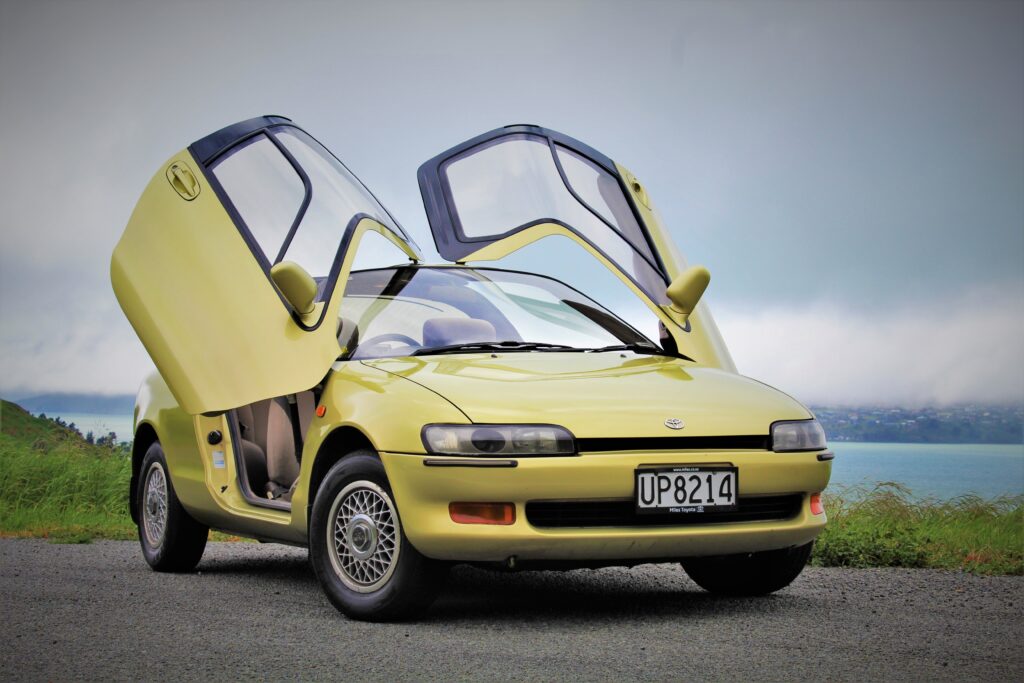
The man on the mountain bike pedalled over, taking it all in. Gazing in wonderment at this small Japanese coupe with butterfly doors, he said, “Wow, I have never seen one of these before. What is it?” When I told him it was a Toyota, he nearly fell off his bike.
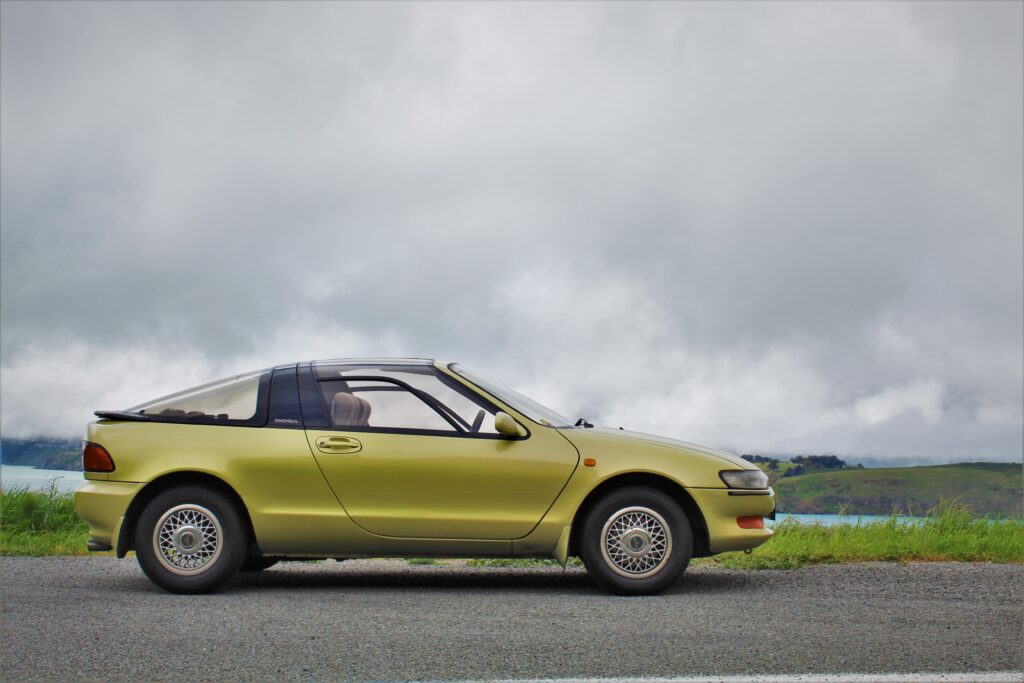
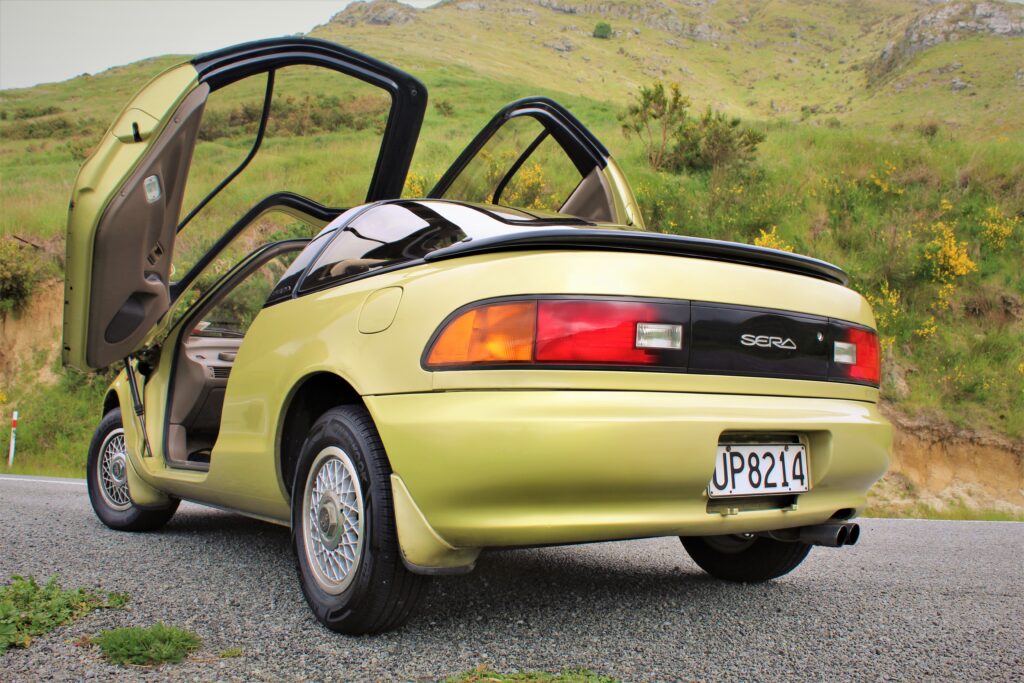
The Toyota Sera is unique amongst ’90s Japanese coupes. The Sera, which is Italian for ‘evening’, can trace its roots back to Toyota’s AXV-II concept car. Launched as part of a trio of Toyota concept cars at the 1987 Tokyo Motor Show, it shared its underpinnings with the P70 Toyota Starlet. The similarities ended there, thanks to the AXV-II’s low-slung and rounded coupe styling with butterfly doors. These doors were held upright by gas struts when fully open. Glass covered the upper section of the doors and the rear hatchback.
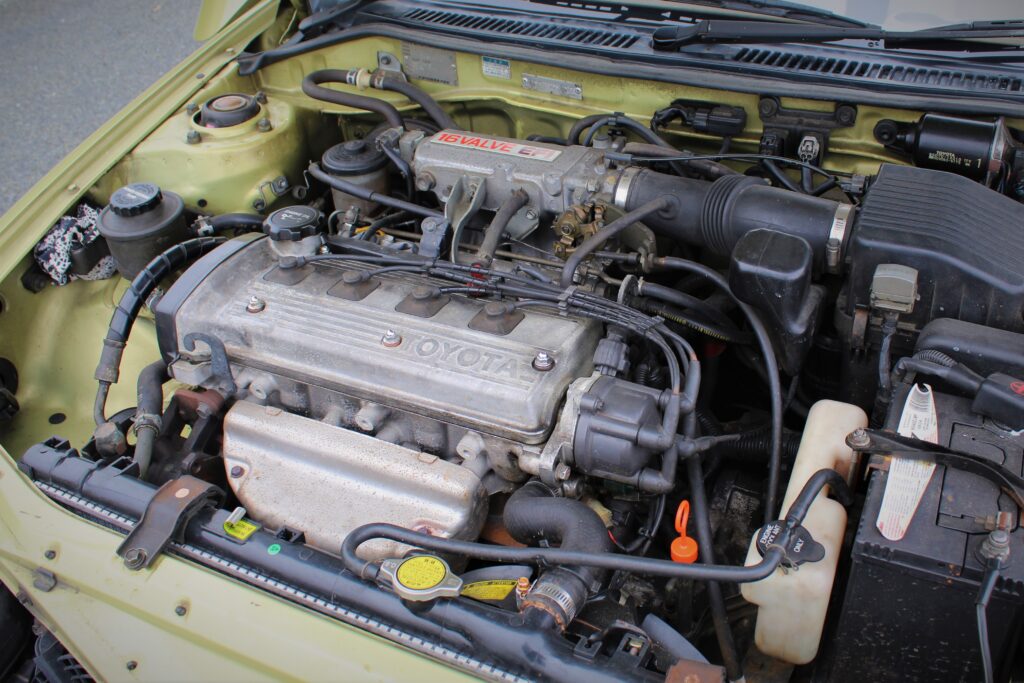
These features, much to everyone’s surprise, were carried over to the production Sera in 1990. Toyota marketed the Sera, which means ‘will be’ in Spanish and ‘princess’ in Hebrew, as a funky alternative to the much-loved MR2. The Sera retained its Starlet platform, and power came from Toyota’s 1.5L 5E-FHE four-cylinder engine producing 78kW and 132Nm of torque. Not a lot of power, sure, but the Sera tipped the scales at 930kg. Buyers could opt for a five-speed manual or a four-speed automatic transmission.
The Sera was built solely for the Japanese market, and almost 16,000 units were produced before Toyota pulled the plug in December 1995. Naturally, like countless JDM cars produced during the ’80s and ’90s, it was all too easy for a few Seras to wind up on New Zealand shores. Which brings us to this immaculate example owned by Nick de Lautour.
What will be, will be
Nick, who is also the proud custodian of a Volkswagen Golf GTi and Aston Martin DB9 Volante, is a big fan of Toyota’s quirky coupe.
“I just love the uniqueness of it. A small car, but it has plenty of power given its weight. Also, when you are driving along, thanks to all the glass around you, you can see the whole world go by,” he says.
Nick’s quest to own a Toyota Sera began shortly after he spied one on the street.
“I saw one driving around Christchurch a number of years back. I had never seen one before, so I did my research, found out about its doors and the fact that only a handful reside in New Zealand. This was the start of a two-year search to find the right car.”
When this example turned up for sale in Auckland, Nick moved fast. However, what he had found was a 1990 Sera that had spent all its time in New Zealand, lovingly cared for by the same family.
“The original New Zealand owner held onto it for 16 years before selling it to her brother, who kept it for four years,” Nick tells us.
It was also in Toyota’s gold-yellow launch colour, which greatly pleased Nick. It was the exact colour he wanted.
“The launch colour, in my opinion, suits the car best, so I was fortunate to find one with it. I would love to have had a five-speed manual with the rotating rear speakers, which were offered as an option, but this car looked so good I knew it was going to be almost impossible to find another.”
Nick flew to Auckland to view the Sera but found a few things were required to bring it back to mint status.
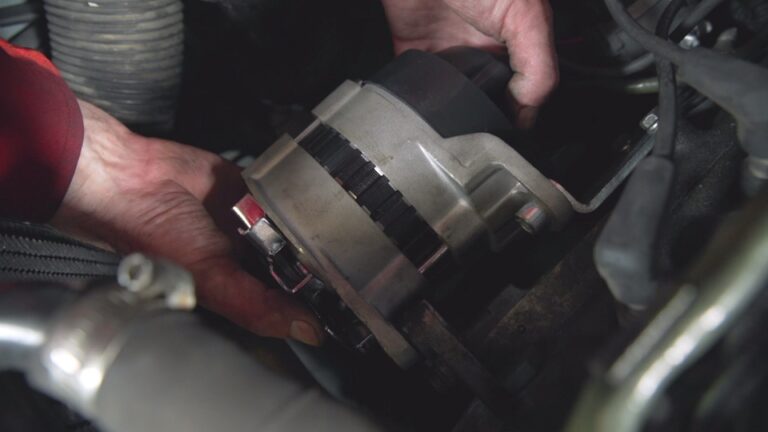
“It needed some TLC, the door struts needed redoing, the radiator top tank leaked, and it needed some new tyres. I still managed to do the deal and drive it all the way back to Christchurch. Since then, those things have been fixed, and I have installed a custom-built radiator. I was also fortunate enough to find an original Sera floor mat for the passenger seat,” he explains.
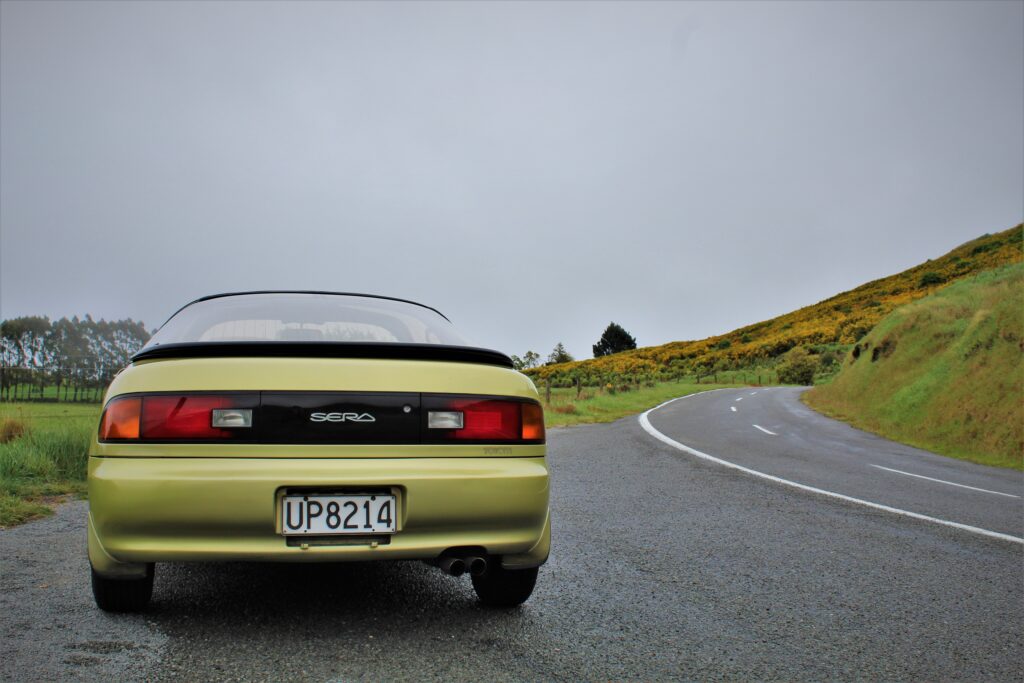
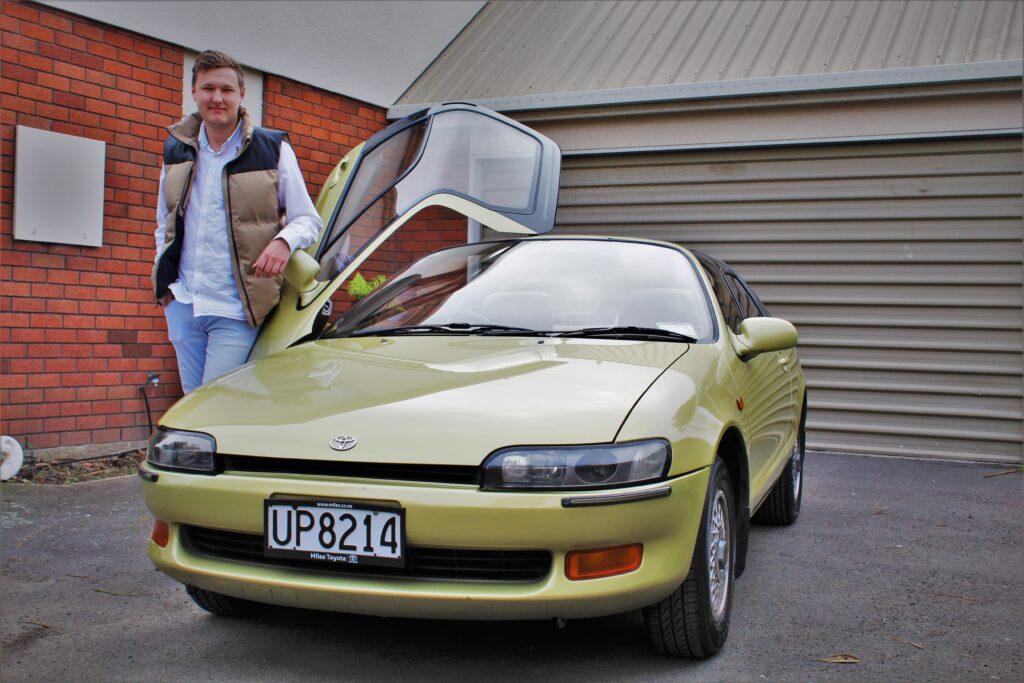
Pull the handle, and those butterfly doors rise up with ease. Despite its extra height with doors up, the Sera can still fit in confined spaces with only 43cm of lateral clearance required. Plus, thanks to those butterfly doors, the Sera often gets mistaken for something with a somewhat heftier price tag.
“I had parked it with the doors up, and a woman came over asking if she could take photos of my McLaren. When I told her it was a Toyota, she couldn’t believe it,” he laughs.
Supercar inspired
However, those doors have more in common with McLaren than you may think. The story goes that automotive and racing design legend Gordon Murray was in the prep stage of designing what would come to be his then-ultimate supercar, the McLaren F1.
Murray’s neighbour is said to have owned a Toyota Sera. Murray went over one day to take a peek at the odd-looking Japanese coupe his neighbour had bought. The doors went up, and Murray thought something along the lines of “Aha!”
Fast forward to 1994, and Murray and Ron Dennis showcased the McLaren F1 with upward-opening butterfly doors. Nick sometimes toys with the idea of fitting some number plate surrounds from McLaren Auckland as a tongue-in-cheek homage to the Sera’s loose link to one of the greatest supercars ever built.
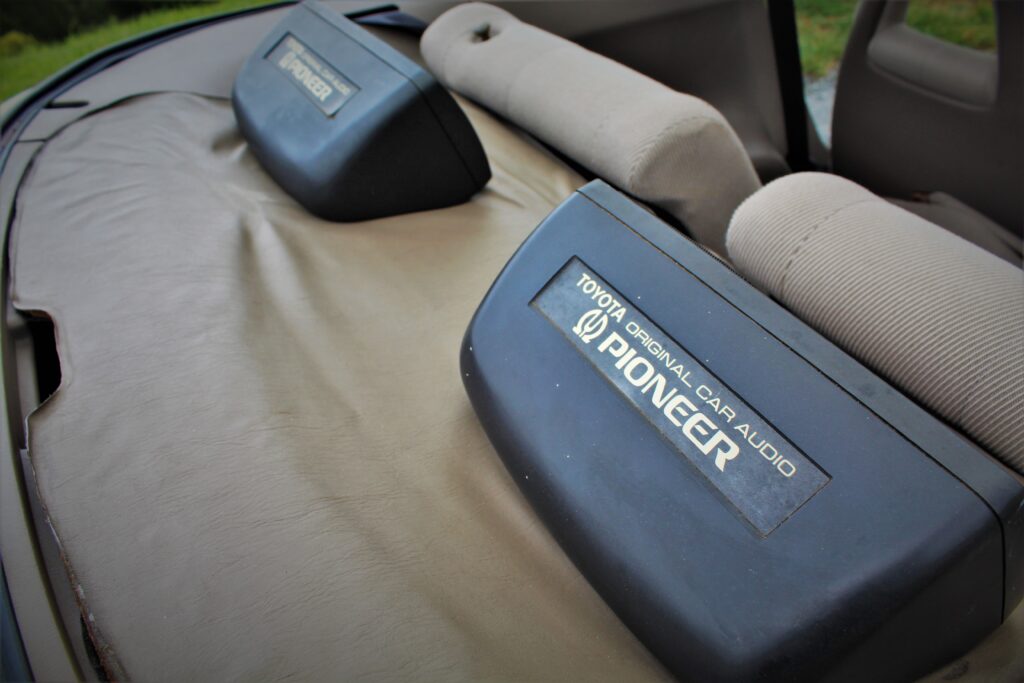
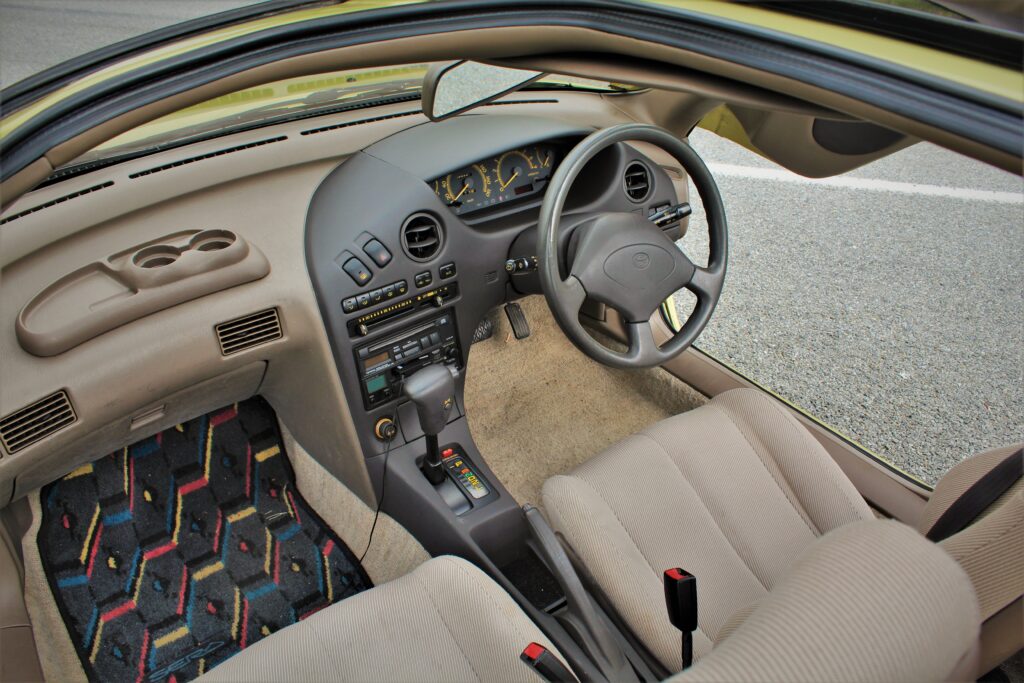
Inside, you are greeted with surroundings of form and function. It is immaculate. The switchgear and trim are in excellent condition. The car even sports the original Pioneer stereo system and the dash-mounted in-flight style tray with cup holders. A trip to a fast-food drive-through would be entertaining: receiving your comestibles via those open butterfly doors, because the electric windows open only a fraction of the way.
Turn the key, and that 1.5-litre four-pot ignites. In Starlet fashion, it is a very mechanical burble. Selecting drive is an early ’90s throwback. Flick back to drive from park, and you get the faint click-click of a Japanese auto box going from park through reverse, neutral, and finally to drive. The overdrive is on; time to move off.
What is great about the Toyota Sera from the get-go is just how comfortable those tan seats are. Christchurch roads are not renowned for being super smooth, but, despite not having a great deal of suspension travel, the Sera soaks up the bumps rather well. The steering is nice and light, but not entirely devoid of feedback either.
Sera Sahara
What becomes blindingly obvious after 10 minutes or so is just how warm it gets in the Sera. In fact, as the sun beats down on those mostly glass doors, it very quickly turns into a greenhouse. Removal of a top layer was required, as was the putting on of the aircon. If you intend to go a long distance with the Sera on a hot summer’s day, a T-shirt and shorts would be the appropriate attire.
The Sera gets looks on the move for sure, but even more once you park up. As we have established, all it takes is to raise those McLaren doors and cue the double takes and stares from passers-by. The original Pioneer stereo still works well. Thanks to Nick’s provision of a cassette-based aux cable, Spotify could be used to provide a suitable soundtrack of some early ’90s pop rock from the likes of Genesis and New Order.
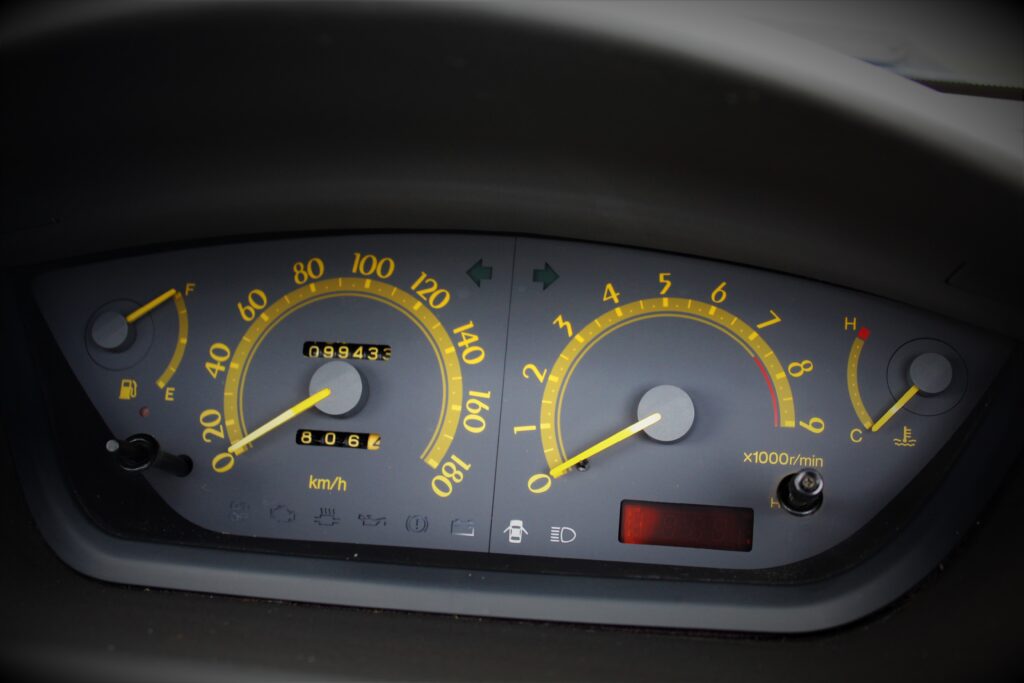
While you can happily pootle around suburbia, prompting those double takes from joggers, the Sera is also capable in the great wide open. Cruising at 100kph, that four pot sits at 2500rpm. I would have thought 3000 revs or higher at the national New Zealand open road limit would be more the Sera’s bag due to its displacement, but, no, it just plods along nicely.
There is a smattering of buffeting if you stray above 100 clicks, but it isn’t the end of the world. Despite the Sera’s comfort zone being an inner-city commute, it will quite happily munch up the miles. It is also capable of giving you a giggle in the bends. Naturally, you don’t corner flat but, providing you keep the power on and wring its neck, there is fun to be had.
Nick has no immediate plans to part with his Sera.
“I plan to keep it long term and can’t see myself selling it,” he admits.
After being allowed to spend a few days in its company, it’s easy to see why Nick is so smitten. The Toyota Sera won’t be everyone’s favourite JDM car, but for those who champion quirk and character above all else, the Sera, for its time, was almost peerless.
Specifications – 1990 Toyota Sera
Engine – 5E-FHE 1496cc inline 4-cylinder
Bore/stroke – 74mm/87mm
Valves – 16
Comp. ratio – 9.8:1
Max power – 109bhp (81kW) at 6400rpm
Max torque – 97ft·lb (132Nm) at 5200rpm
Fuel system – EFI
Transmission – 4-speed auto or 5-speed manual, RWD
Suspension – F/R: strut-type coil spring with stabiliser bar/torsion beam coil spring, with stabiliser bar
Steering – Power steering
Brakes – F/R Ventilated discs/drums
Dimensions:
Length – 3860mm
Wheelbase – 2300mm
Width – 1650mm
Track, F/R – 1650mm/1665mm
Height – 1265mm
Weight – 900–970kg
Tyres – 175/65R14 82H
Performance:
0–100kph – 6.6 seconds without a supercharger
Top speed – 195kph