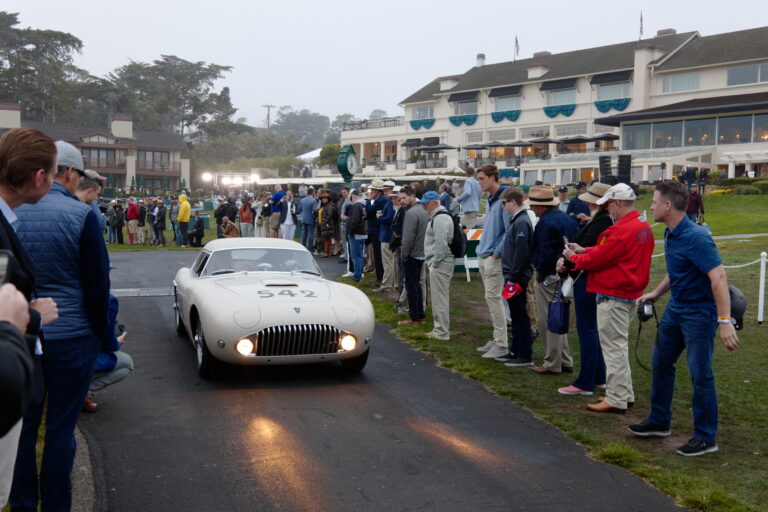
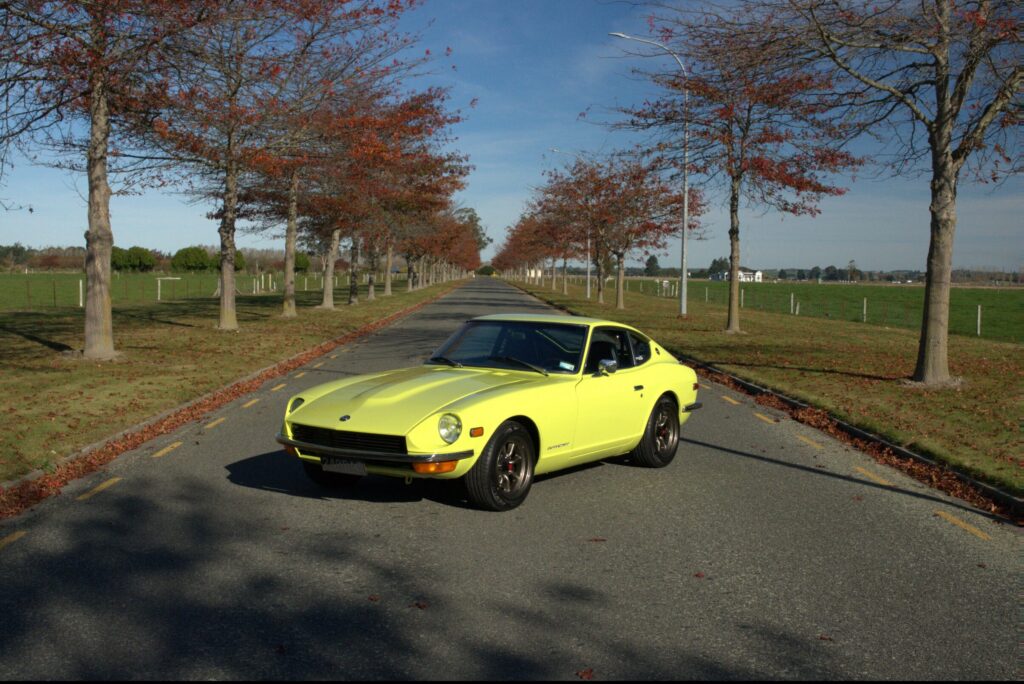
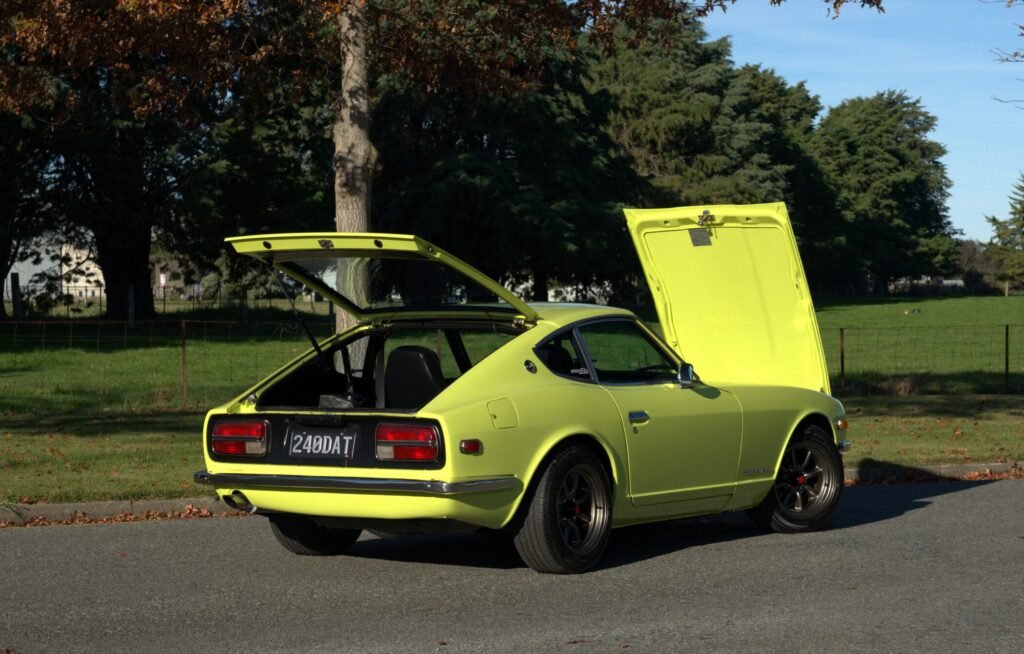
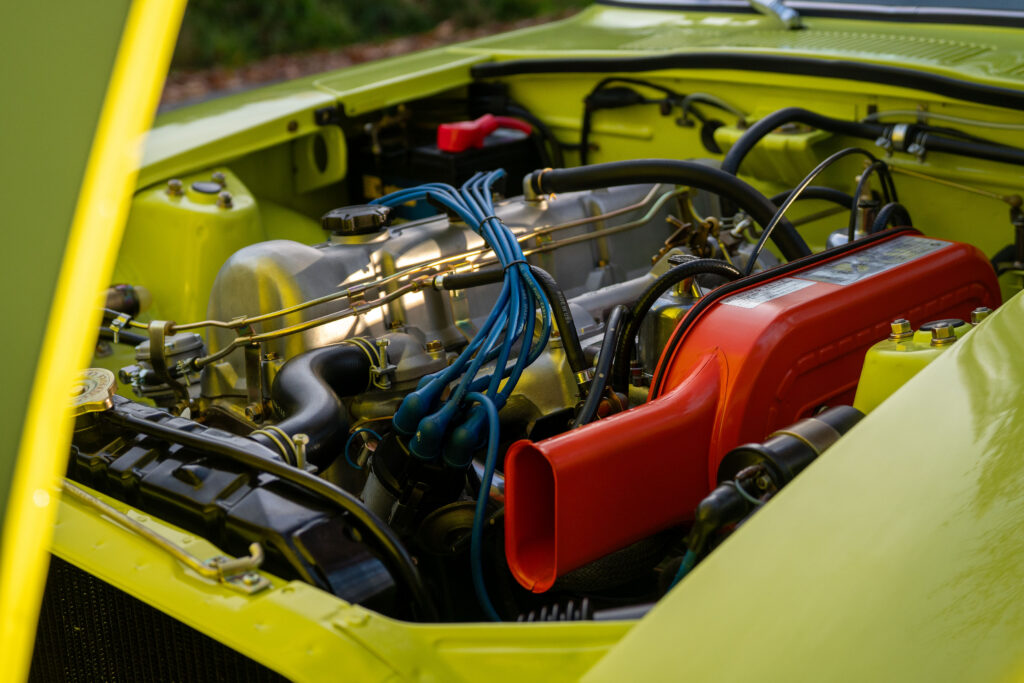
Rebirth of a brilliant Grand Tourer –1973 Datsun 240Z
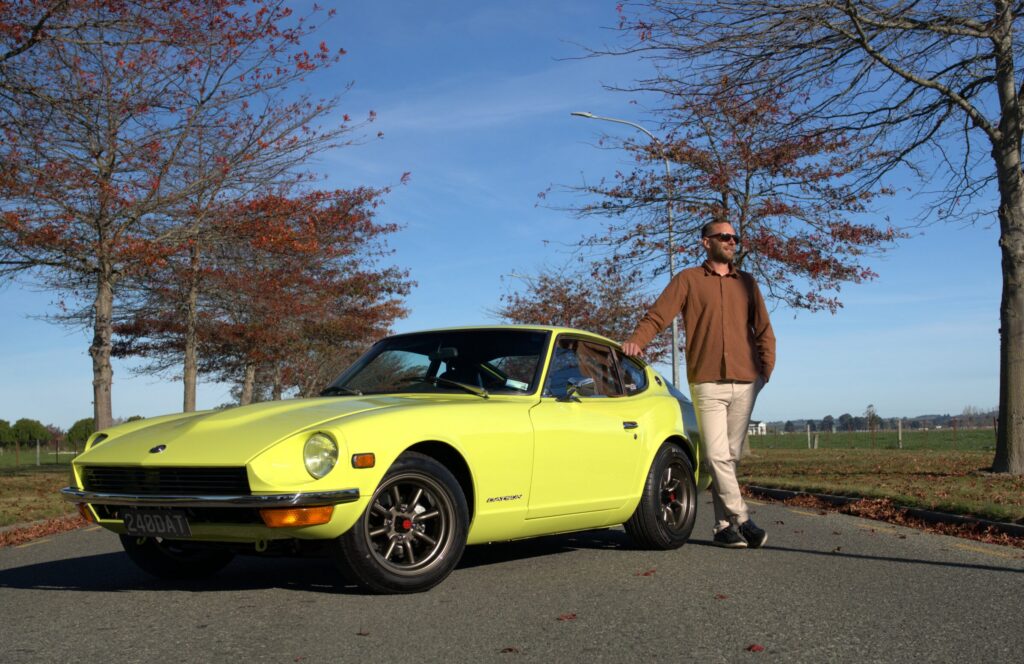
How often do we long for that ultimate dream sports car, and that dream comes true? This is about one of the most influential Japanese cars of all time, a car that changed the sports car market.
This is about much more than the restoration of an iconic classic sports car, the 240Z. It’s about the culmination of a dream over many years and the friendships made. It’s about the people who helped and the professionals whose approach ensured that the dream became a reality, an attitude typical of the industry we call ‘classic restoration experts’.
It is no surprise that the outcome after a lengthy search by Conrad Van der Geest for the right Datsun 240Z culminated in a trophy for the best Japanese car at this year’s Caroline Bay Beach, Rock N’ Hop at Timaru.
Originally a roadworthy car in running order, it was left-hand-drive and had been driven for several years by its Timaru owner, as Conrad explains.
“A neighbour, Dave Barron, knew I was looking for one and introduced me to the owner. I had seen the car being driven around Timaru. It was unusual for one of these coming originally from California, so it was a really clean car instead of rusty, as they are prone to rust. The story goes that the grandfather passed it onto his grandson, who decided to sell it, and that’s when it came over here.”
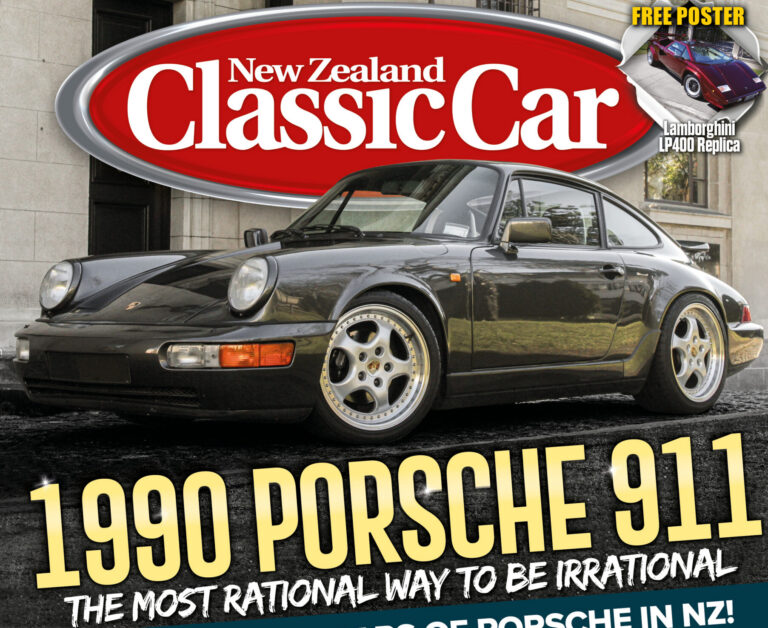
Every issue comes with our FREE huge wall poster; this issue, it’s our cover car for this edition, this 1973 Datsun 240Z
To purchase a copy of this magazine, head here to Classic Car’s very own online shop
The Ayrburn Classic 2027
Early bird tickets and car entries are now open for The Ayrburn Classic 2027
The countdown to The Ayrburn Classic 2027 is officially on. Following the extraordinary success of our 2026 event.
The Ayrburn Classic returns to Arrowtown from 19–21 February 2027, and we’re thrilled to announce that both Early Bird tickets and vehicle entries are now available at www.ayrburnclassic.com.
As one of New Zealand’s most anticipated motoring events continues to grow, 2027 promises to be our biggest and most exciting Festival of Motoring yet. If you’ve attended before, you’ll know The Ayrburn Classic is unlike any other automotive event in the country, and in 2027, we’re taking things up a gear.
The German Shadow Legend
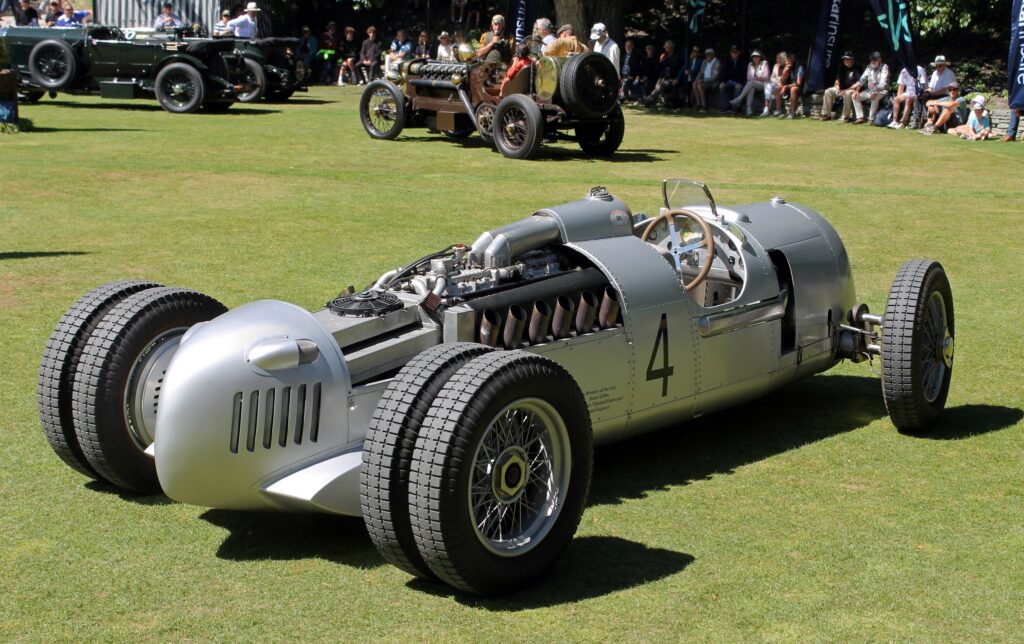
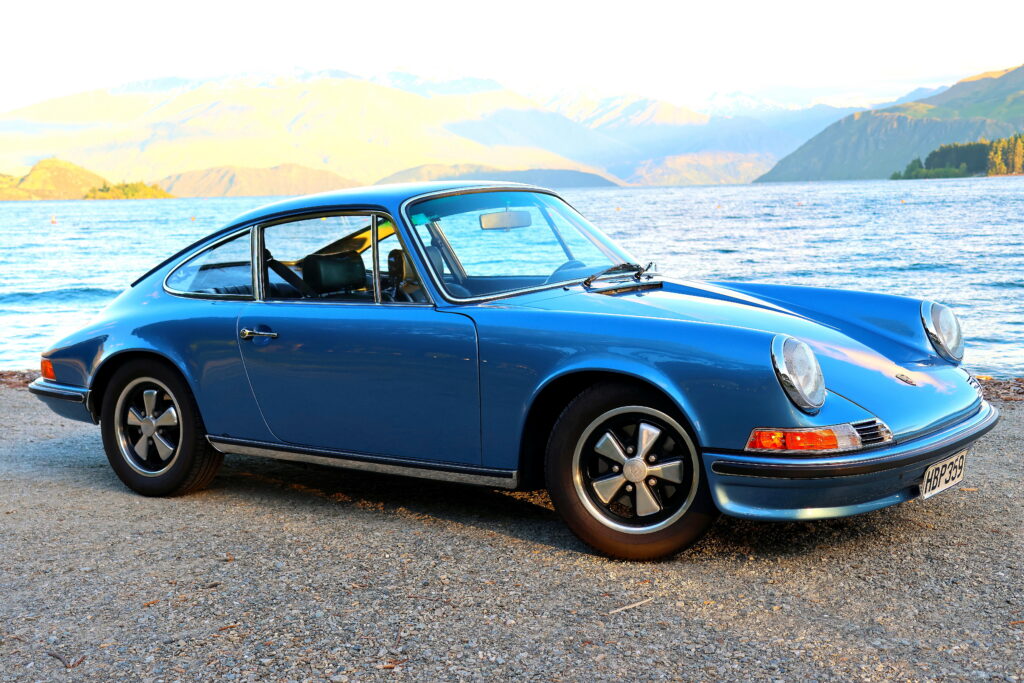
There are images, silhouettes from the twentieth century that are well known the world over. After more than 60 years, the silhouette of the 911 Porsche remains a recognised style icon.
The unmistakable Porsche 911 silhouette sits among equally famous icons from those decades. Famous silhouettes include Mickey Mouse, Alfred Hitchcock, the VW Beetle and the Mustang P51 fighter plane.
Ironically, the Porsche 911 is a descendant of the Volkswagen Beetle, a silhouette that survived the Second World War. The 911 silhouette has been with us since the famous Stuttgart native was first manufactured in September 1964, and it is now in its eighth generation.
In this issue of the magazine, we compare the 911 to its main USA rival, the Datsun 240Z.
An interview with Andy Buchanan – Part 1
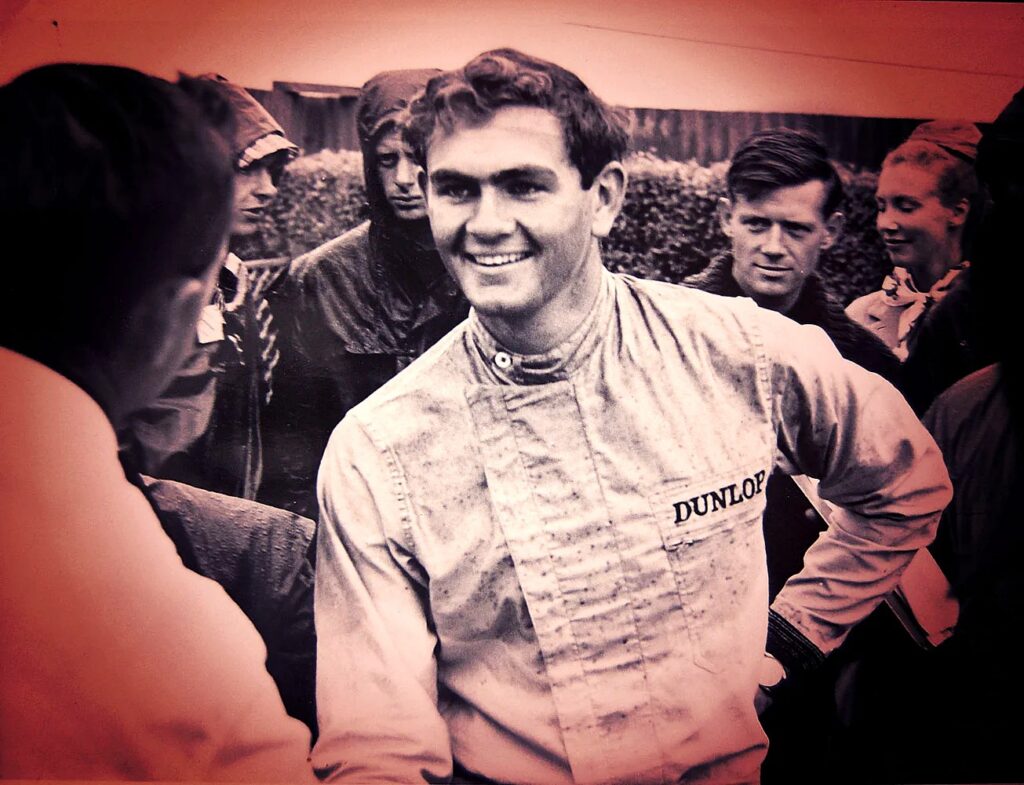
“You’re always first out to practise, first on the grid and first over the line,” Scuderia Veloce Racing Manager, David McKay, once said to Andy Buchanan, who became one of New Zealand’s most successful sports car racing drivers back when this was a formidable racing class.
Andrew Alister Buchanan was born on 21st August 1942, in the depths of a world war. His father, a Wairarapa sheep station owner, was killed in combat flying his Kittyhawk in Rabaul in Papua New Guinea, 15 months later.
Andy never knew him, but the family continued farming on a spread named ‘Te Awaawa’ at Gladstone, a short distance east of Masterton, where Andy grew up. He went to school in Wanganui, and during his teenage years in the late ‘50s, he was bitten by the car bug. In rural Wairarapa, you needed a car to get to the bright lights of Masterton!
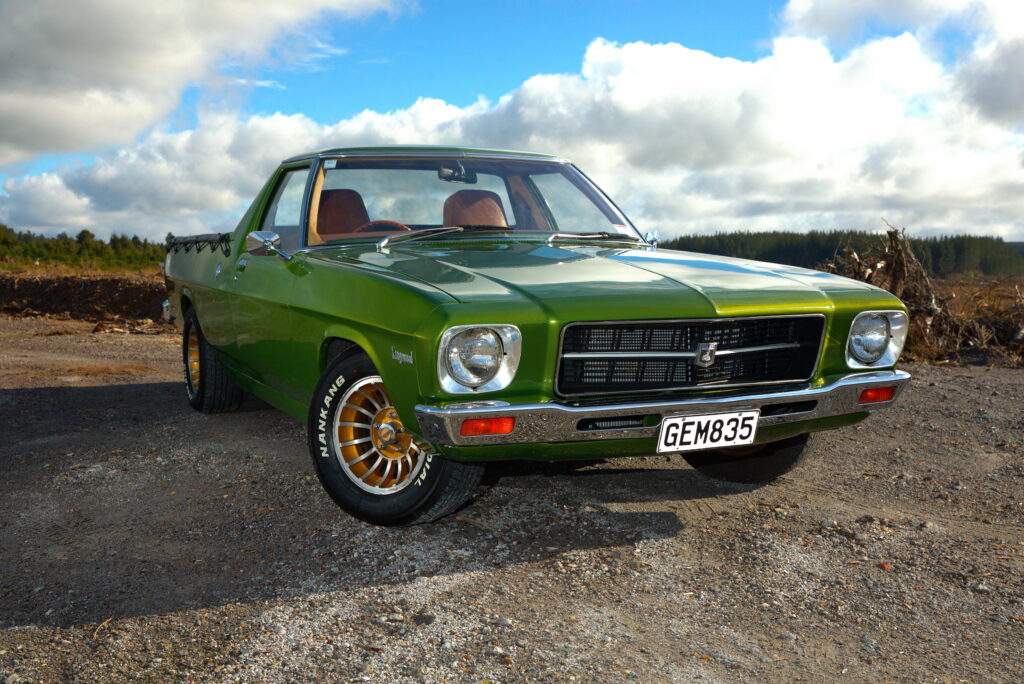
Aussie icon workhorse – 1973 Holden HQ Ute
Launched in July 1971, the Holden HQ ute was a major redesign of GM-Holden’s commercial range, aimed at improving comfort, safety, handling, and durability over the HG series it replaced. The HQ models became Holden’s second biggest seller ever.
Our striking green metallic featured ute didn’t always look this good. Owner Graeme Oliver found there was plenty to do to achieve the finish we see here. Was it worth it? A definite, yes!
“I’m enjoying driving it. It’s surprisingly easy to drive, and it has plenty of power with that 308 V8. It gets used a fair bit, and that engine really performs”
Holden achieved a good-looking commercial vehicle range, competing strongly with Ford’s Falcon and Chrysler’s Wayfarer Utes.
Sales competition was fierce, and it was only a matter of time before that competition spread to the racetrack with the ‘Aussie Brutes’ V8 Ute racing series.
In New Zealand around 2007, we developed the highly entertaining and fiercely competitive NZV8 Ute racing series, currently held with 5 rounds on North Island circuits. The Holden ute was a popular workplace choice over expensive imported four-wheel drives, with Aussies and Kiwis buying HQ utes in their thousands. The model accounted for a hefty chunk of the overall 485,650 HQ units sold of all models.
Harlow’s Classics: And Ford said, no!
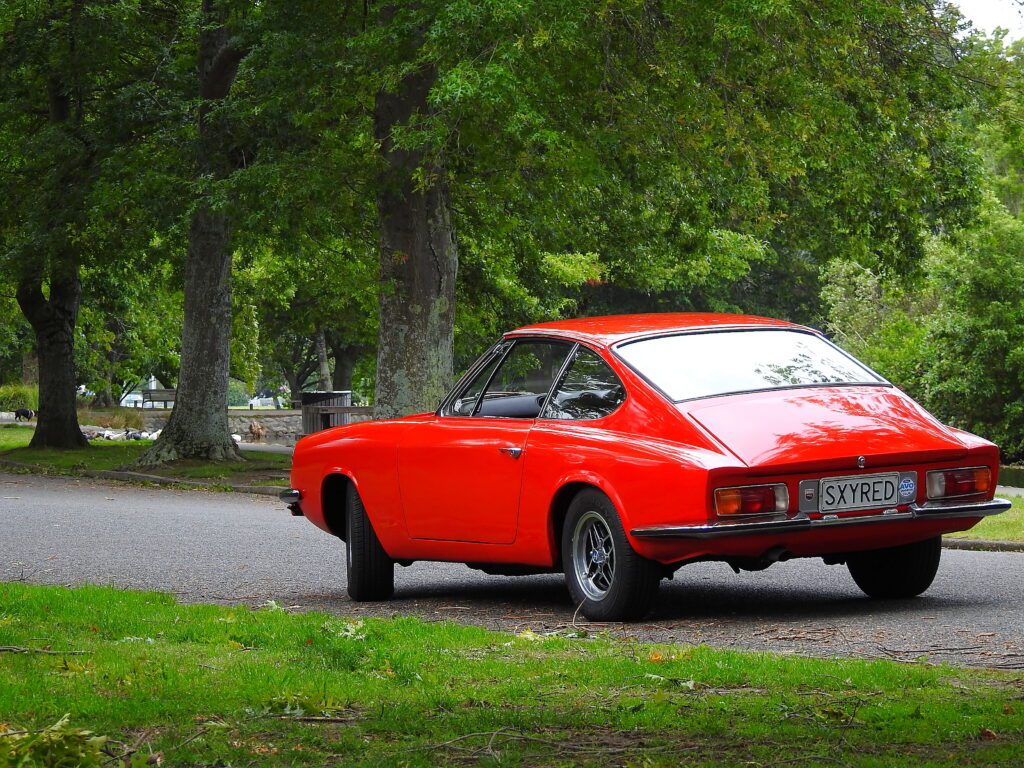
How did an experimental car from the Italian design house of Frua end up in New Zealand? Patrick’s curiosity was piqued when he saw this stylish coupe at a Wellington car show, so he investigated and found it’s a surprising story.
I first saw this car just over four years ago at the annual ‘Classic British and European Car Show’ held in Trentham Memorial Park, Upper Hutt.
The car had no identifying features, and I was impressed by the quality of the metal body, so I hung around for a while, but the owner never turned up.
The following year, I saw it being driven out of the gate, but I was too far away to wave it down. Finally, in 2026, I saw it again at the same show.
Melissa’s Garage: Drive like a girl!
Breaking stereotypes on the track with Danielle Hurst – What Were You Doing at 12 Years Old?
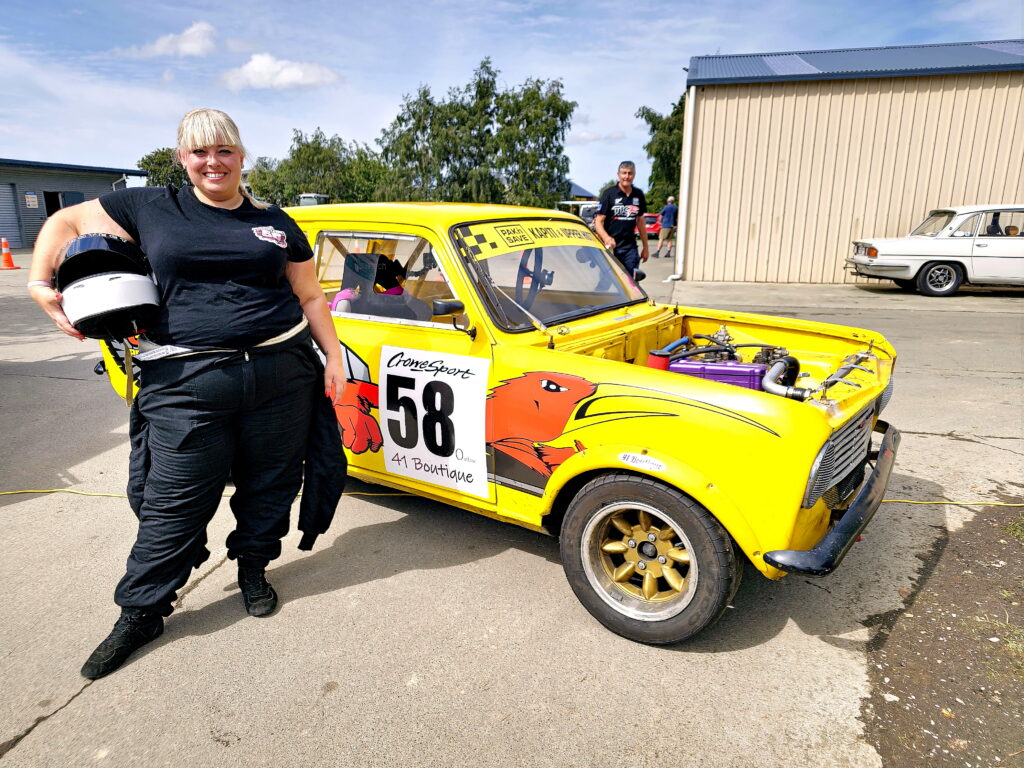
Before most teenagers even think about getting a learner’s licence, Danielle Hurst had already earned her race licence, and she wasn’t even old enough to drive on the road!
Racing wasn’t something she casually picked up-it’s in her blood. Her uncle, who raced Pre ’65 and speedway, introduced her to the sport early. At just a few months old, she was already trackside watching the action, and by eight, she was completely immersed in the racing world.
“Cars are just something that…I don’t know, they just make me happy.”
Motorman: The saga of the Rover SD1
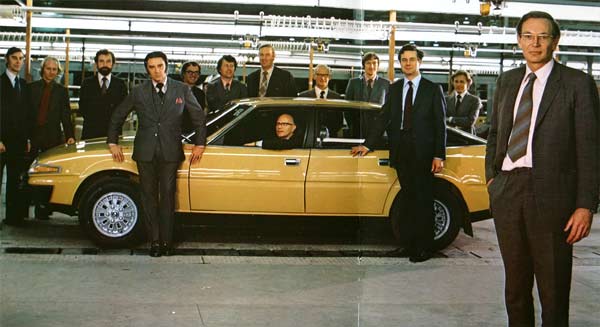
As the Rover SD1 marks its 50th birthday, is it time to forget about that stylish body or revive it as a true classic? Donn Anderson seeks the answer after living with a 1978 model 3500 for 12 years.
The stage was set. A new model with supercar styling was about to elevate the Rover brand to new heights. In its April 1976 issue, ‘Car’, the well-known British motoring journal, presented the Rover SD1 on its cover with the message: “Mercedes, BMW, Volvo, Citroen Beware. This new warrior will turn the tide for Britain!”
Except that it did not. The SD1 is half a century old this year, yet it is probably inappropriate to label the 50th anniversary a celebration. The comparatively large five-door hatchback is still a good looker and a fine driver, but it was let down by poor quality and a failing British Leyland empire.
Market Report: Porsche 996
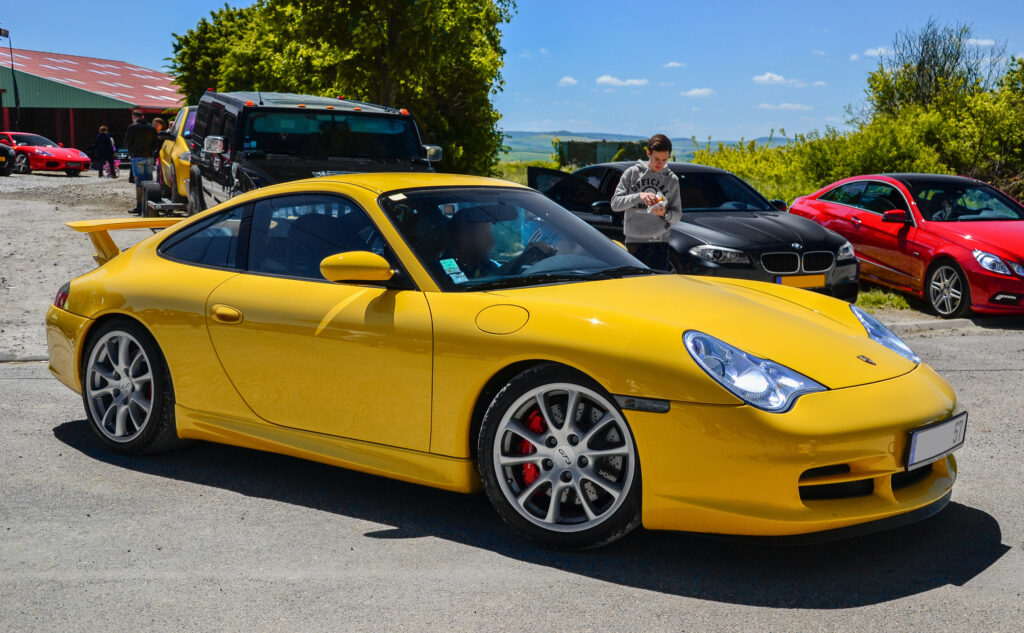
Anyone in the market for a classic or would-be classic Porsche 911 these days generally has to set aside close to at least six figures to get a look in. Or do you?
It seems there is still a chapter of the compendium that is the Porsche 911 that is still (for now) within reach of many of us. This chapter, of course, is the 996, a 911 that has been long-forgotten and unfairly dismissed by some.
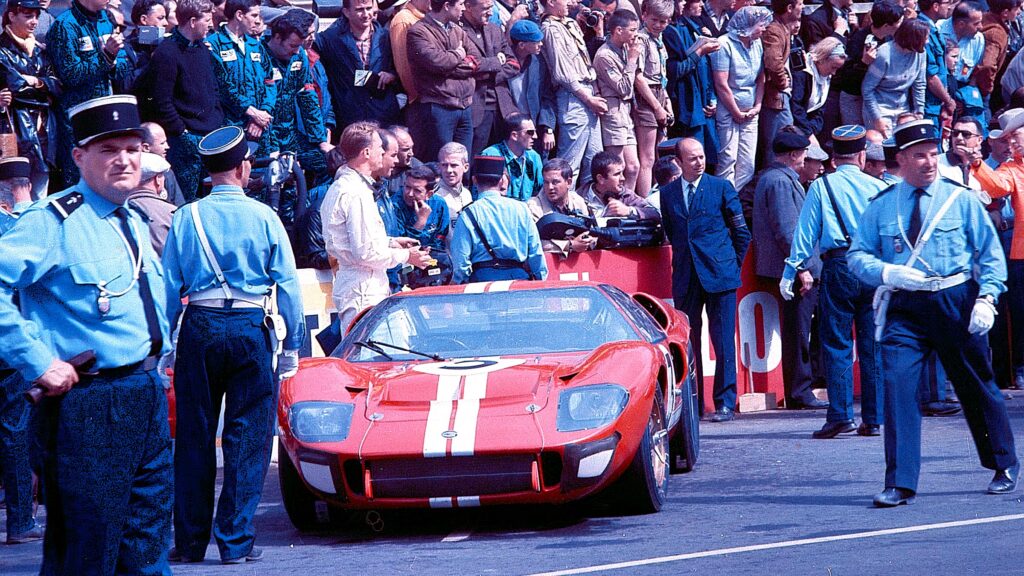
Le Mans 1966: 60 years of controversy – part 2
Vaughan concludes his look at Le Mans 1966 with the Kiwi input for Ford’s GT40, a race that still inspires debate today.
Initially, most entries in Le Mans were two-man teams sharing the driving responsibilities. Some racers, like Pierre Levegh in 1952, attempted to run the race solo, but this was rare.
The first win by a team of three drivers was in 1977 with Jacky Ickx, Hurley Haywood, and Jürgen Barth driving a Porsche.
By the early 1980s, three-driver teams had become standard practice for most teams. The last year it was won by a two-person team was in 1984.
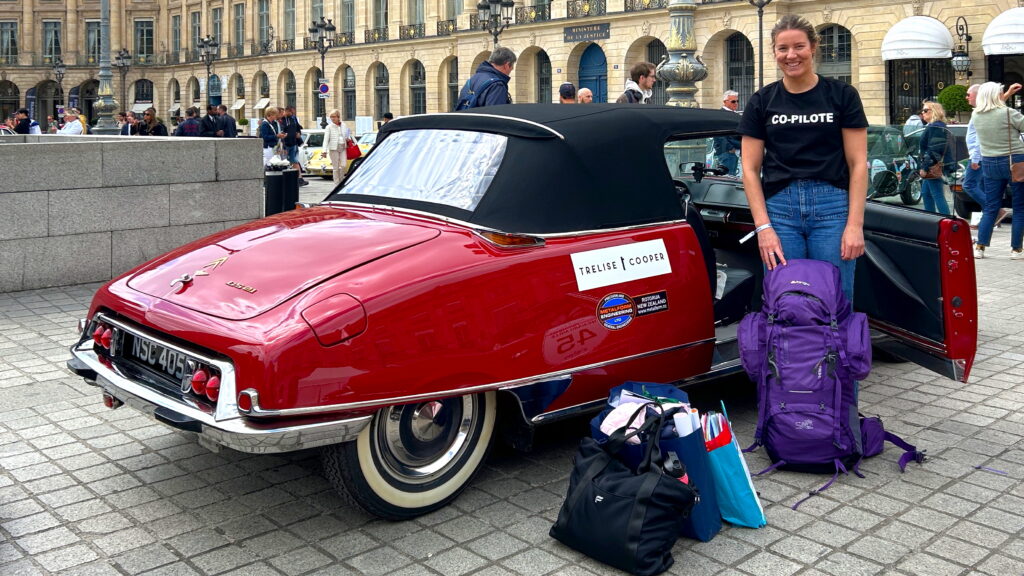
To France with flair, part 1
For 26 years, the Rallye des Princesses Richard Mille has attracted car enthusiasts from all over the world. The Rallye celebrates a lifestyle of elegance and a passion for collecting and driving performance and classic cars, with one important cachet: ladies-only!
In May each year, in late spring, 90 women’s crews, each with a passion for classic cars, gather at the Place Vendôme in Paris for 5 days of cruising through some of the most scenic and enjoyable roads in France. The Rallye takes a different route each year.
In 2025, the chosen journey took the Rallye from Paris to the stunning French Alpine region of Aix-les-Bains, with an overnight at the château-like Imperial Palace on the edge of Lac d’Annecy in the Haute-Savoie region.
It was then over Alpine roads and down to the French Riviera, to the finish line at the Place des Lices in Saint-Tropez, a distance (depending on the route taken) of between 1600 and 1800 km. No Sunday drive!
Just fabulous venues, stunning food and wine, as the French do it so well, and the locations, straight out of fairy tales!
John Hardy Chronicles – Part 2
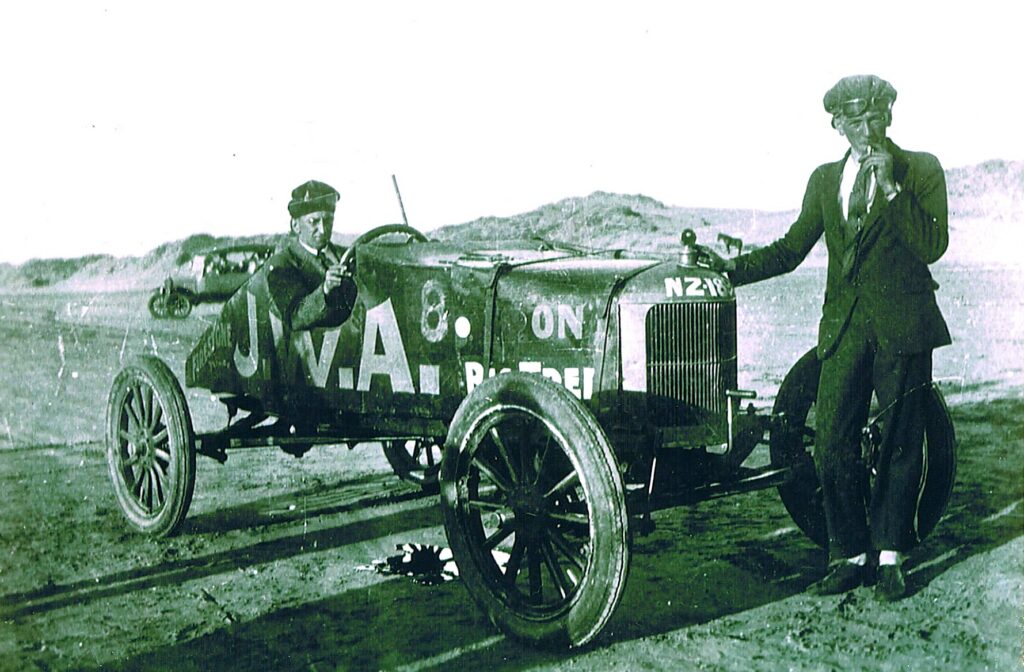
The Hardy family and friends’ motor racing history
Now retired and living in Christchurch, John Hardy has documented some fascinating memories of his grandfather and father’s motor industry involvement, and their early motor racing exploits in the Auckland region.
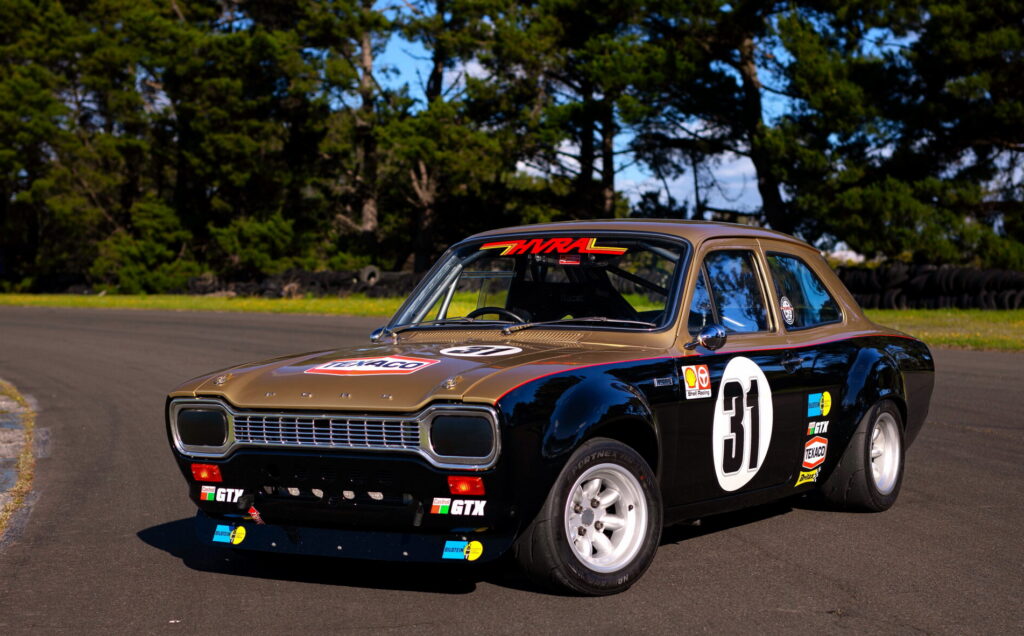
1972 DRM Tribute, Ford Escort Mark 1, RS2000, GRP2
Few cars have ever owned an era the way the Ford Escort Mark 1 did in the 1970s. It was a period of not only exciting motorsport, but also of technical excellence, with UK teams at the forefront of the action with these unforgettable little cars.
Whether it was carving through forest rally stages, battling door-to-door on European circuits, or sliding sideways across muddy club tracks, the little Ford seemed to be everywhere – and more often than not, it was winning.
In the hands of fearless drivers and clever engineers, the humble family sedan transformed into one of the most formidable competition machines of its time.
In 2021, Calvin and Linda ventured down to Taupo with their good friends Ken and Jill Hopper, whose son David was racing in The Historic GP Event. This would be the catalyst for a whole new build car, along with many new adventures with Calvin’s old Escort Mark 1, in their shed.
The Taupo meeting was a classic affair, and there was one class soon to be the ‘new kid on the block’, and now fondly known as the Historic and Vintage Racing Association (HVRA).
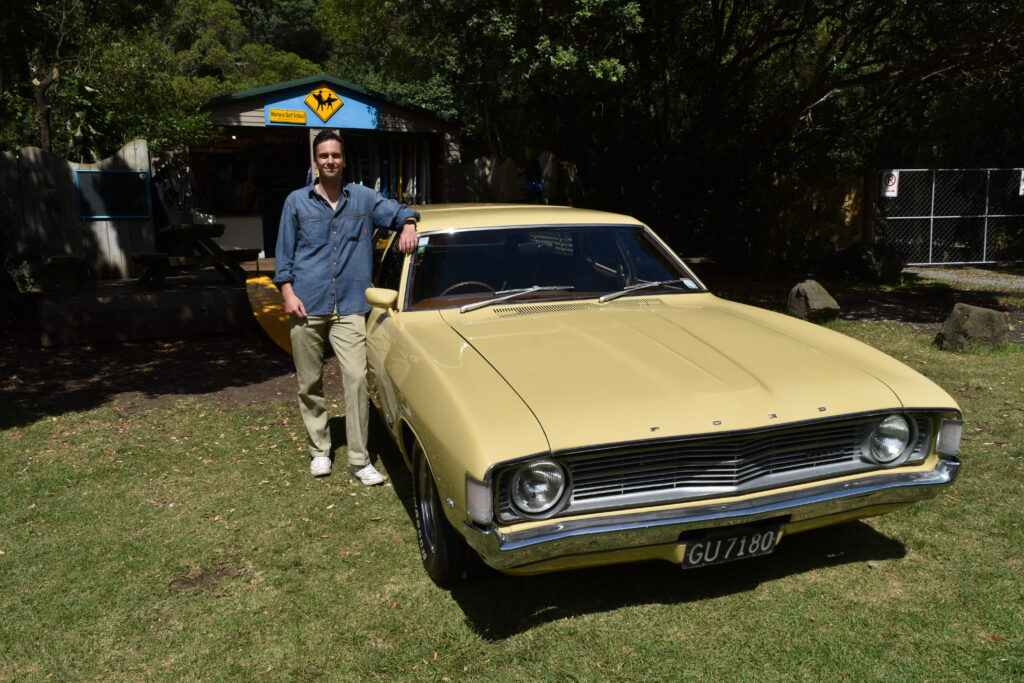
1973 XA Ford Falcon Station Wagon
Ford introduced its Falcon range to Australia in 1960, against serious competition from its main rival, GM-Holden. Not only did it flourish, but in 1972, Ford introduced the first all-Australian designed XA range, finally answering GM-H’s challenge with a rousing 150,000 Falcons sold in 19 months.
It was quite a surprise when Auckland owner Mike Watson sent us photos of his cream XA, which he has maintained in almost its original condition. Even more amazing is that he is just the third owner, the second being his father, while Mike was overseas!
“Every time I go into a gas station or pull up somewhere, there’s always someone who has a chat with me and says their mum, dad, or their uncle or someone had one, and they always want to chat about it. It’s quite funny. You know, it needs to go to somebody that’s going to look after it, garage it, and/or a club person that’s going to use it on runs and stuff.”
You read it right, this big load carrier is available as Mike has other plans and doesn’t need another car.
A usual rust point is the tailgate, and Mike had this repaired and the body repainted in its original colour. The only item needing replacement is near the driver’s door sill, where the carpet is beginning to show its age and a patch is required, while the rest is in great condition.
Price on: by Greg Price
Road user charges – with the emphasis on the user!
There has been quite a bit of debate of late (hey! that rhymes!) about removing some of the petrol excise duty (tax) and substituting RUCs for petrol vehicles.
Buried in the fine print was the terminology ‘electronic systems to support compliance’.
This made my suspicious antennae stand at full height. Notwithstanding that the Road User Charges Act 2012 (the Act) has existing provisions to protect privacy by limiting what ERUC information the RUC collector can access, I have serious doubts about exactly what else such electronic surveillance will provide the authorities, and from which device(s) it will be collected.
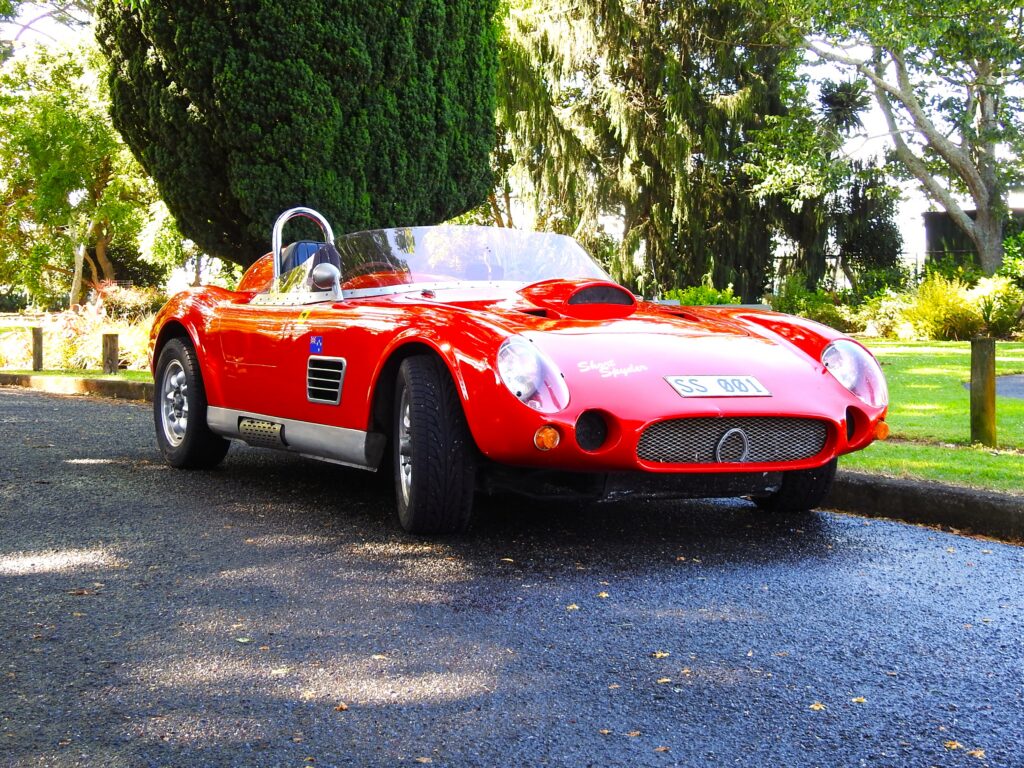
Kits and Pieces – This Spyder still bites!
Many people in New Zealand have tried to put a car of their own design into production, only to be forced to back out at some stage. One man’s ambition to build a stylish sports car has, in this case, been completed thanks to the dedication of family and friends.
Designing a production car is expensive; unless you are somebody like Elon Musk, your financial resources will probably be limited. The car in this story was inherited by Stuart Short after his father, Jim Short, passed away in 2024.
Jim was well known on the New Zealand racing scene, driving a Porsche 911S RSR ‘Black Beauty’, in the 1980s and also a Mk2 ‘Coombs’ Jaguar. One of his favourite racing cars was a homebuilt car, the Paton Ford. It was the first race car that he bought in 1972.
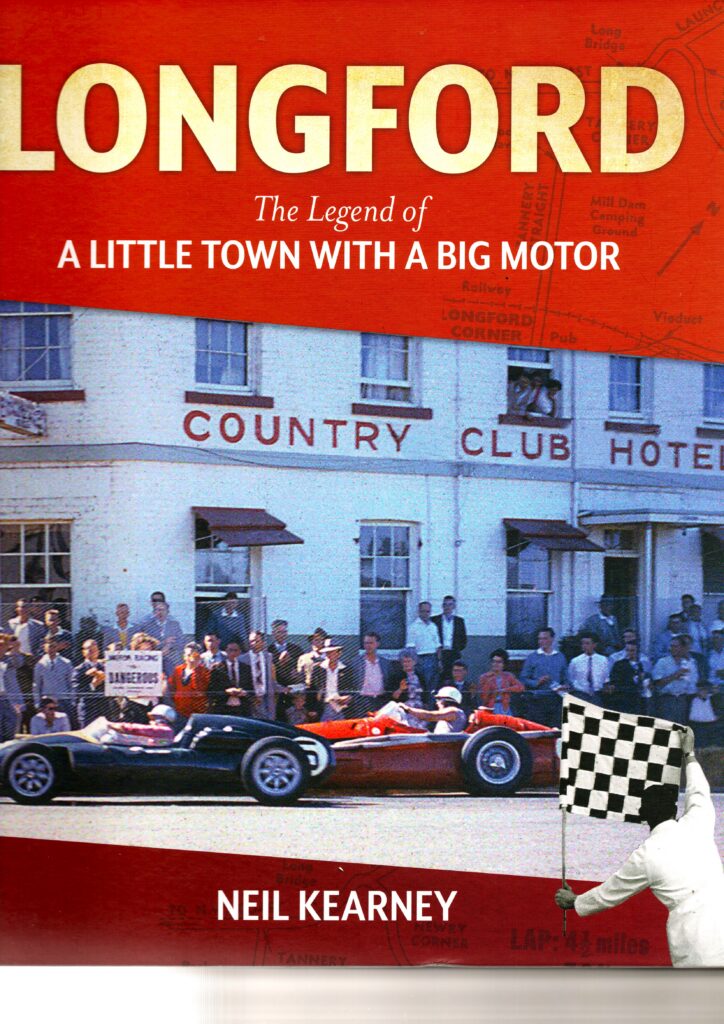
Looking Back: The legend of Longford-part 1
Gerard makes a pilgrimage back to Australia’s fastest and most dangerous road circuit from the heady motor racing years of 1953-1968. A stretch of asphalt roads in Tasmania’s central farming country has long held a mystique for Gerard for more than 50 years.
I read a series of stories about motor racing at Longford in automotive magazines from back in the day. The place captivated my adolescent imagination. It was a racetrack that truly separated the men from the boys (and a few notable women). Describing the location of this ultra-fast, dangerous road racing circuit as unlikely is not an exaggeration.
As they say, necessity is the Mother of Invention, and the circuit was created using public roads around the tiny town of Longford. It was a product of post-war restrictions, with innovation creating something out of nothing. They did create something there, far bigger than they ever possibly imagined. It might just have remained a regional, state or national affair, but it blew out into something much bigger.
Ben’s Next Gen’ classics – By Ben Selby
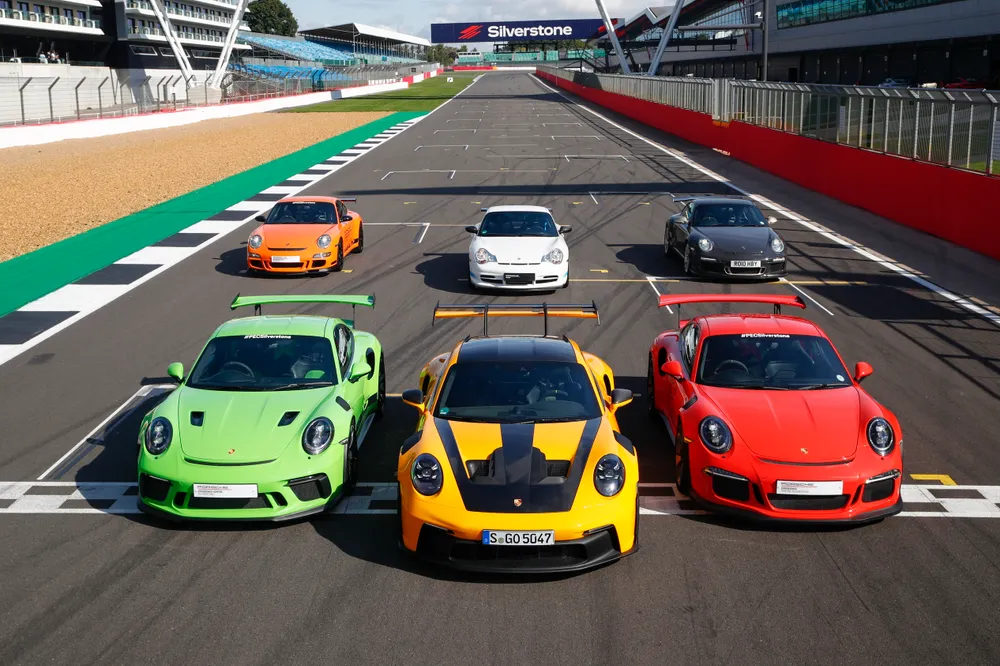
Porsche 911 (992/2 GT3
It’s an almost dead cert that any new Porsche 911 with the ‘GT3′ emblem will by default stand tall on the coveted ‘future classics’ rostrum.
The 911 GT3 was born from Porsche’s appetite to give customers the chance to experience the closest thing possible to a road-going racing car, while continuing a line which can be traced back to the iconic, pared-down and stripped-back 911 2.7 RS from 1973.
The GT3 nameplate, of course, refers to the class of GT3 racing. When the first 911 GT3 (the 996) was launched in 1999, the class was known simply as ‘GT’, and FIA regulations required Porsche to build road-going production versions of the racing car to qualify for competition in the class.
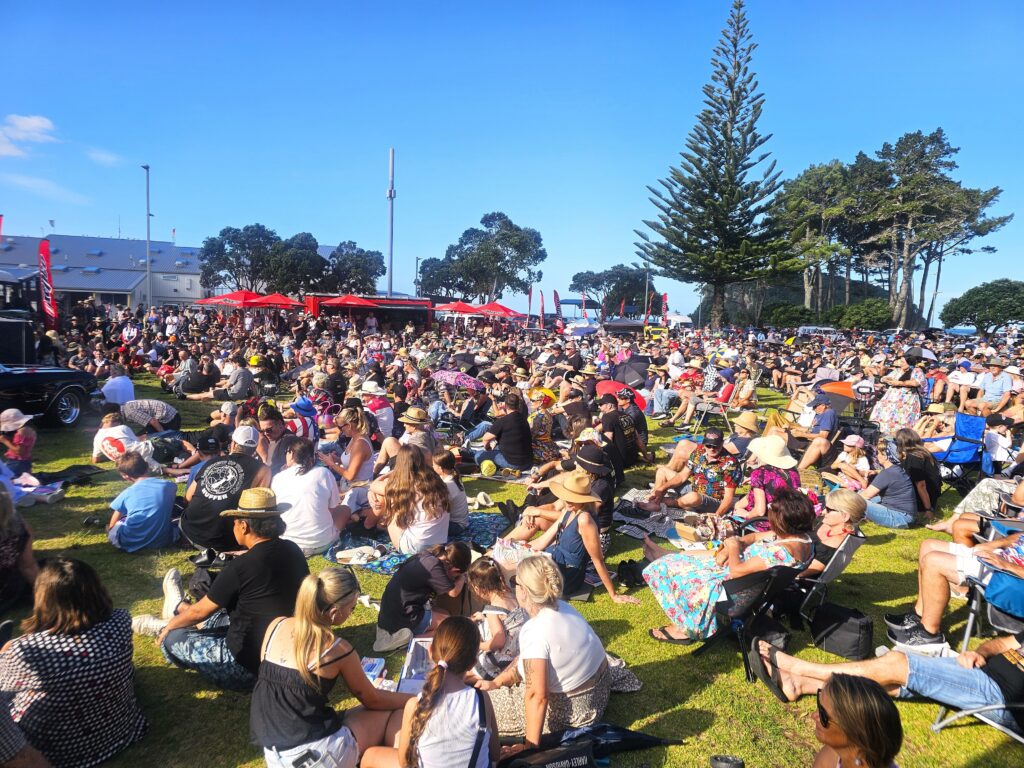
Repco Beach Hop Whangamata
Now in its 26th year, Repco Beach Hop kicked off a new chapter, with Denis Beaver taking the reins after Noddy Watts’ final year in 2025.
Every year, Whangamata comes alive. There’s live music, bars pumping, comedy nights, competitions, and cars everywhere you look. This 5-day festival is one of the largest in Australasia.
The whole town has a vibe that’s hard to beat. Fuel prices didn’t hold things back this year, with people still rolling in from all over New Zealand.
We rolled into Whangamata late Tuesday night, ready to kick things off with the Waihi warm-up party on Wednesday. We had no idea it would be the only cruise out of town for the entire event.
1952 Buick Super Riviera
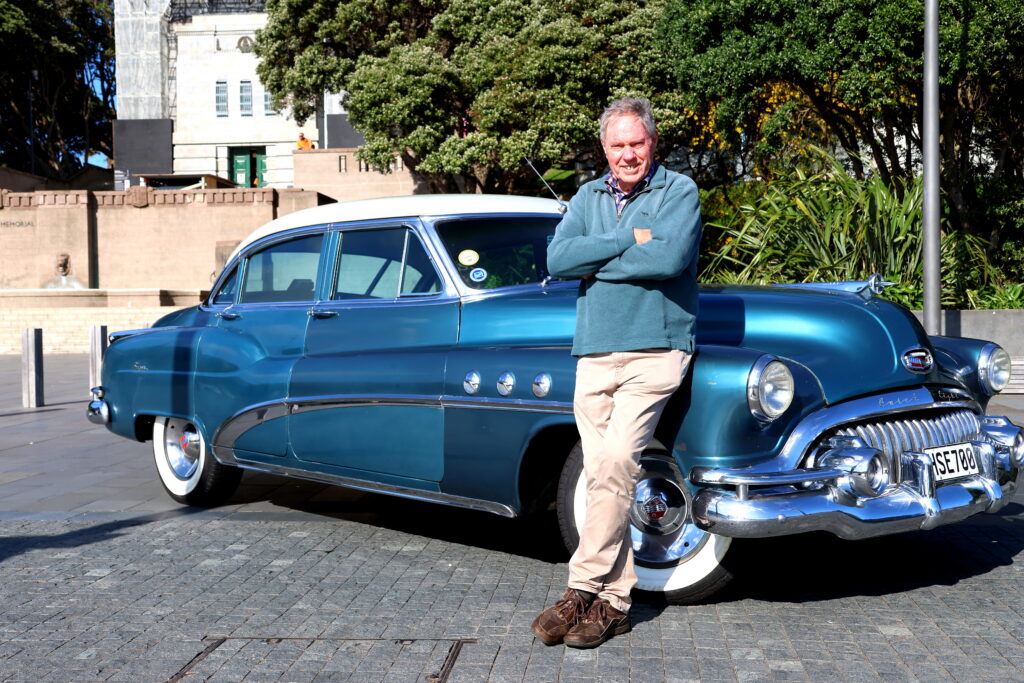
Most will know that Buick is part of the General Motors stable and is officially the oldest American automobile company still in production. It was also a company renowned for its technical innovation and styling.
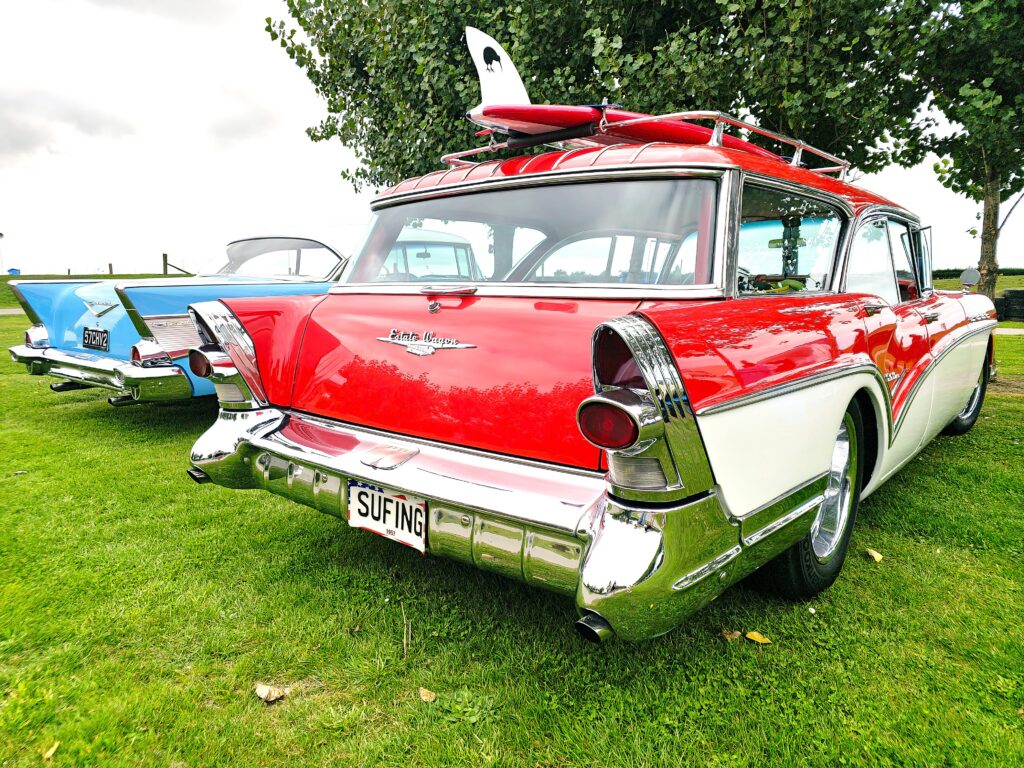
Our feature car here is a 1952 Buick Super Riviera. Very similar to the 1951 model and with raw materials in relatively short supply due to the Korean War, sales were restricted. Buick sold 71,387 four-door Super Rivieras in 1952. This is a Model 50, one above the base model, the Special (Model 40). It has three VentiPorts, denoting the smaller straight-8 at 263.3 cu in (4313 cc), providing 128 bhp (95.45kW). This car is owned by Colin Carr, a US car enthusiast who also owns a 1960s Mustang, which will feature in a future issue. Something else that will appear in a future issue is an article on a 1986 Ford Fairmont and the growing trend of preservation. Preservation is the retention of a low-owner, low-mileage vehicle in the condition it is found, often meaning you do not replace worn paint or even buff faded paint, but only remove any rust.
Bootleggers, Bonds & a Bloody Good Day Out
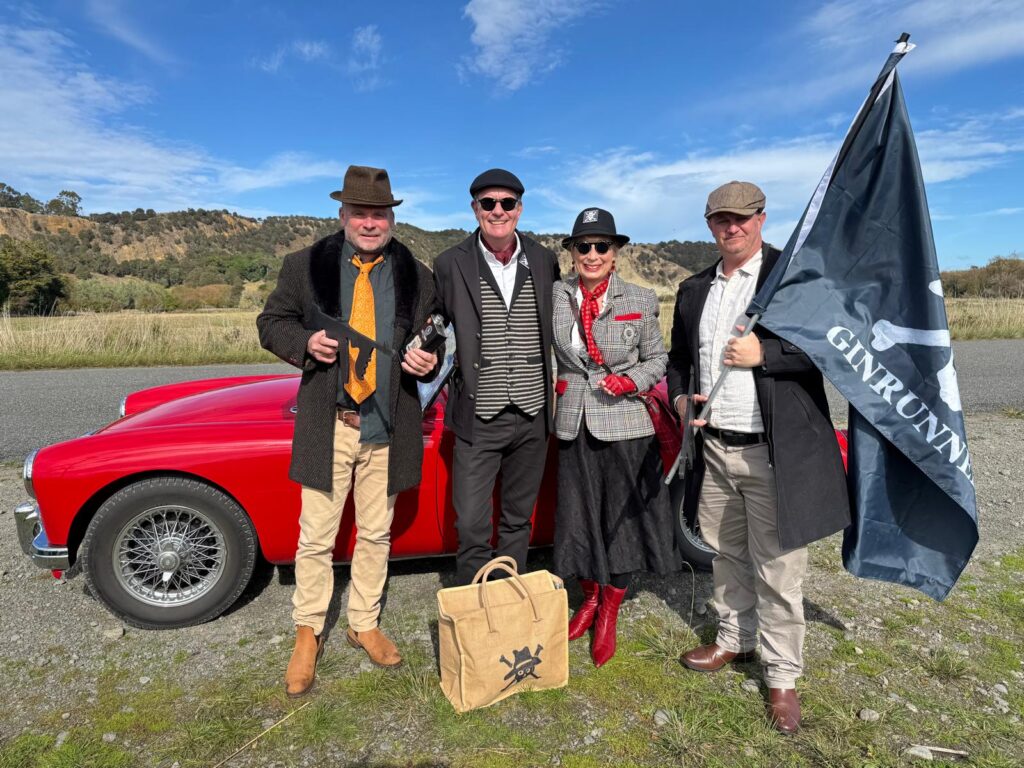
Some events you attend once, tick the box, and move on. Others pull you back. This was one of those: the Bootleggers’ Run, now in only its second year, already carries the easy confidence of something that knows exactly what it is.
The car event landscape has changed, and nationwide ‘Coffee & Cars’ deserves much of the credit for the explosion in car events.
A fantastic formula – short, sharp, sweet. Pretty much drivers only, rock up, stand around for a few hours, then head home. It works brilliantly, and from that simple idea, an entire world of car events has grown up around it. There’s something for everyone now.
But this is where it gets interesting for anyone who’s ever had a partner glaze over at the mention of a car show.
The Fixer – Part 1
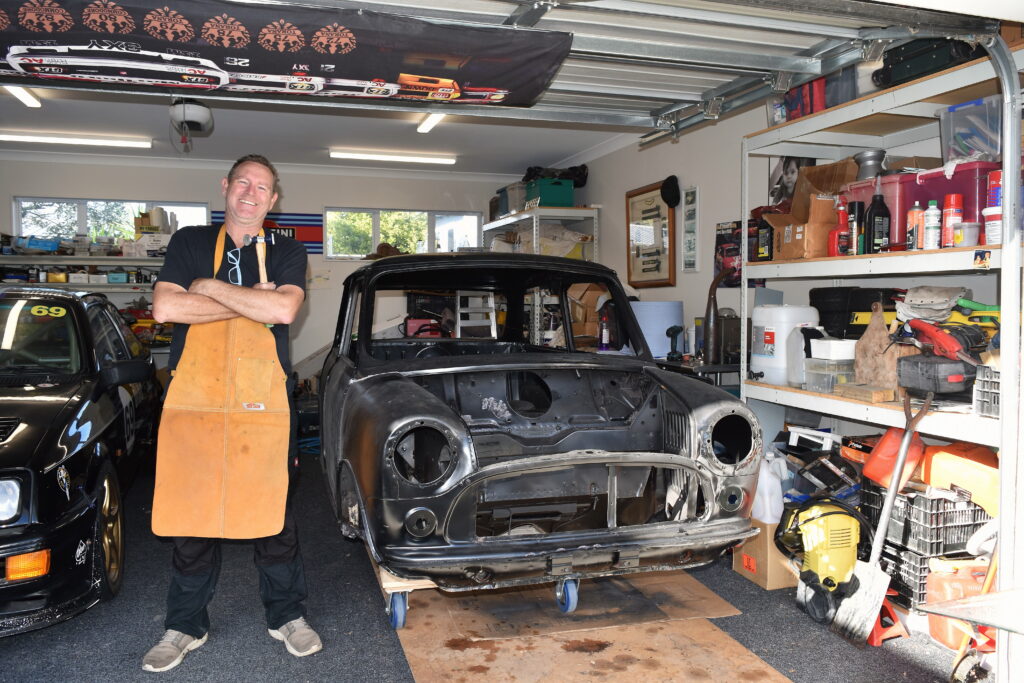
Welcome to the first in our MINI-FEST series dedicated to the little ‘Flying brick’ that is still so popular locally. We have received stories on so many of these great little cars!
We begin with Vaughan Wilkinson and his approach to restoration, with some of the cars he has restored, followed by some Minis with great history in the coming issues of New Zealand Classic Car.
At his Felix Restorations workshop in Kumeu, Vaughn Wilkinson is quietly building a reputation for honest, high-standard classic car restoration. Whether it’s a 1969 Holden HT ute, a 1975 Mini, or a long-forgotten Datsun shell dragged back from the brink, his approach stays the same: do it properly, be realistic about the budget and never lose sight of what the car deserves.
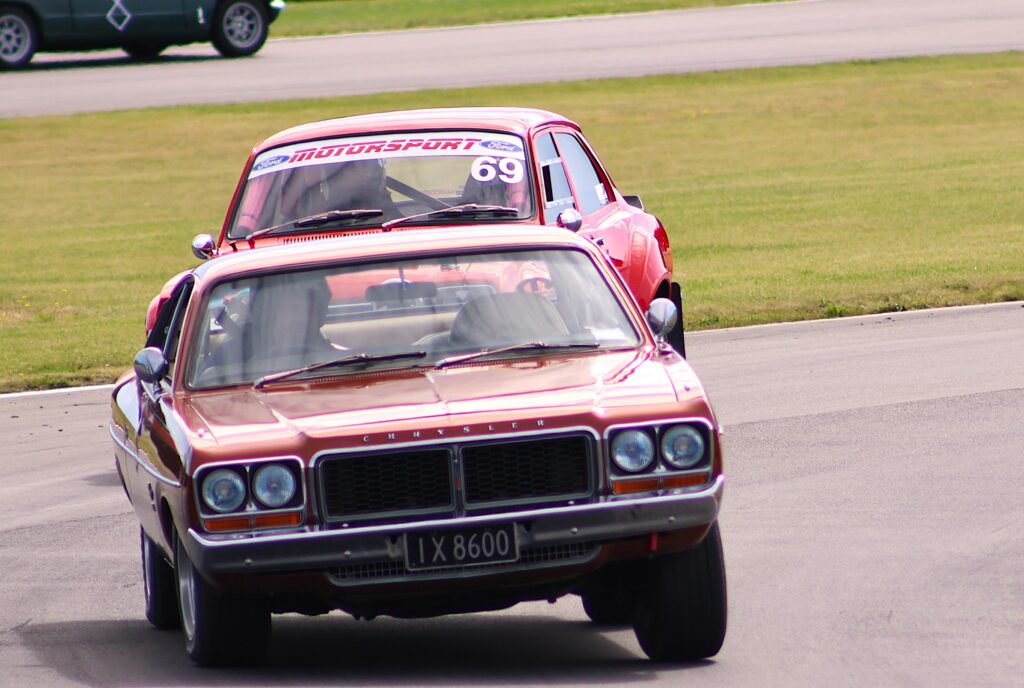
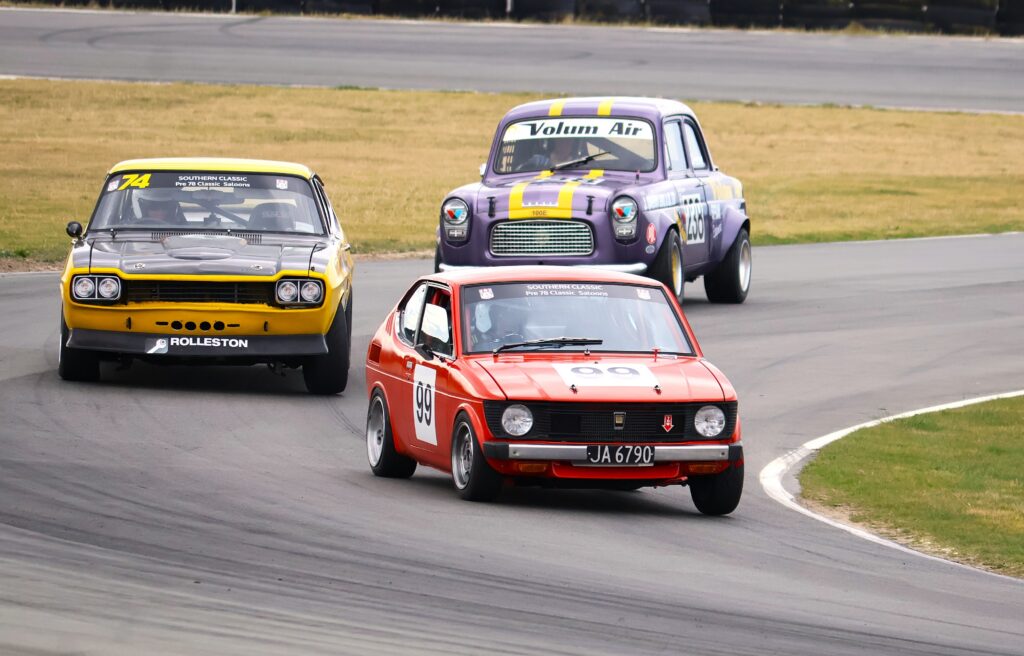
New Zealand Classic Car Racing: Season-end, review 2026
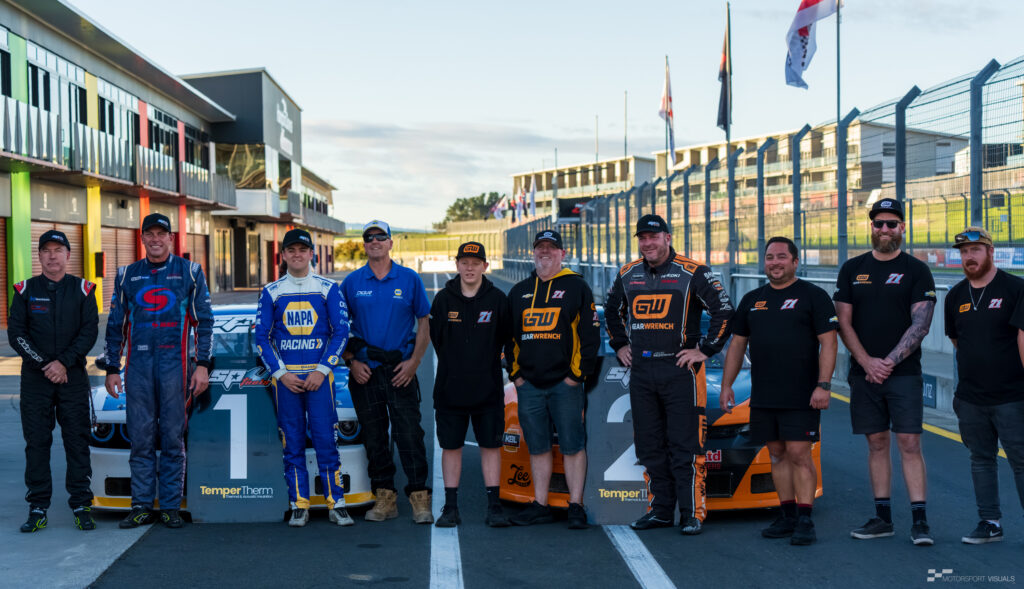
Plus, reports from Northern classic racing and Marco Giltrap – Kiwi racer, Inspiring the next generation!
Our season has largely finished racing with the last NZIGP event at Hampton Downs in May. Key events have continued to shine, with MG Classic at Manfeild in November and Legends of Speed back in its normal place on the calendar, in March.
The Historic GP meeting in Taupo showcases the best NZ has to offer, with TV coverage reaching worldwide audiences.
The Castrol Toyota Formula Regional Oceania Trophy has evolved into a world-class open-wheeler category for up-and-coming drivers. It has provided an opportunity for our various classic classes and cars to be seen internationally.
Classic news and events
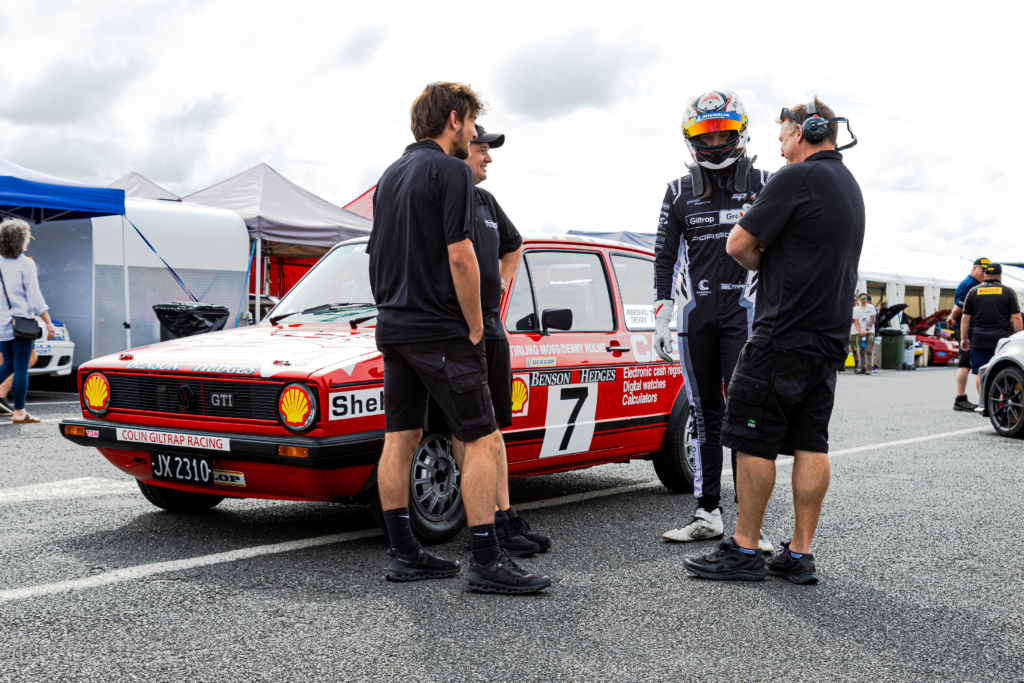
Beach Hop Timaru, Classic Trials and Classic Southern Racing report and more…