
It’s not often that we have a live-feed unveiling of one of our cover cars, but theFASTfiles have something special planned for you all. Being unveiled is a very special Targa-bound Cortina that we here at New Zealand Classic Car have a full feature on in our October issue (Issue No. 310). Running a 1600cc crossflow engine (before the Lotus engine is built), this four-door rally machine will be one to watch and listen to along New Zealand’s twisting rallies. Let us know in the comments below what you think of this beautifully presented machine.
Coaching from the bench: Casting plastic knobs and rubber parts
Casting rubber items is simple if you have a good original to work with. The item doesn’t have to be perfect. You can use plasticine to smooth out cracks, and you can even make whole prototypes out of low-fire modelling clay available from craft stores if you need to. Prototypes can also be made of wood or metal.
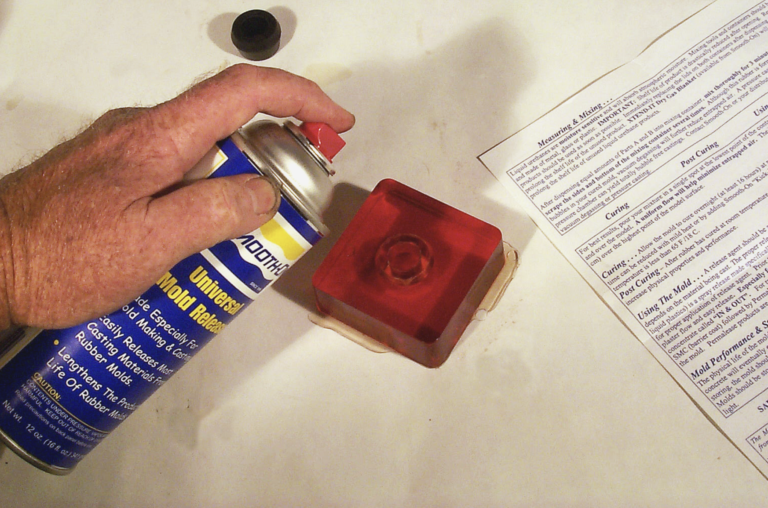
You will need mould dams to contain the liquid urethane moulding solution until it cures. You can build boxes out of strips of wood, but I have found that small plastic boxes and bowls such as those you would use for leftovers in your fridge work well if you spray them with a mould release agent.
Temperature is important to the chemical processes involved, so work in an area that can be maintained at around 20 degrees. You will also need adequate ventilation because the fumes can be dangerous to breathe. And you will want to wear latex gloves to protect your hands.