
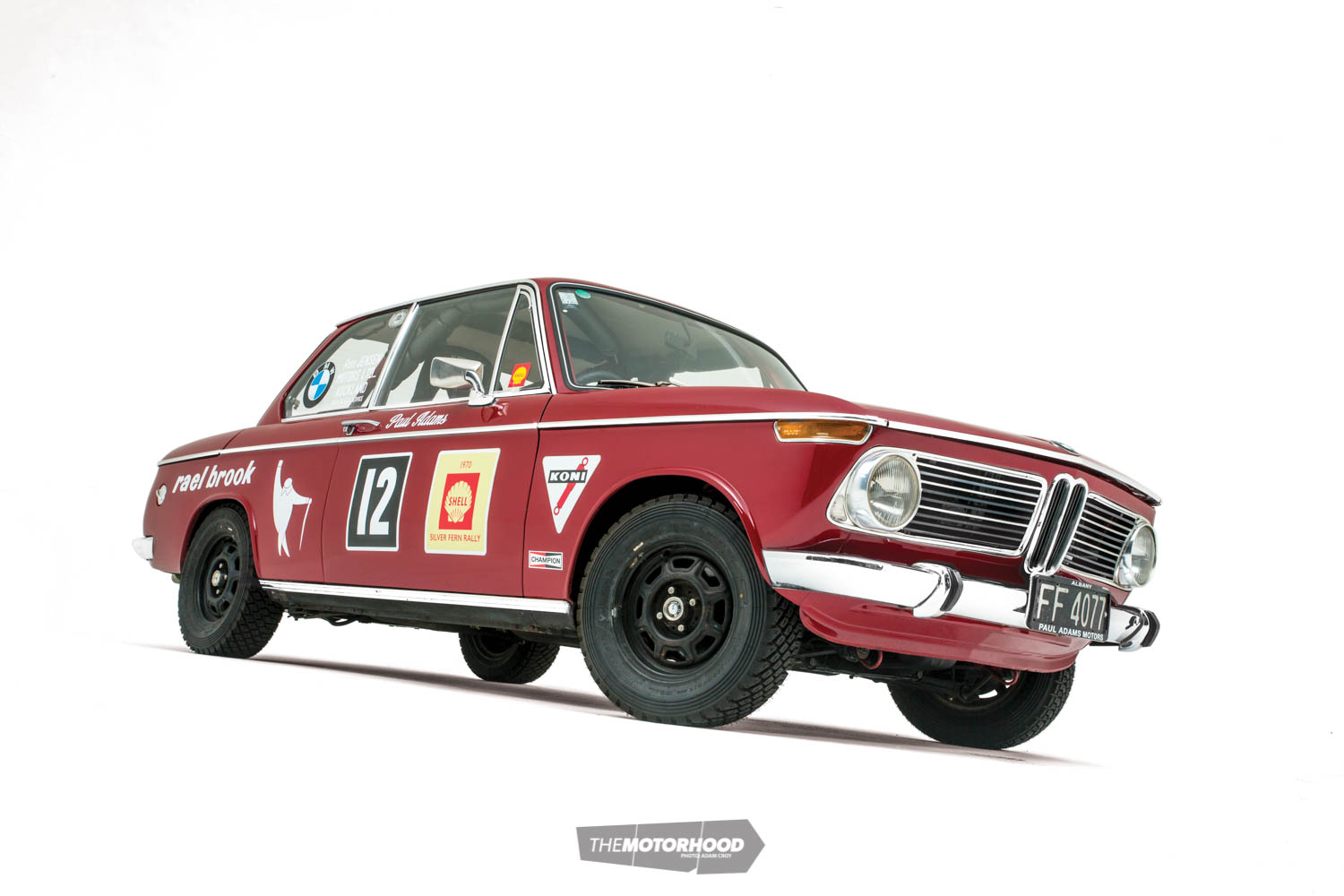
Lachlan spent some time with New Zealand’s first international rally winner, Paul Adams, and his BMW 2002 to remember the journey this wee Bimmer took to be back with its rightful owner
Paul’s love affair with racing began when one of his cousins invited him to come along to a hill-climb event in the early ’60s. Not knowing what a hill climb was, he naively asked his dad for the keys to the family car. Paul’s dad, also oblivious to what a hill climb entailed, blindly agreed. So, behind the wheel of a Morris 1100, which was a sales rep’s car for one of his dad’s employees, Paul headed off to his first race meet. He went on to win his class at the hill climb with no experience but some pretty obvious talent. That sparked his love of the sport, and he was hooked.
Starting out
When Paul was an apprentice carpenter, he managed to scrimp and save to buy a MkI Cortina — unbeknown to his parents. Behind the wheel of the Cortina, and with his flatmate as his ‘guardian’, Paul began to do a bit of club work and build up his experience in the driver’s seat. Before long, he realized the car needed a better suspension and wheel setup if he wanted to be competitive at club events. Given his grand salary as an apprentice carpenter, it was soon obvious that he might have to ask his parents for a helping hand, so he hatched a plan to get them on board. One slightly wet Auckland day, with Paul’s father a passenger in the Cortina, he approached a corner near their home, in Northcote on Auckland’s North Shore. The Ford flicked left and did a full 360 before Paul managed to correct the car and carry on down the road. Paul’s dad, being a conservative man without benzine running through his veins, thought they’d very nearly been hurled off the road.
He frantically asked Paul what had just happened. He explained, “That’s the trouble with this car, Dad. It’s dangerous; it sits too high, and it hasn’t got wide enough tyres. It scares me sometimes!” Paul’s father immediately said, “Well, we’ve got to fix that. What can we do?” Of course, the only way to fix these issues was to lower the suspension and put some fatter wheels on it, which Paul’s dad immediately agreed to fund. What he didn’t realize was that Paul had been practising the manoeuvre on that corner for weeks beforehand, engineering the outcome of a brand-new racing setup for the Cortina.
After around five years of competing, his parents still had no idea about his racing career — until one morning the front page of The New Zealand Herald had a picture of Paul in his Cortina on the track at Pukekohe. The first and last experience of motor sport his dad had was in our featured 2002, when Paul managed to convince him to go for a ride on some gravel roads near Matapouri, where they often stayed over summer. Following a gentle drive — by Paul’s standards — with the tail barely getting out of shape, his dad reckoned he didn’t sleep for two nights.
Rallying revolution
Paul’s first foray into rallying was the very first special-stage rally run in New Zealand, the Shell Silver Fern in 1969. He competed in a MkI Ford Cortina, finishing fifth overall. The following year, he couldn’t resist entering a rally again. This time, the Southern Cross Rally which had become an international event, with a new timing structure in place (in 1969, the cars had begun special stages in the order they entered the rally, meaning times were hindered by slower cars and drivers, which had resulted in dodgy passing manoeuvres) similar to the current-day class ratings.
Buying the dream
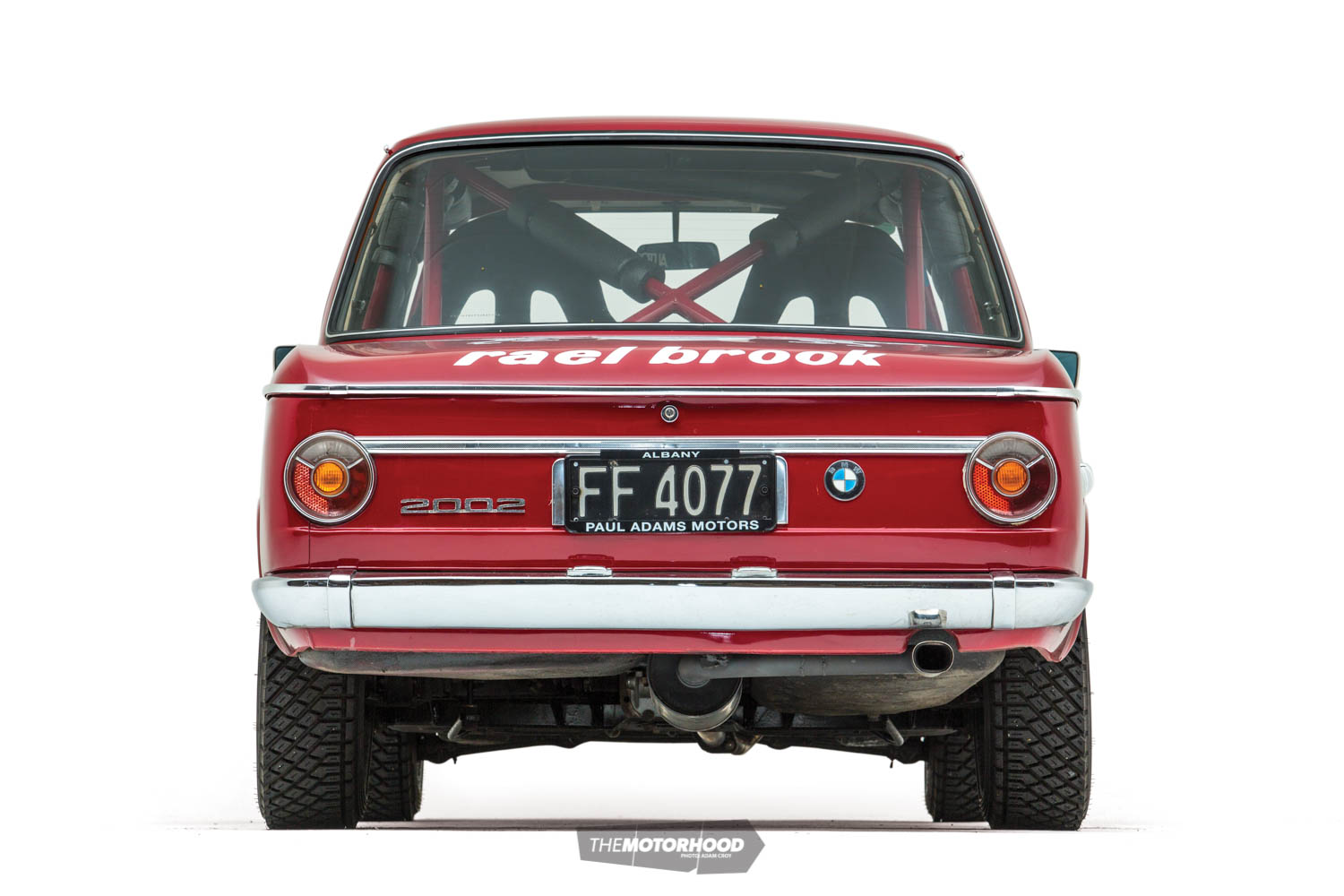
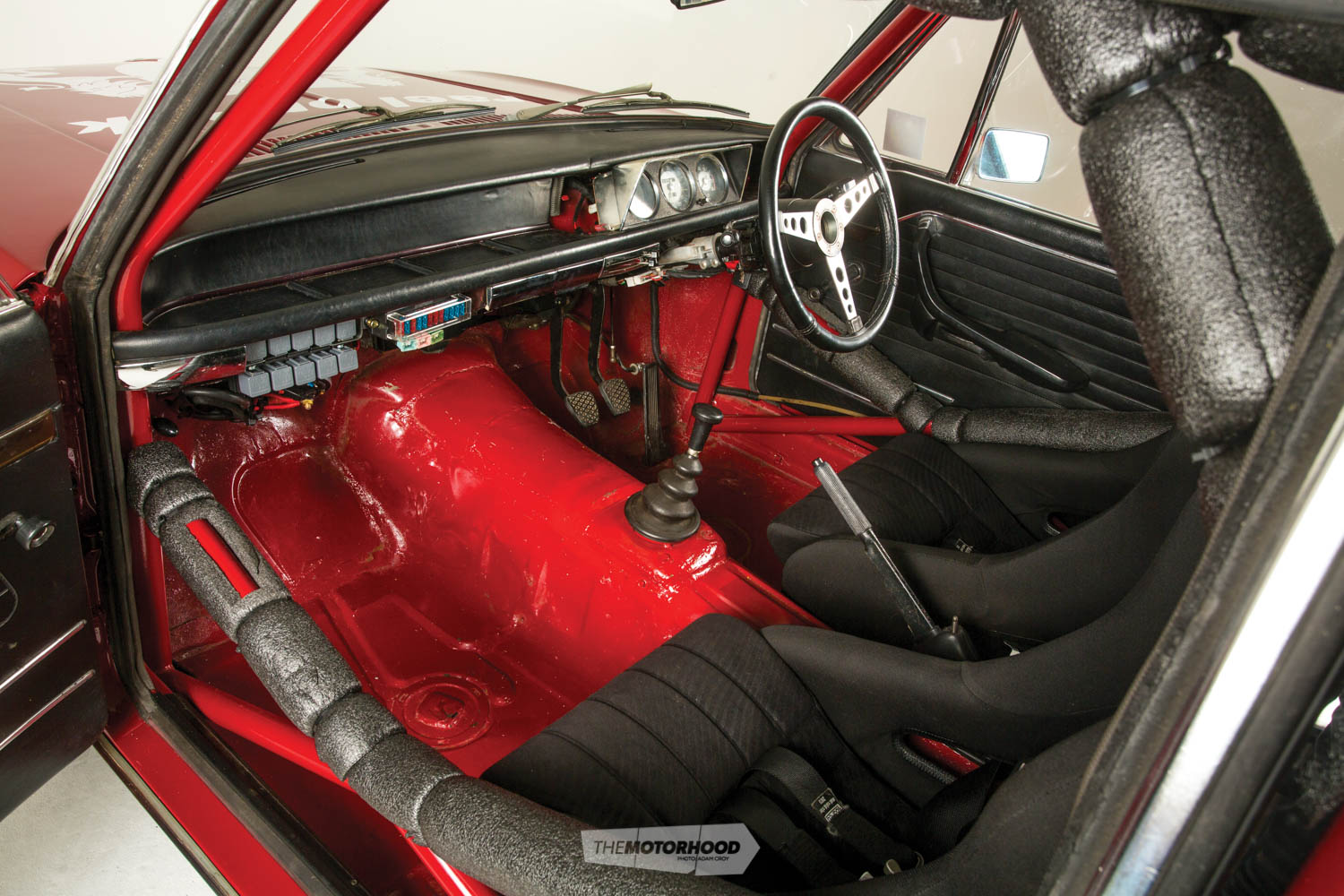
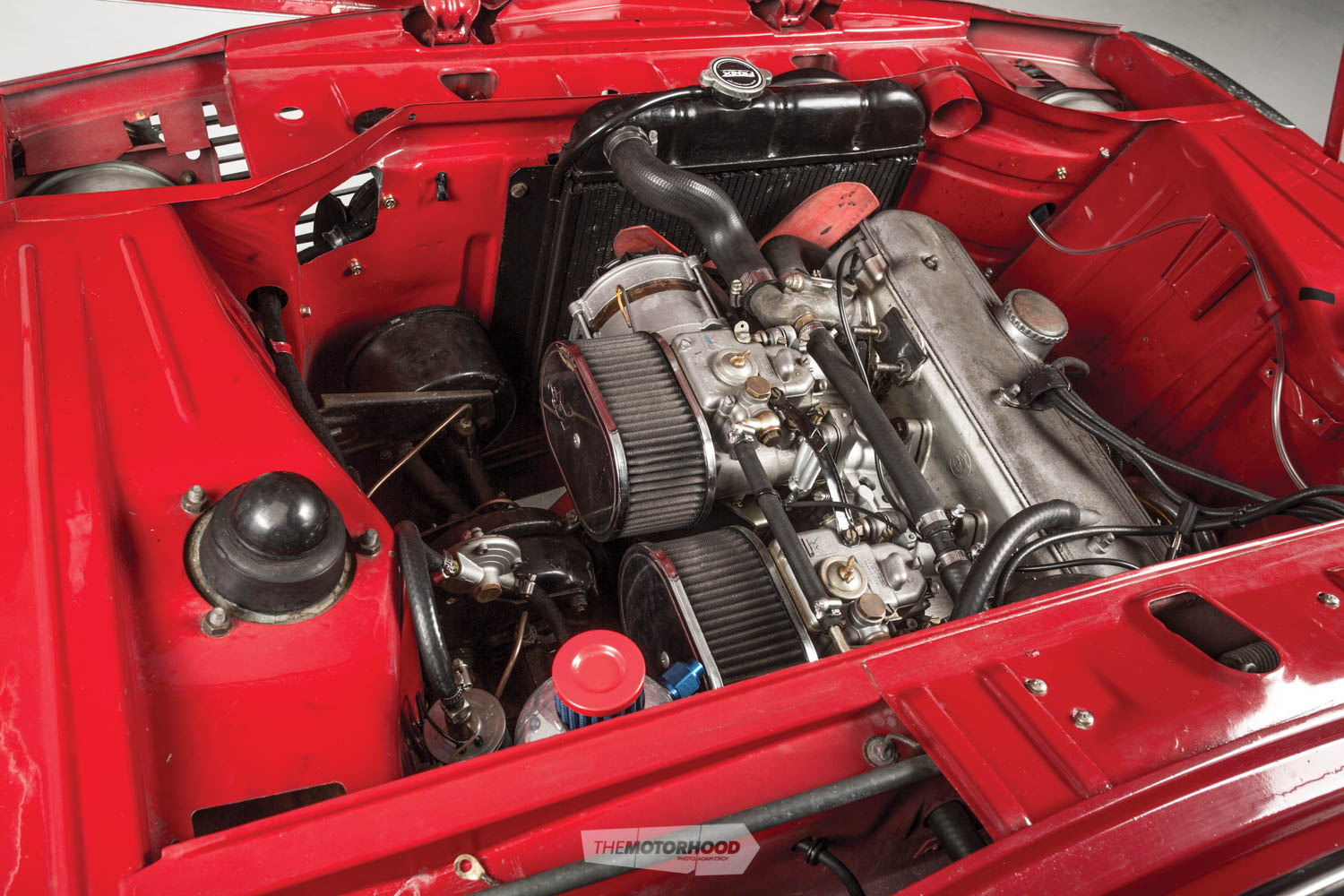
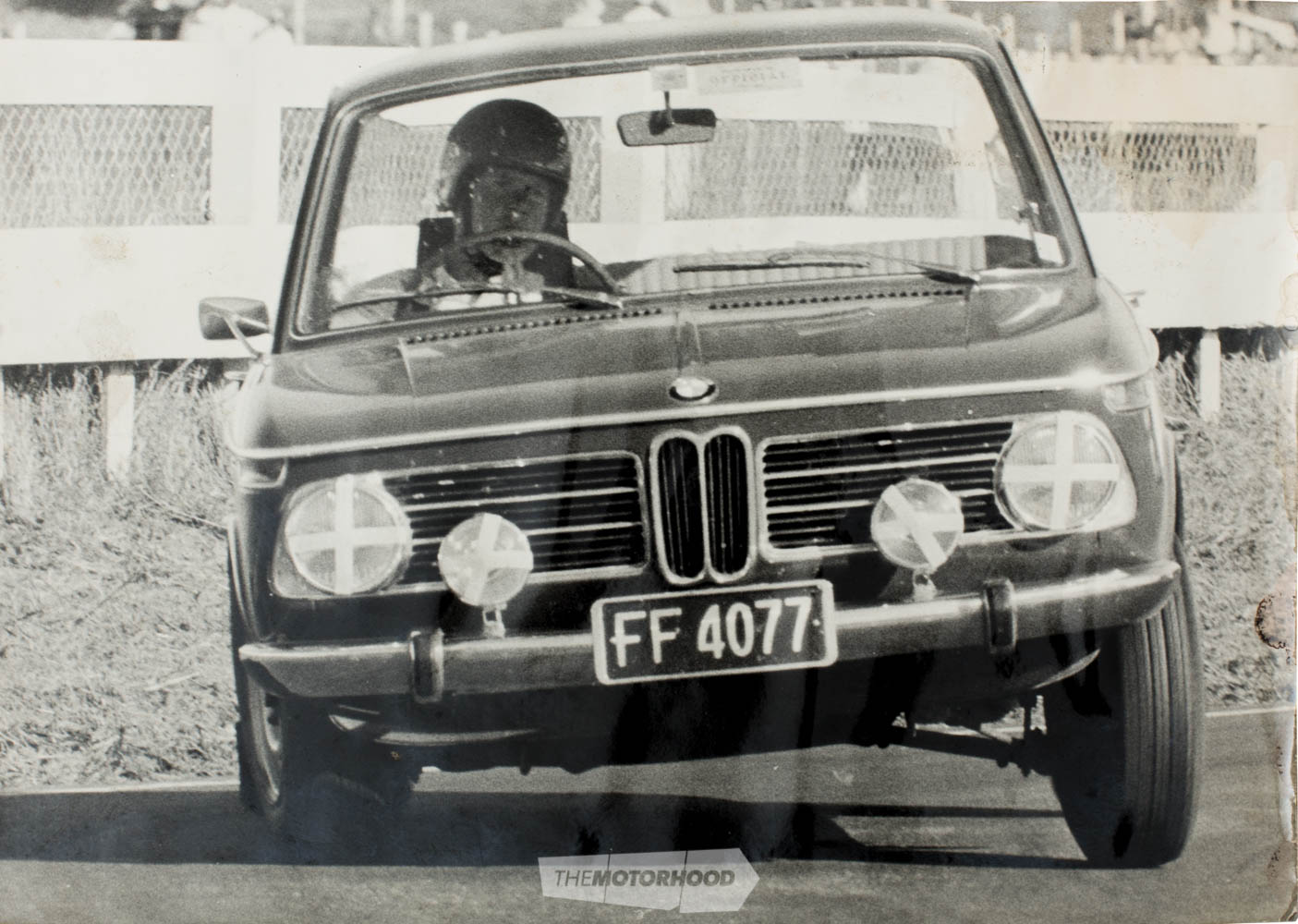
When the BMW brand was just in its infancy in this country, Paul bought one of the first models available — a brand-new 2002 — from Ross Jensen Motors, which was the first BMW franchise in New Zealand. With its factory limited-slip diff and a price tag of $4200, Paul saw the 2002 as an excellent price point, and he set it up to be a rally car straight off the showroom floor. Once he took delivery, Paul immediately put a roll bar in the car (with the standard seat belts staying in place), spot lights on the front, and a sump guard underneath before he entered the 2002 in its first race. He took part in several production events, mainly at Pukekohe and Bay Park. The runner up in his first race, Neil Johns, was in a Triumph 2.5EI which had plenty more legs than the little Bimmer on the straights, but simply couldn’t compete with the smaller, more nimble car in the bends, and, of course, being a newer car than many of its competitors, the BMW’s reliability meant fewer breakdowns and time losses on the special stages. The 1970 Southern Cross Rally saw Paul atop the podium in the 2002.
Love lost and found
Following his rally win in 1970, Paul sold the 2002 to the father of one of his service crew, a man who had coveted the car since it arrived from the dealership. Of course, there was no hiding the fact it had been a rally car, but the buyer was quite happy with the history, and promptly turned the Bimmer back into a road car for his daily duties. The following year, in 1971, BMW offered Paul a higher spec 2002 to compete in. Towards the end of one of the early stages, he undertook a risky pass of a competitor after giving him a wee hurry-up, and lost one of his headlights. Running one headlight on a dark and rainy night meant he was unable to see a drop-off on the road past the 200-metre board. This caused the 2002 to cross the stage finish line end-over-end as his co-driver, Don, sang, “It’s moments like these you need Minties!” Although the car would’ve been capable of completing the rally, Paul retired from the race and set about fixing it up for the following year’s event.
His racing career carried on with Ford, as a manufacturer-sponsored driver. He was the first New Zealand driver to race in an overseas international rally when he took a MkI Escort to the Australian Southern Cross Rally. In very challenging and unfamiliar conditions and without the necessary experience, due to a lack of races in New Zealand, the Escort struggled somewhat against local competitors. Following several years of professional racing here and overseas, Paul returned to New Zealand to embark on his professional career. Around 25 years ago, after successfully building and growing his business in the automotive industry, his love of rallying was sparked once again when he spotted the 2002 driving towards him on the open road.
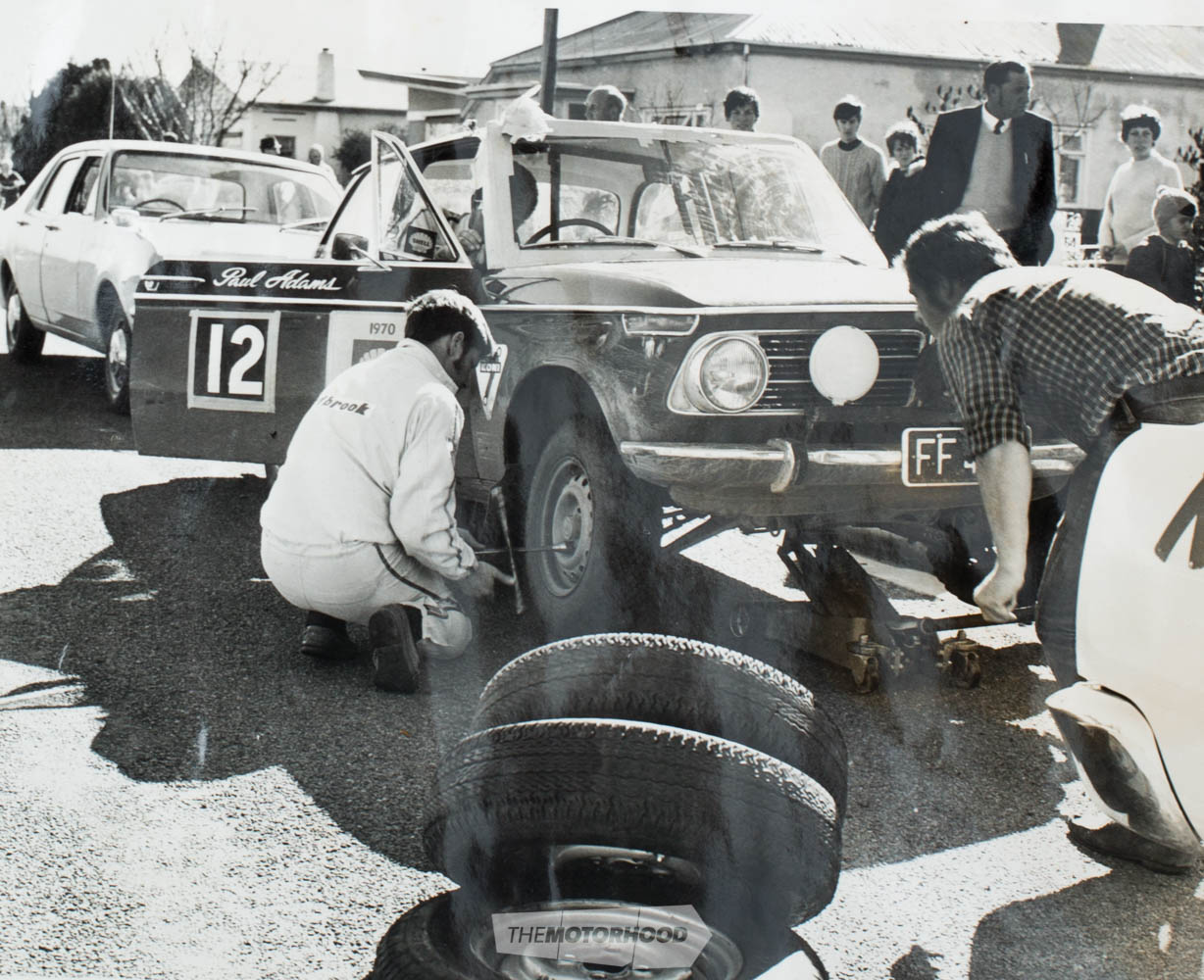

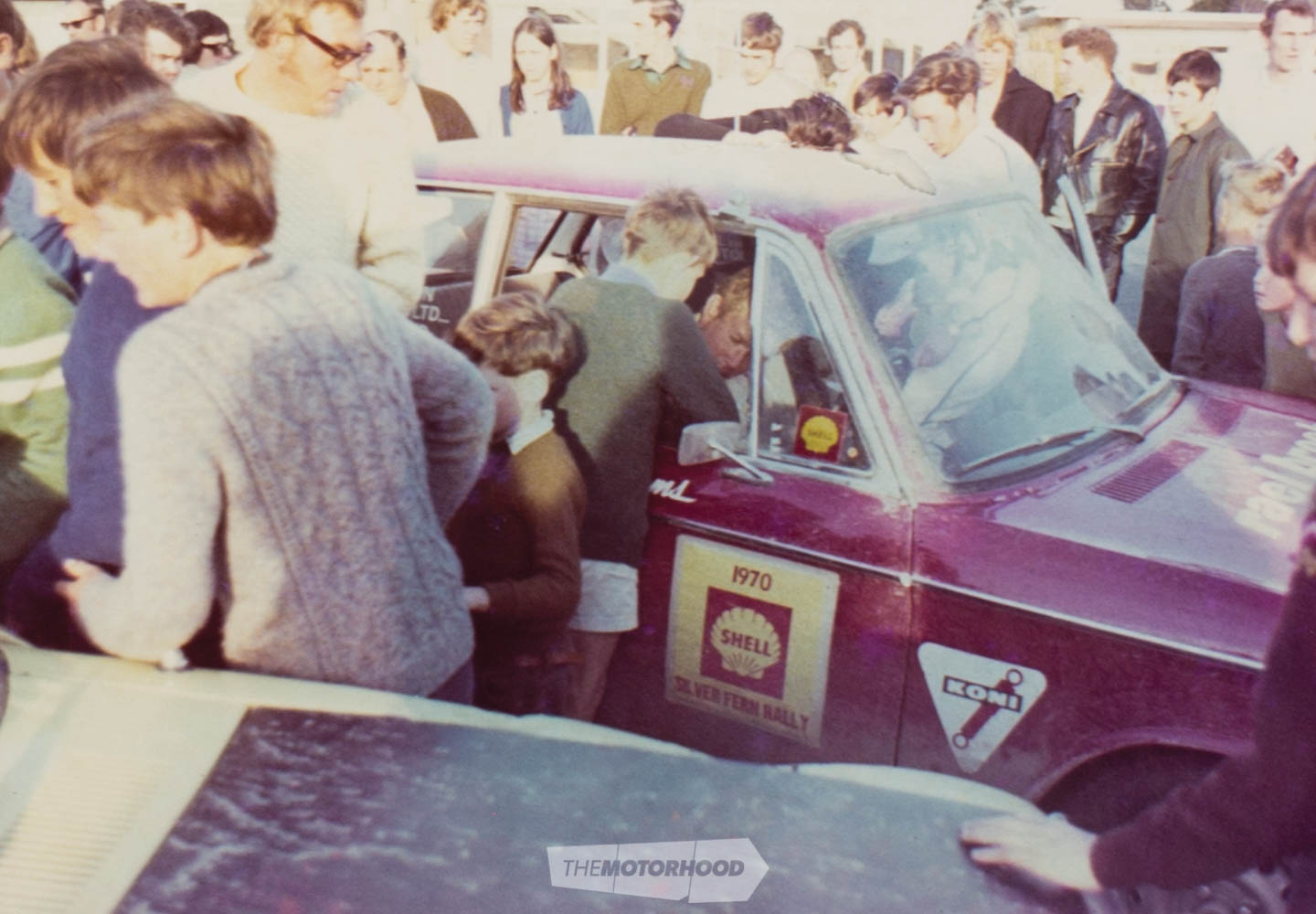
Paul did a registration search on the 2002, which still sported its original plates (those were the days when anyone could simply walk into the Post Office, hand over $2.50 and a registration plate before being given the vehicle owner’s details, including home address) and sent a letter to the current owner. In the letter, he explained that he was the original owner and asked them to contact him should they ever consider selling.
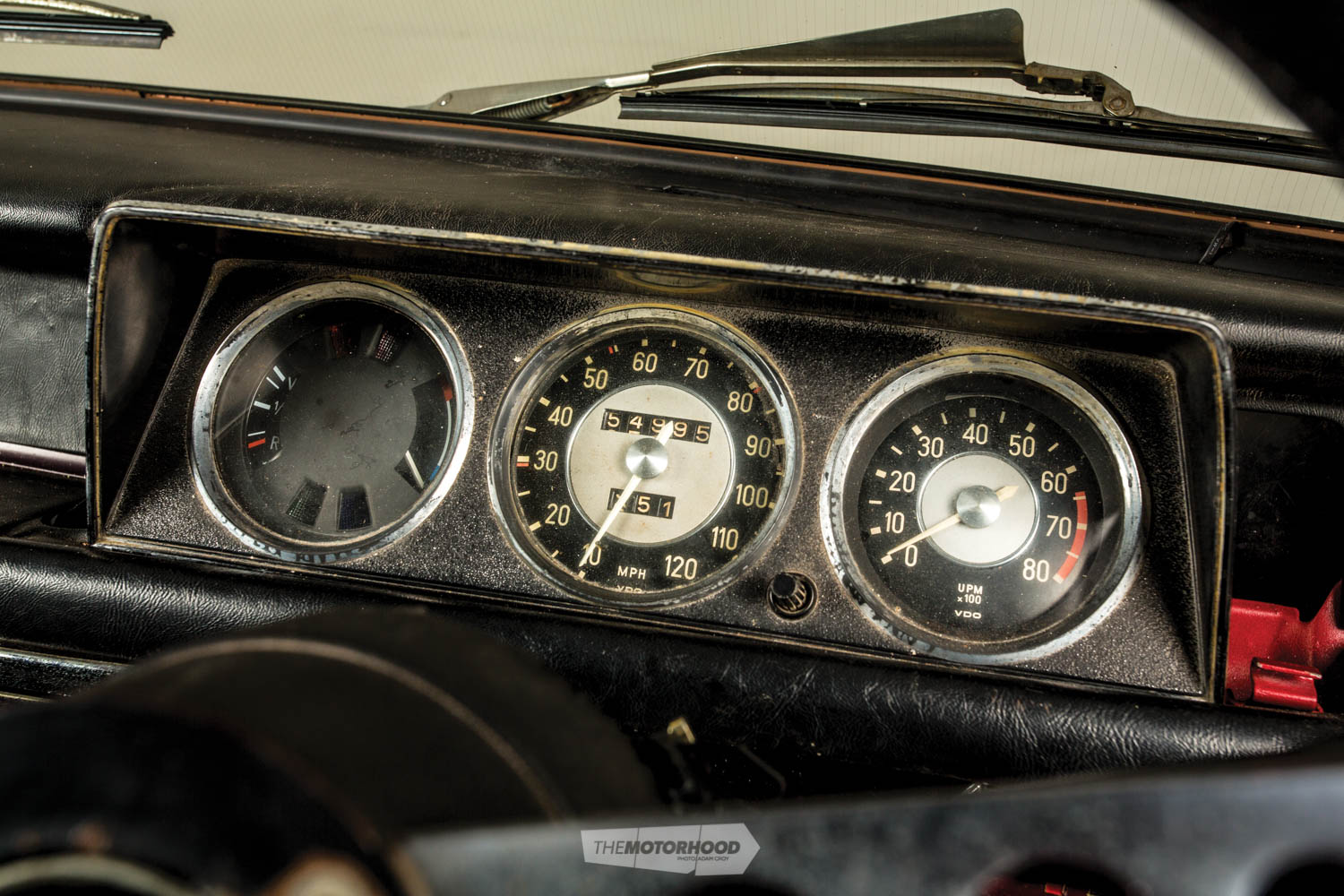
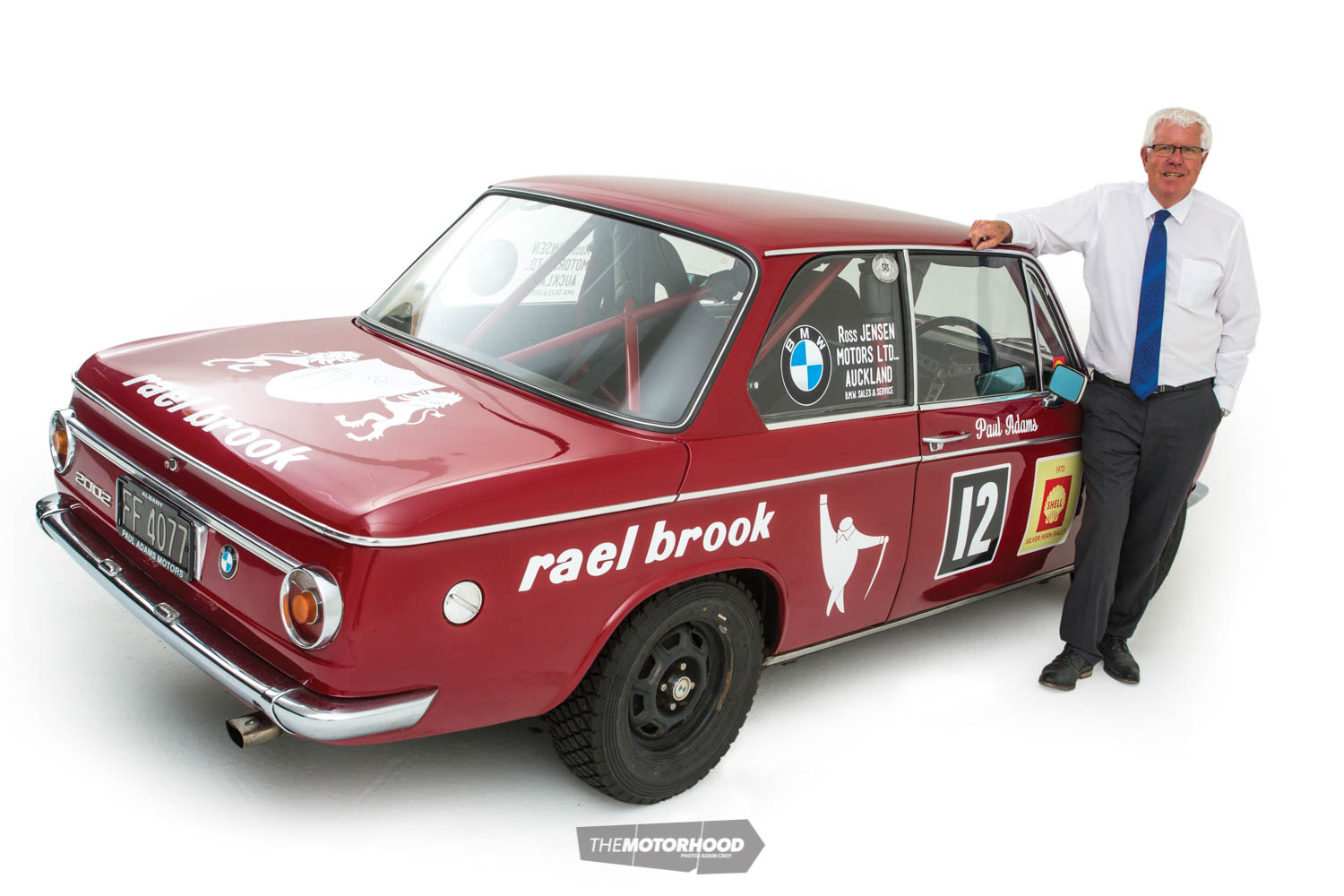
A couple of short years later, at the spritely age of 93, the 2002’s owner was unable to renew his driver’s licence. He still had Paul’s details, so gave him a call, and kindly offered him first right of refusal. Paul gladly accepted the offer and sent a cheque to the owner, explaining that, once it had cleared, he could put the 2002 on a truck up to Auckland. The current owner, who knew far less about the provenance of the car than Paul, insisted on getting an AA inspection done to ensure Paul that he wasn’t buying a pup. Perhaps slightly surprisingly, the AA check came up stellar, with no indication the car had ever been used for anything other than light daily duties … If only they knew! Once the 2002 was home again, it became the general hack for Paul and his sons, one of who was ticketed sliding through a corner on Auckland’s North Shore, thus proving that the apple doesn’t fall far from the tree.
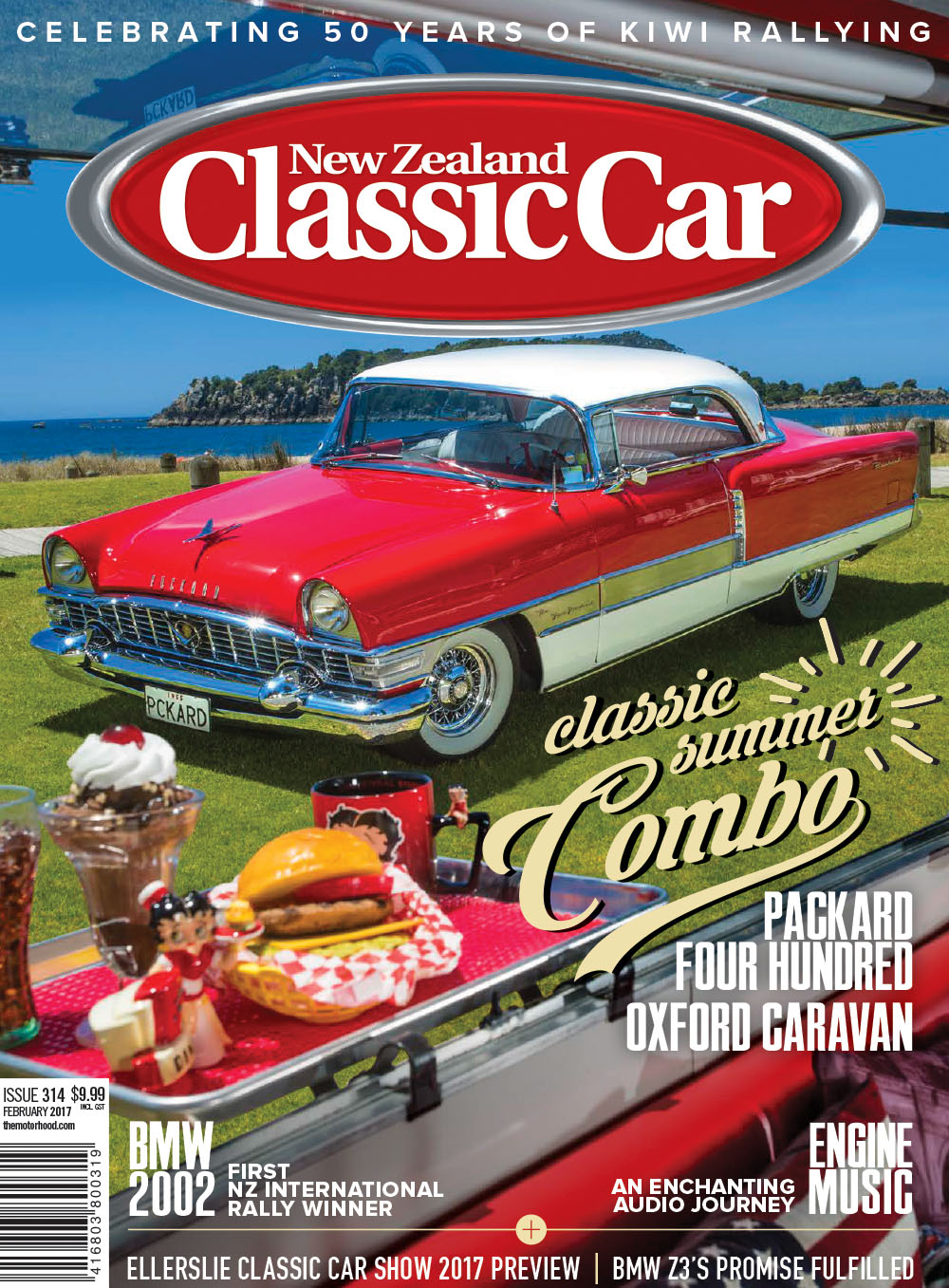
This article originally appeared in NZ Classic Car Magazine issue No. 314 — you can purchase a print copy of the magazine at the link below