Ferrari 488 GTB: celebrating the 308 GTB’s 40th in style

7 February, 2015

It’s been 40 years since Ferrari came out with the legendary 308 GTB, the marque’s first mid-engined V8 model, and now we have this — the Ferrari 488 GTB. It looks a little like a 458, doesn’t it? Don’t go thinking that this is just a normal 458 with some garnish, though — the most notable change is not aesthetic, but mechanical.
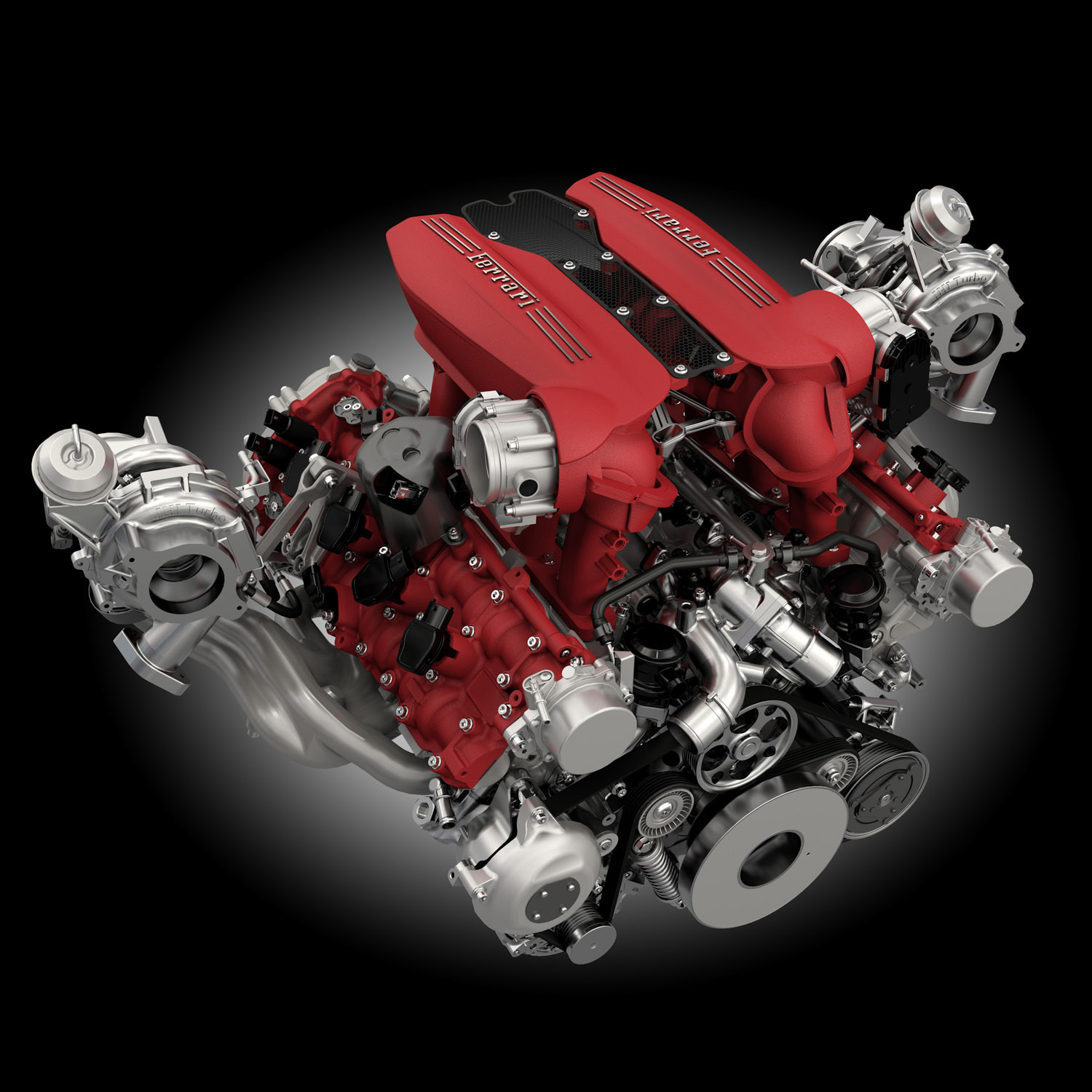
The 458’s brilliant 4.5-litre V8 is out of the picture here, replaced with an all-new turbocharged 3.9-litre V8 developed by Ferrari’s Formula 1 and World Endurance Championship engineers. How does 661hp and 560lb·ft sound? That’s said to make the 458 GTB good for the 0–100kph dash in three seconds, and 0–200kph in just over eight seconds. Fiorano is dispatched in one minute and 23 seconds, a full two seconds quicker than the 458.
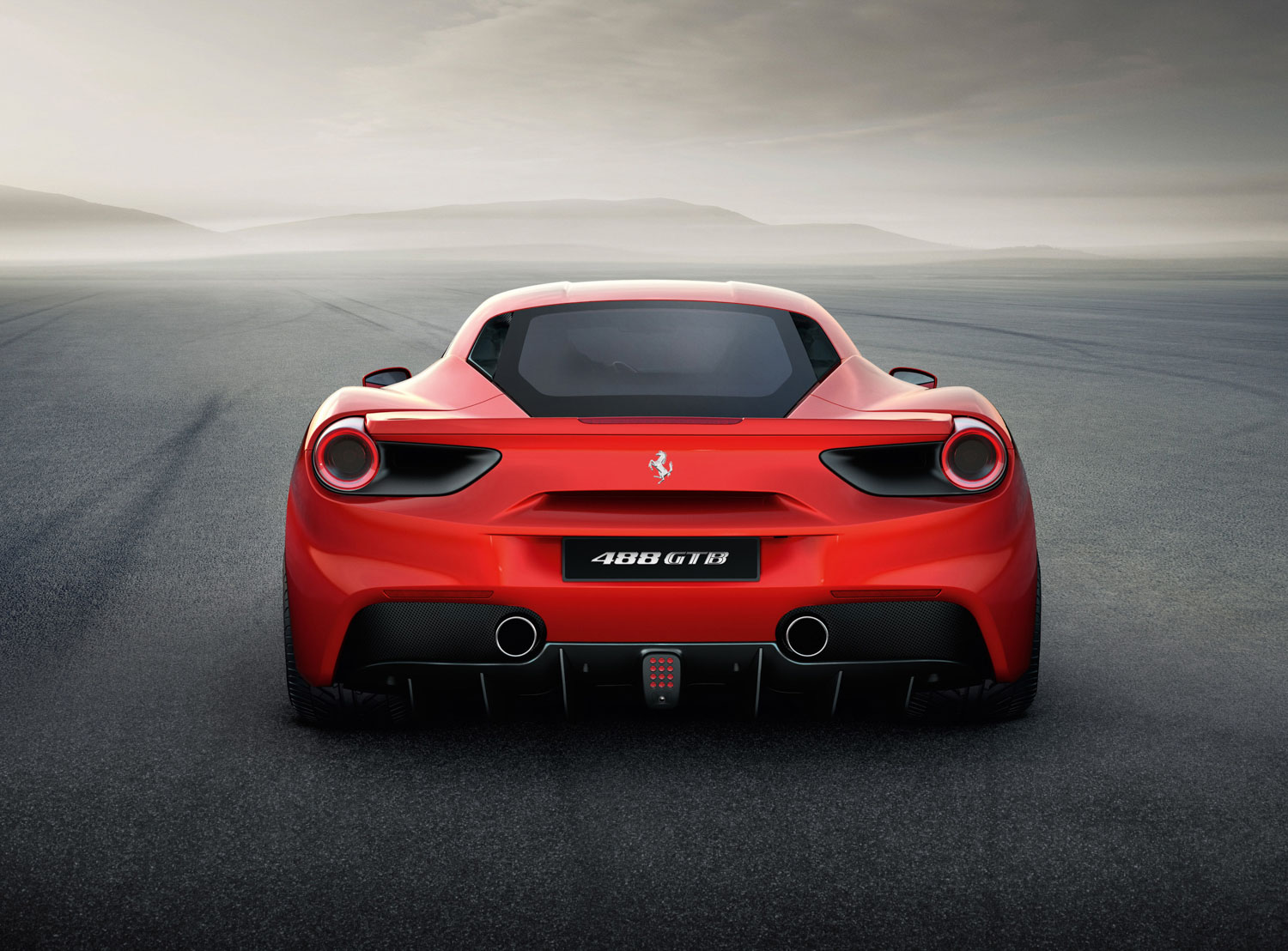
Power isn’t everything, and you can bet Ferrari weren’t going to leave it at slapping a pair of turbos onto the engine. Aerodynamically, the 488 GTB is reported to produce 50 per cent more downforce and a reduced coefficient of drag, thanks to the double front spoiler, base-bleed side intakes, and active rear diffuser and spoiler. The F1-Trac and E-Diff work in conjunction with a revised Side Slip Control 2 (SSC2) system, keeping the 488 GTB stable around corners.
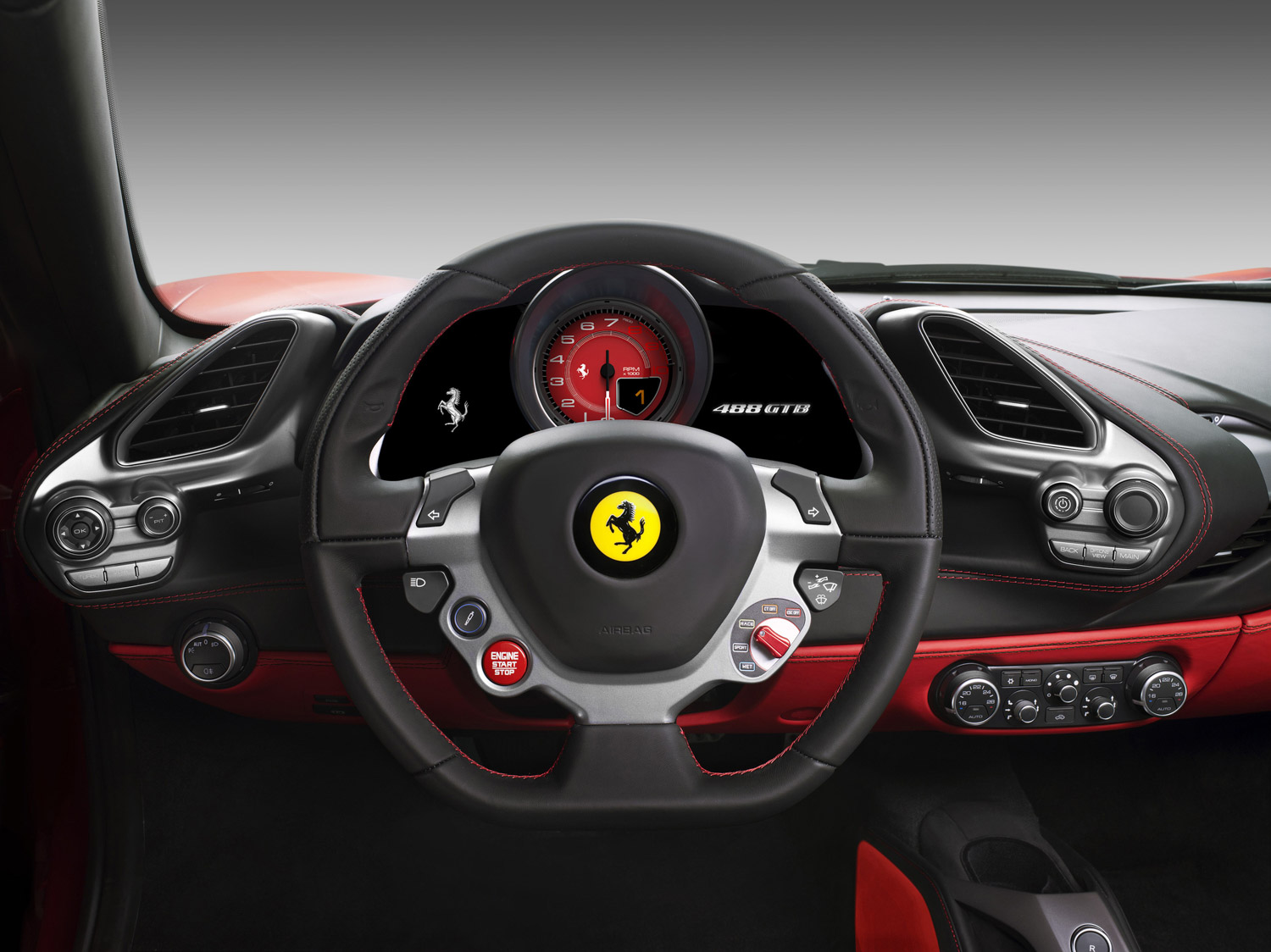
Inside, it’s all modern Ferrari, with the steering wheel the main business hub, and the rest of the cockpit tastefully finished. The 488 GTB is set to make its debut at the International Geneva Motor Show in March this year.
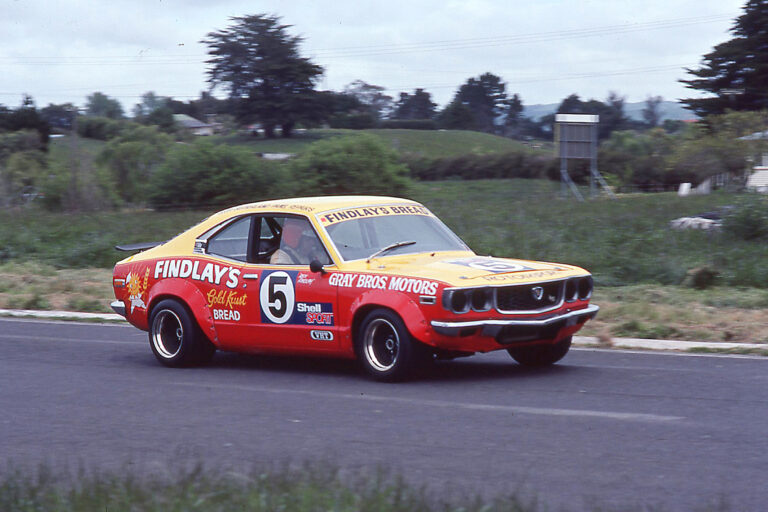
Racing Mazdas

Both Rod Millen and Ron Kendall were rotary racing kings, emanating from the North Shore of Auckland, where I grew up. And the ultimate rotary techno guru was Bill Shiells, who developed the engine into a rocket ship while working out of Gulf Mazda in Takapuna from 1969, and later in his own business, Rotorsport. He began to extract some phenomenal horsepower from the enigmatic rotary engine. Bill was one of the first to race the Mazda RX-2 Coupe in 1971 and achieved immediate success, causing others to sit up and take notice, particularly the North Shore’s racing elite. They included Robbie Francevic, Rod Millen, Ron Kendall, John Woolf, John Le Feuvre, and Rex Findlay.

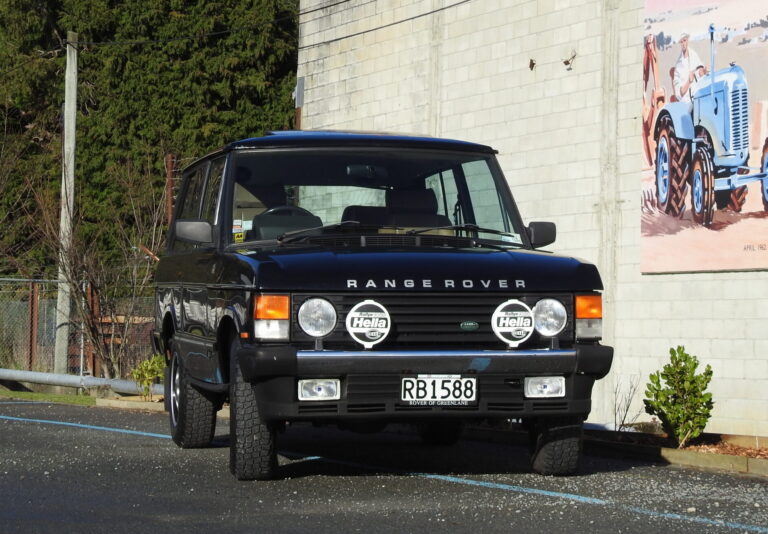
Range Rover CSK — the original SUV

The Range Rover, thanks to Charles Spencer King, went into production in 1970 boasting an iconic shape that would last until 1996. The vehicle that would create the SUV moniker came about because Rover decided it was time to add a bigger four-wheel-drive vehicle, one with a 100-inch wheelbase, to the model range. Land Rover made a 109-inch wheelbase model but the standard vehicle had a 88-inch wheelbase.
The new model would be more suitable for road use than the existing Land Rover, which was considered to be predominantly for rural use. To make sure it could cope on any road it came standard with the Rover 3.5-litre V8 engine. The body design was originally sketched by King and went into production with only a few minor touch-ups by the Rover styling team.
According to King, “The idea was to combine the comfort and on-road ability of a Rover saloon with the off-road ability of a Land Rover. Nobody was doing it.”