
Angela’s ashes

28 August, 2025

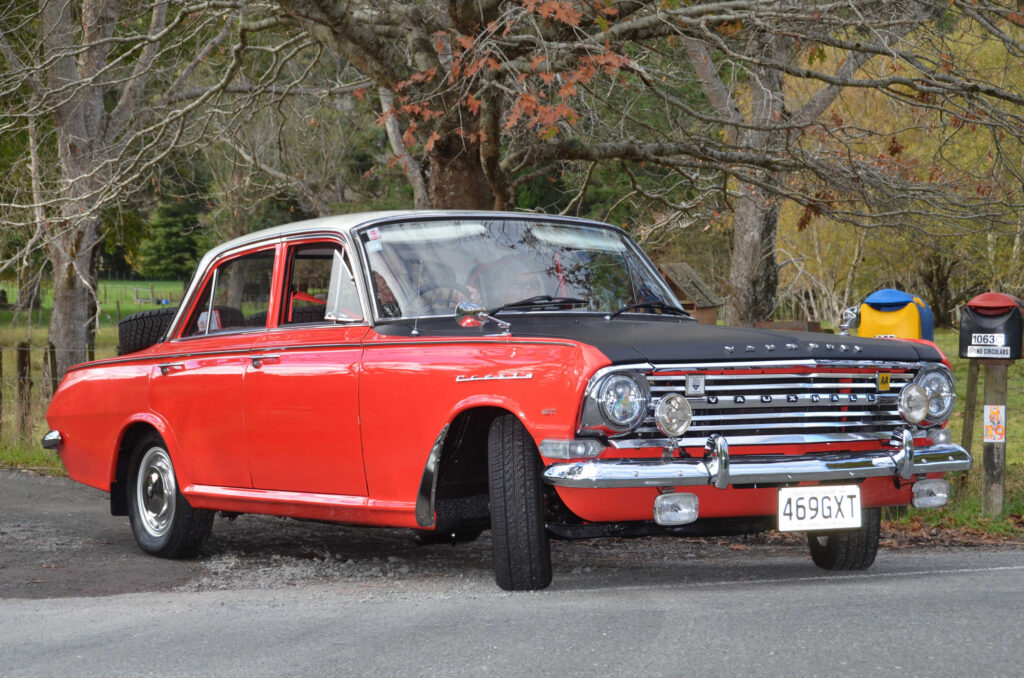
The 50th anniversary of Howard and Ruth Anderson’s overland adventure prompted Howard to make a serious attempt to locate Angela, the car that pulled their Sprite Musketeer caravan half-way around the world
By Christopher Moor, photos Ross de Rouffignac

In November 2018, Howard Anderson had a dream of finding a 1964 Vauxhall PB Cresta to recreate the car he, his wife, Ruth, and three friends travelled in from London to Invercargill in 1969. The next night’s dream was a nightmare. He dreamed he would find the original Angela, but it was a rusted wreck somewhere in Southland.
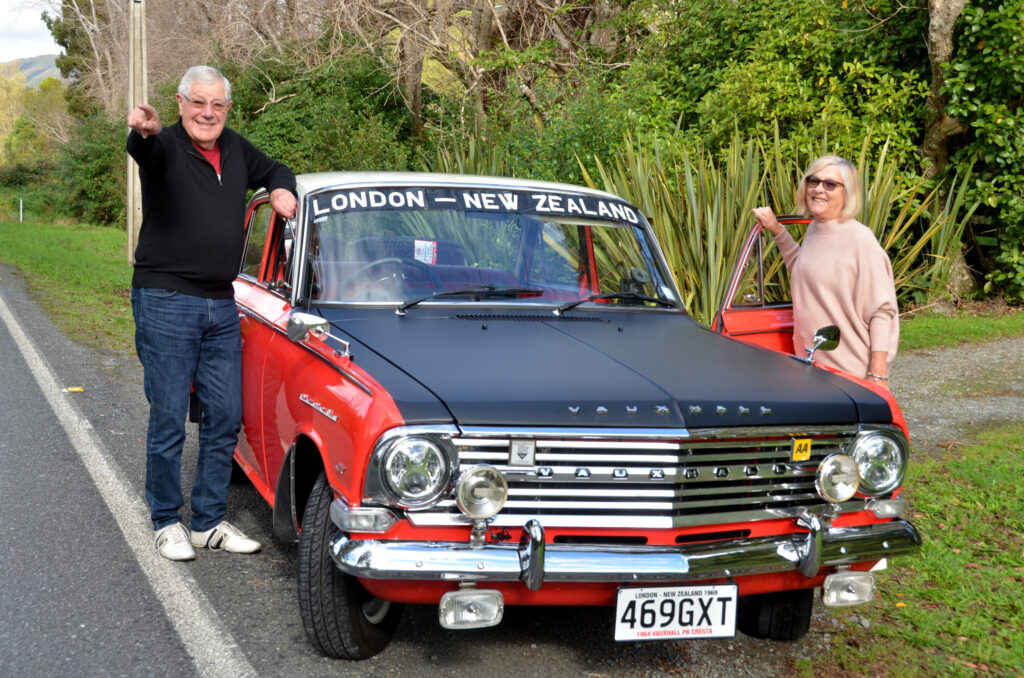
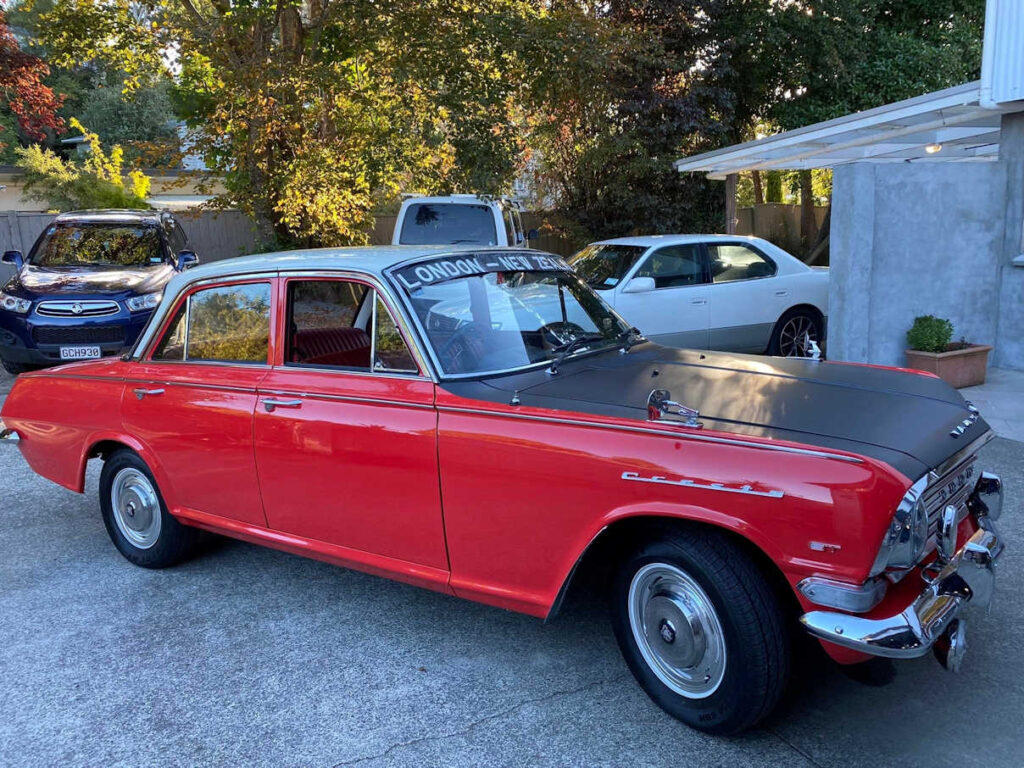
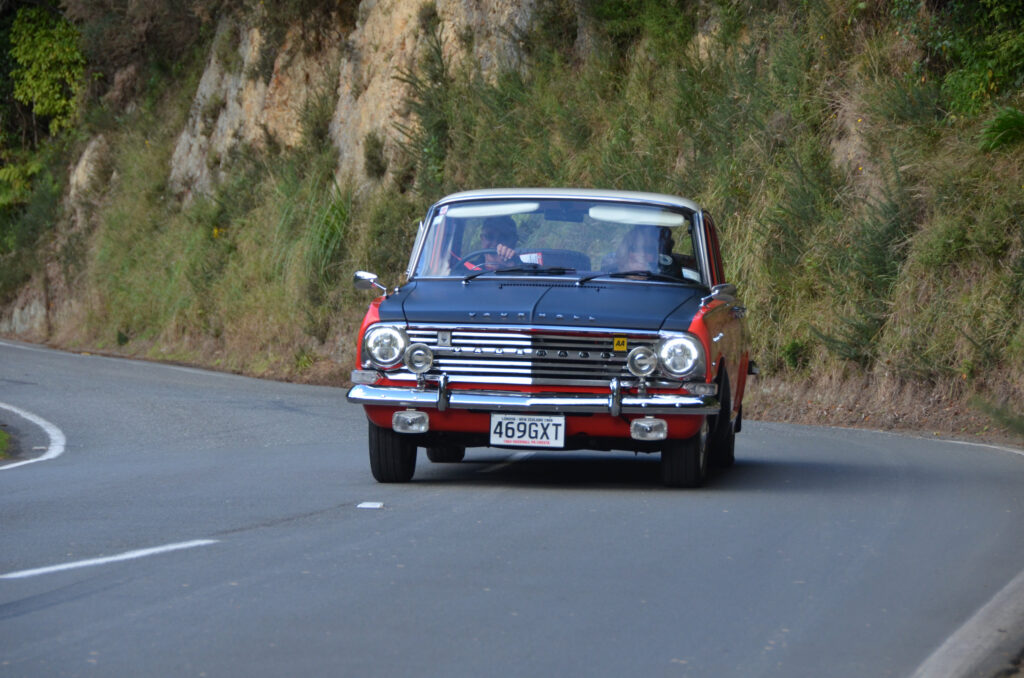
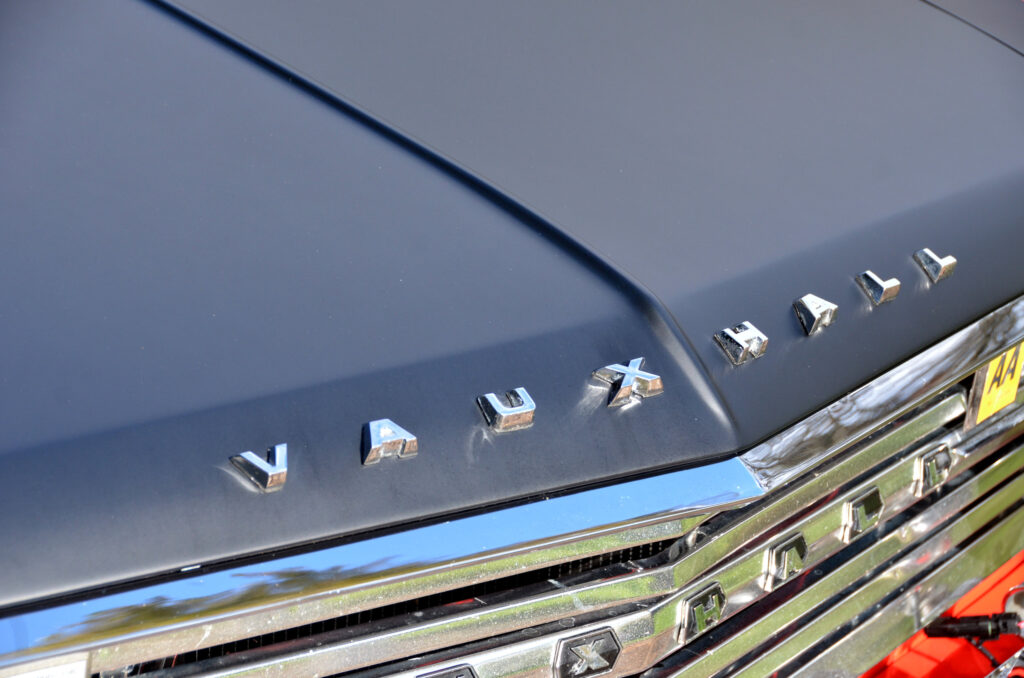
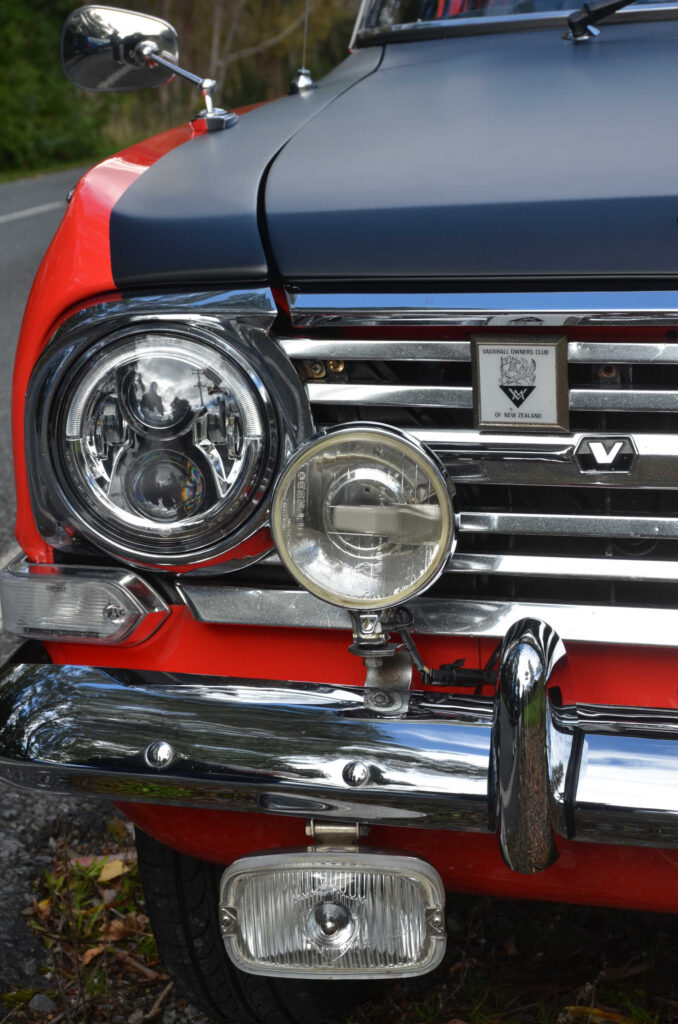
Howard’s inspiration came from reading about a driver in the 1968 London–Sydney Marathon who was reunited with his Vauxhall Ventora 50 years later. He, Ruth, and her parents had watched the start of the rally from Crystal Palace in South London. The fashion at the time among the rally and race set was to paint bonnets flat black to avoid the sun’s reflections flashing into the driver’s eyes, thus saving them from certain disaster. Howard admired the flat black bonnet on the Ventora so much he had Angela’s bonnet painted dull black. Spurling Motor Bodies in North London, where Howard had bought the car in 1967, did the bonnet repaint. They also painted the roof white, to help save its occupants from broiling in equatorial climes, before the journey to New Zealand began.
New Zealand Classic Car readers may remember Terry Cobham’s article in the April 2019 issue about Howard and Ruth’s overland odyssey by car and caravan. 

Howard’s quest
Angela and co duly completed the epic journey but on a whim Howard sold the Cresta to Gormack Wilks Davidson Ltd, the GM dealership in Invercargill, in October 1970 to buy a 1969 Vauxhall FB Victor. The decision is one, it can be surmised, he regretted.
Howard’s letter broadcasting his wish to find Angela was featured in the March 2019 magazine. “If I can get the car, I’ll put it back to its original state,” he told the Otago Daily Times in January 2019. “If not, there are two others I can get my hands on, but this one had some special bits you can’t get any more.”
His quest began by asking friends, family and anyone who could help.
With assistance from Alan McKenzie, he traced Rewa Simeon, who was the last name on the registration papers for EG2580, the Cresta that Howard was looking for. She had apparently bought the car in 1985, but no longer had any memory of owning it. Neither did one of her sons, whom he also contacted.
Howard had known Neale Ryder when he was a member of the Wellington Vauxhall Bedford Club and spoke to him about two Vauxhall PBs he owned — a 1963 English-built Cresta and a 1965 New Zealand-assembled Velox. Neale had offered him both about 10 years before, but Howard didn’t have the time to work on them then.

If you can’t be with the one you love …
Shortly before Christmas 2018, Howard told Neale he would buy them, and all the spare parts, for $5000. Neale didn’t immediately take up the offer, as he had someone else interested.
The Christmas 2018–New Year 2019 holidays intervened, and Howard and family went camping in their caravan. A fortnight after they returned, Neale called Howard, saying he was welcome to inspect and buy if he wished.
Howard says there were loads of parts, including the radio he’d removed from the original car and given to Neale some years prior. That radio is now in the recreated Cresta.
Howard and Ruth cleared the surrounding growth around the rusted Cresta hulk, before he and two mates later loaded a trailer with the usable parts from the Cresta shell. On another visit, Howard and Ruth had tried to get the rusted doors open without success, but they managed to bring the front seat out through the back window.
The blue 1965 Velox was garaged in a dry shed on Neale’s Wairarapa property, covered with dust and dirt. Neale was restoring the car when his mother died, which, in the way of these things, halted the project, and it never got going again.
On 30 March 2019, the Velox was winched on to a hired car trailer which Howard and Ruth’s son-in-law’s ute pulled over the Rimutakas to its new home in Howard’s Lower Hutt garage and workshop. Here, the transformation into a 1964 Vauxhall Cresta began.
Previously, enquiries started by Shane Youngman of GWD, Invercargill, led to a recommendation that Howard contact Grant McLiskey. Grant had built a Cresta PB from parts collected from two cars, one a red 1965 Cresta. There was a chance that parts from Howard’s car had ended up on that car.
Grant emailed Howard a few photos that showed an axle standing on its rear end with its leaf springs, which had the extra half-leaf and additional coil around them, just like the Koni load adjusters he’d fitted to their car in London. It was a tantalising possibility.

Come together …
Howard flew to Invercargill to meet Grant, hoping to prove those axles and mudguards were from the 1964 Cresta. They weren’t — but Howard later bought the rusty shock absorbers from Grant, which he reconditioned for use in the replica Cresta.
Grant, in turn, suggested that Howard get in touch with Wayne Patrick, an auto trimmer in Christchurch, who had the doors from the red Cresta. Wayne sold Howard the doors.
Wayne is a Vauxhall man from way back who had raced his own Velox PB in pre-1965 saloon car events. The four-speed overdrive in the replica Cresta was another purchase from Wayne.
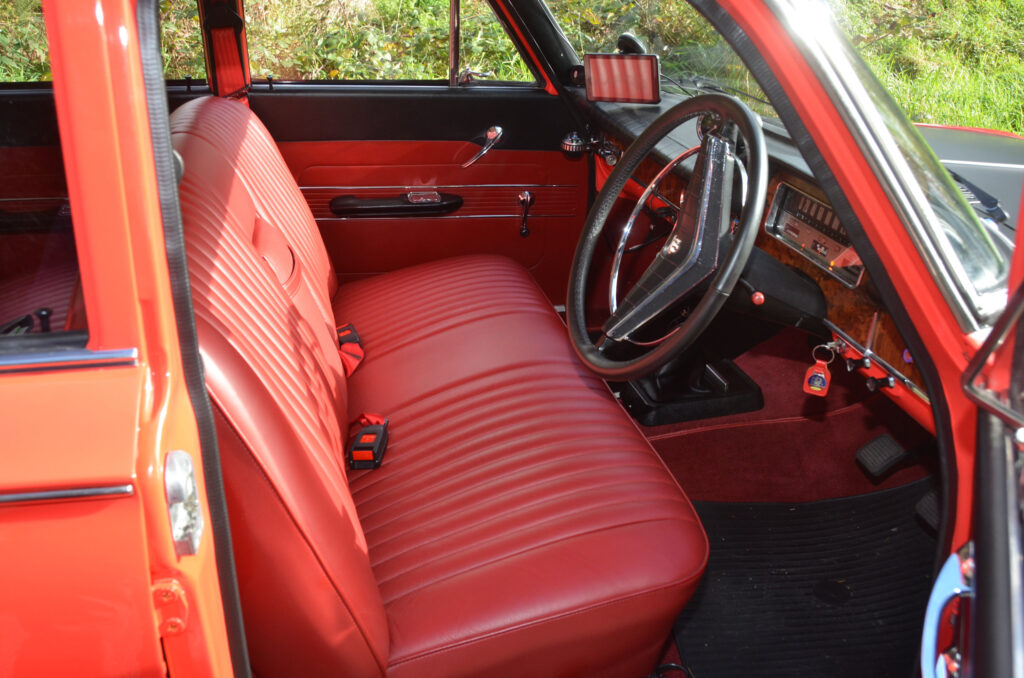
The seats from the Cresta and Velox went to Wayne, who chose those from the Cresta for reupholstering in red leather (not exactly standard, but it’s a nice way to honour Angela),  and because they had lowering armrests in their backs.
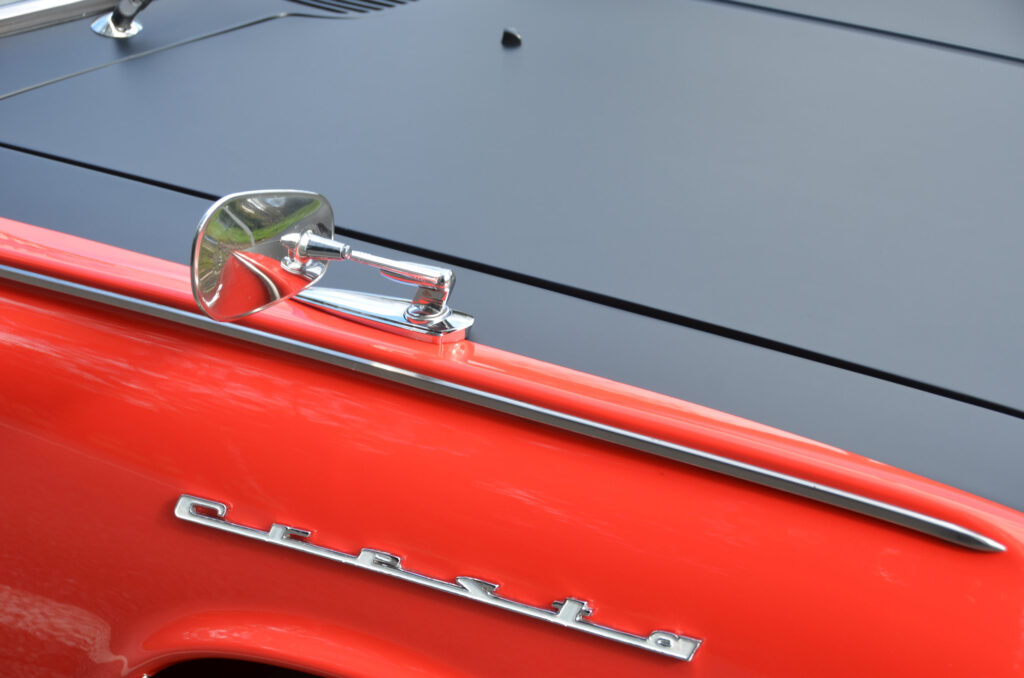
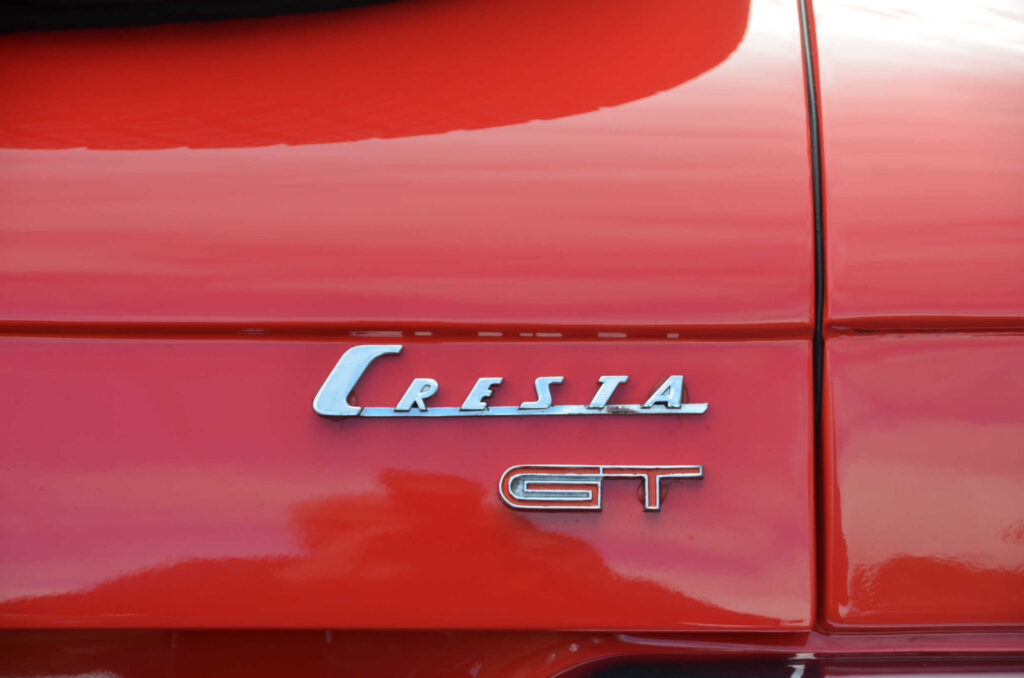
Meanwhile, Howard searched eBay and other sites for parts specific to a PB Cresta – badges, trim, GT badges, and lights.
Neale Ryder said the English heater left in the 1963 Cresta would be a better option than the one from the New Zealand-assembled Velox. After much finagling, Howard removed the heater and took it to his workshop for cleaning, sanding, and painting. Then he decided against fitting this heater into the replica Cresta — the smarter-looking Velox heater had won him over.
While the seats were being reupholstered, Howard prepared the floor for painting. Someone had overpainted the Velox floor with a red lead rustproofing that had attracted dust, dirt and grease. He scrubbed and sanded the whole Velox underside. “[It was] great fun, on my back, with water and detergent running down my arms,” he lied. He painted the chassis himself, applying CRC Black Zinc, then two to three coats of White Knight epoxy enamel in glass black. That should keep the rust out for years.
COVID-19 restrictions and difficulty in finding a suitable painter held up proceedings until June 2020, when Justin Wright at Rolrich Panel and Spray, Petone, did a great job, says Howard.
Howard laid sound-deadening material on the floor and behind the dash panels, which looked smart when completed. The carpets Wayne Patrick had made fell into place perfectly, even slipping over the foot-operated dip switch button. Howard and Ruth had collected the upholstery from Wayne while on a caravanning break in the South Island in August 2020.

The Cresta runs
At Howard’s bidding, Wayne, now a friend of the Andersons, flew from Christchurch to install the headlining and the door cards. Flying him over and seeing his friend again was a cheaper and better option than accepting the quote from a local tradesman.
Barry Cate was another friend made during the project. He’d knocked on the door after hearing Howard had Velox PB parts that might help with repairing his 1964 saloon. Barry had bought the car on the internet, supposedly in excellent condition. “Well, it wasn’t,” says Howard. They would help each other with parts as work on their PBs progressed.
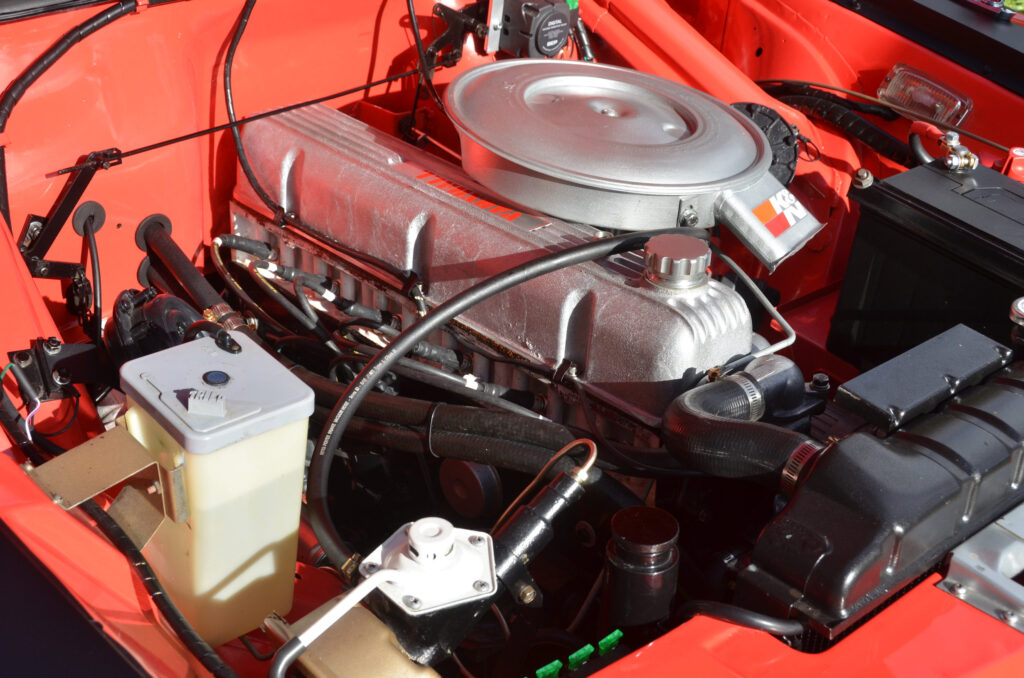
On 1 October 2021, the rebuilt 3.3 litre engine 511 PB90461 from the Velox went into the replica Cresta, an upgrade on the 2.6 litre motor in the original Cresta.
Barry, Cate and Howard and Ruth’s grandsons, AJ and Colton Foss, had arrived to help. All went well until it came to lowering the motor to be bolted down. Howard had fitted the wrong plates to the side of the block. The motor was lifted up, the plates changed, and everything fell into place.
That same day, the car came out of the garage, and the family took it for a celebration spin up the hill.
After problems with getting a compliance check and certification, the 1964 replica Cresta was registered earlier this year until 24 February 2023. But why was the WOF only for six months, Howard mused in his restoration record? He’d be kidding if he said if he didn’t know the car was first registered before 2000 as a Velox, and could only be warranted for six months.
The AA office in Lower Hutt issued the Cresta with NZZ917 plates. They have since been replaced by personalised plates 469GXT — the registration of the original Cresta, which towed the caravan to New Zealand.
What Howard thought would be a year’s restoration project turned into three, but as with the not-quite-straightforward run through registration, that’s to be expected.
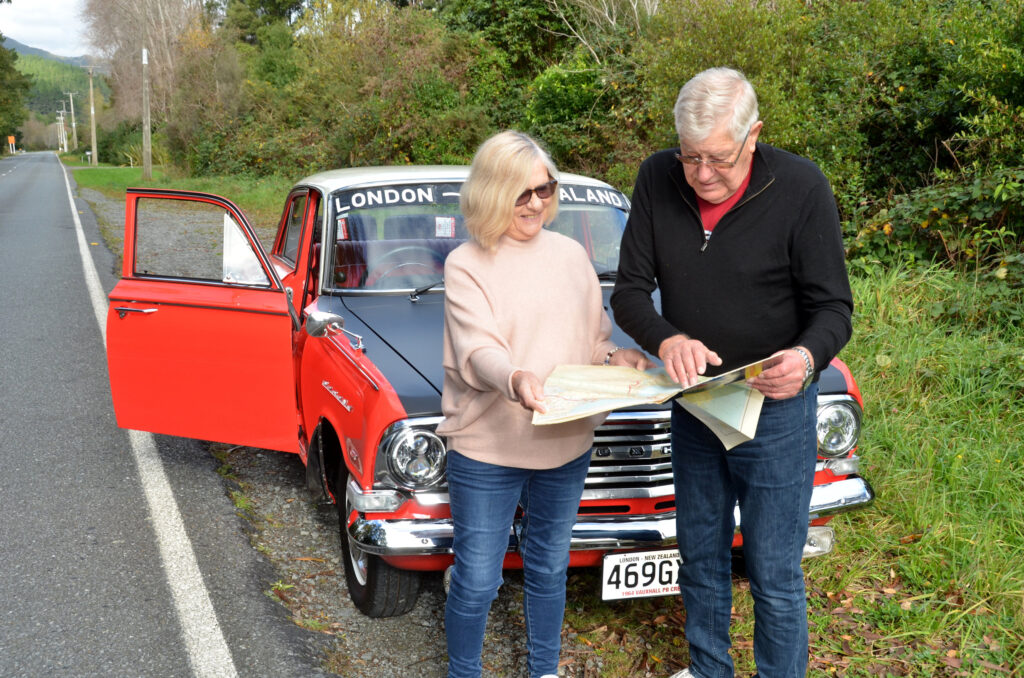
Ruth had yet to drive the replica Cresta when the photos for this article were taken. She was looking forward to getting behind the wheel on a quiet, long, straight road where she could acquaint herself with this Cresta on her own terms.
This year, she and Howard plan to hitch the Cresta to their current caravan and redrive their 1969 route from Auckland to Invercargill. Their recreated Cresta will be minus the roof rack because Howard has yet to find an identical one to that mounted on the original car.
Asked if they had any plans to find or recreate their original Sprite caravan, the answer’s an emphatic “No”.

Last Tango in the Fast Lane

In the mid ’80s, I locked into a serious Nissan/Datsun performance obsession. It could have kicked off with my ’82 Datsun Sunny, though this would have been a bit of a stretch of the imagination, given its normally aspirated 1.2-litre motor — not the sort of thing to unleash radical road warrior dreams. But it did plant a seed, and it was a sweet little machine and surprisingly quick, in contrast to all the diabolical English offerings I had endured.
I was living in South Auckland at the time and was an unrepentant petrolhead. Motor racing was my drug of choice, and I followed the scene slavishly. Saloon car racing, with the arrival of the international Group A formula, was having a serious renaissance here and in Australia and Europe. There was suddenly an exotic air in local racing that had been absent for 15 years.
I was transfixed by this new frontier of motor racing that had hit our tracks in 1985–87 and the new array of machinery on display. In 1986, the Nissan Skyline RS DR30 made a blinding impression on me. The Australian Fred Gibson-run, Peter Jackson-sponsored team of George Fury and Glenn Seton were the fastest crew of the 1986 Australian Touring Car Championship. But Kiwi legend Robbie Francevic snuck through to win the Aussie Championship in his Volvo 240T after a strong start and consistent finishes.

NZ Classic Car magazine, May/June 2026 issue 405, on sale now

Reincarnation of the snake
We are captivated by a top-quality sports car
The Shelby NZ build team at Matamata Panelworks has endured a long and challenging journey, culminating with the highly anticipated public unveiling of the 427SC and firing up of its sonorous V8 at the 2026 Ayrburn Classic Festival of Motoring in Queenstown on February 20. This is a New Zealand-built car with loads of character and potential.
The car is now back in Matamata, and I finally have an opportunity to get up close and personal with it. But before then, the question that must be asked is, “Why would ya?”
The first answer is easy, as mentioned in the last issue of New Zealand Classic Car (#404). It was a great way to use up all the surplus Mustang parts acquired while converting brand-new Mustangs into Shelbys. The unused new Mustang parts would be great in any kit car, but the 427SC in front of me cannot be classified as one.
This is not a kit car. The reality is that it is a high-quality, factory-made production car.
Possibly the second answer is because the CEO of Matamata Panelworks, Malcolm Sankey, wanted to build a replica of the car that is a distant relation to the Shelby Mustangs scattered around his showroom floor, a car created long before the first Mustang was even thought of, and the brainchild of Carroll Shelby back in the early ‘60s.