Ruminations on how and why West Auckland developed its unique reputation, which is reflected in its own distinctive car culture
By Gerard Richards
West Auckland has always had the reputation of being the larrikin cousin to the more civilised areas of Tamaki Makaurau (Auckland). There has long been a frontier flavour to the West, which has often been viewed as shady by residents of other parts of this fine metropolis.
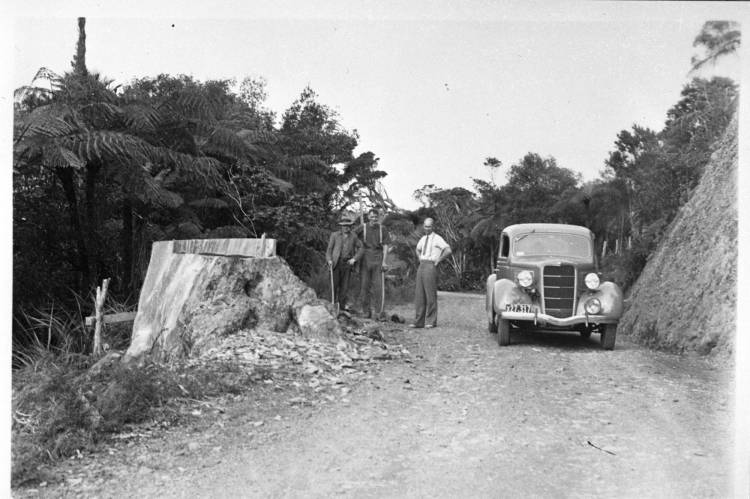
Some of this has likely been earned, and the mystique of the past still lurks in many areas just below the surface. For much of the early to mid-20th century, West Auckland was off the beaten track for most Aucklanders. The roads weren’t that flash and, backed up against the raw natural barrier of the Waitakere Ranges, there didn’t seem much incentive for the masses to head there. That is, unless you were heading to the raw black sand beaches, or you were wanting to avoid attention in central Auckland, which might have helped contribute to its “Wild West’ reputation.
On the surface at least, the activities that characterised the West from the early days encompassed mainly the remnants of gum digging, kauri logging, orchards, brick works, and the nascent Dalmatian wine industry. The famous Corbans wine dynasty, and others, established themselves in the bastion of ‘liquor ban country’ for those who appreciate gentle irony. This ace in the deck was to prove a real boon for later undercover activities in the Wild West.
But closer scrutiny reveals the convenient isolation of West Auckland. It was something of a haven for the new bohemian community and rebels wanting to let their hair down, away from the disapproving eyes of establishment Auckland. Enclaves of alternatively minded individuals began to appear there from the 1920s. Titirangi became a major redoubt for this community of artists, potters, interior designers, architects, and others from the music and academic community. Many set up houses hidden in the bush to enjoy their activities and freedom.
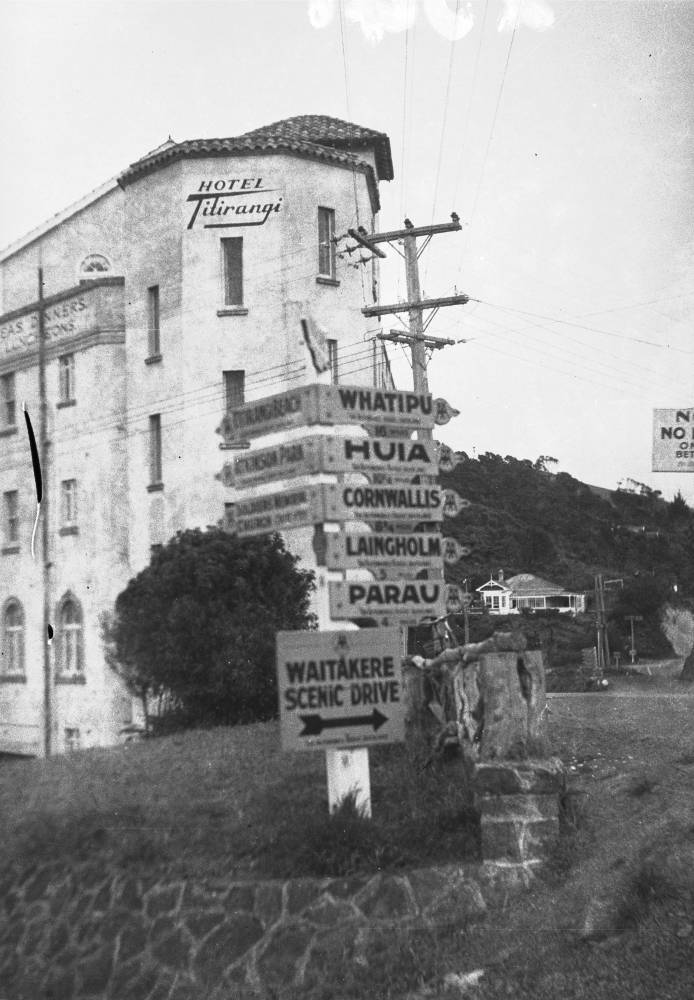
Titirangi was around 16 miles of substandard road from the CBD, and this was a decided asset when you were wanting to conceal your activities from the constabulary. Later, when the roads had improved a bit, many moved out further to Piha on the coast to remove themselves further from under the microscope … but I’m getting ahead of myself here.
The castle in the sky
In the late 1920s and early ’30s, cars were in very short supply on the local home front, except for the wealthy, that is. The Titirangi mafia was generally prosperous enough to afford a set of wheels. However, to attract the Auckland and visiting overseas celebs over the gnarly road to Titirangi to see the Waitakere Ranges and appreciate the local culture, something more was needed.
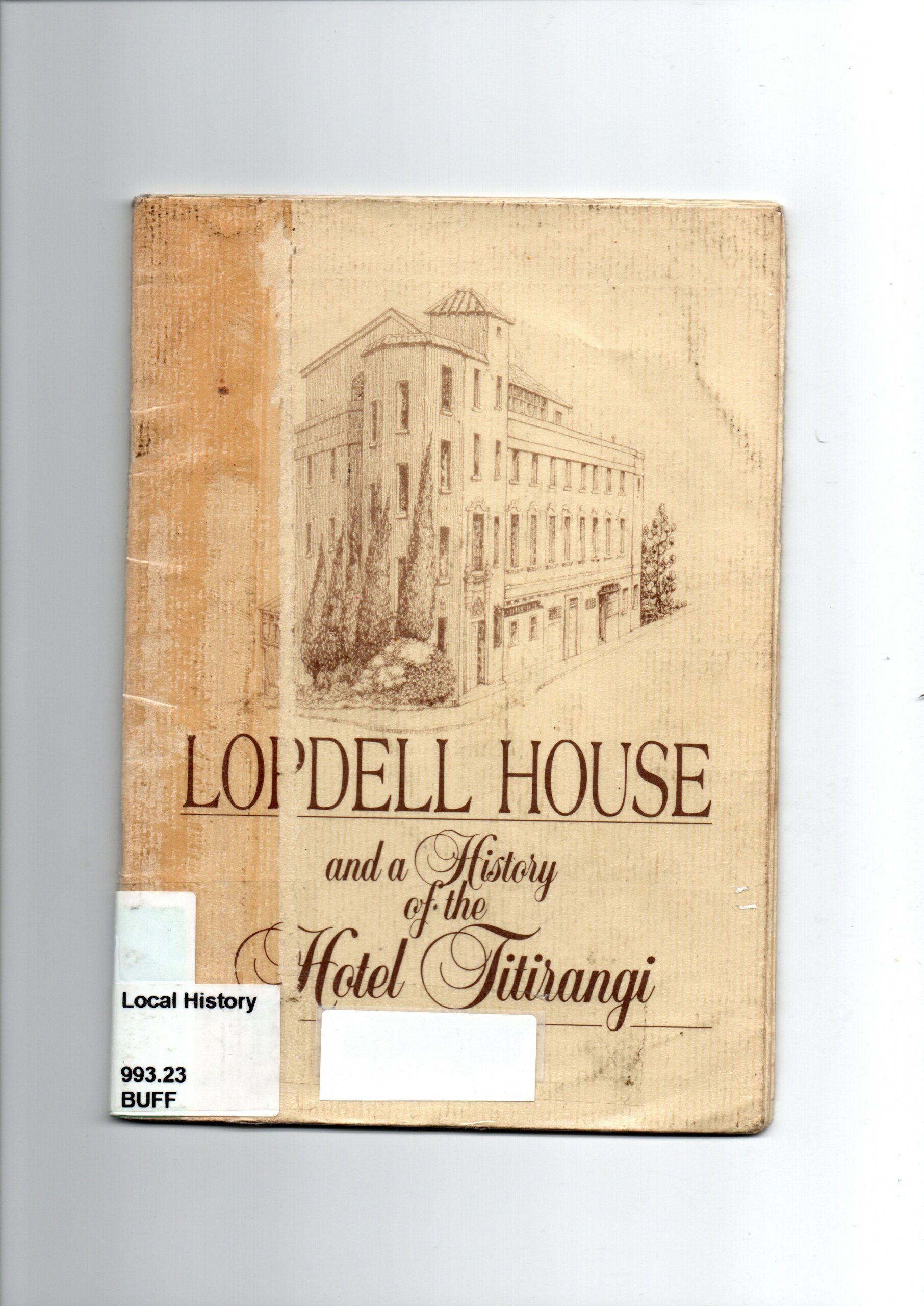
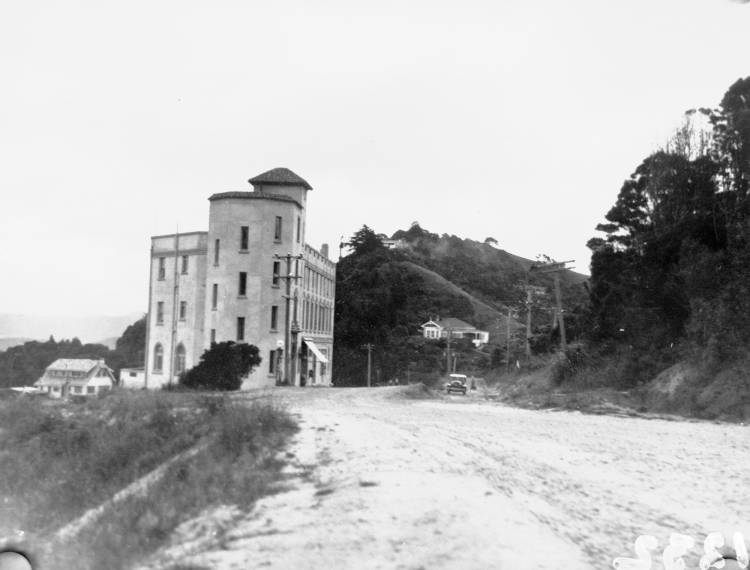
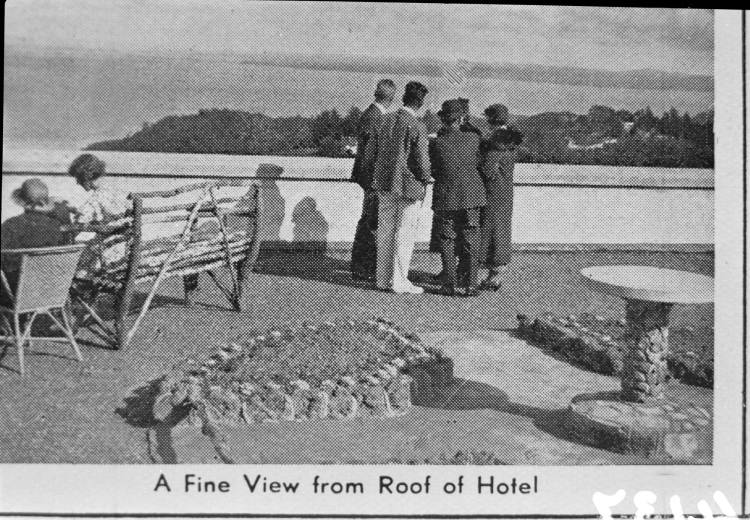
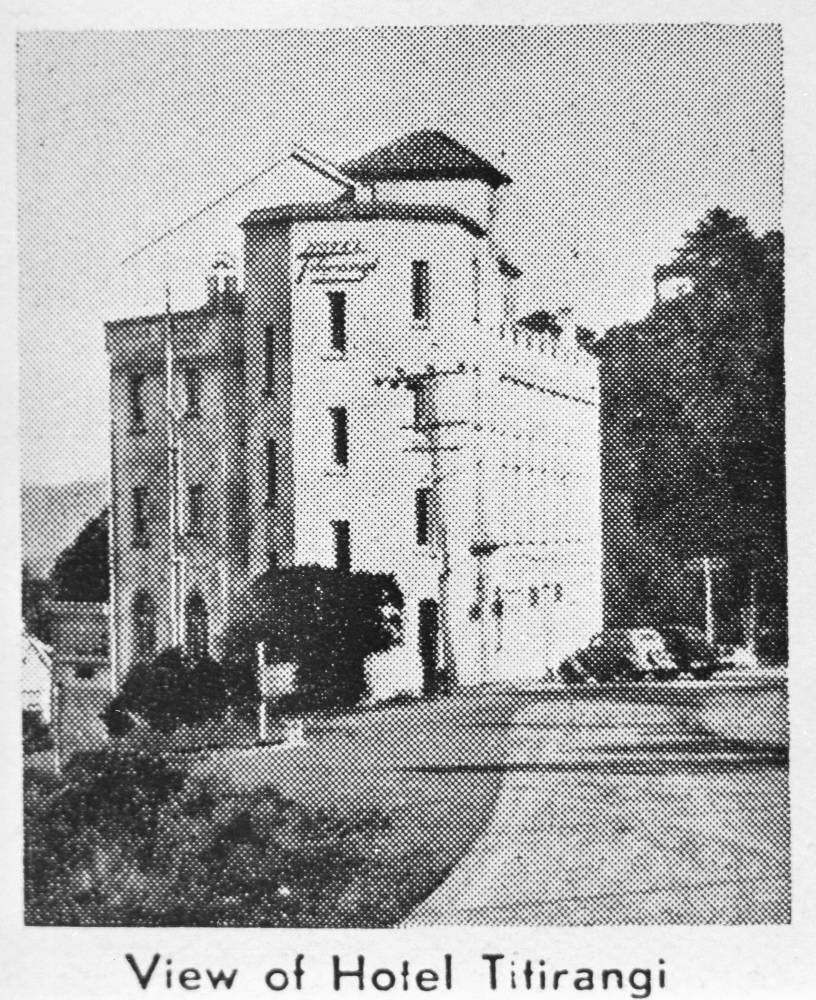
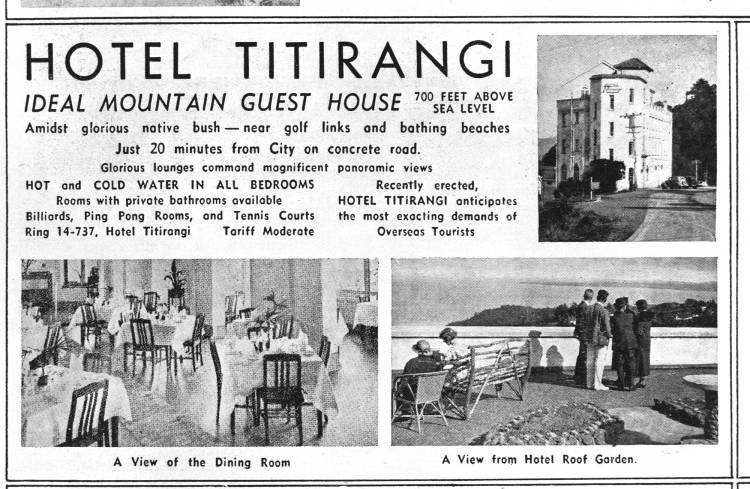
The Titirangi Hotel, built in Spanish/Mediterranean style and completed in November 1930, was part of the answer. It was perched at a prominent point in the ranges in Titirangi, offering commanding views of the bush-clad hills and out over the Manukau Harbour. The advertising pitch or slogan of the day read ‘The Castle on the Fringe of Heaven’. Other promotions suggested the health benefits of visiting the chateau in Auckland’s ‘Blue Mountains’ — borrowing a little gloss from the famed lodge in the Blue Mountains, near Sydney — a bit of a stretch, you’d have to say, for a hotel ‘officially’ with no liquor licence.
But necessity is the mother of invention, and alcohol was available in this isolated mecca one way or another, especially from the rich wine-producing area just down the road in nearby Henderson.
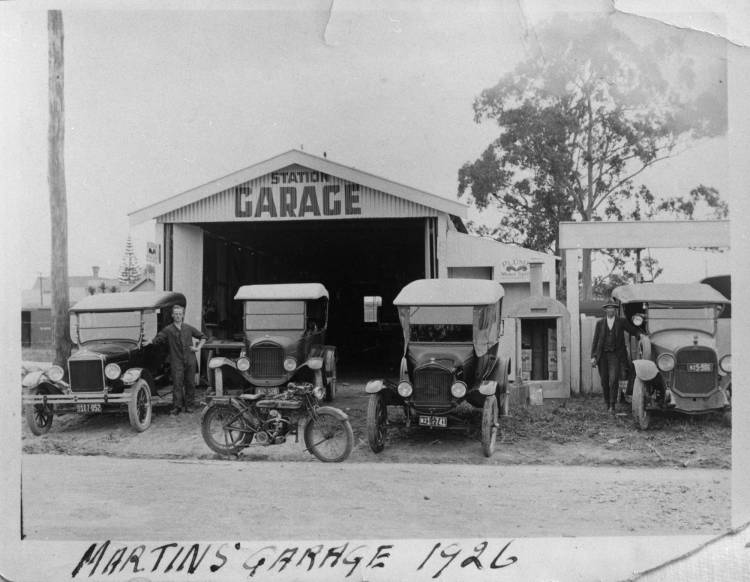
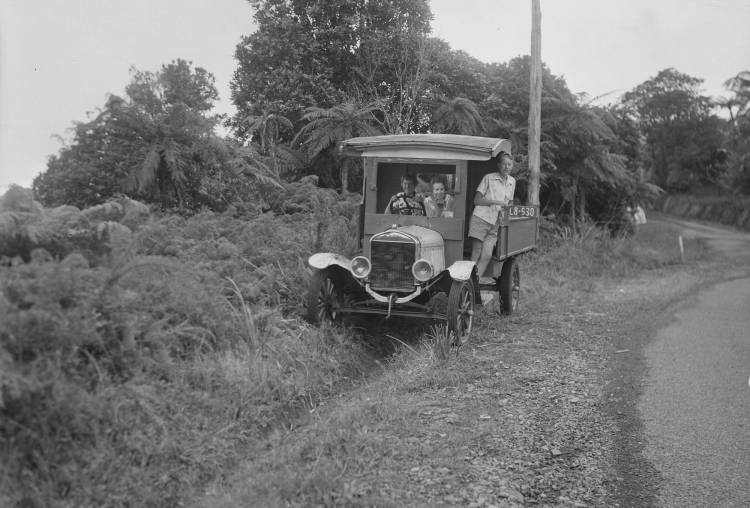
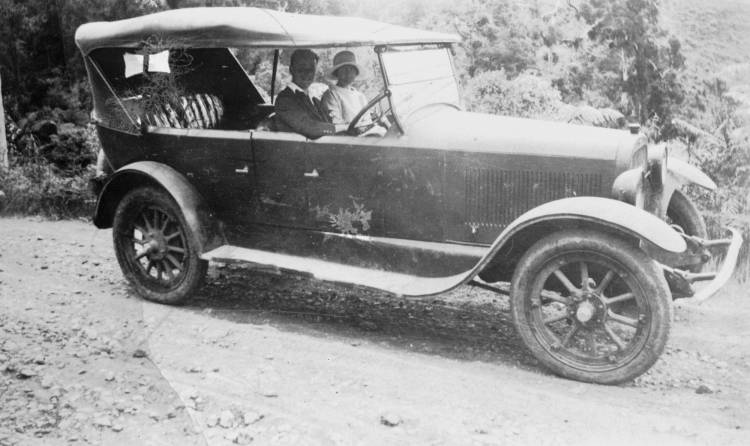
Getting the punters from downtown to Paradise in the Hills was the key issue. Charlie Martin from his garage, Charlie Martin’s Station Garage, in Glen Eden was a prime mover in ensuring this happened. Charlie was a major player in early automotive activities in the West from the 1920s. He converted a Model T Ford into what was referred to as his Blue Mountains Charabanc Bus. He ran this several times daily, to and fro from the metropolis to the Castle in the Sky. There were other bus operators on the Titirangi to Auckland circuit, which included F & G Shaw’s Titirangi Motor Bus Services, which ran from the 1920s, running Republic buses. A taxi service was also available from Charlie Martin’s Garage in Glen Eden from the 1920s. Steve Ozich, another Westie Dalmatian gum-digging descendant, ran an upmarket taxi service complete with stylish uniforms between central Auckland and the chateau at the summit of the ranges.
Trouble was lurking in the form of the Great Depression, and clientele started to dry up. By 1934, accommodation ceased. Fortunately, things looked up from the late ’30s, with afternoon tea being very popular and Charlie Martin’s buses ramped up to seven trips daily.
Maybe the real drawcard was the establishment of a nightclub around this time, run by 1ZB personality ‘Nedo’ (Mr Silver). Sophisticated entertainment with the devil’s music, live jazz, dancing, and a grill supper, but no alcohol (officially), had them beating a trail from the bright lights. Once again, international events took a hand, as World War II brought activities to a premature conclusion. The Hotel Titirangi, now known as Lopdell House, never resumed its hospitality role. Eventually, after restoration, it became a major art gallery in the West. Ironically, its historically beautiful café restaurant now sells alcohol.
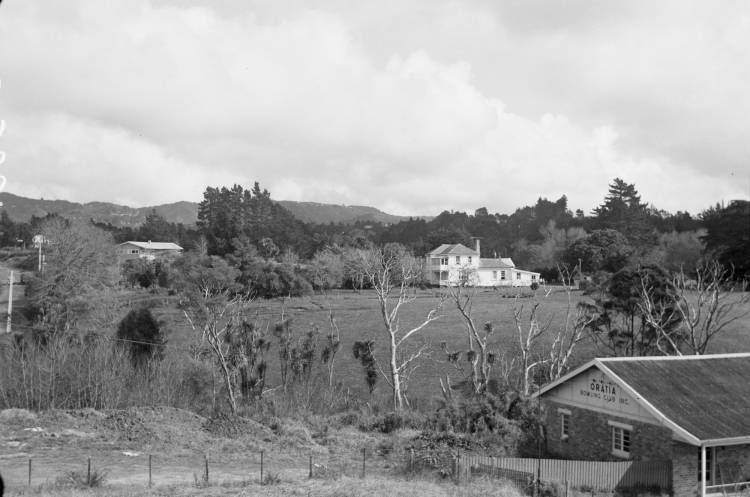
While the draconian licensing laws in the West showed no signs of change post-war, there were several other pioneering entrepreneurs willing to enter this clandestine arena. Like the Hotel Titirangi (Lopdell House), the modus operandi was luring the local glitterati and visiting artistic luminaries out of the repressive Auckland entertainment straitjacket to break loose in a hidden oasis in Oratia, West Auckland.
Town and Country
From 1948, the Town and Country Roadhouse was an iconic venue for fine food, quality music, and dancing, a few kilometres west of Glen Eden at Oratia. Just 11 miles from Downtown, it was closer than Titirangi and less arduous to drive there and back late on a Friday or Saturday night.
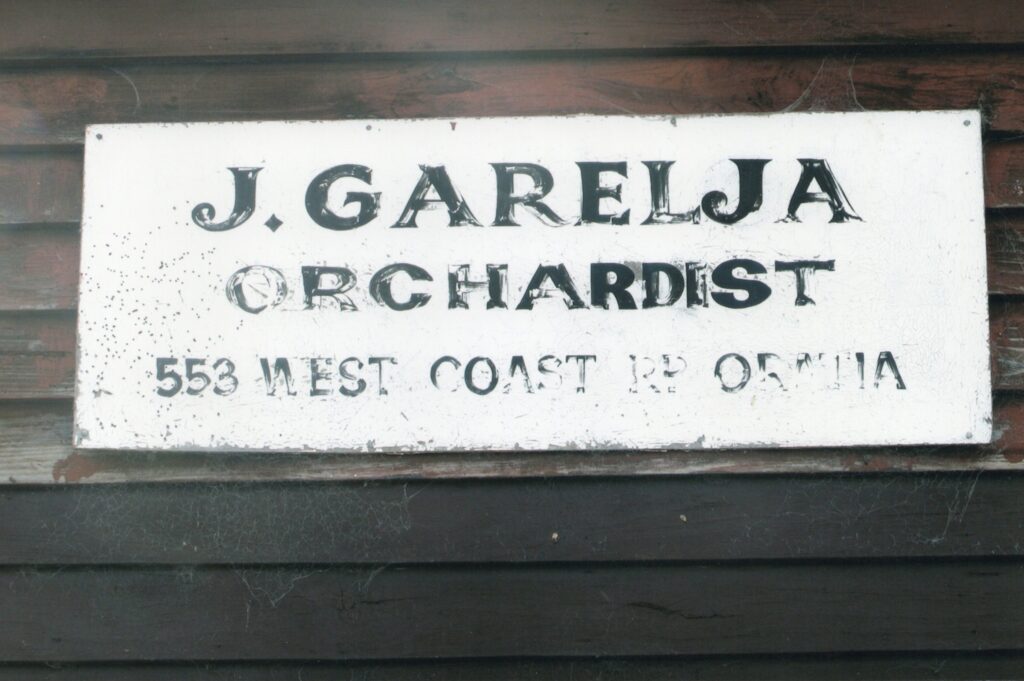
As the name ‘Roadhouse’ suggests, the essential ingredient here was the punters who travelled by road to this historic converted homestead to party the night away. Originally known as the Parr Homestead, it had links back to 1850s West Auckland. A successful orchard was established on the land, and owner Edward Parr built a grand two-storey house, later named Albion Vale in 1879. The nearby major road junction with West Coast Road was named Parrs Crossroad in his honour. The history of the family and house was shaped through many trials of fortune until it was established as the Town and Country Roadhouse in 1948.
Marge Harre — a family descendant along with entrepreneurial friend and neighbour Julia Yates, who owned the millinery shop Trilby Yates near Auckland’s Town Hall — were responsible for its creation. Julia travelled overseas to America on buying expeditions for her business, and the idea came from a similar establishment she saw in California.
Marge was the maître d’ and the master cook. Drawing on exotic recipes from Europe, she supplied a level of cuisine and service unheard of in Auckland at this time. Along with her team of faithful assistants, she offered refined dining and entertainment at a rarefied level not available in the mainstream of the day.
Naturally, the establishment was refused a liquor licence, but the patrons brought their own. A requirement of a liquor licence in the day was that carpet was required, but Marge refused to cover the beautiful kauri floors. An elaborate warning system was established when the law-enforcing body approached, encouraging patrons to hide all signs of consumption. A helpful Henderson Police Station staff member acted as an informer when the constabulary had been dispatched on a raid of the Roadhouse. By the time they got there, all evidence of illicit consumption had usually been concealed.
Nice young men
Cars were the key to accessing the delights of the Town and Country Roadhouse. Its reputation was top shelf, and bookings were essential to protect the revellers’ privacy. Privacy was a byword, and few stories leaked out.
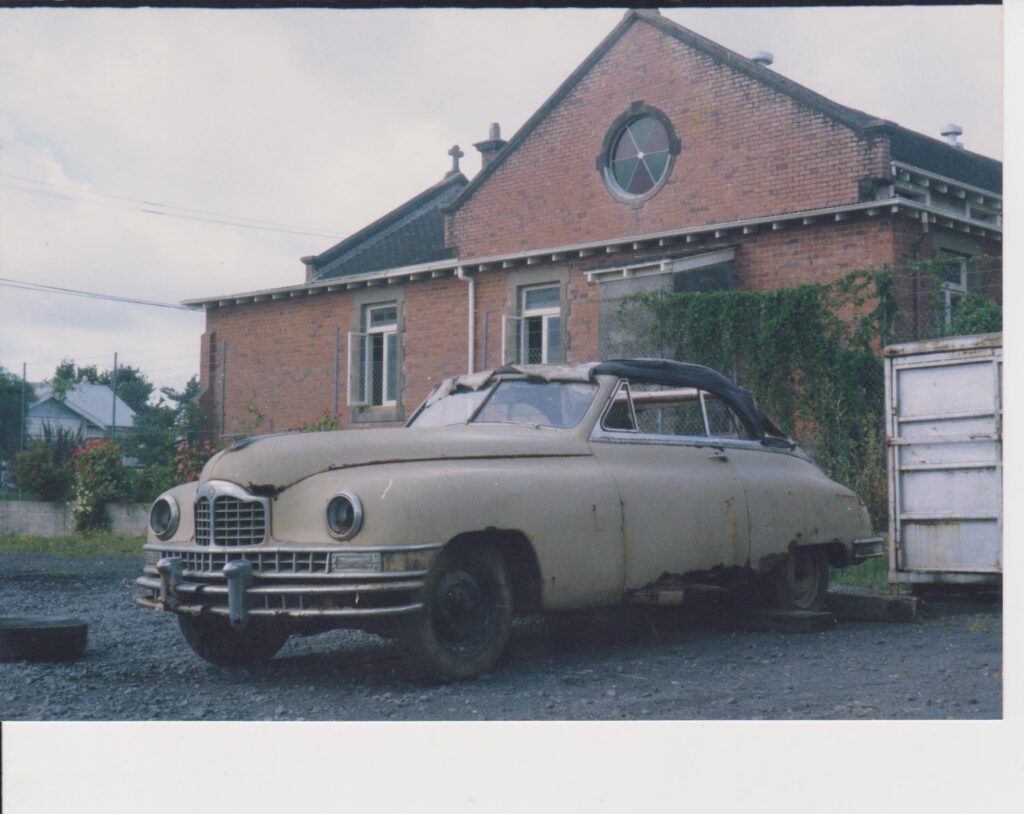
The hidden car park often displayed rare and late model vehicles of the day, commensurate with their owners’ standing and wealth. The list of international guests of the Roadhouse was impressive. Some of these included world-famous violinist Yehudi Menuhin, actors Robert Morley and Sybil Thorndike, author Paul Brickhill, and many others during the 1950s. The 1953 British Lions Rugby Team were also notable dinner guests, whom Marge described “as such nice young men”. However, once their lubrication levels were up, they became, in Marge’s words, “a bit bright and began chasing our waitresses around the room. I suppose they were practising their rugby tackles.”
The Town and Country Roadhouse operated for 20 years from 1948 to 1968, and the hidden car park witnessed some rare machinery that was rare elsewhere in New
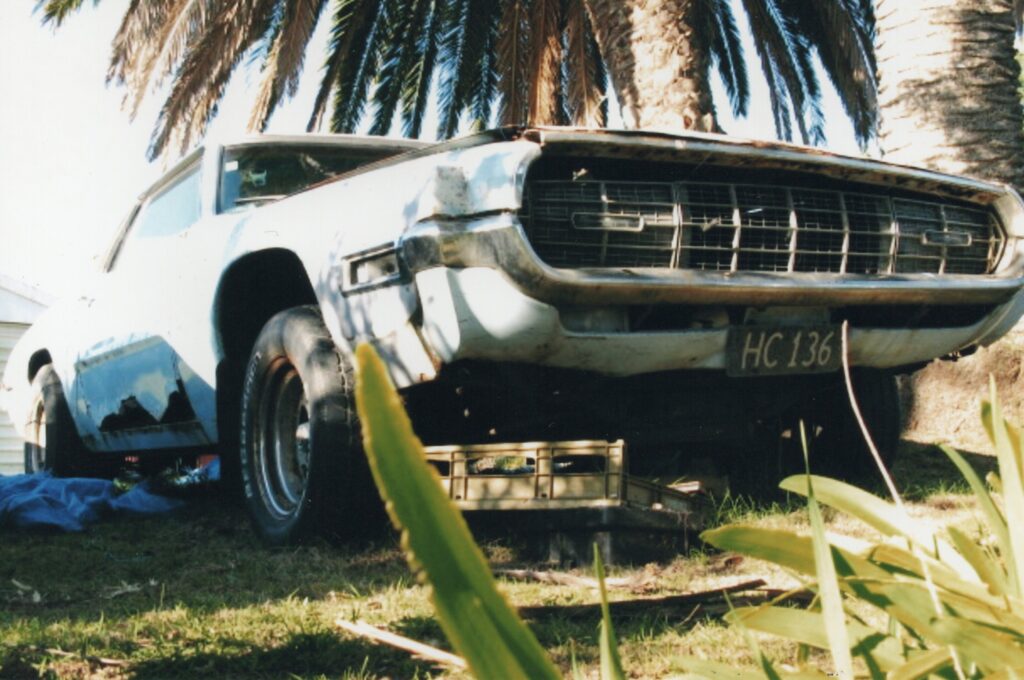
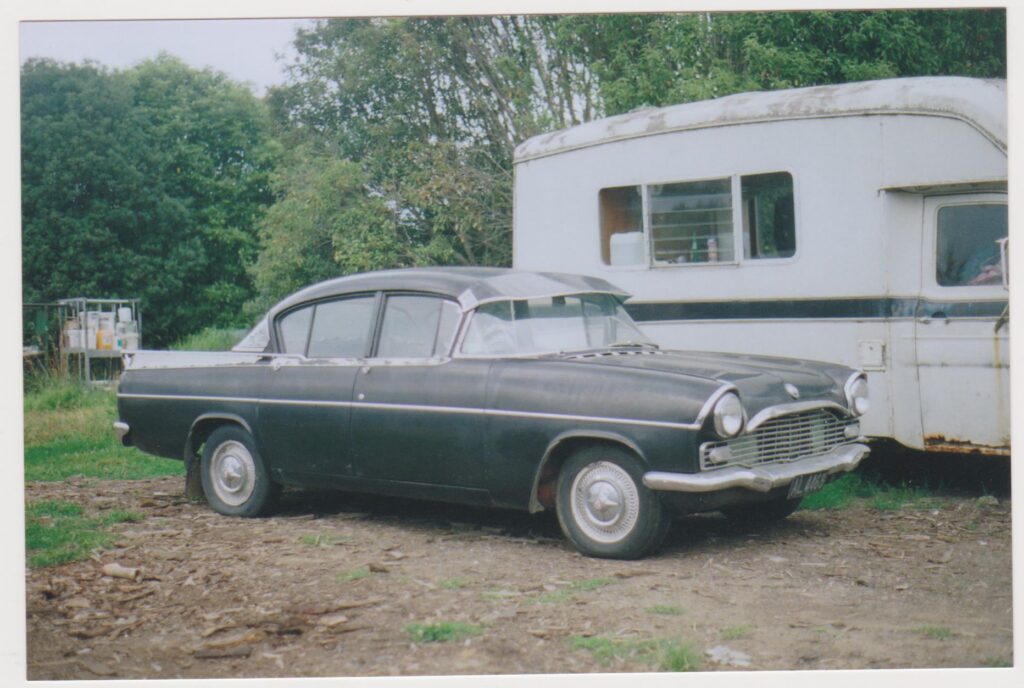
Zealand at the time. These included Jaguars, Daimlers, various American iron including Packards, Studebakers, as well as late model Fords and Chevs Driving home in the early hours was often a challenge, as The Roadhouse offered no accommodation. Drunkenness apparently didn’t happen too often, but on occasion the challenge of driving back to the bright lights on those unlit rutted gravel roads must have tested the mettle of some drivers. It wasn’t uncommon for some drivers to choose instead to spend the night in the garden, or in their cars, and return to town at first light.
By the mid to late ’60s, the entertainment playing field was changing. The Town and Country Roadhouse was losing its mystique in favour of the growing hippie/psychedelic party scene. It closed for business in 1968.
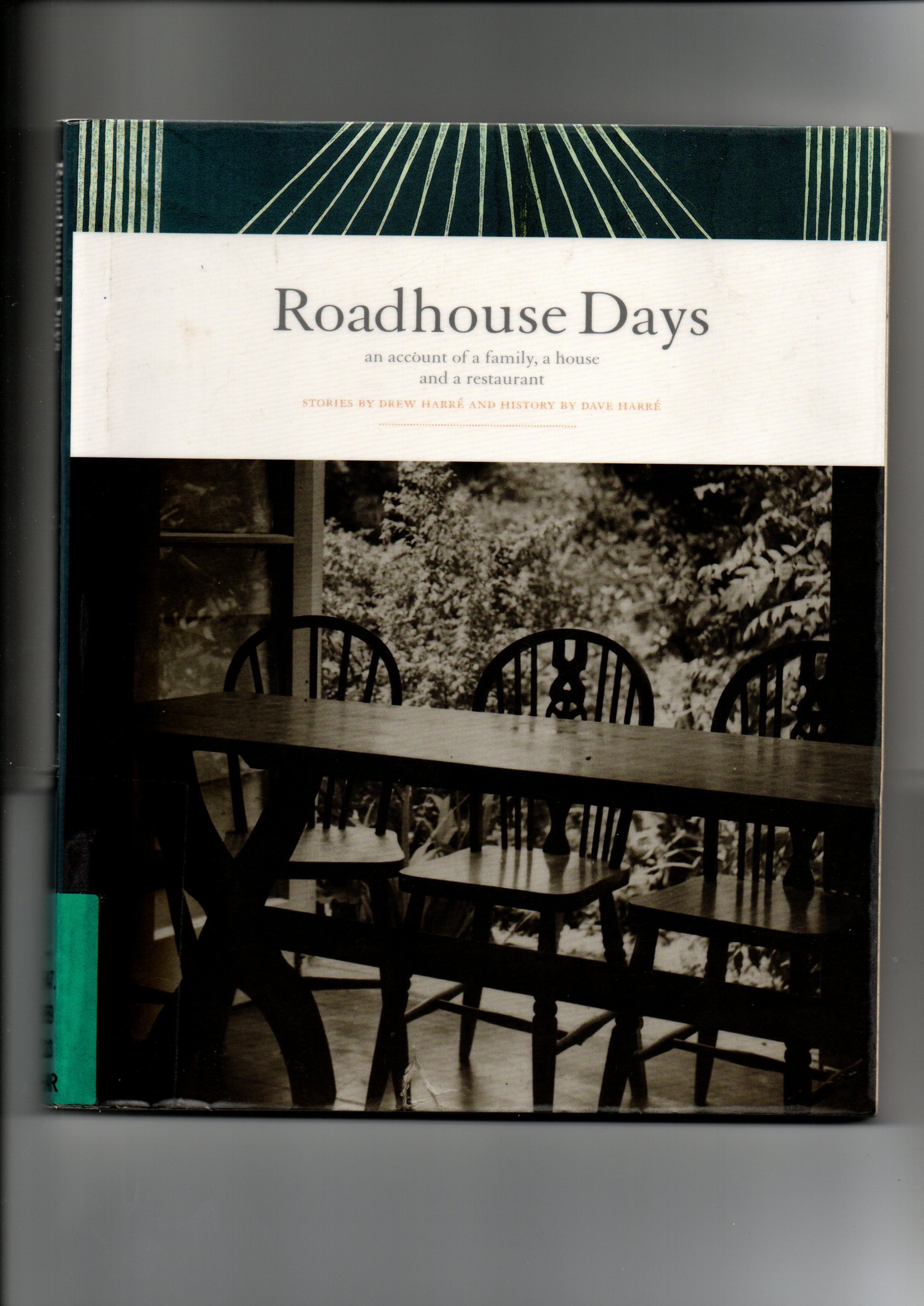
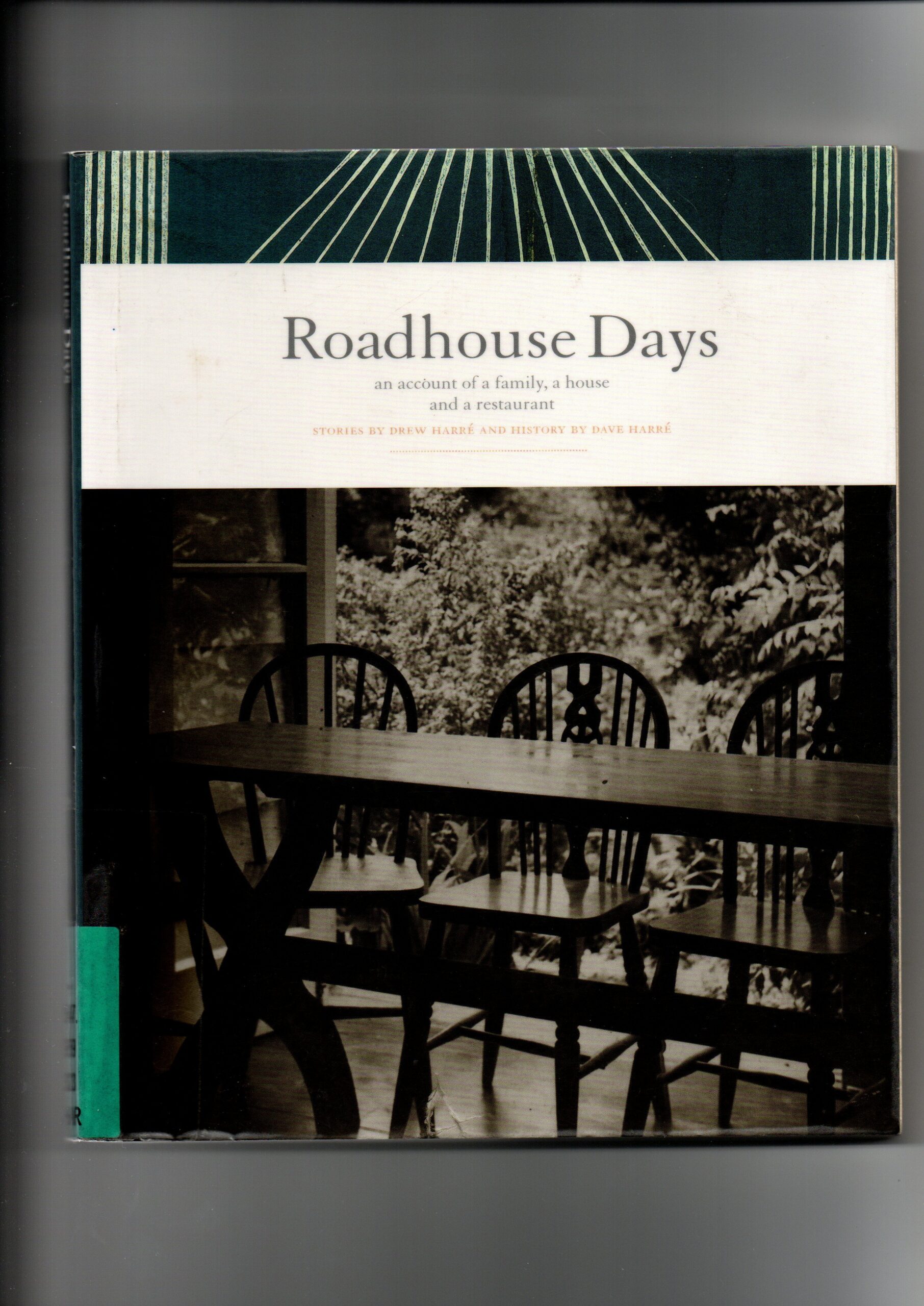
By the mid 1970s, Albion Vale (The Town and Country Roadhouse) had lapsed into a perilous state of decay and disrepair. Fortunately, Marge’s son David Harre took on the herculean task of having the grand old house refurbished in the 1980s. It remains an icon of the West, still largely hidden from view. The classic historic sign ‘Town and Country Roadhouse’ remains at the entrance to the garden (though out of sight from the road) as a reminder of its glory days. A great book on the rich history of this pioneer restaurant, titled Roadhouse Days, was written by David and Drew Harre in 2009.
Full moon parties
By the mid ’60s, trendy young people wanted to hang out away from the traditional square scene and let their hair down in a groovy environment away from prying eyes, especially the young movers and shakers from the central city. Sure, the ballrooms like Peter Pan Cabaret, Surfside, Orange, and others were magnets, but these still had the hangover of ’50s repression, with shirts, ties, and semi-formal attire generally required.
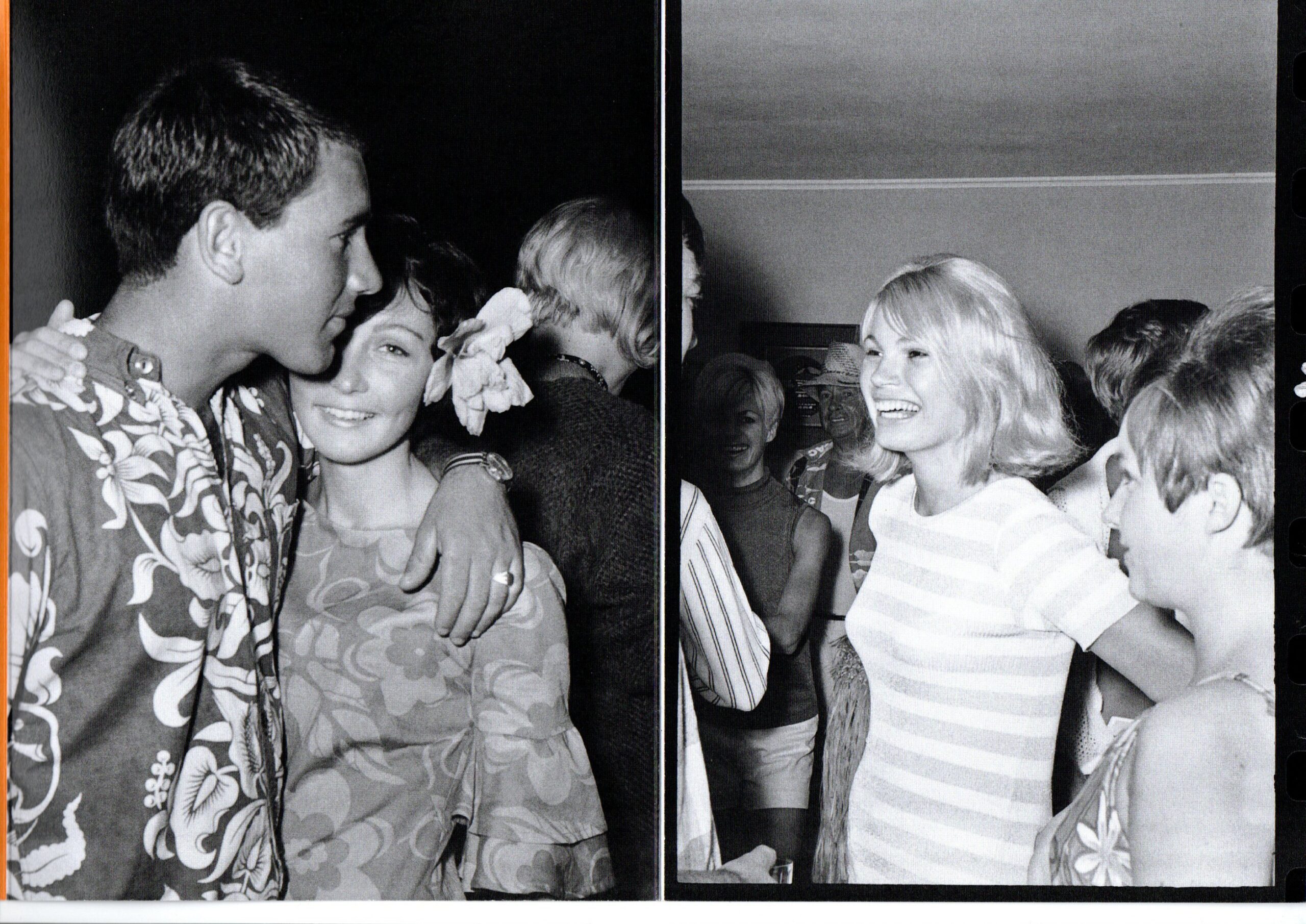
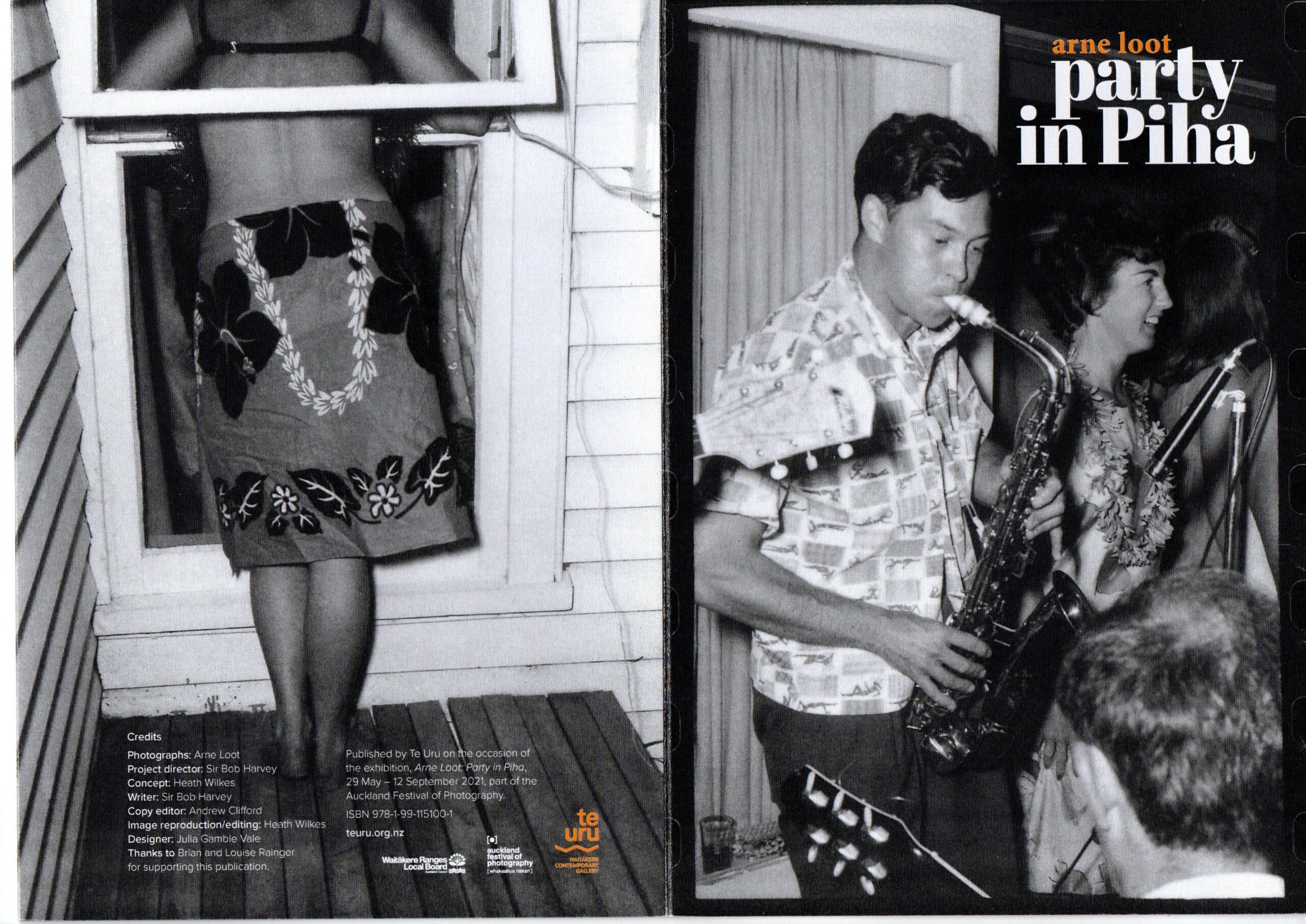
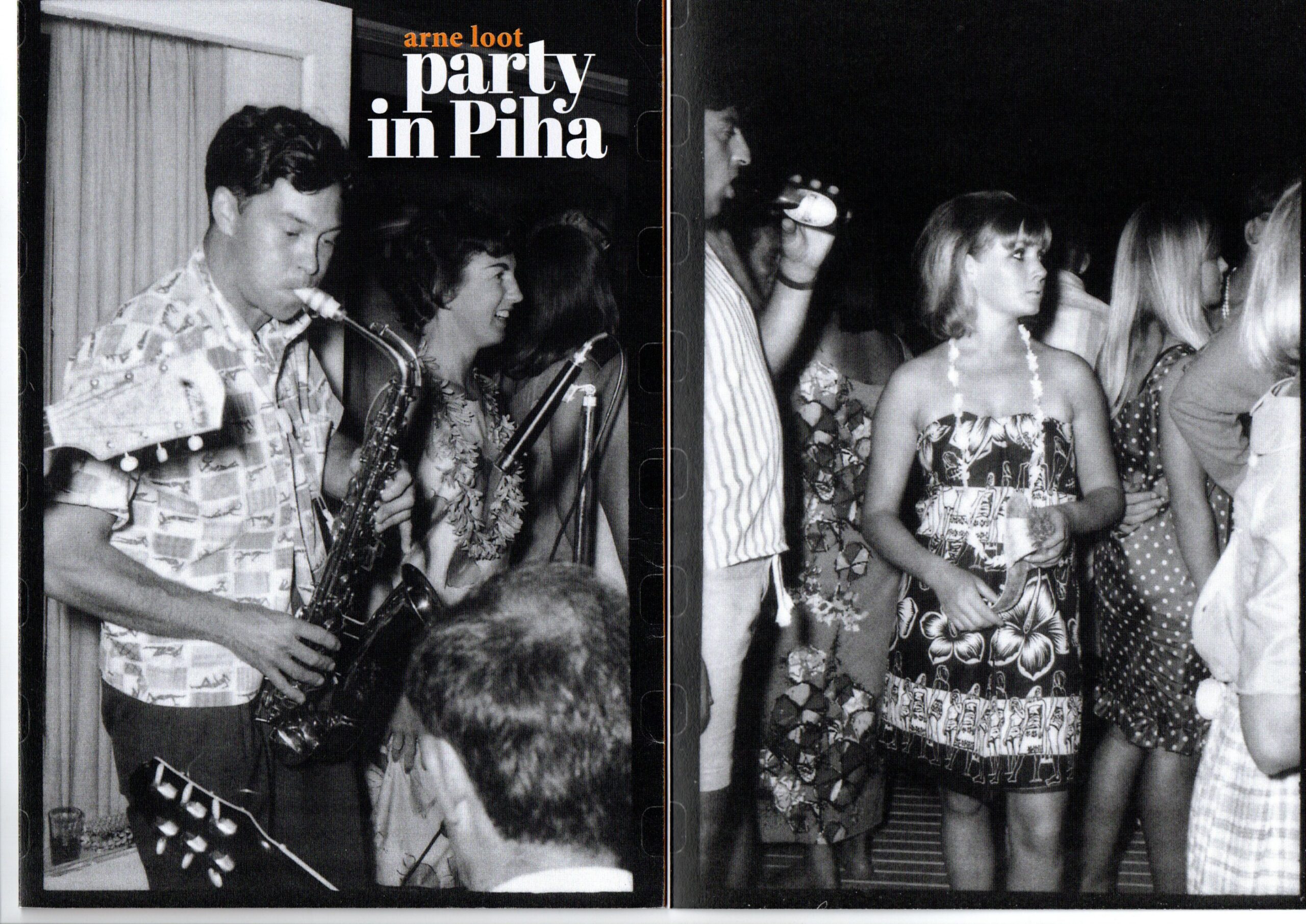
Bruce Rainger, a young entrepreneur, wanted to create an oasis for various luminaries from the Auckland arts and music ‘in crowd’ and local beach scene personalities. His plan was for them to gather regularly for his legendary ‘Full Moon Parties’. The venue from the mid ’60s was his beach house at Piha. The theme was colourful and cool Hawaiian gear, which Rainger often provided courtesy of his family’s fabric importing business, Snow Rainger. He picked up a lot of this rare tropical fashion on his overseas buying escapades for the business.
Piha in the ’60s was very remote, the only access being a rugged, twisting, unsealed road. Electric power had only just arrived, but most baches were still on generators, and there were only two streetlights at the time. The isolated location was a major attraction of the cult summer Full Moon parties. The invited Auckland glitterati turned up in droves to let their hair down.
Live music from top Auckland musicians was a feature, and the full moon summer nights at the beach house became legendary. Rainger astutely arranged for well-known Dutch photographer Arne Loot to photograph many of these historic occasions, providing an amazing window into a wonderful era. Alcohol was of course transported through the ranges for the thirsty party alumni. Perhaps surprisingly, drugs, even weed, were not much in evidence — they were a script for a later era.
Bogun chic
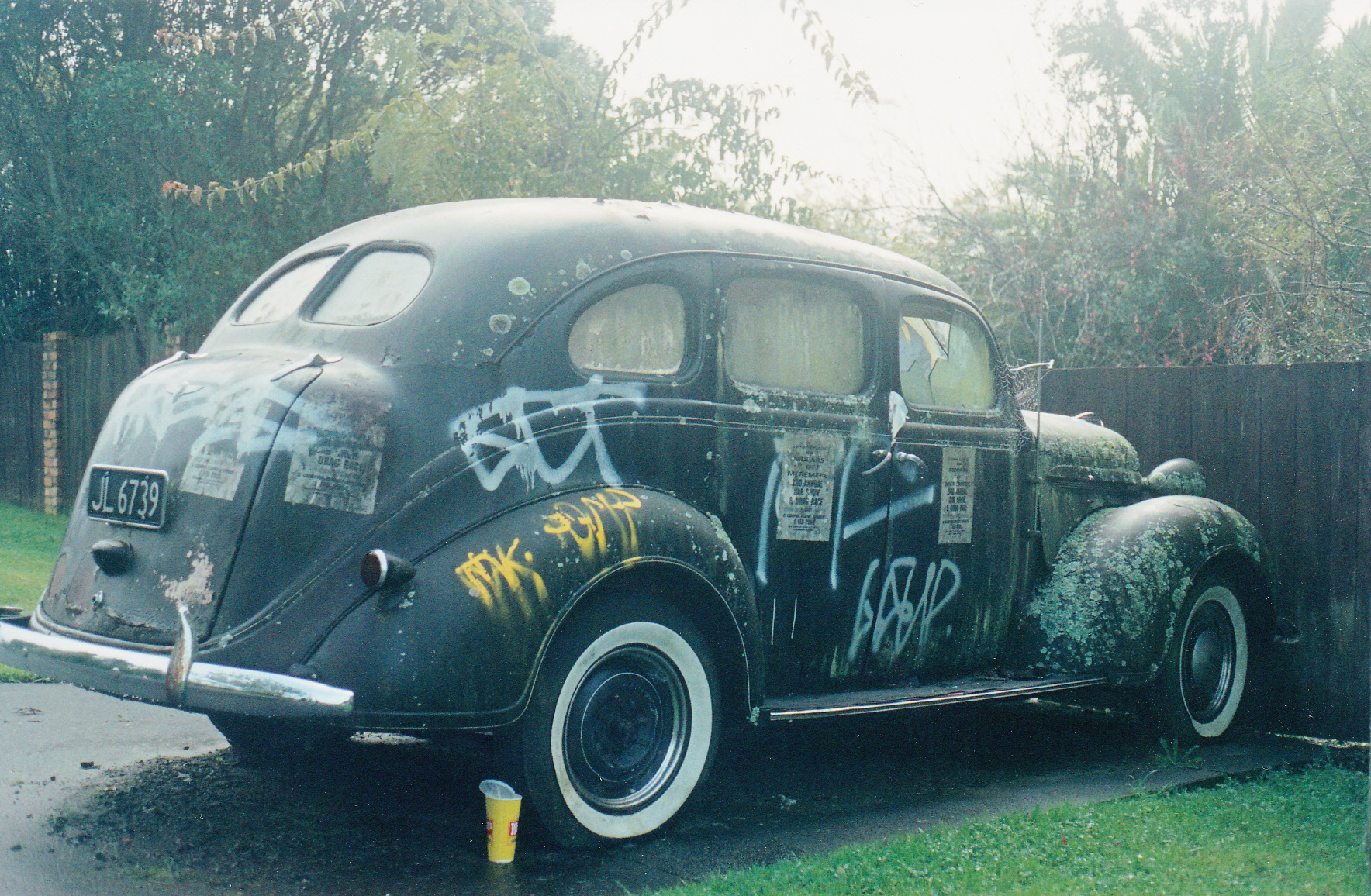
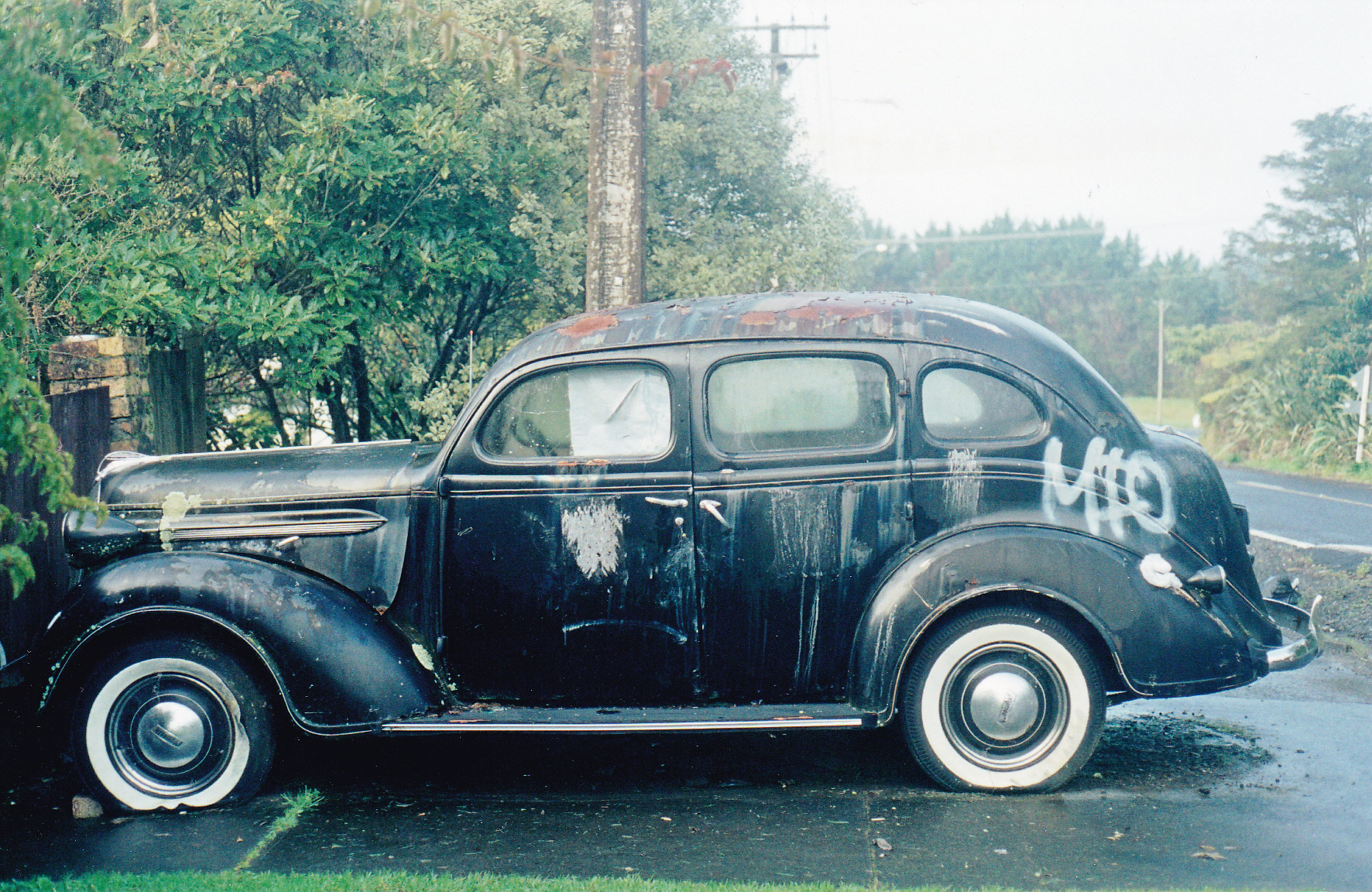
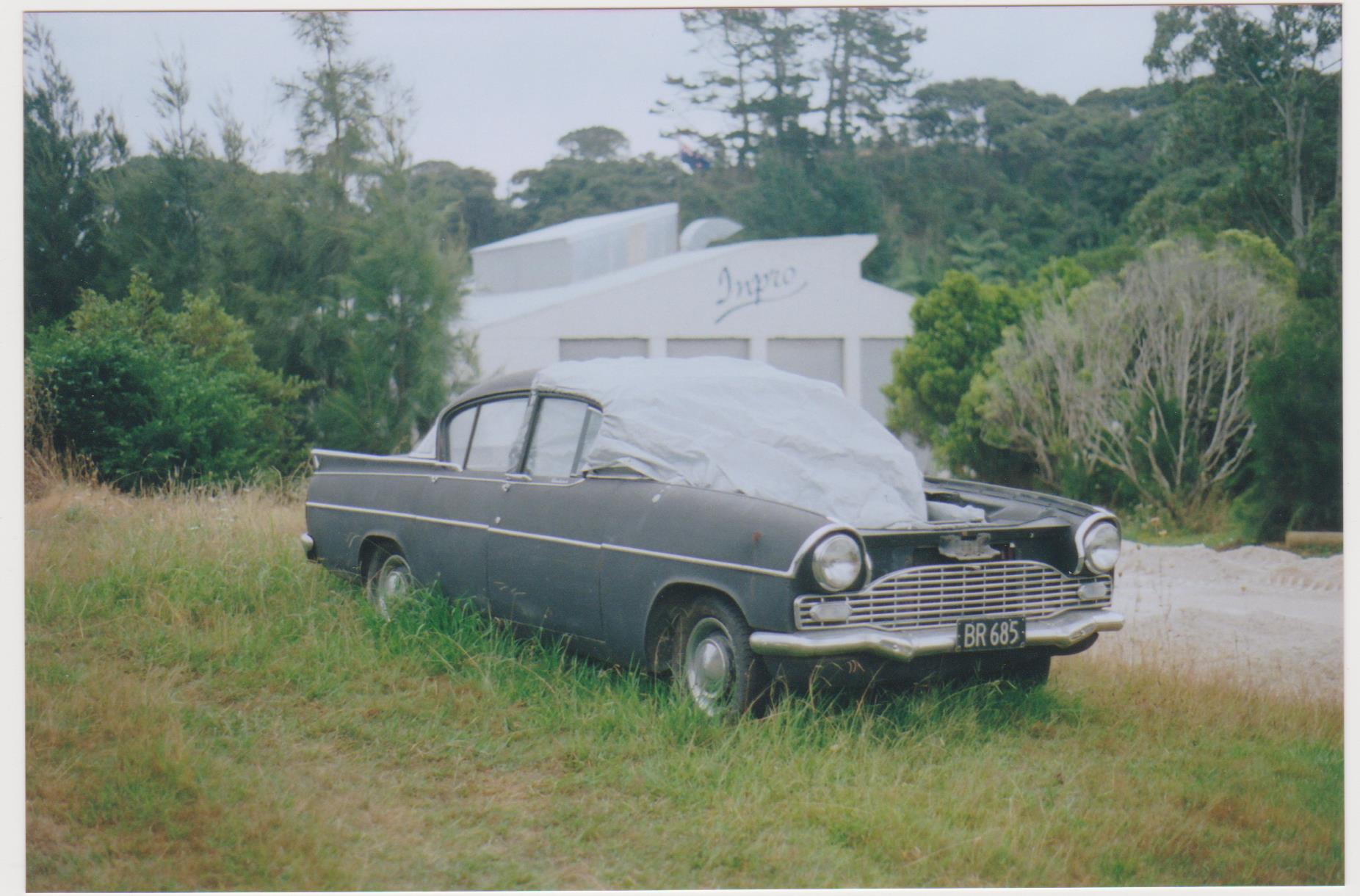
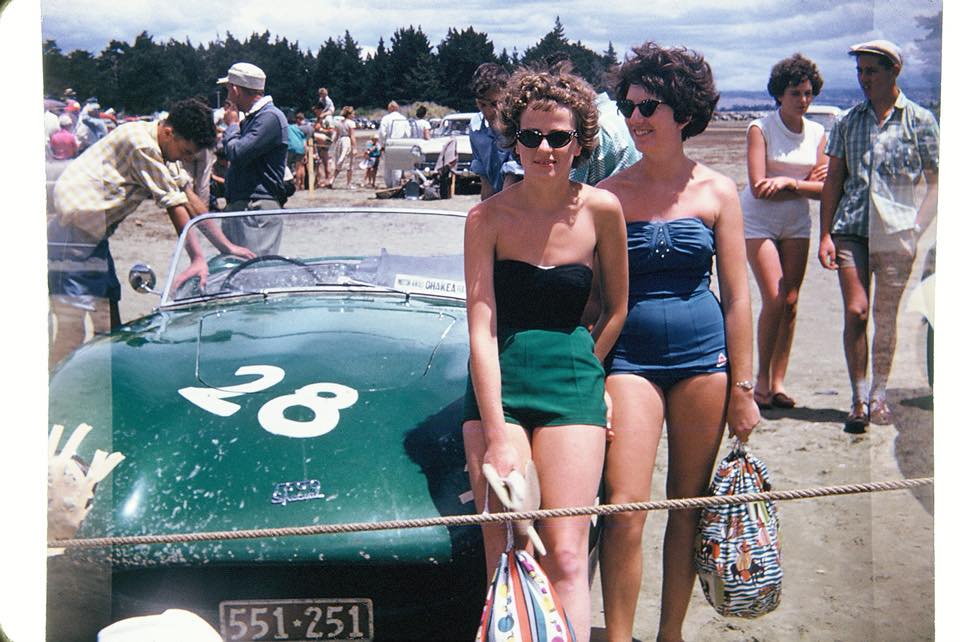
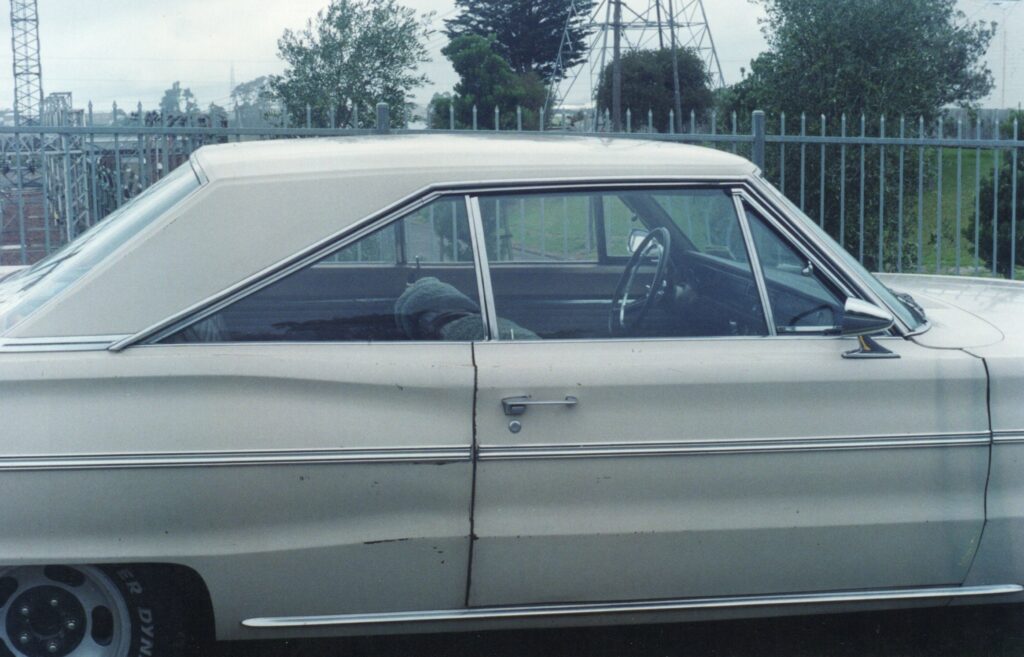
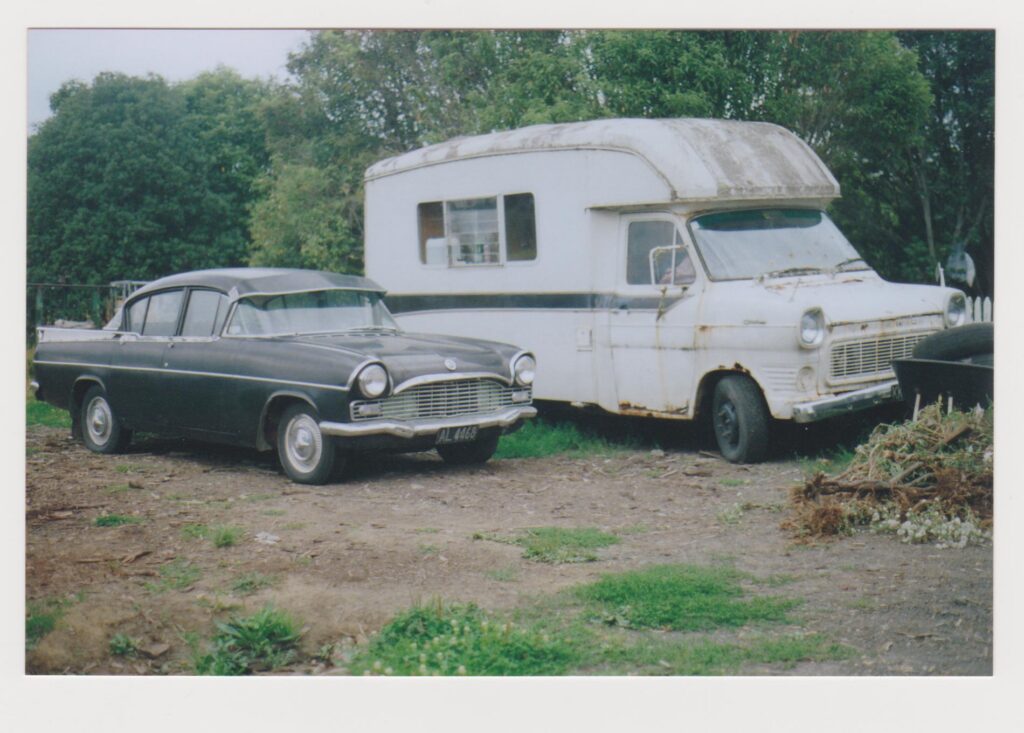
Small British sports cars were often the wheels of choice for the fashion-forward set of the time. MGs, Austin Healeys, Sprites, Triumph Spitfire TRs, and Sunbeam Alpines were often the stylish machines that battled their way over the rough roads of the day to the happening beach scene. Also, the more utilitarian sedans were a retro statement by the mid to late ’60s and included ’30s and ’40s Ford V8s, Chevs, and Chryslers. More modern variants were also in evidence, with the popularity of various Vauxhalls, Zephyrs (particularly Mk1 convertibles), and rugged Holdens.
The parties ran into the early hours, and most of the invitees crashed at the beach pad or the surf club.
The Wild West of Auckland has many tales of automotive semi-outlaw adventure and, in many ways, this has continued in more recent times. Witness the popularity of that great Westie Auckland television series Outrageous Fortune. Bogans are still celebrated in the West in various forms. Where else would Tim Shadbolt, a ’60s counterculture protest revolutionary at the time, first get elected as mayor? Not to forget that classic Westie comedian Ewan Gilmour either, or Kare Kare surf beach idol come leading advertising agency mogul Bob Harvey, who also became mayor of the West, when it was one of four cities in Auckland.
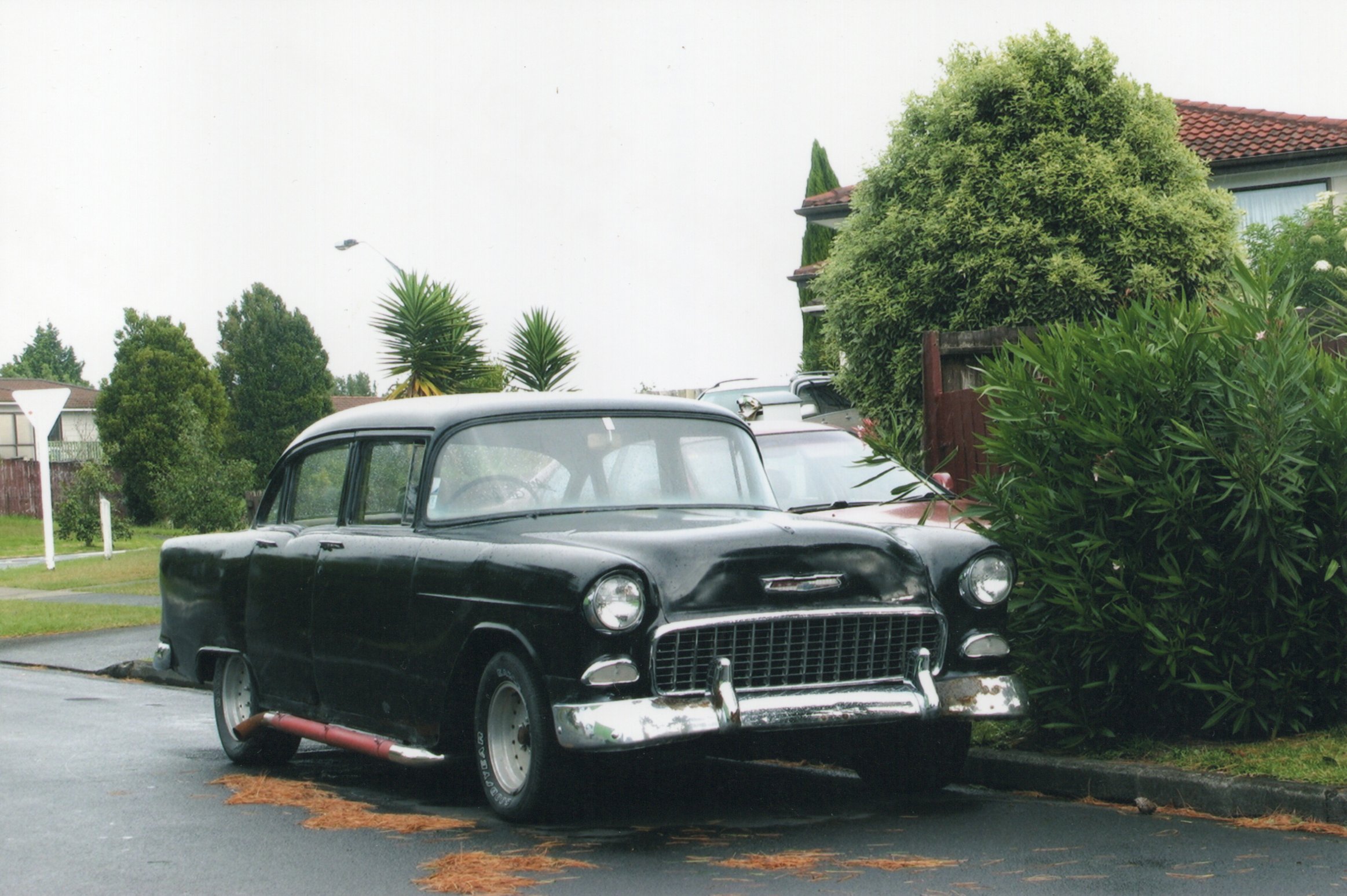
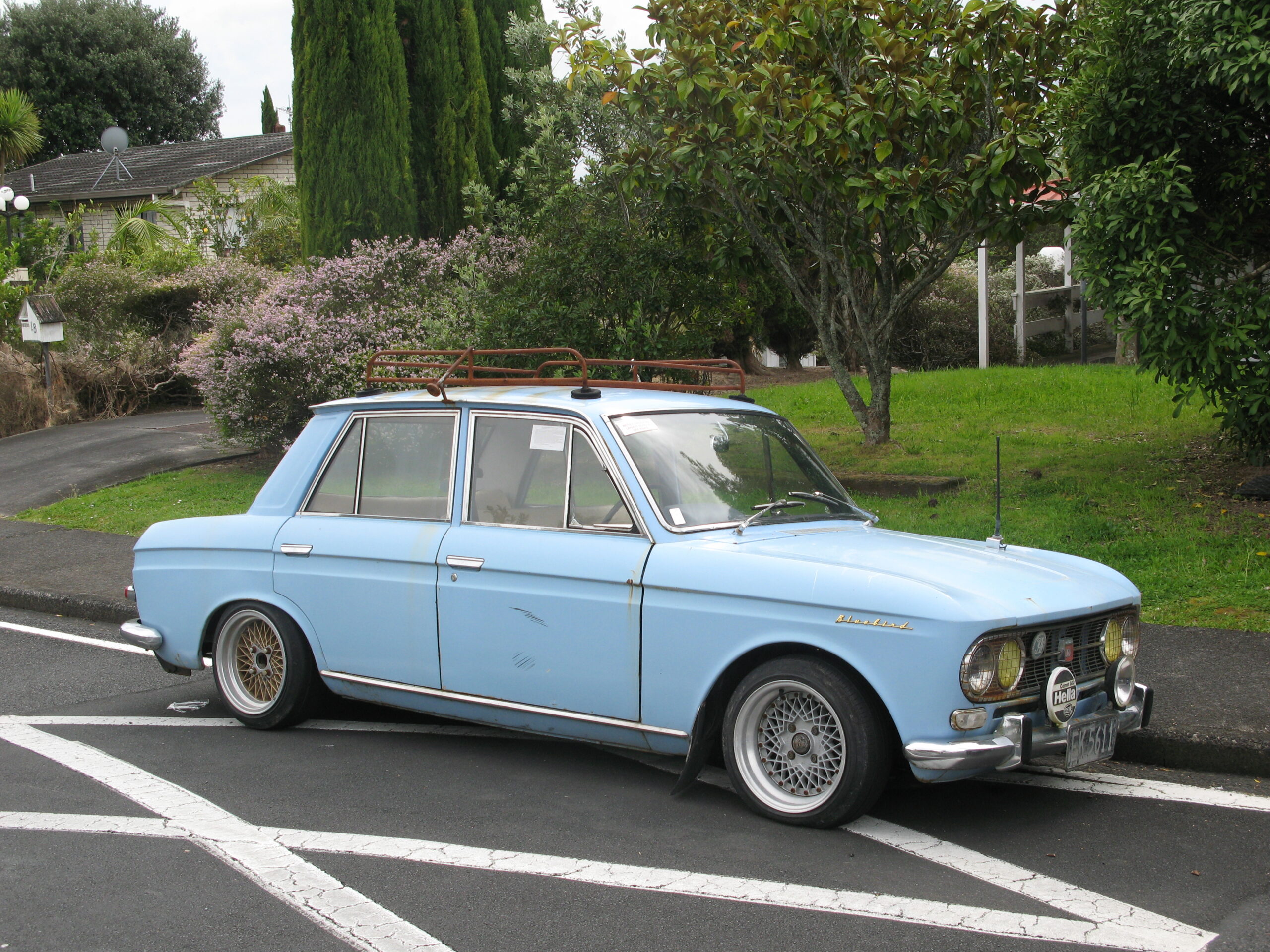
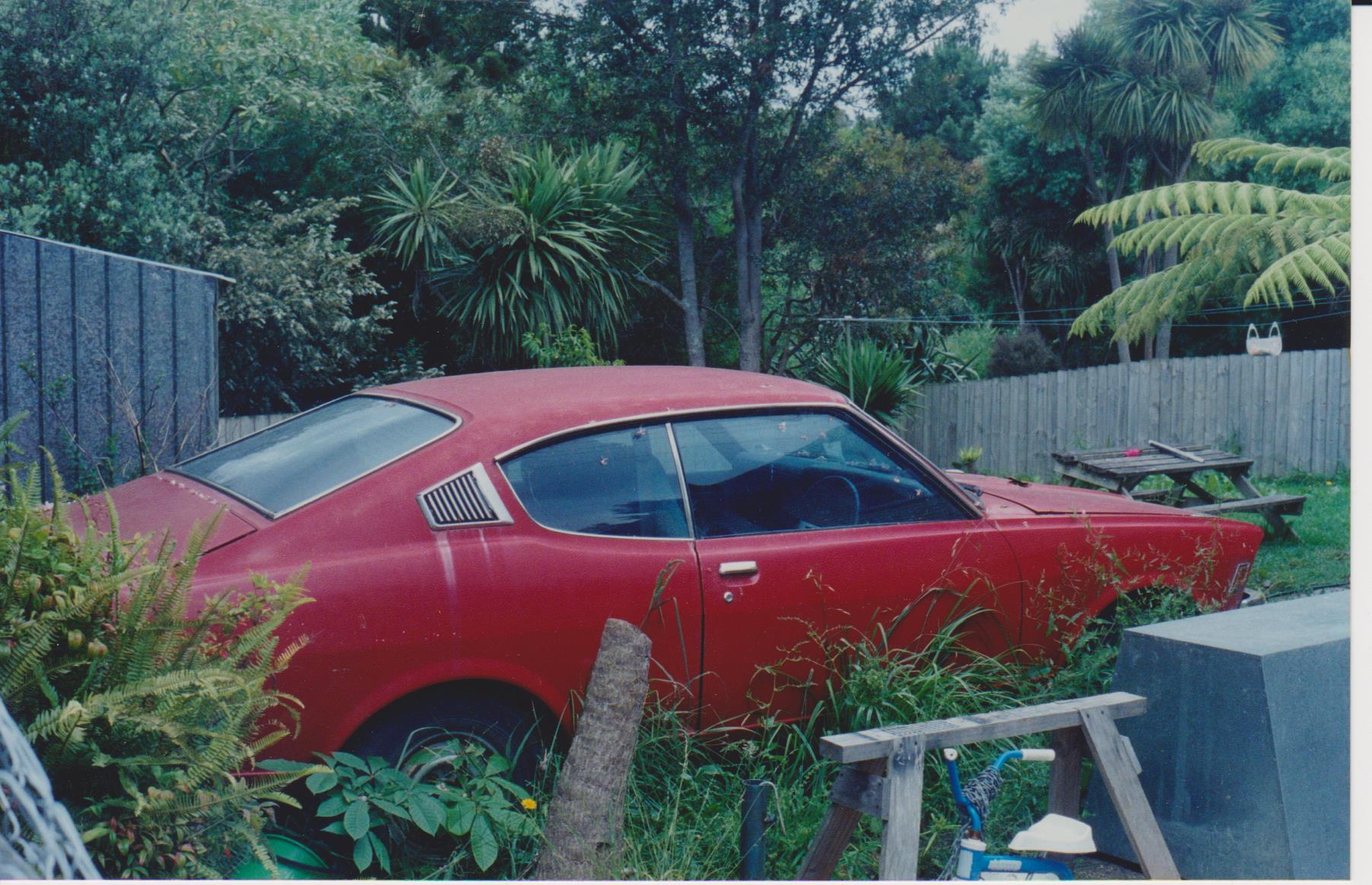
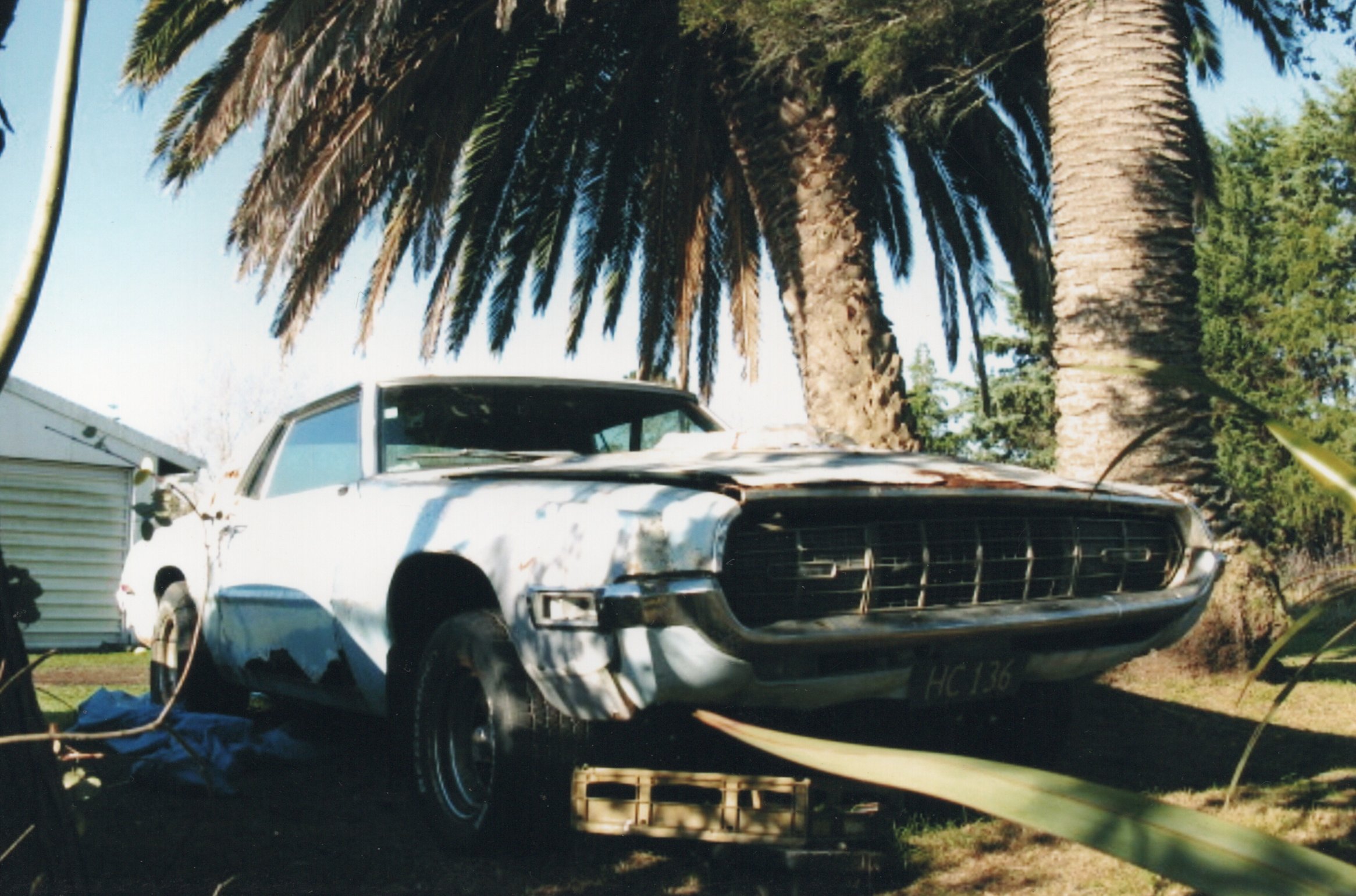
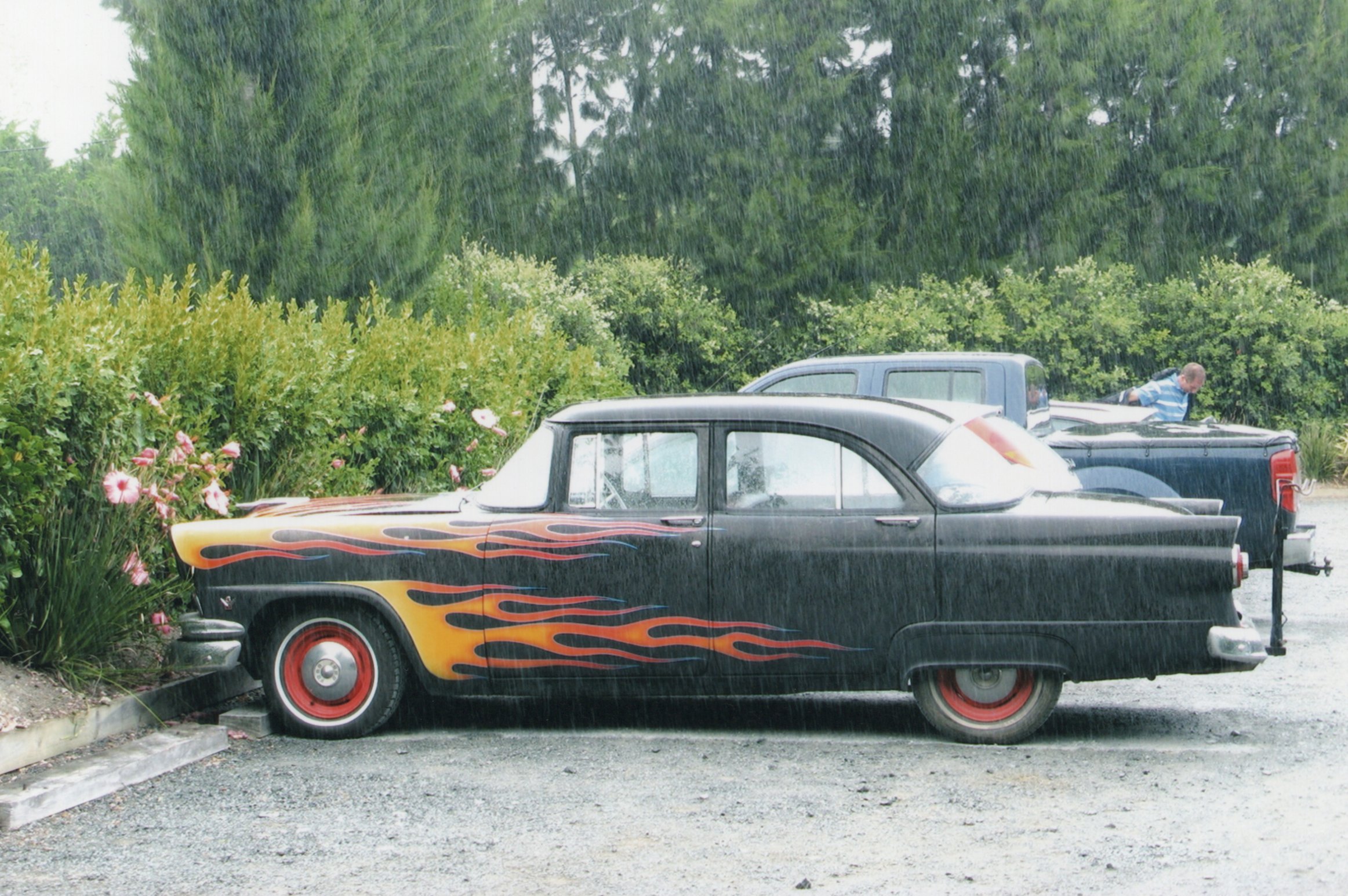
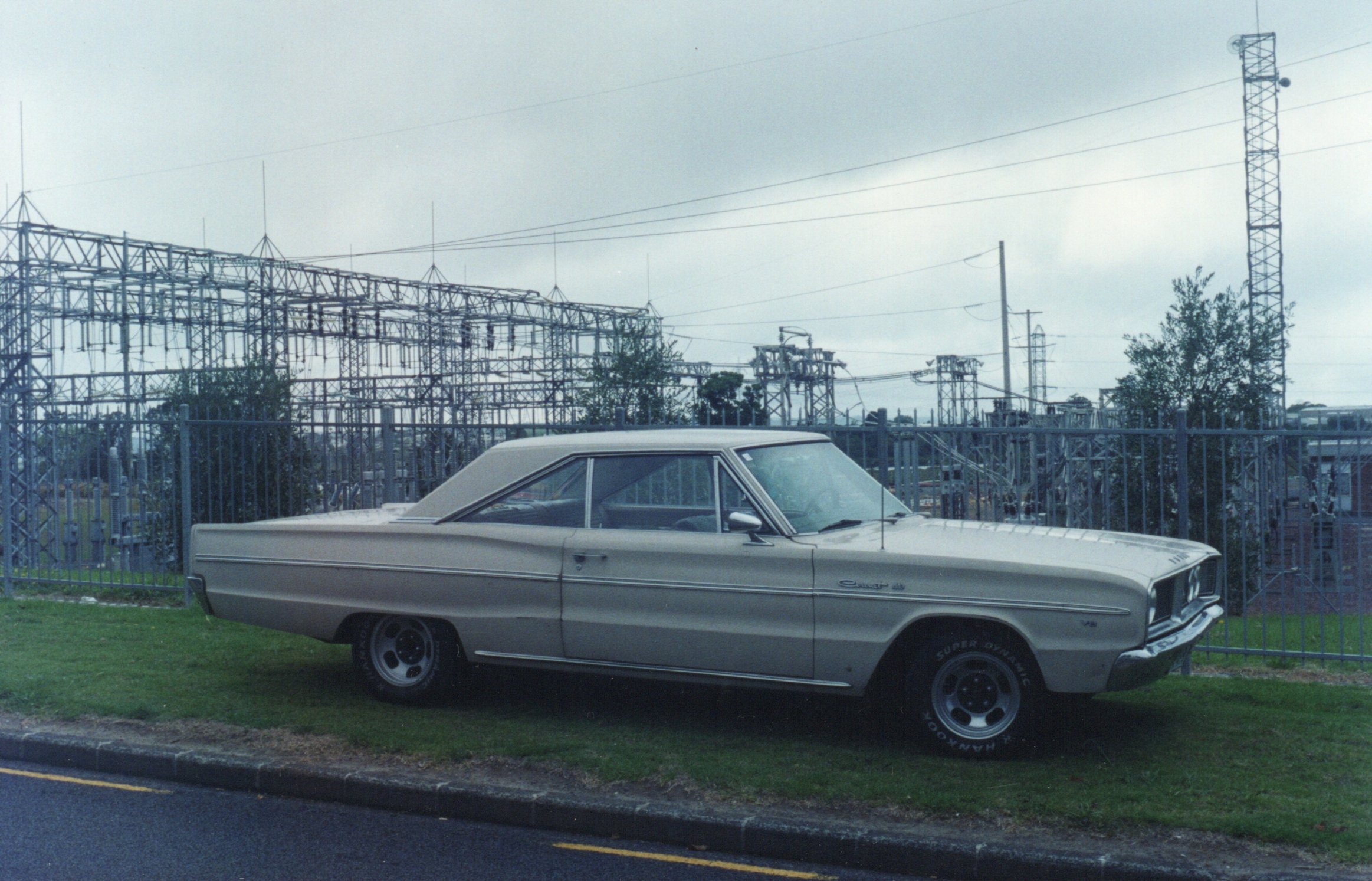
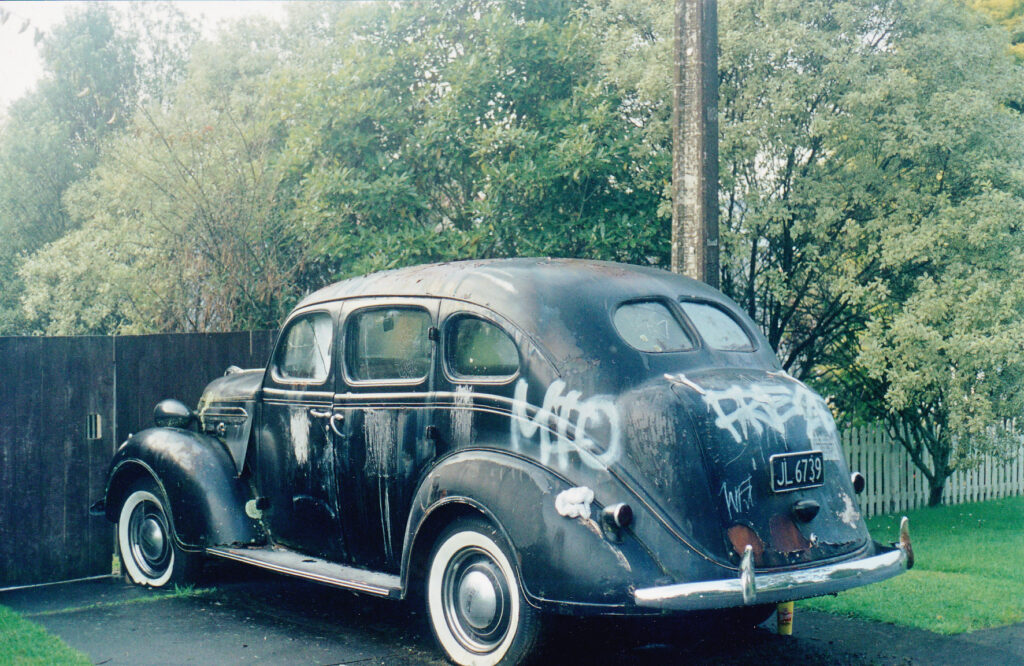
The automobile continues to be worshipped out there, often in its more extreme forms. In some ways, it’s the Kiwi spiritual home of retro American V8 culture, especially with customised 1950s to ’70s sedans and coupes. Later, the high-performance Japanese street machines cult was also to take hold with the younger burnout and drift set out West.
Automotive heroes come no greater than racing driver Robbie Francevic, possibly the most aggressive and competitive local racing driver from the 1960s to the ’80s. He was a legendary combatant on the track and with his mouth (possibly only rivalled by Graham McRae), a man who emerged from the early Dalmatian community that settled around Henderson. Robbie feared no one on the asphalt, and his iconic 7-litre Galaxie V8-powered ’56 Ford Customline, in which he pulverised the 1967 NZ Saloon Car Championship, totally embodied the ethos of Westie V8 culture.
I’ll leave you with a poetic piece I wrote about this charismatic culture as a result of 17 years working in and around the engine room of the West — Henderson central. It should qualify me to have some insights. It’s just the first stanza. If you want to see the complete item, email me at: [email protected].
THE WESTIE
by Gerard Richards
Stamping their style and taste,
The Westie has but one option.
The “Automobile!” The timeless,
vehicle of escape,
hardcore addiction, of the most crippling kind.
Petrol head paradise, lined up at the lights.
Westie Dave about to lay some rubber,
down long Lincoln Road.
The Holden V8 enshrined in folklore,
your motor and set of wheels.
Out here, steel speaks louder than flesh,
true measure of a man’s macho mana…