
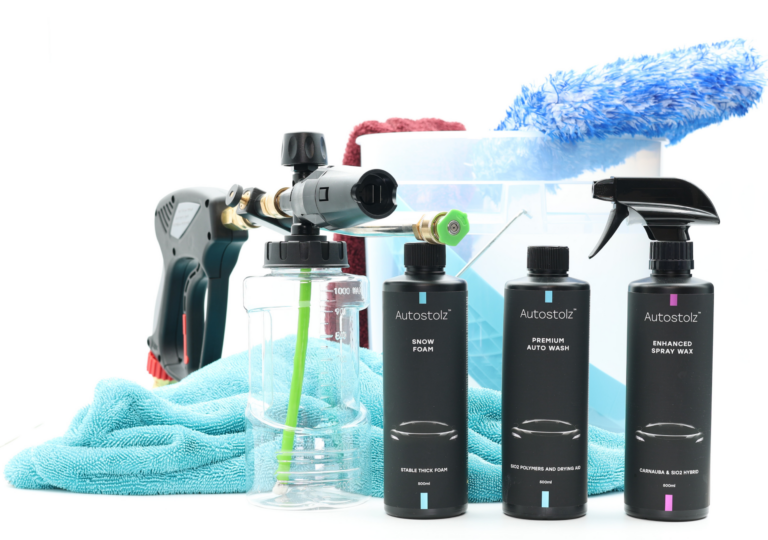
Subscribe or gift a subscription to NZ Classic Car magazine for one year this Father’s Day, and go into the draw to win one of two luxury car care packages worth $570 from Lovecars.
The prize: Adam’s Foam Cannon Kit includes a complete pressure-washer foam cannon setup; Michelle’s Car Wash Kit takes care of everything after the foam. It includes Autostolz Premium Auto Wash, Enhanced Ceramic Spray Wax, and loads more.
Together, you’ve got the setup to foam, wash, protect and dry your car properly – using some of NZ’s top-selling car detailing products.
A seriously good prize for anyone who loves keeping their car looking its best.
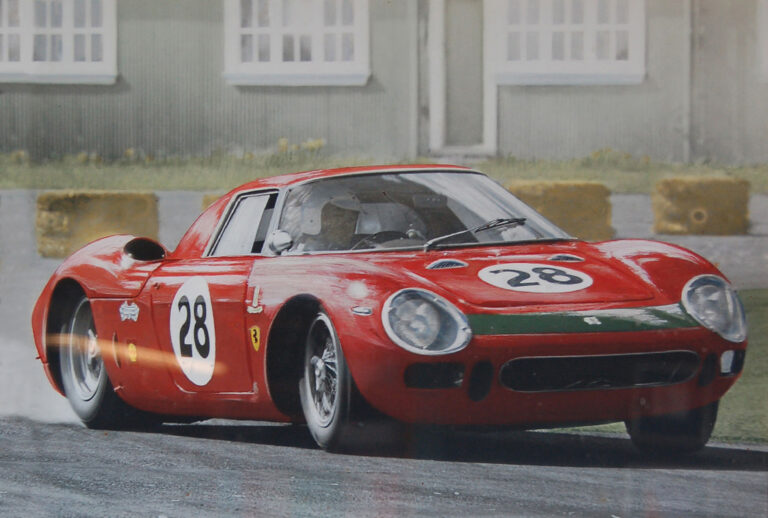
Motorsport Flashback: The Temple of Speed
On the banks of the Lambro River is Europe’s largest enclosed park, all 688 hectares of it. Parco di Monza was commissioned by the son of an Austrian empress as a summer retreat in the late 1700s, but it would be for another century and a half before ground was broken on what would become Italy’s famous theatre of speed at the park’s northern end. One hundred years ago on 3 September, less than four months after work started, Autodromo Nazionale di Monza was officially opened and the first race – appropriately, the Italian Grand Prix – was run a week later. Monza was the world’s third purpose-built circuit, after Brooklands and Indianapolis, and was the result of the Milan Automobile Club financing the 3500 workers who created the super-quick, and consequently dangerous, track that made the word ‘Monza’ synonymous for speed.