Seduced by the domination of the Richards/Skaife Godzilla, our hero wanted a piece of the action
By Gerard Richards
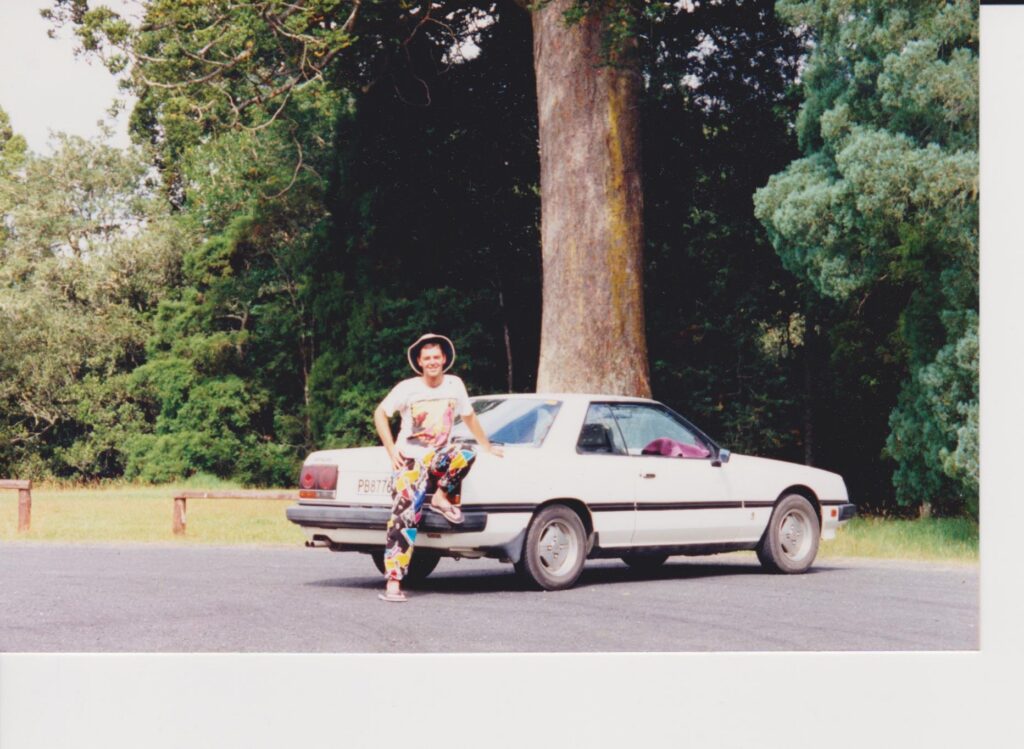
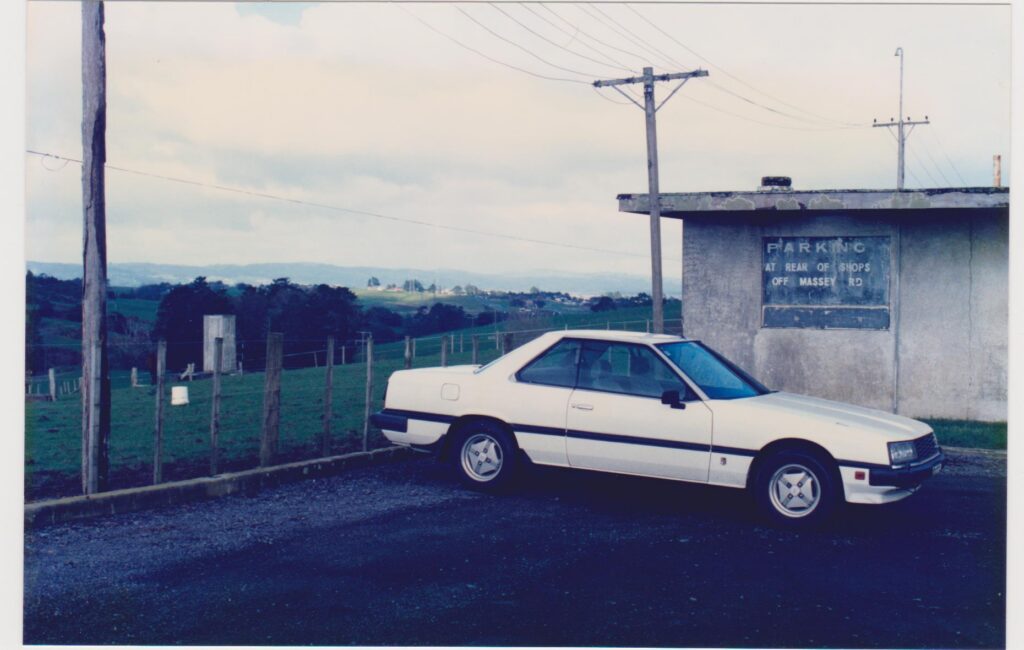
In 1996, I was on a mission to buy a suitable pavement scorcher and visited the now-defunct Manukau City Car Fair. Unbelievably, among the sea of four-door utilitarian Japanese compacts was the absolute jewel in the crown, my automobile wet dream — a 1985 two-door R30 RS Nissan Skyline FJ20 Turbo five-speed manual in nice condition. The owner wanted $10,000 — a great deal.
But what did I do? I bailed out, paralysed by indecision. The money would have been a stretch, but it was the worst automotive choice I ever made. Instead, I went for a rusty Toyota Sprinter 8 Valve Twin Cam Coupé, which was pretty terminal from the get-go. I know. We’ve all done it, but there was really no excuse for passing up the Skyline, and I was haunted by that for years.
Shortly after, I managed to unload the Sprinter onto another unfortunate soul, and I bought a second-hand imported Honda CRX five-speed Twin Cam. This was much better, and it was my ride for about seven years, but the dream of an RS FJ20 Turbo manual Nissan Skyline or Gazelle still lurked in my mind.
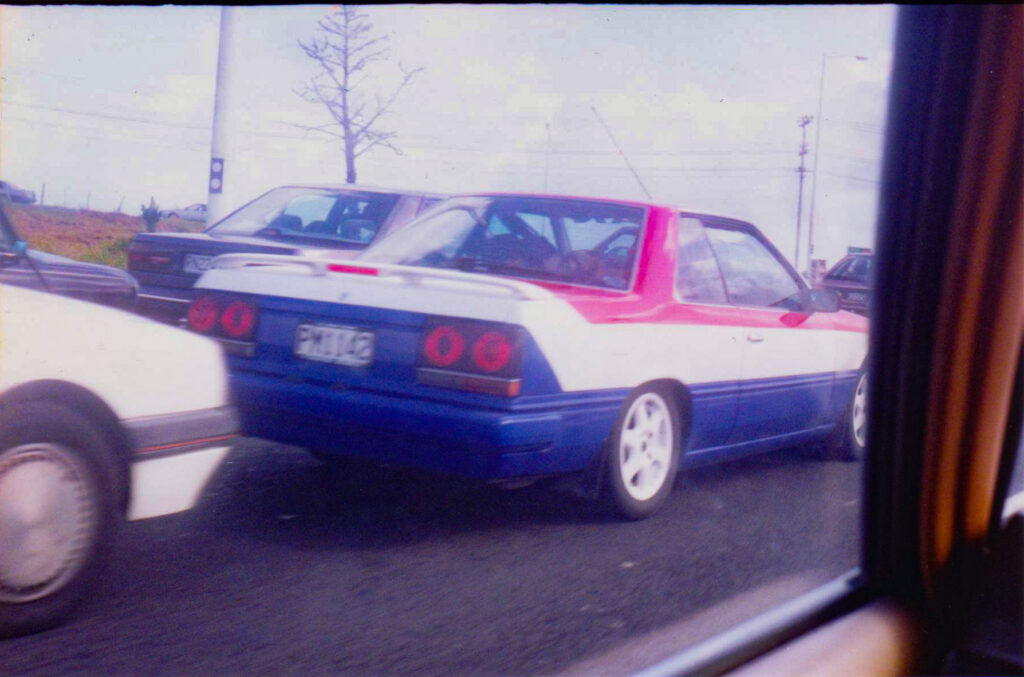
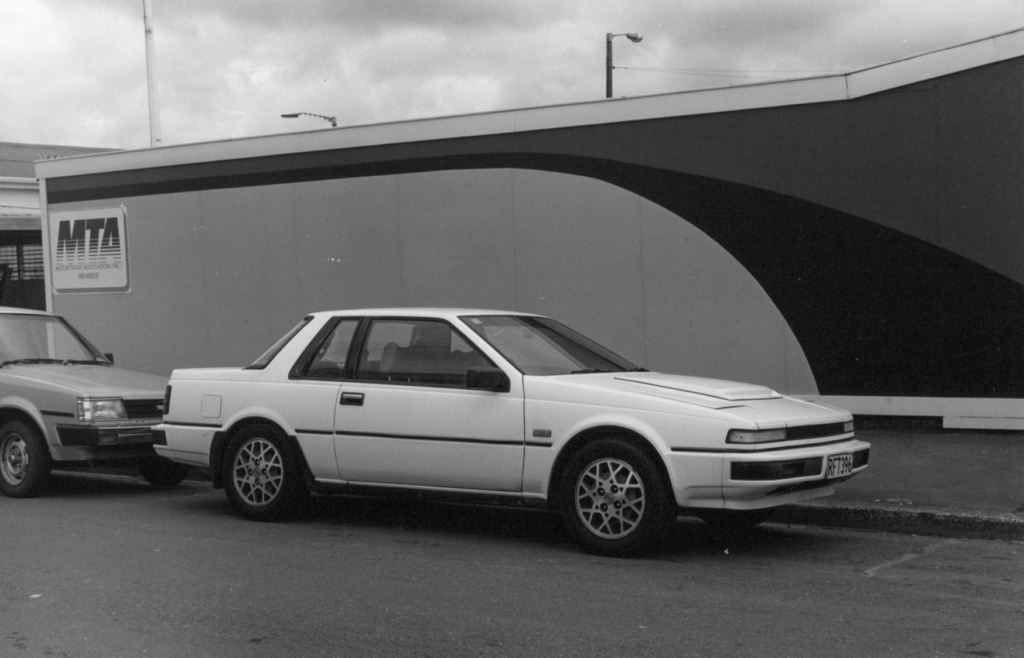
Gotcha! My Nissan Gazelle/Silvia RS-X FJ20 rocketship
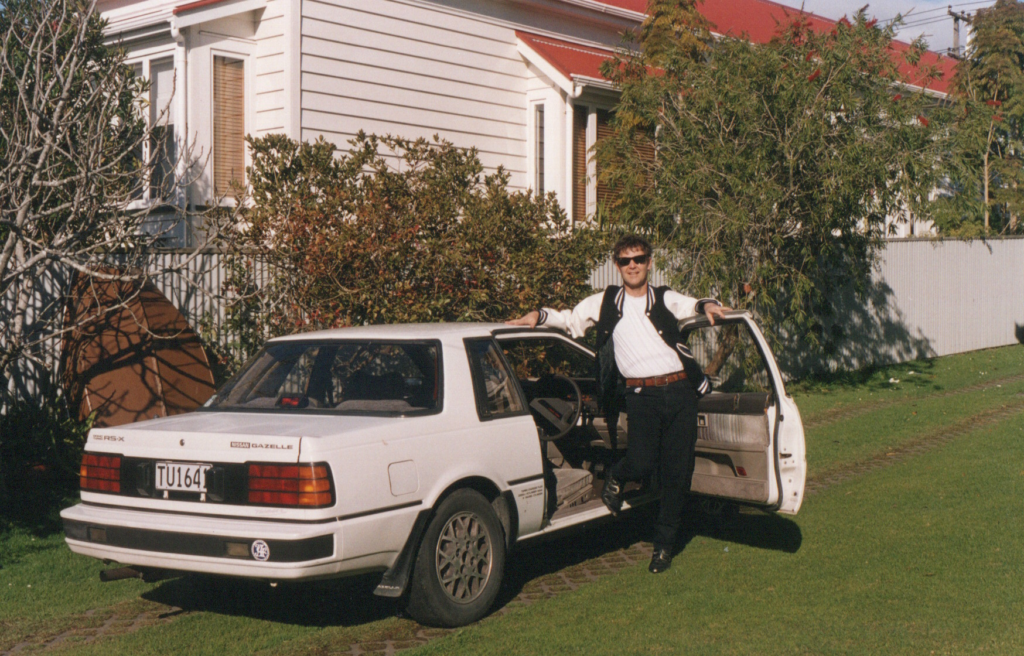
I kept a lookout as I made the rounds and searched in Auto Trader. Eventually, one day in 2003, after I had been hunting for 13 years, I stumbled on the advert that beamed out to me in bold neon lights — “Nissan Gazelle/Silvia Coupé RS-X DET five-speed Turbo, 140,000km, Hamilton, $3500”.
The Nissan Gazelle/Silvia RS-X FJ20 Turbo Coupé was built in small numbers with the intention of racing. Unlike its mechanically identical Group A Skyline racing brother, the Gazelle successfully competed largely in international rallying and one was raced here too. Mark Skaife also ran one in the Australian Touring Car Championship Group A class in 1987.]
Reason went out of the window — I had to have that car! Still smarting from the 1985 FJ20 Skyline that got away, I had no chance of being rational. It was a done deal before I even saw it. This was the last chance to dance. And I wasn’t travelling to Hamilton to return empty-handed.
At first sight, it looked fine — why wouldn’t it through my rose-tinted glasses? The body seemed okay, all the cool decals were in place, and it had a slightly tarnished but nice grungy horn car flavour. If the 140,000km were to be believed, it looked like a good runner for a few years, to get this last muscle-car thing out of my system.
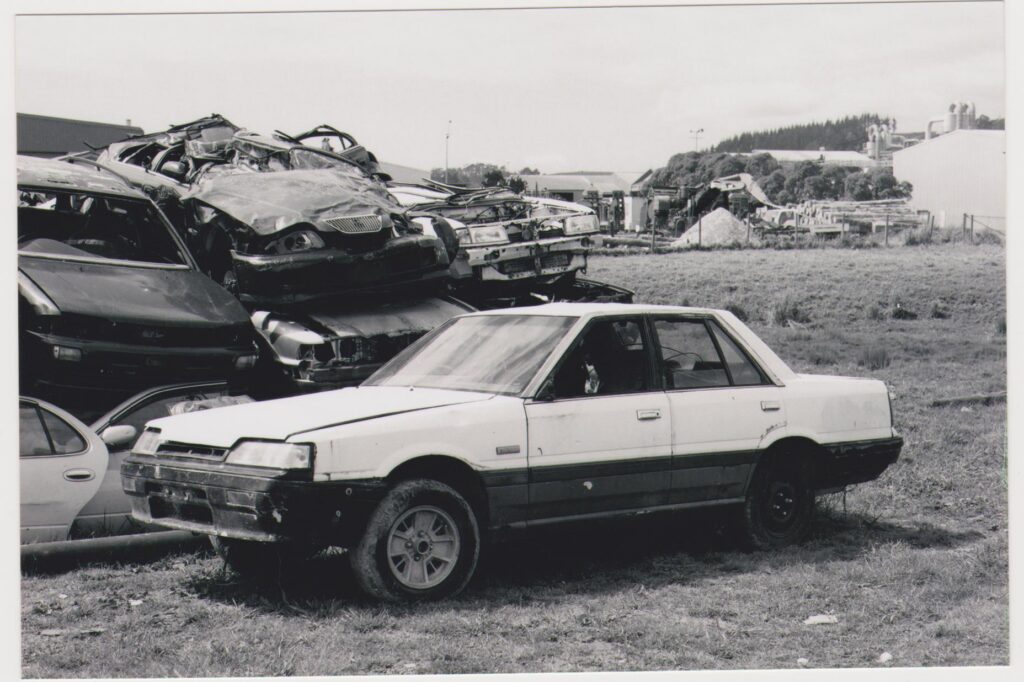
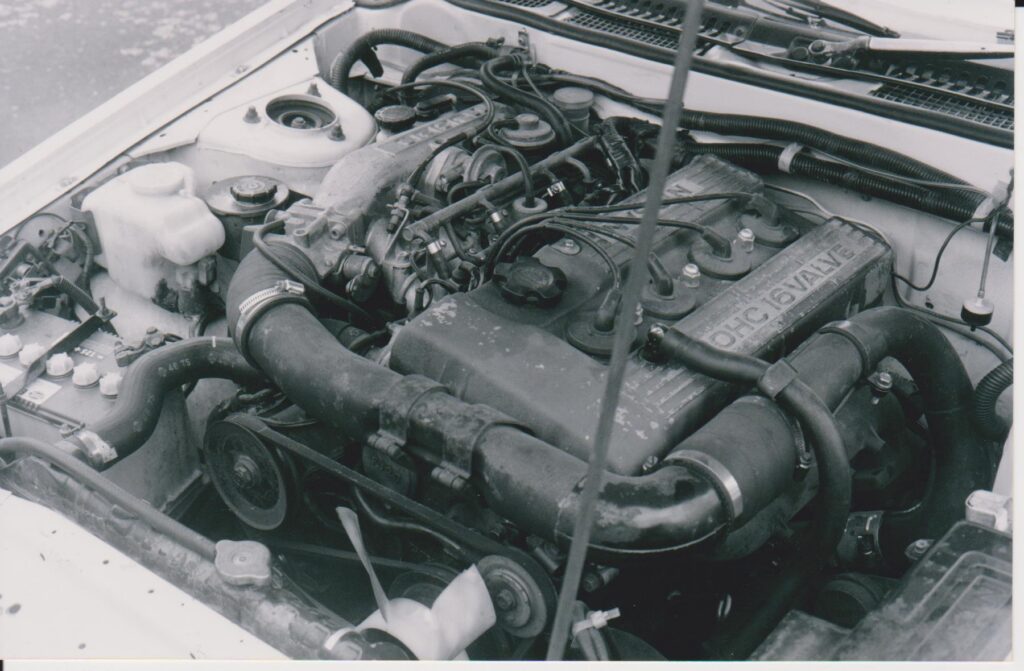
But looks can be deceptive, especially if you’re not looking very closely. Fairly quickly, stuff of a black liquid nature started to leak out, and all was definitely not cool. Oil leaked from every orifice, it seemed. Those 140,000km had obviously been a very hard 140,000km. All the oil seals were stuffed, and the ritual quickly became adding oil in sizeable amounts.
More problems
Worse was to come when serious rust problems emerged, which a panel-beater friend endeavoured to patch up. That aside, it did run well, with no turbo or gearbox problems, but the oil seepage and rust quickly tarnished my illusions of carefree fun. It was fast, but my insecurity about oil loss started to plague me. This wasn’t helped when a random character who knew the car told me that it had been deployed in some take-no-prisoners burnout activities. The racer Matt Halliday’s name was on the papers as a previous owner, which gave it some extra mana — this isn’t to imply that Matt was the burnout culprit — but ultimately, time was running out for me on this last escapade. It was all getting too much, and it was time to shift it on. I’d learnt my lesson — no more lost causes.
Clearly, this car needed a complete makeover — body and mechanical. I couldn’t afford that or the cost of a pristine example, so I swore off attempting the high-performance car lottery on a working-class hero’s wage. And I stuck to it and never got my hands burned again. It was bought in 2004 by the right enthusiast with a mechanical background, and who paid me what I originally bought it for. Game over.
It was time to enjoy other people’s cars and cut off auto-repair shops’ free pass to syphoning off my rapidly depleting bank funds. Is this now just the sad tale of an ageing, retired petrolhead? Retired from active pilot duties of a widow-making road machine, but this hasn’t stopped my appreciation for the seminal thoroughbred hardware out there on the roads and racetracks, from the classic era of Nissan/Datsun in New Zealand.
Memories of local Nissan racing heritage
The early Kiwi Nissan racing pioneers included Carlos Neate in his legendary Prince (Nissan) Skyline GT, who stunned the locals with this potent car in the 1966–67 New Zealand Group 2 Saloon Championship, finishing fourth outright, which included four second-place finishes.
Marwood
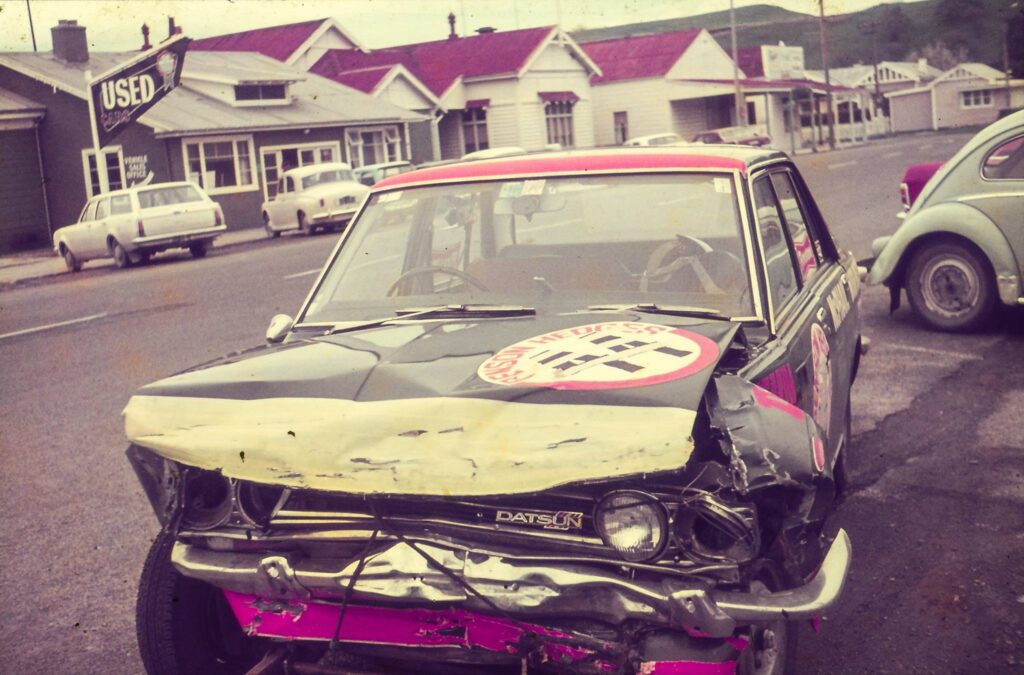
No mention of early Datsun giant-killer racing conquests would be complete without mentioning the legendary Dennis Marwood. His stunning fourth-place outright result in the 1968 Benson & Hedges 500, with the classy Datsun 1600 co-driven by Bryan Innes, was an accurate pointer to Nissan’s beautiful high-revving bullet-proof engines, which were tailor-made for tuning and building legendary racing mills. Marwood took this further in 1972 with the development of a limited run of modified high-performance Datsun 1200 SSSs. More than 800 were built through his Performance Development business. The script called for using the base 1200cc A12 engine, of which whole truckloads were delivered to his engineering workshop. Basic exhaust and intake modifications were made, giving the 1.2-litre engine a substantial increase in power. Added to this package was a rally-spec camshaft, with 70° of overlap, as well as big twin Dellorto DHLA 40 side-draft carburettors. A special air cleaner on a new intake manifold and a works-style extractor exhaust manifold were also included.
All this generated 92.5 horsepower — a 23.5 horsepower increase on the stock version 1200 normally installed in the car. The idea was to produce 200 examples for it to be eligible for the Benson & Hedges 500 race and the Castrol GTX production saloon car series. The production target was easily met, and the little giant killer went on to considerable success on the racetracks of New Zealand from the early to mid ’70s. It was also highly successful in the rallying fraternity, and these Kiwi Triple SS Datsuns are eagerly sought here today and overseas.
Cook
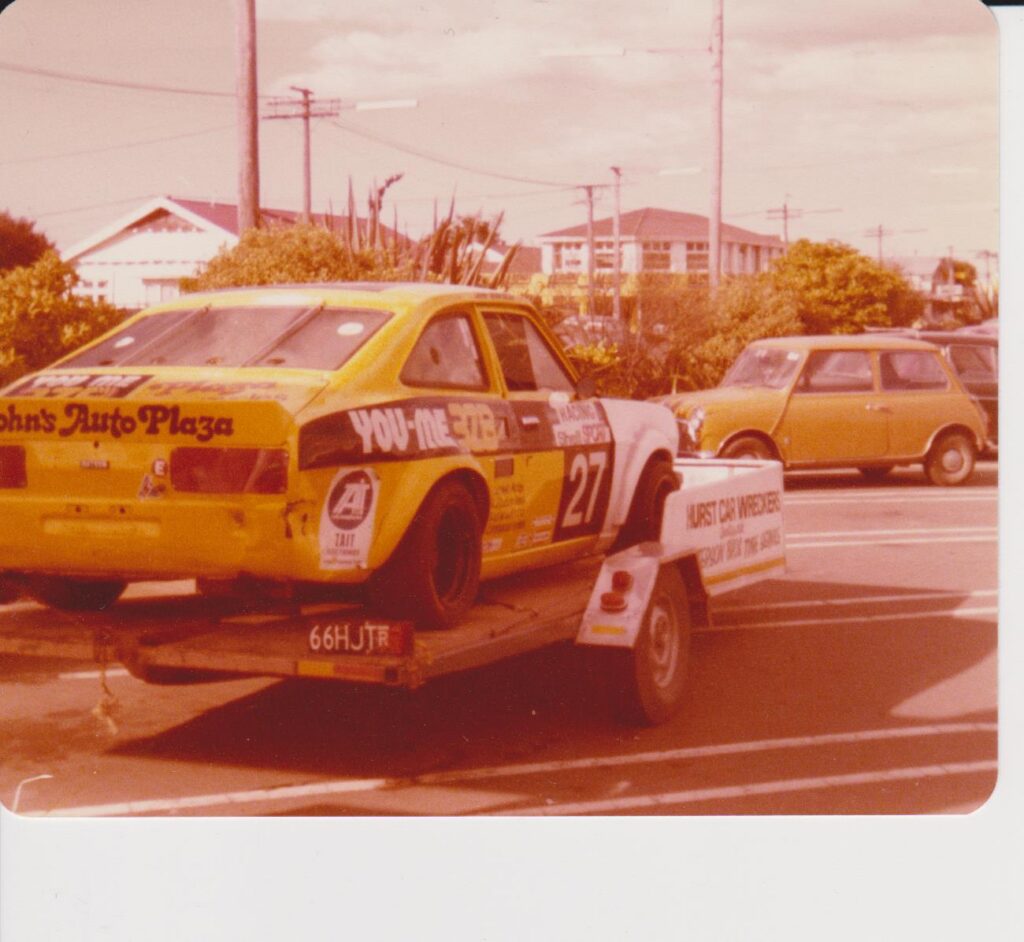
But the man who leaps to mind as the Godfather of Nissan/Datsun modified racing saloons and Datsun engine development in New Zealand is Reg Cook. In 1974, Mark Petch approached Cook to run his Datsun 1200 Coupé for him in the 1974–75 Shellsport New Zealand Saloon Car Championship up to 1300cc class. The car was already equipped with Japanese Datsun competition equipment, including high-compression pistons, performance camshaft, twin side-draft carbs and the rest of the fit-out. But Cook saw room for improvement. A relentless pursuit for horsepower was the key to his onslaught of racing success into the ’80s. Thousands of hours were spent on gas-flow research and development, and he took head porting to a new, rarified level. With his second car, the Datsun Cherry, its 1300 motor put out an astonishing 163 horsepower on the Cook Motor Racing dyno. With this level of research and preparation, Cook took the small Shellsport class by storm and continued this success in later years in the big capacity up-to-2-litre Shellsport class.
It would be unfair, though, not to acknowledge the efforts of Bryce Platt, Cook’s main rival during this latter era. In a searingly fast Mk1 Escort Twin Cam, he won a particularly close series one year and was always Cook’s toughest rival, finishing runner-up to him on several occasions.
In a sense everything that followed with Nissan racing and engine performance development success in New Zealand came from Reg Cook’s eternal quest for horsepower. He did for Nissan/Datsun what Bill Shields did for the racing rotary Mazdas on the local scene in the ’70s and ’80s. Some other frontline Datsun racers in the ’70s included the South Islanders Grant Aitken, Kevin Ryan, Trevor Crowe, Stuart Lush, Ken Sager, Warren Steel, and Rex Findlay, but they all ultimately followed in Cook’s footsteps.
Others stamped their mark further down the track. Into the ’80s, the Datsun Bluebird saw some action during the Group A era of 1985–92 before the Skyline became the weapon of choice. The top Kiwi seat jockeys were Kent Baigent, Graeme Bowkett, Kieran Wills, John Sax, and others. These Group A RS DR30 Skylines (Team Nissan Racing New Zealand for Baigent and Bowkett) were largely built in Australia, in the Fred Gibson Nissan racing workshop.
Baigent, the man from Tellus Vacuum Cleaners, was a hard charger, and when the car held together, he was the most likely man among this crew. His best results were second in the 1987 Benson & Hedges Group A series and third outright in the 1987 Sandown 500 in Melbourne. Bowkett was also a formidable competitor, who scored fine results with the RS DR30 Skyline. His best finishes were third with Baigent in the 1987 Sandown 500, second in the 1987 Benson & Hedges Group A series with Baigent and another fine result with third outright in the 1989 Sandown 500 with the HR31 GTS-R Group A Skyline.
Richards
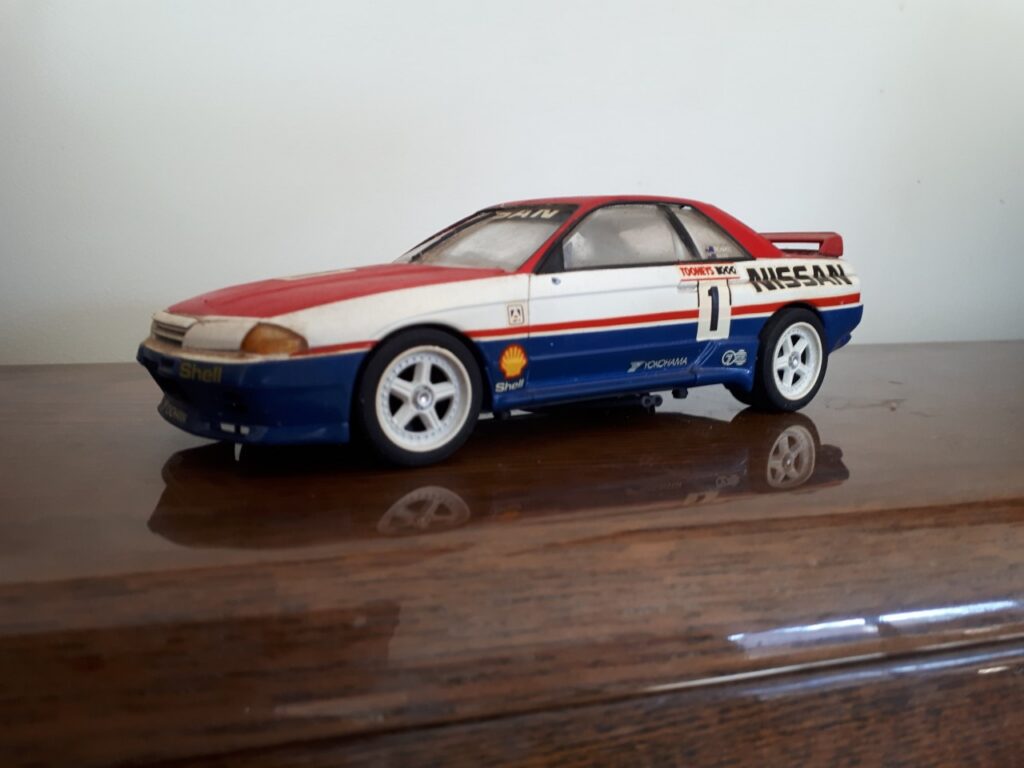
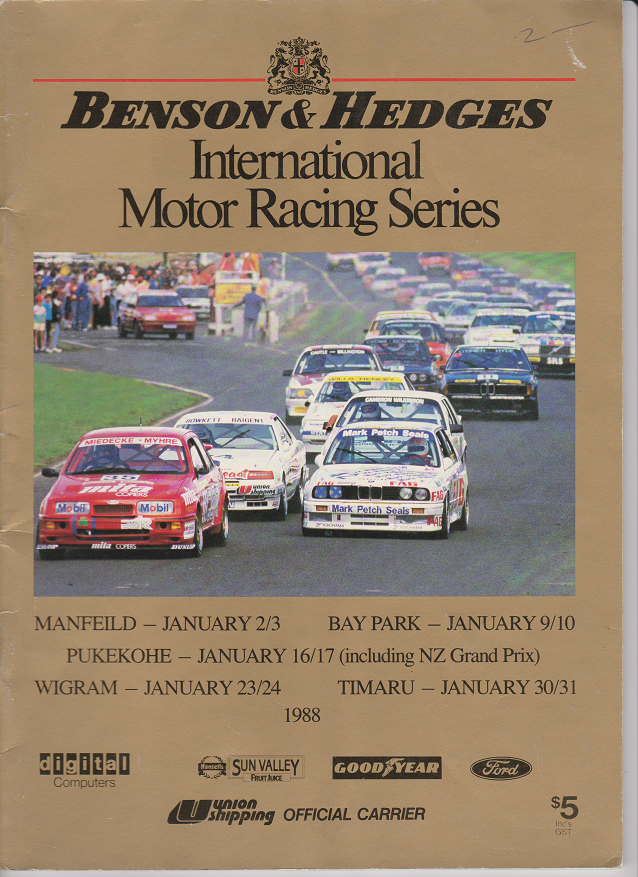
Although no longer a local Kiwi racer, New Zealand icon Jim Richards and Nissan’s ultimate terminator of the opposition, the “Godzilla”, swept all before them. This car was the absolute crusher of all-comers during the final days of Group A racing in Australasia in 1991–92. The Skyline R32 GT-R with four-wheel drive was virtually unbeatable and remains the pinnacle of Nissan’s racing heritage in the southern hemisphere. (Richards won the 1991 Promo 500 at the Pukekohe Nissan Mobil Series.) It is said, with some foundation, that the domination of this car brought about the end of Group A racing down under. Technology had triumphed and if you can’t beat them, the option was to exclude them, so Aussies could continue to enjoy Aussie V8 racing without having to acknowledge anything superior. But that’s another story.
SAVING NISSAN’S EARLY LEGACY IN NEW ZEALAND
With the rise of Japanese performance classics in the past 20 years, it’s worth noting how revered the classics of the Nissan brand are locally. Along with the Mazda rotary and Toyota, they probably exemplify the early peak of the Japanese renaissance. Others will no doubt champion Mitsubishi, Subaru and Honda, but it could be argued they peaked later.
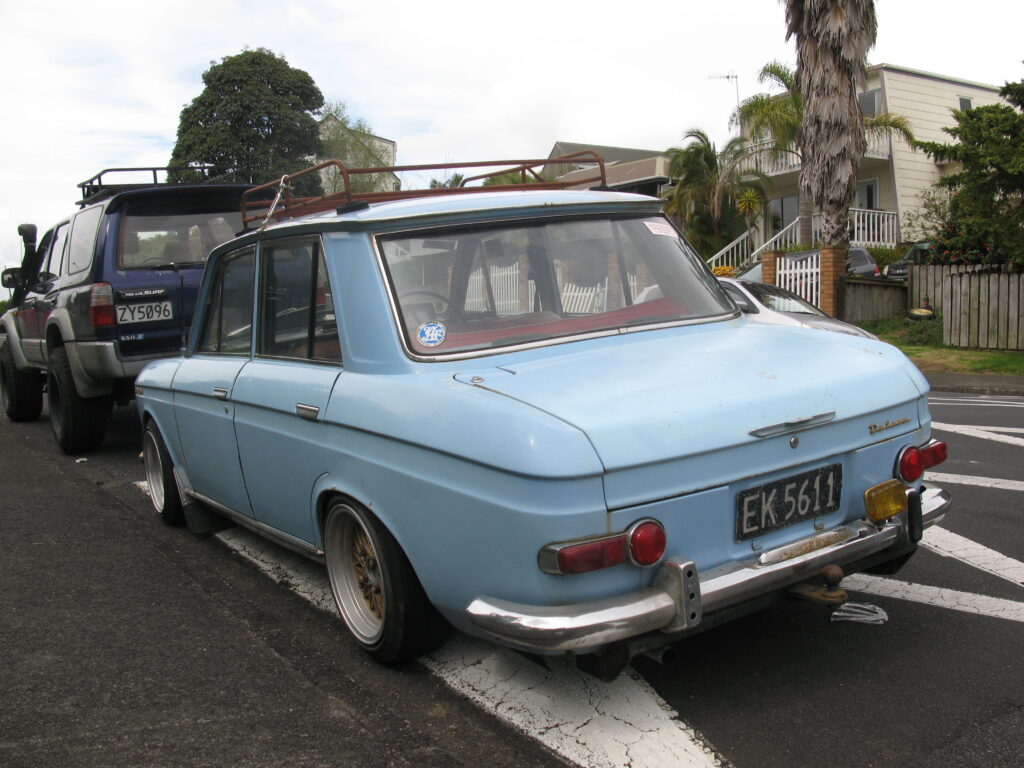
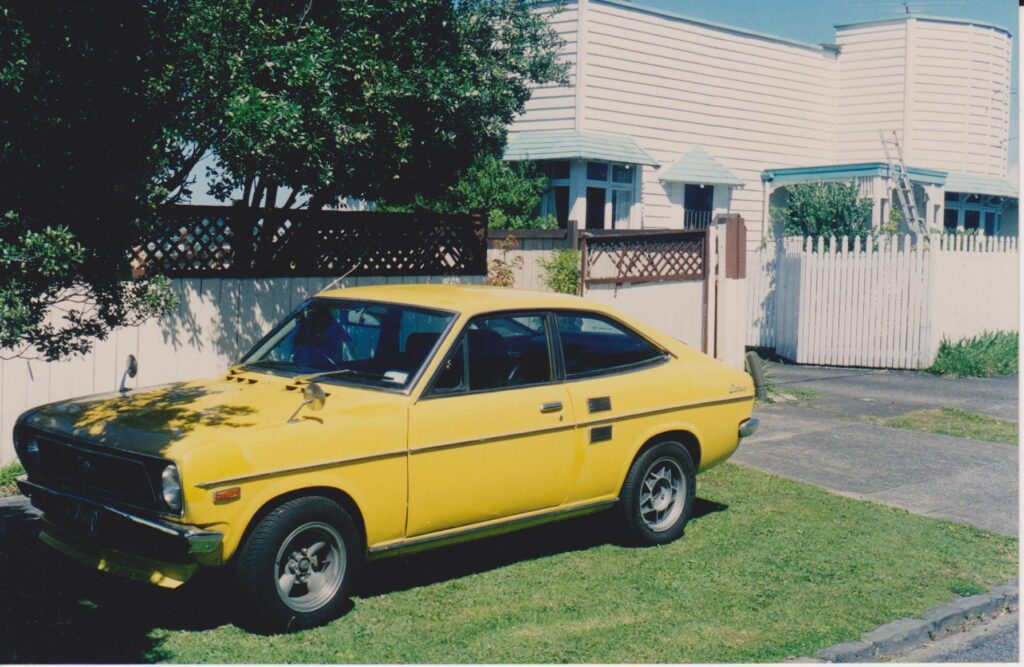
Any early examples, even the more pedestrian versions, are highly prized barn finds these days. I confess to a fondness for sighting any early Nissans and Datsuns (and other Japanese marques), such as B510S, 1600s, 180Bs, 120Ys, Sunny or Bluebird coupés and four doors, not to mention Skylines, Silvias and Gazelles of early eras. If they’re unrestored originals, even better.
A last word here in praise of some of the notorious ‘boy racers’. They have played a valuable role in resurrecting and refurbishing many earlier Japanese hyper machines, and of course, their favourites are often Skylines and Silvias. The drifters are a big part of this scene, and I for one acknowledge theirs is a highly skilled business, and very spectacular! The Datto boys are creating their own part of this rich history, and I, for one, think their labours are to be admired.