Cars

Polishing to perfection

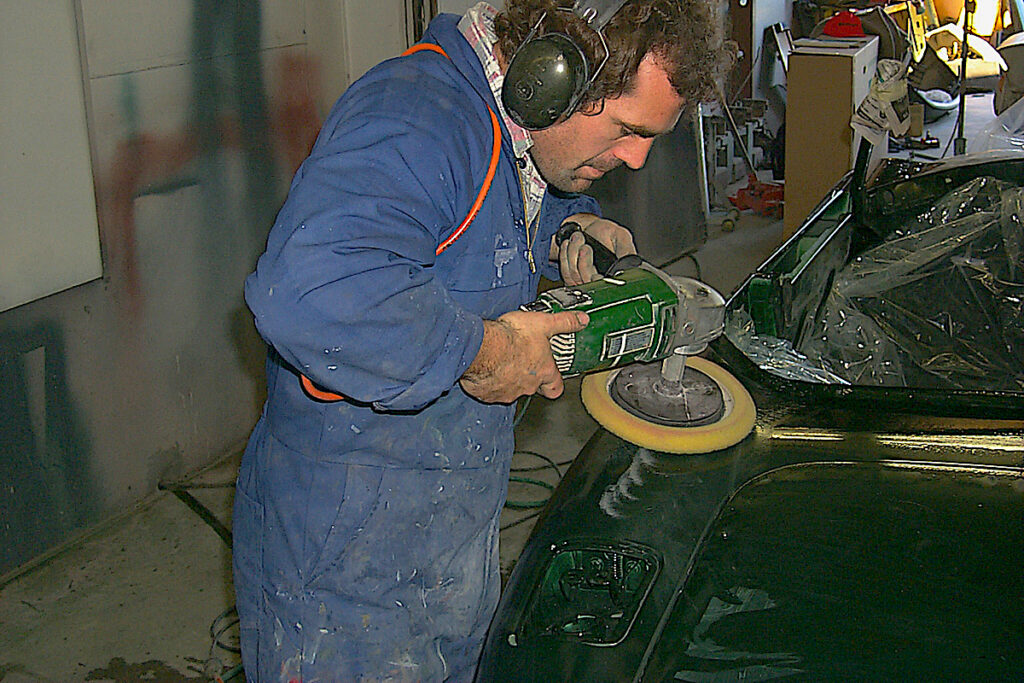
The secret to a show-stopping finish is colour sanding, no matter which paint system you use. Even a good painter, no matter how experienced or talented — like my mate Bruce Haye, CEO at Ace Panel and Paint in Whitianga — can’t shoot to a perfect mirror finish. To get that level of perfection, you need to colour sand.
It used to be called ‘rubbing out’ or ‘cutting’, and it was done with pastes that came in cans. They worked — sort of — but the compounds really just rounded off imperfections instead of eliminating them, and they removed a lot of paint in the process. But now your new finish can be made flawless, thanks to microfine sandpapers that come in 1000, 1500, 2000, and even 2500 grit ranges, and Farecla G3 polish — available from automotive paint suppliers.

Family pet

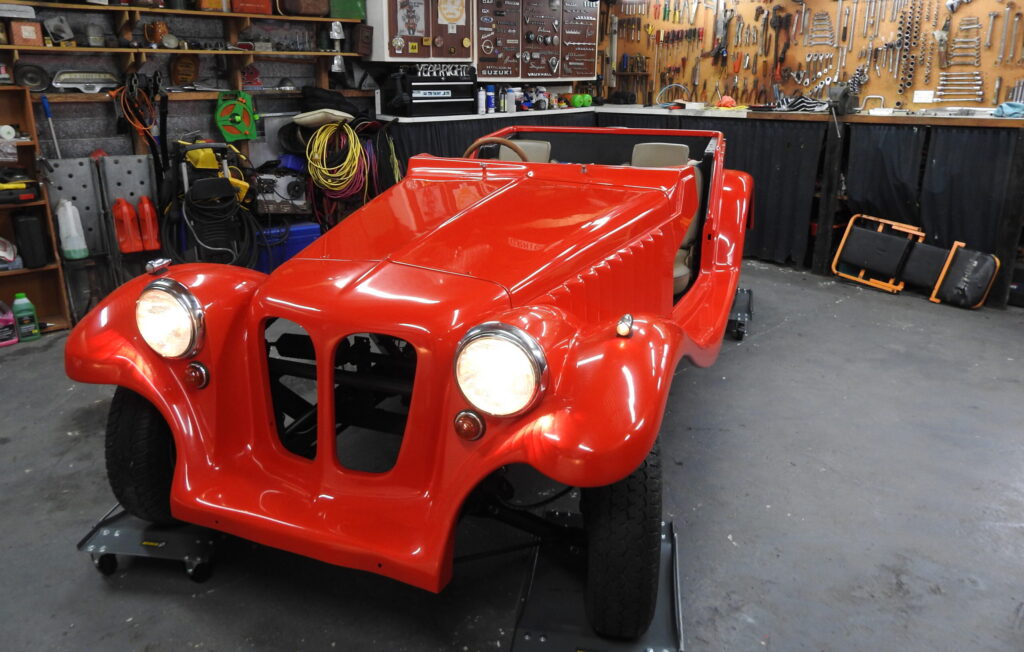
Diana and Fred Vermeulen from Manurewa, Auckland, have been involved with cars and car clubs for most of their married life. In the early days, it was all about Vauxhalls. At one stage they were president and secretary of the Vauxhall Owners Club. They have lost track of how many Vauxhalls have passed through their hands. Now, their garage contains a classic ’62 Oldsmobile and an ’80s Ford panel van, behind which is a kit car that few in this country will have heard of. It’s a Bulldog — the squat, flat-nosed dog with short legs beloved of the political cartoonists of last century as a symbol of the British spirit. For its automotive equivalent, most will think of the Austin Allegro.

Picking over the past – 1940 Ford V8 ½-Ton Pickup

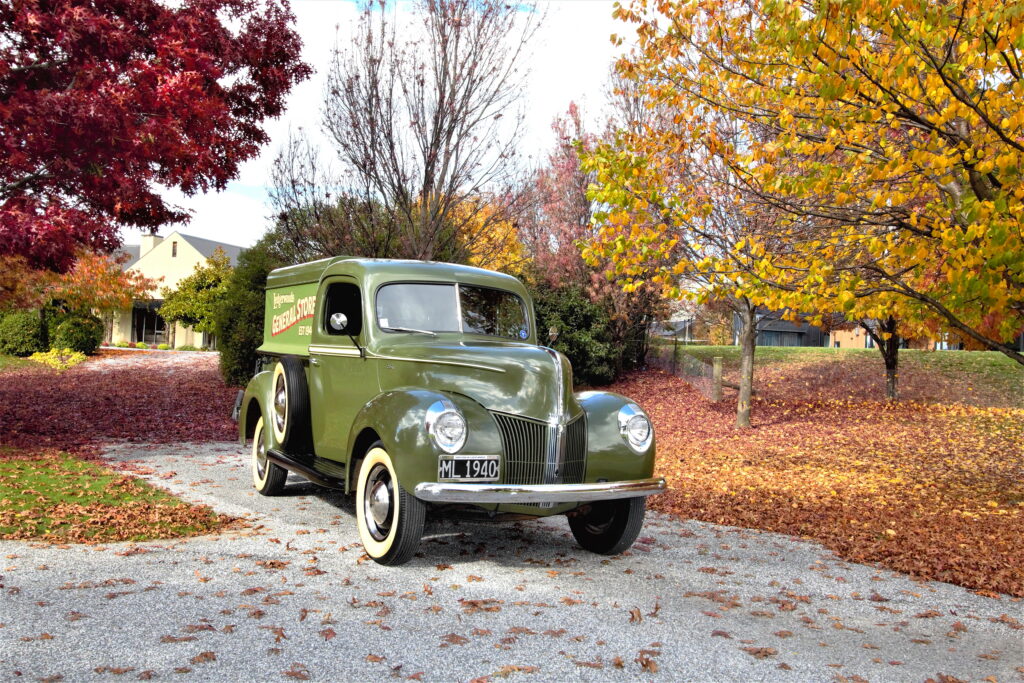
Jim and Daphne Ledgerwood have been around Fords most of their lives. They love their Ford coupés and two door hardtops, while also making room for an occasional Chevrolet. Their Wanaka based ‘Originals’ collection, featured in New Zealand Classic Car’s July 2022 issue is headed by an outstanding time-warp black 1940 Ford Coupé, its original factory assembly markings and documents offering something of a nostalgia trip.
Jim’s early days in hotrodding in Dunedin were spent building up a number of early Ford pickups and he became a prolific builder of modified pickups.
“I had lots of early Ford V8s in those days and once I had finished them I often sold them on. I would run out of garage space. I had up to a dozen restored Fords at most times then.”

Luxury by design

How do you define luxury? To some it is being blinded with all manner of technological wizardry, from massaging heated seats to being able to activate everything with your voice, be it the driver’s side window or the next track on Spotify. To others, the most exorbitant price tag will dictate how luxurious a car is.
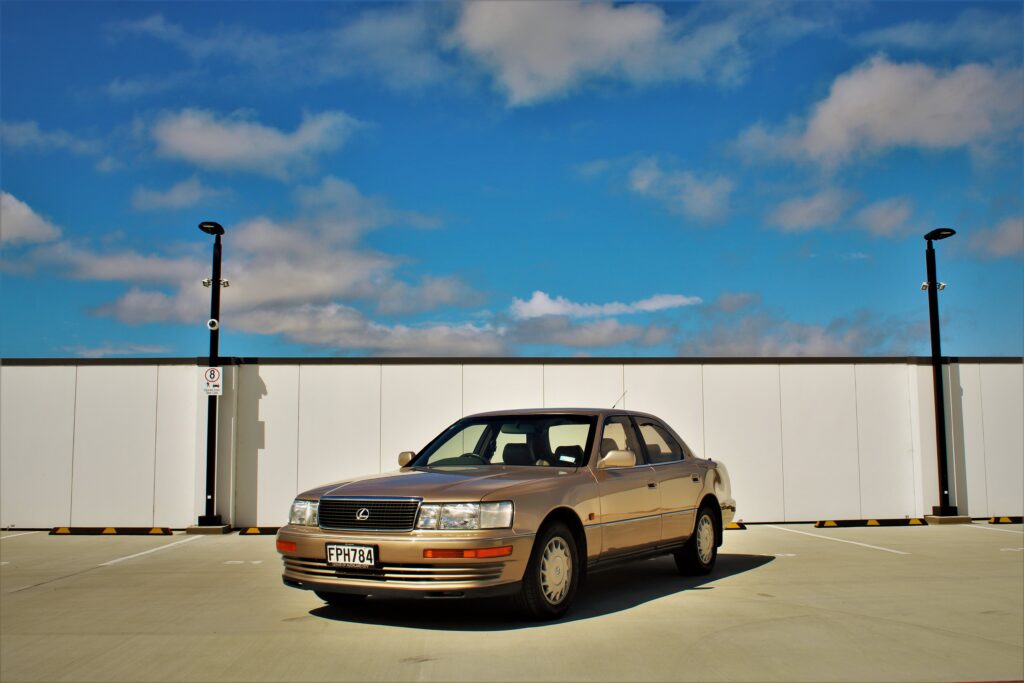
For me, true automotive luxury comes from being transported in unparalleled comfort, refinement, and smoothness of power under complete control. Forget millions of technological toys; if one can be transported here and there without the sensation of moving at all, that is luxury — something that is perfectly encapsulated by the original Lexus LS400. It was the first truly global luxury car from Toyota, and one that made the big luxury brands take notice.

Project Adder – an MGB with bite

Bill and Rae Denize have been active MG Car Club members in Wellington for nearly 32 years. They have held a variety of positions on the club committee, and now that they are both retired, they can be even more involved in the club’s activities. Bill is currently the president of the MG Car Club, Wellington Centre.
The list of cars they’ve owned over the years is testament to their passion for the brand. It includes a 1972 Midget — the round rear-wheel arch model with 1275cc motor; a three-door 2004 MG ZR; a 2005 MG ZR (five-door); and Rae’s 2005 MG TF, which they still own. Bill also raced a 1967 Morris Mini Cooper S at Manfeild for many years. That car featured in an article in the January 2013 issue of this magazine.
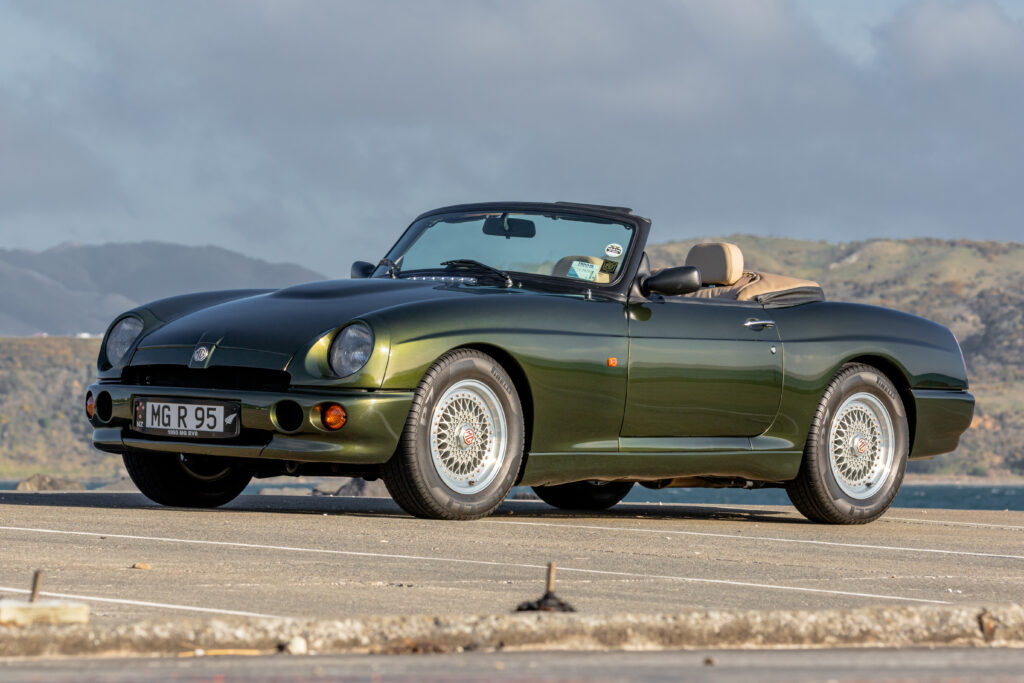
In April 2013, Bill sold the Cooper S and decided to buy a low mileage, freshly imported MG RV8 from Japan. He liked the idea as there were only 1983 built in the early 1990s, which, hopefully, would translate into these cars holding their value. More importantly, their bodies were galvanised, which meant fewer rust problems, although Bill and Rae didn’t escape encounters with oxidation unscathed.

One lady owner

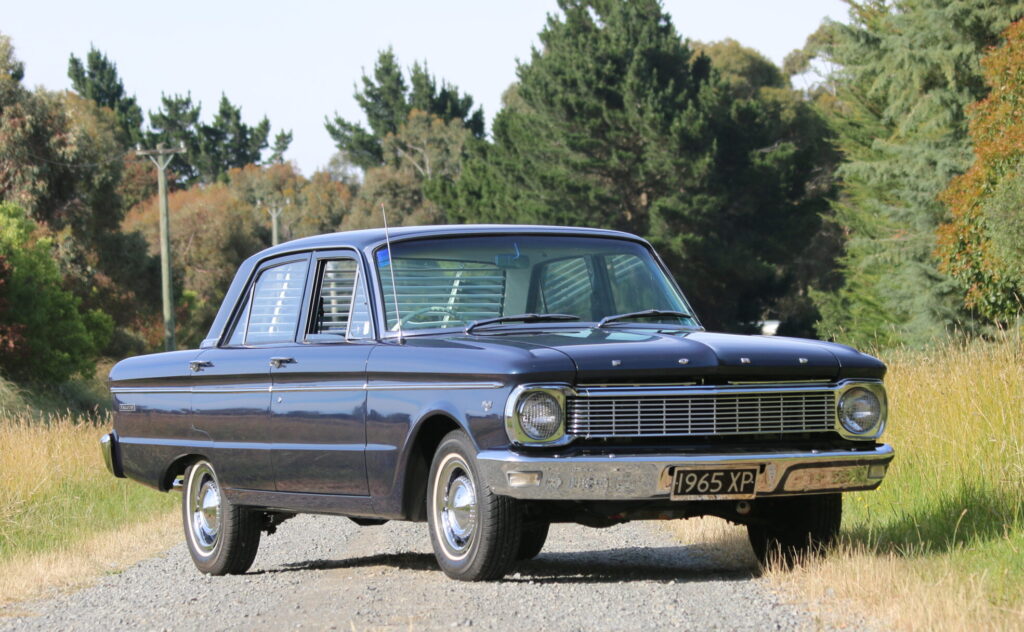
Well, at first glimpse, as soon as the lady opened the garage doors, I knew I was going to buy it. Dark metallic blue with two-tone blue vinyl trim, with a cream American-style steering wheel — I just could not believe my eyes! The Falcon was in as new condition as you could expect from a 30-year-old car. The owner was Mrs Iama Dzenis, aged in her late 60s, at a guess. Mrs Dzenis had bought the car new in September of 1965 from the Ford agents of North Canterbury, Palmer and Doak. Their headquarters were in Rangiora, with branches in Kaiapoi and Amberley.

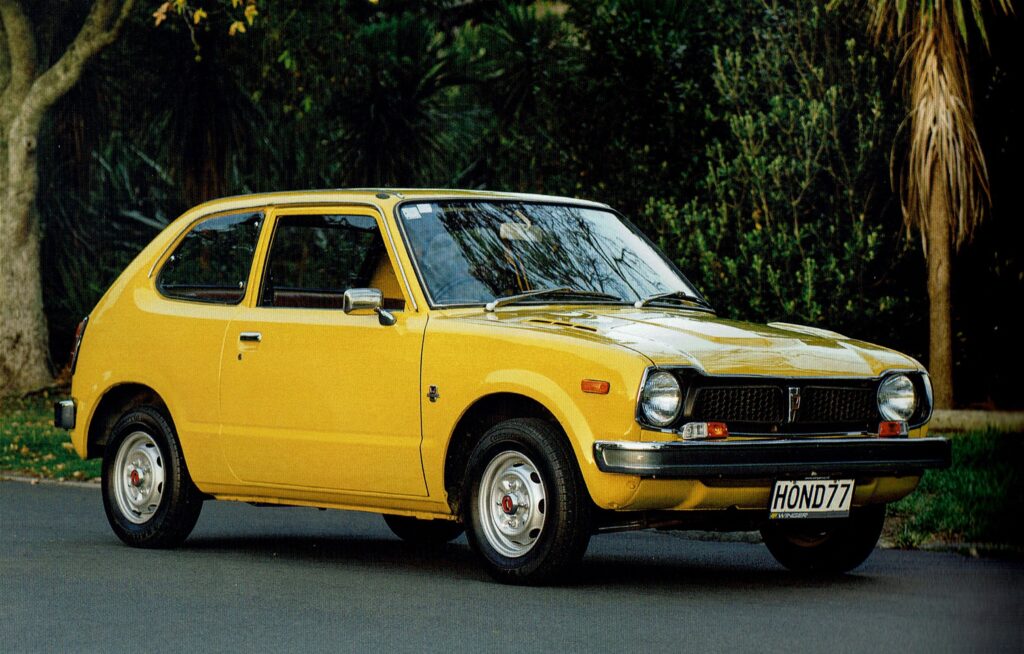
Honda’s game-changing EB1 Civic

Japanese cars, and Hondas in particular, were about to flourish in New Zealand. This was the crux of the conversation I was having with Russell Moller, sitting in his Greenlane, Auckland, motor dealership early in 1973. Russell was particularly excited about the new Civic EB1 small car that had been unveiled in Japan the previous year.
I was about to leave on an extended stay in Britain. When I returned more than two years later, it was apparent Russell had called it right. Norton and Russell Moller had gained the licence to import fully built up Hondas, and formed Honda Pacific. A few highly prized Civics arrived before the New Zealand Motor Corporation (NZMC) assumed the franchise from the Moller Group. The corporation’s plans included building the EB1 at NZMC’s plant at Petone, near Wellington, and the first CKD (completely knocked down) Civic, a bright yellow example, rolled off the local assembly line in March 1976.

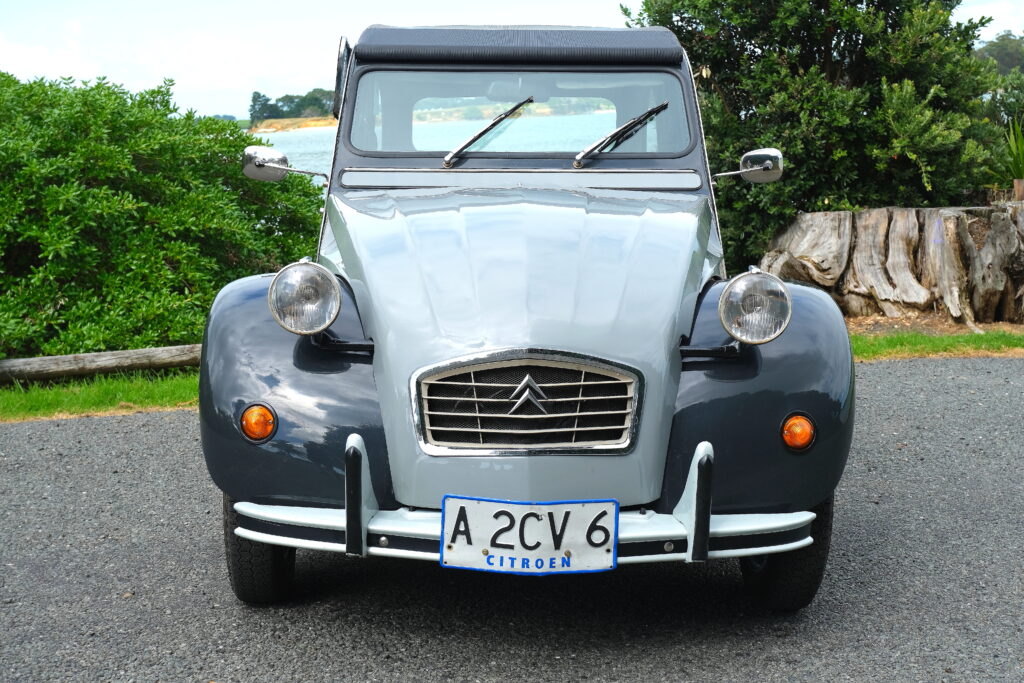
1985 Citröen 2CV6 Charleston

Kerry describes it as ‘a very simple car to do’. The suspension can be set to the required ride height. It is essential to weigh each corner to avoid too much weight difference from side to side. The four-speed gearbox was re-built. They are prone to getting a little water in them if not serviced correctly. Water etches into the bearings. The main shaft was also replaced.
But as it was a reasonably high mileage car, Kerry expected a few mechanical issues.
“The lady I bought it off owned it from 900km after it had been sold new to a gentleman in Palmerston North. He found he couldn’t fit into it. This woman in Hamilton bought it and she had run it to a total of 101,000kms. It was brand new in 1985 so it’s done quite a few kilometres for a little car.”
Not surprisingly, these little cars grow on their owners and the previous lady owner is now interested in buying it back.

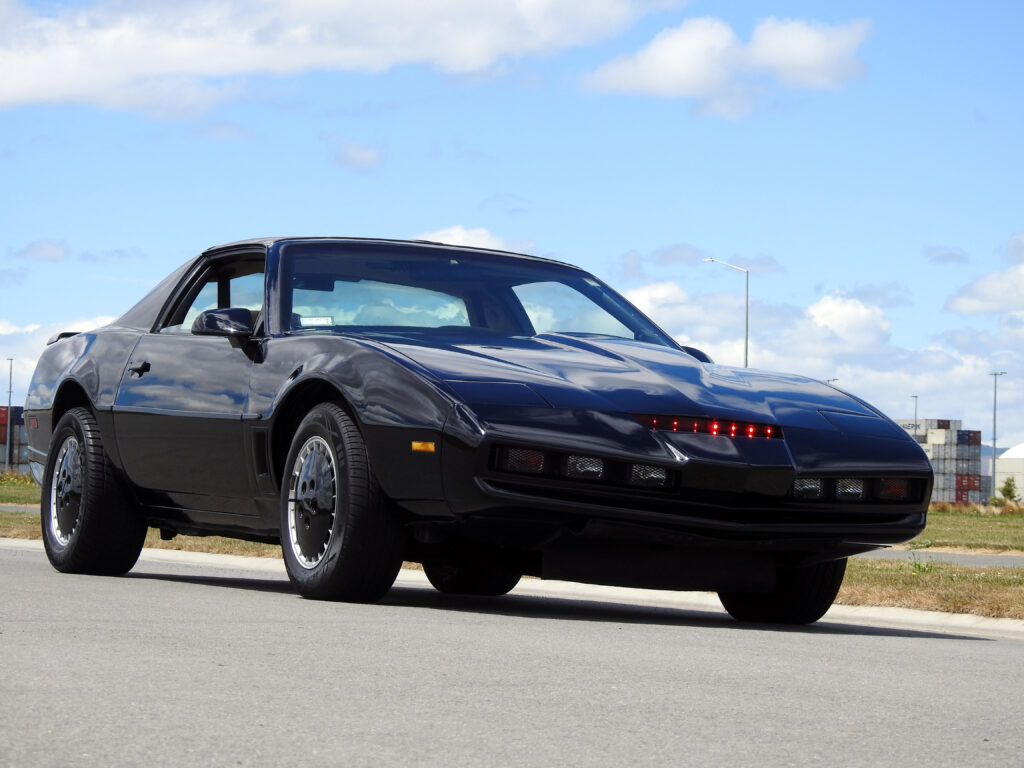
1986 Pontiac Firebird

Seeing the car with his own eyes already had Scott fizzing, but when the curator of the car let Scott sit in the driver’s seat it became a truly unforgettable day. There was no way Bo and Duke’s orange stunt jumper could compete with this. To top it off, a photograph of him sitting in the car turned up in the local paper, so he started a new school with an added aura as the kid in the Knight Rider car.
Scott still thought about the Knight Rider car from time to time, but if he had not gone with his wife Abbey to the Selwyn Motor Fest in 2018, it may have remained just a treasured memory. At the show, Abbey asked Scott what his favourite car was as they ambled round. The man she had married instantly connected with his nine-year-old self, but in a deeper voice he said, “KITT from Knight Rider”. Had she just said, “That’s nice dear,” and left it at that, life might have continued as normal. However, unaware of the hole she was about to start digging, she said that she had never heard of it.

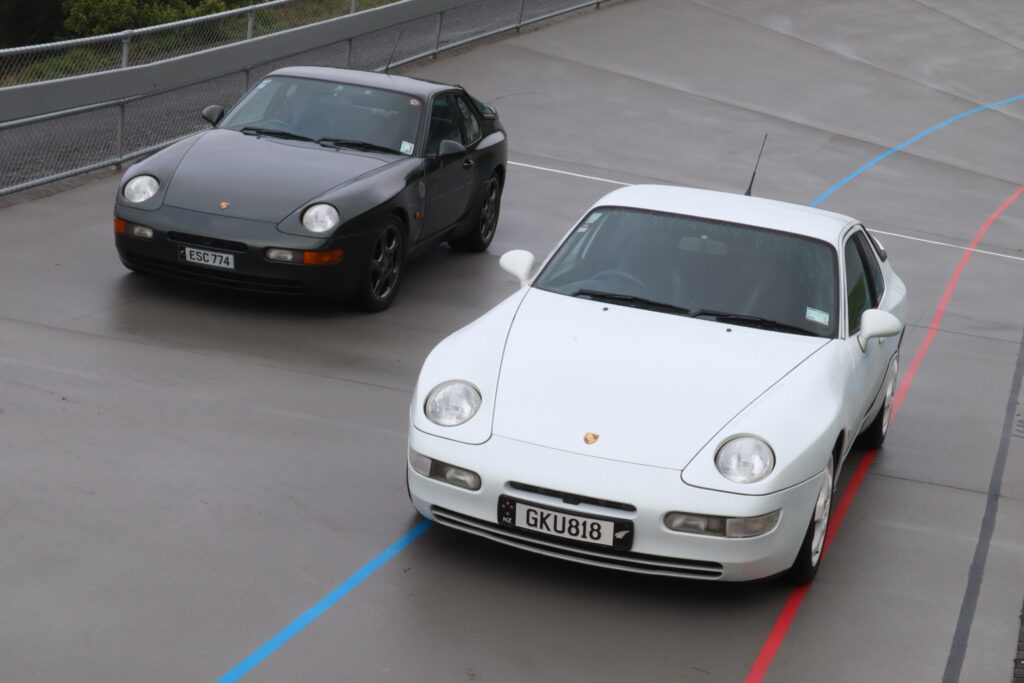
Brothers in arms

When you think Porsche, you will often think of the 911 or 356 — both rear-engine, both air-cooled (or at least until more recent times for the 911), and both icons of the sports car world. The 356 is very desirable, in hardtop coupe or in one of the three topless derivatives — speedster, roadster or cabriolet. Similar to larger car firms, Porsche experimented with a cheaper entry-level car for the keen but more modest income prospective purchasers so they could obtain their first foray into the brand.
Reaching back to their roots, Porsche collaborated with Volkswagen and released the mid-engine 914 in 1969. It sold in significant numbers in the USA, and was a modest success.

Angela’s ashes

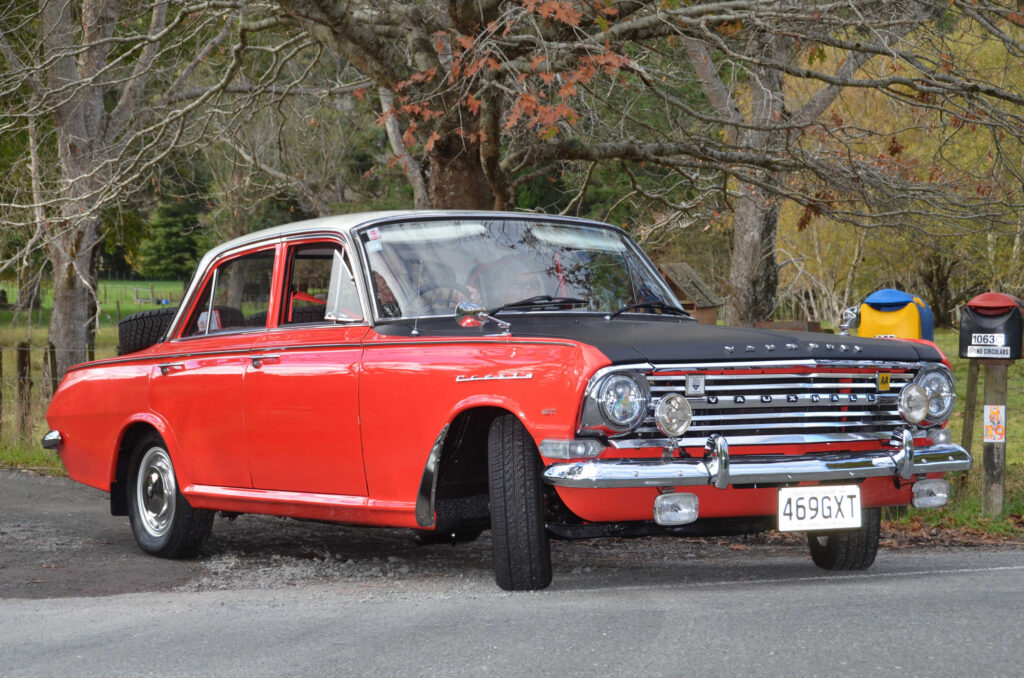
In November 2018, Howard Anderson had a dream of finding a 1964 Vauxhall PB Cresta to recreate the car he, his wife, Ruth, and three friends travelled in from London to Invercargill in 1969. The next night’s dream was a nightmare. He dreamed he would find the original Angela but it was a rusted wreck somewhere in Southland.
Howard’s inspiration came from reading about a driver in the 1968 London–Sydney Marathon who was reunited with his Vauxhall Ventora 50 years later. He, Ruth, and her parents had watched the start of the rally from Crystal Palace in South London. The fashion at the time among the rally and race set was to paint bonnets flat black to avoid the sun’s reflections flashing into the driver’s eyes, thus saving them from certain disaster. Howard admired the flat black bonnet on the Ventora so much he had Angela’s bonnet painted dull black.

Spicy Italian

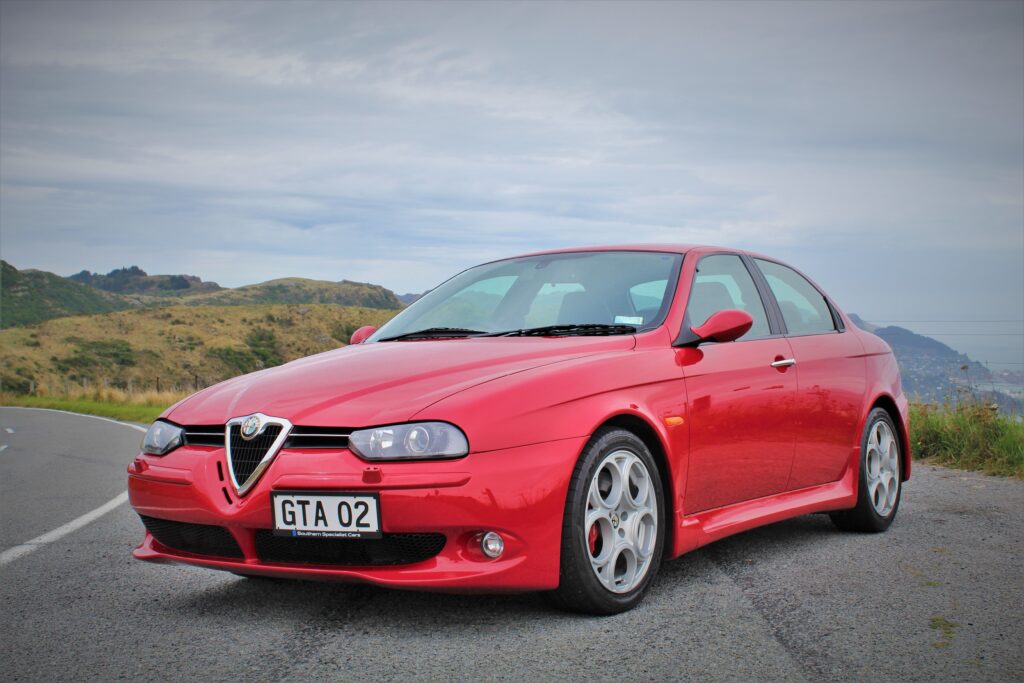
When it comes to discussing automotive brands with the habit of getting under your skin, the words Alfa Romeo will be among the first uttered. Alfa enthusiasts, or Alfisti to use the correct term, are some of the most passionate car enthusiasts around. They resonate with the brand’s rare talent for building cars with characterful engines, engaging handling, and beautiful lines at much less than exotic prices. This passion for Alfa’s vast automotive portfolio is only heightened when you mention the letters GTA.
An Alfa with a GTA badge has always been a very special thing. Standing for Gran Turismo Alleggerita, or Lightened Grand Tourer, it is always reserved for the models in Alfa’s range that champion power, light weight, and race car-like dynamics over just about everything else. From the early Series 105 Giulia GTA touring cars, to the latest limited run hardcore GTA rendition of the current Giulia Quadrifoglio saloon, it’s a nameplate with plenty of heritage.

Mararn – New Zealand’s only production McLaren

I met Andrew Farrow in the little South Island town of Rangiora, where he introduced me to the then current version of his constantly changing car collection. He owns the Eyrewell Forest Motor Company. Not having a forecourt, his sales generally occur online where he buys and sells cars to add to his fluid collection. An example of what I mean by fluid is the F-Type Jaguar which he purchased recently and enjoys driving. It is advertised on his website and will eventually sell, at which point it will be replaced by another exotic he would like to own such as a Ferrari 599. Consequently, his collection is always in a state of flux, and he never has time to get bored with a particular car as another car will always be somewhere on the horizon.
I had gone to see one of the more permanent cars in his collection and one of his favourites, a McLaren M6GT replica. “It’s not the fastest or most expensive car here,” says Andrew, “but it does get the most attention.”
Anybody who knows about cars will instantly recognise this car as being a replica of the McLaren M6GT, conceived by Bruce McLaren as having the potential to be the first McLaren road-legal supercar, conceived decades before the McLaren F1.

The essence of fun

The dak-dak-dak of the beach buggy’s air-cooled engine spreads head-turning smiles wherever it goes. It has a timeless appeal but it also comes laden with more than a hint of nostalgia for the golden summers of youth, before ice creams — and suntans for that matter — became a guilty pleasure.
The boom time for the beach buggy was the 1960s. They were invented then but volume manufacture screeched to a halt in the 1970s. New car legislation in the US outlawed things like open wheels and exposed engines, but the owner of this classic example, Rob Schrickel, says small-scale manufacture has bubbled along happily ever since.
“They never really went away,” he says.