Cars

The Great River Road

A few years ago my family, knowing my fondness for driving, gave me the book Unforgettable Road Trips: Thirty-Six Drives of a Lifetime by Martin Derrick. Most of the road trips listed take less than a day in places like Scotland, Monaco, and Australia, plus one in New Zealand. Most of these places were too far to go just for a short drive but four of them would take several days. My interest was piqued, and those four drives were added to the bucket list. To date, I have done three of them: ‘Route 66’ (USA 21 days), ‘State Highway 6’ (NZ 10 days) and ‘The Great River Road’ (USA 22 days). You can drive all of them in less time, but you could also fly over them. We wanted a decent immersion in their charms.
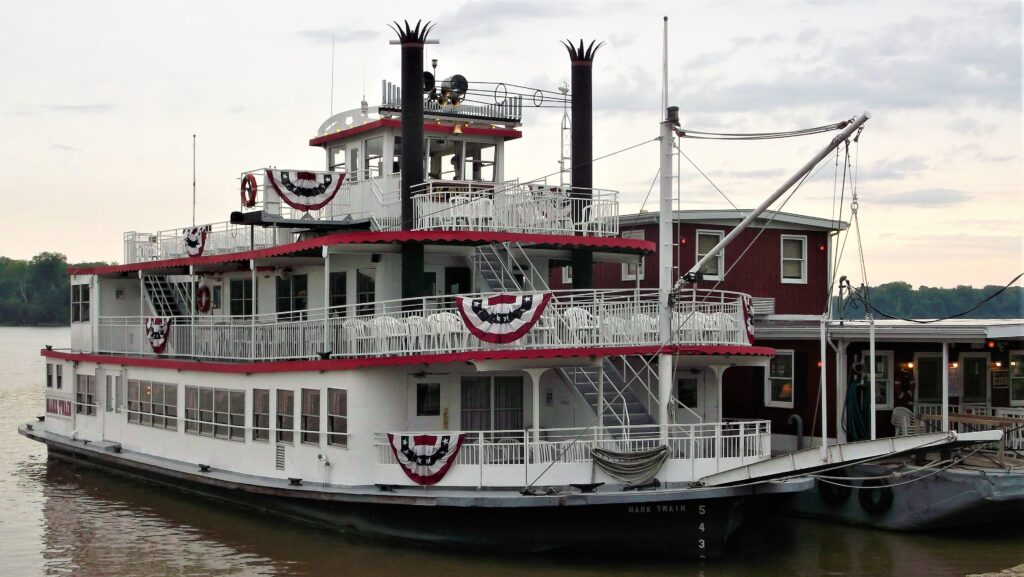
The great river referred to is the Mississippi. While the name conjures the deep south, the river actually starts at the bottom of the great lakes, before emptying into the Gulf of Mexico about 3800km later. The great road is more of a concept than a specific strip of tarmac, as you can drive down either side of the river on various routes. Regardless of which side you drive, time should be kept aside for detours to places such as Nashville, which is famous for something or other.

A diamond in the rough

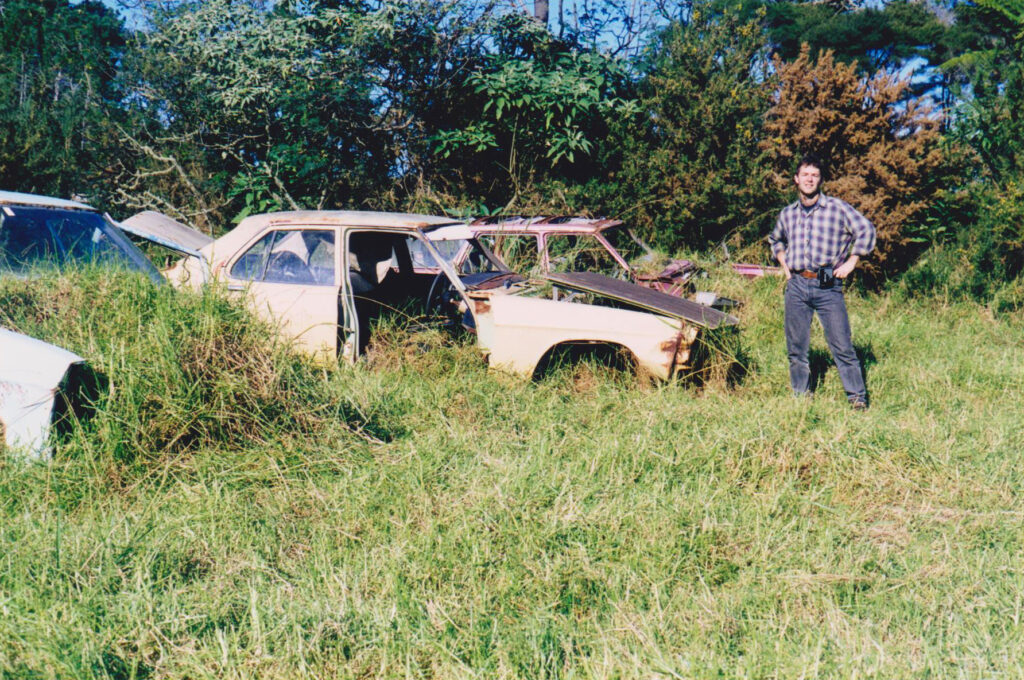
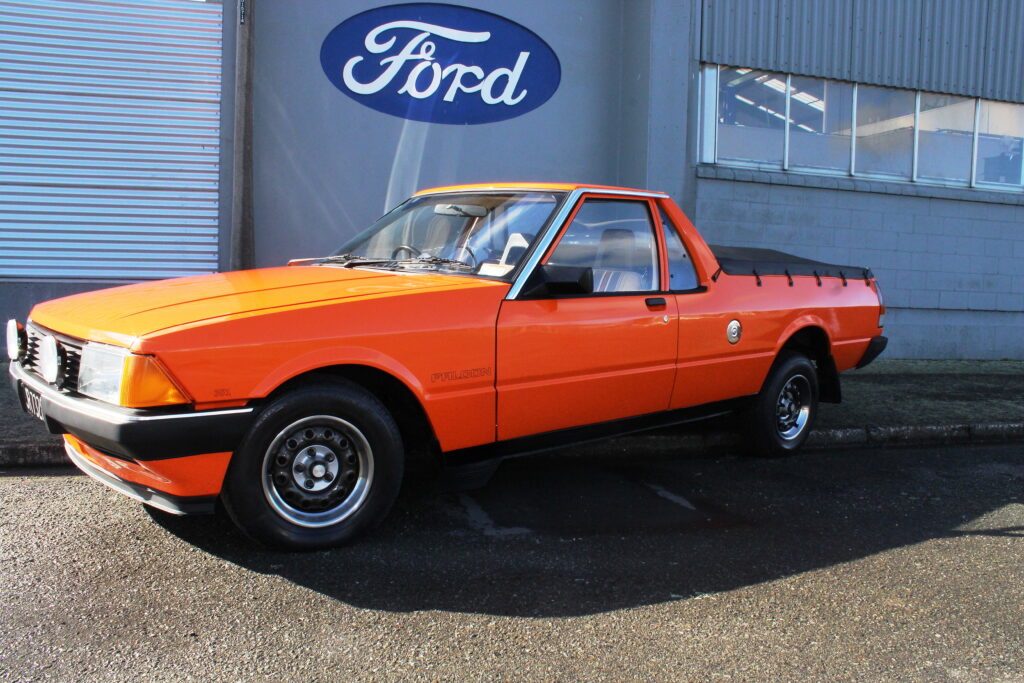
Two years ago, Lew finished a thorough restoration and the impressive ute has taken on a new life and colour. Lew plays down the amount of effort required but, despite his protestations, I suspect he put a lot of time into the project. A few unwanted tenants were evicted along the way.
“It didn’t take me long. There had been mice living in the firewall, which had caused a bit of damage. It apparently broke down and was pushed into a shed. It was 20 years to the day when I pulled it out and it sat in my other shed for 3 years before I started on it. That’s why it’s in such good order — it’s been kept in a shed for so long and still is.”

Britannia rules the roads – Royal Tour Cars – part 2

Royal rollers and fancy Fords
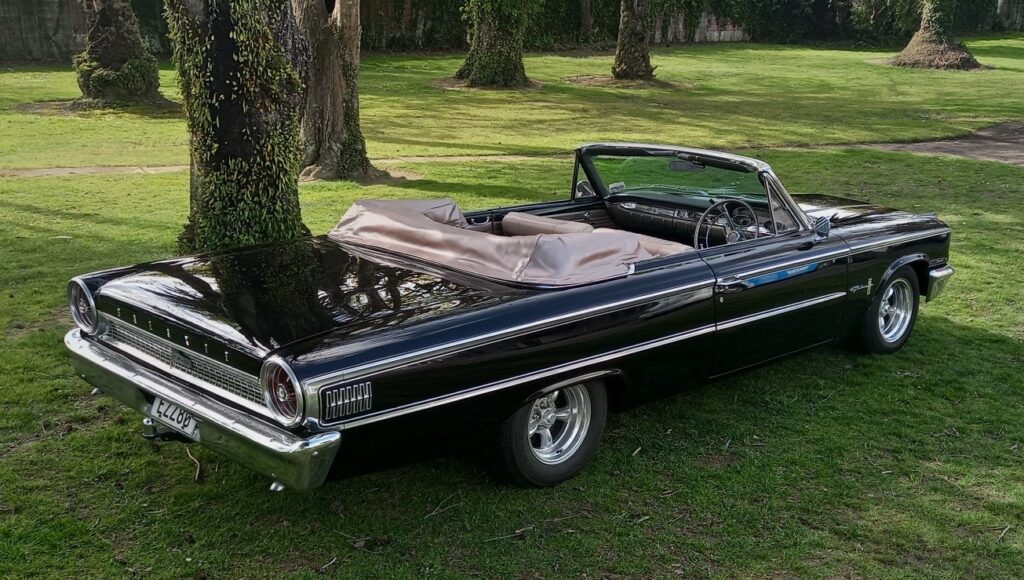
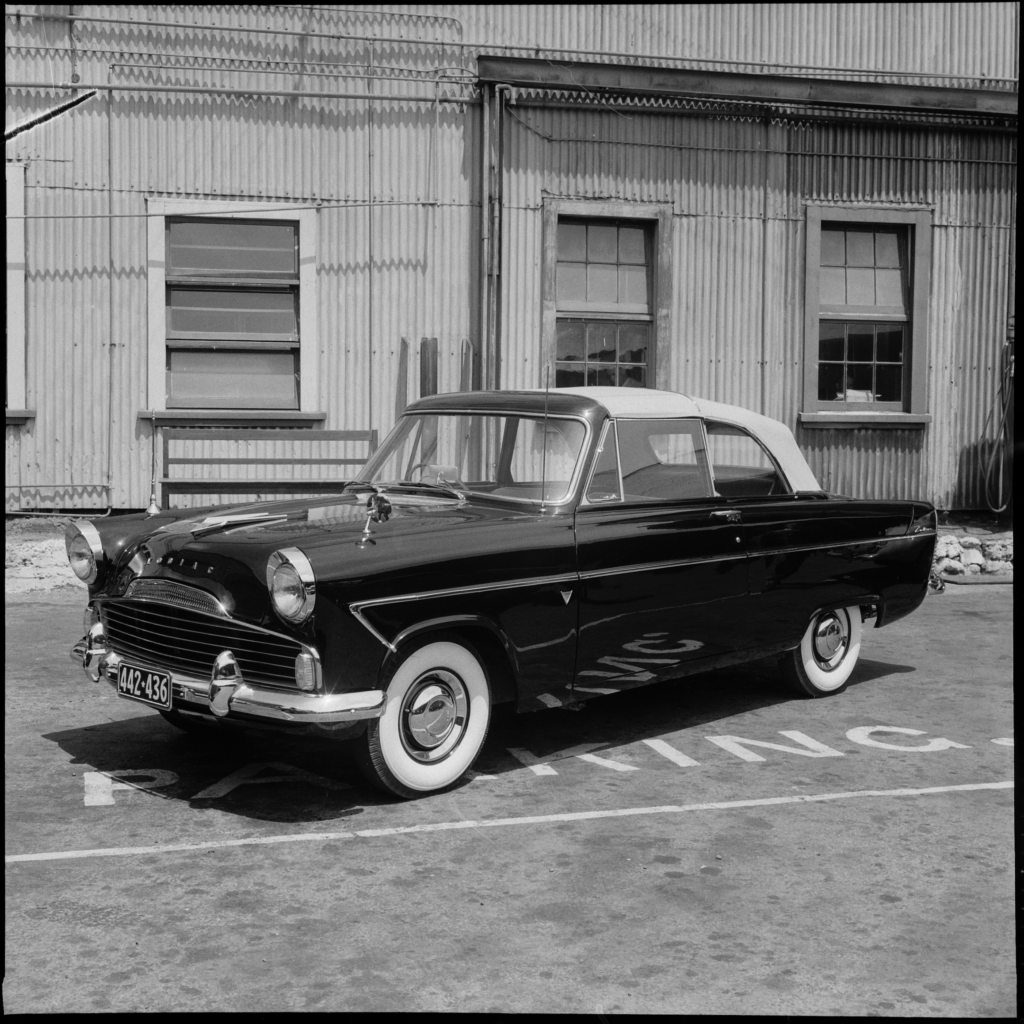
Ford Zodiacs had transported the Queen Mother during her tour in 1958 but five years on, their glitz had perhaps faded a bit too much for an actual monarch. As there was no longer a convertible version of Britain’s Zephyr or Zodiac on offer, Ford looked to their American arm for a replacement, finding it in the huge Ford Galaxie. The Public Service Garage purchased the car at around £3000 for royal tour work and VIP transport.

Twin peaks – 1990 BMW M325i pairing

The endearing E30 range has spawned a few modern classics and the poster car is undeniably the homologation-special M3. But what if you want M3 looks, genuine sporting character, and a sensible price tag? The obvious answer is the M325i, the best E30 model to be sold new in New Zealand between 1987 and 1991. With an M-Tech body kit, upgraded factory specification, and right-hand drive layout, it’s no wonder these finely honed cars are so highly prized. They have, in fact, been on collectors’ radars for many years now.
It’s hard to find significantly better examples than the near-identical Brilliant Red cars assembled here. These are post-facelift M-Technic II models and both were registered locally in May 1990. A minor difference in their specifications is one has silvery-grey velour throughout the cabin and the other darker grey upholstery. Other than that, after 30 years on Kiwi roads, it’s not easy to tell the cars apart from 10 paces.

Britannia rules the roads – Royal Tour Cars – part 1

Today we take royal tours for granted, but once upon a time, or at any time before the 20th century, it was impossible for our monarchs to visit their downunder dominions because of the distances involved and the unreliable transport.
The advent of steam power for ships and trains, the evolution of the motor car and, finally, the arrival of passenger air travel shrank their world, and ours, considerably, and the royal tour became a feature of the empire and the Commonwealth.
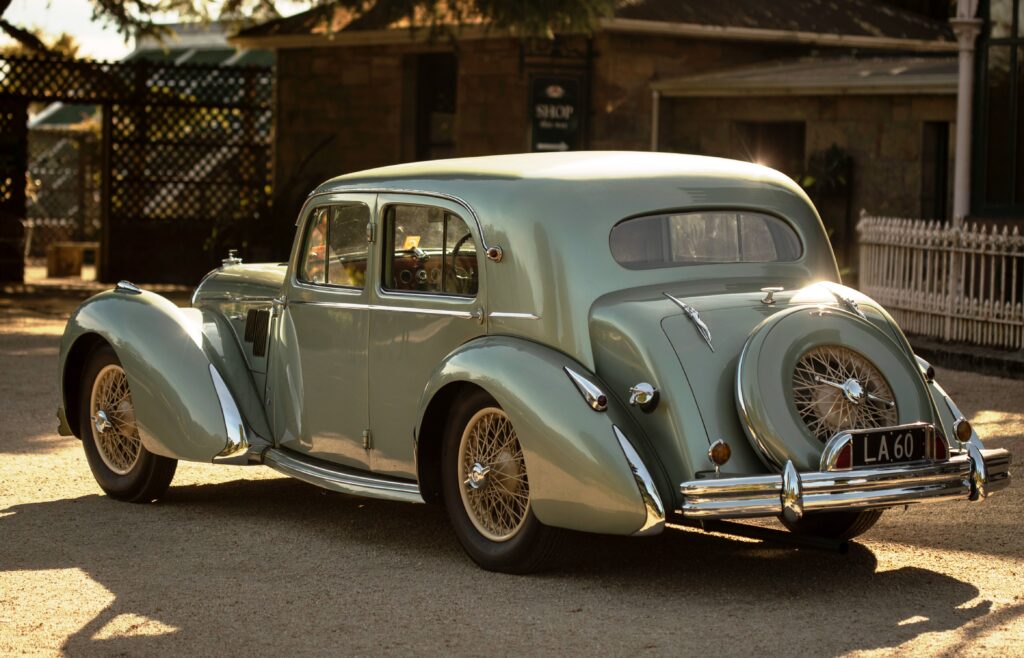
The first British royal visitor to Aotearoa, New Zealand, was Edward, Prince of Wales, in 1920. During his 28-day tour, he travelled mostly by the royal train, which was both safer and more convenient for royal personages. A variety of best-available cars were used locally. Ideally, these would be Daimlers.

Motorman: Blame it on Rio!

Following the third polite advisory, I figured there had to be a fair degree of substance to the warning. “If this is your first visit to Rio de Janeiro, please be careful,” came the personal hushed dialogue from the pleasant hostesses on a far from crowded Varig flight from Los Angeles to the famous Brazilian seaside city.
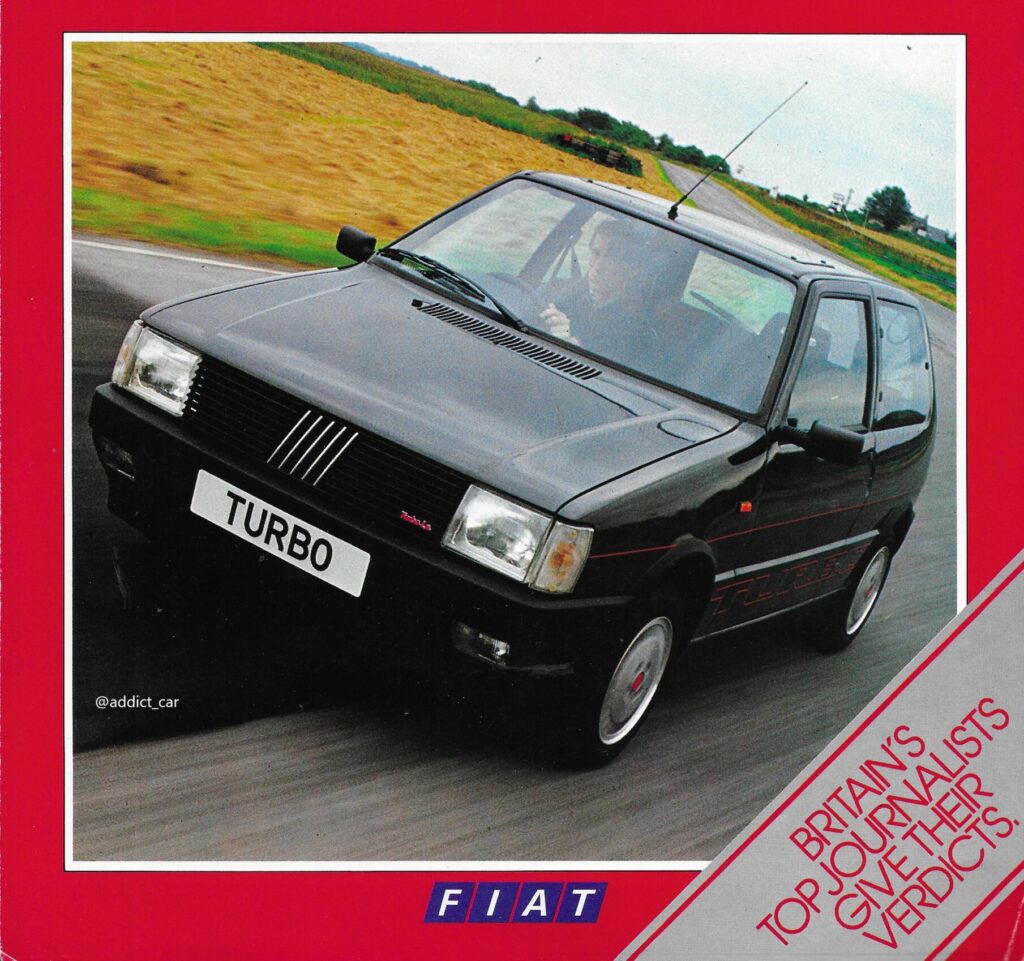
The previous evening I had flown into LA from Auckland en route to the 1985 international launch of the Fiat Uno Turbo. I was prepared for another long haul of just under 12 hours across Mexico, central America, Colombia, and central Brazil to that nation’s third largest city. Surprisingly the 10,500km run from Los Angeles to Rio is actually longer than the 8800km LA-London air route.
With the journey including a brief stopover in Honolulu I expected to travel just under 44,000km for the return journey to sample what was to be a low-volume version of a popular Italian car that would sell in even lower numbers in New Zealand. I like to think this shows nothing more than my deep commitment to my craft. In fact, even though I became lost on the homeward journey my total air miles would be little different.

Pinnacle Porsche

We were stopped at the side of the road, setting up the next photograph, when a faded Toyota slowed alongside and stopped. The window was already down to give the driver a good look.
“That’s my dream car,” he said, speaking for more than a few of us.
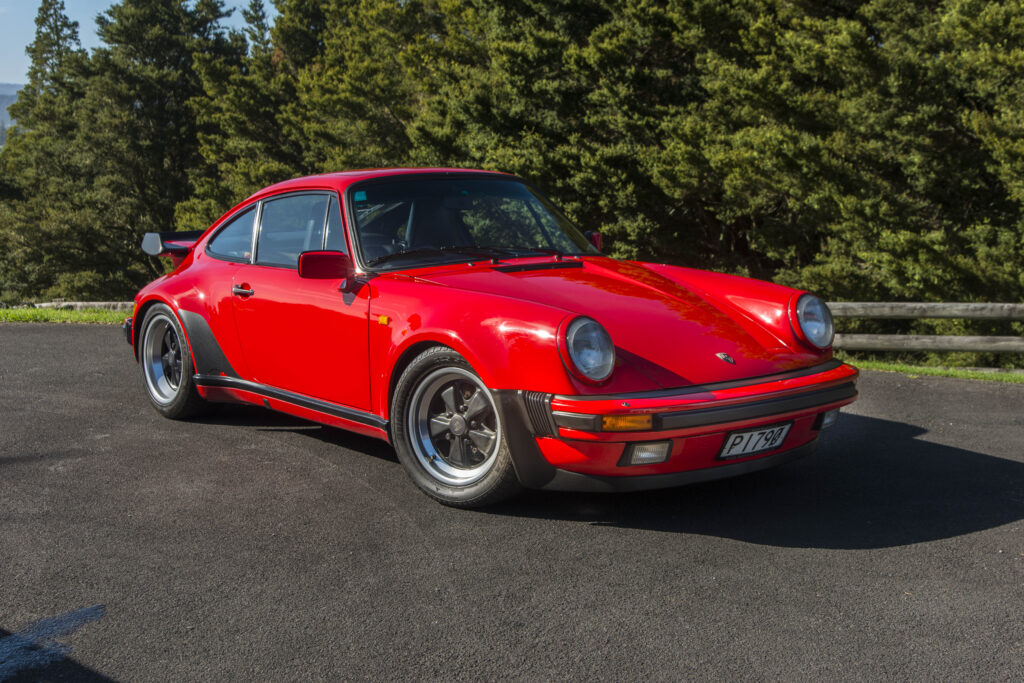
He drank in the gleaming red paint, shining in the sun, and the car’s purposeful swoops and curves. He exhaled half a lungful of cigarette smoke, gave a hang 10–style thumbs up and drove off.
On the side of the road, against a clear blue background, the Porsche stood out in all its stark red glory. It’s the classic 911 shape on steroids. It has the fat, even pouty, front lip of the G series 911s, added to comply with 5mph bumper restrictions in the US. It also has the oversized haunches to accommodate the wider rear wheels and tyres – a first for Porsche, which also confirmed its supercar credentials – and, most noticeably of all, that enormous whale-tail spoiler. They made it look as if Porsche had abandoned its restraint.

Motorman: When the top trio took to the road

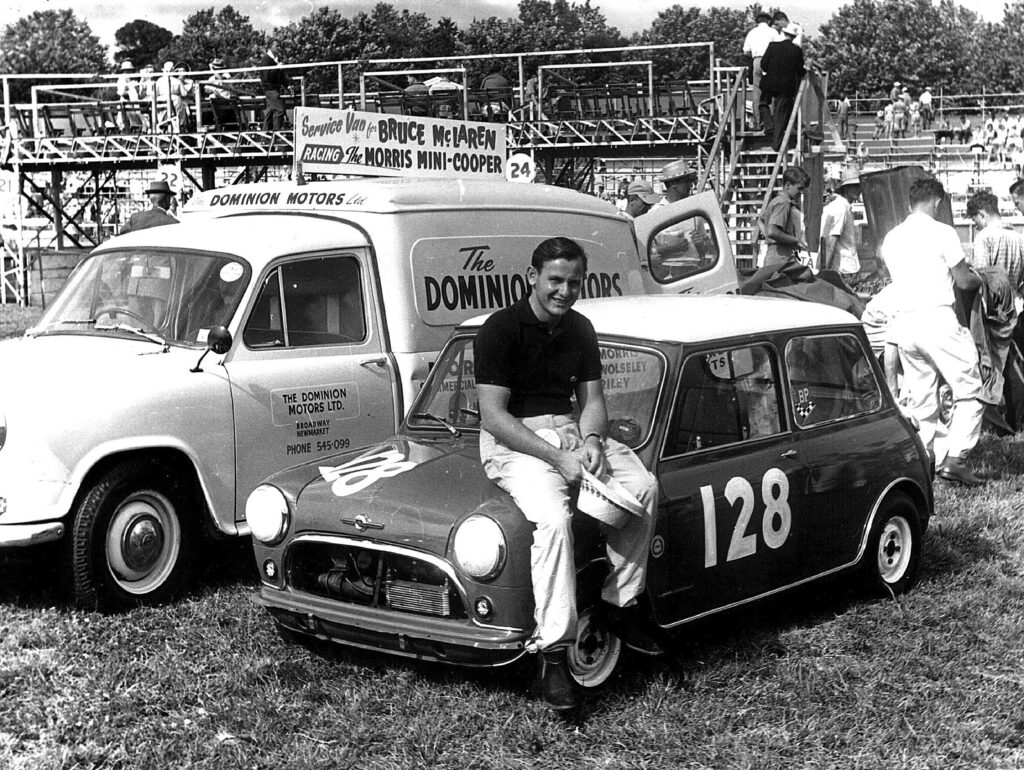
What sort of cars did Chris Amon, Bruce McLaren and Denny Hulme drive when they weren’t on the race track? Motorman knows
Most top racing drivers do care about safety levels of road-going cars for everyday motorists and their all-round abilities behind the wheel. Jackie Stewart for one denied finding everyday driving boring. He took pride in giving his passengers the smoothest possible ride, and encouraged all drivers to actively engage in the task. They also make interesting choices for their transport away from competitive motoring.
Thirty years ago I spent a day with Chris Amon driving on lower North Island roads and I can remember those informative few hours as vividly as if they were yesterday. In 1983 Chris accepted a challenge from Toyota New Zealand to improve its locally assembled cars in a relationship that extended well beyond the end of New Zealand-built Toyota vehicles in 1997.

The Ayrburn Classic announces dates for 2026

Save the date: Friday 20 – Sunday 22 February 2026
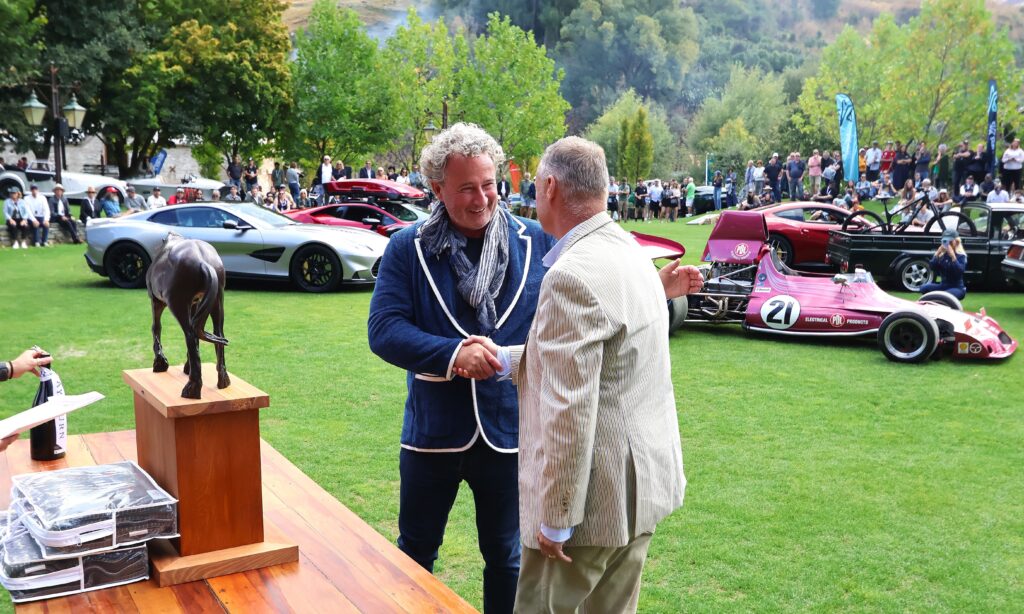
That’s right. The Ayrburn Classic returns next February for what promises to be another world-class celebration, scheduled slightly earlier on the calendar to bask in Central Otago’s long golden evenings and late-summer glow. This festival will once again transform Ayrburn into a playground for car enthusiasts, food lovers, and seekers of high-end hospitality alike.
The 2025 edition set an incredibly high benchmark, and is fast becoming one of the leading reasons to visit Queenstown – amongst New Zealanders and international travellers alike. With over 250 classic and contemporary luxury vehicles on display – collectively worth more than $250 million – the festival was a visual and visceral feast for attendees.
Standouts included an $8 million LaFerrari, the latest Aston Martin Vanquish, and a fleet of dream machines from Rolls-Royce, Bentley, McLaren, and more. The event’s unique blend of elegance and accessibility attracted both seasoned collectors and casual admirers aplenty.

Time Machine

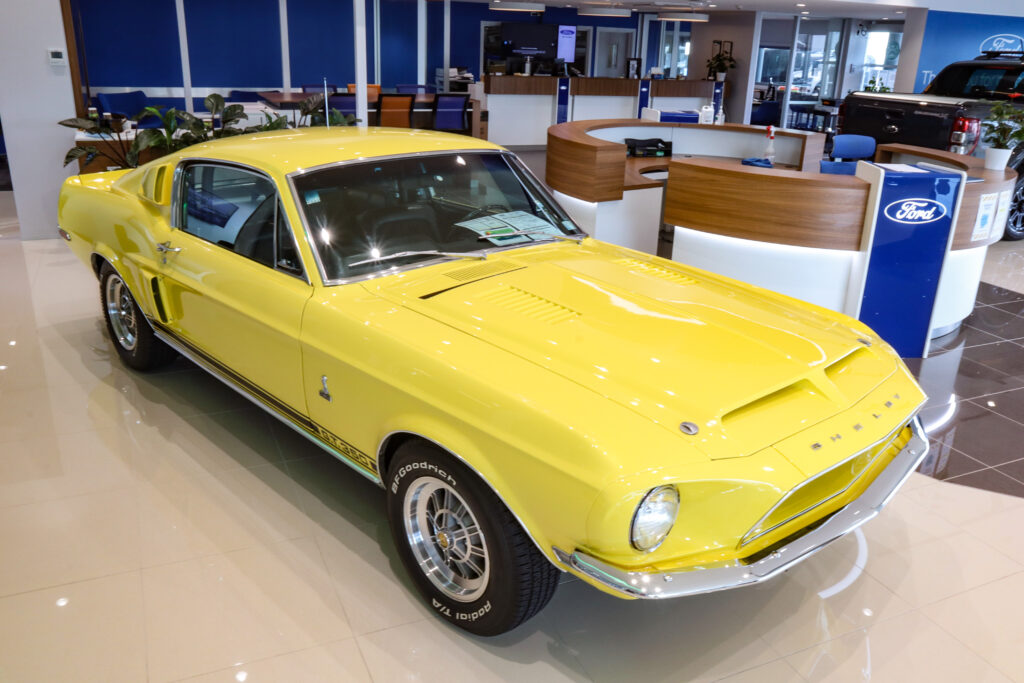
Our featured 1968 Shelby Mustang GT350 is a true survivor with only 53,000 miles (85,800 kms) on the clock. Its colour is called Meadowlark Yellow and was a special order with the paint code WT6066 for 1968 Shelbys only. In total only 109 cars got this colour and only eight were fastbacks. The vehicle was originally assembled at the Ford Metuchen plant in New Jersey in May 1968 before getting the Shelby treatment at the Ionia plant.
The first owner was a serviceman based in Japan with the US Air Force. He sold it in 2005 and the car was imported to New Zealand after being purchased for a museum in Putaruru. The vehicle then ended up in a private collection in October 2006 where it stayed for 15 years and only travelled 2000 miles (3200km approx.) in that time. The current owner has owned it since July 2021.

A second dose of Dash

When the car arrived in Wellington in December 2018 it was duly taken along for entry certification. Vehicle Inspection NZ (VINZ) found some wrongly wired lamps and switches — not too bad — but, much more significantly, some poor welding repairs. As the structural problems were probed more thoroughly, we realized the previous owner’s restoration would not do and we needed an upgrade. Dash had made it into the country but it would take some time and money before he would be free to explore any of New Zealand’s scenic highways.
We took the car to our new home in Johnsonville in the northern suburbs of Wellington and I pored over the car in detail to figure out what was next. There were lots of new parts on the car and a very perky reconditioned drivetrain but the chassis needed serious work.

Rural delivery

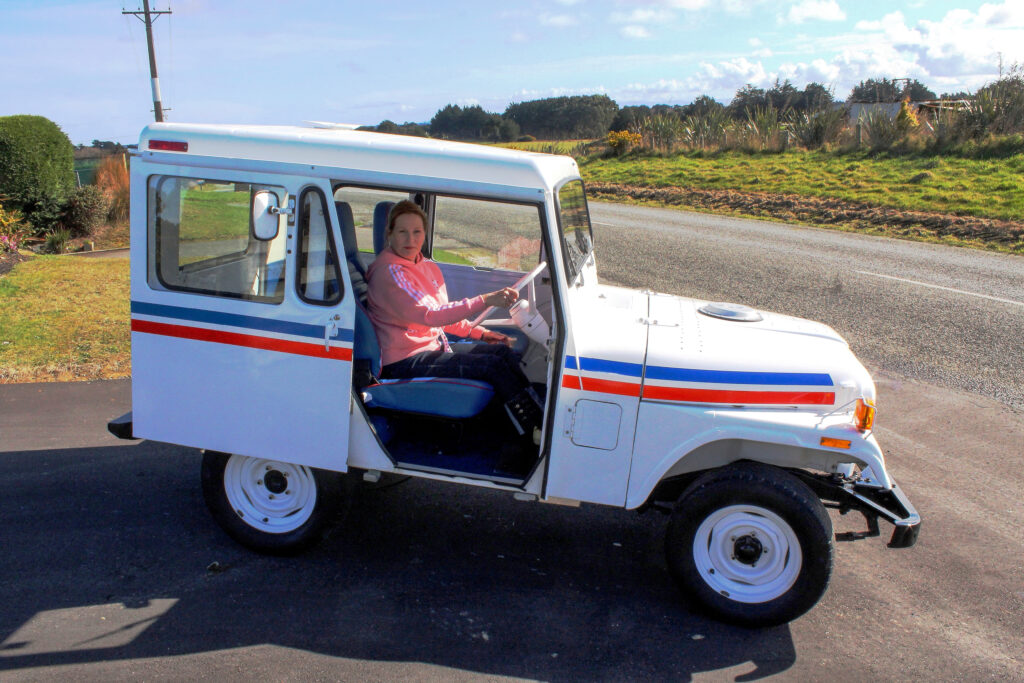
Lew’s initial assessment of the derelict Jeep was that it was pretty rusty but it looked complete and he thought it would make a pretty nifty and fun town car for Ann.
“That was about six years ago. It took me about four or five months to restore it; there’s not much to it. I don’t know a lot about the history of this Jeep, although I do know they made a lot of them. There are only a few in New Zealand and since I got it here, I’ve heard that there are one or two more in the country, but none of them on the road.” He believes one might be near Omarama and another in Christchurch.
Lew and Ann decided to put the Jeep back into its original distinctive US Postal Service livery and the result is impressive. Hours of sanding, grinding, and welding have produced a Jeep looking like it is fresh from the production line. The chassis was media blasted and repainted in a gleaming black, and all components were overhauled.

Performance art

Shelby’s targets were Superformance — a South African company that wanted to sell its versions of these cars in the US — and the US-based Factory Five. Their defence was that the name and shape of the Cobra car were abandoned when Shelby American ceased production of these particular models back in the 1960s.
Shelby countered with: “We spent millions of dollars creating the name and the car and winning the world championship. These knock-off-car guys don’t deserve the credit or the profit for what my team and Ford accomplished in the ’60s.”
Superformance painted an even bigger target on its back by also producing a version of Shelby’s Daytona coupé. Other cars in its production stable were Mk1 GT40 and 1962 Corvette Grand Sport replicas, but we’ll focus here on the Daytona.

Design accord

You can’t get much more of an art deco car than a Cord — so much so that new owners, Paul McCarthy and his wife, Sarah Selwood, went ahead and took their Beverly 812 to Napier’s Art Deco Festival this year, even though the festival itself had been cancelled.
“We took delivery of the vehicle 12 days before heading off to Napier. We still drove it all around at the festival,” says Paul.
The utterly distinctive chrome grille wrapping around the Cord’s famous coffin-shaped nose, and the pure, clean lines of the front wing wheel arches, thanks to its retractable headlamps, are the essence of deco. This model, the Beverly, has the finishing touch of the bustle boot that is missing from the Westchester saloon.

Motorman: When New Zealand built the Model T Ford

History has a way of surrounding us, hidden in plain sight. I was one of a group who had been working for years in an editorial office in Augustus Terrace in the Auckland city fringe suburb of Parnell who had no idea that motoring history had been made right around the corner. Our premises actually backed onto a century-old brick building in adjacent Fox Street that had seen the wonder of the age, brand-new Model T Fords, rolling out the front door seven decades earlier.
Today, the building is an award-winning two-level office building, comprehensively refurbished in 2012. Happily, 6 Fox Street honours its one time claim to motoring fame. Next door are eight upmarket loft apartments, also on the site where the Fords were completed. Elsewhere, at 89 Courtenay Place, Wellington, and Sophia Street, Timaru, semi-knocked-down Model Ts were also being put together, completing a motor vehicle that would later become known as the Car of the Century.