People

One lady owner

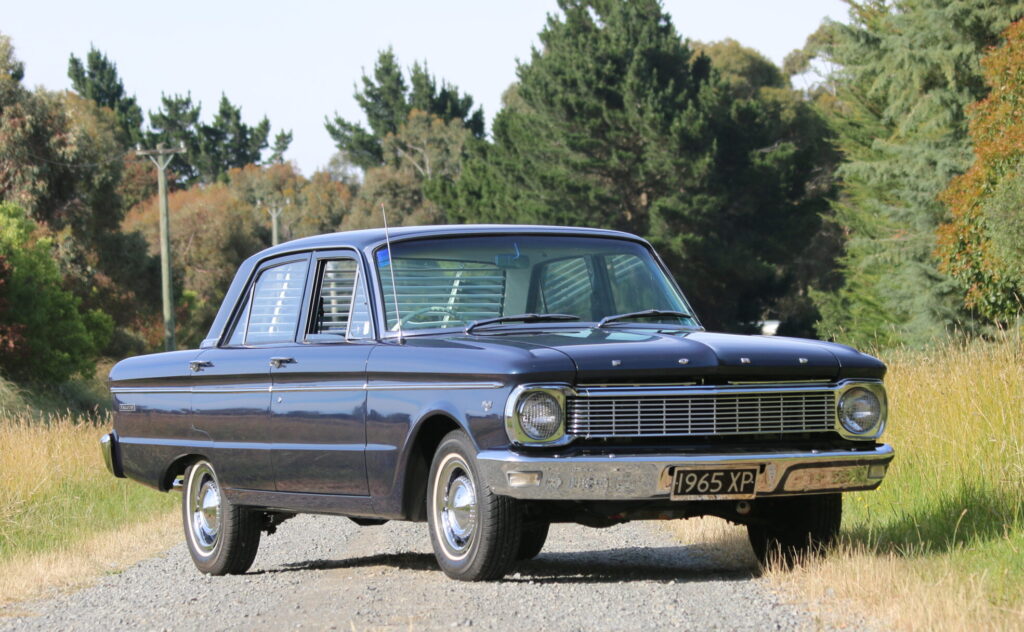
Well, at first glimpse, as soon as the lady opened the garage doors, I knew I was going to buy it. Dark metallic blue with two-tone blue vinyl trim, with a cream American-style steering wheel — I just could not believe my eyes! The Falcon was in as new condition as you could expect from a 30-year-old car. The owner was Mrs Iama Dzenis, aged in her late 60s, at a guess. Mrs Dzenis had bought the car new in September of 1965 from the Ford agents of North Canterbury, Palmer and Doak. Their headquarters were in Rangiora, with branches in Kaiapoi and Amberley.

Mararn – New Zealand’s only production McLaren

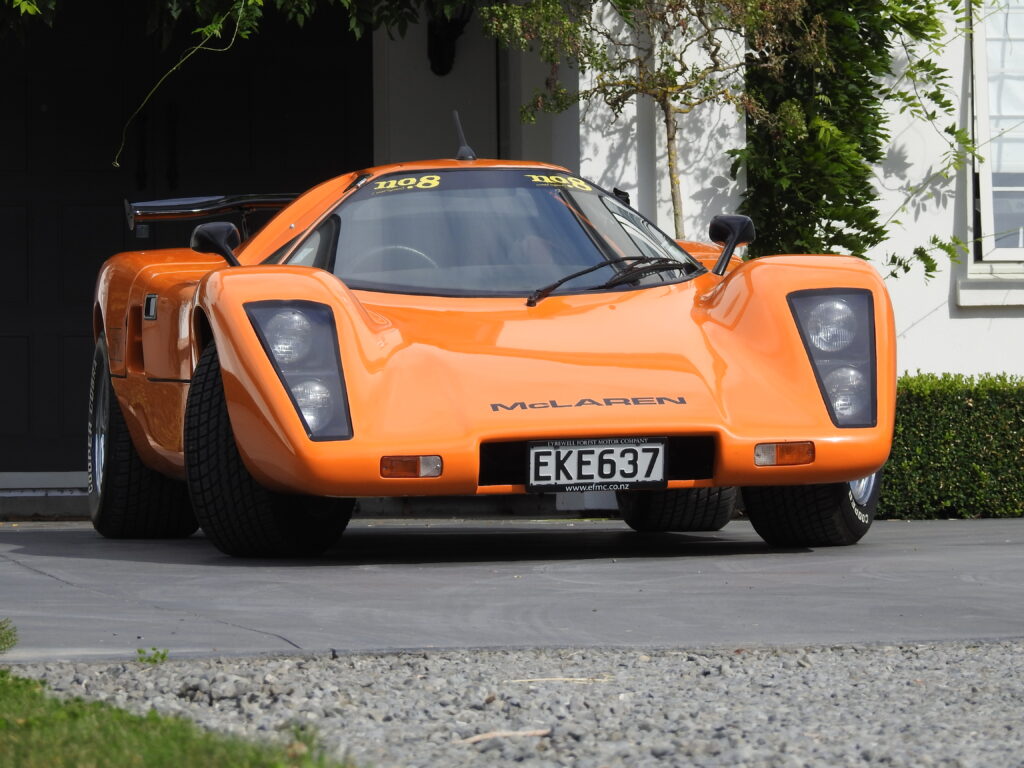
I met Andrew Farrow in the little South Island town of Rangiora, where he introduced me to the then current version of his constantly changing car collection. He owns the Eyrewell Forest Motor Company. Not having a forecourt, his sales generally occur online where he buys and sells cars to add to his fluid collection. An example of what I mean by fluid is the F-Type Jaguar which he purchased recently and enjoys driving. It is advertised on his website and will eventually sell, at which point it will be replaced by another exotic he would like to own such as a Ferrari 599. Consequently, his collection is always in a state of flux, and he never has time to get bored with a particular car as another car will always be somewhere on the horizon.
I had gone to see one of the more permanent cars in his collection and one of his favourites, a McLaren M6GT replica. “It’s not the fastest or most expensive car here,” says Andrew, “but it does get the most attention.”
Anybody who knows about cars will instantly recognise this car as being a replica of the McLaren M6GT, conceived by Bruce McLaren as having the potential to be the first McLaren road-legal supercar, conceived decades before the McLaren F1.

Roadside relics

There’s been a proliferation of ‘barn find’ and ‘junkyard relic’ type books hitting the market, over the last 10 years or so. Writer Tom Cotter has been a major culprit with titles like Barn Find Road Trip, The Cobra in the Barn, Route 66 — Barn Find Road Trip and many others. In the same vein are: Lost Muscle Cars and a swath by Jerry Heasley, such as Jerry Heasley’s Rare Finds: Mustangs and Fords. They are almost exclusively American titles.
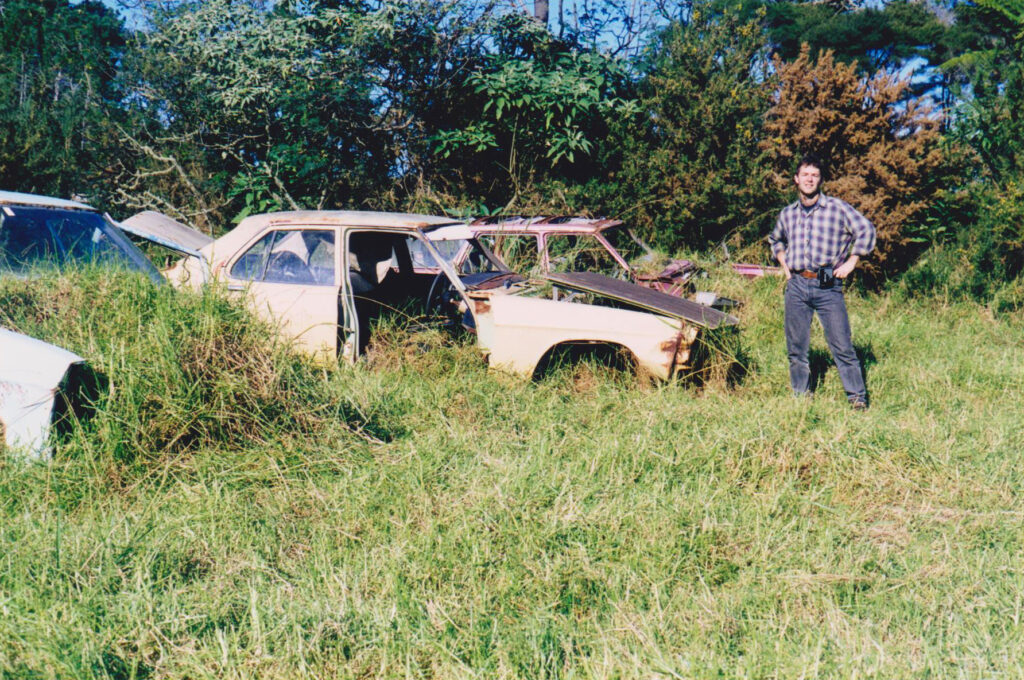
It got me thinking of all the road trips I’d charted around this country over 40 plus years hunting out and photographing what I thought of as roadside jewels — diamonds in the rough if you like, captured in all their glory, ensnared by time and weeds out in the back blocks. Interestingly, most of those cars have disappeared with the passage of yet more time.
Mulling on this point prompted me to go through scenes that had captivated me over 45 years on the road, an epitaph of sorts of earlier times, when these cars arrived at their final resting spot. I’d also capture those on their last legs, supposedly still operational and snapped curbside. I’ll also include a few snaps from my overseas junkets in Cuba, Buenos Aires and other locales.

Motorman: When the top trio took to the road

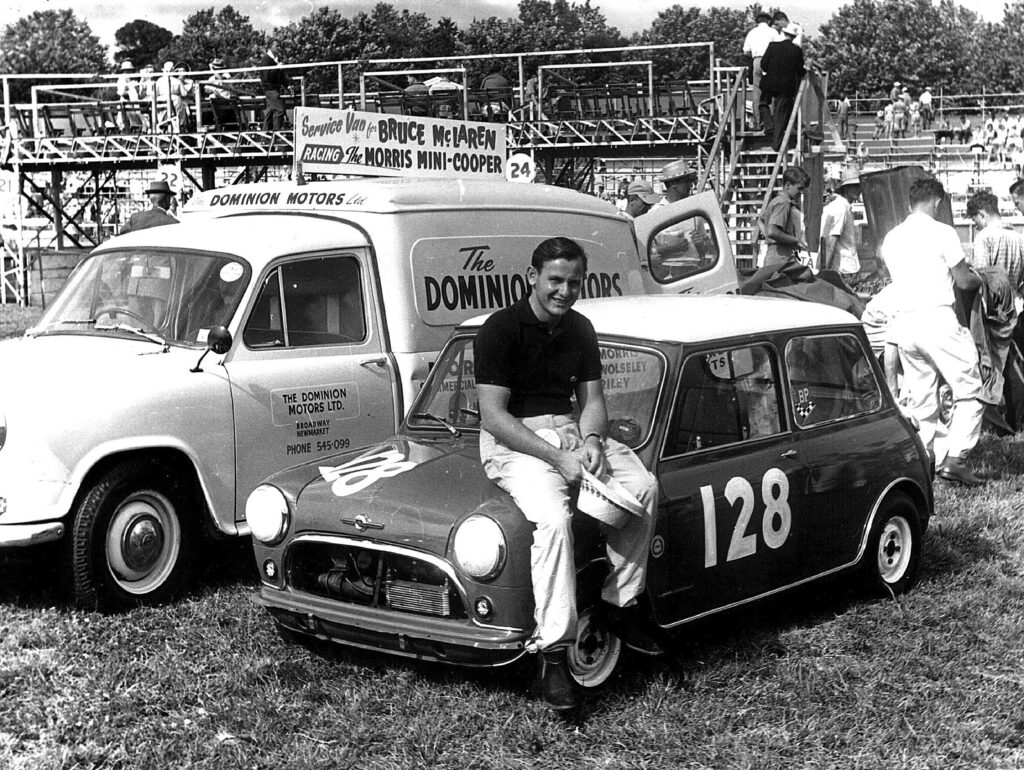
What sort of cars did Chris Amon, Bruce McLaren and Denny Hulme drive when they weren’t on the race track? Motorman knows
Most top racing drivers do care about safety levels of road-going cars for everyday motorists and their all-round abilities behind the wheel. Jackie Stewart for one denied finding everyday driving boring. He took pride in giving his passengers the smoothest possible ride, and encouraged all drivers to actively engage in the task. They also make interesting choices for their transport away from competitive motoring.
Thirty years ago I spent a day with Chris Amon driving on lower North Island roads and I can remember those informative few hours as vividly as if they were yesterday. In 1983 Chris accepted a challenge from Toyota New Zealand to improve its locally assembled cars in a relationship that extended well beyond the end of New Zealand-built Toyota vehicles in 1997.

Lunch with… Jim Palmer

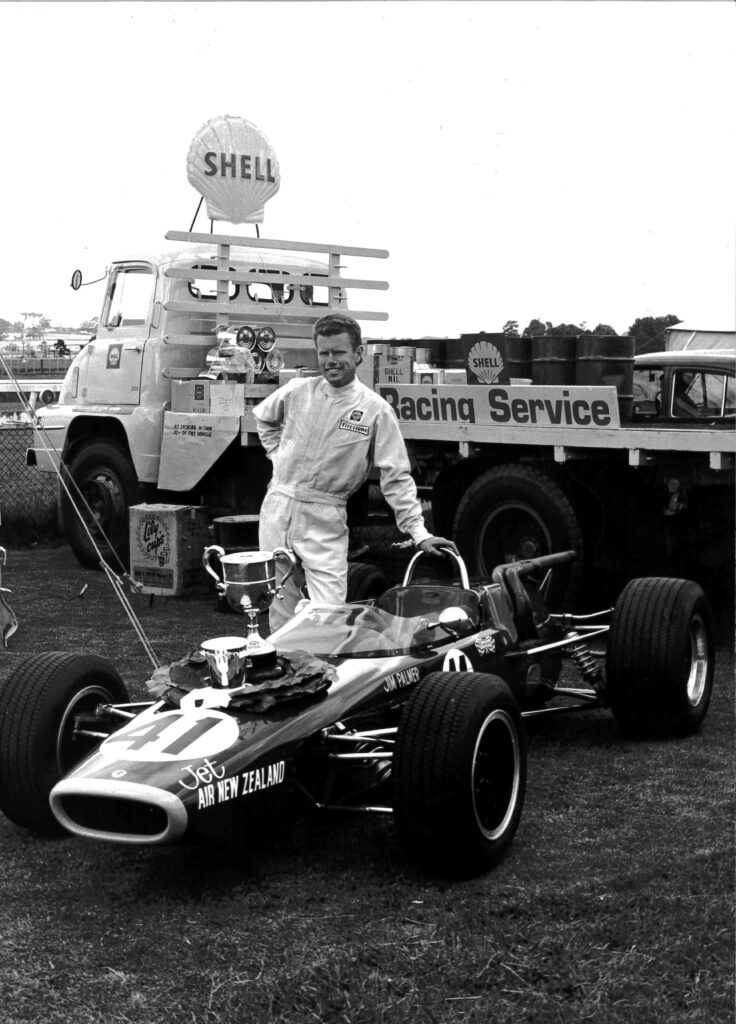
In the 1960s, Hamilton’s Jim Palmer won the prestigious ‘Gold Star’ four times and was the first resident New Zealander home in the New Zealand Grand Prix on five consecutive occasions. He shared the podium with Stirling Moss, Jack Brabham, Bruce McLaren, Graham Hill, Jim Clark, Denny Hulme, Jackie Stewart, and Chris Amon. The extent of his domination of the open-wheeler scene in New Zealand will probably never be matched or exceeded. Yet he’s always been modest about his achievements.

Dave Alexander is going to Bonneville, can you help get him there?

“My name is Dave Alexander, and I am on a mission to set a land speed record of over 420 kph at the iconic Bonneville Salt Flats.
With decades of experience in motorsport dating back to the 1970s, I have had the honour of competing at Bonneville before, where we achieved three records in just one week with my home-built car from New Zealand.
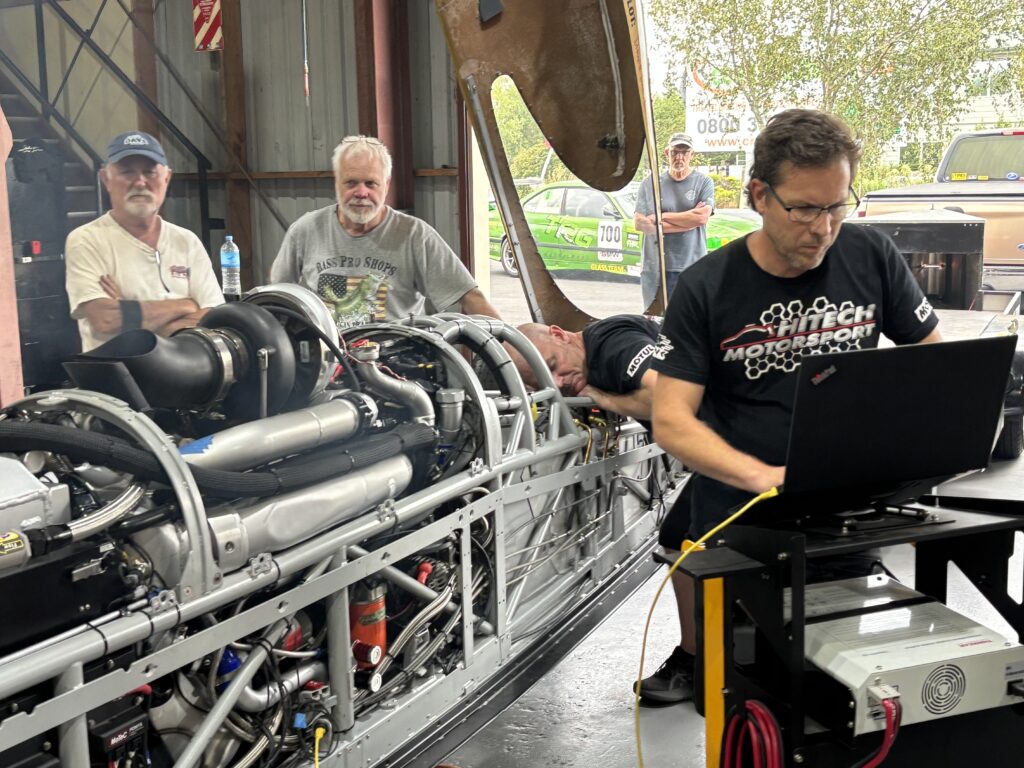
My latest creation is an impressive 7-metre ‘Lakester’, engineered specifically for land-speed racing and powered by a turbocharged Nissan RB30 engine. As a self-employed engineer, fabricator, and welder, I took on the challenge of building this vehicle in my shed with support from a small team of skilled friends.
In February 2025, we successfully completed the build and ran the car on a hub dynamometer, ensuring all systems were calibrated and functions tested. This marked a crucial milestone in our journey. Now, we face the next challenge: packing the car and transporting it across the globe to compete in ‘Bonneville Speedweek’ 2025.

To finish first, first, you must build a winner

Can-Am royalty
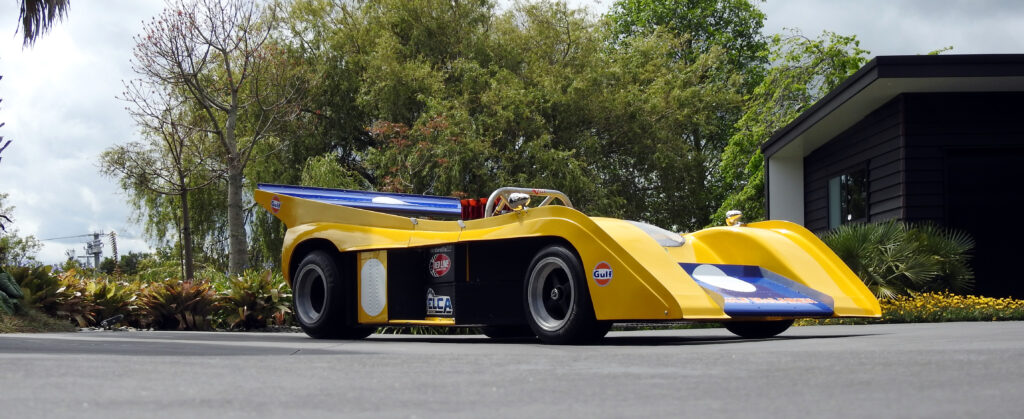
Only three M20s were built, including the car that was destroyed at Road Atlanta. This car was later rebuilt. All three cars were sold at the end of the 1972 season. One of the cars would score another Can-Am victory in 1974, driven by a privateer, but the M20’s day was done. Can-Am racing faded away at the end of that season and was replaced by Formula 5000.
These days the cars are valued in the millions. It was unlikely that I would ever have seen one in the flesh if it hadn’t been that one day my editor asked me if I would mind popping over to Taranaki and having a look at a pretty McLaren M20 that somebody had built in their shed.
That is how I came to be standing by the car owned and built by truck driver Leon Macdonald.

Lunch with … Roly Levis

Lunching was not allowed during Covid 19 Lockdowns so our correspondent recalled a lunch he had with legendary New Zealand racing driver Rollo Athol Levis shortly before he died on 1 October 2013 at the age of 88. Michael Clark caught up with Roly and members of his family over vegetable soup

Lunch with … Cary Taylor

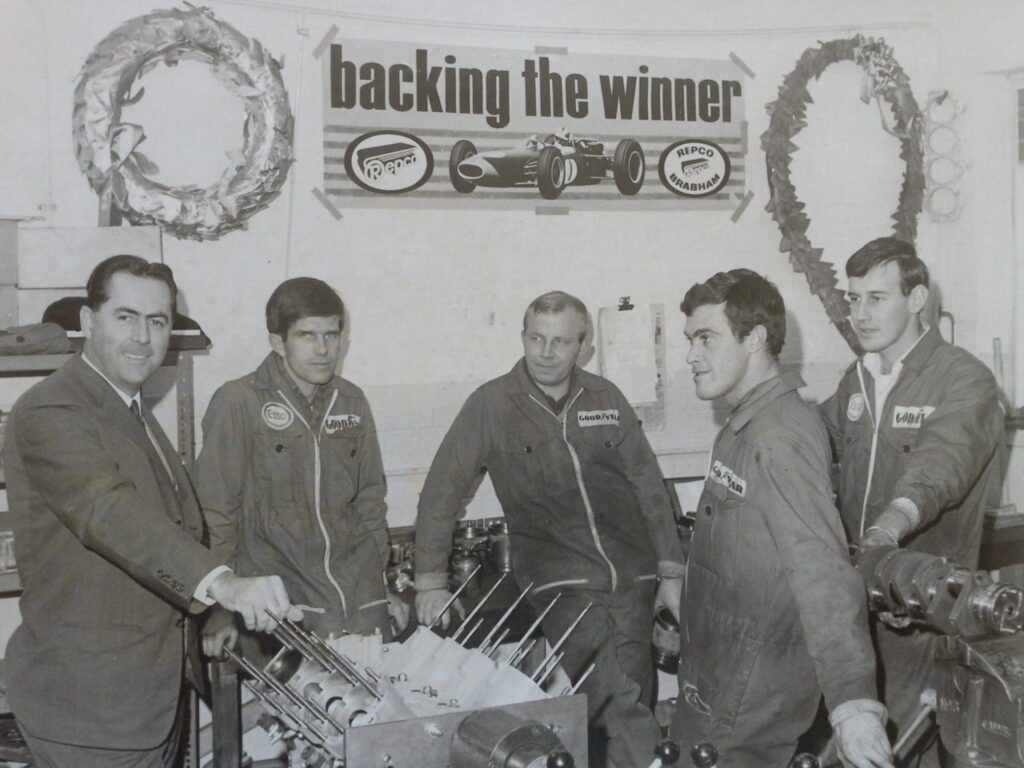
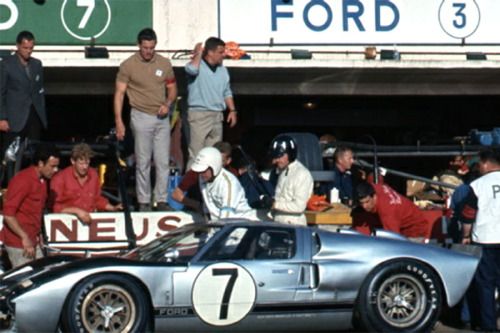
Many years ago — in June 1995 to be more precise — I was being wowed with yet another terrific tale from Geoff Manning who had worked spanners on all types of racing cars. We were chatting at Bruce McLaren Intermediate school on the 25th anniversary of the death of the extraordinary Kiwi for whom the school was named. Geoff, who had been part of Ford’s Le Mans programme in the ’60s, and also Graham Hill’s chief mechanic — clearly realising that he had me in the palm of his hand — offered a piece of advice that I’ve never forgotten: “If you want the really good stories, talk to the mechanics.”
Without doubt the top mechanics, those involved in the highest echelons of motor racing, have stories galore — after all, they had relationships with their drivers so intimate that, to quote Geoff all those years ago, “Mechanics know what really happened.”

Big Red and beyond

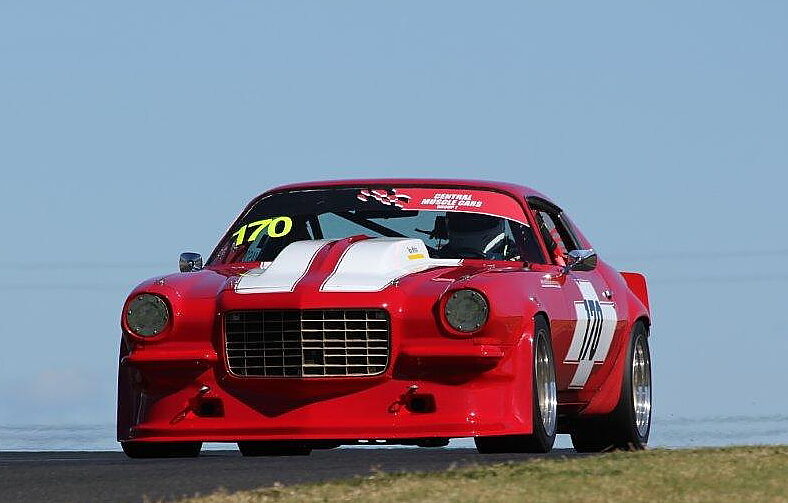
For more than a decade, Invercargill racing driver and businessman Brendan Mason has turned out for motor race meetings a lot less often than he would have liked with the 1970 Chevrolet Camaro known as ‘Big Red’.
“In total I have only done 37 race meetings in 12 years, which isn’t a lot due to the logistics and costs, but I have thoroughly enjoyed every minute I’ve worked and raced the car, and the friends I have made during the journey will be everlasting.”
Brendan had recently decided to quit motor racing and said those words soon after selling Big Red to Rob Lewis.
He says it’s been an entertaining 12 years with the ex–Wayne Anderson Pinepac Racing Camaro; it’s also been a rewarding one, with forays over the ditch to Eastern Creek [now Sydney Motorsport Park] in 2012 with the Central Muscle Cars (CMC) and again in 2016, on a CMC expedition to Bathurst.

Becoming fond of Fords part two – happy times with Escorts

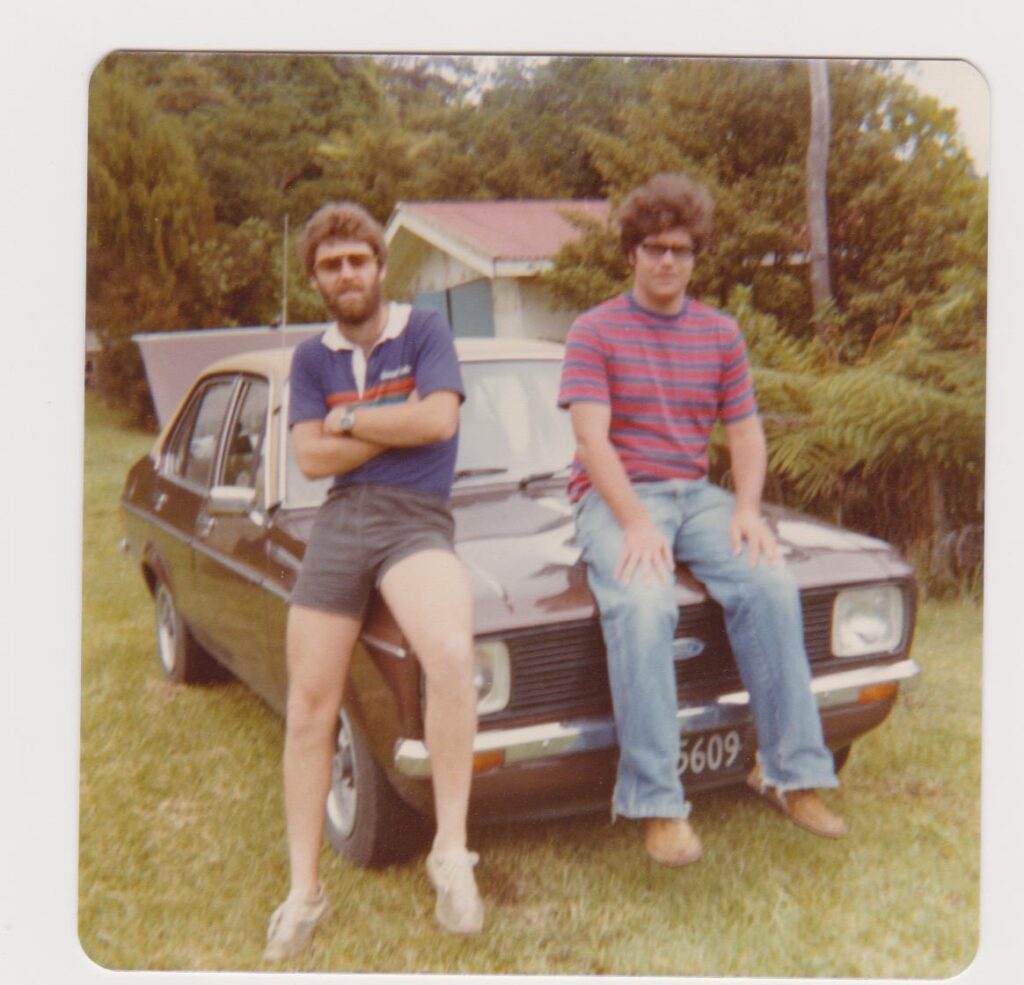
In part one of this Ford-flavoured trip down memory lane I recalled a sad and instructive episode when I learned my shortcomings as a car tuner, something that tainted my appreciation of Mk2 Ford Escort vans in particular. Prior to that I had a couple of other Ford entanglements of slightly more redeeming merit. There were two Mk1 Escorts I had got my hands on: a 1972 1300 XL belonging to my father and a later, end-of-line, English-assembled 1974 1100, which my partner and I bought from Panmure Motors Ford in Auckland in 1980. Both those cars were the high water mark of my relationship with the Ford Motor Co. I liked the Mk1 Escorts. They were nice, nippy, small cars, particularly the 1300, which handled really well, and had a very precise gearbox for the time.
Images of Jim Richards in the Carney Racing Williment-built Twin Cam Escort and Paul Fahey in the Alan Mann–built Escort FVA often loomed in my imagination when I was driving these Mk1 Escorts — not that I was under any illusion of comparable driving skills, but they had to be having just as much fun as I was steering the basic versions of these projectiles.

The super-detailed point of difference

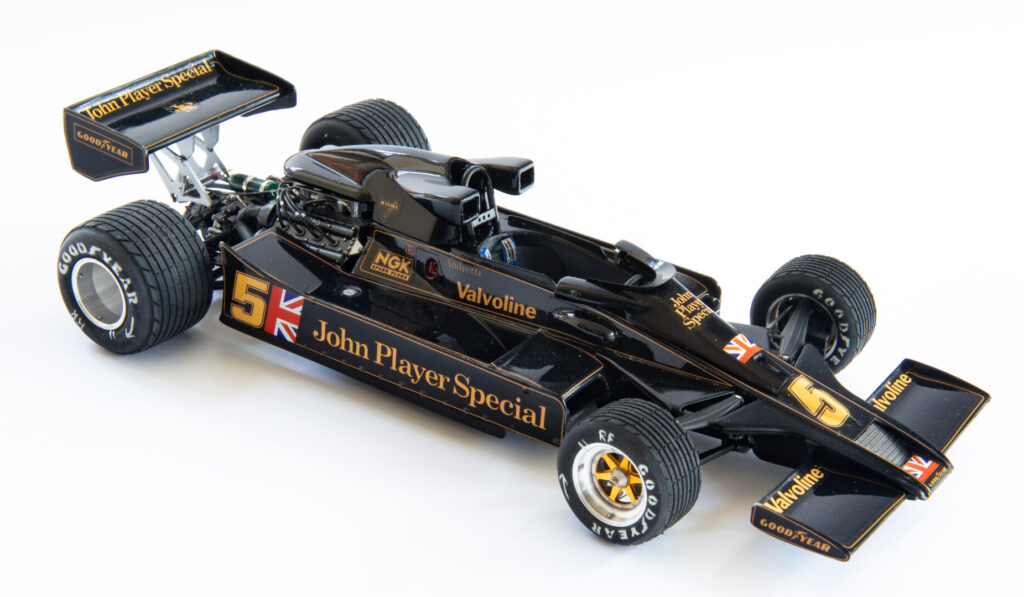
Tony Lyne has been building models for as long as he can remember, and he has realised his love for classic Formula 1 in spectacular fashion. As a teenager, Tony was drawn to the ‘elbows out’ style of racing required to keep cars of that era on Formula 1 circuits the world over and the technological race to improve them.
It is hard to fully understand the time, patience, and nerve-racking moments that go into a super-detailed work of art. However, hearing people utter “Where do you put the keys in to start it?”, and watching their eyes bulge as they carefully inspect the finished product, shows that all the hours spent in the spare room looking through the magnifying glass were well spent. These kitsets may have started out as a mere humble model, but they have ended up as true scale works of automotive art.

Lunch with … Roger Bailey

Roger’s story is a classic illustration of what hard work, honesty to the point of brutal frankness, a ‘can-do’ approach, and a racer’s brain can get you in this sport of car racing. Roger, or ‘Boost’ as he’s known up and down the pitlanes of America, was who Kenny Smith turned to when he was dragging a reluctant teenager around the different pit garages at Laguna Seca.
“Scott [Dixon] kept complaining that it was too hot and he just wanted to go back to the hotel pool. I had to tell him that I was trying to secure his future — we weren’t getting much of a look in until we saw Roger who knew everyone and set about introducing Scott as New Zealand’s next big thing.

Motorsport Flashback – Kiwi rallying in the 1970s

Rallying arrived in New Zealand in 1973 like a tsunami. It had been only a few years since the sport was introduced here and shortly afterwards Heatway came on board as the sponsor to take rallying to a new level. The 1973 Heatway would be the longest and biggest yet, running in both islands with 120 drivers over eight days and covering some 5400 kilometres. The winner was 31-year-old Hannu Mikkola — a genuine Flying Finn who had been rallying since 1963 before putting any thoughts of a career on hold until he completed an economics degree. The likeable Finn became an instant hero to many attracted to this new motor sport thing. I was one of them.

Lunch with… Brian Lawrence

Hearing Brian’s stories at the Levin tribute day (see Motorsport Flashback) made me realise that despite knowing him for nearly 30 years, there was much about his involvement in motor sport that I didn’t know. Since the ‘Lunch with’ series started, we’ve made a point of focusing on other contributors to the sport beyond the drivers. I’ve ‘lunched with’ journalists, a photographer, mechanics, preparation wizards, and F1 team members, but never before a promoter. In the near future we have lunches planned with more drivers, a team owner, and a sponsor, but now is the time to interview Brian David Lawrence.